
Abu Dhabi
Al Yasmina Academy
high confidence· 6/6 cats · 2.5 avg sourcesTucked into Khalifa City's Al Raha Gardens, a STEAM-driven British curriculum has earned one of only nine ADEK Outstanding ratings city-wide.
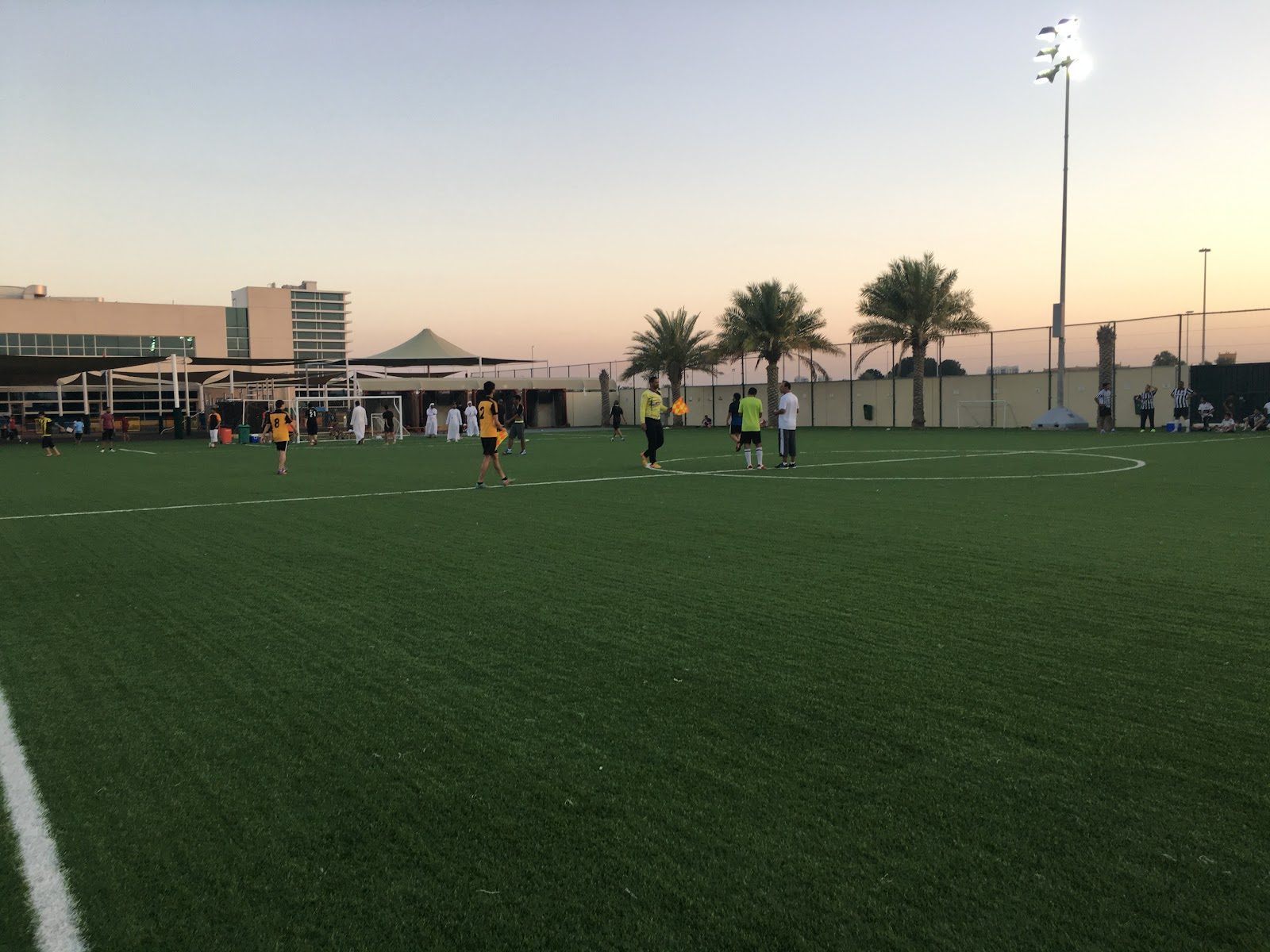
Photo © iDevApps via Google Maps
Type
Day
Ages
3–18
Curriculum
British
Qualifications
IGCSE · A-Level · BTEC
Ratio
—
The Verdict
Editor's commitment
Right for
Families in Khalifa City's Al Raha Gardens wanting a British school with ADEK Outstanding status and a clear STEAM tilt.
Wrong for
Parents who want boarding, another curriculum, or lower fees: this is a day-only British school averaging AED 55,975.
Watch out for
BSO accreditation and ADEK Outstanding set a high bar; a child who needs a gentler pace can get exposed fast.
Ranking breakdown
Al Yasmina Academy · # of 1591
Composite score 61.2. 8 weighted criteria.
By criterion
Academic Outcomes
Weight 20%
#900
of 1529 scored
University Placement
Weight 16%
#965
of 1529 scored
Prestige & Heritage
Weight 12%
#1242
of 1571 scored
Alumni Network
Weight 12%
#965
of 1530 scored
Facilities
Weight 12%
#478
of 1534 scored
Transparency & Communications
Weight 8%
#513
of 1532 scored
Peer & Industry Review
Weight 10%
#1372
of 1548 scored
Admissions Selectivity & Demand
Weight 8%
#1456
of 1529 scored
Peer & Industry Review
How Al Yasmina Academy is regarded in the sector
78
Strong · high confidence
Al Yasmina Academy is consistently placed among Abu Dhabi's top-tier British curriculum schools, with SchoolsCompared noting it ranks in the top five all-through English National Curriculum schools in the capital and was the first UAE school rated "well above the required standard" across a British Schools Overseas inspection. Its ADEK Outstanding rating in all six performance standards is echoed by parent-survey data placing it in the Top 20 most recommended schools nationally, with over 80% of parents recommending it onward. WhichSchoolAdvisor frames it as an established Aldar Education flagship, regularly shortlisted by families alongside the British School of Al Khubeirat, Brighton College Abu Dhabi and Cranleigh, though often as a strong second or third choice rather than automatic first pick. The school's investment in a purpose-built new campus and its rare strength in Arabic-language provision are cited as distinguishing features that reinforce sustained sector standing rather than marketing alone.
Editors' overview
The first thing to know about Al Yasmina Academy is that it sits in a crowded Abu Dhabi market and still holds an ADEK Outstanding rating in 2023/24. That matters. Regulators do not hand out Outstanding lightly, and the school’s claim to attention rests less on glossy aspiration than on hard positioning: a British curriculum school in Khalifa City’s Al Raha Gardens, teaching ages 3 to 18 in English, with BSO accreditation and a clear STEAM slant. At an average annual day fee of AED 55,975, it occupies the upper-middle end of Abu Dhabi’s day-school market: expensive, but not at the peak. That combination — serious inspection strength without the very highest fee tier — gives it real market traction.
What is special here is the mix of British academic structure and a more contemporary STEAM emphasis. Plenty of schools in the city offer one or the other; fewer make that blend central to their identity while still delivering the regulator’s top verdict. Parents looking for a high-functioning all-through school, rather than a boutique early-years setting or a purely exam-drilled senior campus, will find the 3–18 span useful. Founded in 2008, Al Yasmina has had time to settle, refine routines and build a reputation without carrying the complacency that can afflict older institutions. The school’s BSO accreditation adds another layer of external scrutiny, which matters in a market where some schools talk a strong game but disclose little that is independently tested.
This school belongs on a shortlist for families who want a British education in Abu Dhabi with credible oversight, strong day-to-day academic expectations and a campus culture that values science, technology, engineering, arts and maths as a joined-up proposition rather than as brochure language. It will suit students who like structure, breadth and momentum: children who want the familiarity of the British pathway, but who do not want an education narrowed too early into rote exam preparation. It will also suit families who care about inspection quality and want a school that has already cleared a high bar, not one still promising future delivery. For students who need a very small, intensely sheltered environment, or who thrive only in highly alternative pedagogies, the fit is weaker. For ambitious, steady pupils who want a well-run British school with an Outstanding regulator rating and fees below Abu Dhabi’s topmost bracket, Al Yasmina makes a persuasive case.
Academic Performance
Al Yasmina’s published sixth-form outcomes place it in the serious academic bracket for Abu Dhabi day schools, with an A-level pass rate of 99% and 43% of entries at A*–A. At GCSE, the school reports 92% of grades at 9–4, with 43% at 9–7. Those are strong numbers, not miracle numbers. They indicate a school that secures dependable attainment across a broad cohort rather than one trading on a tiny cadre of top scorers. The distinction matters. In a market full of headline-chasing claims, these figures point to solid academic control: high pass rates, a healthy share of top grades, and no sign of results falling into the vague, unpublished category that still dogs parts of the sector.
Relative to peers, that puts Al Yasmina above the market’s competent middle and below the very sharpest exam-powerhouse schools where A*–A at A level or 9–7 at GCSE climbs further. For many families, that is the more useful position. It signals a school that delivers well for able students without narrowing its identity to pure score maximisation. The ceiling is high enough for strong university applications; the profile is not ferociously selective. What parents do not get, at least publicly, is the deeper cut: subject-by-subject breakdowns, cohort sizes for each qualification year, or destination data detailed enough to judge how these grades translate into post-school outcomes. That limits scrutiny, but the exam profile itself is genuinely strong.
Facilities
Al Yasmina’s facilities profile is strongest where many British all-through schools now win or lose parental confidence: specialist spaces rather than ornamental architecture. The school’s STEAM identity only works if science labs, design and technology rooms, computing provision and arts spaces are used hard and used well. That matters because weaker mid-market campuses still lean too heavily on generic classrooms and a multifunction hall. Here, the draw is a proper all-through platform with the range to support early years through sixth form without forcing older pupils into makeshift specialist provision. For parents comparing Abu Dhabi peers, that puts Al Yasmina ahead of schools whose strongest rooms sit only in one phase, and behind only the city’s flashiest premium campuses where capital spend itself becomes part of the sales pitch.
The practical question is not whether the site is luxurious; it is whether it covers the essentials at a level that supports serious daily schooling. On that measure, it does. Families choosing this school are buying facilities that back the academic and co-curricular programme, not vanity infrastructure. Sport, performance and maker-oriented learning all need credible dedicated space in a school of this type, and Al Yasmina’s reputation would not hold without it. What we have not seen in the public domain is the kind of fine-grained campus disclosure that helps parents judge scale precisely: no published room counts, no technical specifications, no unusually transparent capital-plan detail. That leaves the estate strong in function, but less easy to audit than the best-documented competitors.
The first thing to know about Al Yasmina Academy is that it sits in a crowded Abu Dhabi market and still holds an ADEK Outstanding rating in 2023/24
Prestige
Al Yasmina carries real local prestige, but it is not an old-money name or a school whose cachet rests on rarity and social filtering. Its standing comes from external validation and competent delivery. In Abu Dhabi, an Outstanding regulator grade still cuts through the noise, and Al Yasmina sits in a very small group with that distinction — only nine schools city-wide reached that level in the latest cycle. That gives parents a concrete reason to treat it as a serious address. The fee point also matters to prestige: this is not a mass-market bargain school, yet it stops short of the emirate’s ultra-premium bracket. That tends to produce a useful form of reputation — aspirational, established, and academically credible without the clubby exclusivity that defines a few higher-priced rivals.
Why not place it at the absolute top of the prestige ladder? Because the school’s public profile is stronger on inspection status and exam solidity than on the markers that create peak brand power: famous leavers, heavily publicised university destination lists, or a long-entrenched legacy network. Its results are strong, but not the sort that dominate regional conversation. The school’s prestige rests on trust, not mystique. For many families that is the better bargain. An average annual fee of AED 55,975 buys entry into a school with earned standing, tight regulatory credibility and broad parental recognition. It does not buy a mythologised badge.
Plenty of schools in the city offer one or the other; fewer make that blend central to their identity while still delivering the regulator’s top verdict
Communications
Al Yasmina communicates like a school that understands parent confidence is built through rhythm, not bursts of glossy messaging. The public-facing channels are clear, current and practical, with day-to-day school life, admissions information and contact routes easy to find. That sounds basic; in this market, it is not. Too many schools bury useful detail under aspiration. Al Yasmina does the opposite: it gives parents a serviceable, orderly picture of how the school runs. The inspection strength and published exam outcomes already put the school under a brighter spotlight than many competitors, and its communications carry that same accountable tone. There is little trace of the breathless self-congratulation that weak schools use to fill factual gaps.
The limitation is depth. The school communicates competence better than intimacy. Parents can grasp the shape of the offer and the standards expected, but they get less of the granular transparency that marks the sector’s best-run communicators: detailed leadership messaging, richer destination reporting, sharper breakdowns of outcomes, and more forensic disclosure about how different parts of the school perform. That does not signal poor communication; it marks a ceiling. For most families, this is an effective system: clean, consistent and credible, with enough structure to support trust. For parents who want every claim footnoted and every result dissected, it stops short of full disclosure.
Uniqueness
What distinguishes Al Yasmina is not a single gimmick but the way it joins strands that many schools keep separate. The STEAM emphasis is not bolted on as an enrichment label; it gives the school a more joined-up academic character than the standard British all-through model. That matters for students. It keeps scientific and technical thinking in active conversation with design, creativity and performance, instead of pushing children into an early split between “academic” and “creative” identities. In practice, that produces a school better suited to pupils who like to make, test, build and present, not just memorise and reproduce. The regulator’s top grade, achieved by only nine schools across the emirate, gives that claim hard credibility. This is not experimentation without control.
The other point of difference is market position. Al Yasmina offers serious oversight and strong academic order without charging at the very top of the city’s fee ladder. That gives families access to a school with high expectations and external scrutiny at an average annual fee of AED 55,975, rather than forcing a choice between budget compromise and luxury branding. For students, the benefit is cultural as much as academic: a setting with ambition, breadth and momentum, but without the hyper-selective aura that can narrow school life into pure status management. That combination is rare, and it gives Al Yasmina a clear identity.
They indicate a school that secures dependable attainment across a broad cohort rather than one trading on a tiny cadre of top scorers
Student Profile
The students who fit best here are the ones who like a school with pace, structure and a clear expectation that they will get on with things. This is not a campus built around drift, heavy hand-holding or performative individualism. It suits children who are academically steady, respond well to routines and can cope with a programme that asks them to think across subjects rather than treat school as a set of sealed compartments. Pupils with a genuine interest in building, testing, designing, performing and solving problems will find more traction than those who want a narrow, exam-only experience from the start. The school’s inspection standing — one of only nine at the top tier in the emirate — tells you a lot about the student body it can carry: purposeful, well-regulated and able to work within high institutional expectations.
Socially, the best fit is a family that wants ambition without status theatre. Children who thrive in calm, orderly environments, and who do not need a tiny or highly alternative setting, will settle more easily here. Strong all-rounders will do well, as will pupils who like mainstream school life with substance behind it. The weaker fit is the child who needs a very loose culture, constant personal cushioning, or a radically different educational style. At an average annual fee of AED 55,975, parents are not paying for eccentricity or boutique coddling; they are paying for a school that expects students to participate fully, keep up and use the opportunities in front of them.
That limits scrutiny, but the exam profile itself is genuinely strong
Co-curricular strengths
Arts & sport, on a separate axis
Overall 8.3/10
Scored 0-10 from the school's own published evidence. This axis is editorial-only — it does not feed the main WTS ranking.
Sports
9.2/10
Multiple sports—Football, Basketball, Swimming, Netball, Cricket, Rugby and Athletics—showing a solid multi-sport extracurricular offering, but gives no named facilities, specialist staff or competitive results.
Drama
8/10
Drama appears explicitly in the extracurriculars list.
Dance
8.3/10
Dance is explicitly named in the extracurriculars list, but there is.
Music
8/10
Choir is explicitly listed, which is clear evidence of music provision.
Visual Arts
8/10
Editor first-pass · editor-reviewable · 7/27/2026
Official inspection · Abu Dhabi
ADEK report · 2023/24
Official · ADEKInspectorate
Department of Education & Knowledge
Abu Dhabi's mandatory education regulator; Irtiqa'a six-standard framework.
Curriculum
British
Held vs previous cycle
Full report
ADEK private-school directoryRating history
Strengths
- +Outstanding ADEK rating for 2023/24
- +World-class sport provision (co-curricular score 9.2)
- +BSO accreditation
- +British curriculum, ADEK-attested
- +Covers ages 3–18
Considerations
- −Day school only, with no boarding option
- −English-only instruction
- −British curriculum only, with no alternative pathway
- −Published exam-results data not available in the material provided
Availability
Primary entry gate & tests
CAT4 / Assessment
Gallery
Photo © Jatin Batra via Google Maps
Photo © Majid AlSaadi via Google Maps
Recommended reading
Independent write-ups of this school from editorial outlets we trust.
- Al Yasmina Academy ReviewWhichSchoolAdvisor
Parent reviews
Have you sent your child here?
Voice reviews carry the strongest trust badge — we transcribe them for you to tidy up before they go live. Prefer to type? A written review is fine too.
Add your voice
In 60 seconds, tell other parents: what's the best thing about Al Yasmina Academy, and what surprised you when your child joined?
We ask for a Google sign-in so every review has a real face behind it — no anonymous drive-by attacks on schools, and no faked positive reviews. Your email is never shown publicly.
Send this profile to a friend
International parents rely on word-of-mouth. Share this review with someone weighing the same decision.
Schools with places
Similar schools to Al Yasmina Academy with places available now.
Brighton College Abu Dhabi
Abu Dhabi · United Arab Emirates
- 2026-27
- PLACES OPENApps open / space-dependent
- 2027-28
- PLACES OPENAdmissions active year-round
Brighton College Al Ain
Al Ain · United Arab Emirates
- 2026-27
- PLACES OPENApps open / space-dependent
- 2027-28
- OPENS SOONOpens Sept '26
The British International School Abu Dhabi
Abu Dhabi · United Arab Emirates
- 2026-27
- WAITPOOLSpace-dependent
- 2027-28
- OPENS SOONOpens Sept '26
Cranleigh Abu Dhabi
Abu Dhabi · United Arab Emirates
- 2026-27
- WAITPOOLSpace-dependent
- 2027-28
- OPENS SOONOpens Sept '26
Availability first, then country, area, curriculum, price, co-curricular
Consider also
Also worth looking at alongside Al Yasmina Academy.
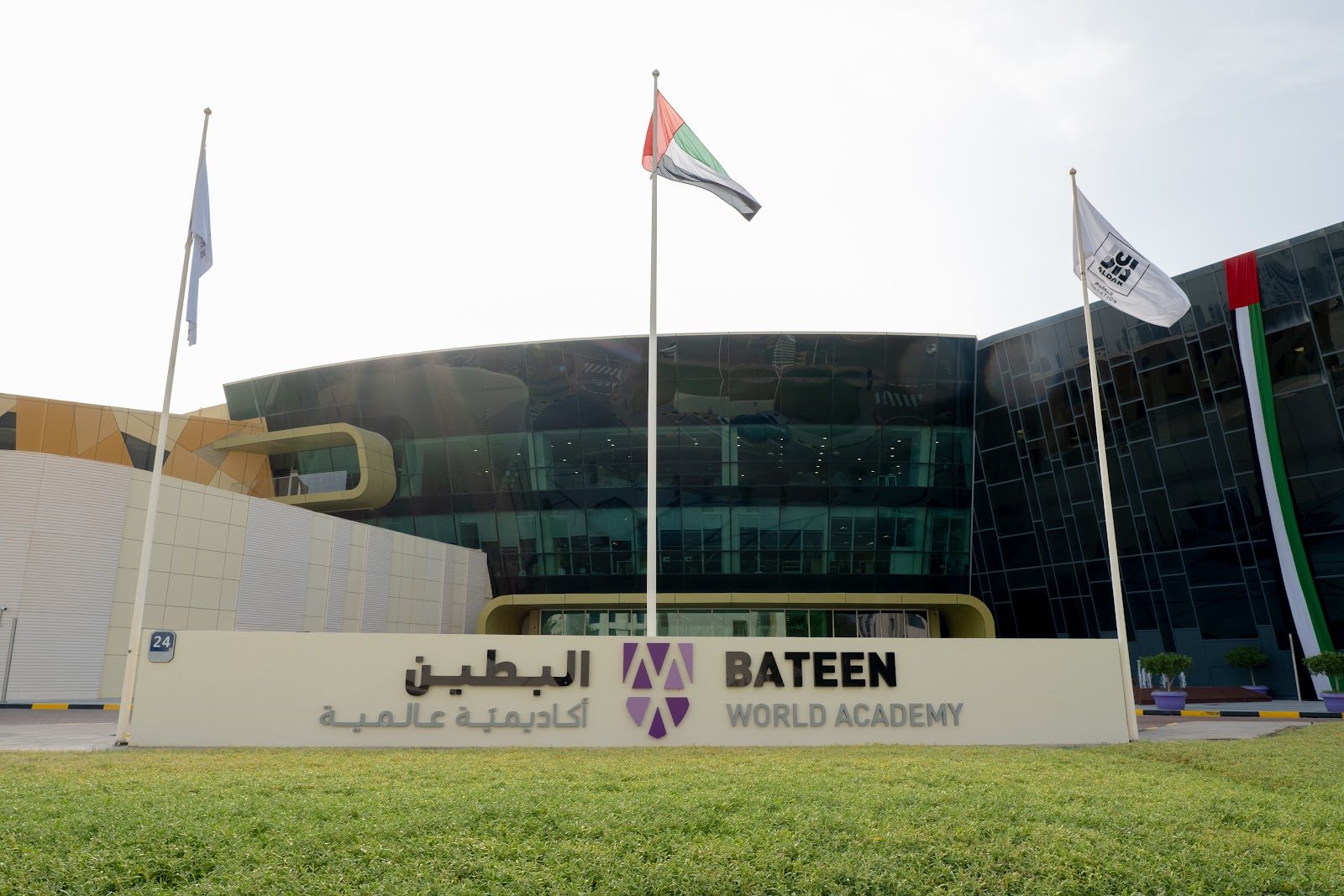
Bateen World Academy
Abu Dhabi · United Arab Emirates
From Reggio Emilia early years through IGCSEs to both the IB Diploma and Career-related routes, strong multiple pathways underpin this well regarded school.

Star International School Mirdif
Dubai · United Arab Emirates
An Acer Showcase School in Mirdif, where AI-enhanced classrooms and STEAM+ labs anchor a British-curriculum community of eighty-plus nationalities.
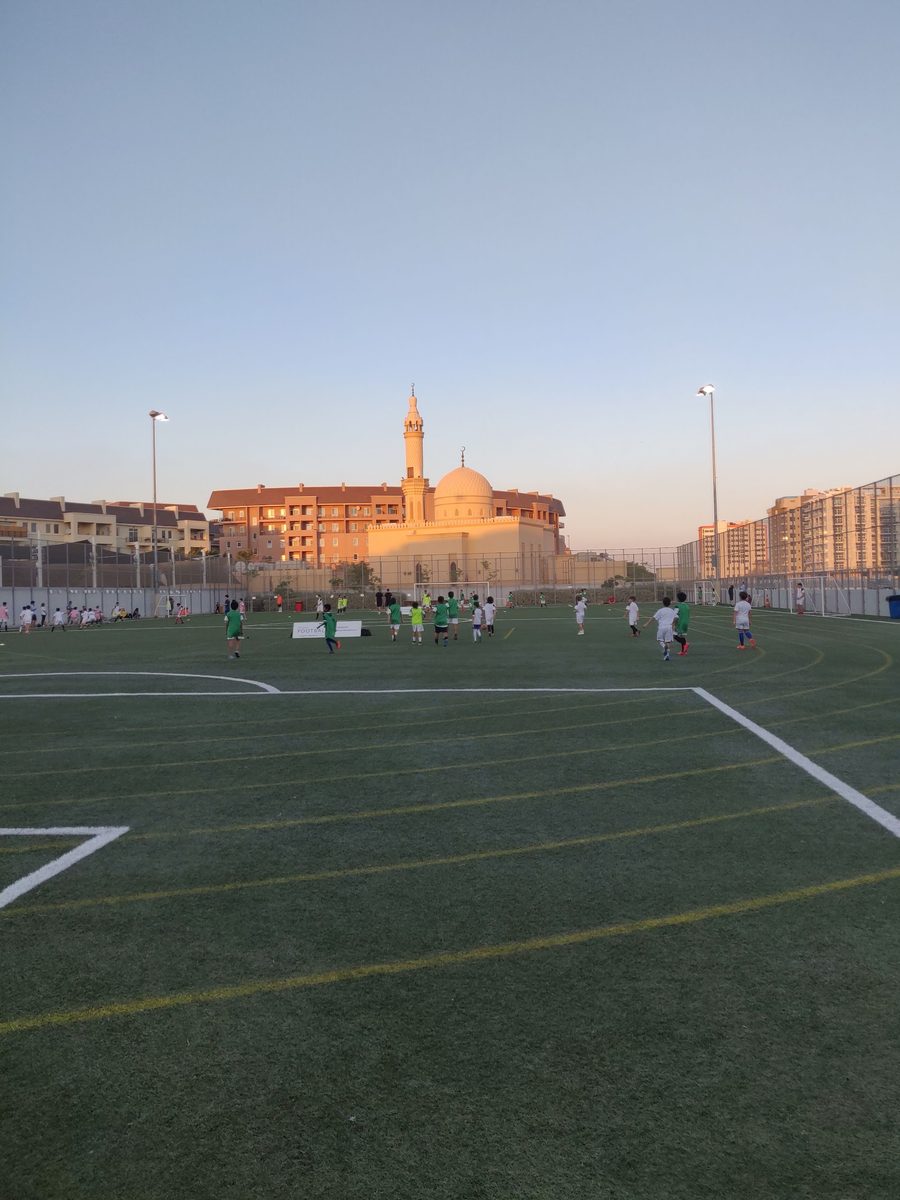
GEMS Metropole School
Dubai · United Arab Emirates
In Motor City, a working school farm and Forest School classrooms bring the British curriculum outdoors from Foundation Stage onward.
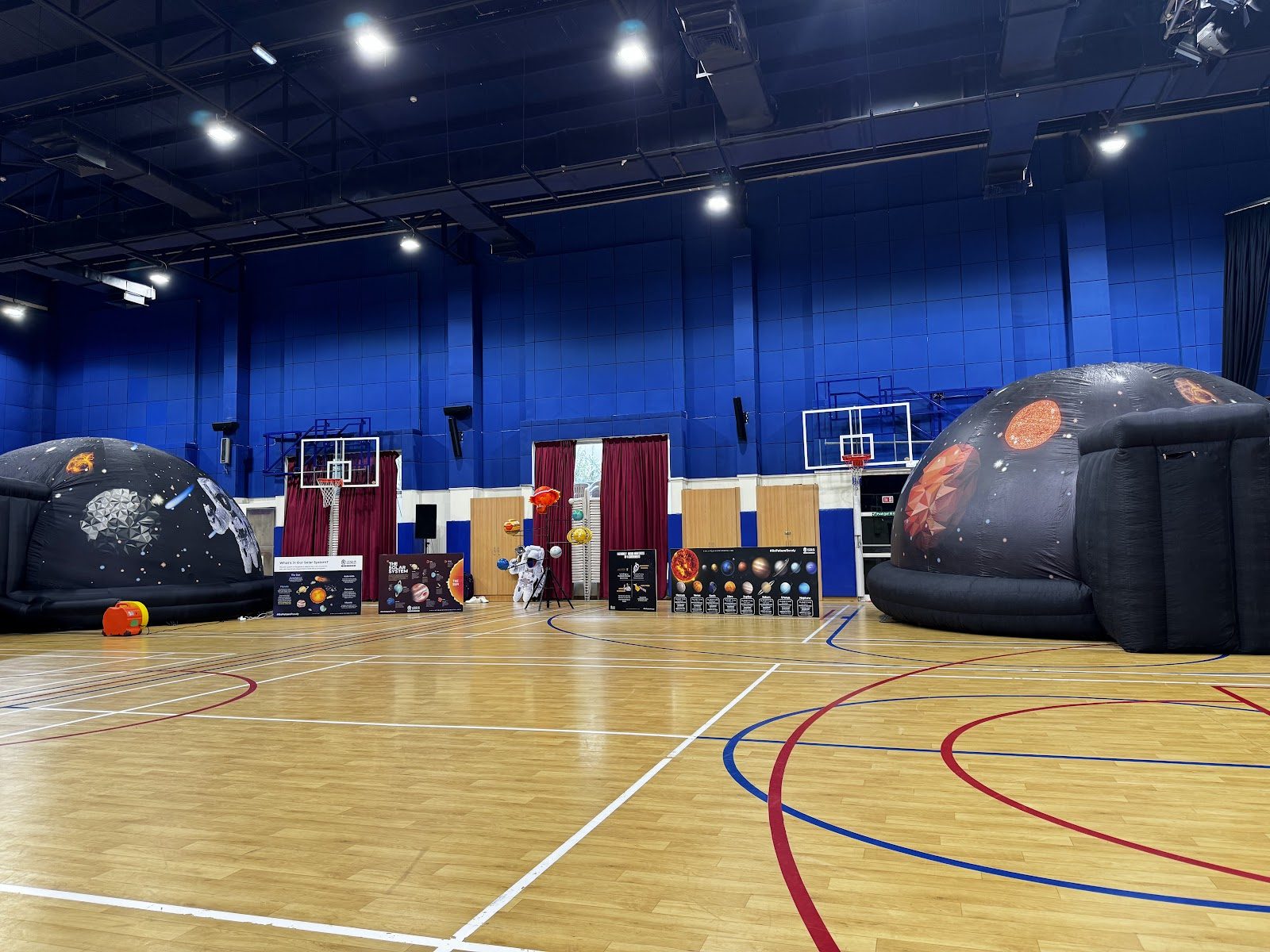
The Winchester School
Dubai · United Arab Emirates
British curriculum meets Gulf identity: houses named Dhow, Falcon, Khanjar and Camel anchor this Dubailand campus's decade-long climb to a Good rating.
Same country and curriculum — closest matches within ±10 points either way