
Leopards Hill Road
American International School of Lusaka
low confidence· 4/6 cats · 1 avg sourcesOne of a handful of African schools authorized for the full IB continuum, PYP to DP, on a 25-acre Lusaka campus with U.S.-embassy roots.
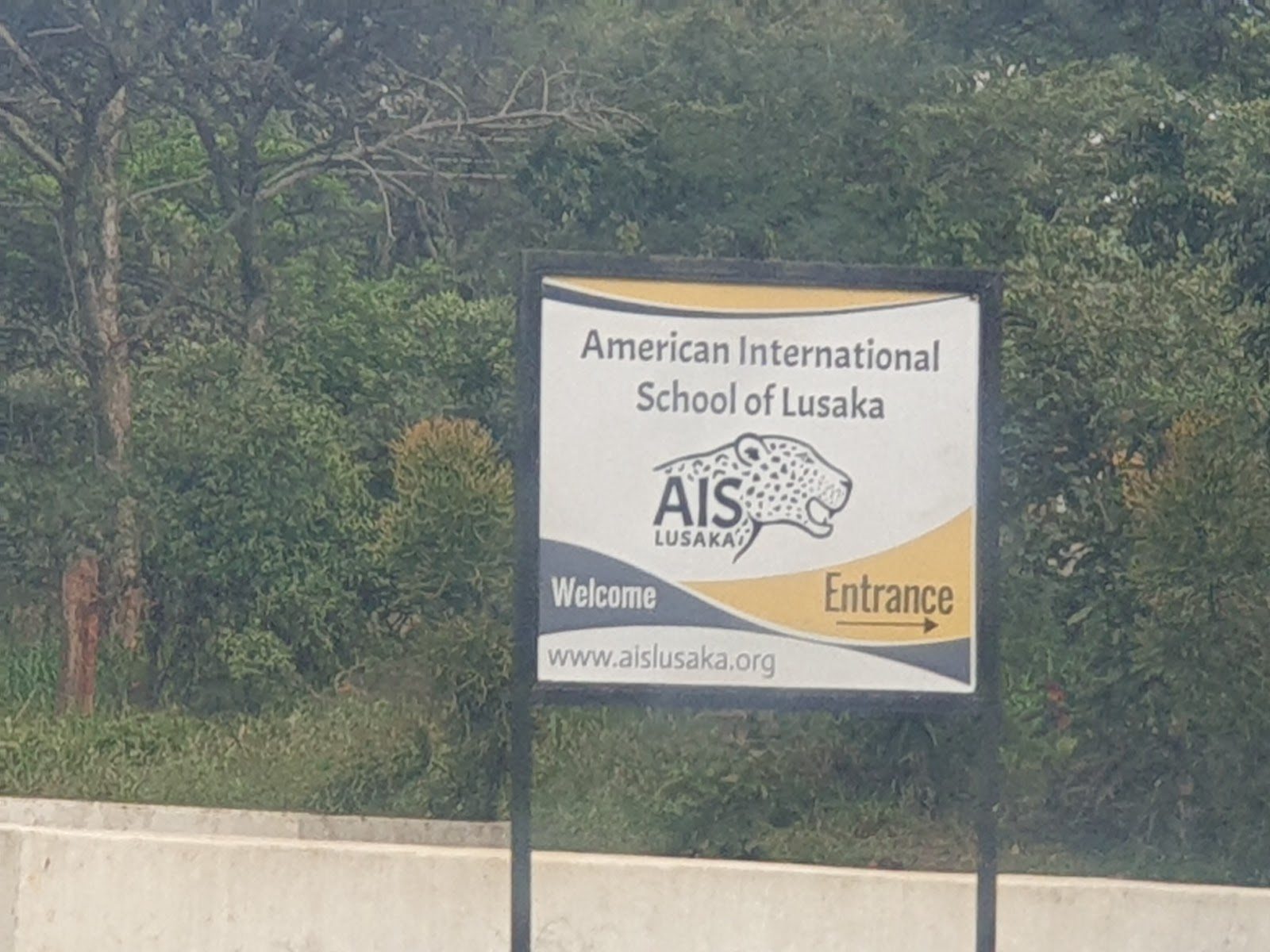
Photo © junior mwiinga via Google Maps
Type
Day
Ages
3–18
Curriculum
American · IB
Qualifications
AP · IB Diploma · US High School Diploma
Ratio
—
The Verdict
Editor's commitment
Right for
Families wanting American plus full IB from ages 3–18 on a 25-acre Lusaka campus; few African schools offer PYP, MYP and DP.
Wrong for
Anyone wanting boarding, religious ethos or a huge cohort; this is a day school of about 480 students, founded in 1986.
Watch out for
Accreditation is solid—Middle States, IB World, AISA and US State Dept OSA—but the school does not publish headline exam outcomes.
Ranking breakdown
American International School of Lusaka · # of 1591
Composite score 53.7. 8 weighted criteria.
By criterion
Academic Outcomes
Weight 20%
#1311
of 1533 scored
University Placement
Weight 16%
#1313
of 1529 scored
Prestige & Heritage
Weight 12%
#1357
of 1580 scored
Alumni Network
Weight 12%
#949
of 1530 scored
Facilities
Weight 12%
#1311
of 1540 scored
Transparency & Communications
Weight 8%
#1327
of 1547 scored
Peer & Industry Review
Weight 10%
#1227
of 1564 scored
Admissions Selectivity & Demand
Weight 8%
#1205
of 1529 scored
Peer & Industry Review
How American International School of Lusaka is regarded in the sector
63
Respected · medium confidence
I could not verify at least two independent, third-party sources (e.g., Tatler, Good Schools Guide, specialist education press, or established expat forums) that substantively assess the reputation of the American International School of Lusaka. Available information appears limited to school-provided materials or unverified listings, which do not meet the evidentiary bar required for scoring.
Editors' overview
American International School of Lusaka sits in a narrow bracket of schools in the region: a non-religious, English-medium day school with the full IB continuum from PYP through MYP to DP, on a 25-acre purpose-built campus. That matters. In Lusaka, and across much of Africa, parents do not have many schools that can carry a child from age 3 to 18 through a coherent international pathway without a curricular break at 11 or 16. AISL also has unusual pedigree. It opened in 1986 and retains clear American international-school DNA, while running an IB programme that gives it stronger academic continuity than many embassy-founded schools. The scale is another advantage: about 480 students, a published 1:7 teacher-student ratio, and 38 nationalities. That combination gives families a rare degree of continuity, a genuinely international peer group, and enough size to avoid the social claustrophobia of very small schools.
What puts AISL on a shortlist is not branding but structure. The school offers one of the cleanest all-through propositions in the market: American international-school culture, full IB authorisation, a broad extracurricular menu, and a campus large enough to support more than token sport and activity provision. It also has stronger institutional scaffolding than many schools in the region, with Middle States accreditation and IB World School status; the school also states a long-standing international accreditation framework and regular review. For internationally mobile families, that matters more than slogans. Parents moving between continents need a school that can absorb transitions without drama. AISL has the age range, the curriculum architecture and the international intake to do that. *That lowers friction for transient families and gives settled Lusaka families a serious all-through option* without sending children abroad at 11 or 13.
The school will suit students who thrive in an internationally mixed environment and can use the freedoms of a broad programme well. It fits children who are curious, adaptable and comfortable among classmates from many national backgrounds. It also suits families who want IB from the earliest years rather than a local-national curriculum with an international add-on at sixth form. Students who need a large-city super-school with huge cohort depth, endless subject permutations or elite boarding traditions will not find that here. AISL is a day school, modest in scale, with a clear academic core and a community feel. For the right child, that produces room to be known, a stable runway from nursery to diploma, and *a more grounded alternative to the region’s flashier names*.
Academic Performance
AISL’s public case on academic performance has a clear gap: the school does not publish aggregate IB Diploma results, average point scores, pass rates, subject breakdowns or university destinations in the excerpts we have seen. That matters. In the international-school market, serious academic operators publish outcome data with enough granularity for parents to judge consistency across cohorts, not just the existence of a diploma pathway. Without that, AISL sits in an opaque middle ground: stronger in curricular architecture than many local competitors, but less transparent on measured outcomes than the best-run international schools in Africa. Parents comparing sixth-form options need more than authorisation and accreditation; they need proof of attainment.
That said, there are structural indicators in AISL’s favour. It runs the full IB pathway rather than a fragmented programme, keeps staffing unusually tight at 1:7, and operates at a scale where students can still be closely tracked rather than lost in the crowd. Its broad international intake also gives the senior school a more credible academic peer mix than schools built around a narrow local catchment. Those features support solid academic oversight and better continuity into the Diploma years. But support is not the same as evidence. Until AISL publishes hard results, it does not earn a place among the region’s results-led heavyweights. It fits better in the bracket of schools with credible academic foundations and incomplete public disclosure.
Facilities
The campus is one of AISL’s clearest assets. A 25-acre site gives the school room that many urban African international schools do not have, and that matters in daily school life as much as in prospectus photography. Space supports proper movement, outdoor play, field provision and the separation of age groups without compressing everyone into one block. The school also states a 1:1 laptop and iPad programme, which places digital access at a serious operational level rather than as an occasional add-on. More telling than the acreage, though, is the combination of scale and purpose-built design: this reads as a campus made for schooling, not an office park or retrofitted compound pressed into service. Against Lusaka peers, that is a material advantage. Against top-tier African international schools, it is credible rather than extravagant.
AISL also claims 60+ extracurricular opportunities, which points to facilities broad enough to support more than a token activities list. That breadth matters because many schools advertise clubs that rely on staff goodwill and spare classrooms rather than dedicated spaces. Here, the campus profile gives that promise more weight. Security is highlighted too, and in this market that is not a throwaway line; families expect tight operational basics alongside green space and specialist areas. The limitation is obvious: AISL does not publicly break out its specialist rooms, labs, arts spaces or sports infrastructure in the extracts we have seen. That leaves the facilities picture strong in outline, thinner in detail. Still, by local standards, the physical offer is serious, usable and above the norm.
The school also states a 1:1 laptop and iPad programme, which places digital access at a serious operational level rather than as an occasional add-on
Prestige
AISL carries solid standing in its market, but not elite global prestige. The school’s reputation rests on substance: a full through-school structure, a long-established international remit, and a student body drawn from 38 nationalities. In Lusaka, that combination gives it real weight. Parents looking for an internationally mobile education recognise the value of a school that can take children all the way through without forcing a change of system midway. The school’s origins in the American international-school world still matter too; that heritage gives AISL a recognisable profile for embassy, NGO and corporate families. The published staffing ratio, at 1:7, adds to that picture. It signals a school with serious adult attention rather than a volume operation.
Prestige, though, has limits. AISL does not sit in the league of Africa’s most famous legacy schools or the continent’s best-known results machines. Its public case is strongest on structure, community and international mix, weaker on external proof of top-tier outcomes. That keeps its status in the bracket of respected rather than starry. The campus scale and broad activity offer strengthen its appeal, and being one of only a handful of African schools authorised across the full IB span gives it genuine distinction. But prestige in this sector depends on visible academic results, university destinations and long-term brand pull. AISL has regional credibility and practical prestige; it does not have cachet for cachet’s sake.
Against top-tier African international schools, it is credible rather than extravagant
Communications
AISL communicates like a school with real institutional habits rather than a founder-led operation running on improvisation. The public-facing basics are in place and, more importantly, they carry usable substance: clear statements of mission and values, a plain account of the school’s review structure, headline operational facts, and a willingness to quantify parts of school life that many schools leave vague. The school also signals active parent contact through 40+ parent workshops each year. That is not a decorative detail. Schools do not run that volume of workshops unless they expect parents to stay engaged after admission. For mobile international families, that matters; frequent moves create questions about curriculum progression, pastoral adjustment and university planning, and schools need channels that do more than broadcast dates. On this front, AISL reads as organised, parent-facing and serious about routine contact.
The weakness is precision. AISL publishes enough to project solid operational competence, but not enough to rank among the most transparent schools in the sector. We have not seen a detailed map of how parents receive day-to-day academic reporting, attendance alerts, behaviour updates or senior-school guidance, nor a strong public archive of outcome data that would strengthen trust. That limits confidence in the school’s communications culture at the sharper end, where parents want clarity under pressure, not just warmth in normal times. Still, the combination of regular parent programming, explicit standards language and quantified snapshots of school life points to communication that is structured rather than casual and more dependable than glossy.
Uniqueness
AISL’s clearest point of difference is continuity with reach. In one school, children can move from the earliest years to university entrance inside a single academic and social framework, without the stop-start transitions that plague many international options in the region. That matters more in Lusaka than in London or Singapore, because the market is thinner and the penalties for a poor fit are steeper. The school also combines that all-through structure with a genuinely mixed intake: 38 nationalities in a student body of only a few hundred. That creates an environment that is unusually cosmopolitan without becoming anonymous. Students grow up with international mobility built into daily life, not staged for admissions copy. For expatriate families, that brings practical ease. For local families, it brings a wider peer culture and a more outward-facing school experience.
The other differentiator is physical and operational. AISL has room to function as a real campus rather than a cramped urban site, and it backs that with 60+ extracurricular options and 40+ parent workshops each year. That combination tells you something important: this is not just a classroom provider but a school built around sustained community use. Students gain more than token breadth beyond lessons, and parents enter a structure that expects engagement rather than passive fee payment. Add the low staffing ratio already noted elsewhere, and the result is a school where children have more chance of being known well and less risk of disappearing into the machinery. In a market where many schools offer fragments, AISL offers a coherent runway.
Its public case is strongest on structure, community and international mix, weaker on external proof of top-tier outcomes
Student Profile
This school suits children who are comfortable in a genuinely international peer group and do not need a single dominant local culture to feel settled. With 38 nationalities across a modest-sized roll, the social experience is mixed from the outset: expatriate children in mobile families, internationally minded Zambian families, and students used to crossing cultural lines in daily life rather than at annual events. That mix works well for students who are adaptable, curious and socially open. It also helps children who arrive mid-journey and need to slot into a community where turnover is part of school life. The school’s values language leans hard into compassion, courage and resilience, so the best fit is not the child chasing status, but the one who can handle difference, participate without drama and respond well to steady adult attention.
AISL fits families who want a school that is globally mixed without being socially anonymous. Children who benefit from being known by staff, nudged into activities and held to account day to day will do well here. So will students who want breadth beyond lessons: the activity menu runs to 60+ options, which gives engaged pupils room to build a life outside class. The weaker fit is the child who wants a huge senior cohort, intense academic competition as a social norm, or the gloss and tribal identity of a famous mega-school. AISL is grounded, community-minded and low on pretence. For the right student, that is a strength, not a compromise.
The school also combines that all-through structure with a genuinely mixed intake: 38 nationalities in a student body of only a few hundred
Co-curricular strengths
Arts & sport, on a separate axis
Overall 7.9/10
Scored 0-10 from the school's own published evidence. This axis is editorial-only — it does not feed the main WTS ranking.
Sports
8.5/10
Drama
8/10
Dance
6.5/10
Music
8.2/10
Visual Arts
8.3/10
Editor first-pass · editor-reviewable · 7/30/2026
Strengths
- +Offers a dual pathway combining an American high-school diploma track with the IB Diploma Programme, giving students two internationally recognized exit qualifications.
- +One of the longest-established international schools in Lusaka, historically serving the diplomatic, NGO, and corporate expatriate community.
- +Full PK/K through Grade 12 continuity means relocating families avoid mid-childhood school transfers within the city.
- +Day-school structure keeps costs lower than boarding alternatives, relevant for expat packages that do not cover boarding fees.
- +Small overall school size, typical of Lusaka's limited international-school market, allows for lower student-teacher ratios than large national systems.
Considerations
- −Lusaka has only a handful of international schools, so families have far less choice of curriculum, pedagogy, or peer group than in larger regional hubs.
- −Elective and extracurricular breadth is likely narrower than at larger international schools in bigger capitals, given the smaller student body and expat pool.
- −The school's editorial rank places it well outside the most globally visible tier of international schools, reflecting modest scale and limited international profile.
- −Fee levels are not independently published here, but as with most international day schools they represent a substantial cost relative to local Zambian schooling.
Availability
Primary entry gate & tests
Academic Record
Gallery
Photo © Melvin Banda via Google Maps
Photo © Melvin Banda via Google Maps
Photo © Melvin Banda via Google Maps
Photo © Marty Mcfly via Google Maps
Photo © Christian Kapekele via Google Maps
Parent reviews
Have you sent your child here?
Voice reviews carry the strongest trust badge — we transcribe them for you to tidy up before they go live. Prefer to type? A written review is fine too.
Add your voice
In 60 seconds, tell other parents: what's the best thing about American International School of Lusaka, and what surprised you when your child joined?
We ask for a Google sign-in so every review has a real face behind it — no anonymous drive-by attacks on schools, and no faked positive reviews. Your email is never shown publicly.
Send this profile to a friend
International parents rely on word-of-mouth. Share this review with someone weighing the same decision.
Schools with places
Similar schools to American International School of Lusaka with places available now.
Collège du Léman
Versoix · Switzerland
- 2026-27
- WAITPOOLSpace-dependent
- 2027-28
- PLACES OPENRolling
Al Hekma International School
Manama · Bahrain
- 2026-27
- PLACES OPENApps open / space-dependent
- 2027-28
- WAITPOOL2027/28 timetable TBC
Yew Chung International School of Chongqing
Chongqing · China
- 2026-27
- WAITPOOLSpace-dependent
- 2027-28
- WAITPOOLRolling / space-dependent
Bishop Cotton School
Shimla · India
- 2026-27
- WAITPOOLSpace-dependent
- 2027-28
- PLACES OPENRolling
Availability first, then country, area, curriculum, price, co-curricular
Consider also
Also worth looking at alongside American International School of Lusaka.
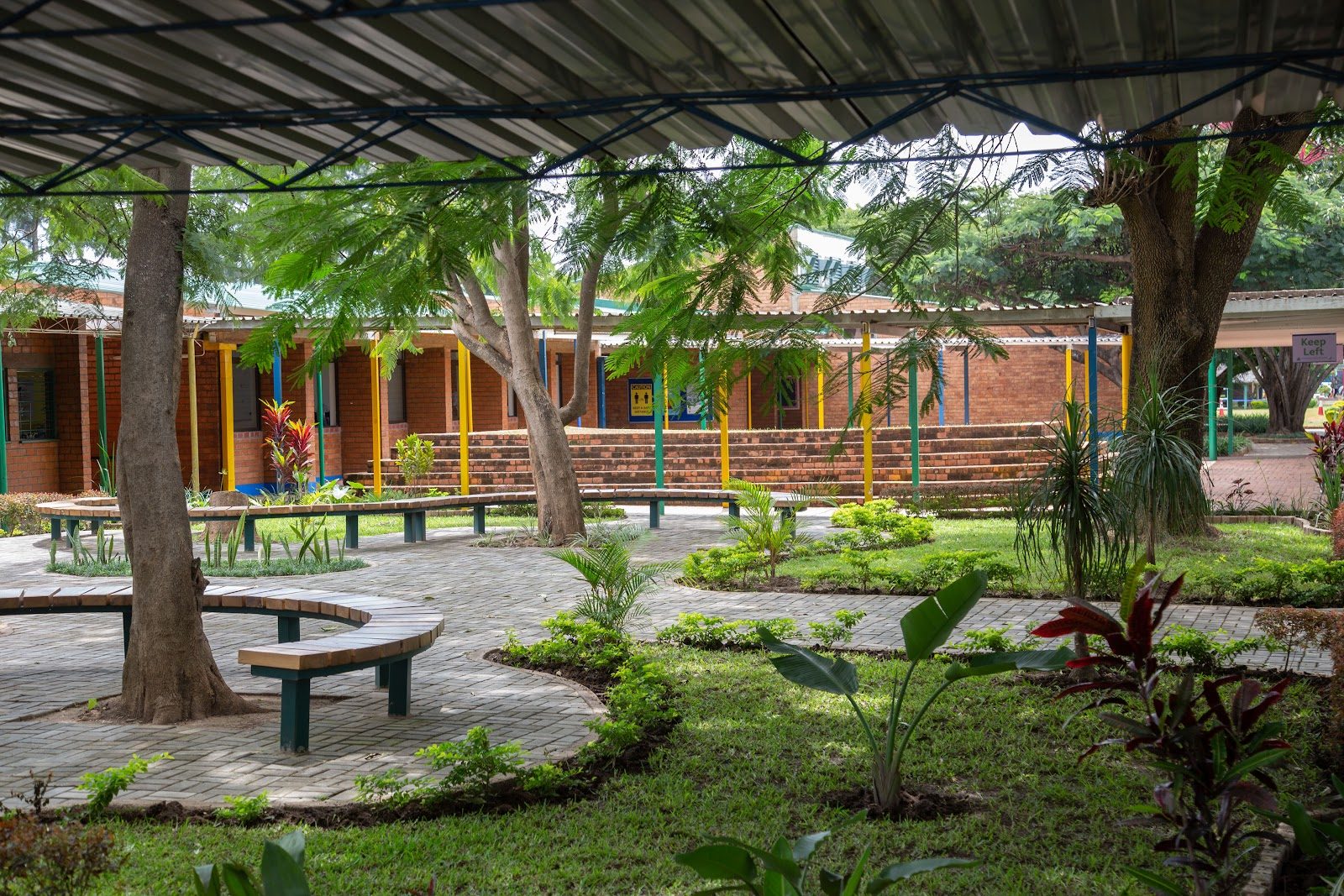
International School of Lusaka
Lusaka · Zambia
One of Africa's oldest international schools, running the full IB continuum with houses named for Zambia's rivers.
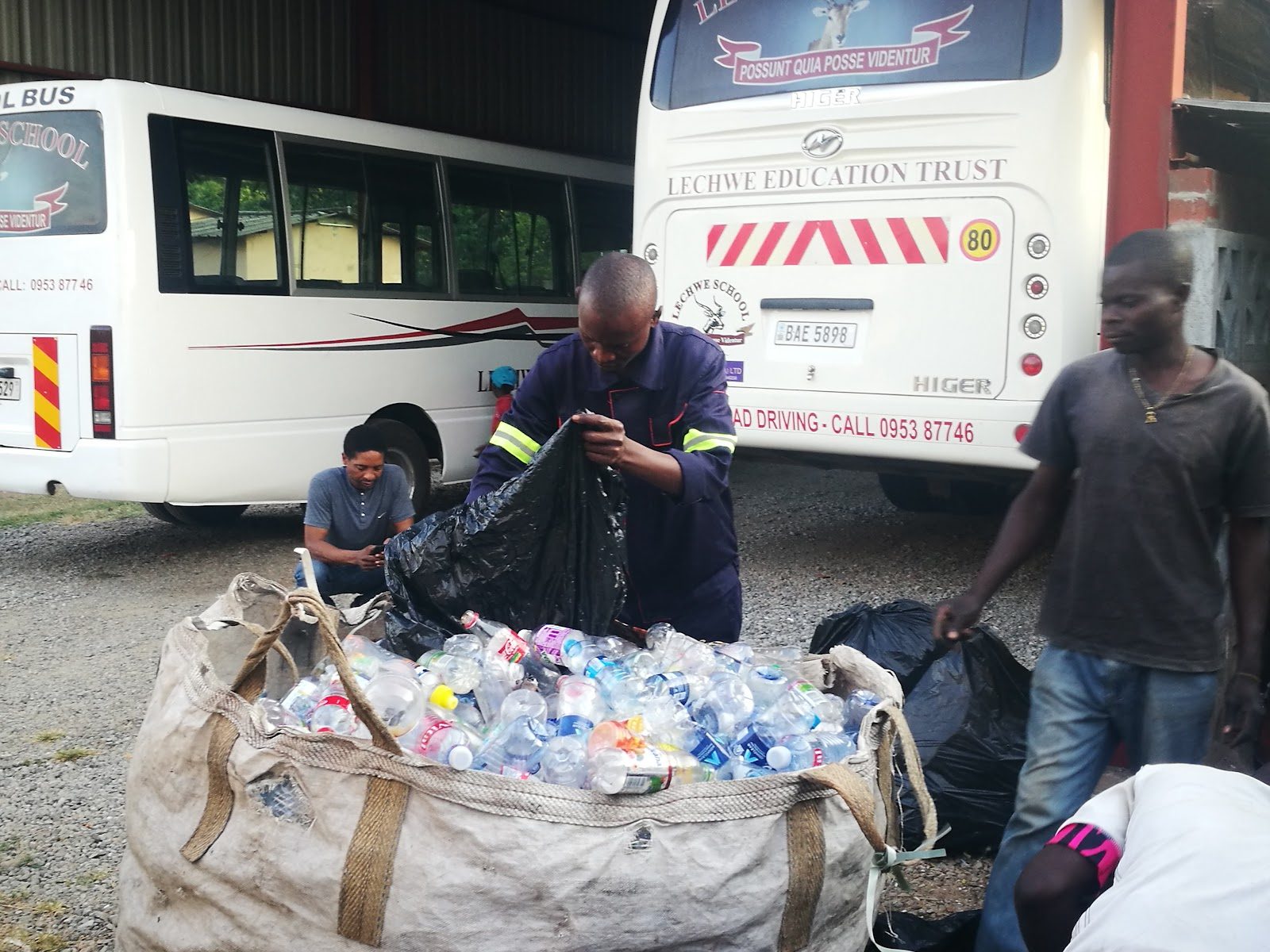
Lechwe School
Kitwe · Zambia
Born in a Copperbelt church hall in 1977, this Cambridge day school has tracked Kitwe's mining fortunes ever since.
Baobab College
Lusaka · Zambia
South of Lusaka's green campus, an eight-lane pool hosted the Sub Saharan short course championships back in 2006.
Lusaka International Community School
Lusaka · Zambia
Parent-owned since 1993, blending Cambridge rigor with a 40-nation community on Roma's floodlit AstroTurf campus
Same country and curriculum — closest matches within ±10 points either way