
Bole
Andinet International School
low confidence· 4/6 cats · 1 avg sourcesBeside Ethiopia's Athletics Federation, a Gurd Shola campus tracks pupils from inquiry-led IPC into Pearson Edexcel's global exam ladder.
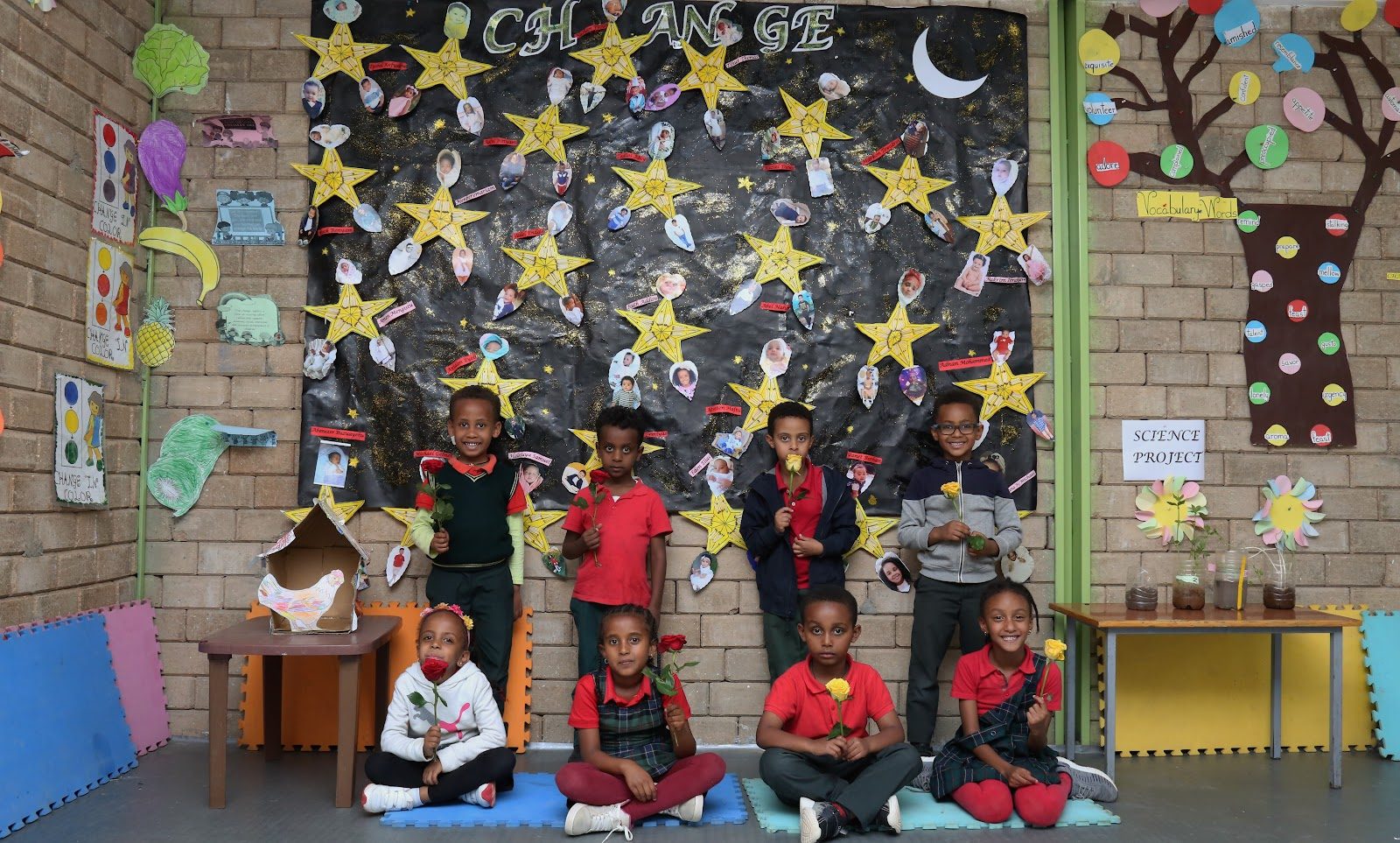
Photo © Buzuayehu Assefa via Google Maps
Type
Day
Ages
3–18
Curriculum
American
Qualifications
US High School Diploma
Ratio
—
The Verdict
Editor's commitment
Right for
Addis Ababa families wanting a 3–18 day school with English and Amharic, IPC in primary and Edexcel exams later.
Wrong for
Parents expecting a settled American curriculum story: Andinet declares American, yet primary runs IPC and it holds Middle States candidate status.
Watch out for
Founded in 1968 and accredited by Ethiopia’s Ministry of Education, the school does not publish aggregate exam results or university destinations.
Ranking breakdown
Andinet International School · # of 1591
Composite score 58.7. 8 weighted criteria.
By criterion
Academic Outcomes
Weight 20%
#1158
of 1533 scored
University Placement
Weight 16%
#1164
of 1529 scored
Prestige & Heritage
Weight 12%
#1140
of 1580 scored
Alumni Network
Weight 12%
#718
of 1530 scored
Facilities
Weight 12%
#1188
of 1540 scored
Transparency & Communications
Weight 8%
#1214
of 1547 scored
Peer & Industry Review
Weight 10%
#1002
of 1564 scored
Admissions Selectivity & Demand
Weight 8%
#959
of 1529 scored
Peer & Industry Review
How Andinet International School is regarded in the sector
65
Respected · medium confidence
I could not identify at least two independent, third-party sources (such as Tatler, Good Schools Guide, specialist education press, or established expat-parent forums) that substantively assess Andinet International School's reputation. Any information available appears to derive primarily from the school's own materials or unverified listings rather than independent peer or press commentary.
Editors' overview
Andinet International School occupies a useful niche in Addis Ababa: a through-school from age 3 to 18 that starts with the inquiry-led IPC in the primary years and then moves pupils onto Pearson Edexcel’s international exam route in secondary. That matters. Many schools promise “global” education; Andinet spells out a ladder parents can follow from early childhood to the end of school. The campus also carries unusual local texture. English is the main academic language, with Amharic built in, and the school keeps one foot in Ethiopian requirements through national-exam preparation in Grades 7 and 8 for pupils on that track. For families who want an international school that does not float free of its host country, that is a serious advantage. A clear through-school structure, a grounded bilingual setting, and a credible local anchor put it on the shortlist.
What distinguishes Andinet is not glamour but range. The school covers early years, IPC primary, lower secondary, high school and preparatory under one roof, with subjects from maths and sciences to civics, ICT, art, music and PE, plus Amharic and English support strands. That breadth suits families who value continuity more than churn. The school talks hard about care, personalisation and every child being known; that claim fits the shape of the offer, which reads less like a pressure-cooker and more like a school trying to keep academic ambition tied to pastoral oversight. Parents who want published aggregate exam data, elite-university placement lists or a sharply defined specialist identity will find less to hold onto. Middle States candidacy gives the school an external frame, but candidacy is not full accreditation. Warmth with structure, continuity without gimmicks, and *academic seriousness without theatrical branding* capture the offer better than any slogan.
The strongest fit is a pupil who benefits from steady progression, explicit support and a school that blends international curricula with Ethiopian context. Children who enjoy thematic, cross-curricular learning in the younger years and then need a more formal academic runway in the teens will do well here. It also suits internationally minded Ethiopian families, mixed-nationality households, and parents who want English-medium education without losing Amharic. The less obvious fit is the child chasing a narrow super-competitive, high-prestige environment built around published outcomes and admissions theatre. Andinet’s appeal lies elsewhere: a practical international education, a stable K–12 journey, and *a school woven into Addis rather than sealed off from it*.
Academic Performance
Academic performance is the school’s least transparent area. Andinet states that pupils in the middle years can follow the Ethiopian national route and sit the ministry examinations at the end of Grade 8, and the school’s editorial context places older pupils on Pearson Edexcel exams. What it does not publish is the information parents need to judge outcomes: no aggregate pass rates, no top-grade distribution, no subject-by-subject results, no cohort size, and no university destinations tied to exam performance. That leaves a clear reporting gap. A school asking families to trust its academic ladder needs to show where that ladder leads.
Against Addis Ababa peers, that matters. The stronger schools in this segment give parents at least some external results data, even if selective and polished. Andinet does not. That does not mean weak results; it means opaque results. The distinction matters, and the burden sits with the school to close it. The curriculum structure and subject range indicate a school with a serious academic programme rather than a casual one, and the inclusion of core sciences, humanities and languages points to a proper exam-school backbone. Still, until Andinet publishes hard outcomes across its external examinations, it sits below the city’s more data-literate competitors on academic accountability.
Facilities
Andinet’s facilities read as functional rather than lavish. The school publishes a broad subject offer that includes art, music, ICT and physical education, which points to the standard specialist rooms parents would expect for a full through-school rather than a stripped-back classroom operation. The stronger clue lies in the way the campus has to work: early childhood, primary and secondary all sit within one institution, so circulation, timetabling and age-zoning matter more here than showpiece architecture. The location beside the national athletics federation also gives sport a useful contextual edge, even if the school does not publish the sort of detail serious parents want on pitches, courts, labs, libraries or theatre provision. That leaves the physical estate in a credible but under-documented category. Families can infer practical breadth; they cannot inspect a hard facilities case in public.
Against peer schools in Addis, that puts Andinet behind the campuses that publish floor-by-floor specifics, specialist-suite inventories and high-resolution visual evidence of science, arts and sports provision. It sits ahead of smaller private schools that offer little beyond ordinary classrooms and a playground. The presence of subjects such as Biology, Chemistry, Physics and ICT indicates more than a token facility base, because those departments need equipped spaces to function at exam level. Still, the school asks parents to fill in too many blanks. For a school serving pupils across 3 to 18, facilities disclosure needs to be sharper, because serious parents compare hard assets, not slogans. At present, the campus profile feels serviceable, broad and opaque.
But the public-facing communication stops short of the information serious parents use to make decisions
Prestige
Andinet sits in the middle tier of prestige: credible, established and useful, but not a name that carries automatic weight across the international-school market. Its standing rests on continuity and breadth rather than selectivity, published outcomes or institutional cachet. Parents can see a full school structure from nursery to graduation, a campus life that covers the standard academic subjects plus arts, sport and service, and a school that has stayed in its lane instead of chasing inflated “world-class” branding. That gives it solid local legitimacy. It does not give it elite status. The gap is simple: no public results profile, no visible university placement record, no strong signal of admissions competition, and candidate status with Middle States rather than full approval. Prestige without proof is thin prestige.
Within Addis, that places Andinet as a serious but not commanding option: stronger than a small private school with a vague international label, weaker than a school whose exam outcomes and post-school destinations are in the open. Its prestige also draws from age range and permanence. A through-school serving pupils from 3 to 18 can build family loyalty and alumni memory, and that matters in a city where stability counts. But prestige in this sector depends on external validation, and Andinet still needs more of it. The school has useful standing, earned familiarity and a practical reputation. It does not have the sort of status that changes a family’s decision on name alone.
Andinet’s distinctive strength is continuity with local grip
Communications
Andinet’s parent communication reads as competent but thin. The website covers the school’s structure, age span and subject offer in enough detail for a first pass, and it does one useful thing that many schools duck: it names what pupils study at different stages instead of hiding behind slogans. That gives families a *workmanlike sense of the academic journey*. It also signals practical bilingual realities through references to Amharic, beginning English and support strands, which matters for households navigating entry points and language confidence. But the public-facing communication stops short of the information serious parents use to make decisions. There is no published exam breakdown, no destination data, no detailed facilities inventory, and no sharp explanation of how the secondary pathways split between national and international routes. That leaves a clear information deficit.
Effectiveness, then, depends on what a parent needs. For basic orientation, it works. For due diligence, it does not. The tone is heavy on generic claims about care, quality and opportunity and light on proof, which weakens trust. A school serving families across 3 to 18 needs tighter, more granular communication than this: clearer pathway diagrams, fuller assessment reporting, named leadership voices, and routine publication of outcomes. Until that improves, Andinet’s communications remain serviceable, opaque where it matters, and stronger at welcome than at accountability.
Uniqueness
Andinet’s distinctive strength is continuity with local grip. Plenty of schools in this bracket borrow international language; fewer build a through-school that keeps sight of Ethiopian civic and academic realities while still giving families an outward-facing route at the top end. That duality matters. Pupils do not pass through a school cut off from its setting; they grow up in one where civics, Amharic, service and ministry exam preparation still have a place alongside a wider international course of study. For children in mixed-nationality or internationally minded Ethiopian families, that creates a grounded bilingual education rather than an imported one. The result is a school that feels rooted, not rootless.
The second point of difference lies in breadth without obvious theatrics. Andinet does not trade on prestige signals it has not earned; it offers a full age-range journey from 3 to 18, thematic learning in the younger years, then a more conventional secondary subject structure with sciences, humanities, ICT and languages. That shape benefits pupils who need steady academic scaffolding more than institutional drama. It also gives families a practical long-term option: one school, one culture, one set of expectations, with room for both local and international students. The payoff is not glamour. It is stability, continuity and a usefully hybrid school experience that suits children who thrive when education connects to the country around them instead of floating above it.
Many schools promise “global” education; Andinet spells out a ladder parents can follow from early childhood to the end of school
Student Profile
The pupil who fits best here values continuity over status display. Andinet suits families who want one school to carry a child from nursery to school leaving, without the repeated exits, admissions rounds and cultural resets that come with changing schools midstream. In class, the best fit is a child who responds well to structure, clear subject coverage and adults keeping a close eye on progress. The school’s own emphasis on every child being known points towards a contained, watchful environment rather than anonymity. It also fits pupils who benefit from a balance of classroom routine and wider participation across sport, arts, service and languages, instead of a narrow exam treadmill. For internationally minded Ethiopian families, mixed households and returnees, the blend of English with Amharic gives the student body a grounded local character rather than an expatriate bubble.
The less natural fit is the child chasing a high-octane prestige culture or a school built around public results, fierce selectivity and social cachet. Andinet does not trade in that world. It suits steady, adaptable pupils across the full 3–18 age span, including children who start with uneven language confidence and need support strands built into school life. It also works for families who want their children educated in a setting that keeps Ethiopian civic and academic realities in view. Pupils who need constant novelty, intense competition or a sharply elite peer group will find stronger matches elsewhere. The social profile here reads mixed, practical and anchored, with room for children who want to get on with school rather than perform it.
For families who want an international school that does not float free of its host country, that is a serious advantage
Co-curricular strengths
Arts & sport, on a separate axis
Overall 5.7/10
Scored 0-10 from the school's own published evidence. This axis is editorial-only — it does not feed the main WTS ranking.
Sports
6.5/10
Drama
5.5/10
Dance
4.5/10
Music
6/10
Visual Arts
6/10
Editor first-pass · editor-reviewable · 7/30/2026
Strengths
- +Offers an American curriculum pathway in Addis Ababa, giving local and expatriate families a US-style accreditation route without relocating abroad.
- +Operates as a day school, which typically keeps fees lower than boarding alternatives in the region.
- +Based in the capital, Addis Ababa, giving reasonably good access to diplomatic and expatriate community networks compared to provincial schools.
- +Smaller, lesser-known profile may translate into more individual attention given likely modest class and cohort sizes.
Considerations
- −Very low public profile internationally; independent inspection reports, accreditation body ratings, and third-party rankings are not readily verifiable online.
- −No confirmed record of notable alumni, competition results, or published examination outcomes could be found through open sources.
- −As a 'candidate tier' institution, it likely sits well below Addis Ababa's more established international schools (e.g. ICS, Sandford) in facilities, faculty depth and reputation.
- −Limited public information on fee structure, teacher qualifications, or curriculum accreditation status makes it hard for relocating families to benchmark against peer schools.
Availability
Primary entry gate & tests
Academic Record
Gallery
Photo © Zekarias T via Google Maps
Photo © dagmawi haile via Google Maps
Photo © Mekonnen Tilaye via Google Maps
Photo © Mekonnen Tilaye via Google Maps
Photo © Daniél Desye via Google Maps
Parent reviews
Have you sent your child here?
Voice reviews carry the strongest trust badge — we transcribe them for you to tidy up before they go live. Prefer to type? A written review is fine too.
Add your voice
In 60 seconds, tell other parents: what's the best thing about Andinet International School, and what surprised you when your child joined?
We ask for a Google sign-in so every review has a real face behind it — no anonymous drive-by attacks on schools, and no faked positive reviews. Your email is never shown publicly.
Send this profile to a friend
International parents rely on word-of-mouth. Share this review with someone weighing the same decision.
Schools with places
Similar schools to Andinet International School with places available now.
Marymount International School Rome
Rome · Italy
- 2026-27
- WAITPOOLSpace-dependent
- 2027-28
- PLACES OPENRolling
Al Hekma International School
Manama · Bahrain
- 2026-27
- PLACES OPENApps open / space-dependent
- 2027-28
- WAITPOOL2027/28 timetable TBC
Germantown Friends School
Philadelphia · United States
- 2026-27
- CLOSEDRegular cycle closed
- 2027-28
- OPENS SOONOpens Sept '26
Poly Prep Country Day School
Brooklyn · United States
- 2026-27
- CLOSEDRegular cycle closed
- 2027-28
- OPENS SOONOpens Sept '26
Availability first, then country, area, curriculum, price, co-curricular
Consider also
Also worth looking at alongside Andinet International School.
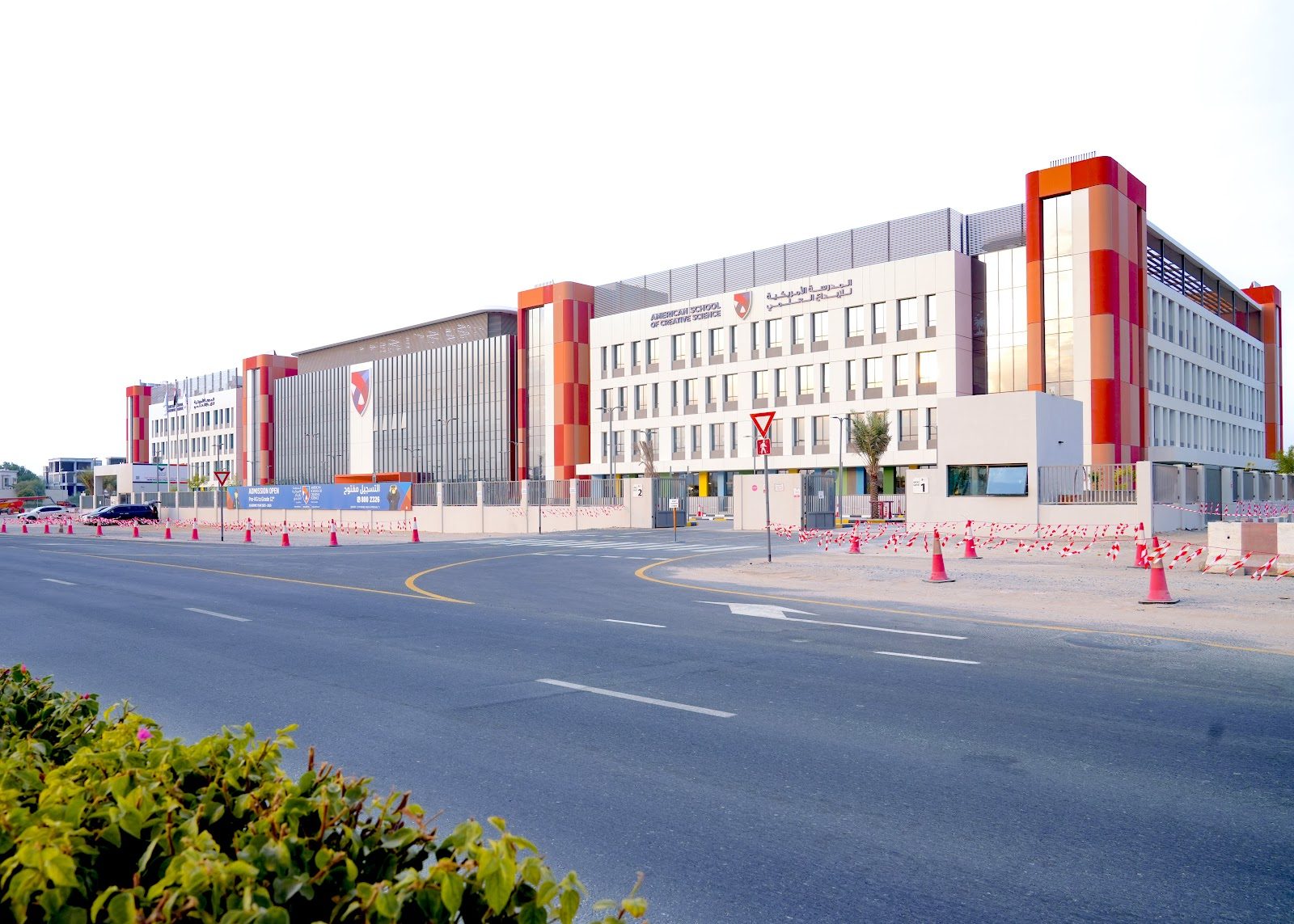
American School of Creative Science
Dubai · United Arab Emirates
Pairing California Common Core rigor with a dedicated Quran programme, this Nad Al Sheba campus is on a steady KHDA upswing
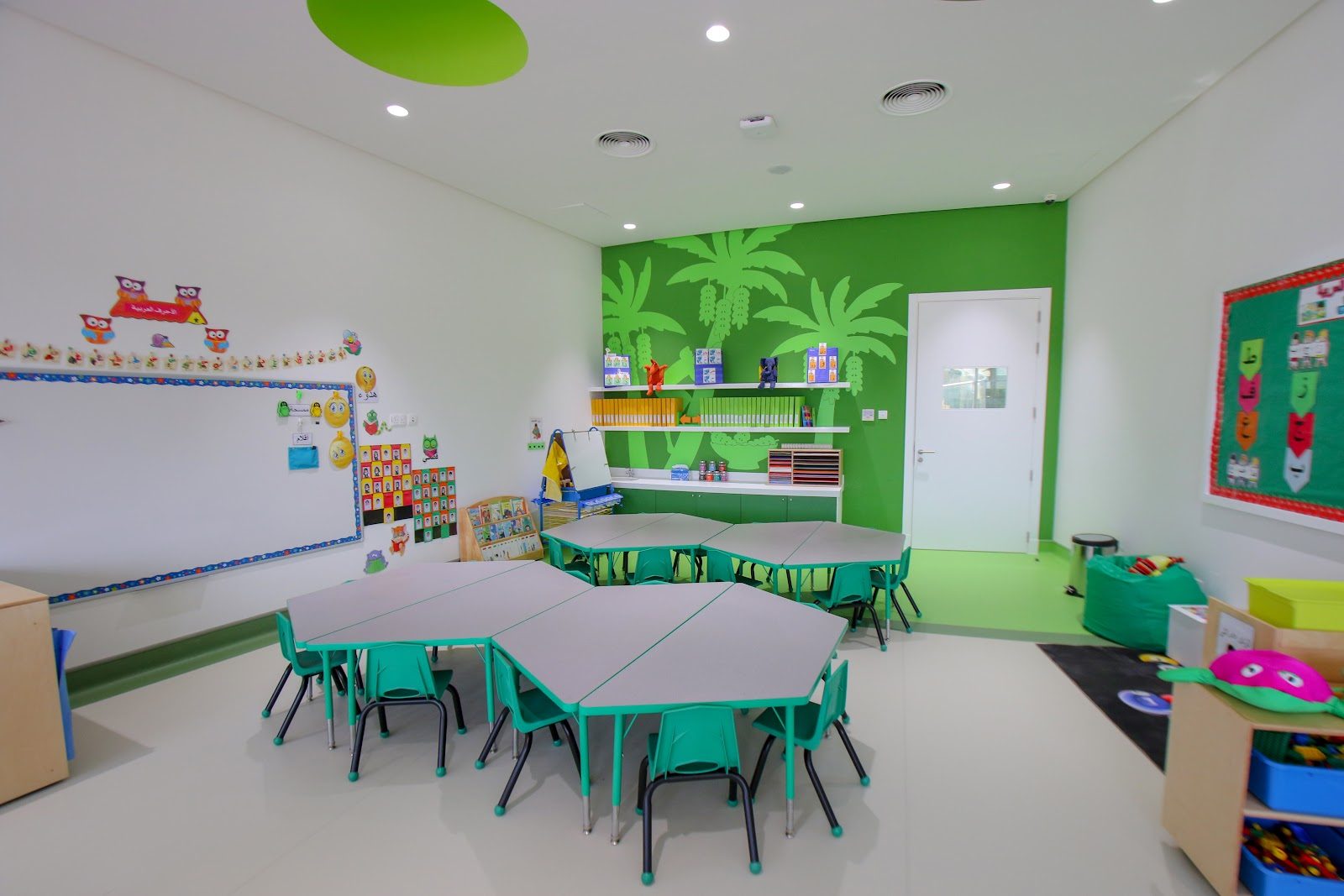
Bahrain Bayan School
Isa Town · Bahrain
Founded by parents in 1982, this Isa Town campus pairs Arabic-English bilingual roots with dual IB and American diplomas.
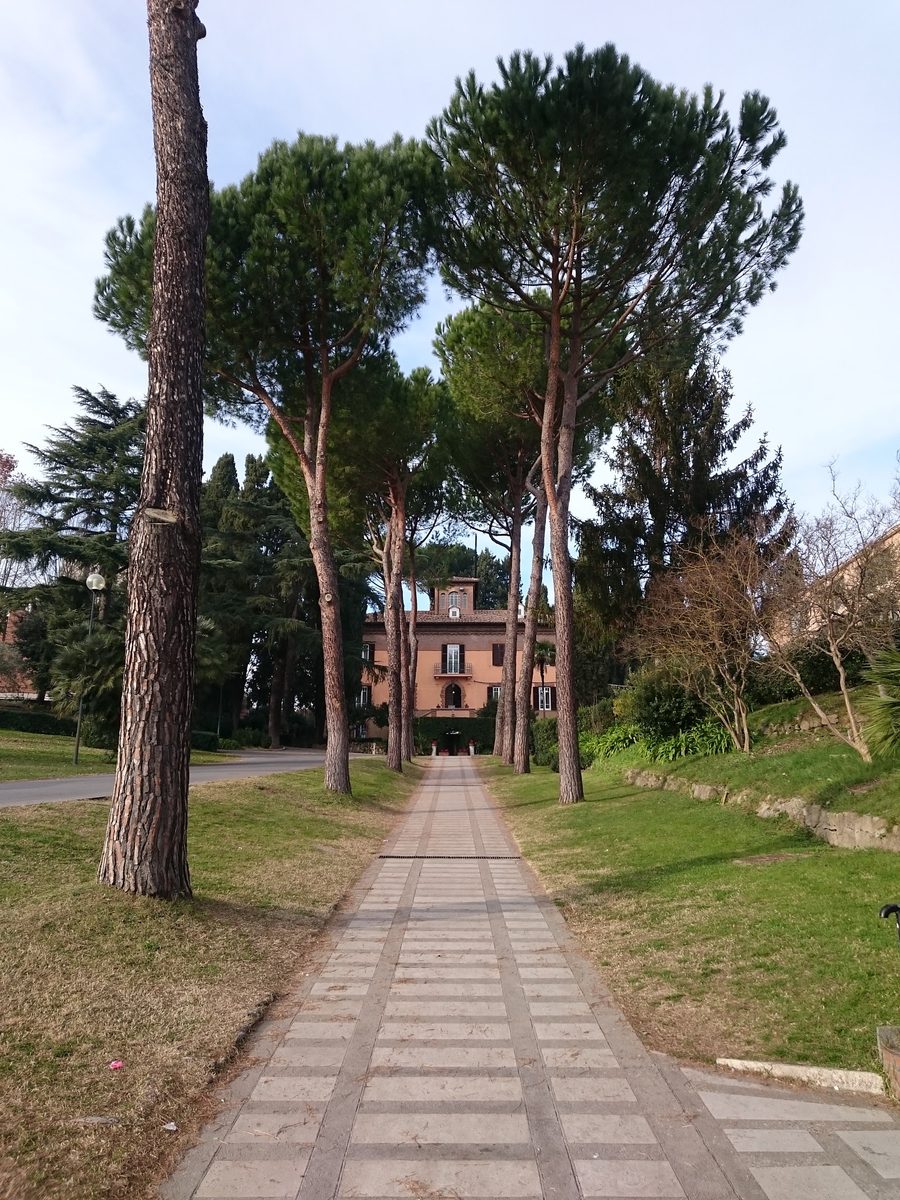
Marymount International School Rome
Rome · Italy
Italy's first international school pairs an American diploma with the IB on 40 acres of protected Roman parkland
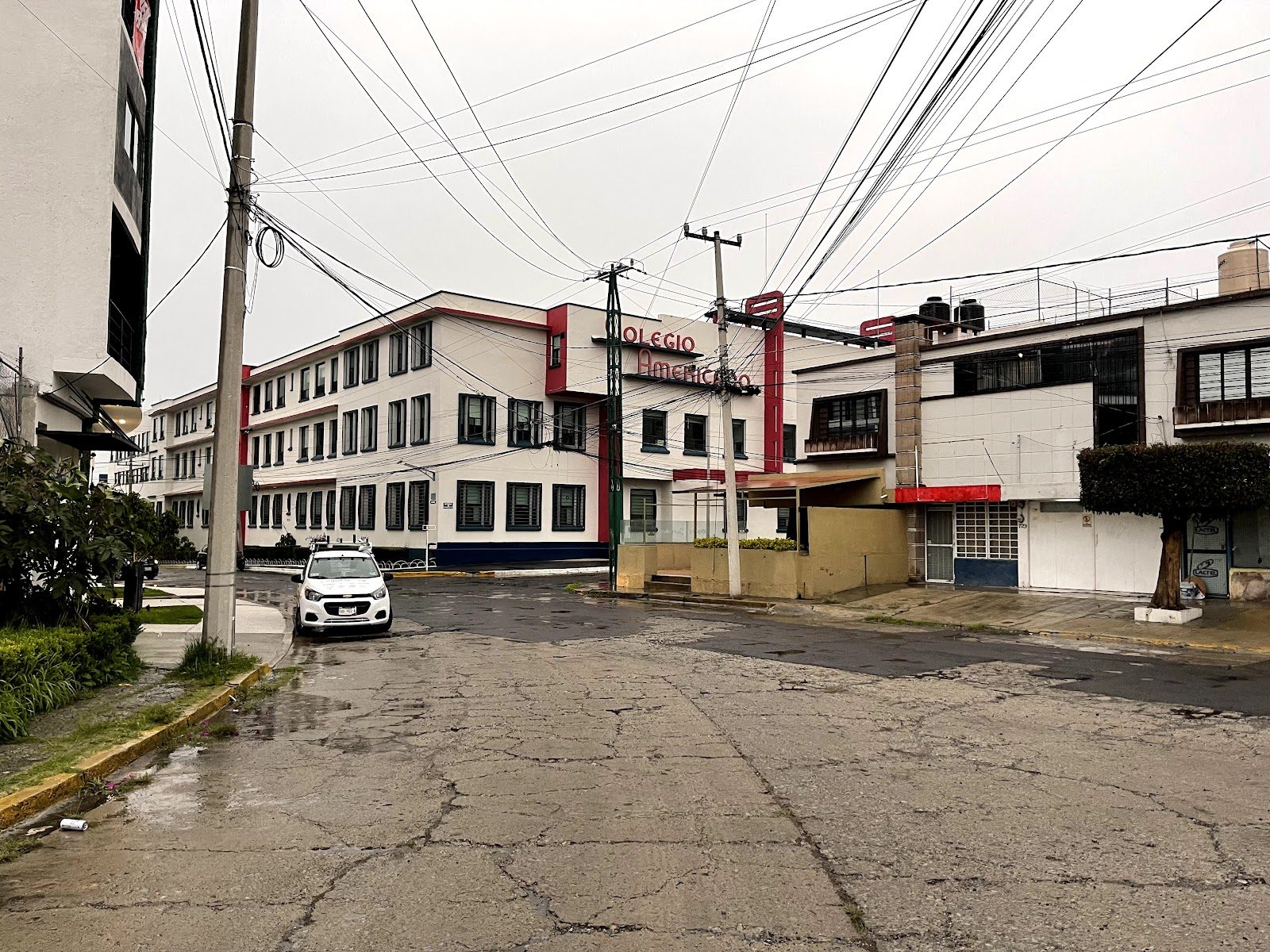
Puebla American School Foundation
Puebla · Mexico
Since 1942, this bilingual Puebla day school became the city's first to run the full IB continuum, from PYP to Diploma.
Same country and curriculum — closest matches within ±10 points either way