
Dubai
Arcadia British School
low confidence· 4/6 cats · 1 avg sourcesIn Jumeirah Village Triangle, a slipstream primary-to-secondary model pairs LAMDA distinctions with Duke of Edinburgh expeditions.
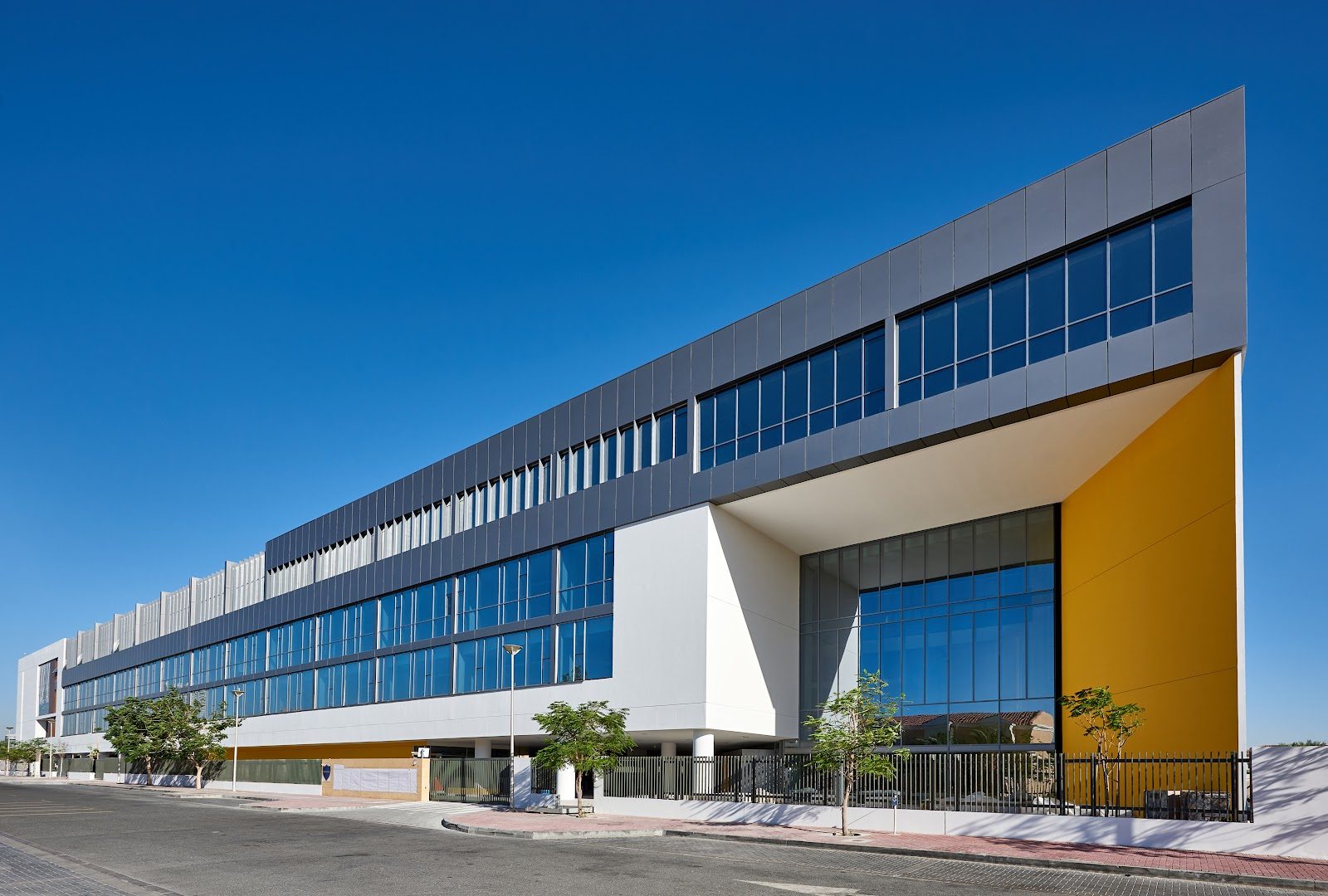
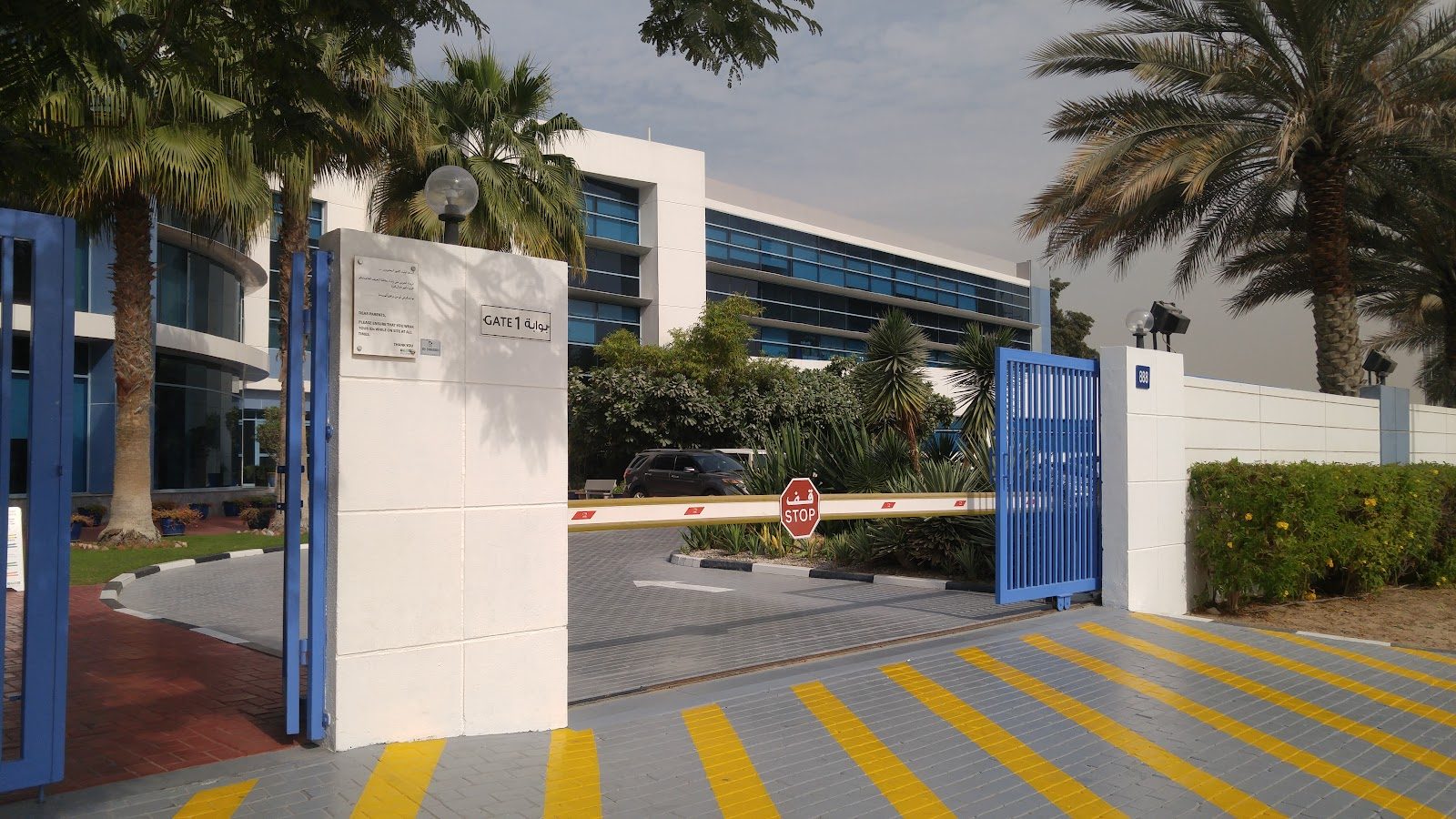
Photo © Pamela Chikhani via Google Maps
Type
Day
Ages
3–18
Curriculum
British
Ratio
—
The Verdict
Editor's commitment
Right for
Families in Jumeirah Village Triangle wanting a British through-school: ages 3–18, English-medium, KHDA-rated Very Good and BSO-accredited.
Wrong for
Parents who demand a long-established Dubai name; Arcadia opened in 2016 and charges an average AED 82,829 a year.
Watch out for
The public record here points to FS1–Year 11, while the listing states ages 3–18; clarify the sixth-form plan before signing.
Ranking breakdown
Arcadia British School · # of 1591
Composite score 68.3. 8 weighted criteria.
By criterion
Academic Outcomes
Weight 20%
#385
of 1529 scored
University Placement
Weight 16%
#459
of 1529 scored
Prestige & Heritage
Weight 12%
#900
of 1571 scored
Alumni Network
Weight 12%
#816
of 1530 scored
Facilities
Weight 12%
#120
of 1534 scored
Transparency & Communications
Weight 8%
#288
of 1532 scored
Peer & Industry Review
Weight 10%
#640
of 1548 scored
Admissions Selectivity & Demand
Weight 8%
#1205
of 1529 scored
Peer & Industry Review
How Arcadia British School is regarded in the sector
68
Respected · high confidence
Arcadia British School has built a genuinely credible reputation within Dubai's crowded British-curriculum sector rather than a headline national profile. SchoolsCompared rates it highly, calling it "an outstanding school in the making" and awarding it an Editor's Choice for facilities alongside a Top Schools Award for Best Architecture and Design in 2024, while noting it is the most popular school choice among Jumeirah Village Triangle families. WhichSchoolAdvisor's coverage tracks consecutive Very Good KHDA judgements in 2022-23 and 2023-24, an Outstanding rating for its Students of Determination provision, and unusually strong parent-survey engagement, with 84% satisfied on academic performance. The picture is of a fast-maturing, well-invested school earning solid peer and parent endorsement locally, though its sixth form is too new to have proven exam outcomes and its reputation remains regional rather than sector-wide.
Editors' overview
Arcadia British School sits in Jumeirah Village Triangle and trades on a clear proposition: a slicker, more intimate British day school than Dubai’s giant through-schools. It opened in 2016, teaches in English, follows the British curriculum attested by the KHDA, and holds a BSO accreditation alongside a KHDA rating of Very Good for 2023/24. That matters. In Dubai, where “British” covers everything from scaled corporate operators to lightly differentiated copycats, Arcadia has enough external validation to clear the credibility test without yet entering the small club of the city’s top inspection performers. The average annual day fee across ages 3 to 18 is AED 82,829, which places it firmly in the premium bracket and invites scrutiny.
What puts Arcadia on a shortlist is not scale or heritage, but shape. This is a 3–18 day school with a tight, slipstream model from the early years into secondary, and that has appeal for families who want continuity without the sprawl and impersonality of a very large campus. The school’s own public identity leans into performance and character-building as much as classroom delivery: LAMDA work and Duke of Edinburgh expeditions give it more texture than the standard “British curriculum plus enrichment” formula. That combination will suit students who want a school life with public speaking, performance, outward-bound challenge and a visible co-curricular spine, not just exam preparation in isolation. It also suits parents who value a premium environment but do not want the social machinery of a mega-school.
There are limits, and parents should look at them plainly. One primary source states that the school hosts FS1 to Year 11, while the verified context lists ages 3–18; that discrepancy needs a direct answer from the school, especially for families planning a full run to sixth form. Arcadia is also a young school with none of the institutional depth, alumni network or long public track record that older Dubai names can offer. Parents buying in at Very Good and AED 82,829 are paying for a premium British education with a distinctive co-curricular pitch, not for century-old heft or regulator-top-tier status. For the right child — articulate, confident, happy in a polished environment, and energised by drama, speech and expeditionary programmes — that trade-off makes sense. For families who want brute-force academic reputation, vast scale or decades of proven outcomes, other schools will hold the stronger hand.
Academic Performance
Arcadia’s public record on external results is thin, and that matters. We have not seen aggregate GCSE outcomes, no school-wide distribution of top grades is in the public domain, and there are no published sixth-form results to test A-level strength against Dubai’s established British competitors. That leaves parents without the basic comparative data that premium schools need to disclose plainly: pass rates, grade profiles, subject highs, cohort size and destination patterns. In a market where stronger operators publish those figures annually, Arcadia’s exam narrative remains opaque. The age-range discrepancy already flagged elsewhere also clouds the picture: one primary source places the school at FS1 to Year 11, which points to GCSE as the current external benchmark and leaves post-16 performance untested in public.
Relative to peers, that puts Arcadia in a hard-to-rank tier: credible, regulator-approved, but without the results transparency that would move it into Dubai’s academically hard-edged top table. A KHDA judgement of Very Good carries weight, yet it is not a substitute for published exam data. For families who prioritise measurable academic outcomes above all else, that gap is a serious handicap. For families prepared to accept less published evidence in exchange for the school’s broader character and co-curricular shape, the calculation differs. On academics alone, though, Arcadia has not earned a results-led reputation in the public domain.
Facilities
Arcadia’s facilities matter because the school sells an intimate, premium alternative to Dubai’s giant through-schools. The public record is thin on a room-by-room inventory, so parents need to ask direct questions on science capacity, senior specialist spaces and how far the campus is built out for the oldest pupils. What is clear from the school’s public identity is the weight given to performance and outward-bound activity. That points parents first to the arts and presentation infrastructure: spaces that support LAMDA, drama, speaking and staged performance carry more importance here than they do at many British schools that treat performing arts as an add-on. The same applies to expedition preparation and wider activity space linked to Duke of Edinburgh. If those areas are well-resourced, they are not decorative extras; they are part of the school’s core operating model.
Against peers, the benchmark is straightforward. At this fee level — an average of AED 82,829 a year — families can expect more than a clean, polished campus. They should expect serious specialist provision, credible sports facilities, age-appropriate secondary laboratories and arts spaces that do real work, not just photograph well. Arcadia’s advantage over larger rivals is focus and coherence, not brute scale. Its risk is the reverse: some premium competitors will outgun it on sheer breadth, especially in sixth-form infrastructure and top-end sports provision. So the facilities verdict is promising but unproven at the top end: strong if they genuinely support the school’s performance-led character, weaker if the premium pitch rests on finish rather than depth.
Its risk is the reverse: some premium competitors will outgun it on sheer breadth, especially in sixth-form infrastructure and top-end sports provision
Prestige
Arcadia’s prestige sits in Dubai’s premium but not blue-chip band. The fee level alone buys entry to that conversation: an average annual bill of AED 82,829 places the school among families shopping well above the mass-market British sector. Add a regulator judgement of Very Good and a polished co-curricular identity, and Arcadia carries social credibility with parents who want a school that feels carefully curated rather than sprawling. What it does not carry is the deeper prestige that attaches to the city’s longest-established academic names, the schools with regulator-top inspection status, fully published exam records and a settled sixth-form reputation. Prestige in this market rests on independent proof as much as price and presentation, and Arcadia’s proof base remains thinner than the strongest schools’.
That is why the school reads as aspirational rather than dominant. Its appeal is selective: families drawn to a more intimate through-school, a conspicuous emphasis on performance and character, and a premium peer group will find status here. Families chasing the hard currency of publicly evidenced top-flight results, university destinations and long institutional memory will rank it lower. The discrepancy over how far the school currently runs through the senior years also matters, because prestige at this end of the market depends on confidence in the full journey, not just the first stages. So the verdict is clear: Arcadia has rising-market prestige, not entrenched prestige.
Families chasing the hard currency of publicly evidenced top-flight results, university destinations and long institutional memory will rank it lower
Communications
Arcadia’s parent communications read as tight and brand-controlled. The school’s public message is consistent: polished, confident, and built around a clear idea of pupil experience rather than a scatter of disconnected announcements. That coherence counts. Parents can tell what the school wants to stand for. The problem sits elsewhere. The same discipline that keeps the message clean also strips out some of the hard detail premium families need. We have not seen published aggregate exam outcomes, and the senior-age-range picture remains unresolved in public. Those are not marginal omissions. At an average annual fee of AED 82,829, parents deserve plain-spoken answers on academic results, cohort progression and the full secondary-to-sixth-form pathway.
So the communications verdict is mixed: slick, but not yet fully transparent. Arcadia communicates ethos and co-curricular identity better than it communicates measurable academic proof. That will satisfy families buying into culture, care and a more intimate school journey; it will frustrate parents who judge communication by the speed and clarity with which a school discloses performance data. Effective school communication does two jobs at once: it builds confidence and reduces uncertainty. Arcadia handles the first job well. The second remains unfinished business. Until the school publishes a fuller results picture and resolves public ambiguity over how far the ladder runs, its communications stay strong on narrative and weaker on accountability.
Uniqueness
Arcadia’s point of difference is not pedigree or market dominance. It is deliberate scale and a co-curricular spine that has more definition than the generic Dubai formula. Plenty of British schools promise “holistic” education; fewer anchor that promise in named programmes that shape the pupil experience. Here, LAMDA and Duke of Edinburgh do that work. That gives the school a clearer personality than competitors built around a broad but interchangeable activities menu. For children who thrive when school life includes performance, public speaking, formal challenge and time beyond the classroom, that matters. It builds poise, stamina and the habit of being assessed in more than one register. In a market crowded with polished replicas, Arcadia has a recognisable house style.
That distinctiveness brings real gains, with limits. Students get a route that rewards articulation and confidence, not just quiet written competence. LAMDA can sharpen diction, presence and verbal discipline; Duke of Edinburgh adds service, resilience and practical self-management. Together they produce a student profile that is more outward-facing than the standard premium-school product. The gain for parents is a school experience with texture and intent, not just supervision and exam entry. The limit is just as clear: this is not a natural fit for every child. Pupils who dislike visibility, performance or organised challenge may find the culture demandingly extrovert. At an average annual fee of AED 82,829, families are paying for that distinctive shape. They need to want it, not just tolerate it.
At an average annual fee of AED 82,829, families are paying for that distinctive shape
Student Profile
Arcadia suits children who like to be seen and heard. The school’s co-curricular shape points towards pupils who are comfortable with public speaking, performance, discussion and organised challenge, not children who want to drift anonymously through a large campus. The best fit is the student who enjoys taking the floor, accepts scrutiny, and can handle a school culture with a visible expectation of participation. LAMDA and Duke of Edinburgh are not side dishes here; they reward verbal confidence, commitment and follow-through. That gives Arcadia a student body profile that reads more polished than bookish and more outward-facing than inward. Families paying an average of AED 82,829 a year need to want that social and behavioural tone, because it will shape friendships, confidence and day-to-day school life as much as classroom learning.
The less natural fit is just as clear. A child who wants a vast social field, deep anonymity, or a relentlessly exam-drilled atmosphere will find stronger matches elsewhere. The same goes for pupils who dislike performance, resist structured activities beyond lessons, or prefer a lower-visibility school culture. Arcadia works best for students who gain momentum from being nudged onto a stage, into a discussion, or out on an expedition; it is not a neutral environment. For articulate, engaged children with a bit of spark, that can be genuinely formative. For quieter pupils who need space before confidence, the fit is more exacting.
For articulate, engaged children with a bit of spark, that can be genuinely formative
Co-curricular strengths
Arts & sport, on a separate axis
Overall 8.92/10
Scored 0-10 from the school's own published evidence. This axis is editorial-only — it does not feed the main WTS ranking.
Sports
9.5/10
Multiple sports—Football, Basketball, Swimming, Tennis, Cricket, Rugby, Netball and Athletics—showing a solid multi-sport extracurricular offering.
Drama
9/10
Drama appears explicitly in the extracurricular list.
Dance
8.8/10
Music
8.8/10
Choir is offered, which evidences a music offering, but there is.
Visual Arts
8.5/10
Editor first-pass · editor-reviewable · 7/27/2026
Official inspection · Dubai
KHDA report · 2023/24
Official · KHDAInspectorate
Knowledge & Human Development Authority
Dubai's mandatory education regulator; annual DSIB inspections.
Curriculum
British
Improved vs previous cycle
Full report
KHDA report finderRating history
Strengths
- +KHDA rated Very good in 2023-24
- +Rated Outstanding by British Schools Overseas
- +Full through-school from ages 3–18, with a Sixth Form offering A Levels and BTEC
- +World-class sport and drama; elite music, dance and visual arts
- +Publishes GCSE results: the 2025 cohort of 35 achieved 55% at grades 9–7 and 95% at 9–4 (WSA)
Considerations
- −Day school only; no boarding
- −Sixth Form only opened in 2024-25, so senior-phase track record is still short
- −Young school without the deep alumni networks of Dubai's longest-established British brands
Availability
Primary entry gate & tests
CAT4 / Assessment
Gallery
Photo © Pamela Chikhani via Google Maps
Photo © Pamela Chikhani via Google Maps
Recommended reading
Independent write-ups of this school from editorial outlets we trust.
- Arcadia British School ReviewWhichSchoolAdvisor
- Arcadia British School – Dubai South – The Review 2024SchoolsCompared
Parent reviews
Have you sent your child here?
Voice reviews carry the strongest trust badge — we transcribe them for you to tidy up before they go live. Prefer to type? A written review is fine too.
Add your voice
In 60 seconds, tell other parents: what's the best thing about Arcadia British School, and what surprised you when your child joined?
We ask for a Google sign-in so every review has a real face behind it — no anonymous drive-by attacks on schools, and no faked positive reviews. Your email is never shown publicly.
Send this profile to a friend
International parents rely on word-of-mouth. Share this review with someone weighing the same decision.
Schools with places
Similar schools to Arcadia British School with places available now.
Royal Grammar School Guildford Dubai
Dubai · United Arab Emirates
- 2026-27
- PLACES OPENApps open / space-dependent
- 2027-28
- PLACES OPENRolling
Repton School Dubai
Dubai · United Arab Emirates
- 2026-27
- PLACES OPENApps open / space-dependent
- 2027-28
- PLACES OPENRolling
Dubai British School Jumeirah Park
Dubai · United Arab Emirates
- 2026-27
- PLACES OPENApps open / space-dependent
- 2027-28
- WAITPOOL2027/28 timetable TBC
The English College Dubai
Dubai · United Arab Emirates
- 2026-27
- PLACES OPENApps open / space-dependent
- 2027-28
- WAITPOOL2027/28 timetable TBC
Availability first, then country, area, curriculum, price, co-curricular
Consider also
Also worth looking at alongside Arcadia British School.
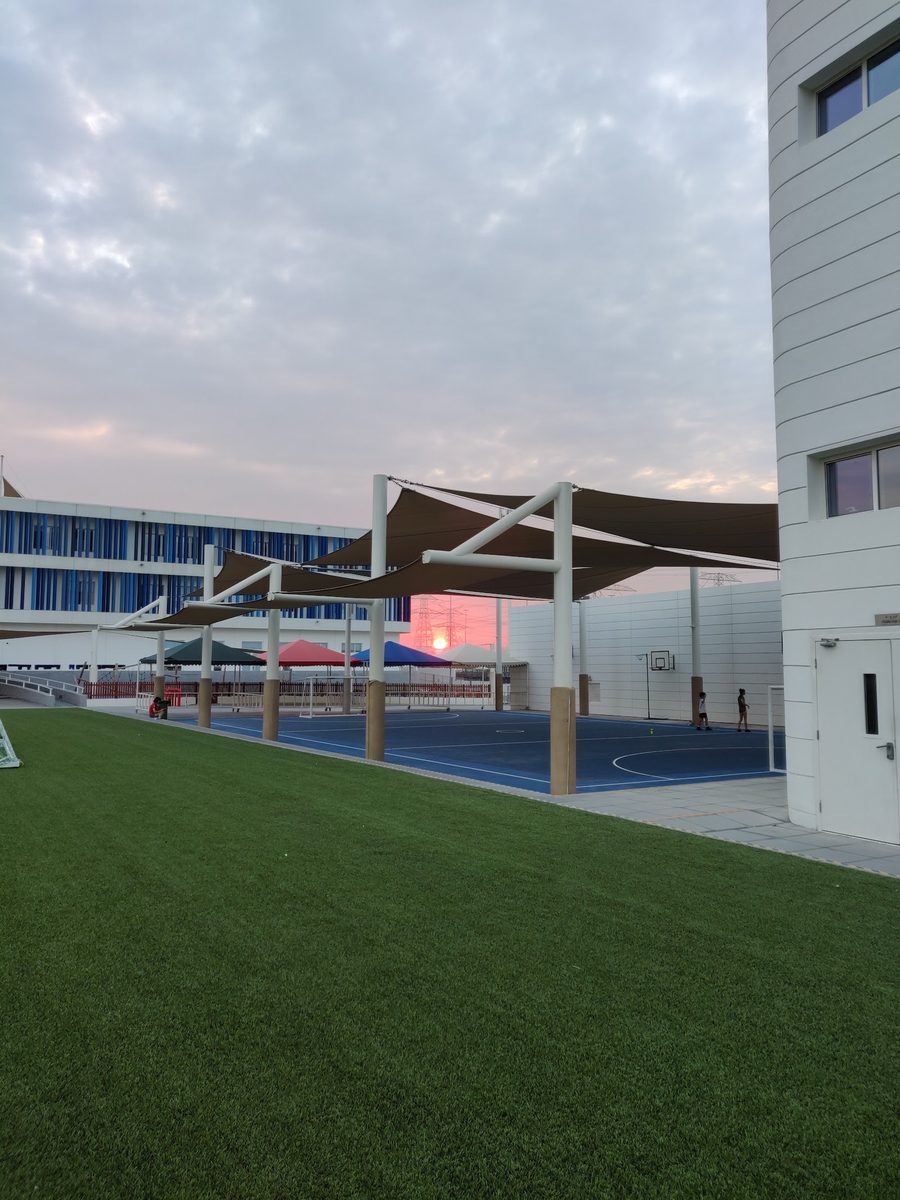
GEMS Wellington Academy - Al Khail
Dubai · United Arab Emirates
In Dubai Hills, swimmers train at a GEMS Centre of Excellence while KHDA inspectors mark the school just shy of the top band across the board.
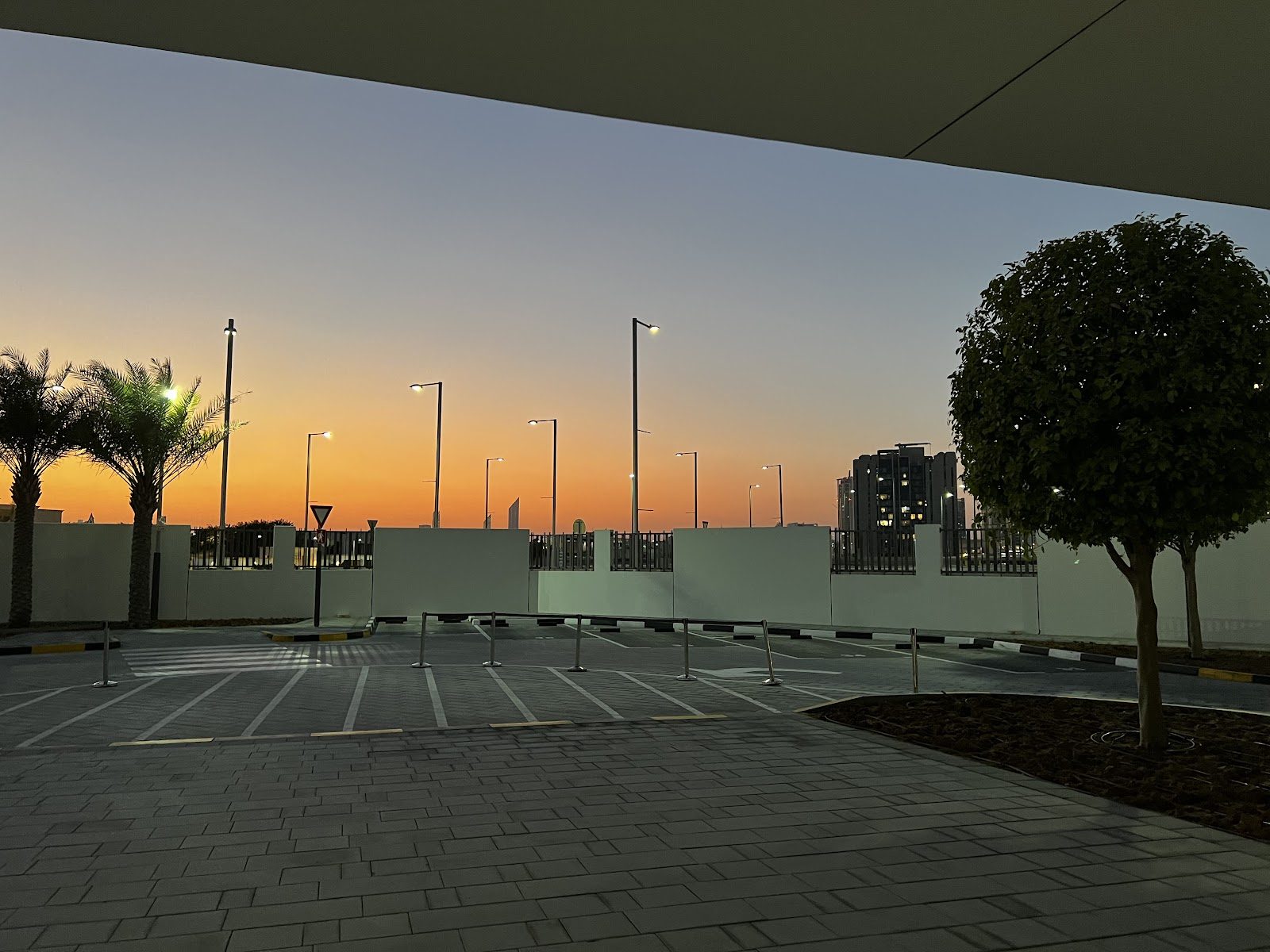
GEMS World Academy – Abu Dhabi
Abu Dhabi · United Arab Emirates
A purpose-built Al Reem Island campus pairs IB inquiry with England's National Curriculum, IGCSEs folded into the MYP.
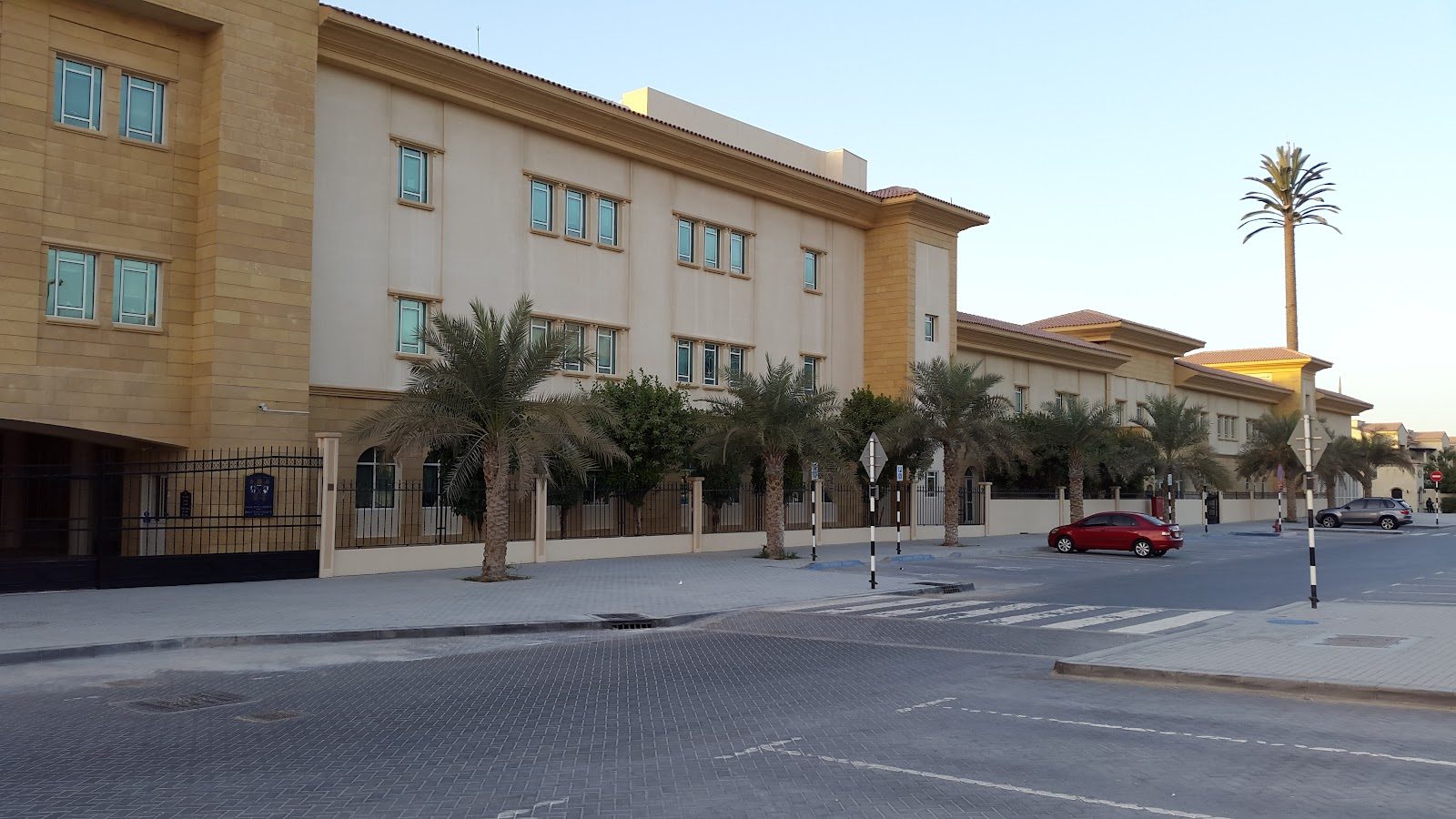
Brighton College Abu Dhabi
Abu Dhabi · United Arab Emirates
Opened as Brighton College's first campus outside Britain, now pioneering a University of Buckingham PGCE in Arabic teaching.
GEMS Wellington International School
Dubai · United Arab Emirates
Near Dubai Marina, a dozen straight top-tier KHDA verdicts back a British curriculum school running parallel A-Level and IB Diploma sixth forms.
Same country and curriculum — closest matches within ±10 points either way