
New South Wales
Ascham School
medium confidence· 4/6 cats · 3.33 avg sourcesSydney's storied girls' boarding school, pairing the Dalton Plan with a rigorous HSC pathway.
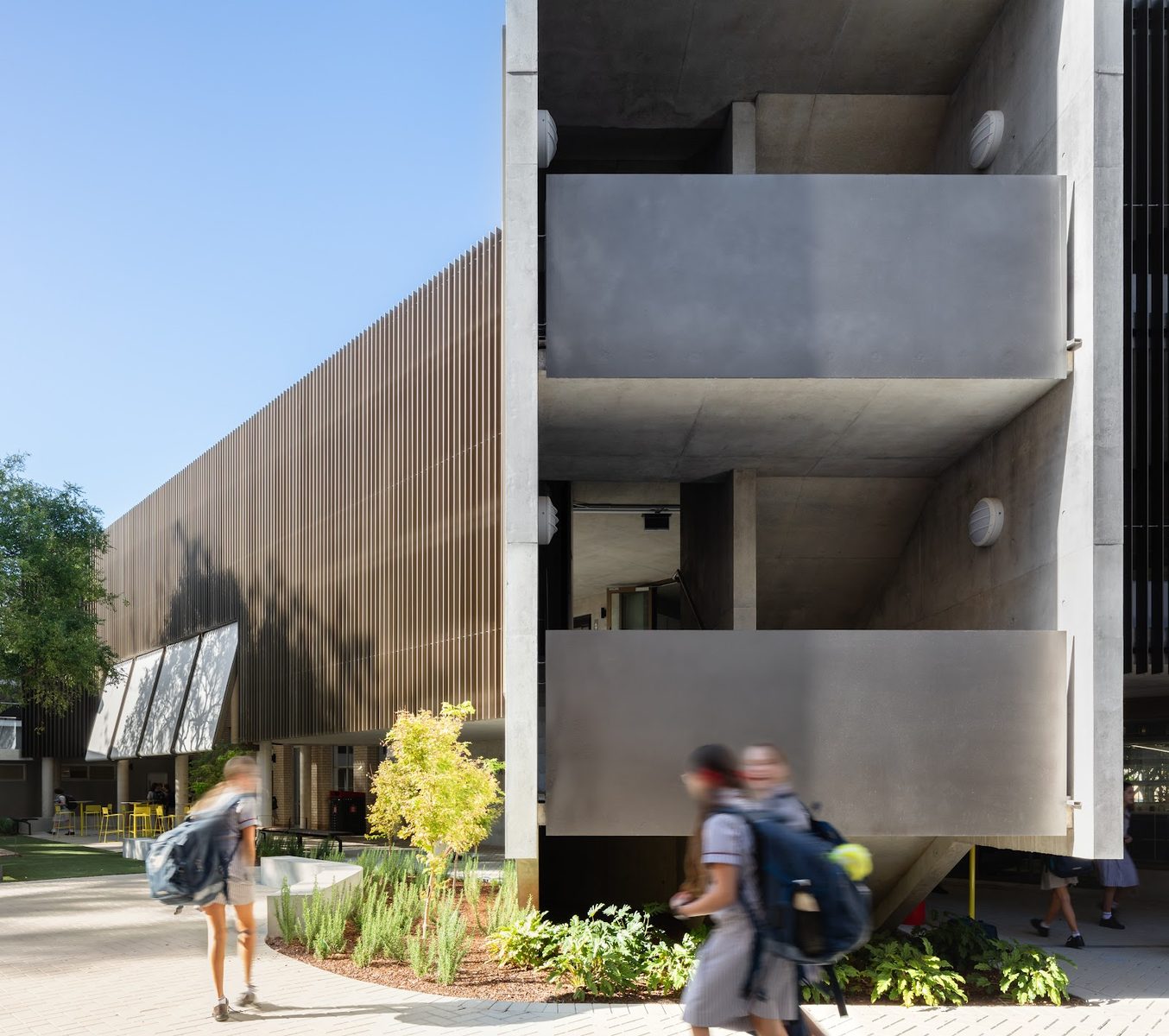
Photo © Ascham School via Google Maps
Type
Both
Ages
3–18
Curriculum
IB · VCE · Australian
Qualifications
HSC
Ratio
—
The Verdict
Editor's commitment
Right for
Girls who will use the Dalton Plan properly: self-directed study, a 3–18 all-girls setting, and ICSEA 1210 with Y9 Reading 632.
Wrong for
Families wanting co-education, a conventional teacher-led classroom, or a school with a single-curriculum identity; Ascham lists IB, VCE and Australian.
Watch out for
This is expensive by Sydney standards: average annual fees run to AUD 39,980 day and AUD 73,180 boarding, with HSC preparation at the core.
Ranking breakdown
Ascham School · # of 1591
Composite score 68.6. 8 weighted criteria.
By criterion
Academic Outcomes
Weight 20%
#208
of 1529 scored
University Placement
Weight 16%
#263
of 1529 scored
Prestige & Heritage
Weight 12%
#88
of 1571 scored
Alumni Network
Weight 12%
#1265
of 1530 scored
Facilities
Weight 12%
#271
of 1534 scored
Transparency & Communications
Weight 8%
#204
of 1532 scored
Peer & Industry Review
Weight 10%
#234
of 1548 scored
Admissions Selectivity & Demand
Weight 8%
#489
of 1529 scored
Score history
Ascham School · 2026
Movement across 2024–2026. Peer average overlaid.
Overall — 2024–2026
68.6/ 100
▲ +17.7 vs 2025
year on year
Peer & Industry Review
How Ascham School is regarded in the sector
78
Strong · medium confidence
Ascham is consistently ranked among Sydney's leading independent girls' schools in HSC academic performance tables (e.g., Sydney Morning Herald/The Educator HSC league tables) and is frequently cited alongside SCEGGS, Kambala and PLC Sydney as a top-tier Eastern Suburbs girls' school. It has a strong, well-documented alumni network including prominent Australian businesswomen, media figures and cultural leaders, and is regularly referenced in Good Schools Guide-style independent school comparisons and expat-parent forums (e.g., Sydney expat/relocation forums) as a prestigious, sought-after choice. It lacks the global 'top-tier' recognition of GPS/Kings-tier boys' schools or Tatler-level international coverage, placing it solidly in the strong-reputation band rather than elite unanimous top-tier status.
Evidence sources
- Lucy Turnbull — Businesswoman, former Lord Mayor of Sydney, Chair of Greater Sydney Commission
- Gretel Packer — Businesswoman, Packer family heiress
- Deborra-Lee Furness — Actress
Editors' overview
The distinctive fact at Ascham is plain: it is the only school in Australia to use the Dalton Plan, and it runs that model all the way through a girls’ education from age 3 to 18 on a single 5-hectare Sydney campus. That matters because Dalton is not a decorative teaching slogan here; the school ties its classroom life to independence, collaboration, responsibility and reflection, then sends girls through to the HSC at the senior end. In a market crowded with schools that promise confidence and leadership, Ascham has an actual educational mechanism behind those claims. It also has the weight of history: founded in 1886, with boarding embedded since 1887, it sits in the old Australian girls’ boarding-school tradition while keeping a clear academic spine.
Parents should shortlist Ascham if they want a girls’ school with serious academic intent and a structure that rewards self-management rather than spoon-feeding. The data back that up. Its MySchool 2023 figures are strong: ICSEA 1210, Year 9 Reading 632, Year 9 Numeracy 628. Those are not the numbers of a soft, pastoral finishing school. They point to a high-attaining intake and a demanding academic culture. The school also carries IBO accreditation and declares a multi-curriculum identity across IB, VCE and Australian pathways, even though the website foregrounds HSC preparation. Fees place it firmly in the premium bracket: an average annual day fee of AUD 39,980 across the full ladder, and an average annual boarding fee of AUD 73,180. This is an expensive, established Sydney independent school, not a value play.
The girl who will thrive here is organised, intellectually steady and comfortable taking responsibility for her own work. She does not need constant prompting. She benefits from a school that expects her to plan, reflect and keep moving. Boarders, too, get more than a token add-on; boarding has been central to the school’s life for well over a century. The girl who will struggle is the one who wants a loose, anonymous environment or who needs heavy external structure at every step. Ascham’s appeal rests in its disciplined independence, its old-school backbone and its refusal to dilute academic expectations. Add a verified alumni base of 30 notable figures on Wikidata, including 11 actors or directors and 5 writers or journalists, and the picture is consistent: this is a school for girls with drive, stamina and a taste for high-expectation environments.
Academic Performance
Ascham’s academic picture is strong, but not fully transparent. The school foregrounds preparation for the HSC and ties that senior programme to a teaching model built around independent work, planning and accountability. That combination tends to suit girls who can organise themselves and sustain effort without constant supervision. The available attainment data point in the right direction: the cohort sits on a high academic baseline, with Year 9 results at 632 in reading and 628 in numeracy. In practical terms, that places Ascham in the high-attaining independent bracket, not in the middle of the pack. This is a school with serious academic expectations and a student body that performs accordingly.
What is missing is the sharper public proof many parents will want at the senior end. We have not seen aggregate HSC outcomes, ATAR summaries, subject distinctions or a clear account of how results stack up against direct girls’ school competitors in Sydney. That matters, because schools at this level need more than rhetoric about confidence and resilience; they need published leavers’ outcomes. Ascham still reads as a demanding, academically credible school with a clear intellectual spine, but its external-results story is less explicit than the strongest operators in this tier. Relative to peers, it fits the premium, high-expectation group; the case for top-flight exam performance is persuasive, but the school does not publish enough headline data to close the argument decisively.
Facilities
Ascham’s facilities story starts with coherence rather than sprawl. Everything sits on a single 5-hectare campus, which matters in daily school life: girls are not being shuttled between scattered sites, and the school can knit prep, junior, senior and boarding life into one functioning whole. The built environment mixes heritage buildings with newer teaching spaces, so families get the old private-school architecture many want without being stuck in a museum. The key strength is that the campus supports the school’s academic method: spaces for independent study, classroom work and day-to-day movement across year groups all matter more here than headline-grabbing architectural spectacle. Boarding also has real physical and cultural presence, not the token afterthought boarding provision some city schools bolt on.
Against Sydney premium-school peers, that puts Ascham in the solid rather than showy category. It does not trade on a vast estate, elite sporting acreage or a flood of publicly detailed specialist centres in the way some bigger rivals do. If a family wants the most expansive grounds or a long published list of theatres, labs and sports complexes, stronger contenders exist. If a family wants a compact, well-integrated, serious-use campus with boarding woven into school life and facilities that back a high-discipline academic routine, Ascham holds its ground well. The absence of a heavily marketed facilities arms race is not a weakness in itself; it simply tells you this school prioritises educational function over flashy campus theatre.
The benefit is obvious at the senior end, where independent organisation stops being a nice extra and becomes central to coping with a demanding assessment load
Prestige
Ascham carries real social and educational cachet in the Sydney private-school market. Part of that rests on age and continuity, but prestige here is not only inherited; it is reinforced by selectivity, price and a teaching model that gives the school a clear identity rather than a generic independent-school gloss. The verified alumni footprint helps: 30 notable former pupils catalogued on Wikidata is a meaningful floor, with strong representation in public-facing fields such as the arts, screen and writing. That does not make Ascham the most publicly decorated school in the country, but it does place it firmly in the *upper tier of recognisable girls’ schools* whose name carries weight beyond the school gates.
The rating also rests on the kind of family and student the school attracts. This is an expensive, status-conscious institution with a long-established boarding tradition and a brand that signals discipline, polish and ambition. Its academic baseline is strong, which protects prestige in a market where reputation can collapse fast if results drift. The weakness is public proof at the senior end: the school does not publish the level of headline leavers’ data that would push it into the fully unarguable top bracket on academic prestige alone. So the verdict is clear. Ascham has high prestige, grounded in history, affluence, distinctive pedagogy and alumni visibility, but not the complete results transparency that marks the most hard-nosed academic operators.
Girls who want room to think, plan and own their work get something unusually serious and hard to replicate elsewhere
Communications
Ascham communicates with a clear institutional voice and a disciplined public face. The website is tidy, easy to navigate and built around the school’s central ideas rather than a jumble of admissions prompts. Parents can move quickly between enrolment, academic stages, boarding, wellbeing and virtual tours without getting lost in clutter. That matters. Schools with a complex internal structure need clean signposting, and Ascham does that job well. The tone is controlled, polished and confident, with a strong emphasis on values, learning habits and the logic behind the school’s teaching approach. The school also makes good use of mainstream outward channels, including social platforms and video, which helps keep communication current rather than stiffly institutional.
The weakness is not presentation; it is disclosure. For a school charging an average of AUD 39,980 for day pupils and AUD 73,180 for boarders, parents deserve more hard public information than they get. The site explains philosophy well, but it gives less weight to the blunt evidence families use to test value: consolidated senior outcomes, sharper academic benchmarking and more operational detail about day-to-day school life. That leaves communications strong on message and weaker on proof. In practical terms, Ascham tells parents what it believes in, and tells it fluently. It is less effective at publishing the harder facts that convert belief into trust.
Uniqueness
Ascham’s real point of difference is not heritage, fees or social standing. It is the Dalton Plan, and the school states plainly that it is the only school in Australia to use it. That matters because Dalton changes the daily mechanics of learning. Girls are expected to plan their work, manage time, take responsibility and reflect on what they have done, rather than wait for constant prompting from teachers. In a sector full of schools selling “confidence” and “leadership” as slogans, Ascham has an actual operating system behind those claims. For the right student, that is genuinely distinctive. It builds self-command, sharper study habits and a habit of working without fuss. It also creates a school culture that feels more exacting than the average polished girls’ school.
The benefit is obvious at the senior end, where independent organisation stops being a nice extra and becomes central to coping with a demanding assessment load. The same model also gives younger pupils a through-line from the earliest years to the final ones, rather than a patchwork of changing educational fashions. Add a single-campus structure and a boarding tradition that sits inside the life of the school rather than at its edges, and Ascham offers a rarely diluted sense of institutional identity. The trade-off is clear too: this is not a hand-holding school. Girls who need heavy supervision or thrive on constant teacher direction will find the Dalton method hard going. Girls who want room to think, plan and own their work get something unusually serious and hard to replicate elsewhere.
In a market crowded with schools that promise confidence and leadership, Ascham has an actual educational mechanism behind those claims
Student Profile
The girl who fits Ascham is self-directed, orderly and comfortable being held to account for her own work. She does not wait to be chased. The school’s teaching method rewards pupils who can plan, prioritise and recover briskly from a bad mark or a crowded week. That makes it a strong match for girls with inner drive, steady academic stamina and the confidence to work independently without turning every setback into drama. It also suits families who want structure without spoon-feeding: not a loose progressive culture, but not a hothouse of rote compliance either. The all-girls setting and the school’s long social standing also draw families who value polish, tradition and a clear code of conduct.
The girl who struggles here is the one who needs constant prompting, heavy emotional management or endless teacher-led reassurance. Ascham asks for self-command early and persistently. That can sharpen capable students fast; it can also expose disorganisation fast. Boarders join a part of school life with deep roots rather than a side operation, which broadens the intake beyond local day families and adds another layer of independence to the student mix. The result is a cohort shaped less by flamboyance than by discipline: bright, busy, high-expectation girls in a grown-up environment, with price acting as a clear filter at an average of AUD 39,980 for day pupils and AUD 73,180 for boarders.
Parents should shortlist Ascham if they want a girls’ school with serious academic intent and a structure that rewards self-management rather than spoon-feeding
Co-curricular strengths
Arts & sport, on a separate axis
Overall 8.46/10
Scored 0-10 from the school's own published evidence. This axis is editorial-only — it does not feed the main WTS ranking.
Sports
9/10
Competes fiercely across Australian independent school leagues, balancing intensive academic tracking with strong netball and tennis squads.
Drama
8.5/10
Highly unique, creative theater curriculum utilizing professional-grade mainstages and studio black boxes.
Dance
7.5/10
Highly dedicated formal dance curriculum running classical ballet, jazz, and modern composition inside custom studios.
Music
8.8/10
Excellent instrumental breadth supporting multiple symphonies, jazz bands, and choirs that routinely anchor major seasonal showcases.
Visual Arts
8.5/10
Sun-drenched studio spaces running advanced design pipelines, ceramics, and photography to clear elite portfolios.
Editor-verified · 8/7/2026
Notable alumni · Wikidata
30notable alumni
9 historic (born pre-1930) · 5 modern (born post-1970)wikidata:2026-07-28 How we source this
MySchool · ACARA
Australian benchmarks
Editorial estimateReporting year
2023
ICSEA index
1210
+210 vs national average (1000)
Student cohort by national ICSEA quarter
Year 9 NAPLAN — mean scale score
Dashed line = national average
Attendance
94.1%
Enrolments
1140
Sector
Independent
Year range
K–12
Sydney girls' independent using the Dalton Plan; strong Ivy League and Oxbridge placement.
MySchool.edu.au source pageEditor-approximated from MySchool.edu.au. Awaiting school-attested figures.
Strengths
- +Ascham is the only school in Australia to use the Dalton Plan, a self-directed learning model built around Assignment, Lesson and Study periods that gives girls regular one-on-one teacher time.
- +2023 HSC results were strong: girls achieved marks of 70 per cent or above in 631 of 652 examinations, and more than 60 per cent of students scored an ATAR above 90.
- +The school maintains a non-selective enrolment policy, meaning entry is not dependent on an academic entrance exam, widening access relative to many academically selective Sydney girls' schools.
- +A substantial boarding community of over 120 girls from Years 7 to 12, mostly from country NSW, gives day students exposure to a genuine boarding-school culture rather than a token boarding house.
- +Means-tested scholarships and bursaries span several categories, including Academic, Music, All-Round Excellence, Boarding, Equity and Inclusivity, and Ngara Scholarships for First Nations students.
Considerations
- −It is a girls-only school from Kindergarten to Year 12, so it will not suit families wanting a co-educational environment throughout schooling.
- −Annual tuition is reported at around AUD 46,000, placing it among the costlier independent day/boarding schools in Sydney, with uniforms, camps and extracurricular costs on top.
- −Ascham runs the NSW HSC and the IB Diploma; it does not offer Victoria's VCE, so families assuming that pathway would need to look elsewhere.
- −Mandatory school tours are typically offered around three years before the intended start date and places are then ranked by application date, which can disadvantage families relocating to Sydney at short notice.
Availability
Primary entry gate & tests
Academic Record + Interview (Girls)
Gallery
Photo © Ascham School via Google Maps
Photo © Ascham School via Google Maps
Photo © Ascham School via Google Maps
Photo © Mark Pettitt via Google Maps
Photo © Ascham School via Google Maps
Photo © Ascham School via Google Maps
Photo © Ascham School via Google Maps
Photo © Ascham School via Google Maps
Photo © Ascham School via Google Maps
Parent reviews
Have you sent your child here?
Voice reviews carry the strongest trust badge — we transcribe them for you to tidy up before they go live. Prefer to type? A written review is fine too.
Add your voice
In 60 seconds, tell other parents: what's the best thing about Ascham School, and what surprised you when your child joined?
We ask for a Google sign-in so every review has a real face behind it — no anonymous drive-by attacks on schools, and no faked positive reviews. Your email is never shown publicly.
Send this profile to a friend
International parents rely on word-of-mouth. Share this review with someone weighing the same decision.
Schools with places
Similar schools to Ascham School with places available now.
Pymble Ladies' College
Sydney · Australia
- 2026-27
- WAITPOOLVacancy-dependent
- 2027-28
- PLACES OPEN
The King's School (Parramatta)
Parramatta · Australia
- 2026-27
- WAITPOOLVacancy-dependent
- 2027-28
- PLACES OPEN
Sydney Grammar School
Sydney · Australia
- 2026-27
- WAITPOOLYr 7 closed; Yrs 8-11 enquire
- 2027-28
- WAITPOOLYr 7 closed; Yrs 8-11 enquire
Availability first, then country, area, curriculum, price, co-curricular
Consider also
Also worth looking at alongside Ascham School.
Ivanhoe Grammar School
Melbourne · Australia
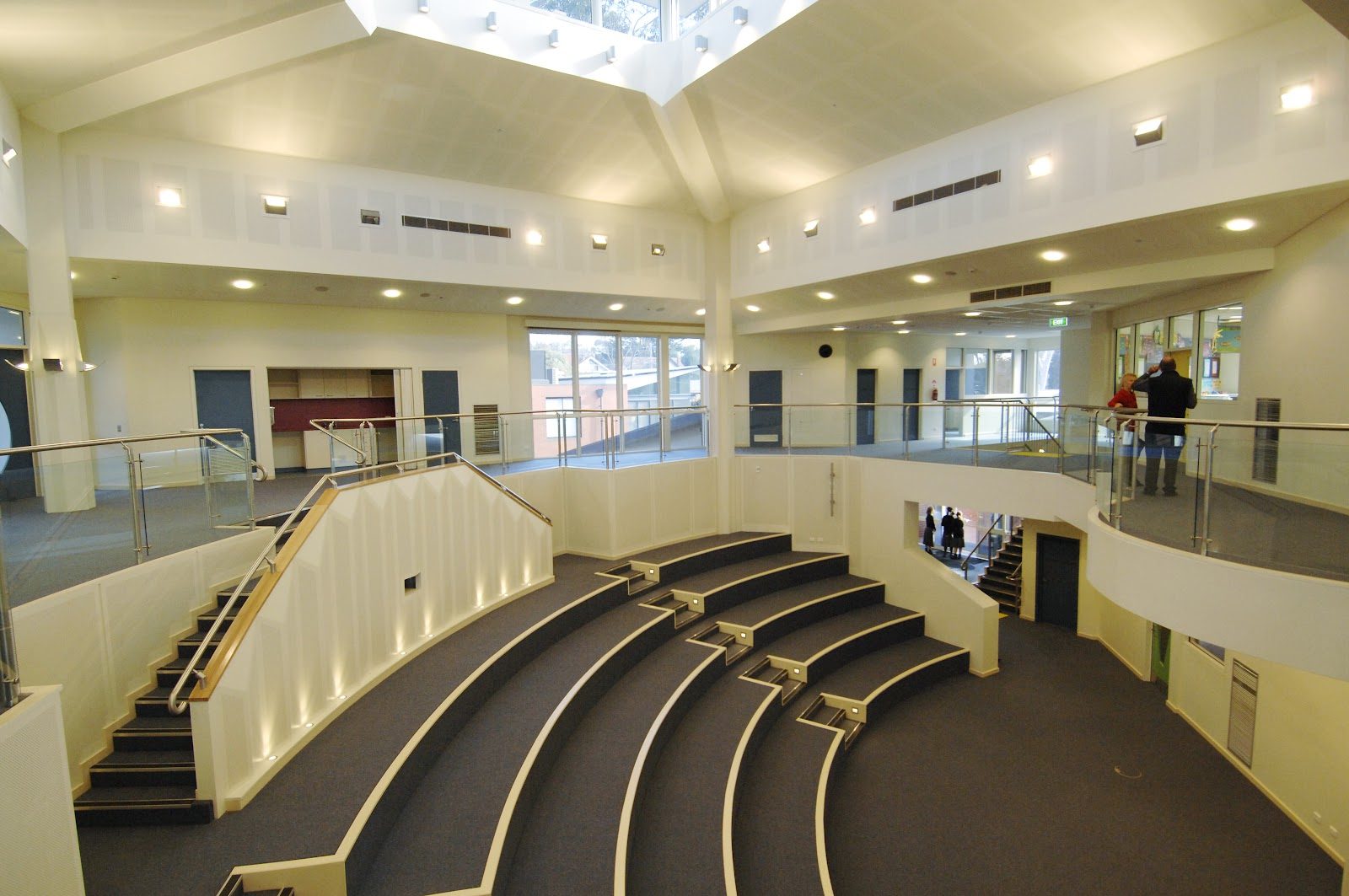
A Year 9 campus embedded at La Trobe University anchors a Round Square network across Melbourne's north, offering both VCE and IB pathways.
Pymble Ladies' College
Sydney · Australia
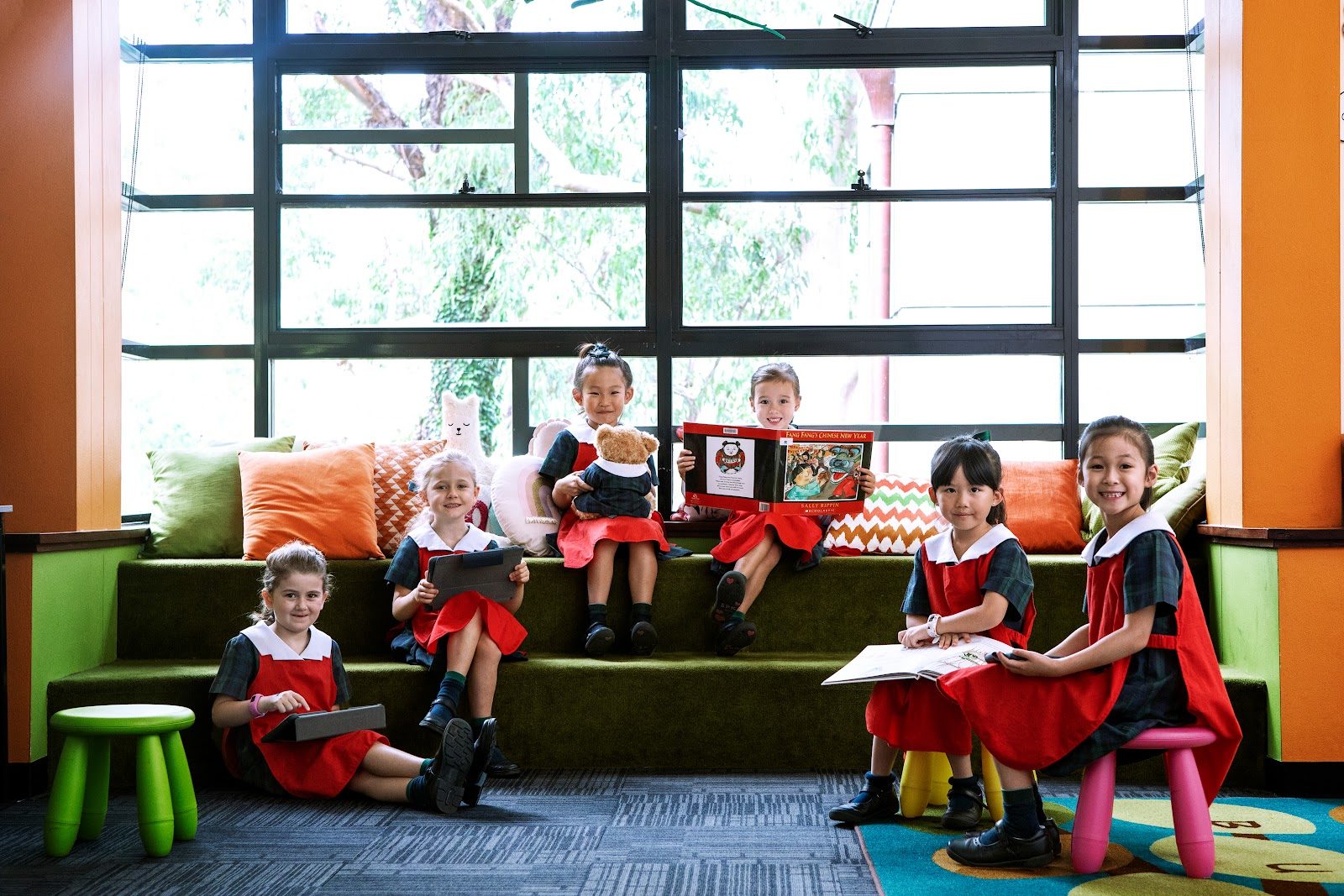
On Sydney's Upper North Shore, a non-selective campus of five schools lets girls choose between the IB and HSC pathways.
Cranbrook School
Sydney · Australia
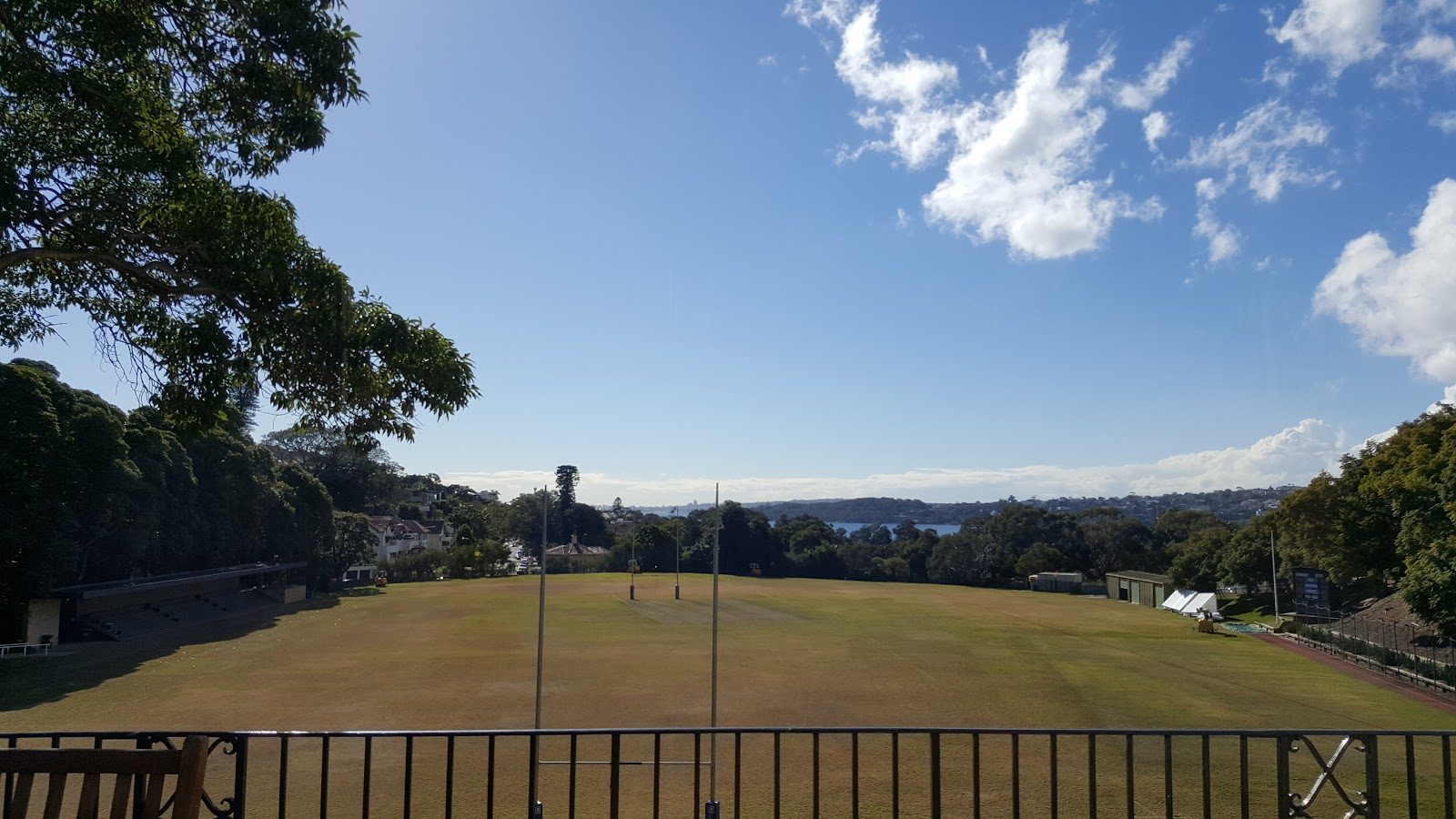
Sydney's first IB Continuum School, pairing Bellevue Hill harbour views with a Blue Mountains bush campus for experiential learning.
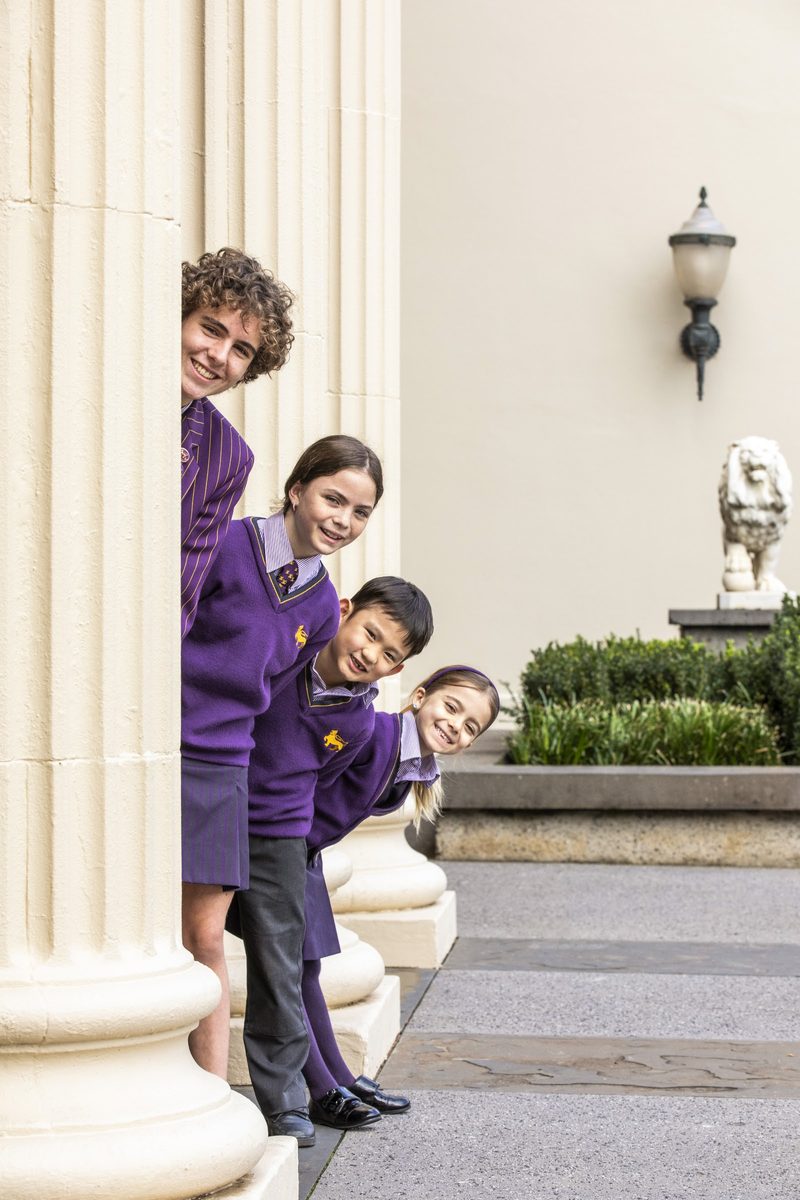
Wesley College
Melbourne · Australia
Runs the full IB continuum alongside VCE across three Melbourne campuses, reaching all the way to a studio school in the Kimberley outback.
Same country and curriculum — closest matches within ±10 points either way