
Long Bien District
British International School Hanoi
medium confidence· 4/6 cats · 1.67 avg sourcesRiverside campus in Long Bien pairs a British primary grounding with a Juilliard-curated music curriculum en route to the IB Diploma.
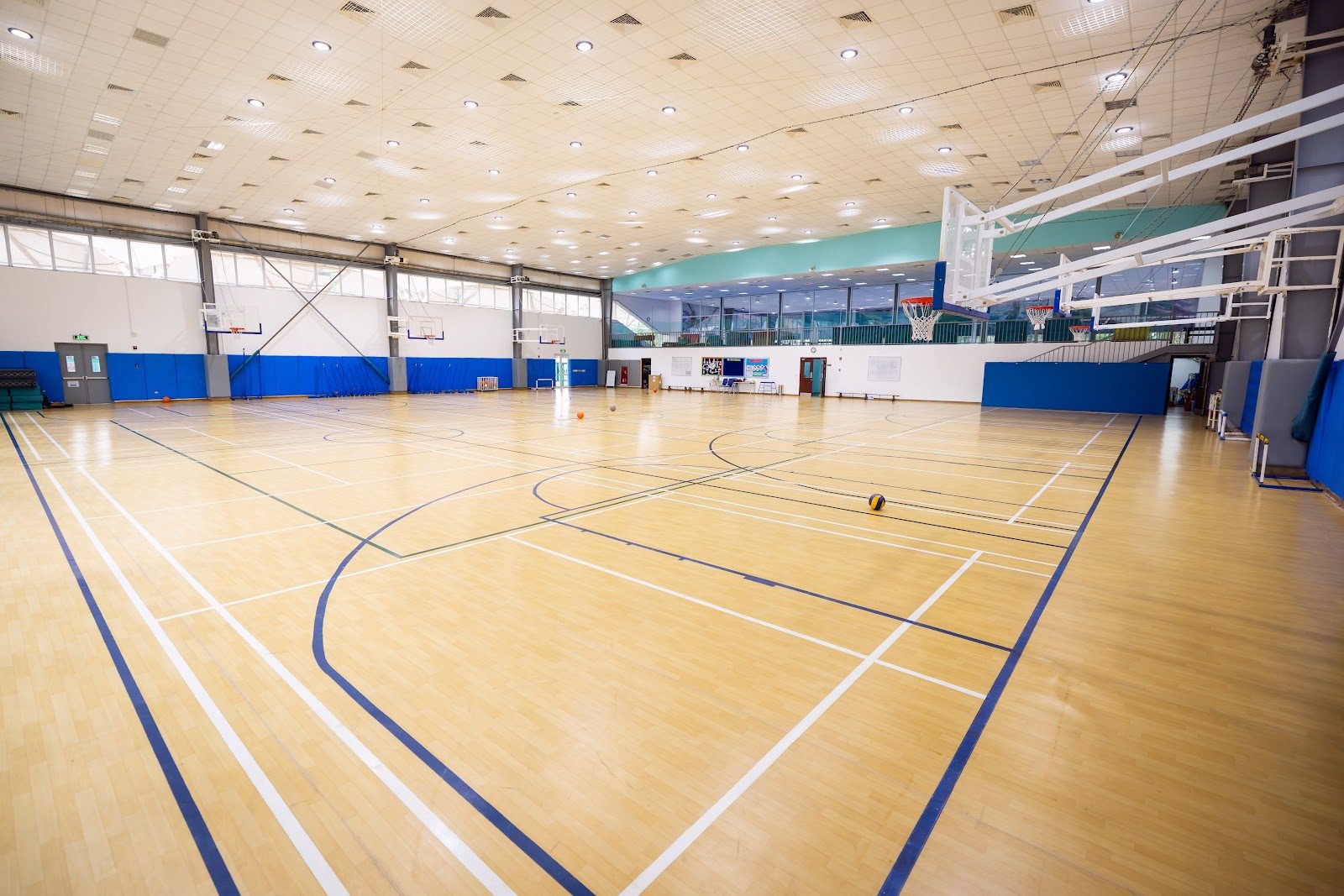
Photo © British International School Hanoi via Google Maps
Type
Day
Ages
2–18
Curriculum
British · IB
Qualifications
IGCSE · A-Level · IB Diploma
Ratio
—
The Verdict
Editor's commitment
Right for
Families in Hanoi who want a day school from age 2–18 with British foundations, an IB Diploma finish, and CIS plus COBIS badges.
Wrong for
Parents wanting boarding, a non-English classroom, or a school outside Nord Anglia’s orbit; BIS Hanoi is day-only, English-medium, and chain-owned.
Watch out for
The website sells awards and belonging; it does not publish enough hard academic data to justify the premium implied by BSO, CIS and IB World status.
Ranking breakdown
British International School Hanoi · # of 1591
Composite score 71.7. 8 weighted criteria.
By criterion
Academic Outcomes
Weight 20%
#182
of 1529 scored
University Placement
Weight 16%
#136
of 1529 scored
Prestige & Heritage
Weight 12%
#900
of 1571 scored
Alumni Network
Weight 12%
#856
of 1530 scored
Facilities
Weight 12%
#120
of 1534 scored
Transparency & Communications
Weight 8%
#41
of 1532 scored
Peer & Industry Review
Weight 10%
#283
of 1548 scored
Admissions Selectivity & Demand
Weight 8%
#1232
of 1529 scored
Peer & Industry Review
How British International School Hanoi is regarded in the sector
62
Respected · medium confidence
British International School Hanoi is a well-established Nord Anglia name in Vietnam's capital, regarded as a solid rather than headline-grabbing choice among independent reviewers. WhichSchoolAdvisor's dedicated review highlights its "unique music programme" with The Juilliard School and its Duke of Edinburgh's International Award, framing it as offering "many of the hallmarks of a British independent school." The Good Schools Guide is similarly positive but measured, calling it a great choice for parents wanting a British education combined with the local comforts of a strong Vietnamese community, while noting IBDP results (average 33, one student on 44/45) that are respectable rather than exceptional. Peer visibility is consistent across Vietnam school directories, though WhichSchoolAdvisor has not yet conducted its deeper "Experience" visit, suggesting industry scrutiny remains at a factual rather than exhaustive level.
Editors' overview
British International School Hanoi sits in Vinhomes Riverside, Long Bien, and trades on a clear proposition: a British-throughline education from the early years to IGCSE, then the IB Diploma, all delivered in English on a polished Nord Anglia platform. Founded in 2012, it is not one of Hanoi’s old guard, but it has built fast with the advantages of scale, systems and group infrastructure. The strongest differentiator is not the generic “international” claim; it is the combination of British academic structure, Nord Anglia’s global machinery and branded external partnerships, above all The Juilliard School in music and performing arts. For families who want high academic pressure without a narrow exam factory, that mix carries weight.
The school’s published outcomes give it substance. Its latest IB Diploma average stands at 35.11 against a global average of 30.88, with 2 students on the full 45 points and around 1 in 7 scoring 40 or above. Those are serious numbers, not decorative ones. BIS Hanoi also states that its IGCSE and IBDP cohorts have outperformed global averages for the last four years. The caveat is straightforward: headline university destinations and premium collaborations do not tell parents much about the middle of the cohort, day-to-day teaching variation, or how stretched students feel by the school’s ambitions. This is a strong school for families who value results, structure and institutional polish; it is less compelling for parents who want a looser, more intimate, less performance-conscious culture.
Why shortlist it? Because BIS Hanoi offers a very legible academic pathway, serious English-language immersion, and *a strong sense of institutional competence*. The teaching proposition is also unusually explicit: the school says all teachers, apart from world language specialists, are native English speakers, and all hold UK-recognised teaching qualifications. In Hanoi’s market, that matters. So does the age range: 2–18 on one site gives families continuity, and the day-school model suits long-term resident professionals who want consistency without boarding. The student who will thrive here is motivated, internationally minded and comfortable in a structured environment that expects steady performance. Children with strengths in music, performance and the broader co-curricular life will find real opportunity. Those who need a gentler pace, less polished ambition or a more alternative school culture will find better fits elsewhere.
Academic Performance
BIS Hanoi publishes enough headline data to justify its academic claims. The key figure is the latest IB Diploma average of 35.11, comfortably ahead of the global benchmark cited by the school, with 45-point scores at the very top end and a meaningful share of the cohort crossing the 40-point line. That places BIS Hanoi in the serious-results bracket of Hanoi’s international market, not the merely respectable one. The school also says its IGCSE and IB cohorts have outperformed global averages across the last four years, which gives the story some continuity rather than a single flattering cycle. For parents comparing premium British-pattern schools, that matters: BIS Hanoi is not selling aspiration alone; it has hard output.
The limits are also clear. The school does not publish full subject-by-subject breakdowns, distribution tables, or enough cohort detail to show how deep the performance runs beyond the top achievers. Nor does it disclose aggregate IGCSE grade profiles in the extract we have seen. That makes peer comparison less precise than it should be. Even so, the published IB result is strong enough to place BIS Hanoi among Hanoi’s upper-tier academic operators, with outcomes that stand up in a competitive expatriate-facing market. It looks strongest for families who want visible academic traction and a school comfortable with external benchmarks, less so for those who insist on forensic data transparency before committing.
Facilities
The campus’s main advantage is coherence. BIS Hanoi runs from nursery to sixth form on one riverside site in Vinhomes Riverside, and that continuity matters more than glossy architecture. The school promotes a full facilities suite, virtual tour access and dedicated spaces for early years, primary, secondary and the diploma years; what stands out is not a single trophy building but a campus built for an all-through school rather than a stitched-together property. The arts provision carries extra weight because it is tied to the school’s Juilliard collaboration, which gives music and performance spaces more than brochure value. In Hanoi’s premium bracket, that places BIS Hanoi above schools where the arts exist on timetables but lack a serious physical base.
Against close peers, BIS Hanoi reads as well-equipped and institutionally polished rather than extravagant. The site benefits from the master-planned Riverside setting, which gives it a cleaner, more self-contained feel than denser inner-city campuses. That said, the school does not publish the kind of hard facility metrics that help parents judge substance at a glance: no auditorium capacity, no theatre specifications, no pool details in the extracts we have seen, no standout sports numbers beyond the generic claim of strong provision. That weakens direct comparison with rivals that disclose specialist labs, black-box theatres or competition-grade sports infrastructure in detail. The verdict: a strong premium campus with clear all-round capability, strongest in its integrated design and arts platform, less convincing in the fine-grain transparency exacting parents expect at this level.
The other distinctive feature is the school’s insistence on a tightly controlled teaching proposition
Prestige
BIS Hanoi carries real market prestige in Hanoi, but it is the prestige of a polished premium operator, not of an old, storied institution with decades of local mythology behind it. The status comes from three things parents recognise immediately: the Nord Anglia name, a strong record of university placements into globally recognised institutions, and public exam performance that clears the line from “good” to genuinely competitive. The school’s own reporting gives that claim backbone: an IB average of 35.11, a global comparator of 30.88, and 2 perfect scores in one cohort. Those are the figures families repeat to each other. The Juilliard link also adds cachet, because it gives the arts offer a branded seriousness that many schools advertise and few can evidence.
Why not rate it higher still? Because BIS Hanoi’s prestige rests more on institutional polish and outcomes than on rarity. It belongs to a powerful international group, and that brings systems, recruitment muscle and recognisable standards; it also makes the offer feel highly managed rather than singular. The school does not publish the depth of its results with the granularity that the most exacting parents want, and prestige at this fee level depends on transparency as well as aura. Still, within Hanoi’s premium tier, BIS Hanoi sits comfortably in the top bracket: a school that carries social confidence, academic credibility and the kind of name that travels well with expatriate and internationally minded local families.
Founded in 2012, it is not one of Hanoi’s old guard, but it has built fast with the advantages of scale, systems and group infrastructure
Communications
BIS Hanoi communicates like a school that understands the expectations of fee-paying international parents: the channels are clear, the site is busy, and the admissions journey is easy to find. Enquiry, visit booking, entry requirements, tuition fees, calendar, FAQs and parent essentials all sit in plain view, which matters more than glossy claims. The school also runs open-day events and pushes student-led tours, a sensible choice for families who want to test the culture in person rather than swallow brochure language. The bilingual navigation, with English and Vietnamese, widens access for local and expatriate families alike. As a public-facing communications operation, it is competent, high-volume and well-drilled.
The weakness is not access but tone. BIS Hanoi’s messaging is saturated with superlatives, award badges and corporate uplift, and that creates marketing drag. Parents can find the key practical information, but they must sift through a lot of “excellence”, “belonging” and future-facing rhetoric to get there. The academic pages do better, because they at least publish memorable outcome data such as an IB average of 35.11 and 2 perfect scores, which gives the claims some ballast. Still, communication would be stronger with more hard operational detail and less premium varnish: more on daily school life, assessment depth, pastoral processes and how support works in practice. Effective overall, then, but too polished by half for the most exacting readers.
Uniqueness
What separates BIS Hanoi from a long list of polished international schools is the way it welds a standard British-to-IB academic route to a branded enrichment machine that has real curricular consequences. The Juilliard collaboration matters because it gives music and performing arts a formal spine rather than leaving them as decorative extras; the MIT link does the same for STEAM. Add IMG Academy and UNICEF, both named by the school, and you get a model built around institutional reach, premium orchestration and highly managed opportunity. For students, that brings access to programmes, trips, performances and projects that many standalone schools cannot assemble with the same consistency. It also creates a school life with more structured ambition than improvisation.
The other distinctive feature is the school’s insistence on a tightly controlled teaching proposition. It states that every teacher apart from world language specialists holds UK-recognised qualifications, and that all but those specialists are native English speakers. That is a hard-edged promise, not vague branding, and it will matter to families who want linguistic immersion and a recognisably British classroom culture from the earliest years to the sixth form. The payoff for students is coherence: expectations, teaching style and communication stay aligned across the school. The trade-off is clear too. This is not an idiosyncratic school, nor a loose community built on local character. It is a systems-driven Nord Anglia operation, calibrated for families who value consistency, scale and visible outcomes over charm or eccentricity.
For families who want high academic pressure without a narrow exam factory, that mix carries weight
Student Profile
The students who fit best at BIS Hanoi are the ones who do not need coaxing into effort. This is a school for children who can live comfortably inside a high-expectation, performance-conscious culture and treat busy timetables as normal life rather than an intrusion on it. Ambitious, organised pupils will have room to run here, especially those who want strong academics without giving up music, performance, sport or the broader co-curricular circuit that a big premium school can sustain. The arts-minded child has a stronger case here than at many academically driven schools, because the performing side is built into the school’s identity rather than bolted on for show. Older students targeting selective universities will value the school’s guidance structure and the fact that top-end attainment is not rare: the latest IB cohort produced 2 perfect scores, with around 1 in 7 clearing the 40-point mark.
The weaker fit is just as clear. Children who need a low-pressure, idiosyncratic or pastorally soft environment may find the school too polished, too managed and too conscious of outcomes. It suits internationally minded families who want consistency, adult responsiveness and a social circle comfortable with premium-school norms. It is less attractive for parents who want a scruffier, more alternative culture, or for students who thrive only when given wide latitude to drift, experiment and work at an uneven pace. BIS Hanoi rewards momentum. It does not indulge passivity.
Its latest IB Diploma average stands at 35.11 against a global average of 30.88, with 2 students on the full 45 points and around 1 in 7 scoring 40 or above
Co-curricular strengths
Arts & sport, on a separate axis
Overall 8.96/10
Scored 0-10 from the school's own published evidence. This axis is editorial-only — it does not feed the main WTS ranking.
Sports
9/10
Drama
9/10
Dance
9/10
Music
9/10
Visual Arts
8.8/10
Editor first-pass · editor-reviewable · 7/30/2026
Strengths
- +Offers a continuous pathway from EYFS through IGCSE to the IB Diploma, one of relatively few Hanoi schools running the full IBDP rather than only A-Levels.
- +IB Diploma cohorts have posted average scores well above the global mean for several consecutive years, including 33.24 in 2025 versus a 30.58 world average.
- +Holds accreditation from the Council of International Schools and has been WASC-accredited since 2017, giving external verification of school standards.
- +As part of the Nord Anglia Education network, students get access to enrichment partnerships such as the Juilliard-Nord Anglia performing arts programme and an MIT-linked STEAM curriculum.
- +Reported class sizes are capped at 24 in mainstream years, with IB classes averaging around 11 students, allowing more individual teacher attention at Diploma level.
Considerations
- −Annual tuition is firmly in the premium bracket, with published figures for senior secondary and IB years running into the hundreds of millions of VND (roughly USD 18,000-37,000 depending on year group and source).
- −As a large, multi-campus corporate group school, some of the public-facing material leans heavily on group-wide branding and marketing language rather than school-specific detail.
- −Single campus in Long Bien district means families based in other parts of Hanoi face a commute, mitigated only by a paid private bus service.
- −Day school only, with no boarding option, so it does not suit families wanting a residential arrangement for older children.
Availability
Primary entry gate & tests
Academic Record + Assessment
Gallery
Photo © British International School Hanoi via Google Maps
Photo © British International School Hanoi via Google Maps
Photo © British International School Hanoi via Google Maps
Photo © Savoir Aimer (Admin) via Google Maps
Photo © H Nguyen via Google Maps
Parent reviews
Have you sent your child here?
Voice reviews carry the strongest trust badge — we transcribe them for you to tidy up before they go live. Prefer to type? A written review is fine too.
Add your voice
In 60 seconds, tell other parents: what's the best thing about British International School Hanoi, and what surprised you when your child joined?
We ask for a Google sign-in so every review has a real face behind it — no anonymous drive-by attacks on schools, and no faked positive reviews. Your email is never shown publicly.
Send this profile to a friend
International parents rely on word-of-mouth. Share this review with someone weighing the same decision.
Schools with places
Similar schools to British International School Hanoi with places available now.
Availability first, then country, area, curriculum, price, co-curricular
Consider also
Also worth looking at alongside British International School Hanoi.
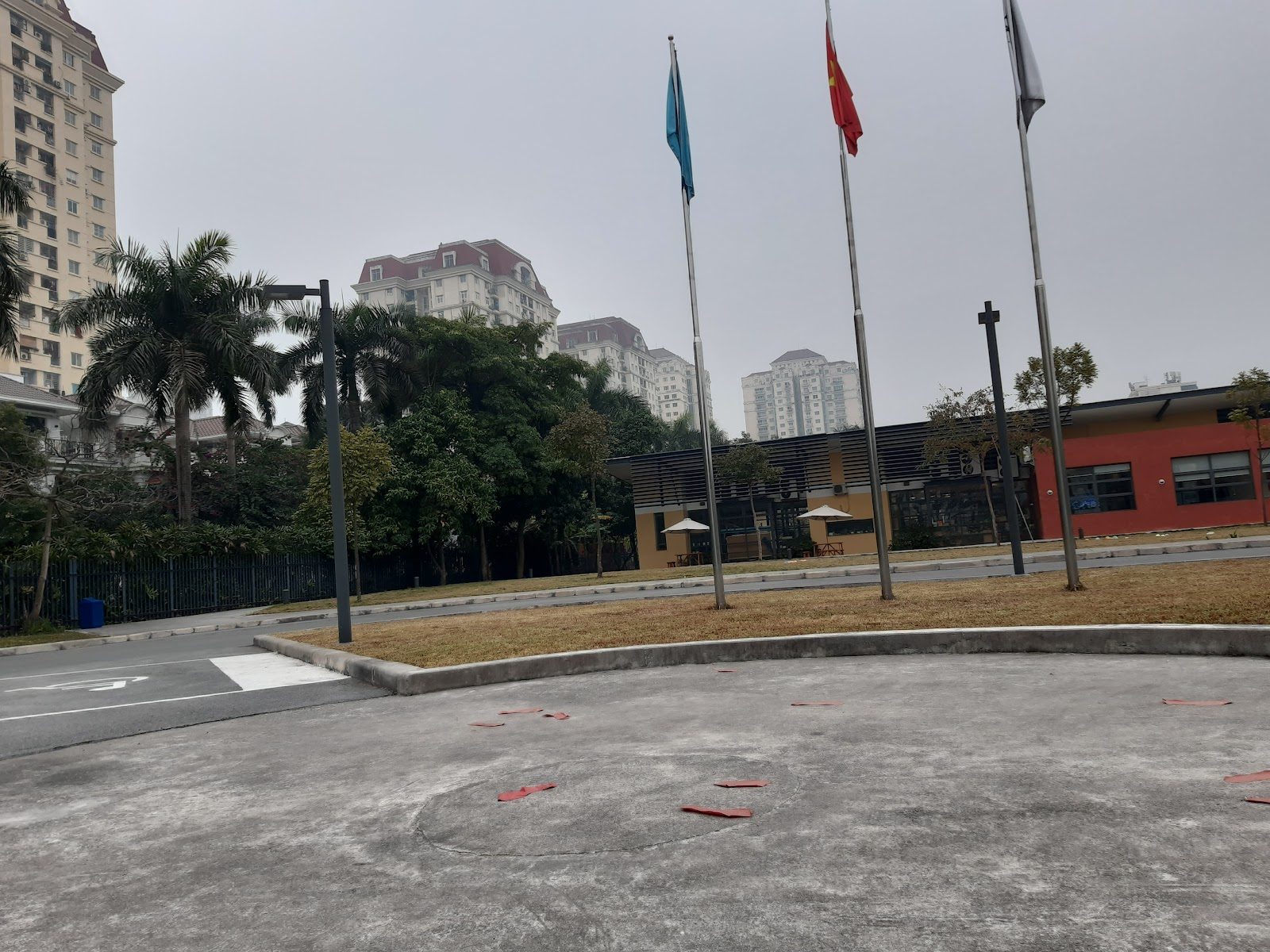
United Nations International School of Hanoi
Hanoi · Vietnam
One of only two UN-affiliated schools on earth, weaving the Sustainable Development Goals into an IB curriculum spanning 60-plus nationalities
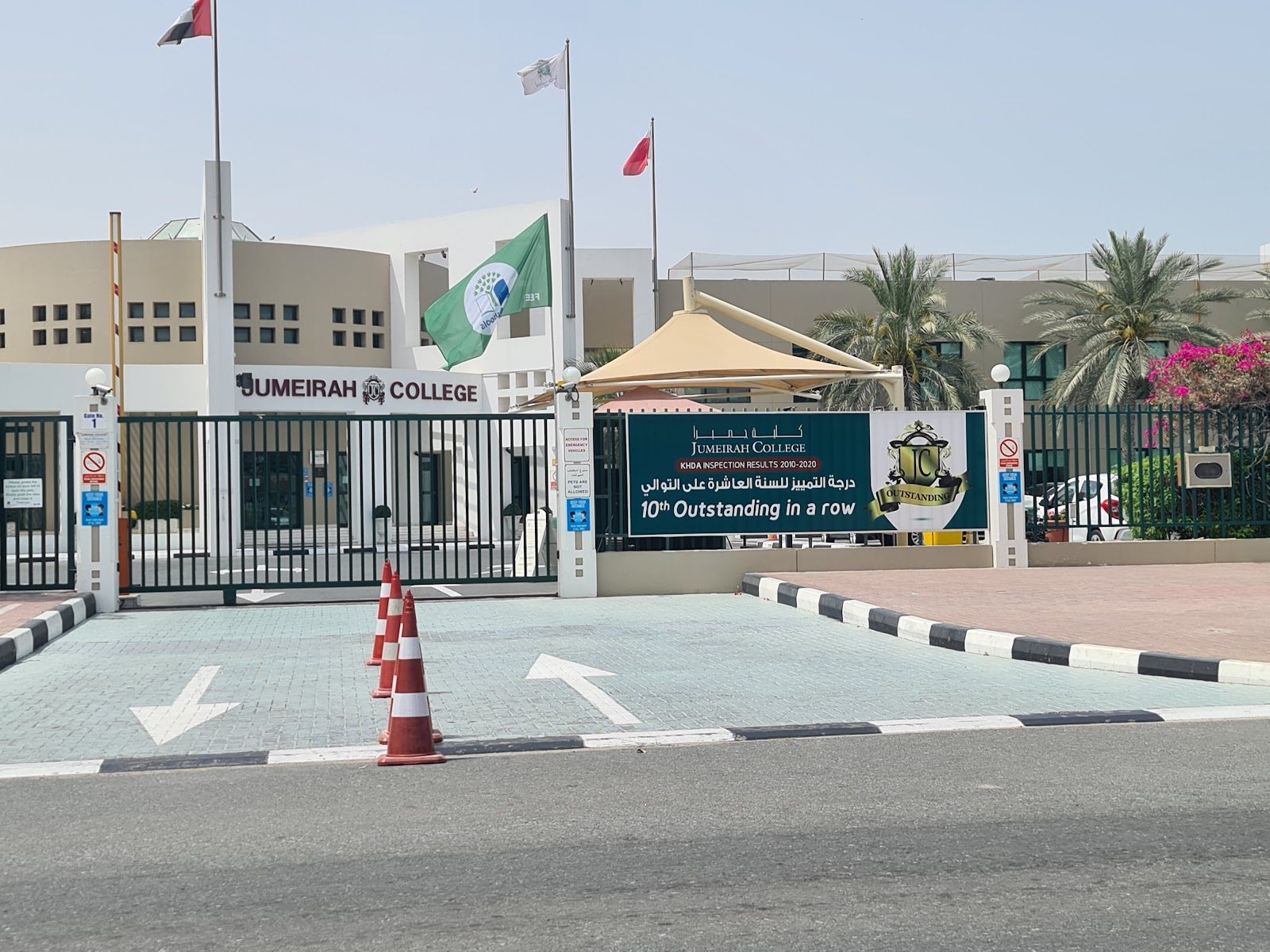
Jumeirah College
Dubai · United Arab Emirates
Secondary-only in Al Safa, holding Dubai's top inspection grade every year since 2010, with A-Levels ranked in the global top 1 percent.

NIST International School
Bangkok · Thailand
Founded in 1992 with United Nations backing, Thailand's first not-for-profit IB World School sits amid downtown Sukhumvit.

Cranleigh Abu Dhabi
Abu Dhabi · United Arab Emirates
On Saadiyat's museum mile, sixth-formers debate round Harkness tables before choosing A-Levels or the IB Diploma
Same country and curriculum — closest matches within ±10 points either way