
Ouakam
Dakar Academy
low confidence· 4/6 cats · 1 avg sourcesFounded in 1961 as West Africa's first international school, still blending an American curriculum with family-style boarding for pupils from 50-plus nations.
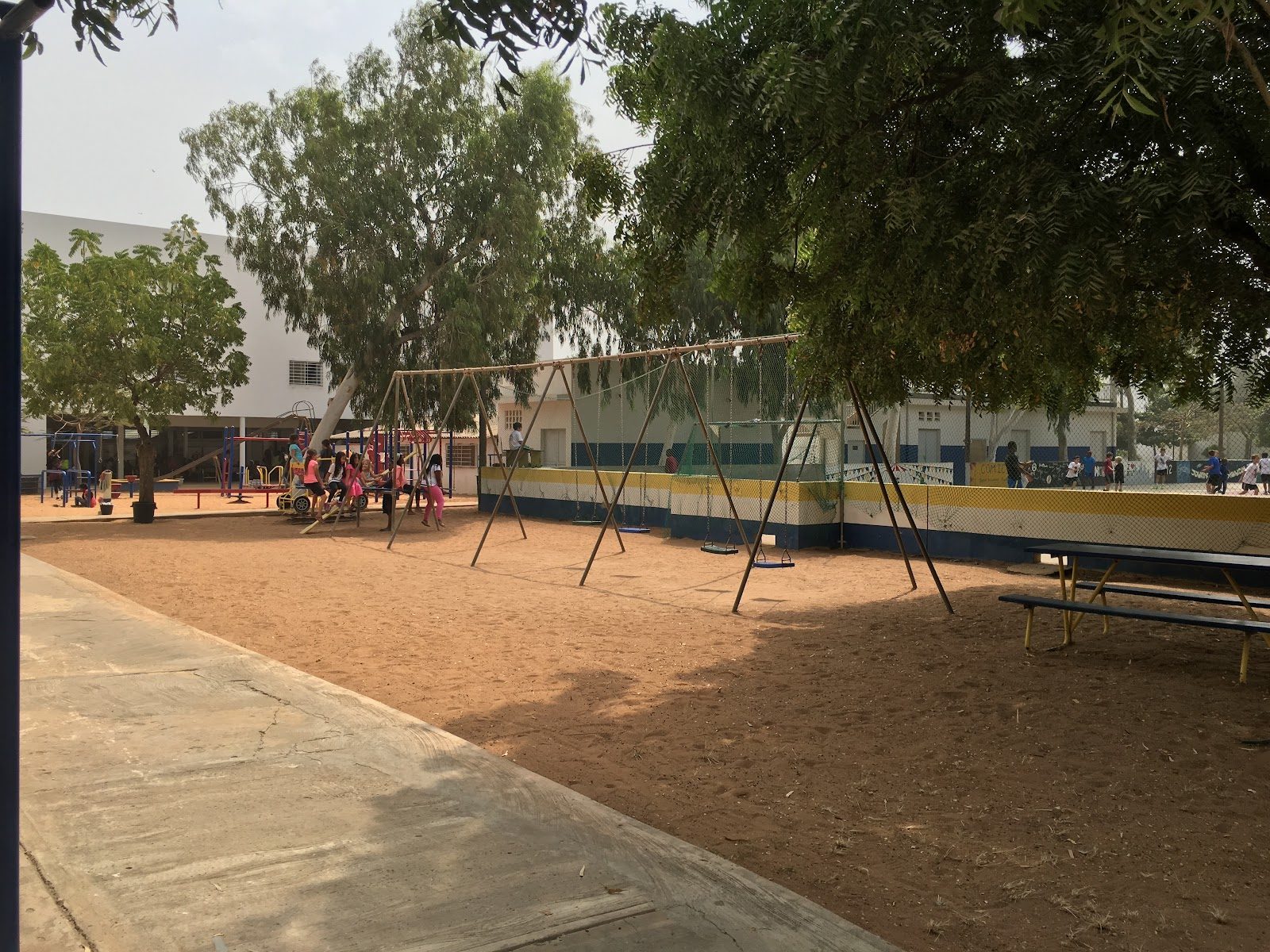
Photo © Jacob Jester via Google Maps
Type
Both
Ages
5–18
Curriculum
American
Qualifications
AP · US High School Diploma
Ratio
—
The Verdict
Editor's commitment
Right for
Families in Dakar wanting English teaching from ages 5–18, an American curriculum, and Christian schooling backed by ACSI, Middle States and AISA.
Wrong for
Parents who want secular education, non-American pathways, or French-medium teaching; Dakar Academy is interdenominational Christian and teaches in English.
Watch out for
Founded in 1961 and billing itself as West Africa's first international school, it still publishes little hard data beyond accreditations and a US$12,875 average day fee.
Ranking breakdown
Dakar Academy · # of 1591
Composite score 50.8. 8 weighted criteria.
By criterion
Academic Outcomes
Weight 20%
#1378
of 1530 scored
University Placement
Weight 16%
#1371
of 1529 scored
Prestige & Heritage
Weight 12%
#1421
of 1571 scored
Alumni Network
Weight 12%
#1059
of 1530 scored
Facilities
Weight 12%
#1419
of 1534 scored
Transparency & Communications
Weight 8%
#1411
of 1532 scored
Peer & Industry Review
Weight 10%
#1216
of 1548 scored
Admissions Selectivity & Demand
Weight 8%
#1326
of 1529 scored
Peer & Industry Review
How Dakar Academy is regarded in the sector
63
Respected · medium confidence
Dakar Academy is known within missionary/expat circles in Senegal as a long-standing Christian international school, but I could not identify independent third-party sources such as Tatler, Good Schools Guide, education press rankings, or established expat forums that substantively assess its reputation. Available information appears limited to the school's own materials and passing mentions rather than substantive independent coverage.
Editors' overview
Dakar Academy occupies a niche that few African schools can match: a small, English-medium American school in Senegal with an explicitly Christian frame and both day and boarding provision. Founded in 1961, it has real historical weight; the school traces its origins to West Africa’s first international school, and that still matters in a market where many campuses are new and interchangeable. Instruction is in English, with French taught from Grades 1 to 12, and the school uses an American curriculum with a North American college-preparatory shape. Its accreditations — ACSI, Middle States and AISA — give it credible external scrutiny. Parents looking for a glossy urban prestige school will find a different proposition here: Dakar Academy is distinctive, mission-led and *plainly more community-based than polished*.
What puts it on a shortlist is not luxury or brand theatre, but fit. This is a school for families who want an American academic track in Dakar, value a Christian environment, and are comfortable with a campus culture built around an international mix rather than a local elite social scene. The age span runs from 5 to 18, and the school states that pupils come from 50-plus nations. That breadth matters. It points to a student body shaped by internationally mobile families, including those who need continuity in English and a boarding option that feels family-style rather than institutional. At an average annual day fee of $12,875, it sits in a sharply competitive position for an accredited international school with this age range and boarding offer.
The pupil who thrives here is adaptable, independent and happy in a community with a strong moral and pastoral core. Dakar Academy suits children who do not need metropolitan scale, vast facilities or a high-gloss extracurricular machine to feel stretched. It suits families who prize stability, cross-cultural fluency and a school community with a clear religious identity. It will not suit parents who want secular neutrality, heavy social prestige or the cachet of a large flagship international brand. The attraction is clarity of purpose: an American, English-medium, Christian school in Dakar with boarding, long roots and a genuinely international intake. For the right family, that is compelling.
Academic Performance
Dakar Academy does not publish aggregate external exam results in the public domain. That matters. For an American school, parents need clear evidence on SAT or ACT participation, AP entry patterns where relevant, and university destinations over multiple years. None of that is disclosed here. The school calls itself college preparatory, but the hard outcome data that would let families test that claim against peers is opaque. There are no headline pass rates, no score distributions, no published university matriculation list, and no trend data across cohorts. In a market where stronger schools put at least some of this into view, that is a clear weakness.
That does not place Dakar Academy in the weak-academics category; it places it in the trust-us category, which is different and less satisfactory. Its long-established model, external accreditation and international parent base give it more academic credibility than a new, thinly evidenced operator. Even so, without published results, it does not sit in the same evidence-backed bracket as schools that can point to 5-year destination patterns, cohort-wide testing data or advanced-course outcomes. Relative to peers, Dakar Academy fits best as a credible but under-documented option: a school whose academic seriousness has institutional support, but whose performance case remains unproven in public. Parents with exam-focused priorities should ask for cohort-level results, score ranges and recent leavers’ destinations before treating it as a top-tier academic choice.
Facilities
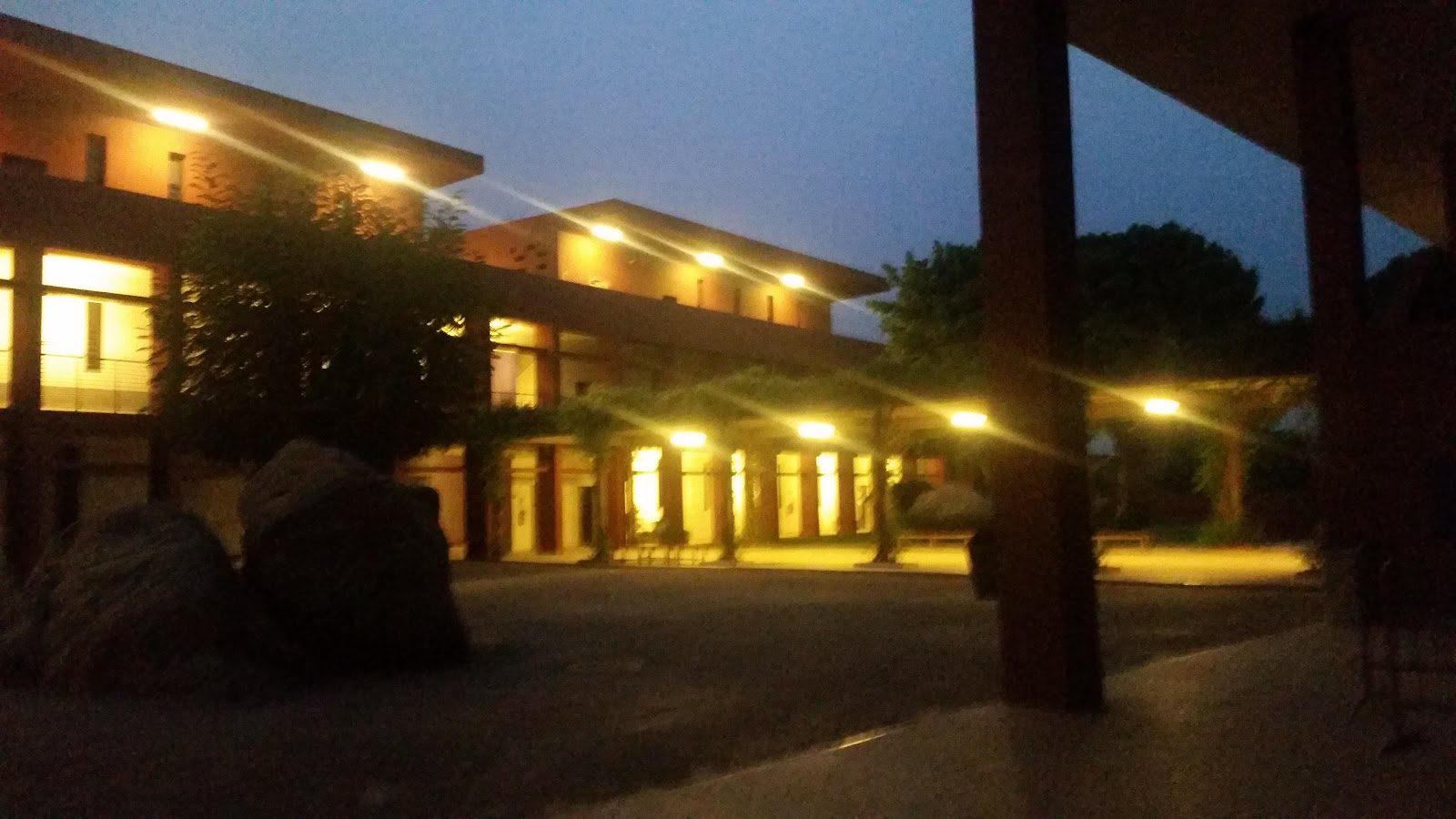
Dakar Academy’s facilities read as functional rather than lavish. The key asset is breadth across a full school age range with both day and residential provision on one campus, which gives families continuity and keeps daily life compact. That matters more here than spectacle. Schools serving children from early years through graduation need dependable classrooms, age-appropriate play and study spaces, and room for a boarding routine that does not feel improvised. Dakar Academy’s own public case rests less on specialist infrastructure than on the strength of its community model, and that places it below the top tier of African international schools that advertise major theatres, competition-grade sports complexes, design labs or heavy capital investment. Parents hunting for high-gloss facilities will not find that proposition here.
Against peers, the campus sits in the serviceable, community-first bracket: enough for a credible international education, without the physical scale or amenity race that defines premium operators in larger capitals. The school’s international reach — pupils from 50-plus nations — raises the importance of shared social spaces, pastoral oversight and a campus layout that supports belonging, especially for boarders. Those are the facilities questions that matter most here. What remains missing is detail. The school does not publish much granular information on libraries, science labs, arts provision or sports infrastructure, and that limits confidence. Families comparing it with stronger-resourced peers should ask direct questions and request a full campus tour before treating the physical offer as a differentiator.
Dakar Academy suits children who do not need metropolitan scale, vast facilities or a high-gloss extracurricular machine to feel stretched
Prestige
Dakar Academy carries niche prestige, not broad-market glamour. Its standing rests on durability, clarity of mission and the kind of international mix that many schools claim and few sustain. A pupil body drawn from 50-plus nations gives it real cross-border credibility, and the school’s long-established place in West African international education still counts with families who value continuity over fashion. The Christian frame sharpens that identity further: for parents who want a school with a defined moral centre, this reads as serious and intentional, not generic. The average annual day fee of $12,875 also shapes the prestige profile. This is not a luxury-priced institution selling exclusivity through cost. It offers a more accessible route into an accredited international education, which broadens appeal but lowers pure status cachet.
That is why its prestige sits in the respectable rather than rarefied tier. Among missionary, NGO, diplomatic and internationally mobile families, the school has substance. Among status-conscious local elites chasing polished campuses, marquee brands and publicly demonstrated academic outcomes, it has less pull. The missing public results data matters here as much as it does academically: prestige today depends not just on history or ethos, but on evidence, selectivity and visible destination power. Dakar Academy has earned trust as a longstanding institution with a clear constituency. It has not built the kind of aspirational prestige that travels on name alone.
Dakar Academy does not publish aggregate external exam results in the public domain
Communications
Dakar Academy’s parent communications fit the school’s overall shape: direct, community-led and low on polish. For many families, that works. In a school with pupils from 50-plus nations, parents need practical clarity on routines, calendar changes, pastoral matters and the small frictions of everyday school life. The school’s identity and scale point to communication that runs through relationships as much as through corporate systems. That can be reassuringly personal when staff know families well and messages carry context rather than canned phrasing. It also matters that the school serves both local and internationally mobile households; parents arriving mid-posting need fast orientation, straightforward expectations and prompt replies. On that test, Dakar Academy’s communication model has to do the basics well, because the school’s appeal rests heavily on trust and community cohesion rather than on brand sheen.
The limitation is transparency. We have not seen strong public-facing evidence of the kind of detailed, high-frequency parent information architecture that top-tier international schools now provide: rich news flow, granular academic reporting, clear leadership updates, or extensive published guidance for different phases of school life. That does not make communication weak, but it does keep it in the functional rather than exemplary bracket. Families who value tight pastoral contact and human access will read that as a strength. Families who expect slick portals, heavy documentation and a constant stream of polished institutional updates will find a plain-speaking, less sophisticated operation. Effective, then, in a close community; less convincing as a benchmark for best-in-class parent communications.
Uniqueness
What sets Dakar Academy apart is the combination of mission clarity and mobility-readiness. Many international schools in Africa promise globalism in abstract terms; this one serves a pupil body drawn from 50-plus nations and organises school life around that fact. For students, that brings daily exposure to peers whose families move between countries, sectors and cultures as a matter of course. The result is not polished cosmopolitan theatre but lived internationalism: children learn to enter new groups quickly, read difference without fuss and build friendships across national lines. Add the school’s explicit Christian frame and you get a community with a defined moral centre, not the neutral-all-things-to-all-people model common in the sector.
That distinctiveness has practical consequences. Students who thrive in close communities gain from a school where belonging, pastoral oversight and adult expectations carry real weight. Boarders and day pupils share one culture rather than inhabiting parallel worlds, which strengthens continuity across the week. The North American college-preparatory structure also gives internationally mobile families a recognisable academic route without the cost inflation that often accompanies better-known brands; an average day fee of $12,875 keeps the proposition *accessible by international-school standards*. The trade-off is clear. Dakar Academy offers *identity, continuity and community density*; it does not offer urban gloss, social cachet or publicly evidenced academic firepower. For the right child, that is a rare and durable fit.
That does not place Dakar Academy in the weak-academics category; it places it in the trust-us category, which is different and less satisfactory
Student Profile
The pupil who fits Dakar Academy is resilient, sociable and comfortable in a school where community expectations carry real force. This is a strong match for children who settle through relationships rather than spectacle: the sort who do not need a vast peer crowd, endless subject permutations or a luxury campus to feel engaged. A student body spanning 50-plus nations creates a daily culture of movement, difference and adaptation, so the children who thrive here tend to handle transition well and read social situations quickly. There is also an explicit Christian frame. For families who want that, the environment will feel anchored, orderly and morally clear. For families who want a fully secular atmosphere, it is the wrong school.
It also suits pupils who can work with a degree of independence. In a school built around an international and mobile community, students need to join in, ask for help and make their own place without much drama. Boarders, in particular, need emotional steadiness and a tolerance for a close-knit environment where adults know them well and privacy is thinner than in a large anonymous school. This is a good fit for children who value belonging, pastoral attention and a serious sense of community. It is a poor fit for image-conscious teenagers chasing big-brand status, constant competition or a socially performative scene. The best-match student is open, adaptable and happy to be known.
Dakar Academy’s facilities read as functional rather than lavish
Co-curricular strengths
Arts & sport, on a separate axis
Overall 7.62/10
Scored 0-10 from the school's own published evidence. This axis is editorial-only — it does not feed the main WTS ranking.
Sports
8.2/10
Drama
8.1/10
Dance
5.8/10
Music
8/10
Visual Arts
8/10
Editor first-pass · editor-reviewable · 7/30/2026
Strengths
- +Delivers a full American PreK-through-Grade-12 curriculum in Dakar, filling a gap for English-speaking expatriate and missionary families in West Africa.
- +Operates a boarding program, a rarity among Senegal's international schools, allowing students from remote postings across the region to attend.
- +Long-established institution founded in the early 1960s, giving it decades of continuous operation serving the missionary and NGO community.
- +Small overall enrollment allows for close staff-student relationships and individualized attention uncommon in larger international schools.
- +Christian, interdenominational ethos provides a values-based environment sought specifically by many missionary and faith-oriented expatriate families.
Considerations
- −Explicit Christian statement of faith and religious programming may not suit secular families or those of other faiths seeking a neutral international environment.
- −Small student body limits the breadth of AP courses, extracurricular activities, and competitive sports compared to larger regional international schools.
- −Boarding facilities are modest and geared toward missionary-family logistics rather than the amenities of premium international boarding schools.
- −Location in Dakar carries broader West African infrastructure, healthcare access, and connectivity constraints that families should weigh independently of the school itself.
Availability
Primary entry gate & tests
Academic Record
Gallery
Photo © OUSMANE CISSE via Google Maps
Photo © OUSMANE CISSE via Google Maps
Photo © OUSMANE CISSE via Google Maps
Photo © OUSMANE CISSE via Google Maps
Photo © Marietou Coulibaly via Google Maps
Parent reviews
Have you sent your child here?
Voice reviews carry the strongest trust badge — we transcribe them for you to tidy up before they go live. Prefer to type? A written review is fine too.
Add your voice
In 60 seconds, tell other parents: what's the best thing about Dakar Academy, and what surprised you when your child joined?
We ask for a Google sign-in so every review has a real face behind it — no anonymous drive-by attacks on schools, and no faked positive reviews. Your email is never shown publicly.
Send this profile to a friend
International parents rely on word-of-mouth. Share this review with someone weighing the same decision.
Schools with places
Similar schools to Dakar Academy with places available now.
Al Hekma International School
Manama · Bahrain
- 2026-27
- PLACES OPENApps open / space-dependent
- 2027-28
- WAITPOOL2027/28 timetable TBC
Marymount International School Rome
Rome · Italy
- 2026-27
- WAITPOOLSpace-dependent
- 2027-28
- PLACES OPENRolling
Germantown Friends School
Philadelphia · United States
- 2026-27
- CLOSEDRegular cycle closed
- 2027-28
- OPENS SOONOpens Sept '26
Poly Prep Country Day School
Brooklyn · United States
- 2026-27
- CLOSEDRegular cycle closed
- 2027-28
- OPENS SOONOpens Sept '26
Availability first, then country, area, curriculum, price, co-curricular
Consider also
Also worth looking at alongside Dakar Academy.
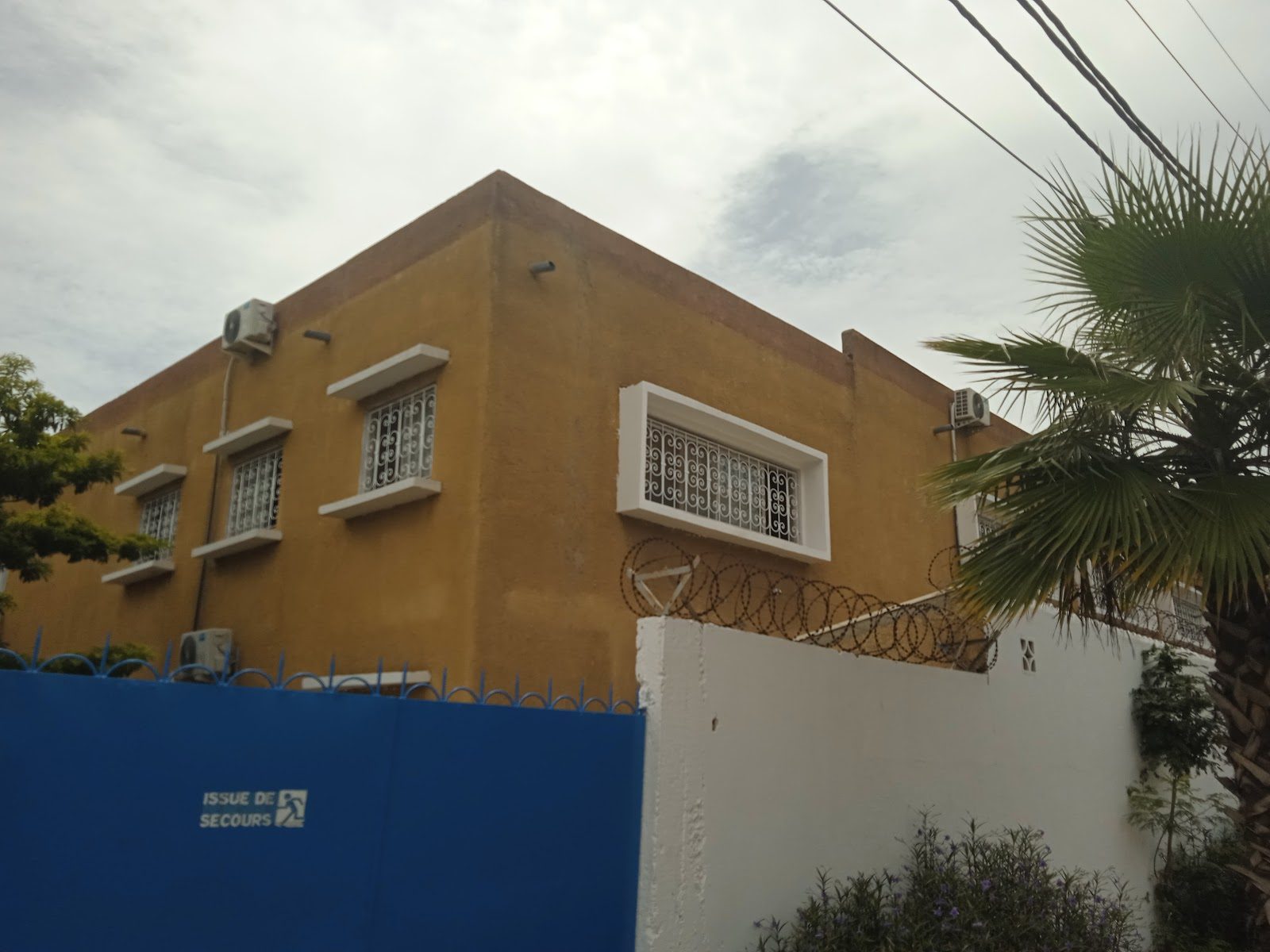
École Actuelle Bilingue Dakar
Dakar · Senegal
An accessible alternative to Dakar's premium international schools, teaching English and French side by side with two teachers per class.
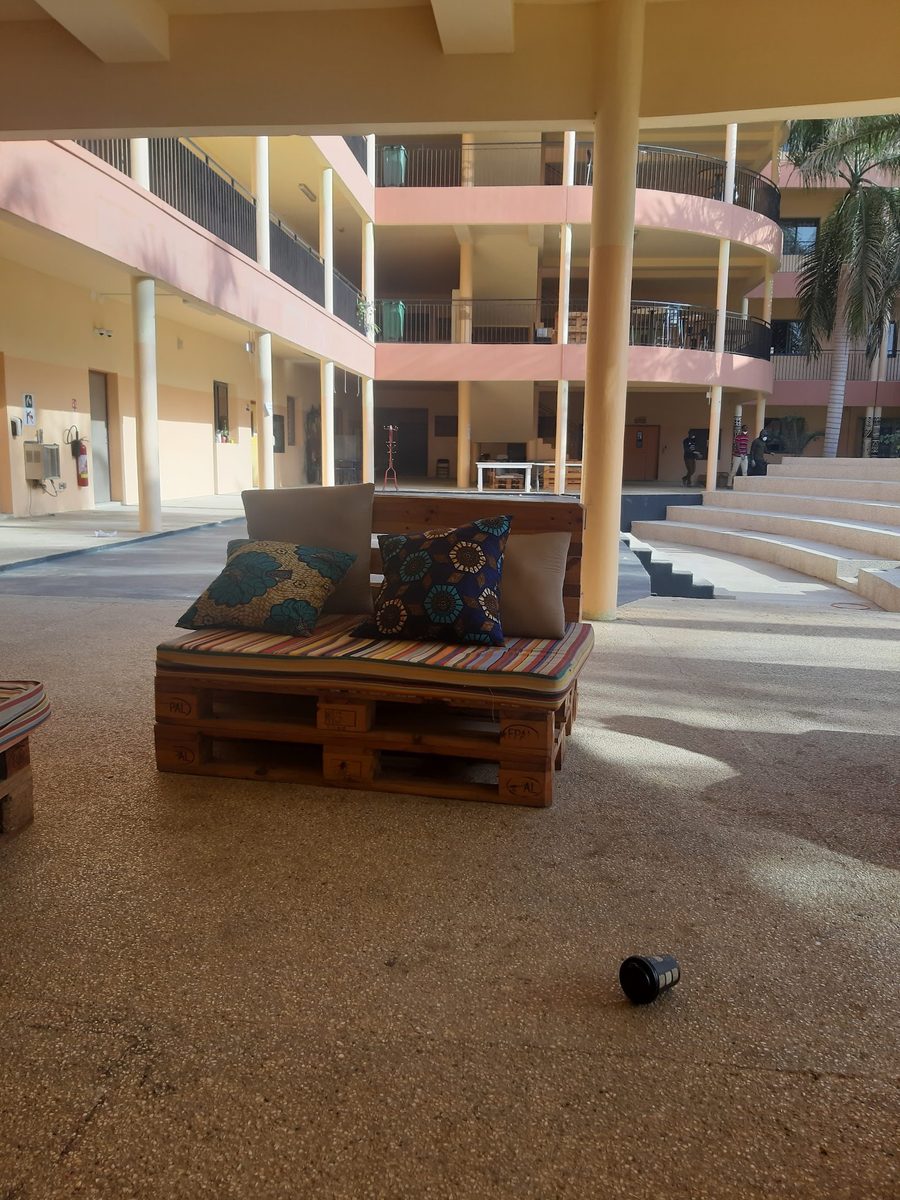
International School of Dakar
Dakar · Senegal
An Atlantic-facing campus in Dakar's Mermoz district blends an American core with the full IB continuum, PYP through Diploma.
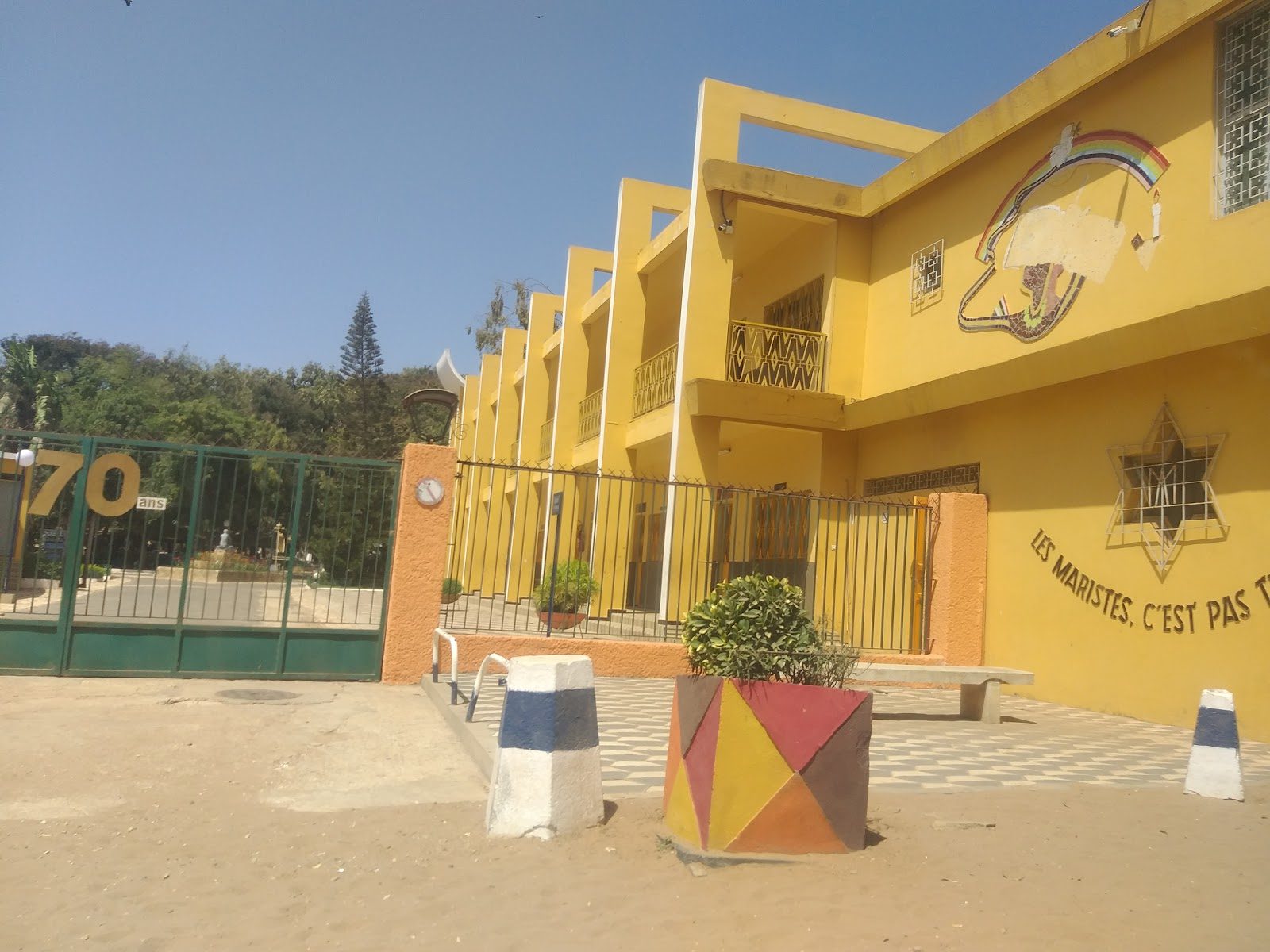
Cours Sainte-Marie de Hann
Dakar · Senegal
A Marist compound in Hann where a Muslim-majority student body earned Senegal's first UNESCO Prize for Peace Education
Lycée Jean Mermoz
Dakar · Senegal
Named for the aviator who vanished off these shores, this AEFE flagship pairs the French Bac with an American strand and a basketball academy in Ouakam.
Same country and curriculum — closest matches within ±10 points either way