
New York
Ethical Culture Fieldston School
high confidence· 5/6 cats · 3.31 avg sourcesRooted in Felix Adler's 1878 Ethical Culture movement, its wooded Riverdale hilltop campus still anchors progressive American pedagogy.
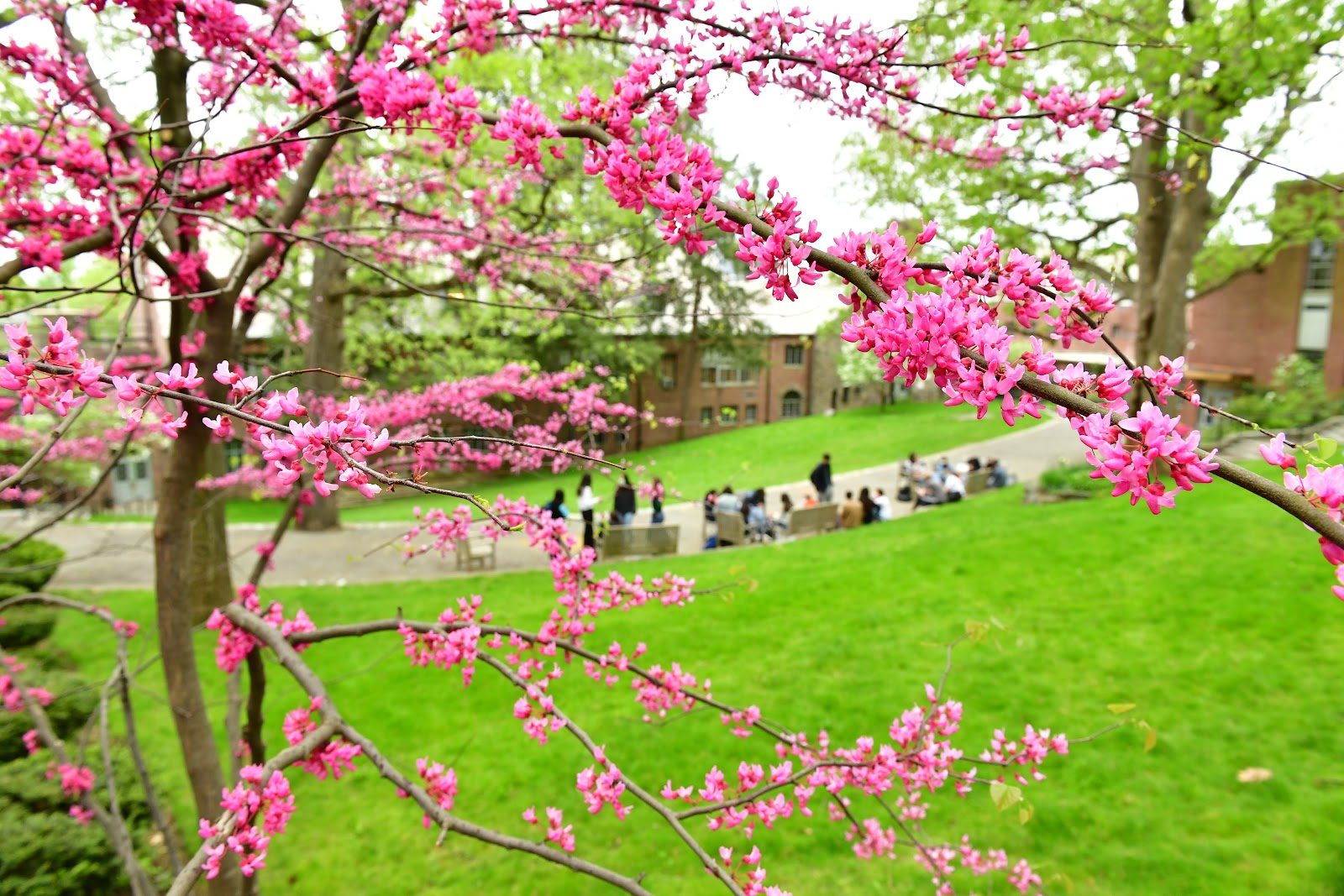
Photo © Ethical Culture Fieldston School - Bronx via Google Maps
Type
Day
Ages
3–18
Curriculum
American
Qualifications
AP
Ratio
—
The Verdict
Editor's commitment
Right for
Families who want a 3–18 progressive American day school, founded in 1878, with ethics at the core and 130 verified notable alumni.
Wrong for
Parents who want a conventional exam-factory, religious formation, boarding, or a cheap New York education: the average annual fee is $70,890.
Watch out for
NEASC and NAIS accreditation reassure, but the school does not publish public exam data here; progressive rhetoric still needs hard outcome scrutiny.
Ranking breakdown
Ethical Culture Fieldston School · # of 1591
Composite score 67.4. 8 weighted criteria.
By criterion
Academic Outcomes
Weight 20%
#293
of 1529 scored
University Placement
Weight 16%
#263
of 1529 scored
Prestige & Heritage
Weight 12%
#206
of 1571 scored
Alumni Network
Weight 12%
#1315
of 1530 scored
Facilities
Weight 12%
#329
of 1534 scored
Transparency & Communications
Weight 8%
#254
of 1532 scored
Peer & Industry Review
Weight 10%
#283
of 1548 scored
Admissions Selectivity & Demand
Weight 8%
#266
of 1529 scored
Score history
Ethical Culture Fieldston School · 2026
Movement across 2024–2026. Peer average overlaid.
Overall — 2024–2026
67.4/ 100
▲ +19.1 vs 2025
year on year
Peer & Industry Review
How Ethical Culture Fieldston School is regarded in the sector
82
Strong · high confidence
Ethical Culture Fieldston School is consistently ranked among the top private schools in New York City by Niche and other education-industry directories, and is frequently cited in NYC private school guides alongside Dalton, Horace Mann, and Trinity as part of the city's elite independent school tier. Its extensive and notable alumni network (including prominent figures in entertainment, politics, and academia) receives regular media coverage in outlets like The New York Times, and it is a well-known benchmark institution among NYC private school admissions consultants and peer schools.
Evidence sources
- Robert Kraft — CEO/Chairman, Kraft Group; NFL team owner, business
- James D. Wolfensohn — Former President, World Bank; investment banker, finance
- Roger Nash Baldwin — Founder, American Civil Liberties Union, activism
Editors' overview
Ethical Culture Fieldston School trades on something more substantial than progressive branding: it has a direct line back to Felix Adler’s 1878 Ethical Culture movement, and the school still puts ethics at the centre of the enterprise rather than treating it as a bolt-on service programme. In a New York market crowded with academically ambitious private schools, that gives ECFS a distinct ideological spine. The basics matter too. This is a non-religious, coeducational American-curriculum day school for ages 3 to 18, split across two New York City campuses in Manhattan and the Bronx, with the Riverdale setting still part of its identity. The school talks in plain terms about discussion-based, student-centred teaching, intellectual discipline, inclusion and belonging. That combination — moral seriousness, progressive classroom practice and a full Pre-K to Grade 12 structure — is what puts it on a serious parent’s shortlist.
What makes ECFS special is not raw exclusivity or published exam theatrics. It is the attempt to produce independent thinkers inside a school culture that treats ethical responsibility as core curriculum. Parents who want relentless score-chasing and a public drumbeat of results data will find parts of the picture opaque: the school does not publish aggregate exam outcomes or university destination lists in the information here. That matters at a fee level of $70,890 a year on average across the full day-school ladder. Still, ECFS has market weight. It serves about 1,700 students, sits in the Ivy Preparatory School League, and holds NEASC and NAIS accreditation. Its alumni record is also deep, with 130 notable alumni catalogued in Wikidata across politics, scholarship, writing, film, music and the arts. That breadth fits the school’s self-conception: intellectually serious, culturally literate, and not narrowly vocational.
The right child for Ethical Culture Fieldston is one who thrives in classrooms built around questions, discussion and teacher-guided independence rather than constant drill. This is a good fit for students with verbal confidence, curiosity across the humanities and sciences, and a willingness to engage with ideas as well as people. It will also suit families who want a values-driven education without religious framing. Children who need heavy external structure, constant ranking, or a more traditional, rule-bound academic atmosphere may find ECFS too open-textured. At its best, this school offers something many competitors do not: an education that treats intellect and character as inseparable, and does so with real institutional conviction rather than brochure language.
Academic Performance
Academic performance is the weak point in ECFS’s public case. The school frames academic excellence in broad terms and gives concrete glimpses of classroom life — engineering projects, student government, Spanish expansion, discussion-based teaching — but it does not publish aggregate AP, SAT, ACT or IB results, and it does not publish a university destinations list. For a school charging an average of $70,890 a year, that level of outcomes opacity is hard to excuse. In New York’s top private-school market, many peers give parents at least some hard attainment data, even when they resist full league-table culture. ECFS asks families to trust the model more than the numbers.
That does not put it in an academically weak bracket; it places it in a data-light, mission-first bracket. The school’s scale — about 1,700 pupils across the full age range — and its membership of the Ivy Preparatory School League give it institutional heft, and the alumni bench points to long-run intellectual and cultural reach rather than narrow test preparation. Still, parents comparing ECFS with academically results-forward Manhattan and Riverdale competitors will hit a clear limit: the school does not furnish the external examination evidence needed to rank it cleanly on raw attainment. The verdict is straightforward. ECFS belongs in the conversation with serious progressive independents, but on published exam performance it remains frustratingly opaque.
Facilities
Facilities are a strong part of ECFS’s offer, though the school gives parents a more fragmentary public picture than many direct competitors. The clearest asset is physical breadth: this is a two-campus operation rather than a vertical city school squeezed into one building, and the Riverdale setting gives it something scarce in New York independent education — room. That matters for physical education, outdoor time and the general feel of the school day. The school also signals serious investment in engineering and hands-on project work, which points to usable specialist spaces rather than token STEM branding. Add a dedicated Spanish programme and an active student government culture, and the infrastructure reads as purpose-built for a progressive school rather than arranged around exam factories. With about 1,700 pupils and 480 faculty and staff, ECFS also has the scale to support a broad operational platform.
Against peer schools, the verdict is clear. ECFS holds an advantage over tightly packed Manhattan campuses that trade centrality for constrained outdoor and athletic provision. It does not, on the public record here, match the facility transparency of schools that publish detailed maps, theatre specifications, lab inventories, arts centres and athletics complexes. That gap matters. Parents can infer strong day-to-day provision, but they do not get a clean audit of exactly how far the arts, sciences and sports estates run. In sector terms, this is substantial but under-explained provision: stronger than many city-centre independents on space, less sharply documented than the best-run peer-school admissions operations.
In New York’s top private-school market, many peers give parents at least some hard attainment data, even when they resist full league-table culture
Prestige
ECFS carries real prestige, but not the flashy, scoreboard-driven kind. Its status rests on a rarer combination: old institutional lineage, a clear moral-intellectual identity, and sustained reach into American cultural and academic life. The school’s alumni footprint helps here. Wikidata already captures 130 notable former pupils across politics, scholarship, writing, film, music and the arts, which gives ECFS a serious cultural afterlife beyond the school gates. Add membership of the Ivy Preparatory School League and a faculty-and-staff body of 480 serving a large all-through student population, and the picture is of an institution with genuine metropolitan weight. This is not a boutique newcomer selling aspiration; it is an established New York name with deep social recognition.
The limits are clear too. ECFS does not convert prestige into a public drumbeat of exam data or university placements, so its reputation rests more on history, network, educational philosophy and alumni outcomes than on published attainment metrics. For some families that strengthens the appeal: prestige here is tied to intellectual formation and cultural credibility, not crude result-marketing. For others, that makes the brand harder to audit. The rating stays high because the school has elite-name recognition, a powerful ideological inheritance, and a graduate base that reaches well beyond one profession or one narrow slice of success. It falls short of the very top prestige tier only because the school keeps too much hard outcomes evidence out of view.
It falls short of the very top prestige tier only because the school keeps too much hard outcomes evidence out of view
Communications
ECFS communicates with parents in a polished but selective way. The public-facing tone is confident, values-led and coherent: ethics, progressive teaching, inclusion and student voice run through everything from leadership messaging to news items. The school also keeps its channels active. The site surfaces recent stories, social media is used as a live window into school life, and senior leadership is not hidden behind institutional fog. That gives families a strong feel for culture and day-to-day priorities. For a school of this scale — 1,700 pupils and 480 faculty and staff — that baseline matters, and ECFS clears it comfortably.
The weakness is precision. Parents get atmosphere, mission and anecdote; they do not get enough hard operational or outcomes information. We have not seen published aggregate test results, destination data, or the kind of detailed facilities and performance reporting that helps families judge a school without arranging multiple conversations. That leaves communications high on philosophy, thinner on proof. Some parents will welcome that refusal to reduce education to dashboards. Others will read it as controlled transparency. At an average annual fee of $70,890, the standard for parent communication rises. ECFS tells families what it believes with real clarity; it tells them less than it should about measurable results and institutional detail.
Uniqueness
What marks ECFS off from other New York independents is that ethics is not an advisory add-on, a weekly assembly theme or a service-hours requirement bolted onto an ambitious academic machine. It sits at the centre of the school’s identity and teaching model. That gives the place an unusually coherent moral framework: discussion-based classes, student-centred learning, intellectual discipline and inclusion all connect back to one governing idea about how children should grow up and what education is for. In a sector full of schools that claim to produce leaders and critical thinkers, ECFS has a clearer ideological core than most. Its scale also matters. With about 1,700 pupils and 480 faculty and staff, it has the reach to make that philosophy a lived institutional culture rather than a niche lower-school experiment that fades by adolescence.
For students, the gain is real. Children get more than academic content; they are trained to argue, listen, question, revise their thinking and connect judgement with responsibility. That can produce self-possessed, articulate young people with a stronger sense of civic and interpersonal duty than schools built around marks alone. The trade-off is just as clear. This model suits pupils who engage verbally, tolerate ambiguity and can use freedom well. It is less forgiving for children who need constant external structure or who flourish in highly codified, rank-conscious environments. At its best, ECFS offers a rare synthesis of progressive teaching and ethical seriousness, and that combination still distinguishes it from many of its peers.
In a New York market crowded with academically ambitious private schools, that gives ECFS a distinct ideological spine
Student Profile
The student who fits here is intellectually verbal, discussion-ready and comfortable being known by teachers and peers across a large, socially engaged school community. ECFS attracts children who like asking questions in class, testing ideas out loud and linking academic work to questions of conduct, fairness and responsibility. This is a strong match for pupils with genuine curiosity, a taste for humanities as well as science, and enough confidence to work in a classroom that values participation over passive compliance. The school’s size — about 1,700 pupils — broadens the social mix and the range of personalities a child will meet, which suits students who want substance as well as scale.
The weaker fit is just as clear. Children who need constant external structure, heavy spoon-feeding or a highly codified reward-and-ranking culture will find the atmosphere demandingly self-directed. So will families who equate academic seriousness with public exam statistics and visible competitive pressure. ECFS asks students to do more than perform; it asks them to think, speak, listen and exercise judgement. That can be formative in the best sense for thoughtful, articulate children, including those with strong interests in the arts, writing, civic life or collaborative project work. For quieter pupils, the question is not intelligence but temperament: this school rewards engagement, voice and moral seriousness, not anonymity. With average annual fees at $70,890, it also suits families buying into an educational philosophy, not just a brand.
The school talks in plain terms about discussion-based, student-centred teaching, intellectual discipline, inclusion and belonging
Co-curricular strengths
Arts & sport, on a separate axis
Overall 8.72/10
Scored 0-10 from the school's own published evidence. This axis is editorial-only — it does not feed the main WTS ranking.
Sports
8.5/10
Fieldston has 60 junior varsity and varsity athletic teams, and the profile also cites playing fields and athletics facilities on the Riverdale campus, giving both broad structured participation and dedicated on-site sports provision.
Drama
8.8/10
9 verified star-tier alumni including Stephen Sondheim (multiple Tonys for Best Musical + Best Score — the defining Broadway laureate of the 20th century), Sofia Coppola (Oscar for Adapted Screenplay), James Baldwin. Sondheim alone anchors the rubric's 9 = elite Broadway/Oscar pipeline.
Dance
8.5/10
Music
8.8/10
Both jazz ensemble and chamber orchestra, and verified alumni include three star-tier music laureates—Stephen Sondheim, Gil Scott-Heron and Robert B. Sherman—anchoring music at least at 8.
Visual Arts
9/10
Visual arts and mentions visual and performing arts spaces, while verified alumnus Stephen Sondheim carries a Praemium Imperiale citation that gives the school a notable arts pedigree.
Editor first-pass · editor-reviewable · 7/28/2026
Notable alumni · Wikidata
130notable alumni
Includes
- Susan Poser(1963)
- Nancy Cantor(1952)
53 historic (born pre-1930) · 13 modern (born post-1970)wikidata:2026-07-28 How we source this
Strengths
- +Founded in 1878 by Felix Adler, a German-American professor of ethics and founder of the secular Ethical Culture movement, making it one of the oldest progressive schools in the United States.
- +The school's student-teacher ratio is 4:1 in the early grades, and Ethical Culture Fieldston School (ECFS)'s tuition is approximately $68,162 for private students with an average class size of 15 students.
- +At the two lower schools and in the middle school, students may participate in a variety of before-school and after-school programs that include fencing, cooking, golf, robotics, chess, and many sports, and in the upper and middle schools there are more than 80 student-led clubs, affinity groups, and service-learning organizations.
- +Fieldston awards more than $15 million in tuition-based financial aid to 22% of the student body, a meaningful aid pool for a school of its size.
- +Notable alumni include physicist John Robert Oppenheimer, theoretical physicist who directed the science, and the machinery behind the science, of the Manhattan Project, journalist Jill Abramson, filmmaker Sofia Coppola, and broadcaster Barbara Walters.
Considerations
- −As of 2025-2026, the tuition for all grades, from Pre-K through 12th, is $68,162, and students in Fieldston Middle and Fieldston Upper are responsible for purchasing their own books and supplies, which average around $750 annually, adding to the headline cost.
- −The acceptance rate of Ecfs is 25%, which is lower than the national average of 76%, making entry genuinely competitive despite a large overall enrollment.
- −The school has repeated public controversy over its handling of identity politics, including a 2019 student occupation after a racist video surfaced and the 2021 firing of a teacher over anti-Zionist tweets, which some families may see as a politically charged environment.
- −It is a coeducational day school only, with no boarding option, so it is not suited to families who need residential schooling or who live outside commuting range of Manhattan or Riverdale.
Availability
Primary entry gate & tests
ISEE/SSAT + Interview
Gallery
Photo © Pedro Diaz via Google Maps
Photo © Jacqueline Vernon via Google Maps
Photo © David Lin via Google Maps
Photo © Ethical Culture Fieldston School - Bronx via Google Maps
Photo © Ethical Culture Fieldston School - Bronx via Google Maps
Photo © Ethical Culture Fieldston School - Bronx via Google Maps
Photo © Ethical Culture Fieldston School - Bronx via Google Maps
Photo © Ethical Culture Fieldston School - Bronx via Google Maps
Photo © Ethical Culture Fieldston School - Bronx via Google Maps
Parent reviews
Have you sent your child here?
Voice reviews carry the strongest trust badge — we transcribe them for you to tidy up before they go live. Prefer to type? A written review is fine too.
Add your voice
In 60 seconds, tell other parents: what's the best thing about Ethical Culture Fieldston School, and what surprised you when your child joined?
We ask for a Google sign-in so every review has a real face behind it — no anonymous drive-by attacks on schools, and no faked positive reviews. Your email is never shown publicly.
Send this profile to a friend
International parents rely on word-of-mouth. Share this review with someone weighing the same decision.
Schools with places
Similar schools to Ethical Culture Fieldston School with places available now.
Rye Country Day School
Rye · United States
- 2026-27
- CLOSEDRegular cycle
- 2027-28
- PLACES OPENActive now (Opened 1 Aug)
Friends Seminary
New York City · United States
- 2026-27
- WAITPOOLLate/held pending openings
- 2027-28
- OPENS SOONExpected Sept '26
Grace Church School
New York City · United States
- 2026-27
- CLOSEDConfirmed full
- 2027-28
- OPENS SOONOpens post-Labor Day '26
The Buckley School
New York City · United States
- 2026-27
- CLOSEDConfirmed full
- 2027-28
- OPENS SOONOpens post-Labor Day '26
Availability first, then country, area, curriculum, price, co-curricular
Consider also
Also worth looking at alongside Ethical Culture Fieldston School.
Rye Country Day School
Rye · United States
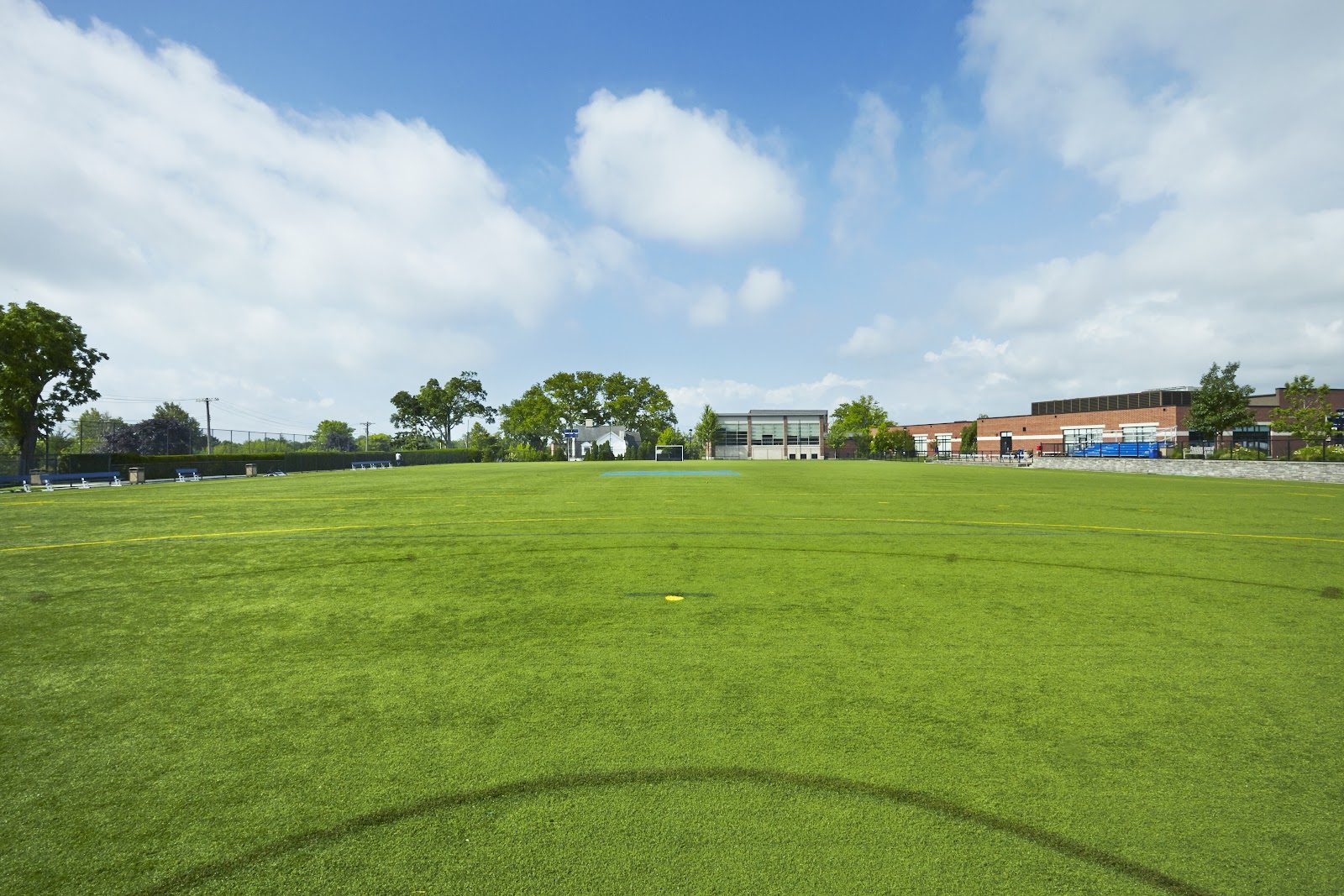
Founded in 1869 as a girls' seminary in Westchester, this campus still measures success by its motto: not for self, but for service.
The Haverford School
Haverford · United States
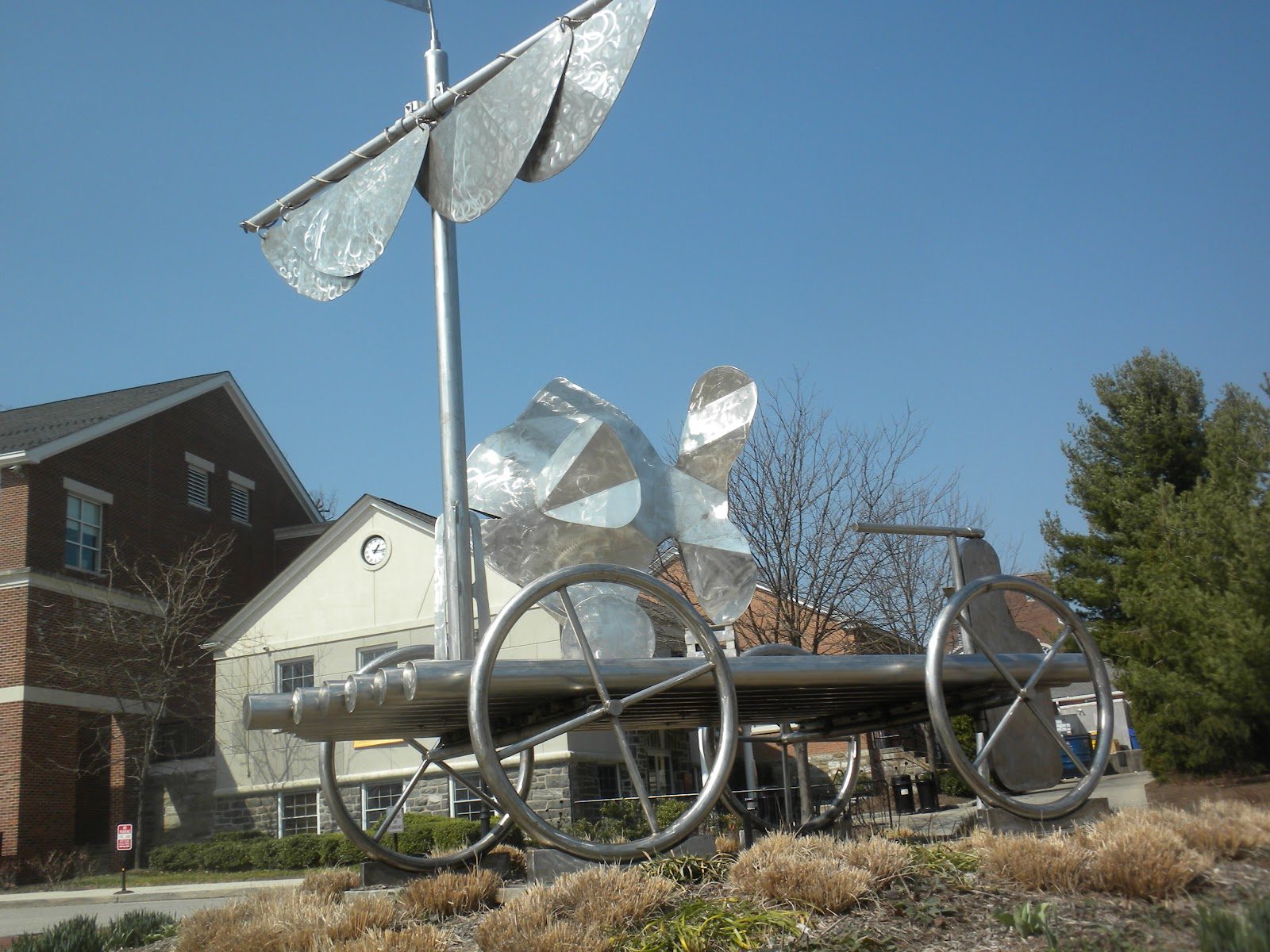
Since 1884 on Philadelphia's storied Main Line, an all-boys campus balances rigorous academics with athletics and the arts.
Belmont Hill School
Belmont · United States
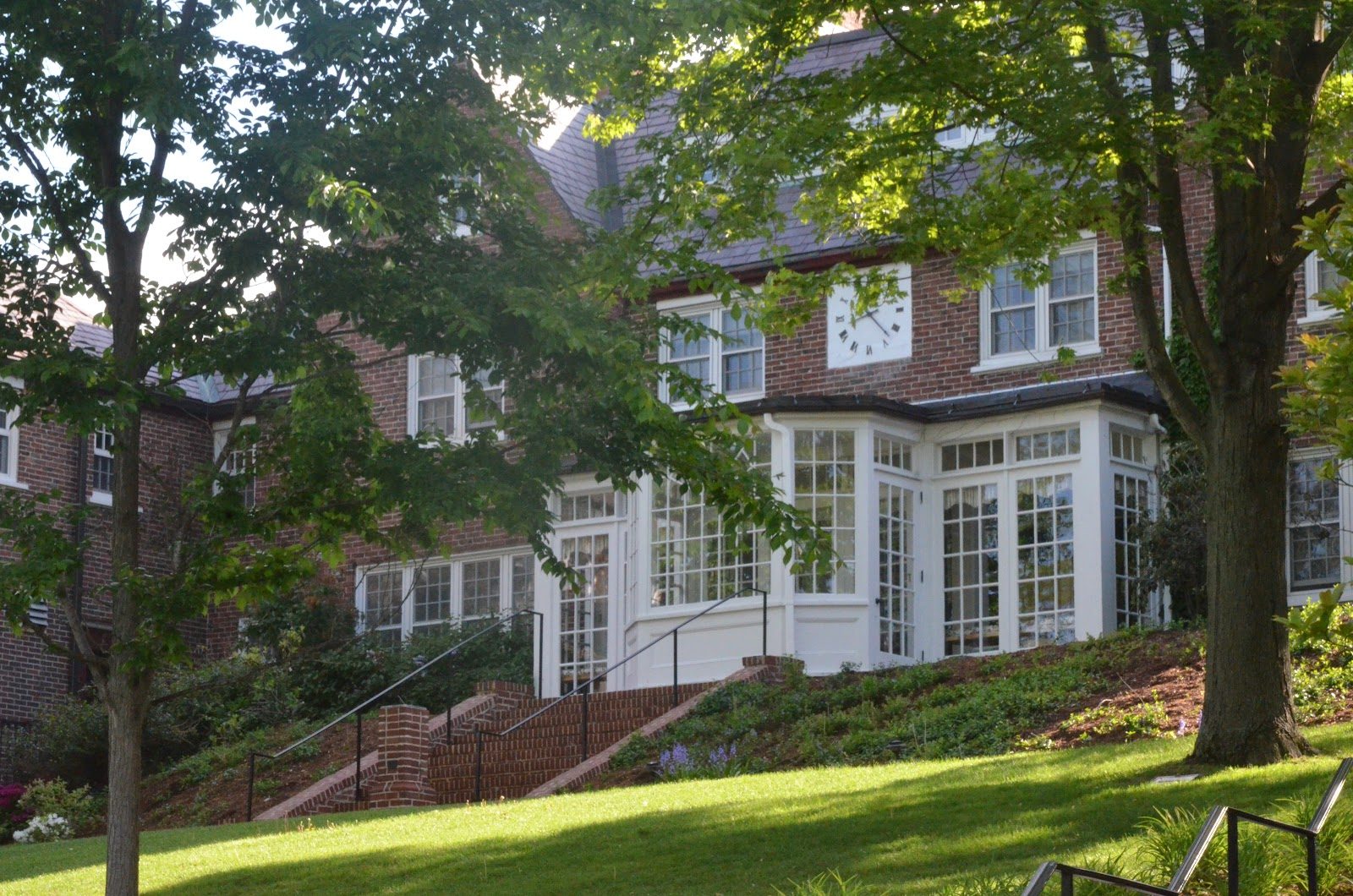
A hilltop day school outside Boston, where jacket-and-tie ritual and family-style lunch anchor a century-old all-boys formation.
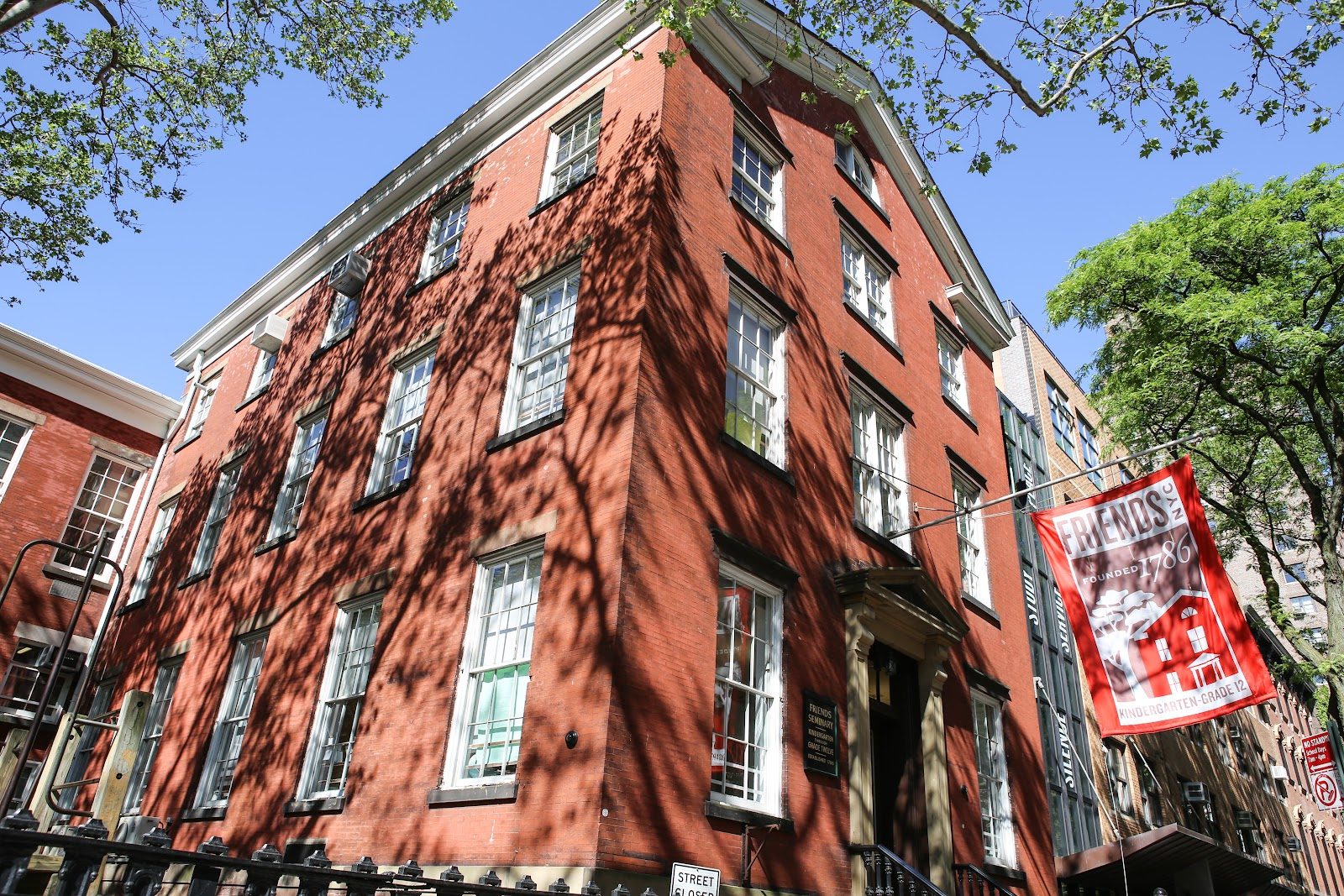
Friends Seminary
New York City · United States
Founded in 1786, the oldest coeducational school in New York City still teaches Quaker simplicity and peace amid Manhattan's bustle
Same country and curriculum — closest matches within ±10 points either way