
Hyogo Prefecture
Backed by a sake-brewing dynasty, this Hyogo boys' day school quietly outpaces rivals into Kyoto University.
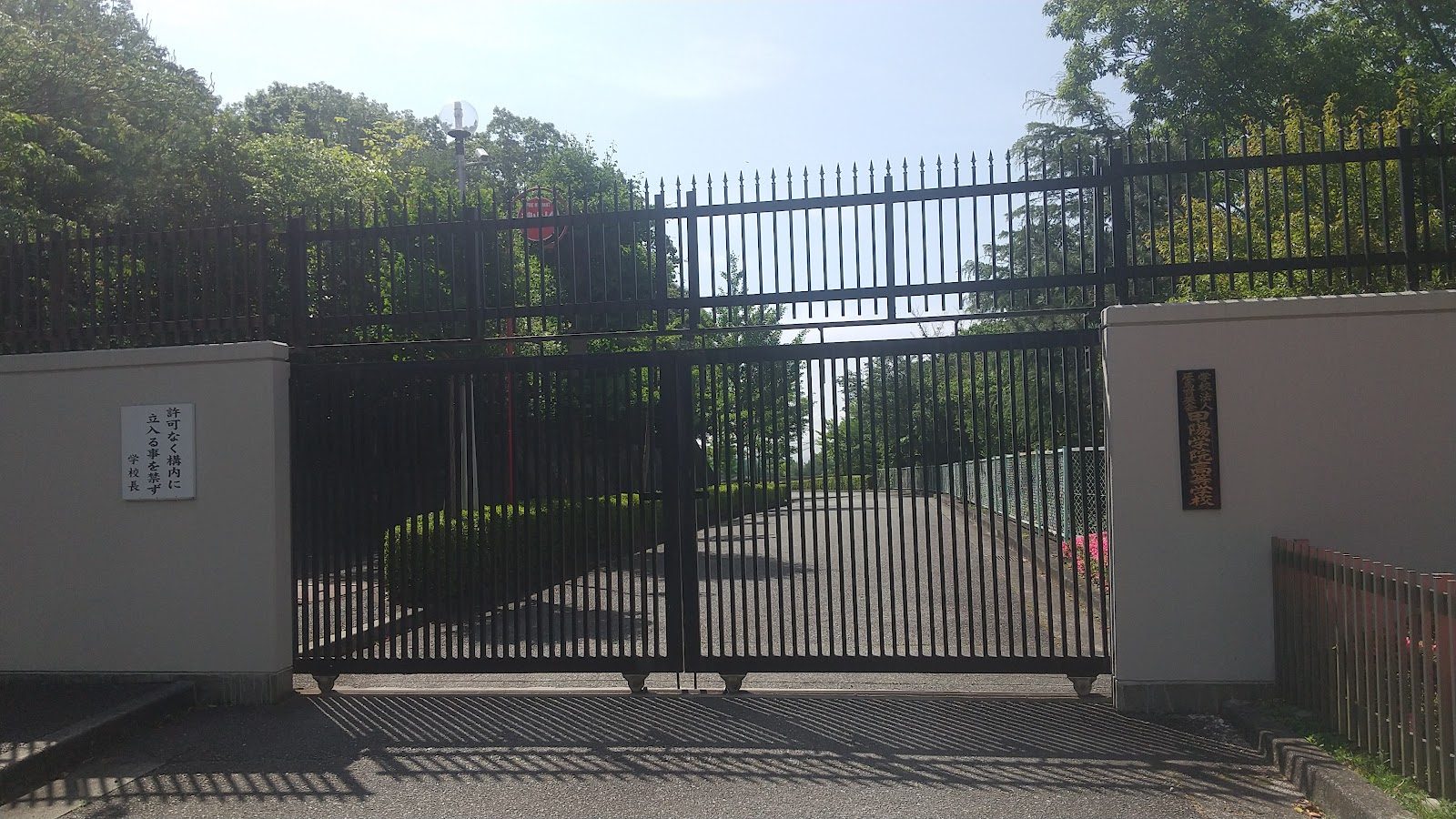
Photo © 和光 via Google Maps
Type
Day
Ages
15–18
Curriculum
Japanese National
Qualifications
Japanese Senior HS Diploma
Ratio
—
The Verdict
Editor's commitment
Right for
Families who want a Japanese National curriculum in Japanese at a non-religious boys' day school founded in 1917 in Nishinomiya.
Wrong for
Anyone needing co-education, boarding, English-medium teaching, or a pathway beyond the Japanese Ministry of Education-accredited national system for ages 15–18.
Watch out for
Koyo Gakuin publishes admissions events and progression information, but no public aggregate exam results, university totals or international accreditation beyond MEXT.
Ranking breakdown
Koyo Gakuin · # of 1591
Composite score 70.3. 8 weighted criteria.
By criterion
Academic Outcomes
Weight 20%
#147
of 1530 scored
University Placement
Weight 16%
#59
of 1529 scored
Prestige & Heritage
Weight 12%
#135
of 1571 scored
Alumni Network
Weight 12%
#749
of 1530 scored
Facilities
Weight 12%
#1418
of 1534 scored
Transparency & Communications
Weight 8%
#1241
of 1532 scored
Peer & Industry Review
Weight 10%
#527
of 1548 scored
Admissions Selectivity & Demand
Weight 8%
#21
of 1529 scored
Peer & Industry Review
How Koyo Gakuin is regarded in the sector
70
Respected · medium confidence
Koyo Gakuin is regarded within the Kansai region as one of the small cluster of elite boys' schools -- alongside Nada and Rakuyo -- that dominate entrance results into Kyoto University and, to a lesser extent, the University of Tokyo. Its standing rests less on marketing than on annually published juken (exam-outcome) data in mainstream Japanese weeklies such as Weekly Diamond, Sunday Mainichi and AERA, which track medical-faculty and Kyodai/Todai placement rates by school; Koyo Gakuin consistently appears near the top of these Kansai tables, cementing its reputation among competing school heads and cram-school (juku) advisors as a benchmark for rigor. University admissions staff in the Kyoto-Osaka-Kobe corridor treat its diploma as a strong signal of preparedness, particularly for STEM and medical tracks. It receives less attention in English-language independent education press (WhichSchoolAdvisor, Good Schools Guide) since those outlets focus on UK/international curricula, meaning its international profile is thinner than its domestic academic prestige.
Editors' overview
Koyo Gakuin is a serious academic proposition in Hyogo: a non-religious Japanese day school for boys aged 15–18, founded in 1917 and taught in Japanese under the Japanese national curriculum. What marks it out is not branding but track record and social position. This is an old, well-connected institution under the Tatsuma Ikueikai foundation, with roots in one of Nada’s sake-brewing families. In the Kansai market, that matters. So does the school’s habit of sending boys on to Japan’s hardest universities, with Kyoto University the headline destination in the editorial record. Parents who want *intellectual pressure without theatricality* will notice that Koyo does not waste time on lifestyle posturing. The public face is spare, orderly and unapologetically academic.
The school also has the structure of a classic Japanese elite pathway. Its middle and high schools sit on separate Nishinomiya campuses, and the website gives more space to school regulations, course tables, annual events, entrance briefings and progression information than to soft-focus promises. That tells you a great deal. Koyo runs as an institution with settled routines, high expectations and little appetite for hand-holding. There is a library, a published school evaluation, student councils and clubs, public cultural events such as the music and exhibition meetings, and tightly managed admissions communications. The tone is disciplined, old-school and quietly exacting. If you want glossy messaging about wellbeing ecosystems and innovation labs, look elsewhere.
Why shortlist it? Because Koyo occupies a valuable niche: a boys’ school with deep local prestige, academic seriousness and the confidence not to oversell itself. It suits families who value earned status, rigorous peers and a strong route into top Japanese universities more than international marketing polish. It will appeal to the boy who likes hard study, can tolerate competition, and does not need constant affirmation from adults. This is not a school for a child who wants a broad international curriculum, co-education, boarding, or extensive English-medium teaching; the language of instruction is Japanese, the school is day-only, and its accreditation is the Japanese Ministry of Education. For the right student, that narrowness is the point: focused ambition, high-calibre company and a culture that treats scholarship as normal life.
Academic Performance
Koyo publishes progression information and treats it as part of the school’s core offer, which matters in a Japanese market where many schools hide behind reputation. The headline point is clear: this is a results-driven, exam-hardened school whose serious reputation rests on university entry, not on co-curricular theatre. The site’s prominence for 進学情報 and the maintenance of an alumni progression room indicate an institution organised around the next academic step. That does not give parents the full statistical picture they need. We have not seen aggregate national examination score data, cohort-wide distributions, or a clean university-destination table broken down by year and institution. That gap leaves outsiders relying on destination reputation more than published performance metrics. For a school of this standing, that opacity is a weakness.
Relative to peers, Koyo sits in the upper tier of academically selective boys’ schools in Kansai. The editorial context already places Kyoto University as the benchmark destination, and that is the right lens: schools that feed that pipeline consistently occupy a rarefied bracket. Koyo’s strength lies in producing boys who can survive high-level domestic competition without fanfare. Its weakness lies in disclosure. Ambitious families inside the Japanese system will recognise the signal and may not care; international parents and data-minded local families will want more than prestige, internal culture and scattered admissions figures such as 2026 entry updates. The school’s academic standing is strong, but its public results reporting is too spare for easy comparison.
Facilities
The public picture of Koyo’s facilities is functional rather than expansive. The school foregrounds its library, publishes a dedicated high-school library page, and even highlights refurbishment case studies there; that tells you the library matters in daily academic life, not as a token amenity. Separate middle- and high-school sites also matter operationally: they allow age-specific organisation, though the school does not publish the kind of campus photography, specialist-room inventory or floor-by-floor detail that top fee-charging schools elsewhere now treat as standard. What parents can see points to serious academic infrastructure, orderly event spaces such as the middle-school hall used for admissions briefings, and a campus culture built around study, clubs and scheduled public events rather than architectural display. This is a no-frills, work-first estate.
Against selective Japanese peers, that places Koyo in a strong but narrow bracket. The essentials for an exam-focused boys’ school are in place, and the upkeep of library facilities is a better sign than a glossy brochure full of atria and beanbags. At the same time, the school does not publish much about science labs, sports provision, performance venues beyond its music-and-exhibition events, or technology infrastructure. That lack of detail counts against it when benchmarked with rivals that document specialist spaces properly. Parents choosing Koyo for facilities alone will not find a showpiece campus. Parents choosing it for disciplined scholarly use of space will find enough to be reassured.
It suits families who value earned status, rigorous peers and a strong route into top Japanese universities more than international marketing polish
Prestige
Koyo carries old-money prestige in Kansai. The Tatsuma connection matters: this is a school under the Tatsuma Ikueikai foundation, tied to one of Nada’s established sake families, and that gives it the social weight of an institution built by people with standing, not by a recent operator chasing demand. The school’s own public face reinforces that status. It does not clutter itself with sales language. It publishes school evaluation, regulations, course tables, entrance briefings, annual events and progression information, and it keeps separate middle and high school sites in Nishinomiya. That is the behaviour of a settled elite school: confident enough to trade on internal standards, routines and inherited reputation rather than on promotional gloss. Even practical details, such as strict event booking and repeated instructions to use public transport rather than private cars, carry the stamp of an institution used to orderly compliance.
We rate its prestige as high because it combines social pedigree with academic credibility. In Japan, prestige without university outcomes collapses into nostalgia; Koyo avoids that trap. Its name carries force among families who know the domestic hierarchy of selective boys’ schools, and its route into top national universities gives that force substance. The prestige here is not flamboyant or internationally packaged. It is insider prestige: hard-won, quietly exclusive and strongest among parents who value elite local networks, disciplined scholarship and admission into serious peer company over cosmopolitan branding. That makes Koyo impressive, but also narrow. Outside the Japanese university track, its status travels less well.
What makes Koyo distinctive is its refusal to dilute the old Japanese elite-school formula
Communications
Koyo communicates with parents in the manner of a disciplined institution, not a customer-service brand. The website is dense, frequently updated and segmented cleanly for current families, prospective families and alumni, with separate parent-facing areas for the middle and high school. That structure matters: it reduces ambiguity about where notices belong and signals an administration that expects families to follow process. Admissions communications are especially tight. Open school events, consultation sessions and public cultural events are all scheduled in advance, reservation rules are explicit, and practical instructions are blunt: use public transport, do not rely on private-car drop-off, bring indoor shoes. The school also publishes school evaluation and admissions score summaries. That is useful administrative transparency, even if it falls short of the deeper academic disclosure many parents now expect.
Effectiveness is strongest for families who value order, timeliness and clarity over warmth. The update log is active deep into the school year, with visible timestamps such as 2026.08.04 and 2026.06.17, and that regularity builds confidence that the site functions as a live noticeboard rather than a neglected brochure. The weakness is tone. Koyo offers little hand-holding, almost no narrative explanation, and scant effort to translate institutional culture for outsiders. For established local families, that is efficient. For international parents, or anyone used to more parent-friendly communication, it will feel austere, even unforgiving. The information is there; the school just makes parents work for it.
Uniqueness
What makes Koyo distinctive is its refusal to dilute the old Japanese elite-school formula. This is a boys’ institution that keeps faith with scholarship as the main event. The website gives parents regulations, course tables, school evaluation, entrance briefings, progression information and public-event schedules; it does not try to sell a lifestyle. Even the geography matters: middle and high school operate on separate sites, with the high school at 角石町 and the middle school at 中葭原町, reinforcing a staged, formal passage through adolescence rather than one continuous campus experience. Add the Tatsuma Ikueikai foundation behind it and you get a school with inherited social weight as well as academic purpose. That combination is rare: old local prestige tied to a culture that still expects boys to work hard rather than merely belong.
For students, that brings a clear benefit and a clear cost. The benefit is immersion in a peer group and institutional rhythm built around serious study, disciplined routine and measured independence. Public events such as the music and exhibition meetings, strict reservation systems and the school’s detailed administrative pages all point to a place that values order, preparation and self-command. The cost is breadth. Families looking for co-educational ease, international framing or a highly pastoral public style will find Koyo narrow by design. Boys who thrive here gain intellectual steel, strong domestic credibility and access to a network that extends well beyond the classroom; boys who need warmth, flexibility or expansive self-expression will feel the limits quickly.
Koyo Gakuin is a serious academic proposition in Hyogo: a non-religious Japanese day school for boys aged 15–18, founded in 1917 and taught in Japanese under the Japanese national curriculum
Student Profile
The Koyo boy is built for pressure. He does not need constant adult encouragement, elaborate pastoral packaging or a school that translates every expectation into reassurance. He is self-propelling, academically competitive and comfortable in a peer group where status comes from performance, not personality. This setting suits boys who read the rules, meet deadlines and accept that the institution’s priorities sit with study, discipline and progression. The separate middle- and high-school structure, the prominence of regulations and course tables, and the formal handling of admissions and public events all point in the same direction: Koyo rewards orderly ambition, intellectual stamina and low-drama seriousness. It will also suit families who already understand the domestic hierarchy of selective schools and do not need a school to narrate its value at length.
The weaker fit is just as clear. A boy who wants broad expressive freedom, visible emotional coaching or a socially relaxed co-educational atmosphere will hit the school’s limits fast. So will families expecting soft onboarding or extensive explanation from staff. Koyo asks adolescents to grow up quickly and to function within a tradition-bound, exam-facing culture where routine matters and independence is not optional. The student who thrives here is not just bright; he is hard-edged enough to handle comparison with equally able classmates and steady enough to keep working without applause. For the right family, that is the attraction. For the wrong one, it is an unforgiving fit.
What marks it out is not branding but track record and social position
Co-curricular strengths
Arts & sport, on a separate axis
Overall 6.82/10
Scored 0-10 from the school's own published evidence. This axis is editorial-only — it does not feed the main WTS ranking.
Sports
7.8/10
Drama
6/10
Dance
4.5/10
Music
7.8/10
Visual Arts
8/10
Strengths
- +Founded in 1917 and financially underpinned since 1920 by the Tatsu-uma family, owners of the Hakushika sake brand, giving the school a century of institutional continuity. It was founded as a middle school in 1917 by Komakichiro Iga, with support from the Tatsu-uma family, owners of the Hakushika brand of Japanese Refined sake, since 1920.
- +Regarded as one of the 'Nishi no Gosanke' (Western Big Three) boys' schools alongside Nada and Todaiji Gakuen, with a strong reputation for university entrance results. Koyo Gakuin Junior and Senior High School is known as one of the western 'Gosanke' boys' schools.
- +Sends a substantial cohort to the University of Tokyo and Kyoto University each year, including 33 Todai offers (29 to current-year graduates) in 2026. 合計 33(29)
- +Senior-high years are notably unstructured by Japanese standards, with almost no uniform or fixed rules and a curriculum built around individual student choice. 高校は制服も校則もほぼ無い自由な校風です。一人ひとりの個性を尊重したカリキュラムが組まれています。
- +Junior-high campus is equipped with subject-specific facilities, including multiple dedicated science laboratories for biology, chemistry and physics. 甲陽学院中学校は、教科ごとの特別教室がかなり充実しています。高校とは別に、特別教室を多数備えています。例として、理科の実験室は生物・化学・物理に加え2つの特別教室があります。
Considerations
- −It is a male-only school, so it is not an option for families seeking co-education or with daughters. Koyo Gakuin High School is a male-only high school located in Nishinomiya, Hyogo Prefecture, Japan.
- −Entrance is fiercely competitive and the exam is held on the same day as Nada's, forcing applicant families to choose one school over the other rather than hedge with both. 甲陽学院の入試日程は灘中学校と同一日程(1月17日・18日)のため、灘との併願はできず、どちらかを選択して受験する形になります。
- −The school does not accept new students at the high-school stage, so it is effectively closed to any child arriving in Japan after the Year 7 entry point. 高等学校において、生徒を募集しない完全中高一貫校。
- −Junior and senior high are on separate campuses in different parts of Nishinomiya, meaning families must manage a change of site and commute partway through the six-year programme. 甲陽学院高等学校は、兵庫県西宮市にある私立中学校・高等学校。中高一貫教育であるが中高の所在地は異なっている。
Availability
Primary entry gate & tests
High-Stakes Winter Exam (Boys)
Gallery
Photo © 和光 via Google Maps
Photo © 和光 via Google Maps
Photo © Harry N via Google Maps
Photo © Murillo via Google Maps
Photo © Alk Walk via Google Maps
Photo © Alk Walk via Google Maps
Photo © Alk Walk via Google Maps
Parent reviews
Have you sent your child here?
Voice reviews carry the strongest trust badge — we transcribe them for you to tidy up before they go live. Prefer to type? A written review is fine too.
Add your voice
In 60 seconds, tell other parents: what's the best thing about Koyo Gakuin, and what surprised you when your child joined?
We ask for a Google sign-in so every review has a real face behind it — no anonymous drive-by attacks on schools, and no faked positive reviews. Your email is never shown publicly.
Send this profile to a friend
International parents rely on word-of-mouth. Share this review with someone weighing the same decision.
Schools with places
Similar schools to Koyo Gakuin with places available now.
Availability first, then country, area, curriculum, price, co-curricular
Consider also
Also worth looking at alongside Koyo Gakuin.
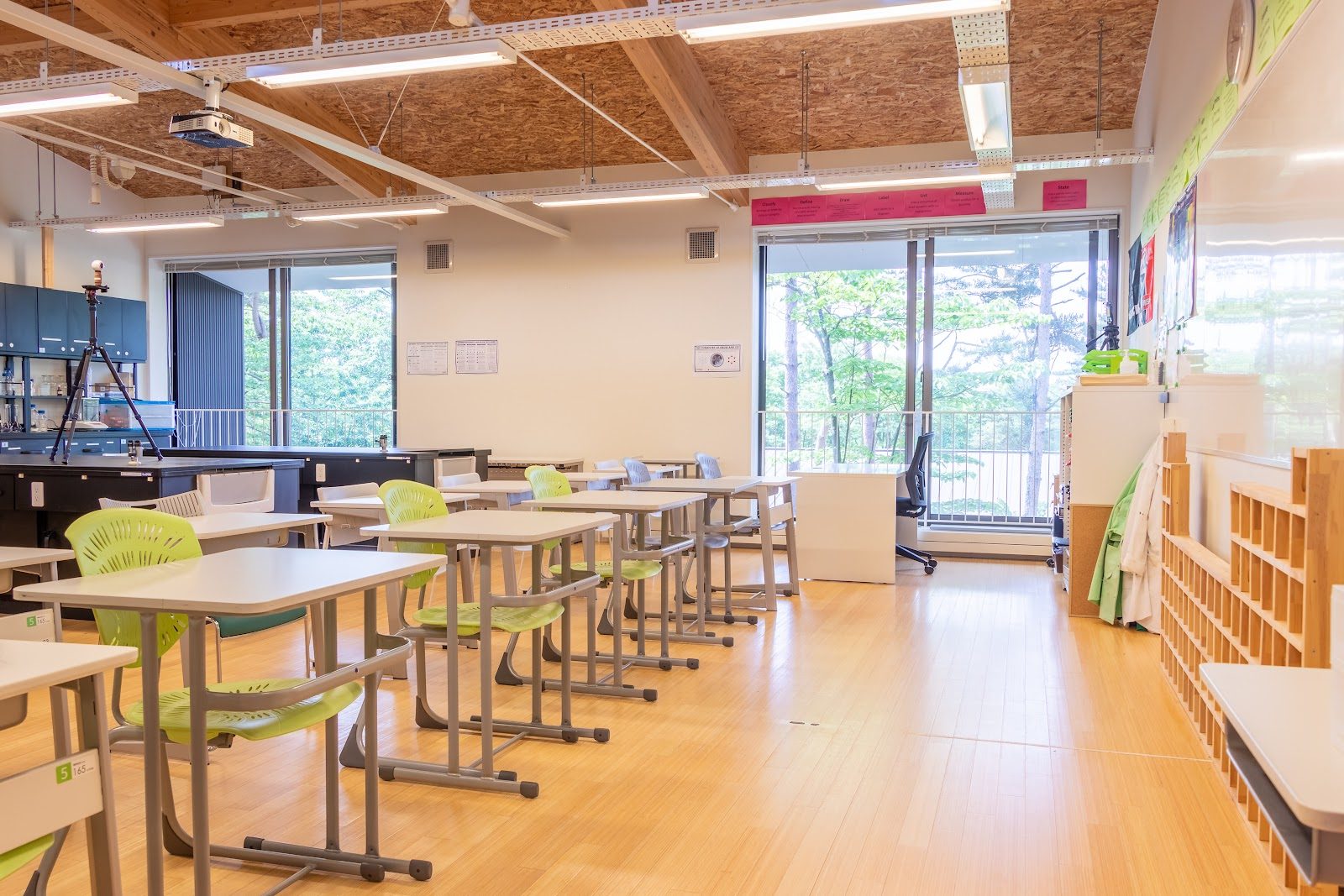
UWC ISAK Japan
Karuizawa · Japan
Japan's only UWC campus, tucked on Mount Asama, where seven in ten students study on need-based scholarship.
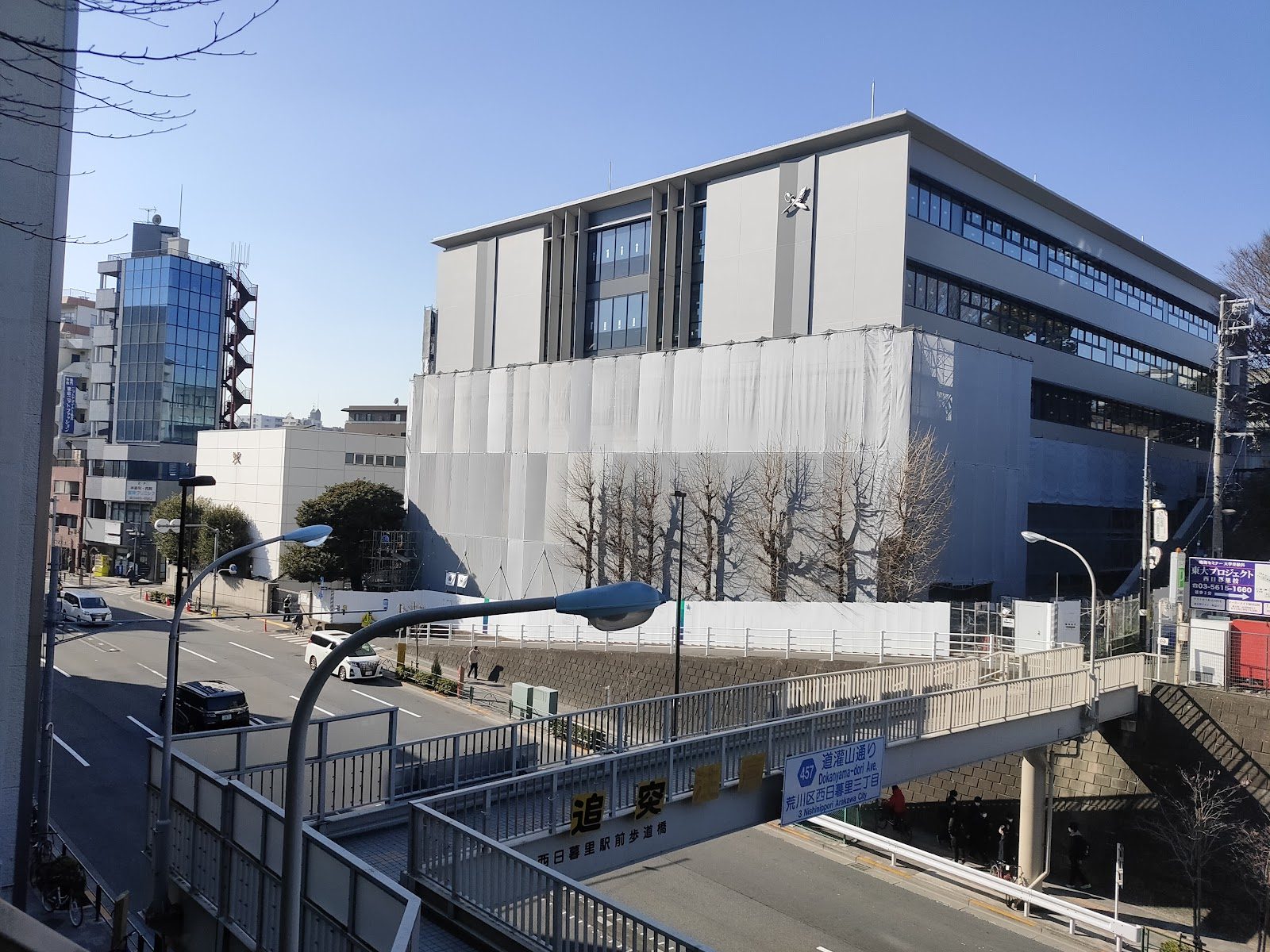
Kaisei Academy
Tokyo · Japan
An 1871 all-boys day school in one of Tokyo's densest wards, a perennial University of Tokyo feeder now adding IB and AP tracks abroad.
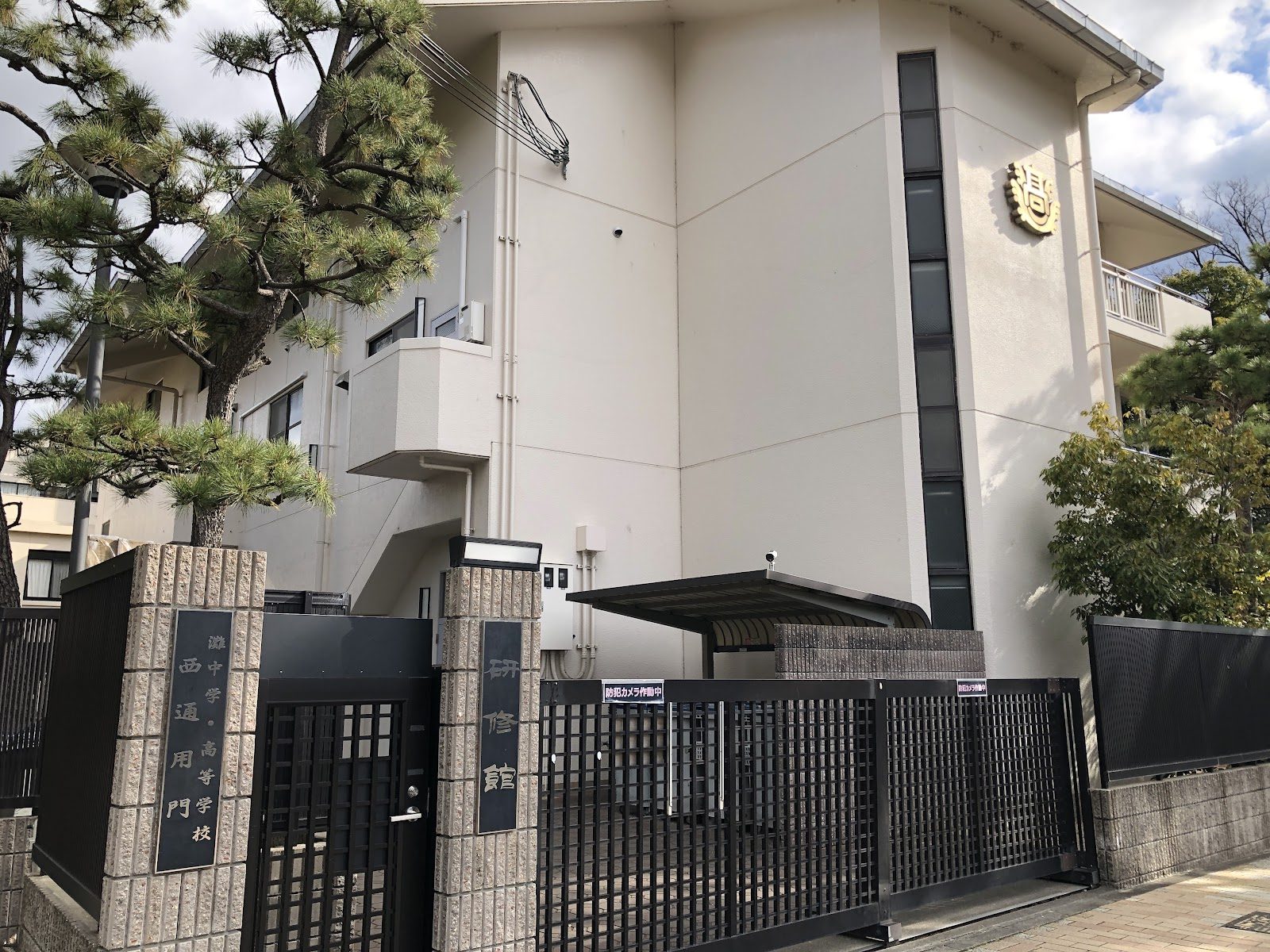
Nada High School
Kobe · Japan
Founded by Kobe sake brewers with judo's creator as an advisor, this uniform-free campus channels students straight into Tokyo and Kyoto University.

The American School in Japan
Tokyo · Japan
Rooted in Chofu since 1902, its early campus plans once drew sketches from Frank Lloyd Wright himself.
Same country and curriculum — closest matches within ±10 points either way