
Shanghai
Lycée Français de Shanghai
medium confidence· 4/6 cats · 3 avg sourcesTwin campuses shared with Shanghai's German School anchor a French Baccalaureate track split into American and Chinese international streams
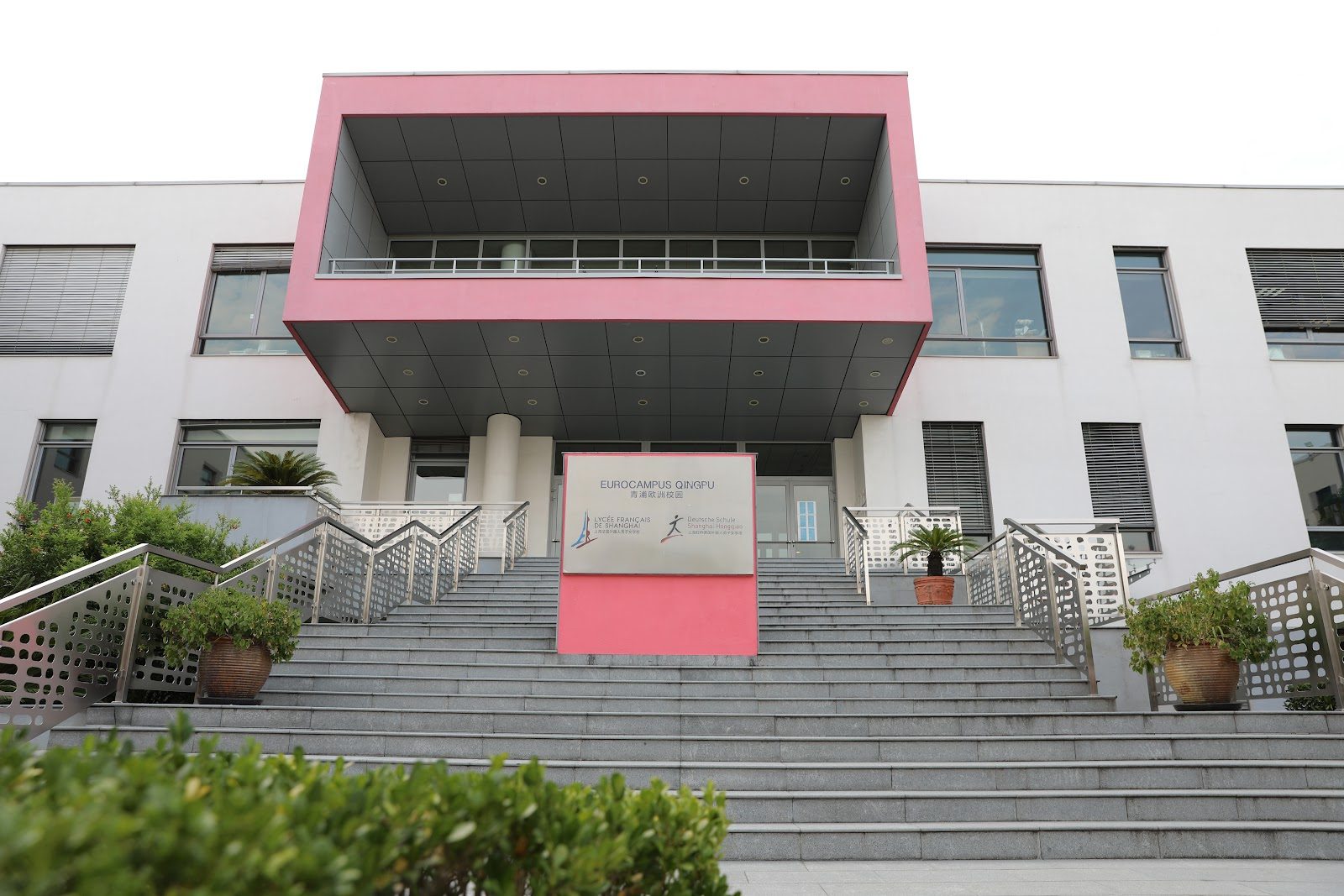
Photo © Lycée français de Shanghai via Google Maps
Type
Day
Ages
3–18
Curriculum
French
Ratio
—
The Verdict
Editor's commitment
Right for
Families committed to the French system: AEFE and French Ministry homologation, ages 3–18, with French, English and Mandarin in daily play.
Wrong for
Parents chasing IB or a British route will waste their time; this is a French school, founded in 1995, with a French Baccalaureate endpoint.
Watch out for
Two Shanghai Eurocampus sites and 1,600 pupils give scale, not intimacy; the American and Chinese international streams sit inside one French framework.
Ranking breakdown
Lycée Français de Shanghai · # of 1591
Composite score 69.3. 8 weighted criteria.
By criterion
Academic Outcomes
Weight 20%
#513
of 1533 scored
University Placement
Weight 16%
#584
of 1529 scored
Prestige & Heritage
Weight 12%
#601
of 1580 scored
Alumni Network
Weight 12%
#388
of 1530 scored
Facilities
Weight 12%
#717
of 1540 scored
Transparency & Communications
Weight 8%
#697
of 1547 scored
Peer & Industry Review
Weight 10%
#636
of 1564 scored
Admissions Selectivity & Demand
Weight 8%
#369
of 1529 scored
Score history
Lycée Français de Shanghai · 2026
Movement across 2024–2026. Peer average overlaid.
Overall — 2024–2026
69.3/ 100
▲ +30.9 vs 2025
year on year
Peer & Industry Review
How Lycée Français de Shanghai is regarded in the sector
62
Respected · low confidence
Lycée Français de Shanghai is accredited by AEFE (the French national network) and is generally referenced in expat-parent forums (e.g., InterNations, Shanghai expat community boards) as a solid, established option for French-curriculum families, but it receives limited coverage in major English-language 'best schools in China' rankings or specialist education press like Good Schools Guide International, which focus more heavily on British/American curriculum international schools. Its reputation appears strong within the French expat community specifically but does not have the broad cross-peer visibility of top-tier international schools in Shanghai.
Editors' overview
Lycée Français de Shanghai occupies a specific niche and does it with scale. Founded in 1995, it runs a French curriculum across two Eurocampus sites shared with the German School, serving ages 3 to 18 in French, English and Mandarin. That twin-campus structure matters: it gives the school a larger, more international daily ecosystem than a standalone national school, while keeping the academic spine firmly French. For internationally mobile families who want continuity into the French system, or a clean route back into European education, that is the core attraction. The school’s own numbers are substantial: 1,600 pupils, 2 Eurocampus sites, 60+ nationalities and 90 extracurricular activities. That is not boutique education; it is a mature expatriate institution with reach.
What distinguishes the school is not novelty but breadth within a tightly defined framework. It offers the French Baccalaureate, a dedicated pathway for non-French speakers, university guidance, multilingual provision and a conspicuous effort to accommodate families outside the francophone world; the blunt “We don’t speak French” navigation tab tells you the school knows exactly where one of its growth markets sits. That makes Lycée Français de Shanghai more flexible than the stereotype of a rigid French overseas school. At the same time, parents need to read it accurately: this is not an all-things-to-all-people international school with multiple end-point qualifications. It is a French school first. If you want IB, A levels or an American diploma, look elsewhere. If you want clarity of academic direction, serious linguistic ambition and a direct line into the French system, this school belongs on the shortlist.
The school also has the advantages of size without the anonymity that often plagues very large campuses. Shared infrastructure, competition programmes, libraries and a large activities offer create a fuller school day than many single-track schools can manage. The published Baccalaureate result of 100% in 2026 is strong, though parents should ask for more than a headline pass rate: distribution of honours, subject choices and university destinations by cohort tell you more than a single celebratory figure. The stated split for graduates that year — 50% continuing in France and 50% abroad — reinforces the point that this is an outward-facing school, not a narrow repatriation pipeline.
The right student for Lycée Français de Shanghai is academically steady, internationally mobile and comfortable inside a structured system. French nationals and francophone families are the obvious fit, but they are not the only fit. It also suits non-French families who value institutional ballast, want their children in a multilingual, adult world, and accept that adaptation to the French academic culture is part of the bargain. Children who thrive with loose curriculum design and constant choice will find the framework restrictive. Children who benefit from clear standards, cultural range and a school that knows its identity will do well here.
Academic Performance
The published examination story is strong at headline level and thin beneath it. The school advertises 100% Baccalauréat success and pairs that with a clean split between graduates heading to France and those moving on elsewhere. That places Lycée Français de Shanghai in the upper tier of French schools overseas on the one metric it chooses to foreground. It also tells only part of the story. A universal pass rate in a selective, academically structured school is good; it is not, on its own, a complete measure of strength. Parents comparing French schools need the honours profile, subject-level performance and cohort size in context. The school does not publish that fuller breakdown in the extracts we have seen, and that leaves its academic picture more opaque than it needs to be.
Relative to direct peers, the school’s advantage lies in institutional scale and a mature university guidance function, not in unusually rich public data. The route onward looks serious and internationally credible, with graduates dividing between France and other destinations rather than feeding a single national pipeline. That matters. It signals academic portability. Still, schools that want to claim genuine academic heft publish more than celebratory top-line outcomes. Lycée Français de Shanghai clears the first bar comfortably. To judge whether it clears the second, families need to ask harder questions about distinctions, selective university admissions and how non-francophone entrants perform by the end of the secondary years.
Facilities
The defining facility story is the Eurocampus arrangement. Shared grounds with Shanghai’s German School give Lycée Français de Shanghai access to a broader physical plant than many single-national schools can sustain alone: libraries, sports provision, competition infrastructure and the kind of communal spaces that support a full school day rather than a narrow academic timetable. The school also foregrounds dedicated extracurricular and international competition programmes, which matters because facilities are only as good as their actual use. In peer terms, that puts the school above the cramped urban expatriate school that has classrooms and little else, and below the vast purpose-built mega-campus that sells architecture as a status symbol. What parents get here is serious functional range, not luxury-campus theatre.
The two-site model carries trade-offs. It expands access to resources, but it also splits community life and can dilute the intimacy and operational simplicity of a single campus. Families should ask which specialist spaces sit on which site, how much cross-campus movement occurs, and whether younger pupils benefit equally from the stronger facilities offer. Still, against comparable European national schools in Asia, the provision is substantial and the co-curricular scale is hard to ignore: 90 activities and 2 shared campuses give the school more room to operate than many direct peers. The result is a physical environment that feels mature rather than glossy — built for sustained use, not brochure photography.
Lycée Français de Shanghai occupies a specific niche and does it with scale
Prestige
Lycée Français de Shanghai carries real institutional prestige within a defined lane. In Shanghai, a long-established French school on shared Eurocampus sites with the German School has social and educational weight; among internationally mobile European families, that combination signals permanence, network and seriousness. The school’s pull rests less on glamour than on system credibility: direct alignment with the French state system, a substantial expatriate parent body, and a track record that leads graduates both back into France and onward into other university markets. The public-facing indicators reinforce that standing. A community drawn from 60+ nationalities and a co-curricular menu running to 90 activities give the school a wider international footprint than many single-national schools manage. That matters for prestige because it lifts the school beyond a narrow embassy enclave.
That said, prestige here is structured rather than dazzling. This is not the kind of international school whose status rests on elite-brand theatre, manicured exclusivity or a parade of published destination data. Its cachet is stronger among families who value academic continuity, linguistic range and a serious European frame than among those shopping for luxury-school optics. The school’s headline Baccalauréat outcome — 100% pass rate — adds polish, but the institution does not publish enough granular outcomes to claim top-tier academic prestige on transparency alone. The verdict, then, is clear: strong standing in the French and European expatriate sphere, solid recognition in Shanghai’s international market, and less universal prestige than the city’s most aggressively status-driven global schools.
That makes Lycée Français de Shanghai more flexible than the stereotype of a rigid French overseas school
Communications
Parent communication is more organised than many continental-system schools manage, and more self-aware than the sector stereotype. The navigation alone tells the story: admissions, financial information, contact and visit booking, parent portals, practical information, governance minutes, agenda listings and named parent contacts are all surfaced plainly, not buried under institutional fog. The blunt “We don’t speak French” gateway is the strongest signal of all. It addresses the obvious friction point directly and tells non-francophone families where to start. That is good operational communication, not branding. The school also keeps a steady public drumbeat through news items, upcoming events, alumni features and family testimonials. Parents can see that the institution communicates frequently and across more than one channel.
The limits are clear too. The tone on the public site drifts into boosterish territory, and the academic communication is weaker than the operational communication. A headline such as 100% Baccalauréat success is useful, but families need finer-grained reporting than a celebration banner. The same applies to university destinations: broad directional statements help, detailed breakdowns help more. So the verdict is mixed but firm. For day-to-day parent-facing communication, this is a competent, outward-looking school with a better grip on international family needs than many peers. For hard academic transparency, it still leaves unanswered questions.
Uniqueness
What sets Lycée Français de Shanghai apart is not a fashionable innovation but a clear institutional proposition: a French school that has learned how to work with families beyond the francophone core without surrendering its identity. The dedicated route for non-French speakers matters more than many parents will assume. In a lot of national-system schools, non-native entrants sit at the edge of the model and spend years catching up. Here, that audience has been built into the structure. The blunt “We don’t speak French” entry point is more than a website flourish; it tells you the school has organised admissions, communication and early integration around a real international market. For students, that brings a cleaner landing, less cultural guesswork for parents, and a stronger chance of joining a serious academic system without starting from linguistic disadvantage.
The second point of difference is the combination of a French academic spine with a daily environment that is materially more international than the stereotype of a closed national school. Shared life on the Eurocampus, a pupil body drawn from 60+ nationalities and a co-curricular menu of 90 activities widen the social world far beyond a narrow expatriate enclave. That gives students something valuable: not just multilingualism in class, but regular contact with different habits, expectations and ambitions. The result is a school for families who want structured academic continuity without raising children in a monoculture. That is a specific strength, and it is not easy to replicate.
The right student for Lycée Français de Shanghai is academically steady, internationally mobile and comfortable inside a structured system
Student Profile
The student body fits families who want a child educated inside a clear, rule-bound system without sacrificing an international peer group. This is a good school for pupils who cope well with structure, deadlines and a defined academic hierarchy. Children who need constant personalisation or a loose, exploratory classroom culture will chafe. Children who like knowing where they stand, and who can work steadily across languages, will settle more comfortably. The presence of a dedicated route for non-francophone entrants broadens the intake in a meaningful way; this is not a school reserved for French passport holders alone. The mix of 60+ nationalities and life on 2 shared campuses also gives students a wider social field than a closed national school, which suits internationally mobile families who want continuity without social narrowness.
The strongest fit is the child who is adaptable, linguistically ambitious and happy in a serious adult environment. That includes French and francophone families, but also internationally minded households who want Europe in the school’s outlook and are prepared to accept the demands that come with that choice. Students who thrive here do not need to be extroverts, but they do need resilience: joining a school with strong internal norms and a substantial expatriate community requires confidence and patience. The extracurricular breadth — 90 activities — also helps rounded, busy pupils who want more than lessons alone. This is a strong match for the globally mobile, academically steady child; it is a weak match for the student who wants maximum curricular freedom or a softer institutional culture.
That places Lycée Français de Shanghai in the upper tier of French schools overseas on the one metric it chooses to foreground
Co-curricular strengths
Arts & sport, on a separate axis
Overall 8.7/10
Scored 0-10 from the school's own published evidence. This axis is editorial-only — it does not feed the main WTS ranking.
Sports
9.2/10
Multiple sports—football, basketball, volleyball, swimming, table tennis, badminton and martial arts—and also mentions international competitions under PROZAP, indicating a solid, visibly active programme without any named dedicated sports facilities.
Drama
8.5/10
Theatre appears explicitly in the extracurricular list.
Dance
8.5/10
Music
8.5/10
Choir is offered, but there is.
Visual Arts
8.8/10
Visual arts is explicitly named in the extracurricular list, with no further detail on studios, exhibitions, specialist staff or dedicated facilities.
Editor first-pass · editor-reviewable · 7/28/2026
Strengths
- +Operates two purpose-built Eurocampus sites (Qingpu and Yangpu) serving roughly 1,450-1,550 students from age 2 to 18, giving families flexibility on location.
- +Offers multiple curriculum streams beyond the standard French track, including a European English section, an International American Stream, an International Chinese Stream and a dedicated FLSco pathway for non-French speakers.
- +Fully AEFE-conventionne, meaning the school follows the homologated French national curriculum recognised across the worldwide network of French schools abroad.
- +Reports very strong Baccalaureat outcomes, with graduates going on to universities such as Oxford, Cambridge, Sciences Po, LSE, UCL, HEC and McGill.
- +Draws a genuinely international community of 45-60 nationalities, so French fluency, while central, is not the only culture on campus.
Considerations
- −Tuition is set annually by parent vote at a General Assembly rather than fixed long-term, so fees have shifted year to year (recent published ranges span roughly CNY 111,000 to over CNY 200,000 depending on grade).
- −First-year enrolment carries extra one-off registration and 'construction' fees on top of tuition, adding meaningfully to the initial cost of joining.
- −The core offering is the French national curriculum, so families seeking an IB or British-system pathway from day one are better served elsewhere.
- −Non-French-speaking entrants depend on the FLSco support programme to integrate, which is an added adjustment for children arriving with no prior French.
Availability
Primary entry gate & tests
Academic Dossier
Gallery
Photo © Lycée français de Shanghai via Google Maps
Photo © Lycée français de Shanghai via Google Maps
Photo © Lycée français de Shanghai via Google Maps
Photo © Lycée français de Shanghai via Google Maps
Photo © Lycée français de Shanghai via Google Maps
Photo © Lycée français de Shanghai via Google Maps
Photo © Lycée français de Shanghai via Google Maps
Photo © Lycée français de Shanghai via Google Maps
Photo © Lycée français de Shanghai via Google Maps
Parent reviews
Have you sent your child here?
Voice reviews carry the strongest trust badge — we transcribe them for you to tidy up before they go live. Prefer to type? A written review is fine too.
Add your voice
In 60 seconds, tell other parents: what's the best thing about Lycée Français de Shanghai, and what surprised you when your child joined?
We ask for a Google sign-in so every review has a real face behind it — no anonymous drive-by attacks on schools, and no faked positive reviews. Your email is never shown publicly.
Send this profile to a friend
International parents rely on word-of-mouth. Share this review with someone weighing the same decision.
Schools with places
Similar schools to Lycée Français de Shanghai with places available now.
Wellington College International Shanghai
Shanghai · China
- 2026-27
- WAITPOOLSpace-dependent
- 2027-28
- PLACES OPENRolling
Shanghai American School
Shanghai · China
- 2026-27
- WAITPOOLSpace-dependent
- 2027-28
- PLACES OPENRolling
Shanghai High School International Division
Shanghai · China
- 2026-27
- CLOSEDStandard route
- 2027-28
- OPENS SOONOpens Late '26 (Spring '27)
Availability first, then country, area, curriculum, price, co-curricular
Consider also
Also worth looking at alongside Lycée Français de Shanghai.
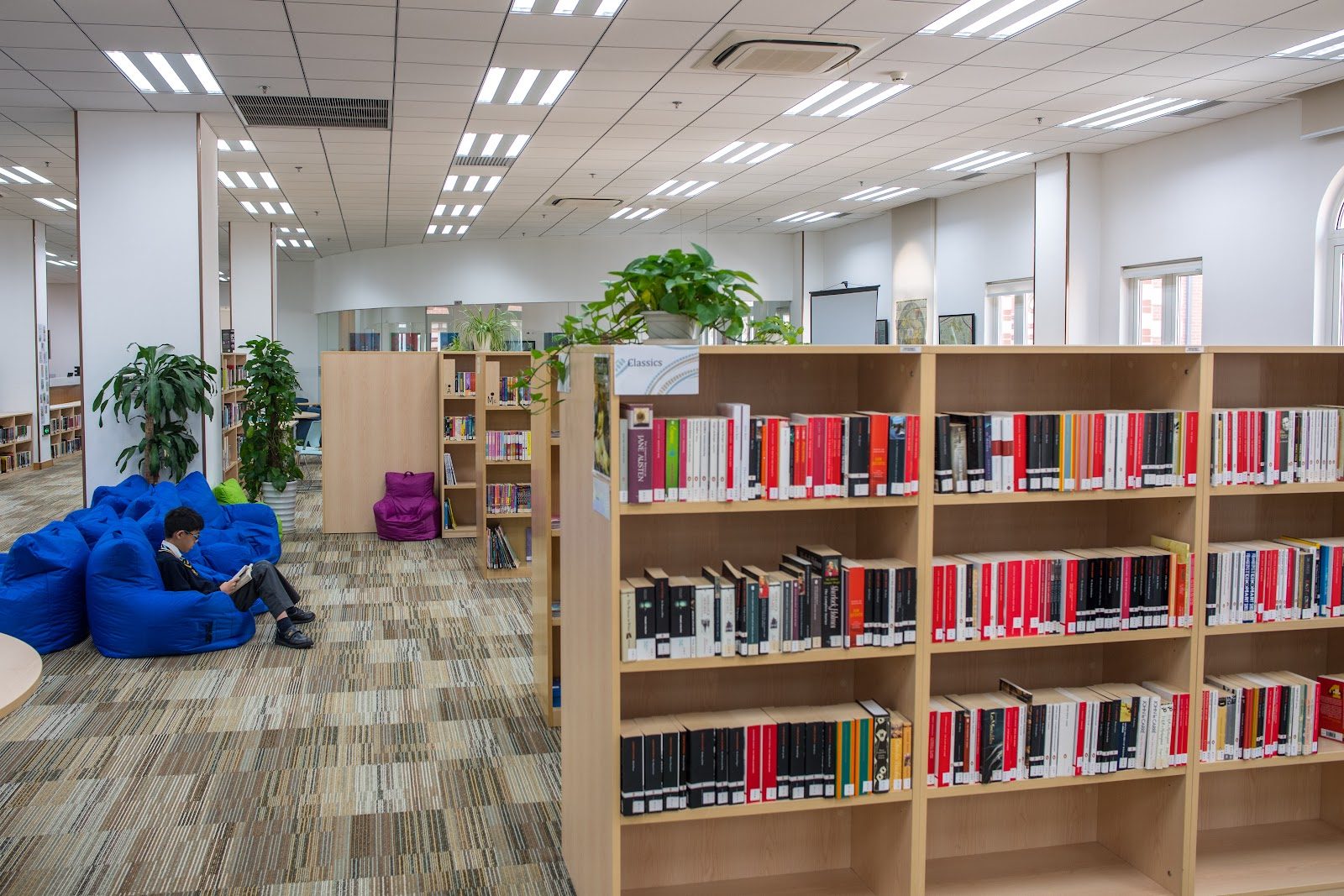
Wellington College International Shanghai
Shanghai · China
Rooted in an 1859 British foundation, this Pudong riverside campus channels house spirit into IB scores averaging 37 points.
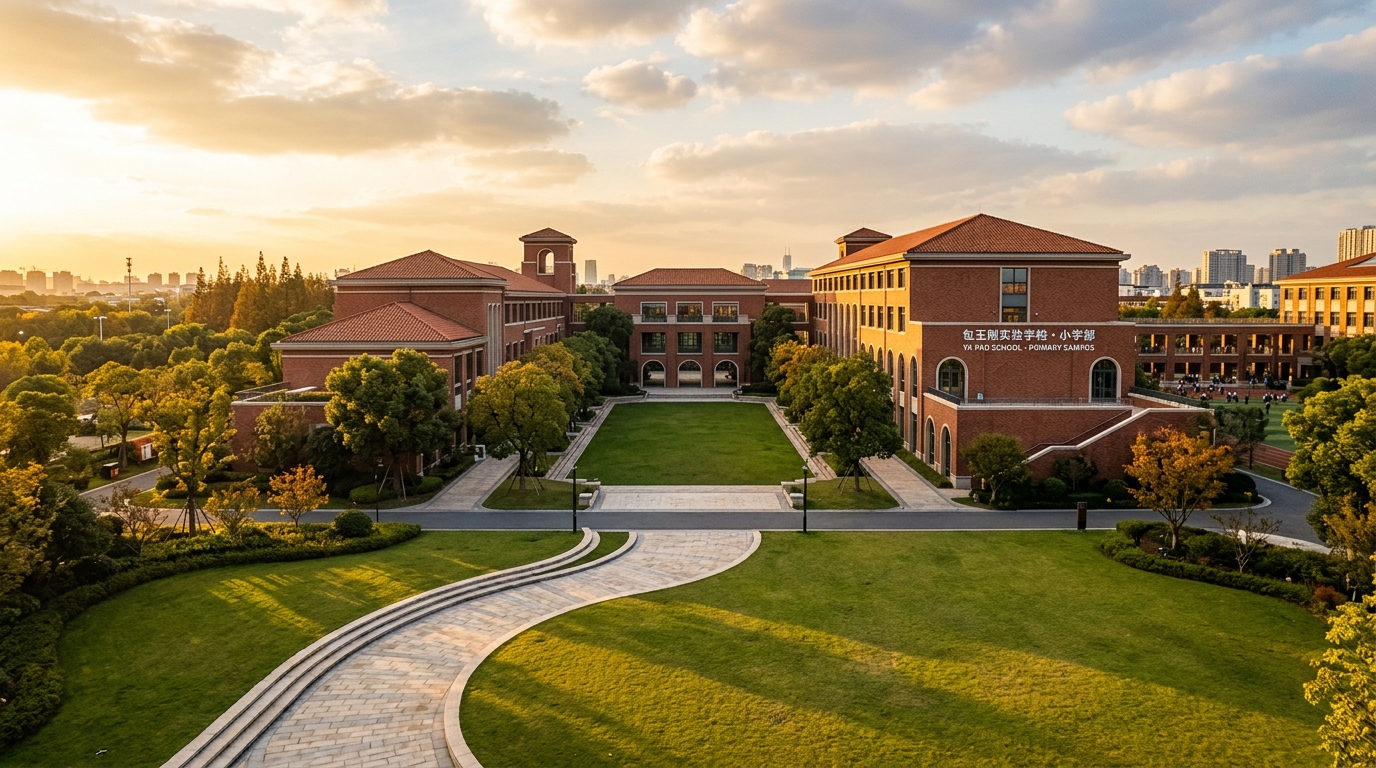
YK Pao School
Shanghai · China
Mandarin-English immersion anchors an IB and IGCSE track, with senior boarders housed in a Tudor-style village in Songjiang.
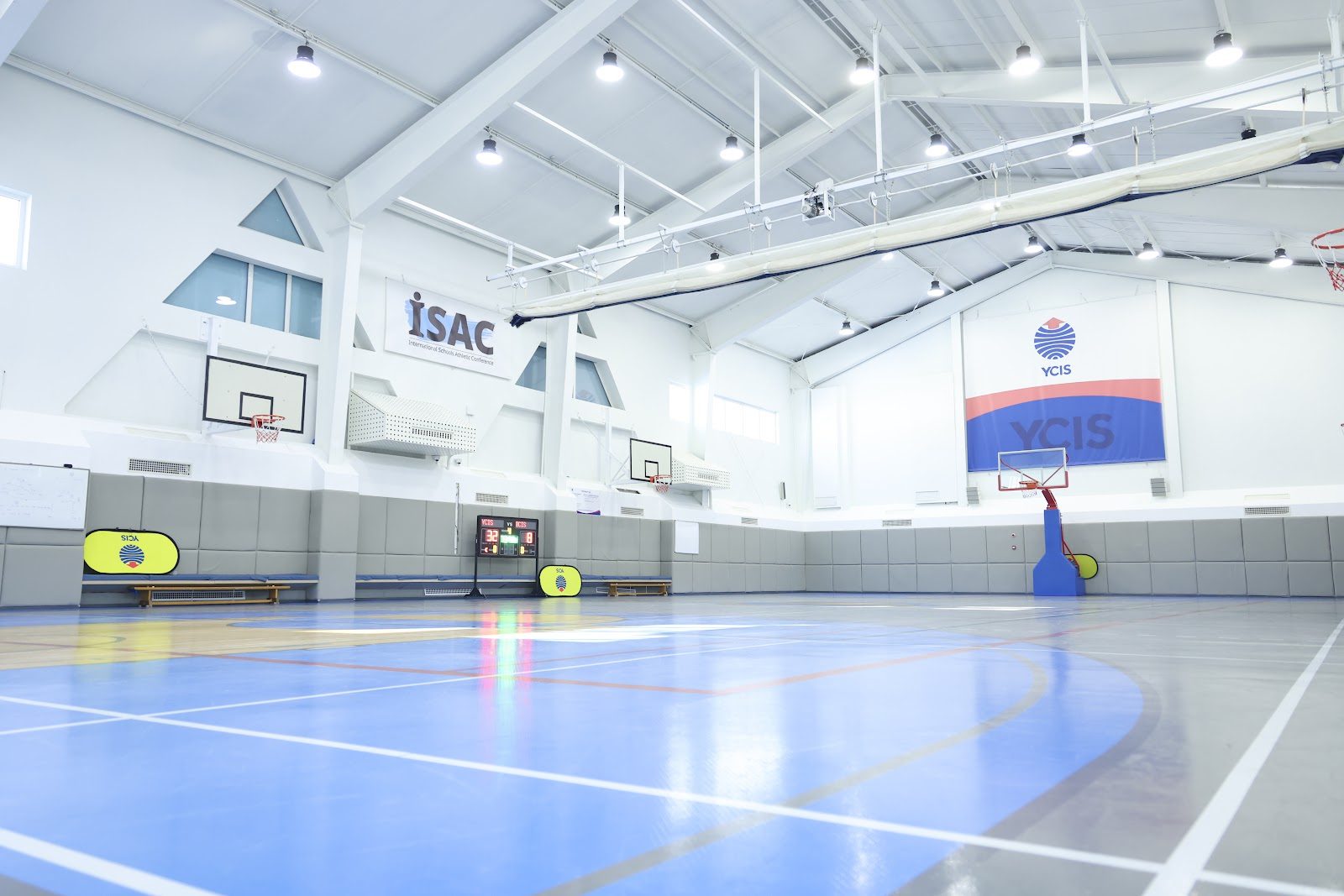
Yew Chung International School of Beijing
Beijing · China
Every classroom pairs a Western and a Chinese teacher, threading bilingual learning through a parkland Chaoyang campus.
UWC Changshu China
Changshu · China
On an island in Kuncheng Lake, mainland China's first UWC pairs the IB diploma with mandatory Mandarin study and a student-run Zhixing service programme.
Same country and curriculum — closest matches within ±10 points either way