
Central Gaborone
Maru-a-Pula School
low confidence· 4/6 cats · 1 avg sourcesOn the Kalahari's edge, a 1972 experiment in non-racial schooling still requires every student to serve the community each week.
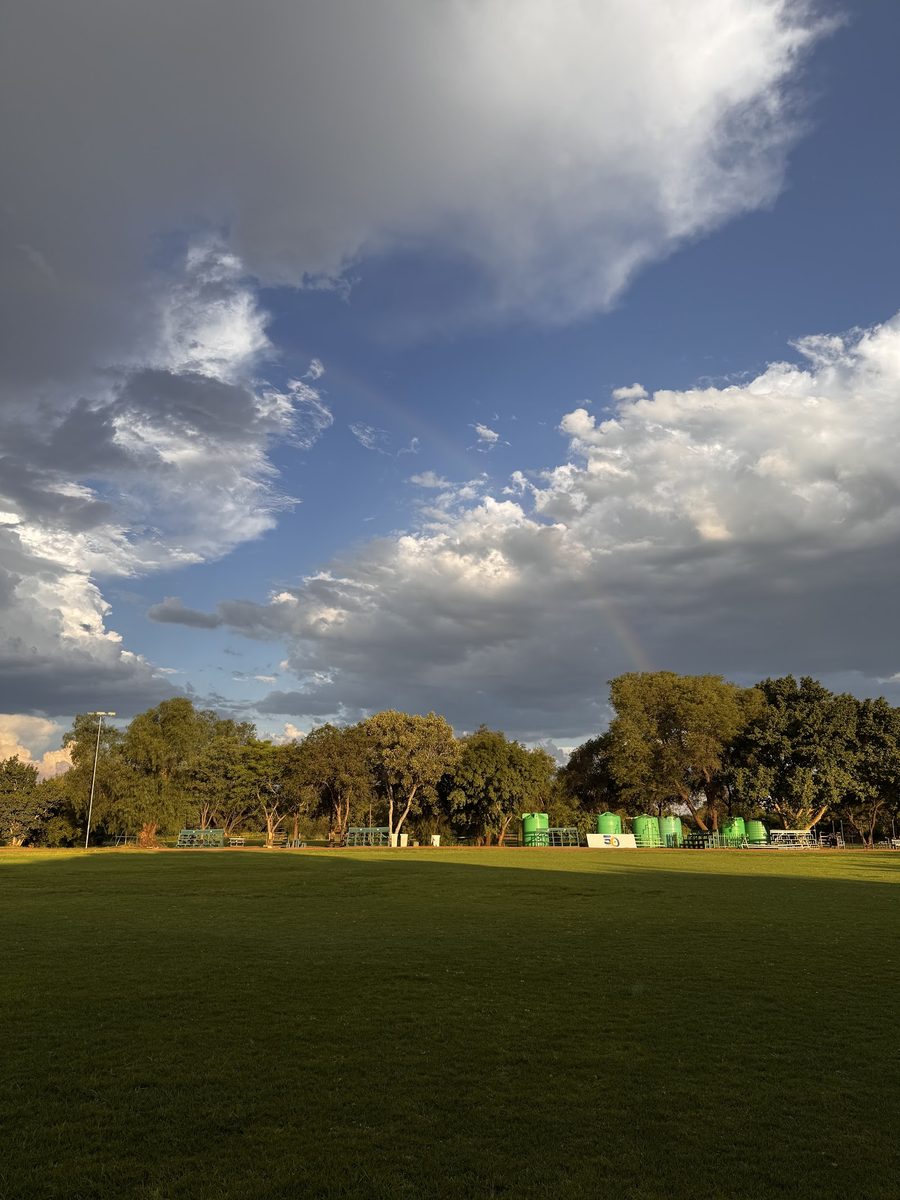
Photo © ali via Google Maps
Type
Both
Ages
12–18
Curriculum
British · IB
Qualifications
IGCSE · IB Diploma
Ratio
—
The Verdict
Editor's commitment
Right for
Families who want a 1972 Gaborone school with British and IB routes, boarding, and compulsory weekly service across 40 projects.
Wrong for
Anyone allergic to mission-driven schooling: Maru-a-Pula is non-denominational Christian, aged 12–18, and service is built into the week.
Watch out for
The school talks loudly about Cambridge results and university destinations, but publishes no equivalent aggregate IB outcomes despite IB World status.
Ranking breakdown
Maru-a-Pula School · # of 1591
Composite score 68.2. 8 weighted criteria.
By criterion
Academic Outcomes
Weight 20%
#587
of 1533 scored
University Placement
Weight 16%
#649
of 1529 scored
Prestige & Heritage
Weight 12%
#601
of 1580 scored
Alumni Network
Weight 12%
#388
of 1530 scored
Facilities
Weight 12%
#923
of 1540 scored
Transparency & Communications
Weight 8%
#798
of 1547 scored
Peer & Industry Review
Weight 10%
#636
of 1564 scored
Admissions Selectivity & Demand
Weight 8%
#438
of 1529 scored
Peer & Industry Review
How Maru-a-Pula School is regarded in the sector
65
Respected · medium confidence
Maru-a-Pula is consistently described in expat-parent guides (e.g. Expat Arrivals' Gaborone schooling overview) and regional education directories as Botswana's leading independent secondary school, known for its Cambridge/IGCSE results and notable alumni in government and business. It receives solid mentions in Southern-Africa expat forums and specialist school-guide listings, though it lacks the volume of Tatler/Good Schools Guide UK-style coverage that top-tier globally ranked schools receive.
Evidence sources
Editors' overview
Maru-a-Pula occupies a rare position in African education: a long-established independent school in Gaborone with a serious academic record, a broad national and international intake, and a civic mission that is more than a slogan. Founded in 1972 as a non-racial school, it still builds service into the week through more than 40 community projects. That matters. Plenty of schools talk about leadership; few require students to leave campus and work in schools, hospitals and struggling communities each term. The result is an education with moral weight as well as academic ambition. The school teaches in English, offers British and IB pathways, and runs as both day and boarding for ages 12 to 18.
The academic proposition is strong, though the public data lean heavily on selected headline years rather than a clean run of published results. The school cites 57.6% of A-Level grades at A* or A in 2018 and 64% in 2019, plus 55 students with five or more A*s and As at IGCSE in 2019. Those are serious numbers. They place Maru-a-Pula in the top tier of schools in the region for families who want external examinations and competitive university entry. The school also has scale and reach: 824 students were enrolled in 2019, with 67% Batswana and more than a third expatriates from 36 nationalities. That mix gives the school a clear sense of purpose: rooted in Botswana, but not provincial.
What sets Maru-a-Pula apart is the combination of social seriousness, high academic expectations, and unusual cultural capital for the setting. The school is home to Maitisong, a major performing arts centre and festival venue, and the arts operation has substance rather than decorative value. Add Round Square, boarding, and a student body large enough to sustain real breadth in sport, music, drama and service, and you get a school with genuine range. The weak point is transparency over time: the school publishes standout outcomes and university destinations, but not a full, consistent series of aggregate results across cohorts and years. Parents who want forensic data will need to ask for it directly.
Maru-a-Pula belongs on a shortlist for able, outward-facing students who want stretch without insulation: pupils who can handle a demanding academic programme, live comfortably in a mixed local-expatriate community, and take service seriously rather than treating it as résumé polish. It suits the intellectually hungry, the artist, the debater, the athlete, and the boarder who wants a school tied to a real country and city rather than an expatriate bubble. It is less suited to families who want a glossy, tightly managed premium product with exhaustive public metrics. Maru-a-Pula offers something better: earned distinction, public-minded ambition, and an education with roots.
Academic Performance
Maru-a-Pula’s public case on academic performance rests on strong headline examination years, not on a full published time series. The school gives enough to establish that attainment sits in the serious end of the market: at A-Level, more than half of grades landed at the top two bands in one cited year, rising to 64% in the next; at IGCSE, 55 candidates secured five or more top grades in the same reporting cycle. Those are not decorative numbers. They place the school above the regional norm and into competition with the stronger academically selective schools in sub-Saharan Africa. The school also cites a solid AS cohort, which matters: it points to depth in the sixth form rather than a tiny top set producing all the headlines.
The reservation is straightforward. Maru-a-Pula does not publish a clean, year-by-year run of aggregate results across all recent cohorts, so parents cannot test consistency, subject spread, or the extent of score concentration at the top without asking directly. That weakens external scrutiny. Even so, the figures in the public domain are hard to dismiss, and the university destinations claim reinforces the picture of a school with real academic traction. Relative to peers, this is a high-performing school with credible exam strength and enough evidence of top-end attainment to justify serious consideration from families targeting selective university entry.
Facilities
Facilities here have a strong sense of use rather than display. The standout is Maitisong, the performing arts centre on campus, which gives Maru-a-Pula an arts asset that many regional peers do not have at any price. This is not a token school theatre tucked beside a hall; it is a national venue that draws large public audiences and hosts the country’s biggest arts festival. For students in drama, music and fine art, that changes the level of expectation. Performance happens in a public-facing, professionally serious setting. The marimba tradition reinforces that depth. In a peer set where arts provision often means a decent auditorium and some practice rooms, Maru-a-Pula offers something materially stronger.
The rest of the facility picture is less exhaustively published, and that matters. The school plainly has the capacity to support a large co-educational secondary roll, boarding, and a service programme with 40-plus weekly projects, which points to solid operational infrastructure, transport coordination and enough specialist space for sport and enrichment to function at scale. The public record also points to competitive strength across team sports and a campus that can host substantial outside partnerships and visiting programmes. What is missing is the detailed inventory that top-tier schools now publish as routine: laboratories, libraries, boarding houses, design spaces, athletics provision, and the condition of core classrooms. Against peers, Maru-a-Pula wins on cultural capital and institutional substance; it is less transparent on the bricks-and-mortar audit.
They place Maru-a-Pula in the top tier of schools in the region for families who want external examinations and competitive university entry
Prestige
Maru-a-Pula carries real prestige in the African independent-school market, but not the lacquered prestige of a legacy British brand transplanted abroad. Its standing rests on harder things: demanding public examinations, a long record of sending students to selective universities, and a civic ethos that has survived long enough to shape the school’s identity rather than decorate it. The public claim that 94 students were studying at top-ranked universities gives that reputation substance, and the partnerships with Harvard, Juilliard and Princeton-in-Africa add external validation that many regional schools cannot match. This is earned status, tied to output and seriousness, not just fees, architecture or social cachet.
The school’s prestige also has a distinct local weight. It sits inside Botswana’s national story, draws a mixed local and international intake, and supports high-achieving citizens through financial aid and government-linked pathways. That matters more than imported gloss. The arts profile strengthens the picture: Maitisong is not a token theatre but a national cultural venue, and the marimba programme has toured internationally. Add a service programme with more than 40 projects and a student body spanning 36 nationalities, and the result is a school with wide influence and unusual credibility. The limitation is straightforward: prestige outruns transparency in parts. The school publishes selective proof points, not the full audit trail that the most data-disciplined schools provide. Even so, its reputation is well deserved.
The school also cites a solid AS cohort, which matters: it points to depth in the sixth form rather than a tiny top set producing all the headlines
Communications
Maru-a-Pula’s parent communication has a clear public spine: the school states its purpose plainly, gives concrete snapshots of academic outcomes, and spells out the shape of student life with more substance than many peers manage. Families can see the service requirement, the scale of the international mix, the arts weight of Maitisong, and the existence of financial aid and scholarship routes without digging through layers of branding. That directness counts. The school also names external partnerships and university destinations in a way that signals confidence. For first-pass research, the picture is coherent, serious and more informative than glossy. A parent gets a usable sense of what the school values, what it celebrates, and what kind of child will thrive there.
The weakness is precision and continuity. Maru-a-Pula communicates in highlights, not in a disciplined parent-information system. It gives standout exam years, standout university claims, and standout partnership examples, but not the full run of aggregate outcomes, campus detail, boarding detail, or routine operational information that data-minded parents expect. Even the enrolment snapshot sits in one cited year rather than in an updated pattern. The result is credible but selective communication: strong on identity, strong on mission, strong on public-facing culture, weaker on the hard comparative detail that helps families test consistency over time. Parents drawn to the school’s public-minded ethos will find enough to engage them; parents who want a forensic view will need to ask sharper questions.
Uniqueness
What marks Maru-a-Pula out is the way its civic mission is built into the school’s operating logic, not bolted on as weekend volunteering. Every student serves the community each week, choosing from more than 40 projects linked to schools, hospitals and struggling communities. That gives the school a rare moral seriousness. Teenagers do not just discuss inequality in classrooms; they confront it repeatedly, in person, over time. The effect on students is practical as much as ethical: they learn reliability, social fluency across class lines, and the discipline of turning ideals into routine action. In a sector full of polished rhetoric about leadership, this is the real thing.
The second point of difference is cultural and institutional range. Maru-a-Pula sits inside Botswana’s civic and artistic life in a way many international schools never manage in their host countries. Maitisong gives students access to a public cultural stage, not an inward-looking school hall, and the school’s exchanges and visiting partnerships widen that experience beyond the campus. The student body includes families from 36 nationalities while retaining a strong national core, which matters: pupils grow up in a community that is international without drifting into an expatriate bubble. For students, that combination brings a wider field of vision and a more grounded kind of confidence than schools built mainly around social insulation or brand gloss.
Founded in 1972 as a non-racial school, it still builds service into the week through more than 40 community projects
Student Profile
The students who fit best here are able, outward-facing and prepared to do more than collect grades. This is a school for teenagers who can move between demanding study, public performance, organised sport and weekly service without treating any of it as optional decoration. The social mix matters. A substantial expatriate contingent drawn from 36 nationalities sits alongside a strong national core, so pupils need ease across cultures and enough maturity not to retreat into cliques. The best fit is international without being rootless: a student who wants a broad peer group but also values being anchored in the life of the country around them. Children who need heavy hand-holding, a tightly sheltered social environment or a soft academic ride will struggle.
It also suits students with strong internal drive. The school’s identity rests on contribution and participation, not passive consumption. Artists, musicians and performers gain unusual traction from a campus linked to a major arts venue; debaters, athletes and service-minded pupils also have real room to build a life here. The public profile points to a school with enough scale to sustain breadth and enough seriousness to reward commitment. Financial aid, full scholarships for vulnerable children, and support routes for high-achieving citizens also widen the intake beyond a narrow fee-paying elite. That mix produces a student body with more range, more grit and a sharper civic instinct than the polished expatriate compounds many families know.
Plenty of schools talk about leadership; few require students to leave campus and work in schools, hospitals and struggling communities each term
Co-curricular strengths
Arts & sport, on a separate axis
Overall 8.56/10
Scored 0-10 from the school's own published evidence. This axis is editorial-only — it does not feed the main WTS ranking.
Sports
9/10
Drama
9/10
Dance
7/10
Music
9.3/10
Visual Arts
8.5/10
Editor first-pass · editor-reviewable · 7/30/2026
Strengths
- +Founded in 1972 as one of Southern Africa's first deliberately multiracial schools, admitting students of all backgrounds during the apartheid era.
- +Offers a dual curriculum of Cambridge IGCSE and the IB Diploma, giving graduates internationally recognised qualifications for university entry.
- +Established boarding and day options for ages 13-18 attract a genuinely regional student body from Botswana and neighbouring countries.
- +Long-standing campus in Gaborone with dedicated science, library and sports facilities built up over five decades of continuous operation.
- +School ethos built around the Setswana concept of 'Botho', embedding community service and pastoral care into the academic programme.
Considerations
- −Secondary-only institution covering Forms 1 to 5 (roughly ages 13-18), so families must arrange separate primary schooling beforehand.
- −Entry is by competitive written examination with a limited number of places, making admission selective rather than guaranteed.
- −Single campus located in Gaborone means families based elsewhere in Botswana or the region must commit to boarding or relocation.
- −As a fee-charging independent school, costs are a real barrier for many local families even if modest by international-school standards.
Availability
Primary entry gate & tests
Entrance exam + prior transcripts; Forms 1–4 tested
Gallery
Photo © Kevin D Sherman via Google Maps
Photo © Kevin D Sherman via Google Maps
Photo © Kevin D Sherman via Google Maps
Photo © Maru-a-Pula School via Google Maps
Photo © Maru-a-Pula School via Google Maps
Parent reviews
Have you sent your child here?
Voice reviews carry the strongest trust badge — we transcribe them for you to tidy up before they go live. Prefer to type? A written review is fine too.
Add your voice
In 60 seconds, tell other parents: what's the best thing about Maru-a-Pula School, and what surprised you when your child joined?
We ask for a Google sign-in so every review has a real face behind it — no anonymous drive-by attacks on schools, and no faked positive reviews. Your email is never shown publicly.
Send this profile to a friend
International parents rely on word-of-mouth. Share this review with someone weighing the same decision.
Schools with places
Similar schools to Maru-a-Pula School with places available now.
The British School of Paris
Paris · France
- 2026-27
- WAITPOOLSpace-dependent
- 2027-28
- PLACES OPENRolling
American Community Schools Athens
Athens · Greece
- 2026-27
- WAITPOOLSpace-dependent
- 2027-28
- PLACES OPENRolling
Canadian Academy
Kobe · Japan
- 2026-27
- WAITPOOLSpace-dependent
- 2027-28
- OPENS SOONExpected ~Sept '26 (one-year-ahead policy)
Kodaikanal International School
Kodaikanal · India
- 2026-27
- CLOSEDStandard route closed
- 2027-28
- OPENS SOONExpected Autumn '26 Reg
Availability first, then country, area, curriculum, price, co-curricular
Consider also
Also worth looking at alongside Maru-a-Pula School.
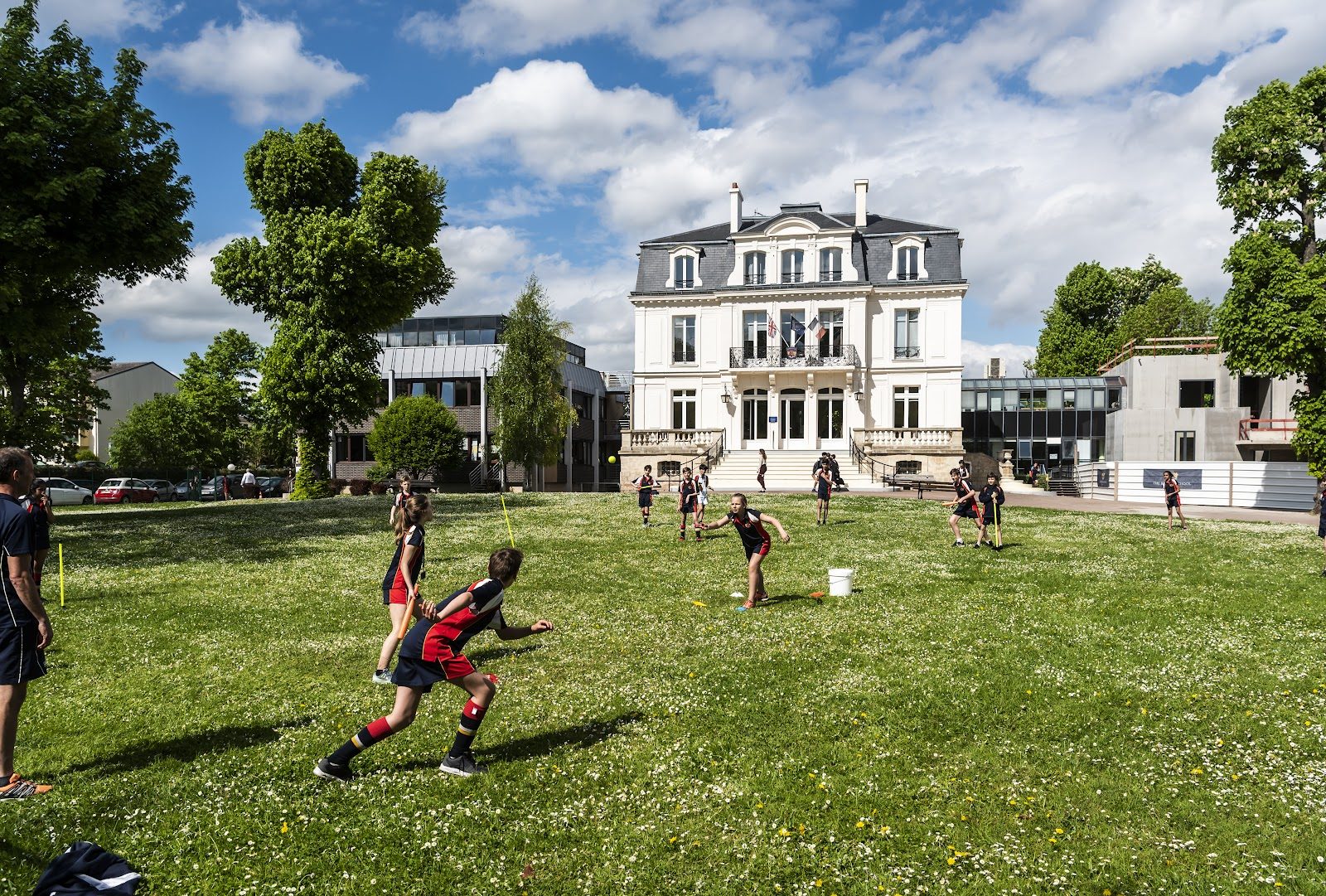
The British School of Paris
Paris · France
The only UK-government-accredited British School Overseas in France, pairing A-Levels and IB on the Seine west of Paris
Qatar Academy Doha
Doha · Qatar
Anchored in Education City, this IB continuum school was Qatar's first authorized to run all three Baccalaureate programmes.
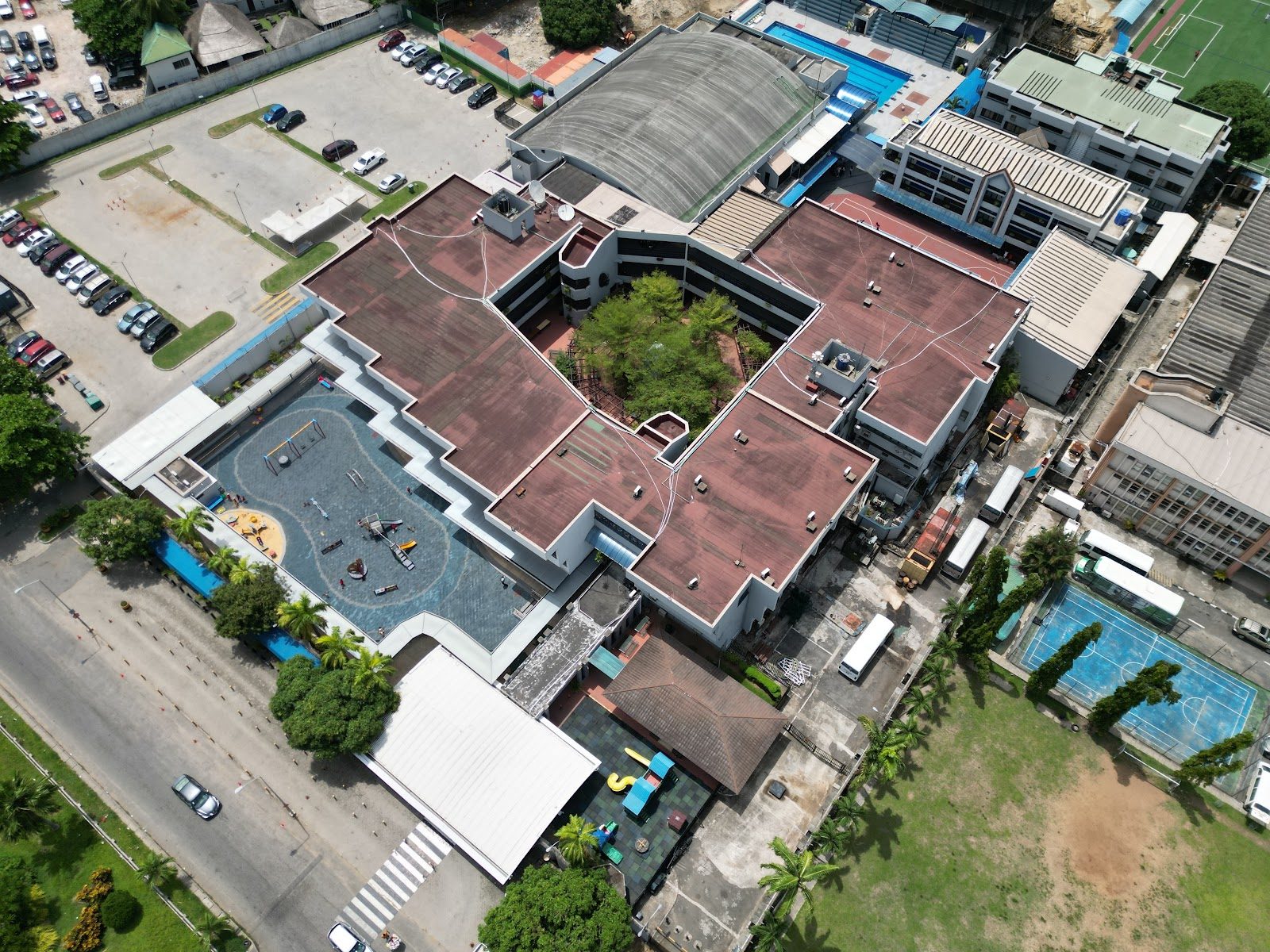
American International School of Lagos
Lagos · Nigeria
On Victoria Island since 1964, where Shell, ExxonMobil and Chevron reserve seats on the board overseeing dual American-IB diplomas.
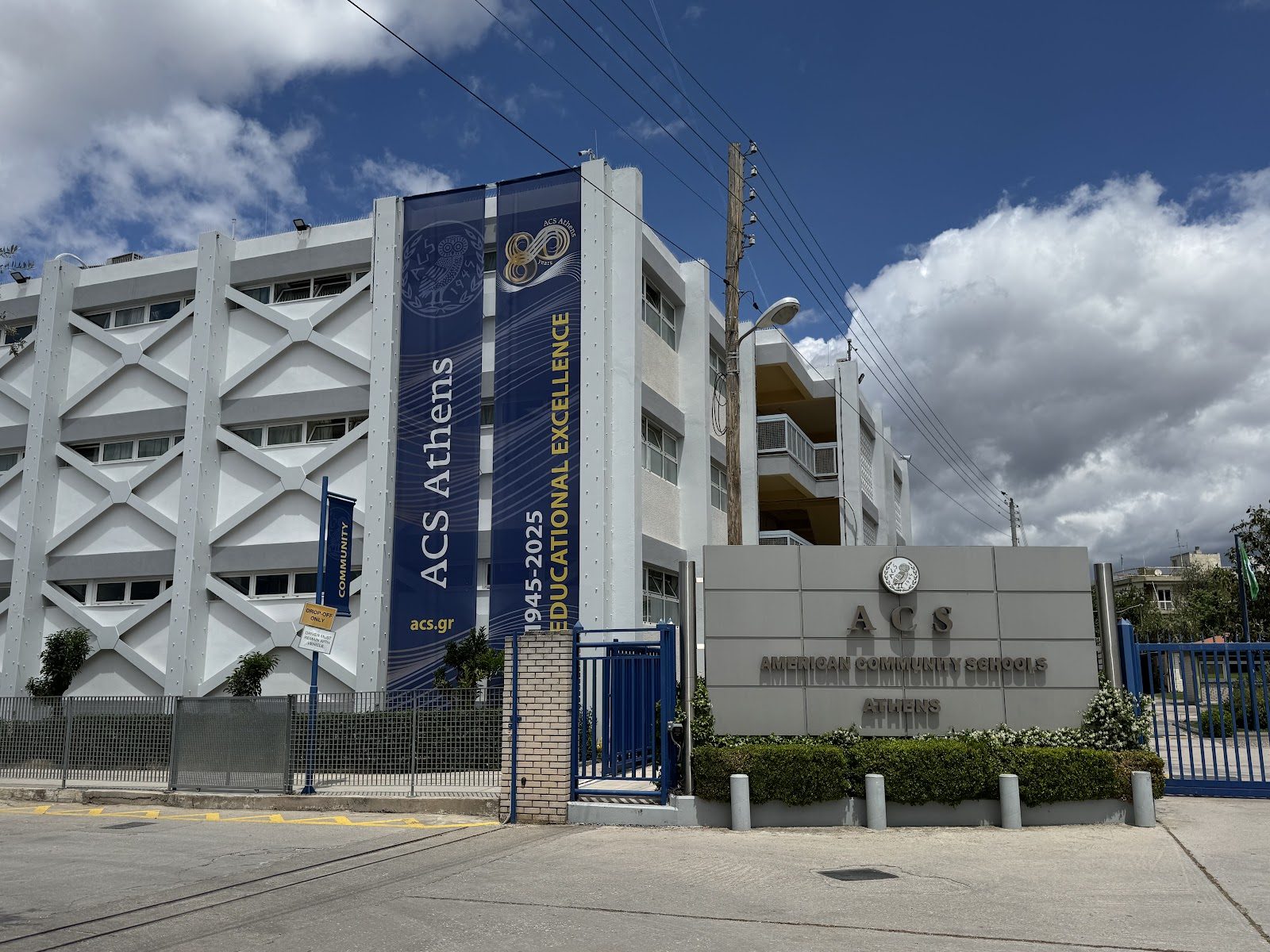
American Community Schools Athens
Athens · Greece
Introduced Greece's first IB Diploma Programme in 1976, pairing American rigor with an Athenian hillside campus.
Same country and curriculum — closest matches within ±10 points either way