
Somerset
Millfield School
high confidence· 6/6 cats · 3.12 avg sourcesSixty-plus sports and an Olympic-length pool anchor a 240-acre Somerset campus built for athletes and scholars alike.
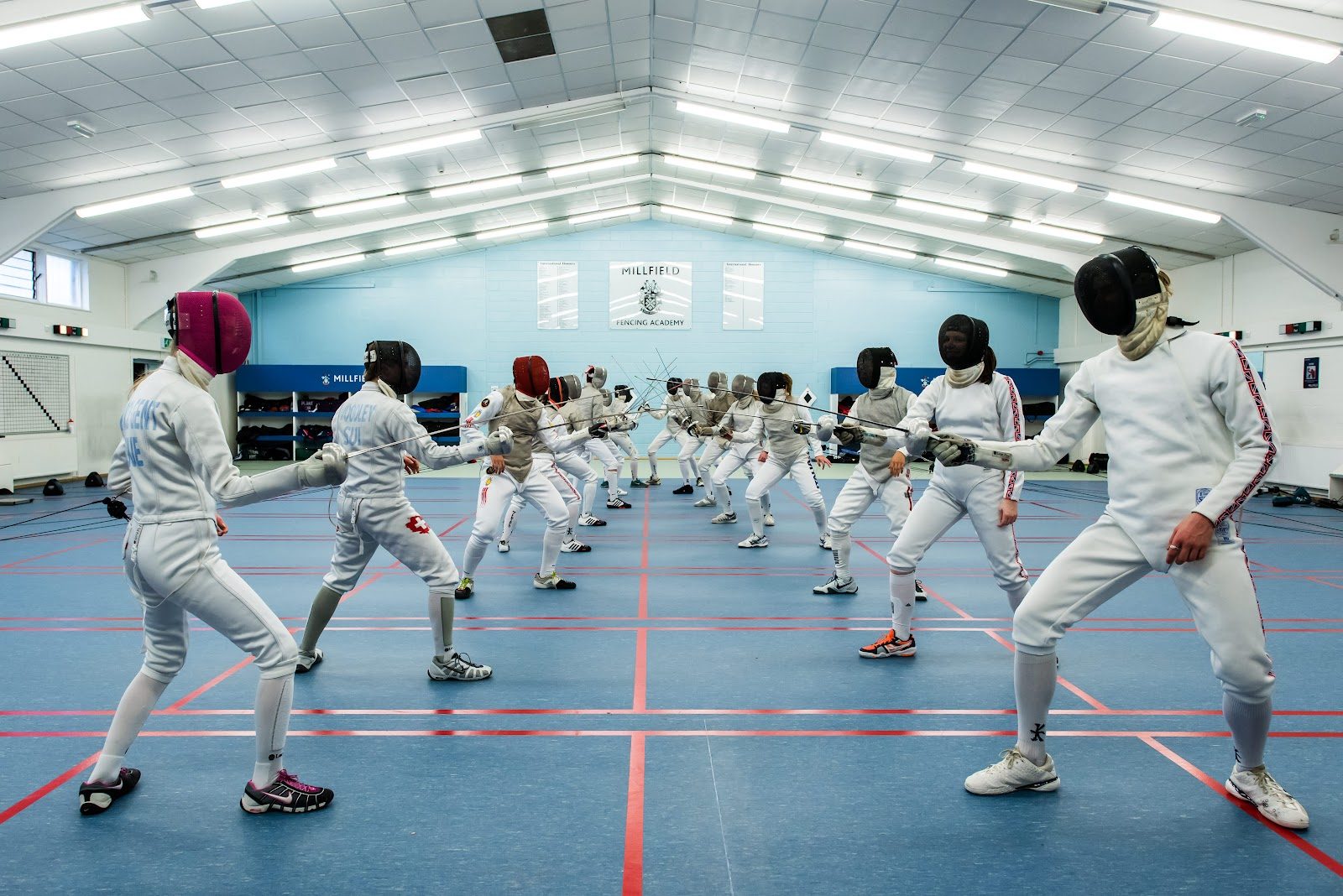
Photo © Millfield School via Google Maps
Type
Boarding
Ages
11–18
Curriculum
British
Qualifications
A-Level
Ratio
—
The Verdict
Editor's commitment
Right for
Children aged 11–18 who want serious sport on a 240-acre Somerset campus, with 58 elite-athlete alumni and 74% to top-100 universities.
Wrong for
Families who dislike boarding, Anglican culture or sport-heavy ambition; this is an HMC school charging £61,000 boarding and £39,000 day.
Watch out for
Millfield sells breadth and scale, but 265 leavers means a big machine; if your child needs intimacy, check the fit hard.
Ranking breakdown
Millfield School · # of 1591
Composite score 58.5. 8 weighted criteria.
By criterion
Academic Outcomes
Weight 20%
#1049
of 1529 scored
University Placement
Weight 16%
#1057
of 1529 scored
Prestige & Heritage
Weight 12%
#526
of 1571 scored
Alumni Network
Weight 12%
#1371
of 1530 scored
Facilities
Weight 12%
#188
of 1534 scored
Transparency & Communications
Weight 8%
#943
of 1532 scored
Peer & Industry Review
Weight 10%
#791
of 1548 scored
Admissions Selectivity & Demand
Weight 8%
#837
of 1529 scored
Score history
Millfield School · 2026
Movement across 2024–2026. Peer average overlaid.
Overall — 2024–2026
58.5/ 100
▲ +6.1 vs 2025
year on year
Peer & Industry Review
How Millfield School is regarded in the sector
78
Strong · high confidence
Millfield is one of the UK's best-known independent schools, with a sector reputation built as much on sporting pedigree as academics. WhichSchoolAdvisor notes it remains "synonymous with sport and a top contender for educating future Olympians," while ISI inspectors are cited praising its "exceptionally wide choice of sports and extra curricular activities, and a highly flexible, excellent curriculum." The Good Schools Guide's independent verdict acknowledges the school has worked hard to move beyond its old image "the place for budding Olympians or dyslexics," now pairing that legacy with genuine academic rigour ahead of its centenary. Its reach into feeder-school circles is evident too, with prep schools such as Heath Mount naming Millfield among the popular senior destinations for their leavers. Coverage across both specialist guides is consistently substantial, positioning it as a strong, widely benchmarked player rather than a top-five national outlier.
Evidence sources
Award

Elite Sport 80
World's Top School · The Global Ranking
Millfield School is featured on our Global Top 80 ranking at #2. This seal is available for the school's marketing team to use on their website, prospectus and social channels.
- Michael Eavis — Founder, Glastonbury Festival - business/entrepreneur
- James Cracknell — Olympic rowing gold medalist, sport
- Ted Dexter — Cricketer and commentator, sport
Editors' overview
Millfield’s defining fact is physical scale used with intent: a 240-acre Somerset campus, more than 60 sports, and an Olympic-length pool. That is not decorative abundance. It shapes the school’s identity and the pupil it serves. Millfield is a British boarding school for ages 11 to 18, founded in 1935, Anglican in foundation, and accredited by ISI and HMC. The school’s public case rests on an old but still effective proposition: serious coaching and serious teaching in the same institution, with enough space and staffing to let pupils pursue one pursuit at a high level without surrendering the rest of school life. Parents who want a narrow, cloistered, bookish hothouse should look elsewhere. Millfield is broader, louder and more physically driven than that.
What puts it on a shortlist is the combination of elite sporting infrastructure with credible academic outcomes. For the Class of 2024, 74% of 265 leavers went to top-100 universities; there were 7 Oxbridge places and 53 Russell Group destinations, with Bath taking 12. That is strong enough to rebut the lazy assumption that a sports-heavy school cuts corners in the classroom. It also has reach beyond sport: Wikidata records 134 notable alumni, including 58 elite athletes but also figures in politics, business, the arts and scholarship. Still, sport is the clearest organising principle here, and families need to be honest about that. Millfield suits ambitious, energetic children who want a timetable with momentum, competition and access to specialist coaching. It does not suit pupils who want a small, quiet school or who need a gently paced environment to thrive.
The fees place it squarely in the upper tier of the British independent market: an average annual day fee of £39,465 and an average annual boarding fee of £60,615 across the full ladder it covers. At that price, parents should demand substance, and Millfield does offer substance: age 11–18 focus, full boarding, a large campus, visible university outcomes and a model that has produced generations of high-performing athletes. The catch is equally clear. This is a high-octane school with a strong internal culture and a conspicuous appetite for performance. The right child will find it exhilarating. The wrong child will find it relentless.
An Elite Sport 80 school
Millfield is among the most complete sports schools in the world outside the United States, and its co-curricular sport provision is rated world-class. The Somerset school has sent athletes to the Olympic and Commonwealth stages for six decades, from Mary Rand’s Tokyo 1964 long-jump gold onwards, and its pupils continue to return from major games with medals — the school reports fifteen Commonwealth medals among recent alumni. The scale of its programme is one no other British school comes close to matching.
The specialisms are extraordinarily broad: swimming, rugby, hockey, tennis, golf, athletics, equestrian and gymnastics all run at genuine national-squad standard, supported by professional-grade infrastructure. The latest additions to the campus are new indoor cricket and golf centres fitted with motion-tracking and simulation technology, and the school’s Millfield 2035 masterplan explicitly aims to keep its sports facilities the benchmark for the independent sector. Sport scholarships are a core feature, and the school integrates high-performance coaching with a full academic timetable.
International openness is part of the appeal: Millfield offers boarding and admits pupils from across the world, with English-language support available. For a family relocating with a promising athlete who also wants a genuine A-Level pathway into a selective university, Millfield’s combination of world-class facilities, breadth of sport and credible academic outcomes — 74% of 2024 leavers reaching top-100 universities — is difficult to match in Europe. Boarding fees are £55,000 a year, with sport scholarships available; families should confirm current scholarship terms directly with the school.
Academic Performance
Millfield clears the first academic test that matters for a school with such a sport-dominant public identity: it sends a large share of leavers to selective universities, including Oxford and Cambridge, while also placing pupils across the Russell Group. That puts it above the broad independent-school middle and keeps it in serious company academically. It does not sit in the tiny cluster of results-obsessed boarding schools whose reputations rest on near-monastic exam drilling. The model here is different. The school trades on breadth, specialist coaching and multiple pathways through the sixth form, and its outcomes show that this does not come at the cost of university traction. For families weighing it against more narrowly academic competitors, that is the central point.
What remains opaque is the exam profile itself. Millfield does not publish headline public-domain aggregates here for GCSE or sixth-form outcomes, so parents cannot test consistency at subject level or measure the top-grade share against direct rivals. That is a real weakness in a market where many peers put hard data front and centre. The destination record is strong and gives the school academic credibility; the absence of published exam detail stops short of making the case fully transparent. In league-table terms, Millfield sits as a high-performing all-rounder with strong onward outcomes, not as a single-minded exam factory.
Facilities
The facilities that matter at Millfield are the ones that define daily life, not the decorative extras. Sport sits at the centre: more than 60 sports, an Olympic-length pool, professional-standard indoor tennis courts, substantial cricket provision, golf and equestrian facilities, and playing fields on a scale few British schools can match. Against peer boarding schools, that is top-tier provision. Many rivals have strong games programmes; very few can offer this range with serious coaching infrastructure behind it. For a pupil competing at county, national or international level, that breadth matters because it reduces the usual trade-off between school and training. The risk is obvious too: families who do not want sport to dominate the atmosphere will find the campus culture unmistakably performance-led.
Millfield’s non-sport facilities hold up well, though they are less singular. The Music School is clearly well resourced, and the Atkinson Gallery gives the arts more than token space, which separates Millfield from sports-heavy schools that neglect cultural life. The dining hall, sports pavilions and specialist teaching areas point to an institution built for volume and movement rather than intimate charm. On pure estate terms, the 240-acre campus puts it ahead of most peers for room, specialist zones and operational capacity. It does not have the cloistered architectural romance some older boarding schools trade on. What it offers instead is infrastructure with purpose: expansive, hard-working and built to keep talented adolescents busy.
For the Class of 2024, 74% of 265 leavers went to top-100 universities; there were 7 Oxbridge places and 53 Russell Group destinations, with Bath taking 12
Prestige
Millfield carries real prestige, but it is specialist prestige, not the old Eton-Harrow kind built on political inheritance and social code. Its standing rests on performance, scale and long visibility in elite sport. A school that can point to 58 elite-athlete alumni and 134 notable alumni overall has institutional reach far beyond a single generation’s results. That matters because prestige in British private education is not just about exam polish; it is also about what a school repeatedly produces and where its name carries weight. In sport, Millfield’s name opens doors. In wider public life, arts and business, it has enough alumni substance to avoid being dismissed as a one-track athletic machine.
The rating stops short of the very top tier because Millfield’s reputation is uneven across audiences. Among families who want serious coaching, big-stage competition and a school with formidable sporting credibility, it sits near the summit. Among parents chasing the most socially rarefied or exam-dominant boarding schools, it does not. That is not a flaw in itself; it is the consequence of a distinct institutional identity. The university destination pattern gives it academic legitimacy, and the sheer breadth of co-curricular provision gives it status that many academically stronger schools cannot match. The result is high, hard-earned prestige with a clear accent: energetic, ambitious, outward-facing and tied to achievement more than pedigree.
Millfield’s non-sport facilities hold up well, though they are less singular
Communications
Millfield communicates like a large, busy institution with multiple audiences to serve. The public-facing website does the essentials well: admissions contacts are easy to find, campus locations are clear, open-day and prospectus routes are prominent, and the school keeps a steady news-and-events drumbeat. There is also a dedicated Parent Area, which matters at a school where day-to-day logistics can get complicated fast. The tone is confident and high-energy, with heavy emphasis on opportunity, activity and institutional scale. That fits the school. It also creates a blind spot. Families get a strong sense of motion and ambition, but less hard evidence on the questions that sharper parents ask after the first glow of the prospectus has faded: academic data, comparative outcomes by subject, and the practical mechanics of boarding life.
That leaves Millfield with communications that are slick, well-staffed and operationally competent, but not fully transparent. The site is rich in imagery, sport and campus life, and the contact architecture is stronger than at many rival schools; parents are not hunting for basic information. Yet the balance tilts towards brand narrative over scrutiny-ready detail. At fees averaging £39,465 for day pupils and £60,615 for boarders, that is a material shortcoming. A school asking families for that level of commitment needs clearer public disclosure, not just polished presentation. Millfield tells you what it values with absolute clarity. It is less strong at giving parents every tool needed to interrogate performance with the same precision.
Uniqueness
What makes Millfield unusual is not just that it takes sport seriously. Many British boarding schools say that. Millfield has built an entire school around the proposition that top-level coaching, full academic schooling and adolescent ambition can coexist without apology. The result is a place where training is not an extracurricular add-on but part of the institution’s operating logic. More than 60 sports, specialist provision in fields from swimming to equestrianism, and a timetable designed for movement give pupils access to opportunities that most schools cannot match. For the right child, that brings rare freedom: the chance to pursue excellence without having to hide it, dilute it or treat it as a hobby. It also creates a restless, high-pressure atmosphere that rewards drive and stamina.
Its distinctiveness runs deeper than sport. Millfield’s scale allows for serious provision in music, art and varied sixth-form pathways, so pupils do not have to fit one narrow mould. That matters because many schools with a strong athletic brand produce a thin version of school life around it. Millfield does not. It offers a performance-heavy culture with room for different kinds of talent, and that breadth gives students a more adult education in time management, self-direction and competition. The trade-off is clear. This is not a sheltered or gentle school. It suits young people who want momentum, challenge and access to first-rate infrastructure; it does not suit those who need a quieter, more protected rhythm.
The rating stops short of the very top tier because Millfield’s reputation is uneven across audiences
Student Profile
The pupils who fit Millfield best are driven, busy and comfortable in a school where performance is public. Sport dominates the social and institutional centre of gravity, and the school’s offering of more than 60 sports is not decorative menu-writing; it sets the pace of the place. Children who relish training, selection, fixtures, coaching notes and packed days will find peers who treat ambition as normal. That does not limit the intake to future professionals. It suits energetic teenagers who want to do a lot, do it seriously and avoid the apologetic anti-achievement streak that can flatten adolescent talent elsewhere. It is also a strong match for pupils with stamina and self-organisation, because the opportunities here reward those who can manage competing demands without constant hand-holding.
The less suitable child is easy to picture too. A pupil who wants a quiet, inward-looking school, dislikes competitive atmospheres or needs a slow, protective rhythm will struggle with Millfield’s high-output culture. The same goes for families hoping that sport sits politely at the edge of school life; here it shapes status, schedules and conversation. That said, the student body is not one-note. The school gives visible room to music, art and varied sixth-form routes, so non-athletes with confidence, resilience and appetite for a fast-moving, talent-led environment can also do well. In short: Millfield suits young people who want stretch, visibility and momentum. It does not suit the faint-hearted or the disengaged.
Millfield has built an entire school around the proposition that top-level coaching, full academic schooling and adolescent ambition can coexist without apology
Co-curricular strengths
Arts & sport, on a separate axis
Overall 9.1/10
Scored 0-10 from the school's own published evidence. This axis is editorial-only — it does not feed the main WTS ranking.
Sports
10/10
Unrivaled Olympic nursery; fields world-class athletic facilities including an indoor rinks, Olympic pools, and an equestrian center that routinely produce world-class athletes.
Drama
8.6/10
The magnificent Meyer Theatre complex provides a conservatory-style framework for staging high-production mainstage plays and musicals.
Dance
9.7/10
Highly dedicated formal dance curriculum running classical ballet, jazz, and modern composition inside custom studios.
Music
8.7/10
Outstanding musical depth; supports multiple jazz big bands, massive symphonies, and elite choirs with deep civic pipelines.
Visual Arts
8.5/10
Breathtaking visual studios producing top-tier design portfolios, digital multimedia creations, and fine art pieces.
Editor-verified · 8/6/2026
Outcomes & destinations
Where students go next
Editorial estimateClass of 2024
265 graduates
A-Level distribution
96% covered
- A*22%
- A30%
- B32%
- C12%
Top destinations
60 placements
- Oxford· 4
- Cambridge· 3
- Bath· 12
- Bristol· 10
- Exeter· 10
- Cardiff· 8
- Loughborough· 8
- Durham· 5
Somerset co-ed boarding; largest UK independent, elite sports pipeline.
Editor-approximated from the school's own leavers report. Awaiting school-attested figures.
Notable alumni · Wikidata
134notable alumni
1 historic (born pre-1930) · 67 modern (born post-1970)wikidata:2026-07-28 How we source this
The story in one line
Average A-Level grade B- (APS 37.4)·ISI Routine Inspection 2026
AAB with 2 facilitating subjects is the Department for Education's published predictor of admission to a top-third UK university: the pupil has scored high grades in at least two of the classic Russell-Group subjects (maths, sciences, English, history, geography, or a modern language). Independent schools don't appear in the state-only HE-destinations dataset, so this is the strongest DfE-verified sixth-form signal available. Source: DfE 16-18 school and college performance data · 2023/24.
DfE-verified statistics
Official GCSE data · 2024/2025
Progress 8
—
Value-added score. State-schools only; 0 = expected progress, +1 = one grade above.
Attainment 8
28.6
Average grade across 8 GCSEs (score out of 90). National ≈ 46.
EBacc average score
2.96
Avg grade across the 5 EBacc pillars (English, Maths, Sciences, Language, Humanity).
EBacc slots filled
2.6
How many of the 5 EBacc pillars pupils typically enter (max 5).
A-Level attainment
Cohort · 2023/24
Avg A-Level grade
B-
APS per entry: 37.42
Best 3 grade
B-
Best-3 APS: 37.28
≥ AAB + 2 fac.
21.7%
Russell-Group predictor.
Progress (value-added)
-0.08
Average
Read with care. Independent schools frequently sit IGCSEs or Pre-U qualifications instead of standard GCSEs — DfE data only counts standard GCSEs, so these numbers may reflect a partial cohort. For a fuller picture, cross-check with the school's own annually-published results.
URN 123911Verified · DfE 2024/2025
Official inspection
ISI report · 2026
Inspectorate
Independent Schools Inspectorate
The Government-approved inspectorate for English independent schools.
Latest report
24 March 2026
Routine Inspection
Report history
Verified · Independent Schools InspectorateSource-of-truth
Strengths
- +World-class sporting provision (co-curricular score 10.0)
- +Boarding and day options across a broad age range
- +10:1 student-teacher ratio
- +74% of 2024 leavers reached top-100 universities, including Oxford and Cambridge
- +Extensive, continually invested facilities including new indoor cricket and golf centres
Considerations
- −Boarding fees of £55,000 a year sit at the premium end of the market
- −Day fees of £30,000 a year
- −Average class size of 18 means teaching is not tutorial-scale
- −A large-scale campus can feel less intimate than smaller rivals
Availability
Primary entry gate & tests
Written Exams + Interview
Gallery
Photo © Millfield School via Google Maps
Photo © Millfield School via Google Maps
Photo © Millfield School via Google Maps
Photo © Millfield School via Google Maps
Photo © Millfield School via Google Maps
Photo © Millfield School via Google Maps
Photo © Millfield School via Google Maps
Photo © Millfield School via Google Maps
Photo © Ray Talbot via Google Maps
Recommended reading
Independent write-ups of this school from editorial outlets we trust.
- Millfield School ReviewGood Schools Guide
Parent reviews
Have you sent your child here?
Voice reviews carry the strongest trust badge — we transcribe them for you to tidy up before they go live. Prefer to type? A written review is fine too.
Add your voice
In 60 seconds, tell other parents: what's the best thing about Millfield School, and what surprised you when your child joined?
We ask for a Google sign-in so every review has a real face behind it — no anonymous drive-by attacks on schools, and no faked positive reviews. Your email is never shown publicly.
Send this profile to a friend
International parents rely on word-of-mouth. Share this review with someone weighing the same decision.
Schools with places
Similar schools to Millfield School with places available now.
Thomas's Battersea
London · United Kingdom
- 2026-27
- CLOSEDStandard route closed
- 2027-28
- PLACES OPENRegistration open for Sept 2027 and beyond
Badminton School
Bristol · United Kingdom
- 2026-27
- CLOSEDStandard route closed
- 2027-28
- PLACES OPENCloses Oct/Nov '26
Christ's Hospital
Horsham · United Kingdom
- 2026-27
- CLOSEDStandard route closed
- 2027-28
- PLACES OPEN2027 entry assessment timetable active
St Swithun's School
Winchester · United Kingdom
- 2026-27
- CLOSEDStandard route closed
- 2027-28
- PLACES OPENCloses Nov '26
Availability first, then country, area, curriculum, price, co-curricular
Consider also
Also worth looking at alongside Millfield School.
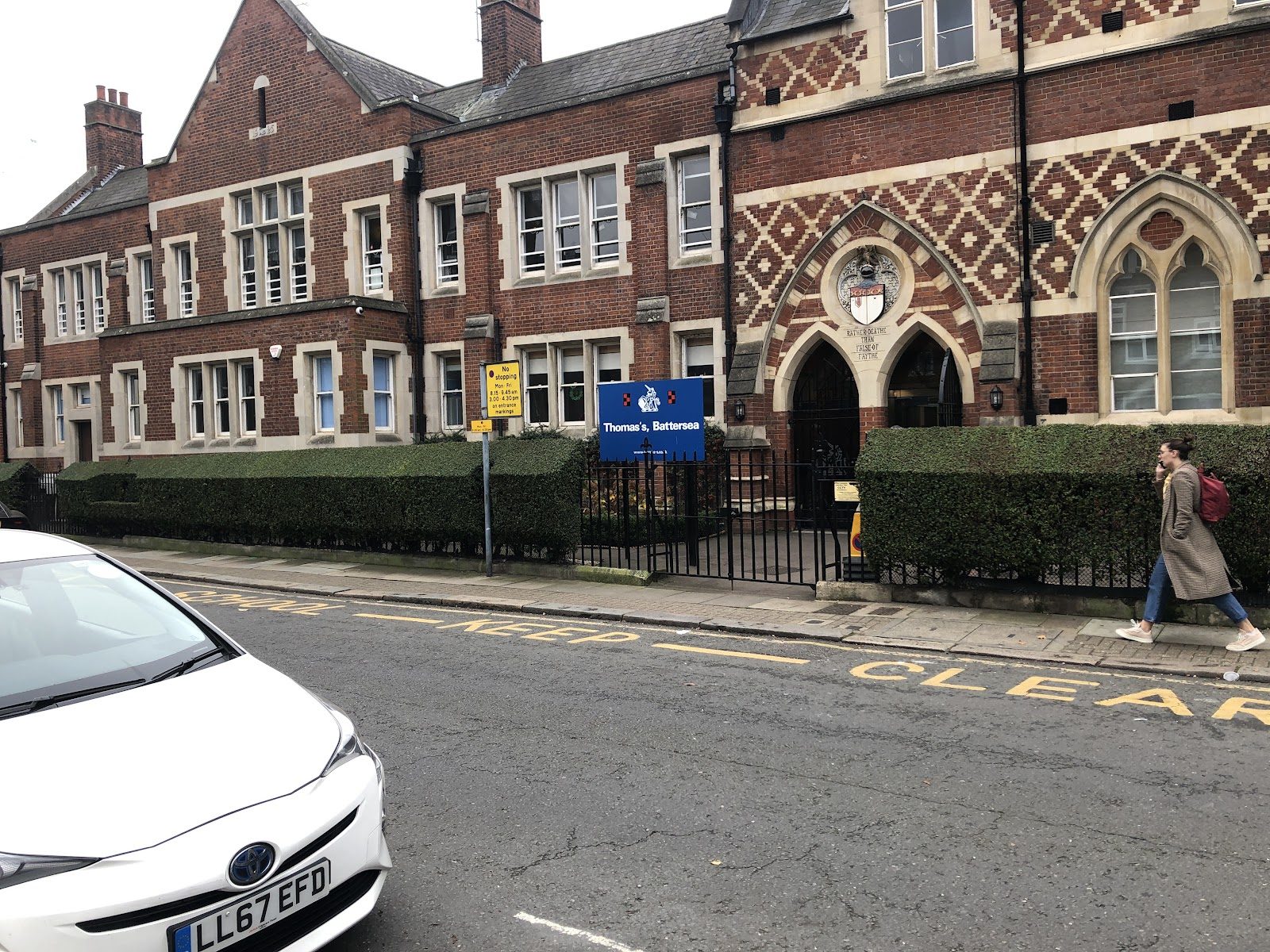
Thomas's Battersea
London · United Kingdom
In a former Victorian art school, an 'enquiry mindset' and a 'Be Kind' ethos feed London's top senior schools.
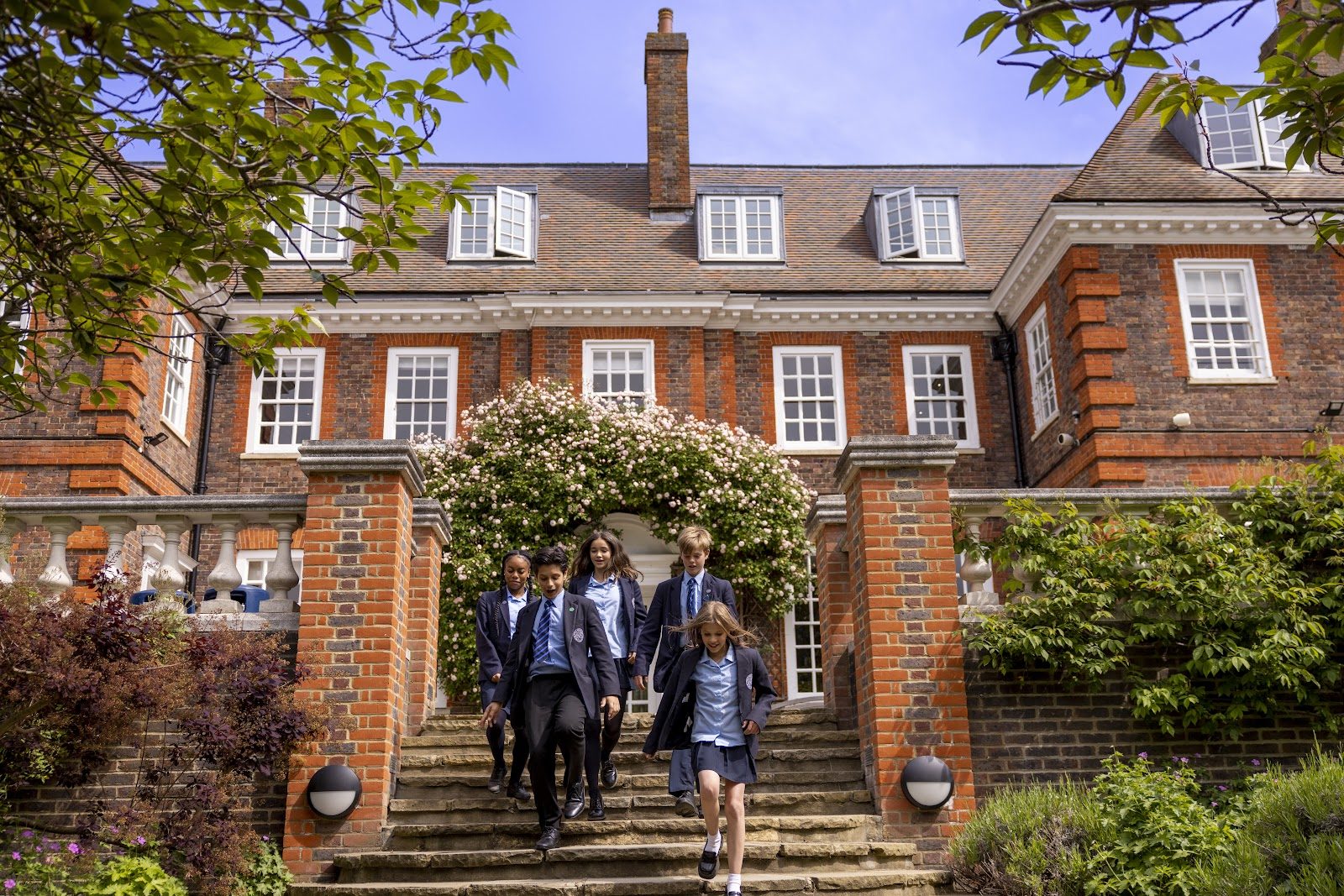
Ibstock Place School
London · United Kingdom
On the fringe of Richmond Park, a Froebel-founded day school has championed co-education since 1894.

Downe House School
Cold Ash · United Kingdom
Rooted in Charles Darwin's former home, now a 110-acre Berkshire estate where science thrives and Oxbridge ambition runs deep.

Oakham School
Oakham · United Kingdom
Where a 1584 market-town foundation meets Rutland Water sailing, early co-education, and a long-standing IB Diploma alongside A-levels.
Same country and curriculum — closest matches within ±10 points either way