Nakuru County
Pembroke House School
medium confidence· 4/6 cats · 3.12 avg sourcesNearly a century deep in the Great Rift Valley, this British prep drills pupils through Common Entrance into top senior schools abroad.
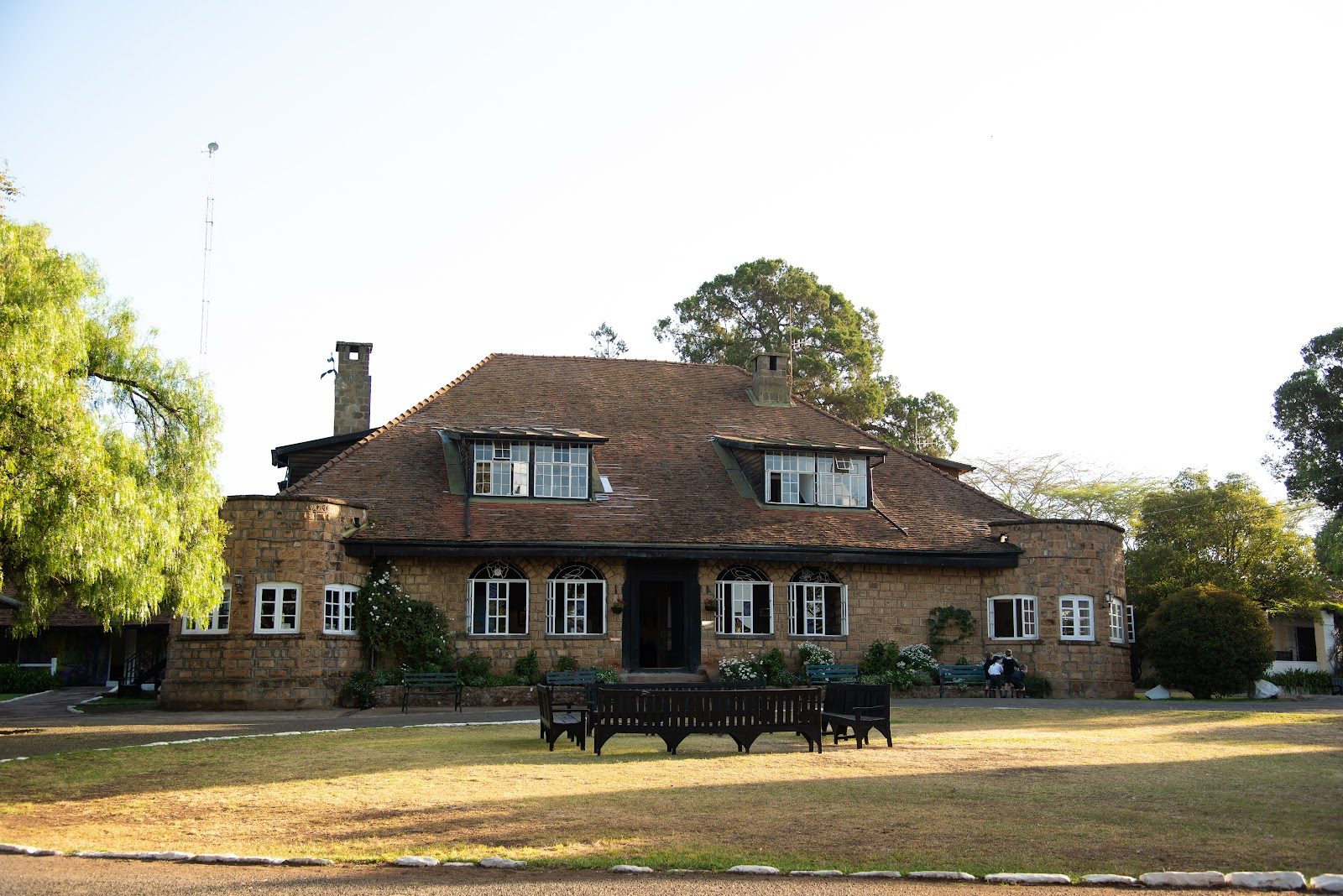
Photo © Pembroke House School via Google Maps
Type
Both
Ages
3–18
Curriculum
British · IB
Ratio
—
The Verdict
Editor's commitment
Right for
Families wanting a Kenyan boarding school founded in 1927, teaching in English, with British and IB pathways under CIS and IBO badges.
Wrong for
Parents after a local Kenyan curriculum, religious formation, or bargain pricing: average fees run to $25,000 day and $40,000 boarding.
Watch out for
The ages 3–18 span invites assumptions of one seamless route; test how British prep and IB actually connect on this Gilgil campus.
Ranking breakdown
Pembroke House School · # of 1591
Composite score 60.0. 8 weighted criteria.
By criterion
Academic Outcomes
Weight 20%
#1156
of 1529 scored
University Placement
Weight 16%
#1164
of 1529 scored
Prestige & Heritage
Weight 12%
#995
of 1571 scored
Alumni Network
Weight 12%
#623
of 1530 scored
Facilities
Weight 12%
#1045
of 1534 scored
Transparency & Communications
Weight 8%
#1150
of 1532 scored
Peer & Industry Review
Weight 10%
#998
of 1548 scored
Admissions Selectivity & Demand
Weight 8%
#960
of 1529 scored
Score history
Pembroke House School · 2026
Movement across 2024–2026. Peer average overlaid.
Overall — 2024–2026
60.0/ 100
▲ +12.0 vs 2025
year on year
Peer & Industry Review
How Pembroke House School is regarded in the sector
60
Respected · low confidence
Pembroke House School is a well-known preparatory school in Kenya's Rift Valley, frequently mentioned alongside other established Kenyan prep schools (like Hillcrest and Banda) in expat parent forums discussing Kenyan education options for children before secondary boarding school. It has a long history (founded 1927) and is recognized within the Kenyan/East African international school community, but lacks the extensive independent press coverage, Tatler/Good Schools Guide entries, or global peer benchmarking seen in higher-tier international schools.
Editors' overview
Pembroke House sits in Gilgil, deep in Kenya’s Great Rift Valley, and that setting is not decorative. It defines the school’s appeal. Founded in 1927, this is an old East African boarding school with a British prep-school spine and an outward route into senior schools abroad. The school covers ages 3 to 18, runs as both day and boarding, teaches in English, and declares a British and IB curriculum. That combination is unusual: a school with serious boarding-school heritage that is not trapped in nostalgia and has enough curricular breadth to matter to internationally mobile families. Accreditation from CIS and the IBO gives it external ballast.
What puts Pembroke House on a shortlist is not polish or urban convenience; it is character, continuity and purpose. Parents looking for a glossy metropolitan international school will find stronger rivals elsewhere. Parents looking for a properly outdoors childhood, a campus culture shaped by boarding, and a school that still values resilience, routine and independence will find Pembroke House far more interesting. The fee level reinforces that position. At an average $25,000 a year for day pupils and $40,000 for boarders across the full age range, it sits in the premium bracket for Kenya, but not at the inflated end of the international-market spectrum. That matters for families who want full boarding-school infrastructure and an established name without paying London or Swiss-school prices.
The school will suit children who thrive with structure, community and a measure of old-school toughness. It will not suit every child. A pupil who needs constant urban stimulation, broad anonymity or a sleek, high-choice campus experience will find Pembroke House narrow. A pupil who likes sport, open space, house loyalty and the intimacy of a boarding environment will fit far better. The non-religious stance broadens its appeal, and the age span from 3 to 18 gives families continuity, but the core proposition stays clear: this is a distinctive, deep-rooted East African school for families who value formation as much as credentials. In a market crowded with generic international schools, Pembroke House offers something harder to replicate: a strong sense of place and a boarding culture with real staying power.
Academic Performance
Pembroke House does not publish a full public run of external exam data, and that limits any hard comparison with stronger-reporting peers. There are no aggregate IB diploma figures in the public domain, no subject-by-subject breakdowns, and no multi-year trend tables that let parents judge consistency. That opacity matters. In a market where serious academic schools now publish average scores, pass rates and university destinations with precision, Pembroke House asks families to trust reputation more than numbers. For a school with a long-established name, that is a clear weakness in the academic case.
The stronger signal lies at the prep end. The school’s reputation has long rested on getting pupils through Common Entrance and into selective senior schools overseas, and that gives it a different academic profile from broad-market international schools built around headline diploma statistics. That route can produce solid, disciplined preparation, but it also narrows the evidence base for parents who want clean benchmarking at senior level. Relative to peers, Pembroke House sits in the group of schools valued for formation as much as examination output: credible, established, and distinctive, but not transparent enough to rank among the region’s most data-led academic operators. Until the school publishes cohort results and destination patterns in a consistent format, its academic standing rests on institutional memory rather than verifiable public performance.
Facilities
Pembroke House’s facilities matter less for architectural spectacle than for what they let children do all day. The core asset is land: a properly rural campus with room for riding, field sports and the daily movement that boarding schools need if they are to work. That gives Pembroke House an advantage over cramped city campuses, where sport and outdoor education depend on hired grounds and bus timetables. For younger children, that scale supports a more robust, outdoor school day. For older pupils, it underpins the school’s pastoral and sporting culture far more convincingly than a polished indoor build ever could. Families choosing Pembroke House are buying access to space, routine and physical independence, not a showroom campus.
Against peer schools, the trade-off is clear. Pembroke House is stronger on landscape, boarding life and equestrian provision than many urban international schools in Kenya, and that still counts for a lot. It is weaker where modern parents now expect visible specialist infrastructure: there is no strong public case for high-spec science centres, performing arts venues, design labs or slick sixth-form social spaces on the level offered by top capital-city competitors. That does not make the facilities poor; it makes them selective in emphasis. If your priority is a high-gloss, multi-building international campus packed with specialist amenities, stronger options exist. If your priority is open ground, sport and a campus that builds self-reliance through daily use, Pembroke House has a clear edge.
Among Kenyan schools, that gives Pembroke House a distinctive old-network cachet
Prestige
Pembroke House carries real prestige in a narrow, old East African sense rather than a mass-market international one. Its name still holds weight with families who know the region’s long-established boarding schools and with senior schools abroad that value proper prep-school formation: manners, independence, stamina and the habit of getting on with things. That is a durable kind of status. It does not depend on glossy branding or inflated claims. The school’s age range also matters here. A school that carries pupils through to 18 can trade on continuity and loyalty in a way stand-alone prep schools cannot, and boarding reinforces the tribal pull of houses, teams and shared routines. Among Kenyan schools, that gives Pembroke House a distinctive old-network cachet.
I rate that prestige as strong but specialised. This is not the school that dominates public conversation through published elite exam data, high-volume university placements or metropolitan social visibility. Its status rests on heritage, name recognition and the confidence it inspires among families who want a child shaped as much as taught. That makes Pembroke House more insider-prestigious than broadly aspirational. In plain terms: within the circle of parents who prize boarding tradition and the British prep route, it has clout. Outside that circle, the brand is less powerful than bigger international schools with louder academic disclosure and more global-facing reputations. The fees — $25,000 for day pupils and $40,000 for boarders on average across the ladder — support that reading: expensive, established and serious, but not in the ultra-luxury prestige tier.
This is not for the faint-hearted, and that is exactly why it remains distinctive
Communications
Pembroke House communicates in the manner of an established boarding school: direct, functional and community-led rather than sleek. That has strengths. Parents choosing a school with this kind of culture do not need endless lifestyle content; they need clear operational information, confidence that staff know their children, and steady contact around routines, travel, pastoral issues and school life. The school’s structure gives it a built-in advantage here. In a close boarding environment, communication tends to run through house, tutor and year-group relationships rather than through a heavy corporate layer, and that can make exchanges more personal, faster and less stage-managed. When it works, it builds trust through familiarity rather than presentation.
The weakness is the same one visible elsewhere in the school’s public face: polish and disclosure are not its strongest suits. Parents who want rich public reporting, frequent data dashboards, detailed academic updates and a highly engineered digital parent experience will find Pembroke House old-school and opaque. The communication style fits families already comfortable with boarding culture; it asks more confidence from those new to it. My judgement: effective for current families who value straight dealing and human access, less effective for prospective parents who expect a high-transparency information flow before committing serious money — an average of $25,000 for day pupils or $40,000 for boarders across the school.
Uniqueness
What sets Pembroke House apart is not novelty but survival. Very few schools still run on an old boarding-school grammar without turning it into theatre. Here, the remoteness, the house structure and the outdoor bias still shape daily life rather than decorate the prospectus. That gives pupils something harder to manufacture than enrichment: real self-reliance. Children learn to organise themselves, live closely with others, tolerate discomfort and carry responsibility beyond the classroom. In a market full of polished international schools selling flexibility and choice, Pembroke House holds to a stricter, more old-fashioned bargain: the school asks more of the child, and in return gives a more formative education.
That distinctiveness brings gains and limits. For the right pupil, the result is deep-rooted confidence, strong peer loyalty and an ease with practical challenge that day schools struggle to build. The through-school span to 18 also gives the community unusual continuity; older pupils are not just exam candidates but visible models for younger children. The school’s premium pricing reinforces the point: families are paying an average of $40,000 to board not for metropolitan gloss but for immersion in a way of growing up that has become rare. This is not for the faint-hearted, and that is exactly why it remains distinctive.
Pembroke House sits in Gilgil, deep in Kenya’s Great Rift Valley, and that setting is not decorative
Student Profile
Pembroke House suits children who do not need hand-holding. The best fit is a pupil who enjoys being outdoors, accepts routine, and can live within a close community without constant negotiation or drama. Sporty children, practical children and those with a decent tolerance for mud, rules and shared life will do well. So will pupils who like clear expectations and respond to adults who set boundaries without endless explanation. This is a school for families choosing structure over softness, community over anonymity and resilience over cosseting. The through-school span to 18 also matters: younger pupils grow up in view of older ones, and that shapes behaviour, ambition and social tone more firmly than in looser all-through schools.
The weaker fit is just as clear. A child who wants a wide social scene, heavy urban stimulation or a high-choice, highly personalised school experience will find Pembroke narrow. Pupils who are intensely academic but indifferent to the wider life of a school may also feel constrained; the culture rewards contribution, stamina and participation, not just grades. Boarding shifts the centre of gravity even for day families, so parents need to want that world rather than merely tolerate it. At an average of $40,000 for boarders, this is also a serious commitment for families buying into a demanding, old-school environment. For the right child, it can be deeply formative. For the wrong one, it will feel hard-edged and unforgiving.
Founded in 1927, this is an old East African boarding school with a British prep-school spine and an outward route into senior schools abroad
Co-curricular strengths
Arts & sport, on a separate axis
Overall 7.8/10
Scored 0-10 from the school's own published evidence. This axis is editorial-only — it does not feed the main WTS ranking.
Sports
8.5/10
Multiple sports explicitly—rugby, hockey, cricket, football, athletics, swimming, tennis and horse riding—and the review cites substantial playing fields plus space for riding and other field-based activities, indicating a strong, broad sports programme with dedicated provision.
Drama
8/10
Drama is explicitly named in the extracurriculars list, but no further detail on productions, facilities, staff or results is provided.
Dance
5.5/10
Music
8.5/10
Music ensembles, which goes beyond a bare listing of 'music' and indicates organised participation, but no named facility, specialist staff or competitive distinction is described.
Visual Arts
8.5/10
Editor first-pass · editor-reviewable · 7/27/2026
Strengths
- +British and IB pathways through age 18
- +Ages 3–18 on one campus
- +10:1 student-teacher ratio
- +CIS and IBO accredited
Considerations
- −Boarding fees reach USD 40,000 annually
- −Day fees reach USD 25,000 annually
- −Boarding may not suit all families
Availability
Primary entry gate & tests
Academic Record
Gallery
Photo © Pembroke House School via Google Maps
Photo © Pembroke House School via Google Maps
Photo © Pembroke House School via Google Maps
Photo © Pembroke House School via Google Maps
Photo © Pembroke House School via Google Maps
Photo © Pembroke House School via Google Maps
Photo © Pembroke House School via Google Maps
Photo © Pembroke House School via Google Maps
Photo © Vincent Barasa Maina via Google Maps
Parent reviews
Have you sent your child here?
Voice reviews carry the strongest trust badge — we transcribe them for you to tidy up before they go live. Prefer to type? A written review is fine too.
Add your voice
In 60 seconds, tell other parents: what's the best thing about Pembroke House School, and what surprised you when your child joined?
We ask for a Google sign-in so every review has a real face behind it — no anonymous drive-by attacks on schools, and no faked positive reviews. Your email is never shown publicly.
Send this profile to a friend
International parents rely on word-of-mouth. Share this review with someone weighing the same decision.
Schools with places
Similar schools to Pembroke House School with places available now.
Availability first, then country, area, curriculum, price, co-curricular
Consider also
Also worth looking at alongside Pembroke House School.
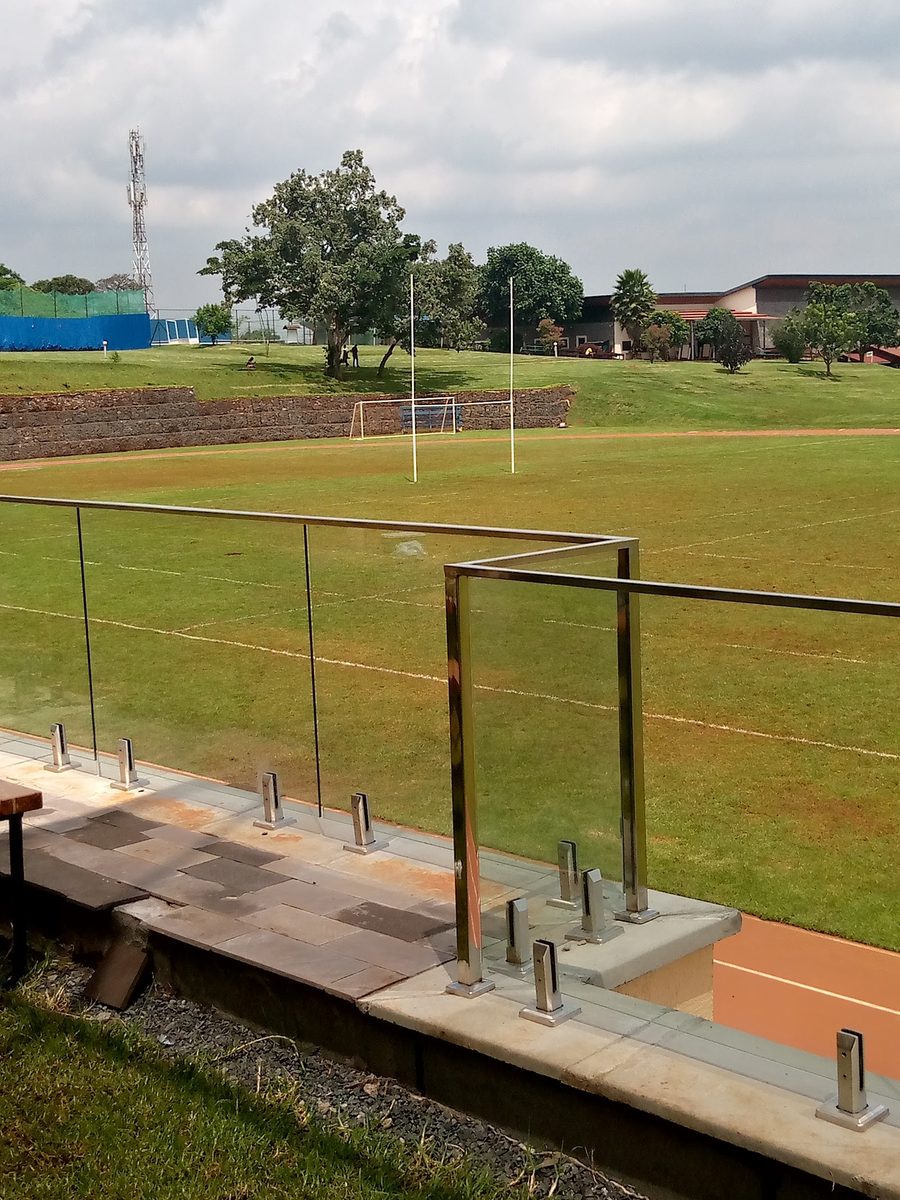
International School of Kenya
Nairobi · Kenya
Nestled on a former Nairobi coffee plantation, this embassy-backed campus channels a demanding IB pathway into global universities.
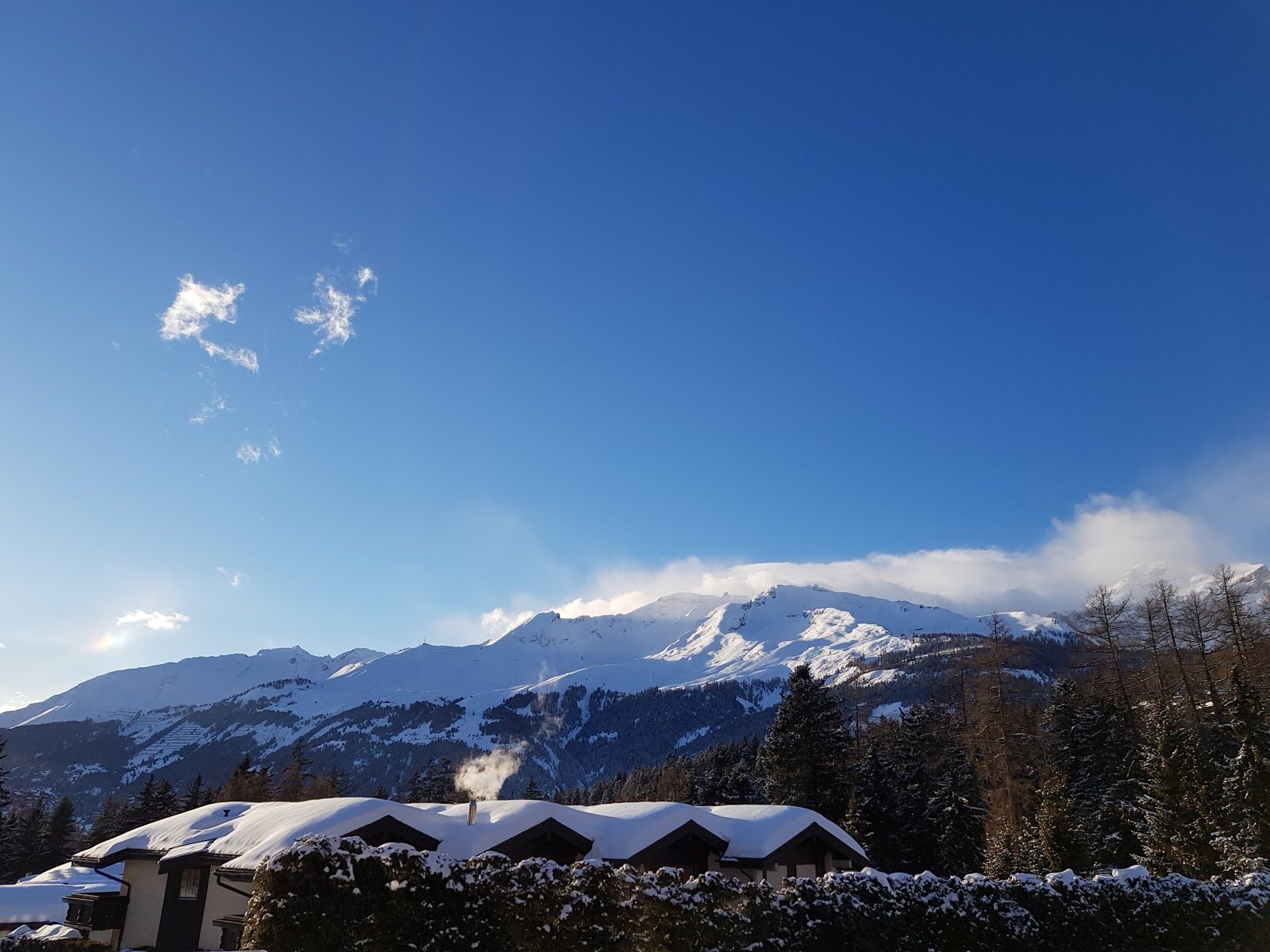
Le Régent International School
Crans-Montana · Switzerland
A purpose-built 2015 alpine campus at 1,500m pairing British and IB curricula with daily ski-in, ski-out outdoor education.
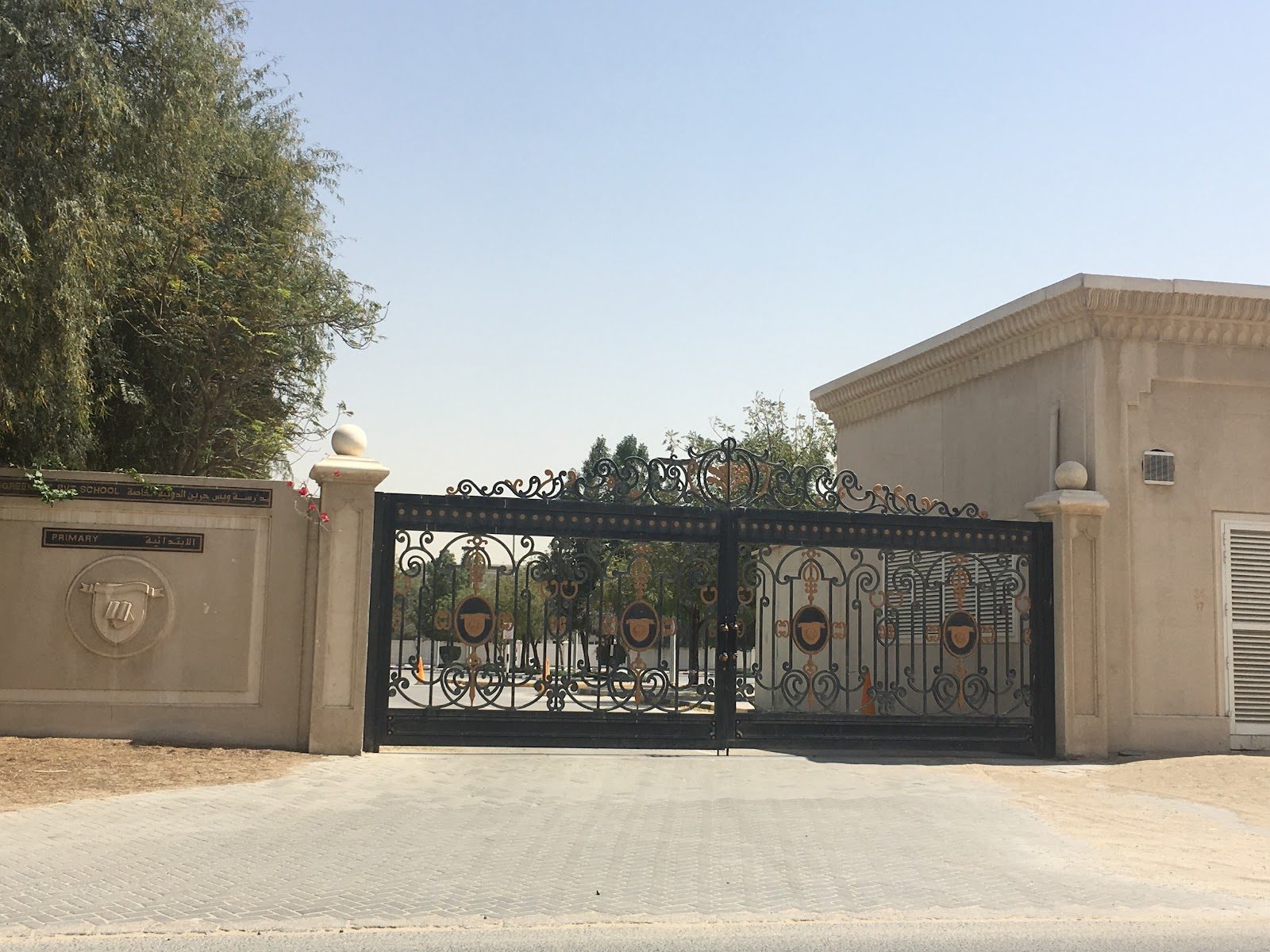
Wesgreen International School
Sharjah · United Arab Emirates
Founded by Sharjah's royal family in 1991, it runs separate boys' and girls' secondary campuses under a British Cambridge curriculum.

Marymount International School London
Kingston upon Thames · United Kingdom
A Catholic girls' day-and-boarding school in Kingston upon Thames that became Britain's first to adopt the IB from Middle Years through Diploma.
Same country and curriculum — closest matches within ±10 points either way