
Bavaria
Phorms Campus München
low confidence· 4/6 cats · 1.11 avg sourcesIn leafy Bogenhausen, the Bavarian Abitur runs alongside the IB Diploma, every class co-taught by native German and English staff.
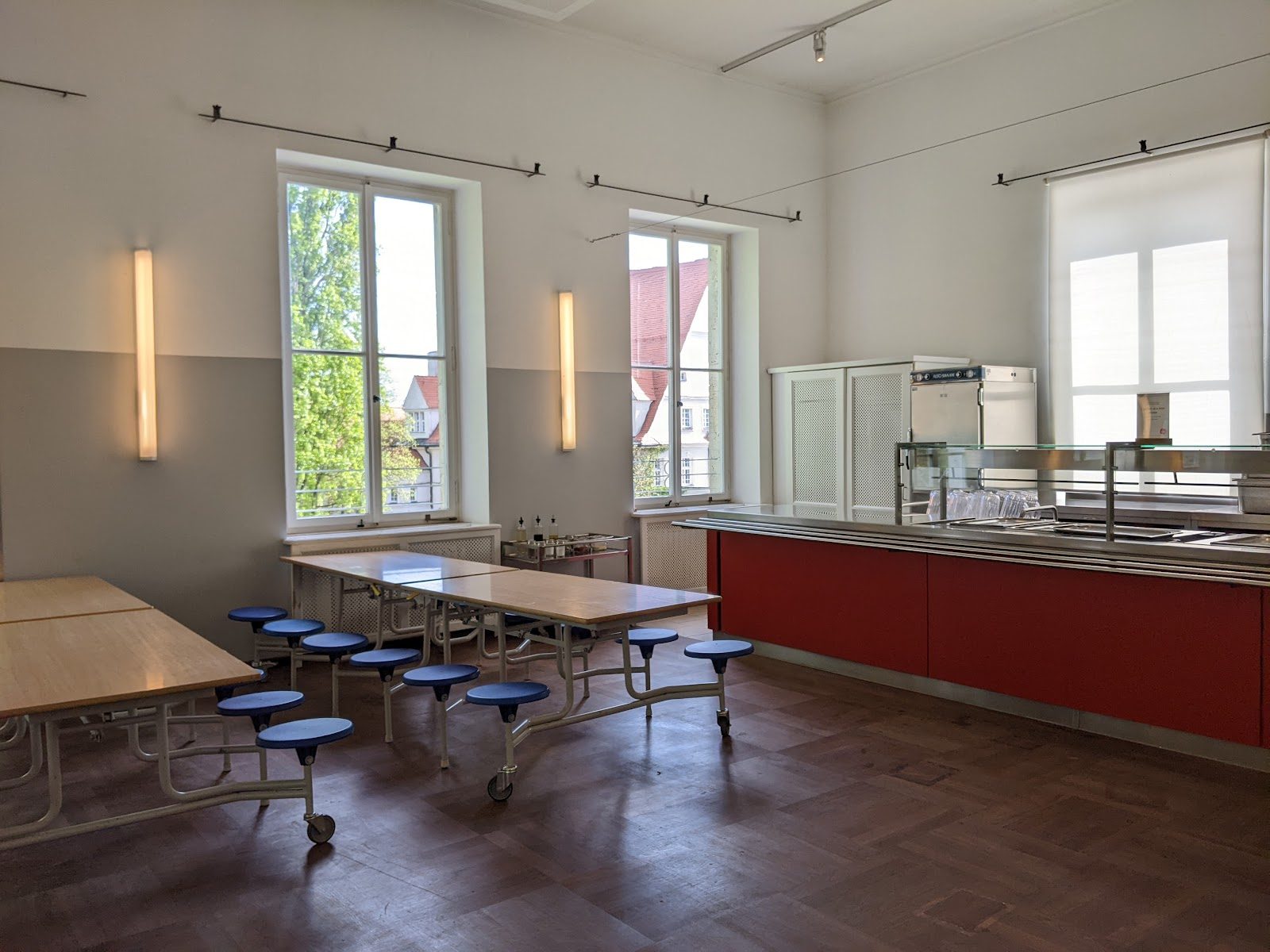
Photo © Sandra K via Google Maps
Type
Day
Ages
3–18
Curriculum
German Abitur · British
Qualifications
IGCSE
Ratio
—
The Verdict
Editor's commitment
Right for
Families in Munich who want one school from age 3 to 18, with German and English teaching and the Bavarian Abitur.
Wrong for
Parents wanting a single-curriculum school: since 2006, Phorms Campus München has mixed German Abitur with a British strand in Munich.
Watch out for
Bogenhausen's leafy setting and day-only format suit local families; they do nothing for anyone needing boarding or a simpler academic model.
Ranking breakdown
Phorms Campus München · # of 1591
Composite score 62.4. 8 weighted criteria.
By criterion
Academic Outcomes
Weight 20%
#1002
of 1529 scored
University Placement
Weight 16%
#1015
of 1529 scored
Prestige & Heritage
Weight 12%
#995
of 1571 scored
Alumni Network
Weight 12%
#623
of 1530 scored
Facilities
Weight 12%
#994
of 1534 scored
Transparency & Communications
Weight 8%
#1000
of 1532 scored
Peer & Industry Review
Weight 10%
#891
of 1548 scored
Admissions Selectivity & Demand
Weight 8%
#760
of 1529 scored
Peer & Industry Review
How Phorms Campus München is regarded in the sector
42
Regional · low confidence
Phorms Campus München is discussed in expat-parent forums such as Toytown Munich, where reviews of the bilingual private school network are mixed regarding fees versus academic outcomes, and German regional press (e.g., Süddeutsche Zeitung) has covered Phorms Education SE's business model and financial/organizational challenges rather than academic distinction. It does not appear in Tatler, Good Schools Guide, or 'best schools in Germany' rankings, and there is little evidence of a distinguished alumni network or peer-benchmarking reputation beyond its own marketing.
Evidence sources
Editors' overview
Phorms Campus München occupies a clear niche in Munich: a bilingual day school for families who want German academic substance without giving up English fluency. Its distinguishing feature is structural, not decorative. Teaching runs in both German and English from the early years onwards, with classes co-taught by native-speaking staff, and the school carries pupils through to age 18. That matters in a city full of educational trade-offs. Parents often face a blunt choice between a local route with strong German integration and an international route with stronger English-language continuity. Phorms narrows that gap. The school’s other advantage is location. Bogenhausen gives it a calmer, more civilised setting than many city-centre campuses, while keeping it firmly inside Munich’s professional and diplomatic orbit.
What puts it on a shortlist is the combination of two end points: the Bavarian Abitur and the IB Diploma. That is a serious offer. The Bavarian pathway carries weight locally and suits families who want access to German higher education without complication. The IB adds portability for internationally mobile households. Few schools in Munich combine those routes inside one bilingual framework. Founded in 2006, Phorms is not an old institution trading on inherited prestige; it is a modern school built around a specific market need. That brings strengths and limits. The strengths are coherence, linguistic ambition and a practical read on expatriate and mixed-nationality families. The limit is that this is not a grand, tradition-soaked German Gymnasium, nor a full Anglo-American international school. It sits between those models, and that in-between position is exactly the point.
The school will suit children who are adaptable, linguistically confident or ready to become so, and comfortable moving between two academic cultures. It suits families who want their child to operate in German society, not hover outside it, while still preserving real command of English. It also suits households where one parent is German and the other international, or where a relocation has made educational continuity urgent. The strongest fit is the student who thrives in a high-functioning bilingual routine, can handle a more demanding language load, and does not need the ceremony and social polish of a historic elite school to feel anchored. For parents, the attraction is plain: this is a serious bilingual proposition with a rare dual-outcome model in one of Germany’s most competitive school markets.
Academic Performance
Phorms Campus München does not publish enough hard attainment data for a clean verdict. We have not seen aggregate Abitur outcomes, subject distributions, average points, top-grade rates or university destination figures for the school as a whole. That is a real weakness in a market where ambitious parents expect numbers, not mood music. The only external result publicly trailed with any clarity is the IB: in one recent cohort, the school reported an average of 33 points, against a global average of 30.24. That puts the result above the worldwide baseline, but not in the top tier of Munich’s international market. It reads as solid rather than exceptional.
Relative to peers, that matters. In a city with schools that trumpet high IB averages, near-universal diploma pass rates and detailed leavers’ destinations, Phorms leaves too much unsaid. The bilingual structure and dual exit routes carry obvious academic complexity, but complexity is not performance. Parents considering the senior school need to ask for cohort size, full IB pass rates, score distribution, Abitur averages and where graduates actually go. Until the school discloses that consistently, its academic record sits in the credible but opaque category: good enough to merit interest, not transparent enough to command automatic confidence.
Facilities
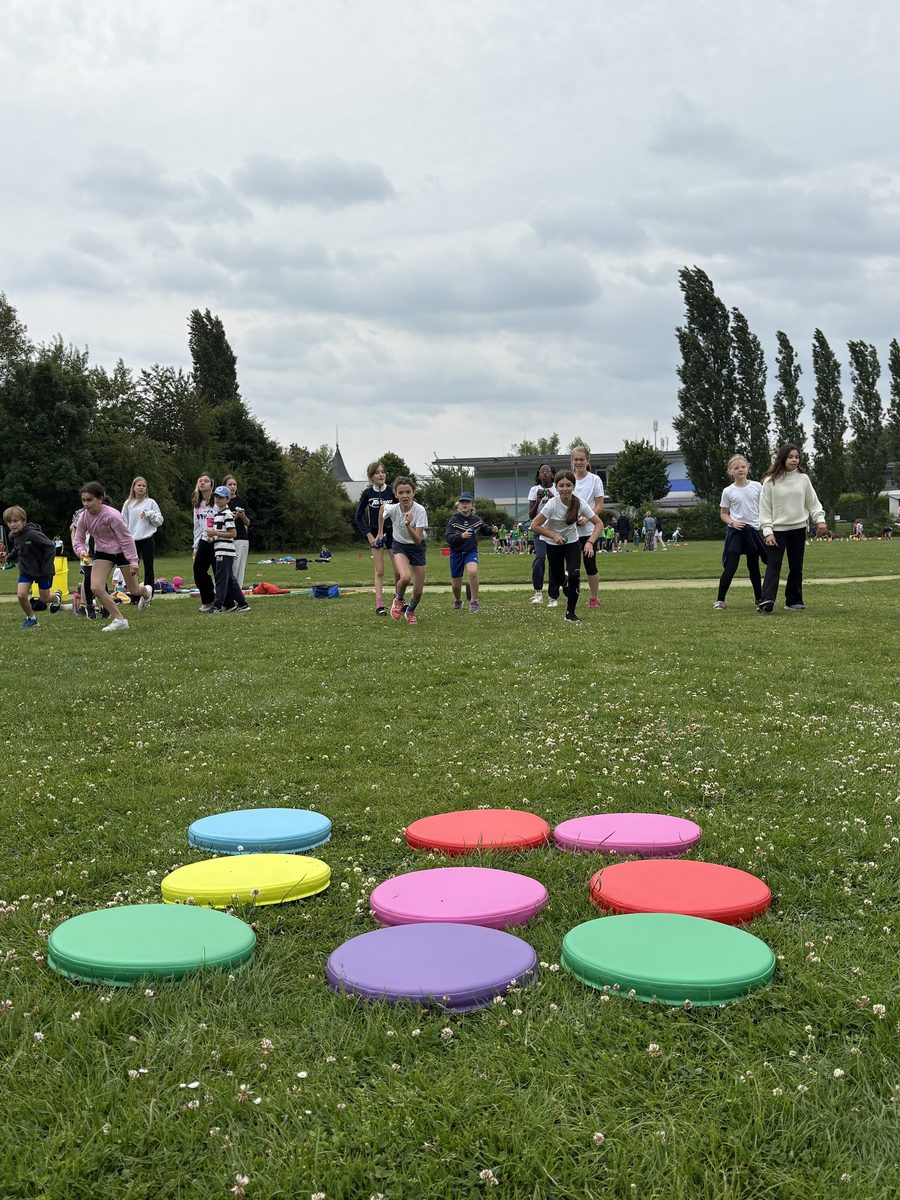
Phorms’ physical offer is competent, but it does not set the pace for Munich’s top-fee market. The school sits on a pleasant, green campus in Bogenhausen and makes good use of that setting with outdoor space for younger children, sports areas and the everyday advantages of a self-contained site rather than a stitched-together city property. The practical assets that matter most for families are the library, specialist science rooms, music provision, art spaces and sports facilities, including a sports hall and outdoor courts. For a school with a bilingual through-school structure, that is the expected baseline, and Phorms meets it. What it does not advertise is the kind of statement architecture or lavish specialist footprint that marks out the strongest-built campuses in the city.
Against direct peers, the facilities read as serviceable rather than exceptional. Families looking for extensive theatre infrastructure, elite-level aquatic provision, large-scale maker spaces or a broad menu of high-spec senior specialist centres will find richer hardware elsewhere. That does not make Phorms weak; it makes it focused. The campus supports day-to-day teaching well and gives younger pupils room to move, which counts for a lot in an urban market. But this is not a school where the buildings themselves carry the sales argument. Parents choosing Phorms should do so for the educational model and daily usability, not for flashy capital investment or a best-in-class campus estate.
Phorms Campus München occupies a clear niche in Munich: a bilingual day school for families who want German academic substance without giving up English fluency
Prestige
Phorms Campus München has selective appeal, not old-money prestige. In Munich’s fee-paying market, its name carries weight with internationally minded professional families who want a child inside the German system without surrendering English-speaking fluency. That is a practical form of status: informed, urban, career-conscious. It does not carry the social aura of a historic Bavarian institution, nor the global brand recognition of the biggest Anglo-American international schools. Parents buy into a functional advantage, not inherited cachet. The school’s public profile reflects that. It trades on bilingual delivery, dual-qualified staff teams and a route to two recognised school-leaving qualifications, rather than on elite tradition, celebrity alumni or headline-grabbing selectivity.
That leaves its prestige in the upper-middle tier: respected, credible and purpose-built, but not rarefied. The strongest source of esteem is fit. For bicultural families, returnees, and expatriates staying long enough to care about integration, the model solves a real problem that many schools in the city do not solve cleanly. That earns loyalty and word-of-mouth standing. The ceiling on prestige is transparency. The school does not publish the kind of outcomes data that turns respect into market authority. In a city where ambitious schools fight hard for academic distinction, opacity caps reputational power. The result is a school with clear standing among the right families, but not one that dominates Munich’s hierarchy on name alone.
Phorms Campus München does not publish enough hard attainment data for a clean verdict
Communications
Phorms communicates in a way that fits its market: organised, practical and geared to busy professional parents. The website is clear on day-to-day school life, admissions steps, key contacts and the broad shape of the educational offer. News flow is active enough to show a functioning school rather than a dormant brochure. Parent-facing messaging also carries the institutional voice of a network school, which brings consistency but flattens personality. You get process, reassurance and usable information; you do not get much intellectual texture, candid self-evaluation or a strong sense of how the senior academic culture actually feels from the inside. That matters because this is a school asking families to commit to a demanding bilingual model over many years. The communication does the practical basics well, but it stops short of full strategic transparency.
The sharper issue is disclosure. For a school serving ambitious families in a competitive market, too much of the information parents most want sits behind the admissions conversation or is absent altogether. We have not seen enough published data on outcomes, leavers’ destinations, cohort-level attainment or the harder evidence that turns trust into confidence. Nor does the public-facing communication give much room to institutional critique, distinction between phases, or a warts-and-all account of what this model asks of children who struggle with pace, language load or fit. So the verdict is mixed: operationally competent and reassuring, editorially thin. Parents will get answers, but they need to ask pointed questions to get the full picture.
Uniqueness
What sets Phorms apart is not a vague international gloss but a deliberate hybrid structure. Many schools offer extra English, a bilingual stream, or an international diploma tacked onto a local framework. Phorms builds the whole school day around dual access: children learn to read the room, the task and the expectations across two systems at once, from the first years through to school leaving. That gives students a form of educational flexibility that is genuinely hard to replicate elsewhere in Munich. They are not trained only for expatriate mobility or only for German institutional fluency; they are trained for both. For the right child, that is a serious long-term asset. It produces linguistic ease, but also a sharper habit of code-switching between academic cultures, teacher styles and peer groups.
The benefit is practical, not abstract. Students gain a wider field of choice at the end of school and a stronger chance of operating comfortably in mixed settings: German universities, international degree courses, multilingual workplaces, bicultural families. The co-teaching model also matters. Native-speaking staff in each class reduce the artificiality that weak bilingual schools fall into, where one language becomes decorative and the other does the real academic work. Here, both languages carry authority. That demands more from students. Some children will find the constant gear-changing intellectually bracing; others will find it demanding to the point of strain. That tension is part of the school’s identity. Phorms is for families who want full immersion, not a token international layer.
Phorms Campus München has selective appeal, not old-money prestige
Student Profile
The social fit is narrower than the admissions pitch at many bilingual schools. Phorms works best for children who can tolerate cognitive traffic: switching codes, absorbing instructions delivered through two adult voices, and accepting that the school day asks for constant adjustment rather than one settled mode. The strongest candidates are internationally mobile children, bicultural families, and pupils with one foot in German life and another in a more global household culture. Children who are curious, verbally alert and comfortable with ambiguity will do well. So will pupils who do not need a grand institutional myth to feel secure. What matters here is adaptability, not polish. For the right child, that produces real fluency and a usefully elastic identity by the time they reach the senior years.
The weaker fit is just as clear. Children who need a slow academic ramp, strong monolingual anchoring or a highly traditional social environment can find this model hard work. So can pupils who are easily knocked by comparison, because bilingual settings reward speed of processing and social confidence as much as diligence. Parents should also think hard about peer culture. In a through-school running from 3 to 18, friendships and identity formation happen inside a tight, self-reinforcing community. That suits families who want continuity. It suits ambitious, organised households too. It does not suit those looking for a loose, laissez-faire school experience or a soft landing for a child who already feels stretched.
We have not seen aggregate Abitur outcomes, subject distributions, average points, top-grade rates or university destination figures for the school as a whole
Co-curricular strengths
Arts & sport, on a separate axis
Overall 7.02/10
Scored 0-10 from the school's own published evidence. This axis is editorial-only — it does not feed the main WTS ranking.
Sports
7.8/10
Drama
6.5/10
Dance
5.5/10
Music
7.5/10
Visual Arts
7.8/10
Editor first-pass · editor-reviewable · 7/29/2026
Strengths
- +Bilingual German-English teaching throughout ages 3–18.
- +Offers both German Abitur and British IGCSE pathways.
- +Continuous day schooling from kindergarten to Gymnasium.
- +Non-religious setting may suit secular international families.
Considerations
- −Day school only; no boarding option.
- −German-English model may not suit single-language preferences.
- −Munich location limits options outside one city.
Availability
Primary entry gate & tests
Academic Record
Gallery
Photo © Phorms Campus München via Google Maps
Photo © Phorms Campus München via Google Maps
Photo © Phorms Campus München via Google Maps
Photo © Phorms Campus München via Google Maps
Photo © Phorms Campus München via Google Maps
Parent reviews
Have you sent your child here?
Voice reviews carry the strongest trust badge — we transcribe them for you to tidy up before they go live. Prefer to type? A written review is fine too.
Add your voice
In 60 seconds, tell other parents: what's the best thing about Phorms Campus München, and what surprised you when your child joined?
We ask for a Google sign-in so every review has a real face behind it — no anonymous drive-by attacks on schools, and no faked positive reviews. Your email is never shown publicly.
Send this profile to a friend
International parents rely on word-of-mouth. Share this review with someone weighing the same decision.
Schools with places
Similar schools to Phorms Campus München with places available now.
Bavarian International School
Munich · Germany
- 2026-27
- WAITPOOLSpace-dependent
- 2027-28
- PLACES OPENRolling
Munich International School
Starnberg · Germany
- 2026-27
- WAITPOOLSpace-dependent
- 2027-28
- PLACES OPENRolling
Availability first, then country, area, curriculum, price, co-curricular
Consider also
Also worth looking at alongside Phorms Campus München.
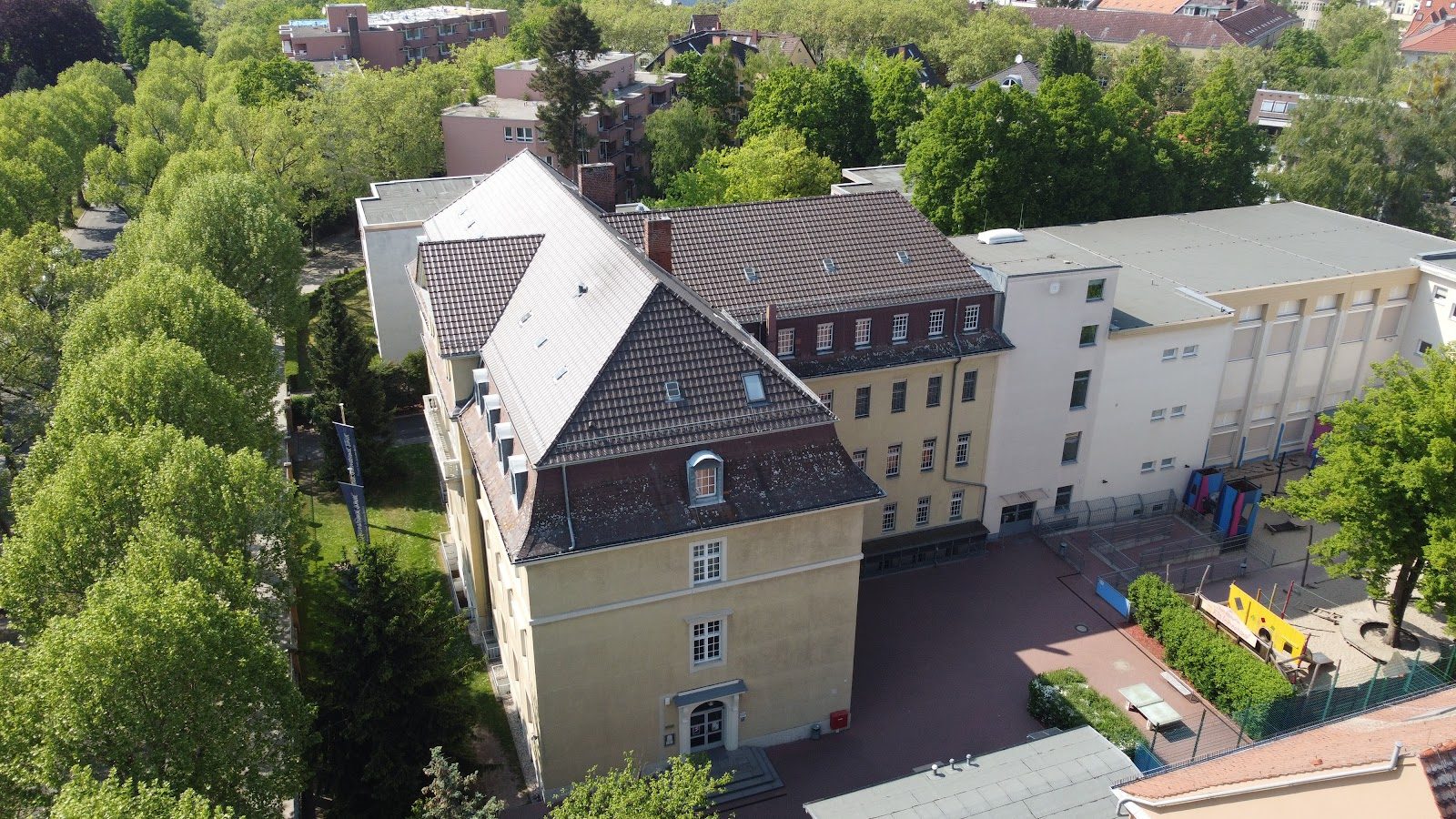
Berlin International School
Berlin · Germany
Born from the Bonn-to-Berlin embassy move, blending IB inquiry with Germany's own Rahmenlehrplan in the heart of the capital.
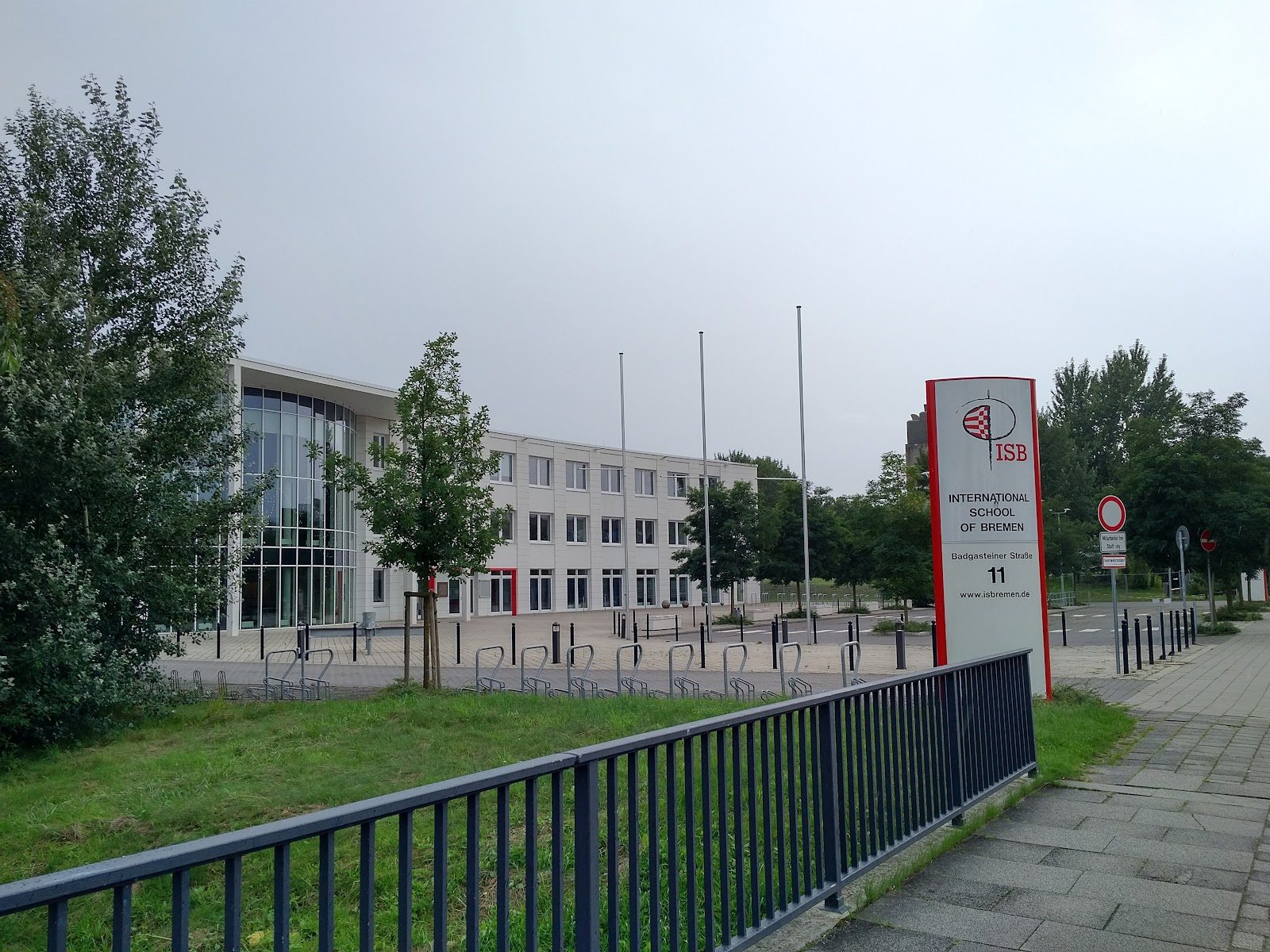
International School of Bremen
Bremen · Germany
On Bremen University's campus, Germany's only MINT-EC STEM-network school pairs IB rigor with hands-on science and engineering.
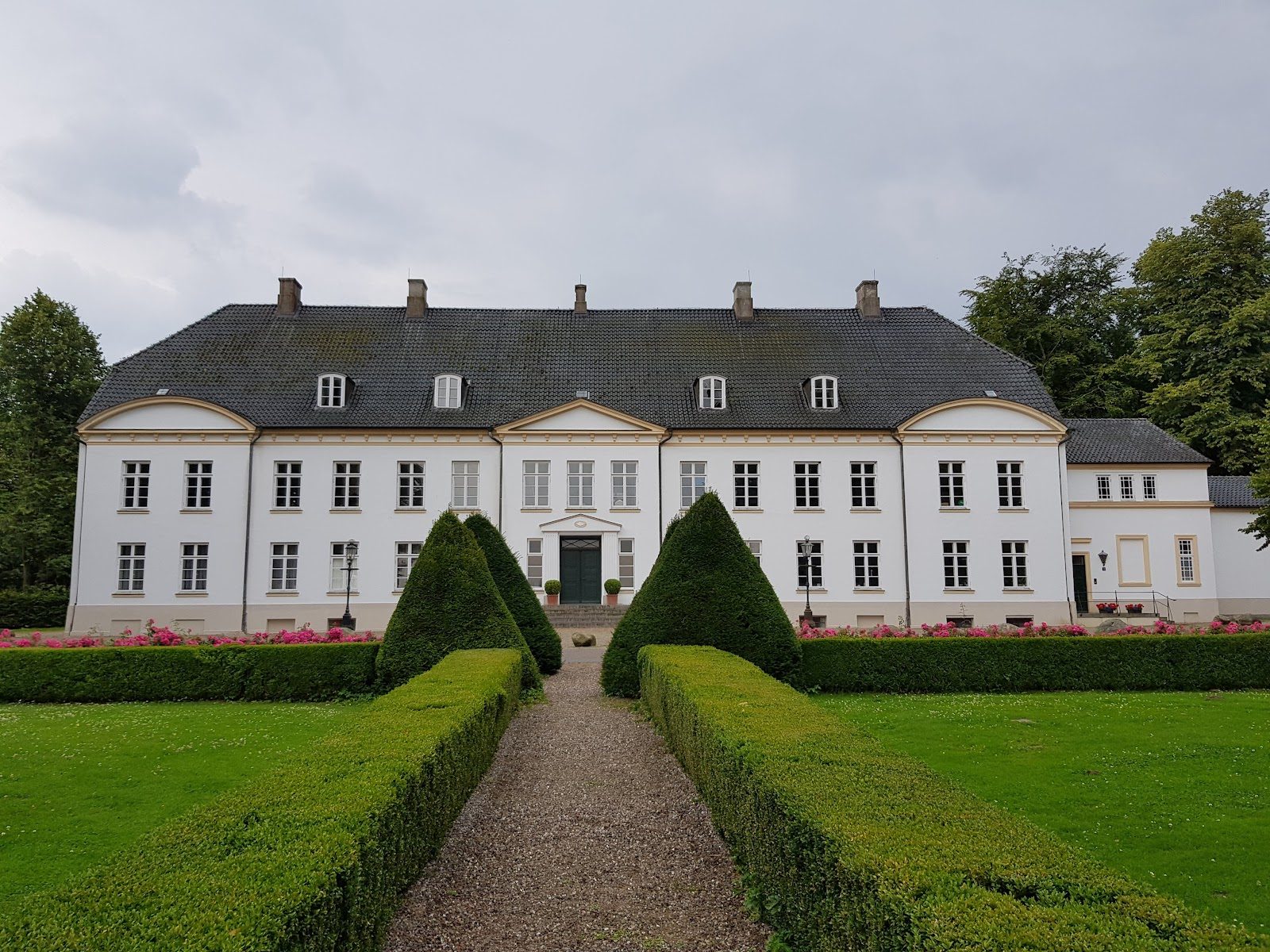
Stiftung Louisenlund
Güby · Germany
A fjord-side castle campus built on Kurt Hahn's ethos pairs IB rigor with a sailing harbour that breeds national champions.
Bonn International School
Bonn · Germany
A full IB continuum on the Rhine, where Model United Nations debate echoes Bonn's own UN-city profile.
Same country and curriculum — closest matches within ±10 points either way