
Oxfordshire
Radley College
high confidence· 6/6 cats · 3.35 avg sourcesEleven 'Socials' boarding houses anchor a full-boarding, all-boys community on an 800-acre Oxfordshire estate with its own golf course.
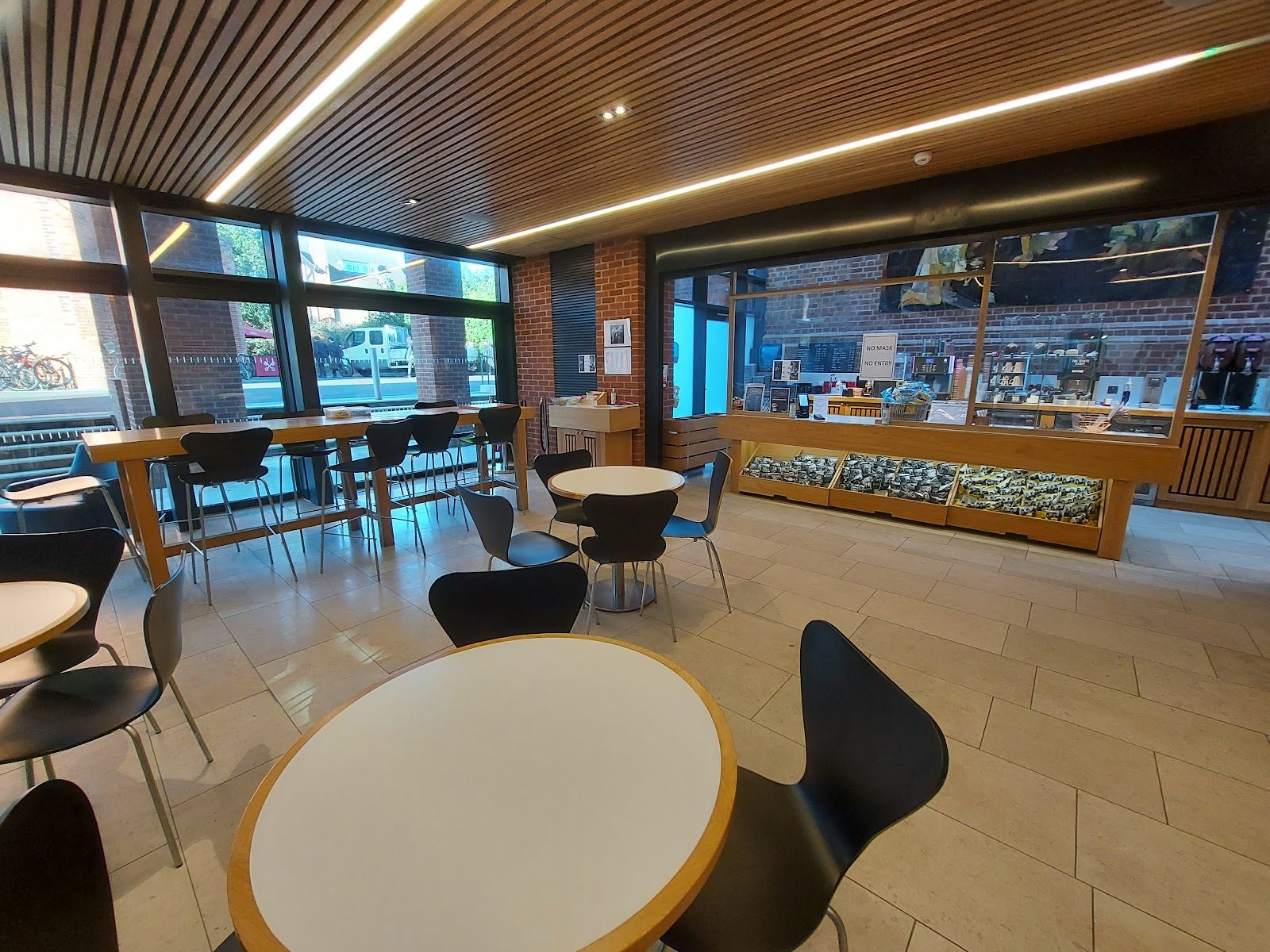
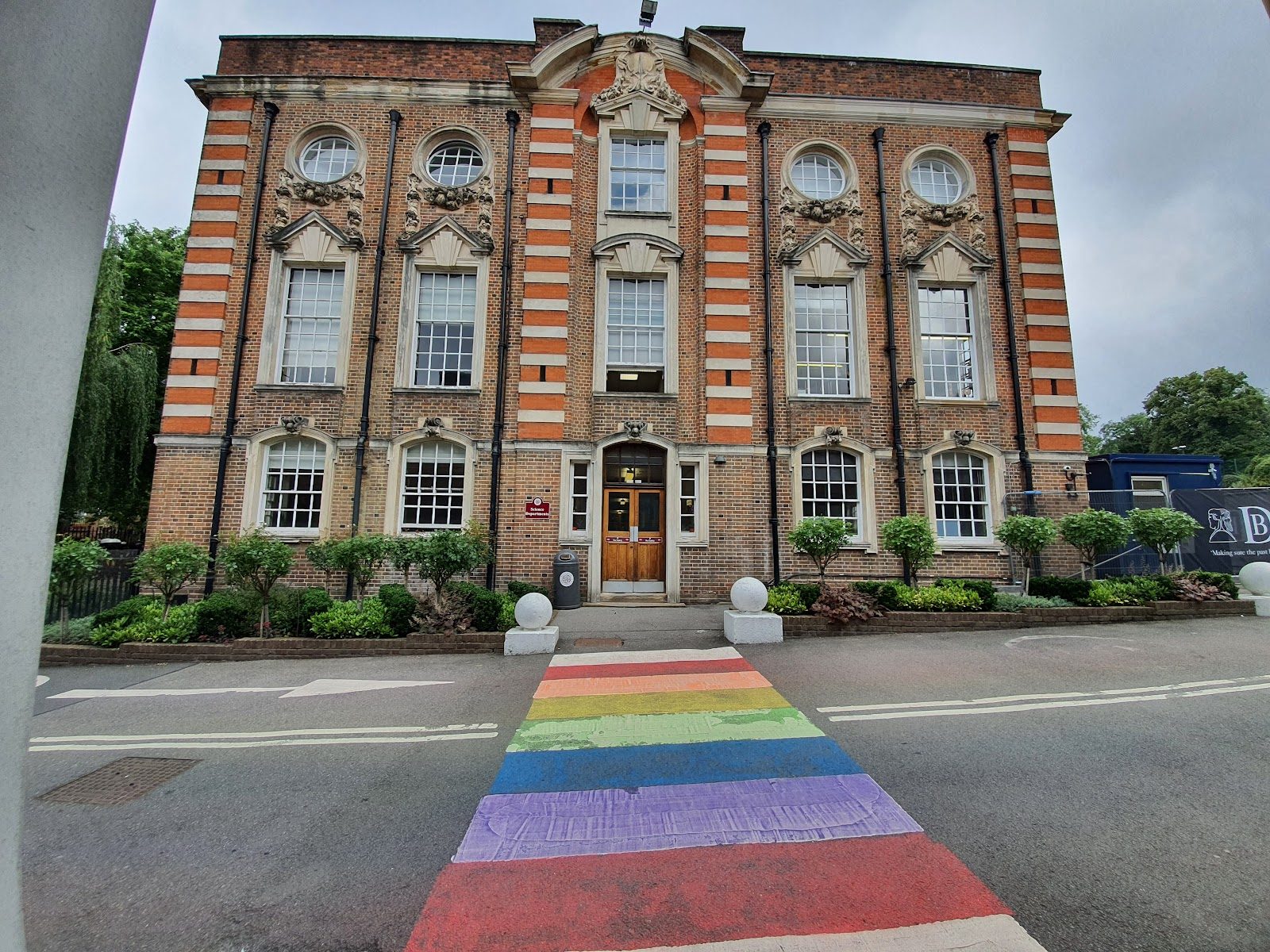
Photo © Tim P via Google Maps
Type
Boarding
Ages
13–18
Curriculum
British
Qualifications
A-Level
Ratio
10:1
The Verdict
Editor's commitment
Right for
Boys who want full boarding in an all-male community, 10:1 staffing and a clear route to Oxford, Cambridge and Durham.
Wrong for
Families wanting day school flexibility, co-education or lighter spend: boarding averages £64,000 a year across ages 13–18.
Watch out for
An 800-acre estate, golf course and 155-leaver cohort create scale and privilege; pastoral fit matters as much as results.
Ranking breakdown
Radley College · # of 1591
Composite score 70.2. 8 weighted criteria.
By criterion
Academic Outcomes
Weight 20%
#667
of 1529 scored
University Placement
Weight 16%
#649
of 1529 scored
Prestige & Heritage
Weight 12%
#289
of 1571 scored
Alumni Network
Weight 12%
#155
of 1530 scored
Facilities
Weight 12%
#329
of 1534 scored
Transparency & Communications
Weight 8%
#685
of 1532 scored
Peer & Industry Review
Weight 10%
#640
of 1548 scored
Admissions Selectivity & Demand
Weight 8%
#489
of 1529 scored
Score history
Radley College · 2026
Movement across 2024–2026. Peer average overlaid.
Overall — 2024–2026
70.2/ 100
▲ +12.3 vs 2025
year on year
Peer & Industry Review
How Radley College is regarded in the sector
88
Strong · high confidence
Radley College sits among the very top tier of British boys' boarding schools, one of only a handful in the country to remain fully boys-only and full-boarding. WhichSchoolAdvisor's review highlights an ISI inspection that rated the school "Excellent in all areas", with inspectors praising its "strongly competitive culture" and pupils who are "extremely confident without being arrogant". The Good Schools Guide is unequivocal, calling it "an absolute humdinger of a school", while Tatler named it Public School of the Year and praised the warmth of its pastoral care. Its inclusion on the Spear's Schools Index 2026, one of only a small number of UK schools to make the global top 100, confirms sustained sector-wide standing beyond domestic press alone.
Award
Elite Sport 80
World's Top School · The Global Ranking
Radley College is featured on our Global Top 80 ranking at #29. This seal is available for the school's marketing team to use on their website, prospectus and social channels.
Editors' overview
Radley trades on scale, ritual and total immersion. This is a full-boarding boys’ school for ages 13 to 18 on an 800-acre Oxfordshire estate, and it uses that setting hard: eleven “Socials” boarding houses, a chapel-centred rhythm, and enough land to include its own golf course. For parents weighing the older English boarding names, that matters. Radley is not a weekly-flex model with boarding bolted on; it is a properly residential school with a strong internal culture and a clear sense of itself. The academic offer is British, class sizes average 18, and the student-teacher ratio sits at 10:1. That is a serious staffing profile for a large boarding operation.
The attraction is the combination of traditional backbone and measurable academic delivery. In 2024, 155 leavers went on to university; 82% secured places at top-100 universities, 14 went to Oxbridge, and 50 to Russell Group institutions, with Oxford, Cambridge and Durham the strongest named destinations. Those are strong outcomes, and they give Radley substance beyond heritage and polish. ISI and HMC accreditation place it squarely in the upper tier of the British independent sector, while the Anglican foundation still matters to the school’s identity. At an average annual boarding fee of £64,000, Radley sits firmly in the expensive end of the market, and parents should expect a school with the confidence, infrastructure and expectations that price point demands.
What is special here is not novelty but institutional depth. Radley offers a very specific version of English boarding life: all-boys, fully residential, traditional in tone, large enough to field serious sport and co-curricular breadth, yet organised through house structures that give boys a smaller unit of belonging. The alumni footprint is deep too, with 320 notable alumni catalogued in Wikidata across politics, business, writing, the arts and elite sport. This is a school for boys who will thrive in a high-structure, community-heavy environment and who want the full boarding experience rather than a softened version of it. It suits families who value ambition, routine, pastoral containment and the social confidence that grows out of living among peers full-time. It will not suit every child. Boys who need a loose, informal atmosphere or a co-educational social world from age 13 should look elsewhere.
An Elite Sport 80 school
Radley College is one of the leading sporting boarding schools in the country, and sport sits at the heart of a full-boarding, seven-day-a-week rhythm built to fit in as many activities as possible. Its flagship specialism is rowing, supported by an established boathouse programme and a long record of success at Henley Royal Regatta and the Schools' Head, with a pipeline that has fed into GB Rowing squads and Olympic honours. Rugby fields a nationally competitive 1st XV, while hockey, cricket, tennis and the traditional racket sports round out a broad and serious games programme.
The strength of the offer is not simply competitive results but the scale of the estate that supports it: 800 acres of playing fields and open ground give room for sport to be central to school life rather than an add-on. Alumni across codes span Olympic rowers, England age-group cricketers and rugby internationals, reflecting a school where high sporting attainment is expected alongside academic breadth.
Radley is a full boys' boarding school that welcomes overseas families, with a formal admissions process and integrated pastoral and visa support. Sport scholarships, particularly in rowing, are part of the funding landscape alongside academic and other awards. Boarding fees sit at around £55,000 a year, and both boarding-house and scholarship windows open early, so overseas families relocating with a sport-focused son should typically begin conversations 12 to 24 months ahead of the intended entry point. For a family with a rowing-oriented child, Radley offers an unusually deep sporting environment alongside a mainstream British boarding-school academic pathway on A-level and Oxbridge trajectories.
Academic Performance
Radley puts exam results where serious parents expect them: in plain view. The school has a dedicated exam-results section and treats attainment as a core public metric, not a footnote buried under lifestyle photography. That matters. In the British boarding market, the dividing line is not between schools that talk about “holistic education” and schools that do not; it is between schools that publish hard outcomes and schools that dodge them. Radley sits on the right side of that line. Its university destinations reinforce the point: 14 Oxbridge places in one leaving cohort and 82% progression to top-100 universities place it in serious academic company, even if it does not trade on the exam-factory tone of the most relentlessly coached schools.
Relative to peers, Radley fits the top bracket of established boys’ boarding schools with strong sixth-form outcomes and enough breadth to send boys in multiple directions, not just into a narrow Oxbridge funnel. That is the more interesting marker of academic health. A school can post glossy top-end offers while serving a thin slice of the cohort well; Radley’s pattern points to a deeper bench. The academic proposition here is not radical or experimental. It is disciplined, conventional and built for families who want published results, credible university conversion and a culture that still prizes scholarship inside a tradition-heavy institution. What is missing in the public domain here is aggregate A-level and GCSE headline data in this brief, so parents who want a finer-grained comparison with Winchester, Eton or Westminster need those tables before making a final academic call.
Facilities
Radley’s estate is the headline facility because it changes what the school can offer day to day. This is not a compact boarding campus with one decent pitch and a theatre tucked behind reception. It spans 800 acres, with playing fields, a golf course, a lake and farmland, plus a sports centre and the Sewell Centre in the school’s own site architecture. Against peer boarding schools, that breadth puts Radley in the serious landed-school bracket: enough space for sport, outdoor activity and boarding life to run without constant compromise over timetabling or access. The gain for parents is practical, not romantic. Boys get room, range and a campus that functions as a self-contained world, which full boarding schools need if they are not to feel claustrophobic by mid-term.
The more distinctive question is whether the facilities are broad or merely grand. Here Radley does better than many prestige rivals. The school flags theatre, music, chapel, adventurous activities and partnership work alongside sport, which points to a campus used across the week rather than one dominated by a single games ethos. Eleven “Socials” also matter as infrastructure, not branding: house-based boarding on that scale gives the school multiple social centres instead of one monolithic dormitory system. Some competitors have shinier flagship buildings or more urban cultural access. Radley’s advantage is different: depth of provision, institutional coherence and the old-world luxury of space. For families who want polished metropolitan facilities, other schools do that better. For boys who want immersion, Radley is hard to beat.
A school can post glossy top-end offers while serving a thin slice of the cohort well; Radley’s pattern points to a deeper bench
Prestige
Radley’s prestige rests on three things that endure in the British market: age, continuity and social reach. This is not a school trading on fresh branding or imported glamour. It sits in the old English public-school tradition and draws authority from a system it has had generations to refine: chapel, houses, organised competition, alumni loyalty and a residential culture that shapes identity as much as classroom life. The Radleian Society alone claims 10,000 members worldwide and stages more than 40 events each year. That is not decorative networking. It is evidence of a deep-rooted institutional network with real shelf life. Add a verified floor of 320 notable alumni across politics, business, journalism, the arts and elite sport, and the prestige stops being atmospheric and becomes measurable.
Why not rate it even higher? Because Radley’s prestige is specific, not universal. It carries serious weight inside the British establishment and among families who value the old boarding-school grammar of status, loyalty and male formation. It carries less cachet with parents who want metropolitan modernity, co-education or a more intellectually austere reputation. In that sense, Radley is high-prestige without being omnipotent. It is not the sharpest badge in every room, but it is a formidable one in the rooms that matter for Britain’s professional, political and social elite. That is a strong verdict, and a precise one.
The more distinctive question is whether the facilities are broad or merely grand
Communications
Radley communicates with parents through a proper institutional apparatus, not through the improvisation that weakens many boarding schools. The site architecture alone tells the story: there is a dedicated Parent Zone with bulletins, term dates, events, staff directory, parent portal, calendar, exam information, sports fixtures and new-boy information, all sitting alongside a live stream and regular publications. That breadth matters because a full-boarding school runs on logistics as much as ethos. Parents need fixtures, travel timings, house routines, exam detail and calendar discipline in one place. Radley has built that framework, and it reads as orderly, well-drilled and administratively serious. The existence of a staff directory and parent portal also points to a school that expects ongoing contact, not just ceremonial set-pieces.
The stronger test is whether communication matches the culture. At Radley, it does. This is a high-control, tradition-bound institution with a dense calendar and a lot of moving parts, so parental communication needs to be formal, centralised and legible. The school’s public structure supports that. Parents also get clear entry points for admissions, fees, open days and funding, plus a distinct parent-facing area rather than one generic website for everyone. That is good practice. What we do not get is much visible texture about tone: there is less public evidence of how candidly the school handles pastoral issues, complaints or difficult news once boys are in post. So the verdict is strong, not perfect: Radley communicates with institutional competence and the right amount of structure for a boarding school of this scale, but the warmth and candour of that communication are harder to verify from the public-facing setup alone.
Uniqueness
What makes Radley distinct is not prestige alone but the way the institution is built. The school does not bolt boarding on to a day-school core; it organises life through 11 “Socials”, giving boys smaller loyalties and daily accountability inside a large, tradition-heavy whole. That matters more than brochure language about community. In practice, it means a boy is known by a house, measured against house standards and absorbed into a social rhythm that runs well beyond lessons. Add chapel, organised activity and a campus large enough to function as its own ecosystem, and Radley offers a fully immersive adolescence. For the right boy, that structure brings confidence, stamina and a strong sense of belonging. It also leaves less room to drift anonymously or opt out.
The estate sharpens that distinctiveness. Few schools can combine full residential life with this level of internal provision: sport, theatre, music, adventurous activity, even a golf course, all held within one institutional frame across 800 acres. Boys do not commute in and out of school life here; they live inside it. That brings rare continuity between academic work, friendships and extracurricular habits, which is one reason old loyalties run deep enough to sustain a worldwide alumni body of 10,000 members. The trade-off is plain. Radley suits boys who want intensity, ritual and collective life. It is a poor fit for families seeking co-education, urban looseness or a more casual social culture.
Some competitors have shinier flagship buildings or more urban cultural access
Student Profile
The boy who fits Radley wants to live inside a school, not just attend one. He is sociable, resilient and comfortable with rules, ritual and constant company. House life matters here because the school is organised around 11 Socials, and that structure rewards boys who can slot into a group, pull their weight and cope with the frictions of communal living without drama. Sport will matter to many boys, but the better marker is stamina: Radley suits teenagers who can handle a high-structure, all-in week and who gain energy from collective routines rather than guarding their independence. Boys who need extensive privacy, looser boundaries or a more casual adolescent culture will find the place constricting.
Temperament counts as much as raw ability. This is a strong fit for boys who are ambitious without needing constant theatrical display, and for families who value old-school manners, institutional loyalty and adult oversight that is present from morning to night. The public praise the school chooses to foreground centres on kindness and care, which matters in an all-boys environment where swagger can overwhelm weaker pastoral cultures. Radley’s best students are not one-note grinders or polished extroverts on stage all day; they are boys who can combine work, house identity, sport or music, chapel and the social demands of boarding without coming apart. For the right child, that produces structured confidence. For the wrong one, it feels totalising.
For parents weighing the older English boarding names, that matters
Co-curricular strengths
Arts & sport, on a separate axis
Overall 8.52/10
Scored 0-10 from the school's own published evidence. This axis is editorial-only — it does not feed the main WTS ranking.
Sports
9.9/10
Spanning an enormous 800-acre countryside estate; fields internationally dominant varsity rowing, rugby, and cricket squads.
Drama
9.2/10
The custom on-campus theater venue provides a highly technical, professional-standard space for major classical boy-centric productions.
Dance
4.5/10
Maintained strictly as a minor auxiliary component for theatrical physical movement blocks or house arts festivals.
Music
9.8/10
Exceptional choral lineage anchored by the historic chapel choir, alongside massive orchestral and brass band operations.
Visual Arts
9.2/10
Outstanding art school infrastructure running top-tier advanced studios for architecture, fine oil painting, and high-end digital media.
Editor-verified · 8/7/2026
Outcomes & destinations
Where students go next
Editorial estimateClass of 2024
155 graduates
A-Level distribution
97% covered
- A*30%
- A32%
- B28%
- C7%
Top destinations
64 placements
- Oxford· 8
- Cambridge· 6
- Durham· 12
- Edinburgh· 10
- Exeter· 9
- Newcastle· 8
- Bristol· 6
- Nottingham· 5
All-boys full-boarding; strong sport + traditional academic pathway.
Editor-approximated from the school's own leavers report. Awaiting school-attested figures.
Notable alumni · Wikidata
320notable alumni
185 historic (born pre-1930) · 26 modern (born post-1970)wikidata:2026-07-28 How we source this
The story in one line
54% achieved ≥ AAB in 2+ facilitating subjects·ISI Routine Inspection 2026
AAB with 2 facilitating subjects is the Department for Education's published predictor of admission to a top-third UK university: the pupil has scored high grades in at least two of the classic Russell-Group subjects (maths, sciences, English, history, geography, or a modern language). Independent schools don't appear in the state-only HE-destinations dataset, so this is the strongest DfE-verified sixth-form signal available. Source: DfE 16-18 school and college performance data · 2023/24. Value-added +0.32
DfE-verified statistics
Official GCSE data · 2024/2025
Progress 8
—
Value-added score. State-schools only; 0 = expected progress, +1 = one grade above.
Attainment 8
36
Average grade across 8 GCSEs (score out of 90). National ≈ 46.
EBacc average score
2.91
Avg grade across the 5 EBacc pillars (English, Maths, Sciences, Language, Humanity).
EBacc slots filled
2.6
How many of the 5 EBacc pillars pupils typically enter (max 5).
A-Level attainment
Cohort · 2023/24
Avg A-Level grade
A-
APS per entry: 48.08
Best 3 grade
A-
Best-3 APS: 48.30
≥ AAB + 2 fac.
54.0%
Russell-Group predictor.
Progress (value-added)
+0.32
Above average
Read with care. Independent schools frequently sit IGCSEs or Pre-U qualifications instead of standard GCSEs — DfE data only counts standard GCSEs, so these numbers may reflect a partial cohort. For a fuller picture, cross-check with the school's own annually-published results.
URN 123300Verified · DfE 2024/2025
Official inspection
ISI report · 2026
Inspectorate
Independent Schools Inspectorate
The Government-approved inspectorate for English independent schools.
Latest report
20 January 2026
Routine Inspection
Report history
Verified · Independent Schools InspectorateSource-of-truth
Strengths
- +Radley occupies an 800-acre rural campus near Abingdon with facilities including playing fields, a golf course, a lake and farmland, alongside dedicated sport, theatre and music provision.
- +The school's most recent full ISI inspection, held in 2019, graded it Excellent, and it is recorded by the regulator as Compliant.
- +Strong university outcomes: 82% of 2024 leavers progressed to top-100 universities, with 14 places at Oxbridge and a broad Russell Group cohort.
- +Sport is a genuine specialism, ranked among the country's leading boarding programmes with an Olympic and international-honours pipeline, particularly in rowing.
- +The full-boarding, single-sex model gives an unusually cohesive, immersive community for boys aged 13 to 18.
Considerations
- −Radley is boys-only and full-boarding: there is no day or flexi-boarding option, so a boy lives at school throughout term.
- −Boarding fees of around £55,000 a year place it among the highest in the UK independent sector, before extras such as music or trips.
- −Entry is selective and time-pressured, with 13+ registration recommended as early as the summer term of Year 5, so latecomers face reduced availability.
- −As a single-sex school, Radley sits apart from several historic peers that have gone co-educational, narrowing its social mix relative to those rivals.
Availability
Primary entry gate & tests
13+ ISEB / 16+ Exams (Boys)
Gallery
Photo © Tim P via Google Maps
Photo © Matthew Stonhouse via Google Maps
Photo © Manu Ruiz via Google Maps
Photo © Manu Ruiz via Google Maps
Photo © Radley College via Google Maps
Photo © Dina Sikorska via Google Maps
Photo © Radley College via Google Maps
Photo © Radley College via Google Maps
Photo © Radley College via Google Maps
Recommended reading
Independent write-ups of this school from editorial outlets we trust.
- Radley CollegeGood Schools Guide
Parent reviews
Have you sent your child here?
Voice reviews carry the strongest trust badge — we transcribe them for you to tidy up before they go live. Prefer to type? A written review is fine too.
Add your voice
In 60 seconds, tell other parents: what's the best thing about Radley College, and what surprised you when your child joined?
We ask for a Google sign-in so every review has a real face behind it — no anonymous drive-by attacks on schools, and no faked positive reviews. Your email is never shown publicly.
Send this profile to a friend
International parents rely on word-of-mouth. Share this review with someone weighing the same decision.
Schools with places
Similar schools to Radley College with places available now.
Oxford High School
Oxford · United Kingdom
- 2026-27
- CLOSEDStandard route
- 2027-28
- PLACES OPENCloses Oct/Nov
Abingdon School
Abingdon · United Kingdom
- 2026-27
- CLOSEDStandard route
- 2027-28
- PLACES OPEN11+/16+ Active (Closes 30 Oct); 13+ Closed
Magdalen College School
Oxford · United Kingdom
- 2026-27
- CLOSEDStandard route
- 2027-28
- PLACES OPENCloses Oct
Availability first, then country, area, curriculum, price, co-curricular
Consider also
Also worth looking at alongside Radley College.
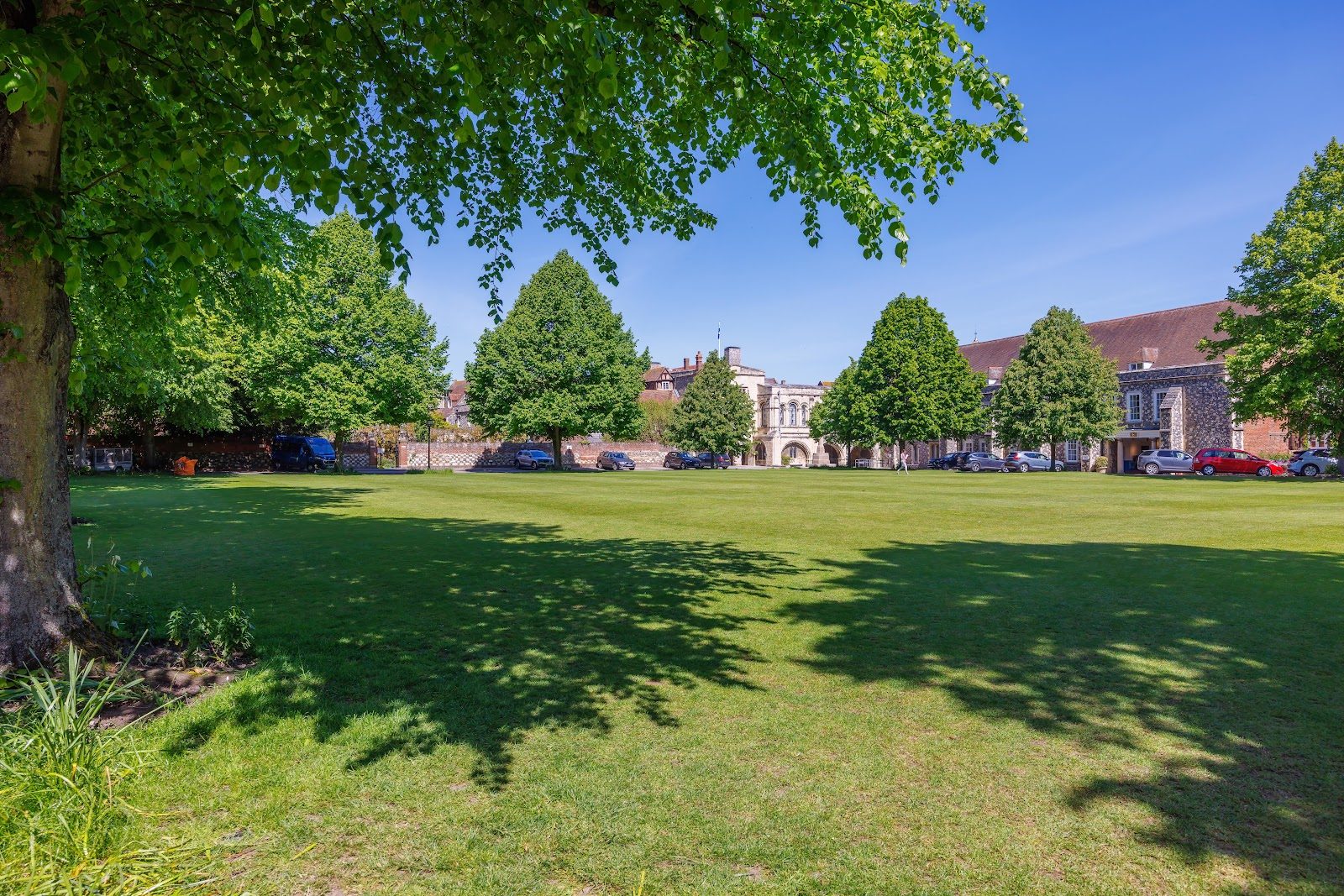
The King's School, Canterbury
Canterbury · United Kingdom
Inside Canterbury Cathedral's UNESCO precincts, lessons have run unbroken since 597 AD, folding King's Week festivities into daily life.
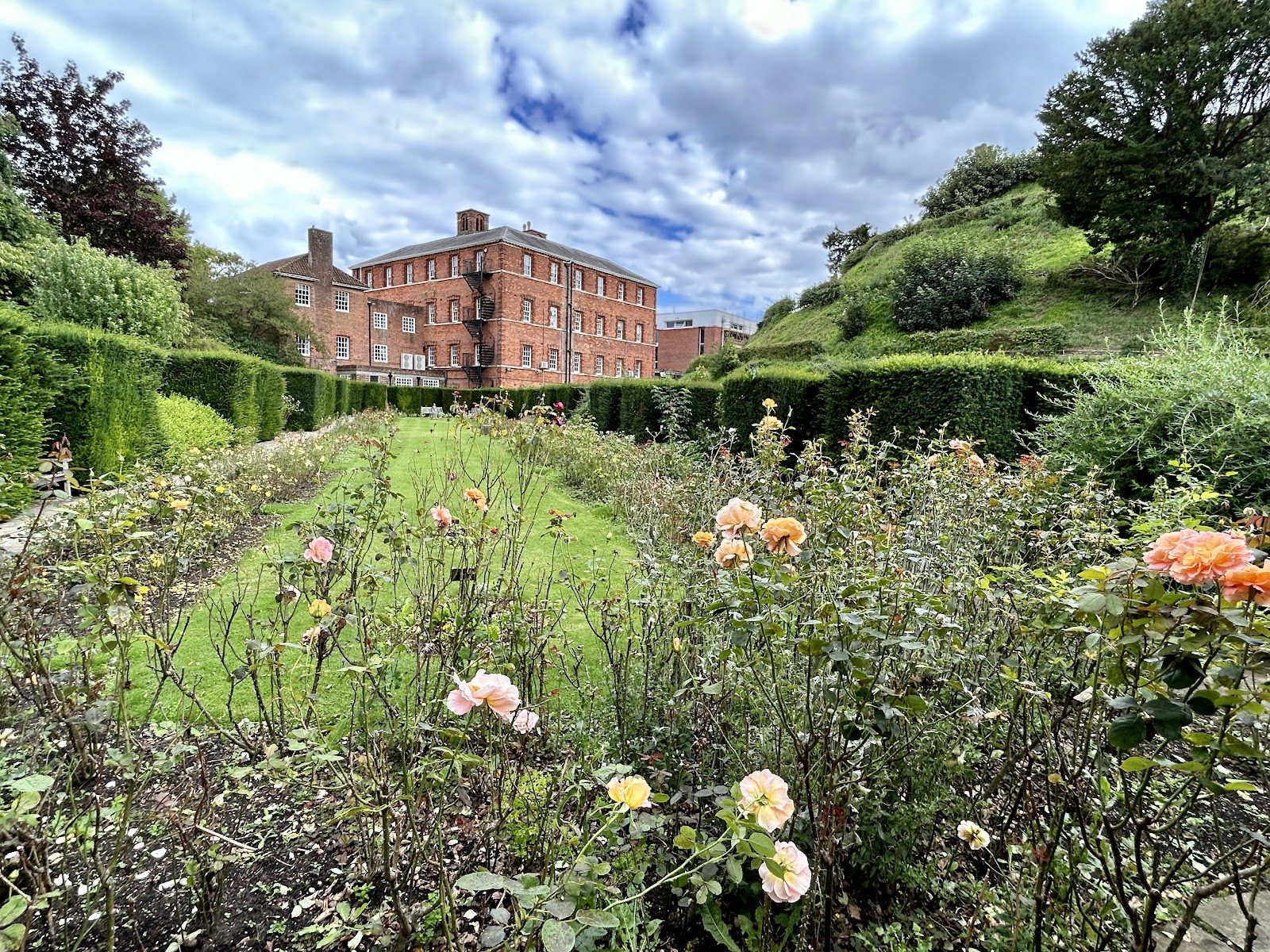
Marlborough College
Marlborough · United Kingdom
A 4,000-year-old Neolithic mound anchors a Wiltshire campus that pioneered co-education among Britain's boarding schools.
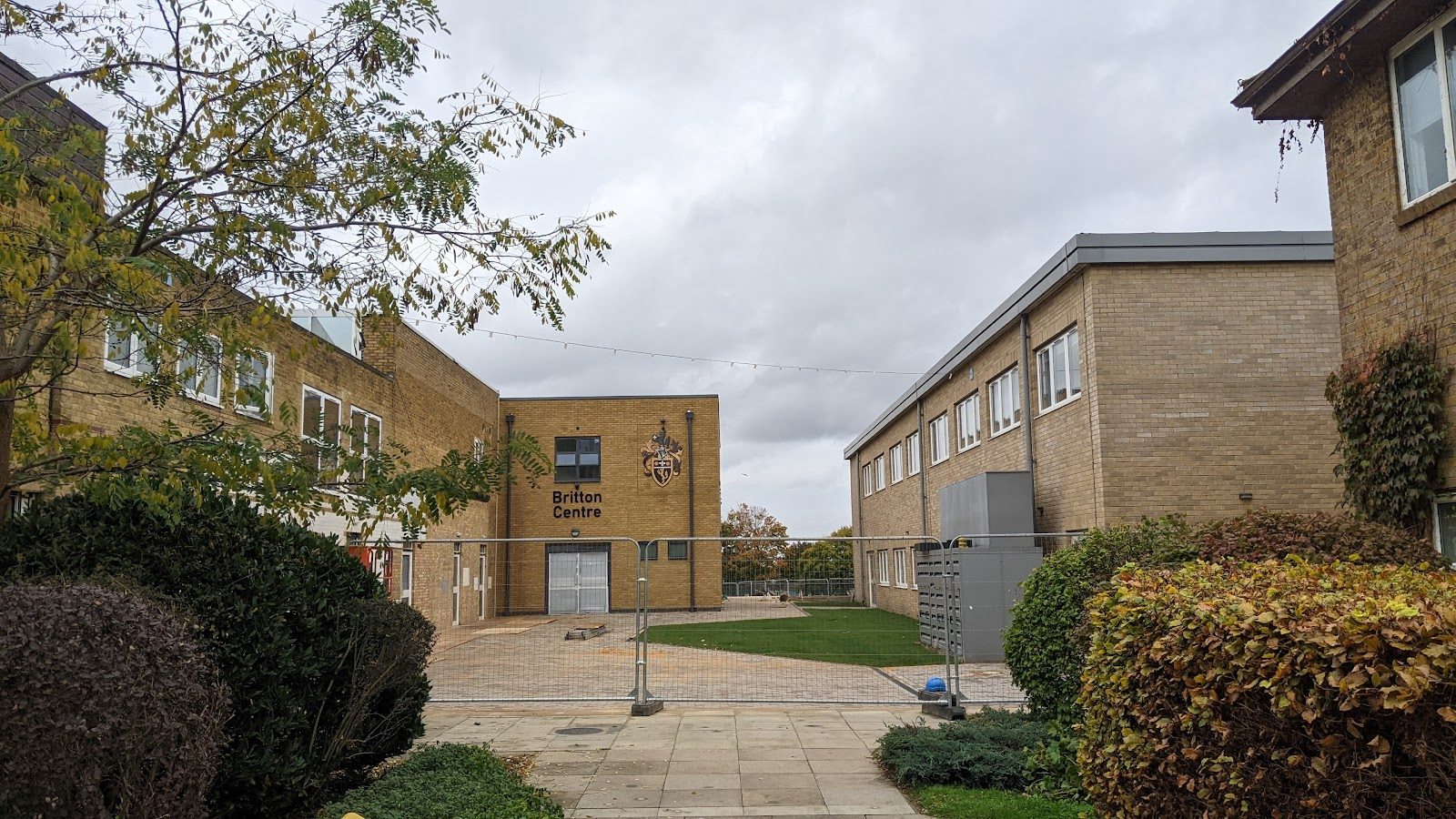
University College School
London · United Kingdom
A Hampstead offshoot of UCL's founding creed, prizing intellectual curiosity and independence of mind over rote drill since 1830.
Wilson's School
Sutton · United Kingdom
A 1615 charity foundation turned super-selective grammar, thriving on a former Croydon airfield with a sharp focus on maths and computing.
Same country and curriculum — closest matches within ±10 points either way