
Surrey
Royal Grammar School, Guildford
high confidence· 6/6 cats · 3 avg sourcesA working chained library inside a Grade I Tudor schoolroom anchors a 1509 foundation's steady march toward Oxbridge offers.

Photo © Royal Grammar School (RGS Guildford) via Google Maps
Type
Day
Ages
11–18
Curriculum
British
Qualifications
A-Level
Ratio
—
The Verdict
Editor's commitment
Right for
Boys who can use a 1509 boys’ grammar-school machine to full effect: 26 Oxbridge places, 48 Russell Group, 90% to top-100 universities.
Wrong for
Families wanting co-education, boarding or a softer brief; this is an Anglican, selective, day-only school for boys aged 11–18.
Watch out for
An average annual fee of £28,000 buys serious outcomes and a chained library in a Grade I Tudor building, not breadth by default.
Ranking breakdown
Royal Grammar School, Guildford · # of 1591
Composite score 64.7. 8 weighted criteria.
By criterion
Academic Outcomes
Weight 20%
#791
of 1529 scored
University Placement
Weight 16%
#848
of 1529 scored
Prestige & Heritage
Weight 12%
#723
of 1571 scored
Alumni Network
Weight 12%
#473
of 1530 scored
Facilities
Weight 12%
#1102
of 1534 scored
Transparency & Communications
Weight 8%
#1073
of 1532 scored
Peer & Industry Review
Weight 10%
#998
of 1548 scored
Admissions Selectivity & Demand
Weight 8%
#547
of 1529 scored
Score history
Royal Grammar School, Guildford · 2026
Movement across 2024–2026. Peer average overlaid.
Overall — 2024–2026
64.7/ 100
▲ +11.2 vs 2025
year on year
Peer & Industry Review
How Royal Grammar School, Guildford is regarded in the sector
84
Strong · high confidence
Royal Grammar School, Guildford sits firmly among the sector's most consistently benchmarked academic day schools, with WhichSchoolAdvisor's review describing it as "consistently one of the strongest academic day schools in the UK" on the back of 2025 results in which 71% of GCSE grades landed at 8 or 9. Independent league-table coverage reinforces the picture: The Sunday Times' Parent Power guide has ranked it among the UK's top independent boys' schools nationally in successive years, and it placed seventh among South East independent secondaries in the 2026 guide. The Good Schools Guide is similarly emphatic, noting that "educational standards are exceptionally high" while singling out the school's pastoral culture as unusually strong even among high-achieving peers. A 2025 ISI inspection rated it Excellent with two rare Significant Strengths, and its Oxbridge pipeline and international Hurun global rankings extend its reputation beyond UK borders, though it remains a single-sex day school now navigating a co-educational transition that peer commentators are watching closely.
Editors' overview
The chained library is the right place to start. Royal Grammar School, Guildford still teaches out of a Grade I Tudor building tied to a 1509 foundation, and that physical continuity matters because the school still behaves like an old English grammar school: selective, male, academically hard-driving and unapologetically traditional. This is a British day school for boys aged 11 to 18, Anglican in foundation, with English as the language of instruction and ISI and HMC on the badge. The average annual fee across the full 11–18 ladder is £27,987, which places it in the serious independent day-school bracket without straying into the costliest London territory.
What puts RGS on a shortlist is not heritage alone. The destination data are blunt: in 2024, 175 leavers produced 26 Oxbridge places, with 90% progressing to top-100 universities and 48 to Russell Group institutions; Oxford took 14 and Cambridge 12. That is a fiercely academic outcome set, and parents should read it as such. This is not a school that hides from competition or softens its edges for the sake of broad appeal. It has the intellectual self-confidence of a place that expects boys to cope with pace, scrutiny and high-stakes university ambition. The alumni record reinforces that pattern: Wikidata alone captures 72 notable former pupils, including politicians, scholars, writers and elite athletes, which points to a school with a long habit of producing men who move into public life.
The catch is obvious. This is a boys’ school with a selective intake and a culture shaped by centuries of grammar-school seriousness. That will suit the boy who wants academic stretch, enjoys being surrounded by other able pupils and does not need a school to dilute pressure with too much hand-holding. It will not suit families hunting for progressive softness, broad-brush inclusivity rhetoric or a relaxed all-rounder environment. RGS’s special quality lies in that clear-eyed sense of purpose: historic without being museum-like, ambitious without apology, and still anchored by one of the most distinctive schoolrooms in England. For the right student, it is a formidable place to spend the sixth-form run-up to university.
Academic Performance
RGS sits in the top academic tier of British independent day schools for boys, but with an important caveat: the school does not publish a clean public run of headline GCSE and A-level tables on its main site. That opacity matters. Schools asking families to buy into a selective, high-pressure model should put external exam outcomes front and centre. Even so, the destination pattern already established above gives the game away. A school sending boys in that volume to Oxford, Cambridge and other highly competitive universities is not producing soft results. In peer terms, this places RGS with the serious university-prep operators: old, selective schools where top sets are expected to convert ability into elite admissions, not just respectable pass rates.
Relative to local and national competitors, the school’s edge rests less on glossy score-publishing and more on hard academic conversion. The intake is academically filtered at the door; the real test is what happens by the end of sixth form. On that measure, RGS clears the bar decisively. It belongs in the conversation with strong HMC day schools that feed Russell Group institutions year after year, and its 26 Oxbridge places from a single leaving cohort put it in rare company. Parents should read this as a school for boys who can handle pace, comparison and external exams without much cushioning. For an able pupil who wants stretch, the academic proposition is unmistakably demanding and plainly effective.
Facilities
Facilities at RGS start with the obvious outlier: the Old Building and its chained library. Few peer schools can match a working schoolroom inside a Grade I Tudor structure, and fewer still have a library of that kind woven into daily institutional life rather than fenced off as heritage theatre. That matters because it gives the academic core a lived seriousness that modern glass-and-atria campuses cannot fake. The upside is intellectual atmosphere and a strong sense of continuity. The trade-off is practical. A historic town-centre site imposes limits on footprint, circulation and the kind of sprawling sports-and-performing-arts build-out that newer suburban independents now treat as standard. Parents comparing RGS with large all-through campuses need to read that plainly: this is a high-character estate, not a facility arms race.
Against peers in the HMC day-school bracket, RGS therefore wins on distinctiveness and loses on spectacle. Schools built or extensively rebuilt in the last few decades often offer bigger sports complexes, more expansive grounds and shinier specialist blocks. RGS counters with spaces that fit its purpose: academic, compact and tradition-bound in the best and worst senses. For the boy who values atmosphere, scholarship and a school that still feels connected to its own history, that is a genuine asset. For families who want the broadest possible co-curricular plant — indoor arenas, vast campus separation, or a resort-style physical offer — stronger options exist elsewhere. The facilities are memorable, functional and unmistakably old-school.
Against peers in the HMC day-school bracket, RGS therefore wins on distinctiveness and loses on spectacle
Prestige
RGS carries real national prestige in the old British sense: not flashy, not global-brand polished, but deeply embedded in the country’s grammar-school and university pipeline. The source of that status is cumulative. It has institutional age, a selective boys’ intake, a long record of sending leavers into demanding universities, and a built heritage few schools can match. The chained library is not decorative trivia; it signals a school that has preserved an intellectual identity across centuries rather than rebuilding itself around marketing language. Add a documented alumni bench that runs across politics, scholarship, journalism and sport, and the result is a school with serious social and academic weight. In England, that still counts.
I rate its prestige highly because it converts tradition into current outcomes instead of trading on nostalgia alone. The recent leavers’ profile is the clearest proof: 26 Oxbridge places in one cycle and 90% moving on to top-100 universities place RGS in elite company among independent day schools. The fee level also matters here. This is an expensive education, but not priced as a plutocratic fantasy, which gives the school a distinct position: establishment prestige without the most inflated fee bracket. The limits are clear too. Its reputation is strongest inside Britain, among families, universities and employers who understand the grammar-school tradition. Outside that frame, the name carries less automatic recognition than the largest London brands. That is a branding limit, not a quality limit.
This is a British day school for boys aged 11 to 18, Anglican in foundation, with English as the language of instruction and ISI and HMC on the badge
Communications
RGS communicates in the same register it teaches in: formal, information-led and old-school. The website is clear enough on the school’s identity, admissions process and university trajectory, and it does not bury the fact that this is a selective boys’ school with standards. That directness counts in its favour. Parents can grasp the school’s priorities quickly. The weakness is breadth. We have not seen the kind of rich public-facing parent communications that now distinguish the best-run independents: detailed pastoral explanation, regular insight into day-to-day school life, or a strong sense of how the school talks families through pressure points once boys are inside. For a school with such a demanding academic culture, that gap matters.
My read is that communication here is effective for families already fluent in the grammar-school idiom and less effective for those who need warmer onboarding or more narrative around support. RGS does not trade in glossy reassurance, and some parents will welcome that no-nonsense economy. Others will read it as institutionally reserved. The school’s public voice conveys confidence, seriousness and continuity; it does not work hard to soften the edges. That fits the school. It also narrows the audience. If you value crisp, unsentimental communication and do not need constant hand-holding, RGS clears the bar. If you want abundant pastoral signalling and high-frequency parent-facing storytelling, stronger communicators exist elsewhere.
Uniqueness
What marks RGS out is not heritage on its own, but heritage that still does real institutional work. The chained library is the obvious symbol, yet the more important point sits underneath it: this school still runs on the grammar-school idea of scholarship as a discipline, not a lifestyle accessory. It occupies an old civic and intellectual lane in English education that many schools now imitate only cosmetically. The admissions test, embedded in its history from an early stage, fits that pattern. So does the long survival through financial strain and structural change, including the loss of boarding. Students inherit a school with a hard spine, a scholarly centre of gravity and a culture that treats learning as the main event.
That brings clear advantages for the right boy. He gets daily exposure to a place where academic seriousness feels normal rather than staged, where institutional memory is thick, and where the route from classroom effort to selective university admission is understood in practical terms. The public destinations data from a leavers’ cohort of 175 underline that conversion. So does the alumni bench, with 72 notable former pupils already catalogued on Wikidata. The benefit is confidence, intellectual habit and a strong sense of belonging to something bigger than one year group. The cost is just as clear: boys who need looseness, pastoral cushioning or a more experimental school culture will find RGS too exacting and too tradition-bound for comfort.
That is a fiercely academic outcome set, and parents should read it as such
Student Profile
The boy who fits RGS is bright, competitive and comfortable being measured against other able boys every day. He does not need school to make ambition feel painless. He gains energy from quick classes, sharp discussion and teachers who expect him to keep up without constant coaxing. This is a strong match for pupils with real academic appetite, independent work habits and enough self-possession to handle a culture that values performance and intellectual seriousness. The all-boys setting will suit families who want a focused adolescent environment without the social theatre of co-education; it will not persuade families who want a more mixed, socially expansive experience. The recent leavers’ record — 26 Oxbridge places and 90% to top-tier universities — tells you exactly where the centre of gravity sits: high attainment, clear hierarchy and unsoftened expectations.
In character terms, the school suits boys who are self-starting, resilient and willing to buy into institutional tradition without irony. A student who likes scholarship, structure and belonging to a place with strong customs will thrive. So will the boy who wants classmates who take work seriously and does not mind a degree of comparison. It is a weaker fit for children who need heavy pastoral scaffolding, broad emotional hand-holding or a deliberately relaxed atmosphere. Creative, sporty and socially confident boys can flourish here too, but only if they can live with an academic culture that sets the tone for everything else. This is a school for the driven, the thick-skinned and the not-for-the-faint-hearted.
This is not a school that hides from competition or softens its edges for the sake of broad appeal
Co-curricular strengths
Arts & sport, on a separate axis
Overall 8.34/10
Scored 0-10 from the school's own published evidence. This axis is editorial-only — it does not feed the main WTS ranking.
Sports
9.2/10
Powerful UK independent sports dynasty; fields highly competitive national-caliber rugby, cricket, and field hockey squads across expansive grounds.
Drama
9/10
The school's theater complexes operate at an exceptionally high standard, cultivating creative and performance tech tracks.
Dance
5.5/10
Kept primarily as an ensemble component to support physical performance blocks inside their large-scale theater tracks.
Music
9.2/10
Outstanding musical depth; supports multiple jazz big bands, massive symphonies, and elite choirs with deep civic pipelines.
Visual Arts
8.8/10
Highly structured fine art layout leaning heavily toward technical drawing, digital graphics, and portfolio mastery.
Editor-verified · 8/7/2026
Outcomes & destinations
Where students go next
Editorial estimateClass of 2024
175 graduates
A-Level distribution
99% covered
- A*46%
- A32%
- B18%
- C3%
Top destinations
74 placements
- Oxford· 14
- Cambridge· 12
- UCL· 12
- Imperial College London· 10
- Durham· 8
- Bristol· 7
- Warwick· 6
- Southampton· 5
Surrey boys' day school with consistent Oxbridge conversion.
Editor-approximated from the school's own leavers report. Awaiting school-attested figures.
Notable alumni · Wikidata
72notable alumni
38 historic (born pre-1930) · 13 modern (born post-1970)wikidata:2026-07-28 How we source this
The story in one line
63% achieved ≥ AAB in 2+ facilitating subjects·ISI Routine Inspection 2025
AAB with 2 facilitating subjects is the Department for Education's published predictor of admission to a top-third UK university: the pupil has scored high grades in at least two of the classic Russell-Group subjects (maths, sciences, English, history, geography, or a modern language). Independent schools don't appear in the state-only HE-destinations dataset, so this is the strongest DfE-verified sixth-form signal available. Source: DfE 16-18 school and college performance data · 2023/24. Value-added +0.32
DfE-verified statistics
Official GCSE data · 2024/2025
Progress 8
—
Value-added score. State-schools only; 0 = expected progress, +1 = one grade above.
Attainment 8
30.6
Average grade across 8 GCSEs (score out of 90). National ≈ 46.
EBacc average score
1.58
Avg grade across the 5 EBacc pillars (English, Maths, Sciences, Language, Humanity).
EBacc slots filled
1.6
How many of the 5 EBacc pillars pupils typically enter (max 5).
A-Level attainment
Cohort · 2023/24
Avg A-Level grade
A
APS per entry: 50.37
Best 3 grade
A
Best-3 APS: 50.67
≥ AAB + 2 fac.
63.3%
Russell-Group predictor.
Progress (value-added)
+0.32
Above average
Read with care. Independent schools frequently sit IGCSEs or Pre-U qualifications instead of standard GCSEs — DfE data only counts standard GCSEs, so these numbers may reflect a partial cohort. For a fuller picture, cross-check with the school's own annually-published results.
URN 125424Verified · DfE 2024/2025
Official inspection
ISI report · 2025
Inspectorate
Independent Schools Inspectorate
The Government-approved inspectorate for English independent schools.
Latest report
28 January 2025
Routine Inspection
Report history
Verified · Independent Schools InspectorateSource-of-truth
Strengths
- +Founded in 1509 with exceptional institutional continuity
- +Rare chained library in the historic Old Building
- +Strong 2024 outcomes: 46% A* at A-Level, 26 Oxbridge, 48 Russell Group destinations
- +Both day and boarding places available
- +Low 10:1 student-teacher ratio and average class size of 18
Considerations
- −Highly competitive academic culture may not suit less resilient pupils
- −Phased transition to co-education from September 2027 means the mix is in flux
- −Anglican foundation may not suit every family
- −Fees are substantial at £30,000 day and around £55,000 boarding
Availability
Primary entry gate & tests
Written Exams + Interview
Gallery
Photo © ΡΕΝΑ ΠΑΥΛΑΚΗ via Google Maps
Photo © ΡΕΝΑ ΠΑΥΛΑΚΗ via Google Maps
Photo © Royal Grammar School (RGS Guildford) via Google Maps
Photo © Royal Grammar School (RGS Guildford) via Google Maps
Photo © Royal Grammar School (RGS Guildford) via Google Maps
Photo © Clint Rodrigues via Google Maps
Photo © Maxim Maxim via Google Maps
Photo © Maxim Maxim via Google Maps
Photo © Royal Grammar School (RGS Guildford) via Google Maps
Recommended reading
Independent write-ups of this school from editorial outlets we trust.
- Royal Grammar School, GuildfordGood Schools Guide
Parent reviews
Have you sent your child here?
Voice reviews carry the strongest trust badge — we transcribe them for you to tidy up before they go live. Prefer to type? A written review is fine too.
Add your voice
In 60 seconds, tell other parents: what's the best thing about Royal Grammar School, Guildford, and what surprised you when your child joined?
We ask for a Google sign-in so every review has a real face behind it — no anonymous drive-by attacks on schools, and no faked positive reviews. Your email is never shown publicly.
Send this profile to a friend
International parents rely on word-of-mouth. Share this review with someone weighing the same decision.
Schools with places
Similar schools to Royal Grammar School, Guildford with places available now.
Availability first, then country, area, curriculum, price, co-curricular
Consider also
Also worth looking at alongside Royal Grammar School, Guildford.
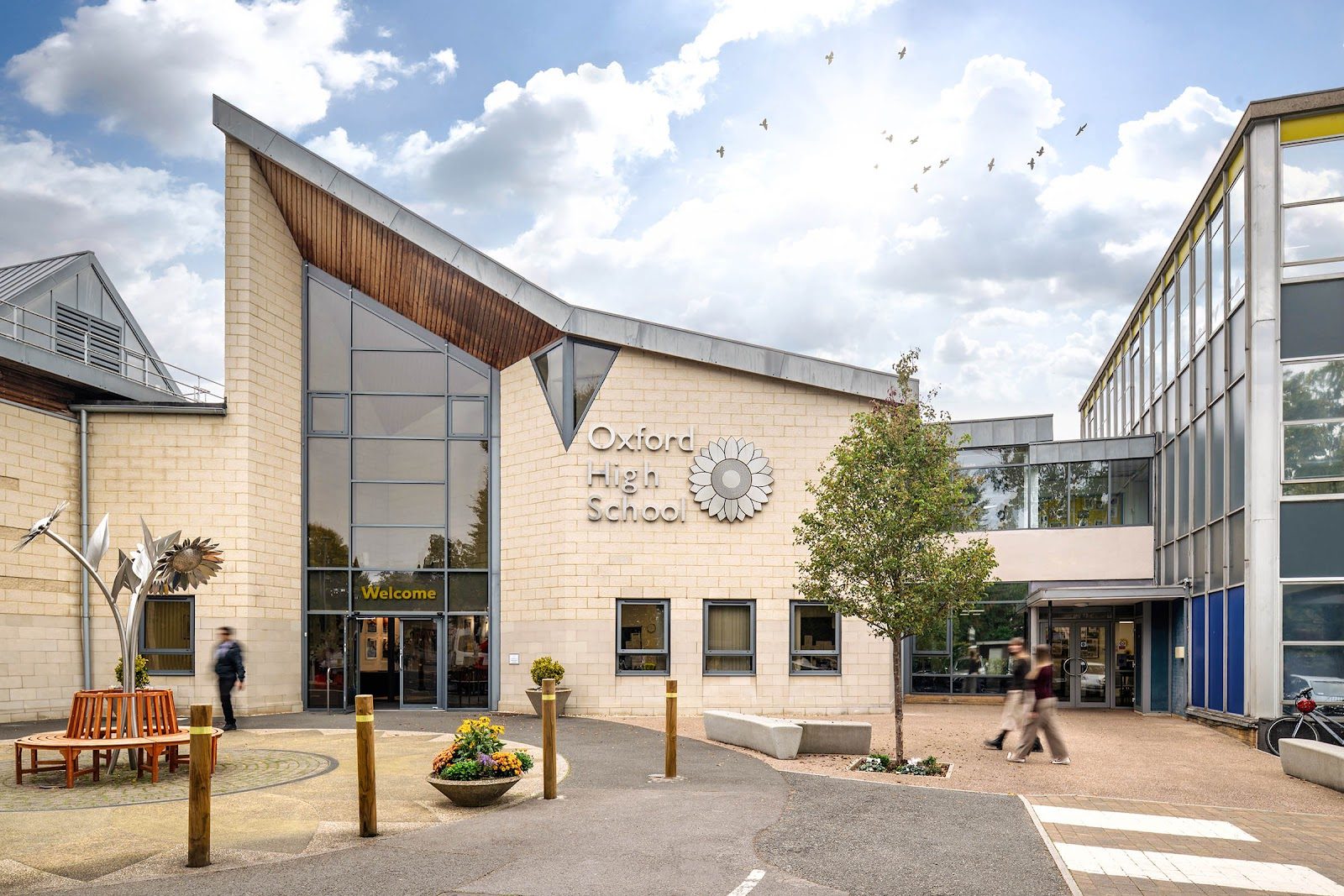
Oxford High School
Oxford · United Kingdom
One of England's earliest girls' day schools, founded in 1875, pairs Oxford scholarship with a culture of fearless inquiry.
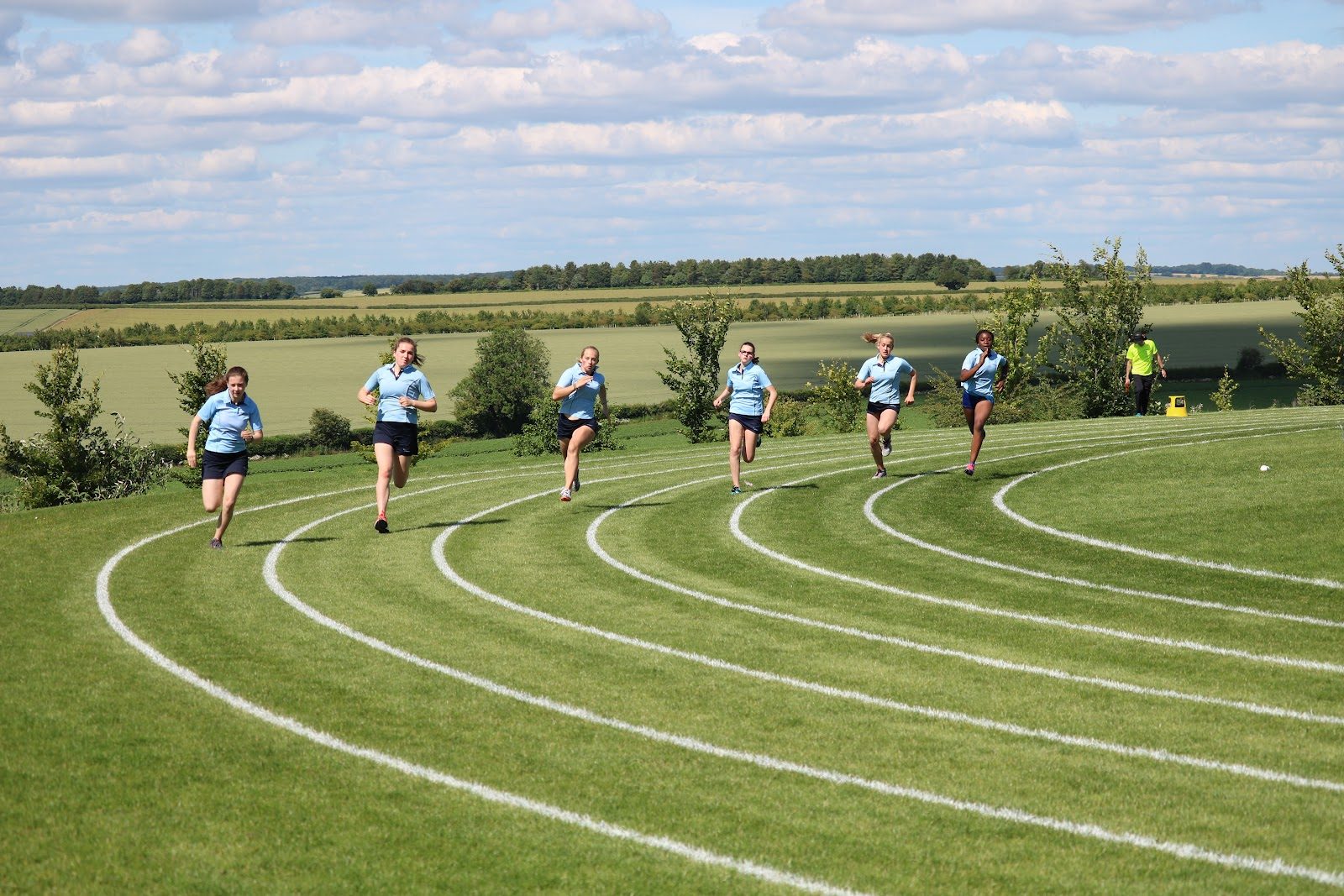
St Swithun's School
Winchester · United Kingdom
Perched above Winchester's chalk downs, this girls' school pairs cathedral choir tradition with a serious grounding in the sciences.
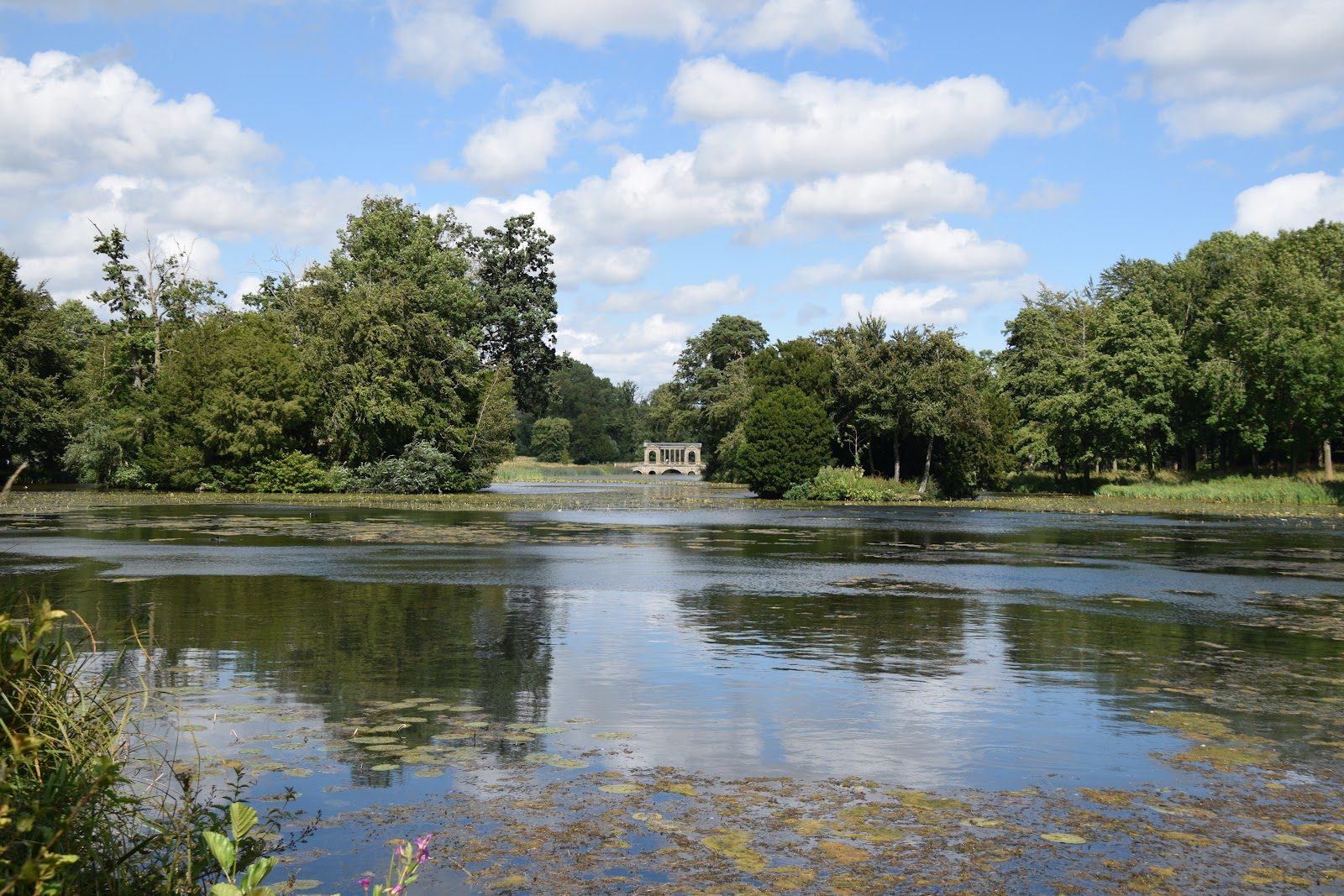
Stowe School
Stowe · United Kingdom
Boarders learn inside a Grade I neoclassical mansion set within an 18th-century landscape garden that shaped English garden design.
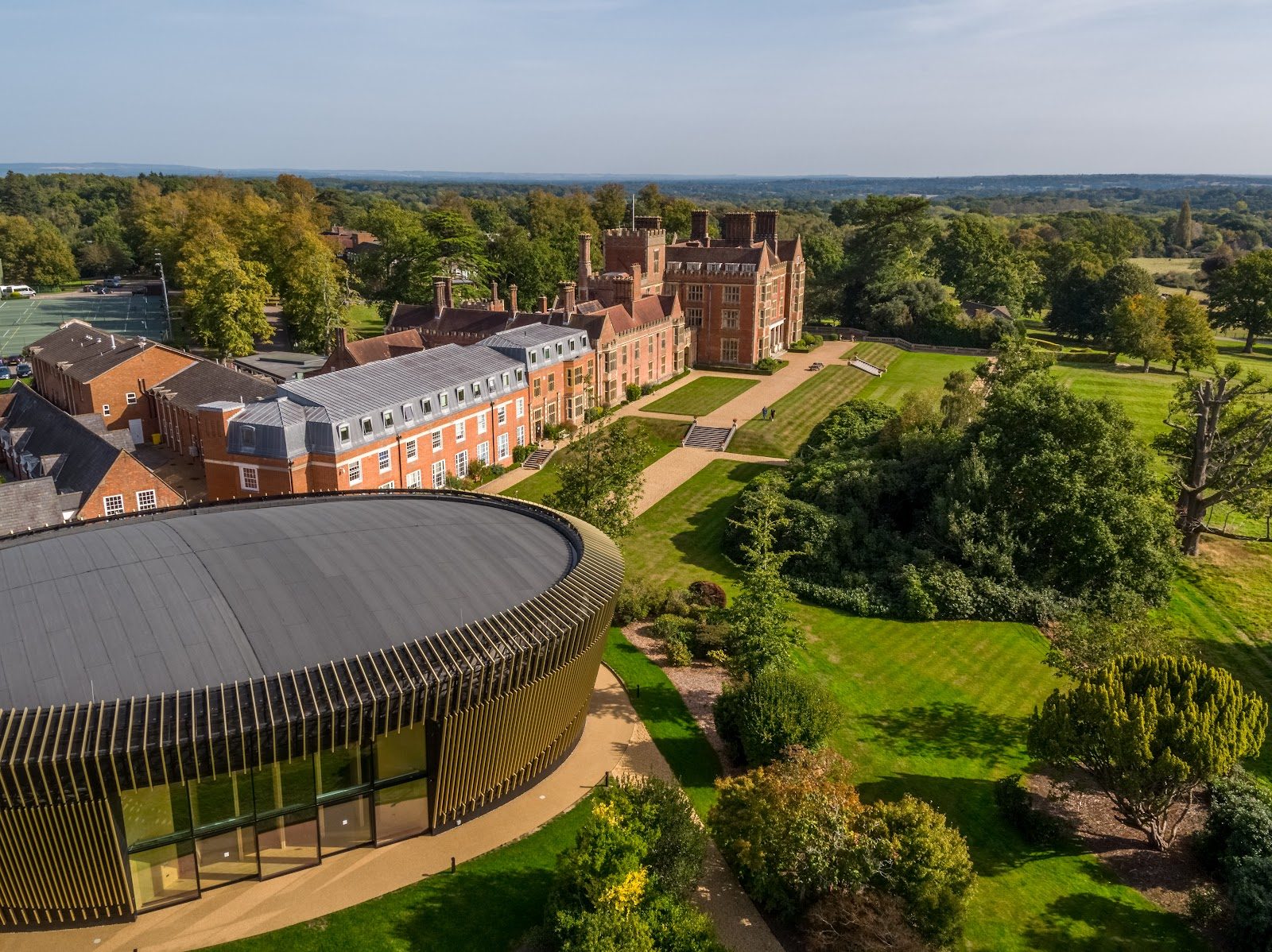
Benenden School
Cranbrook · United Kingdom
Amid 250 acres of Wealden parkland, the full-boarding spirit that inspired Malory Towers still runs through ten close-knit houses
Same country and curriculum — closest matches within ±10 points either way