
Bangkok
Satriwithaya School
Founded in 1900 beside Bangkok's Democracy Monument, a century-old all-girls institution rooted in the city's historic Phra Nakhon core.
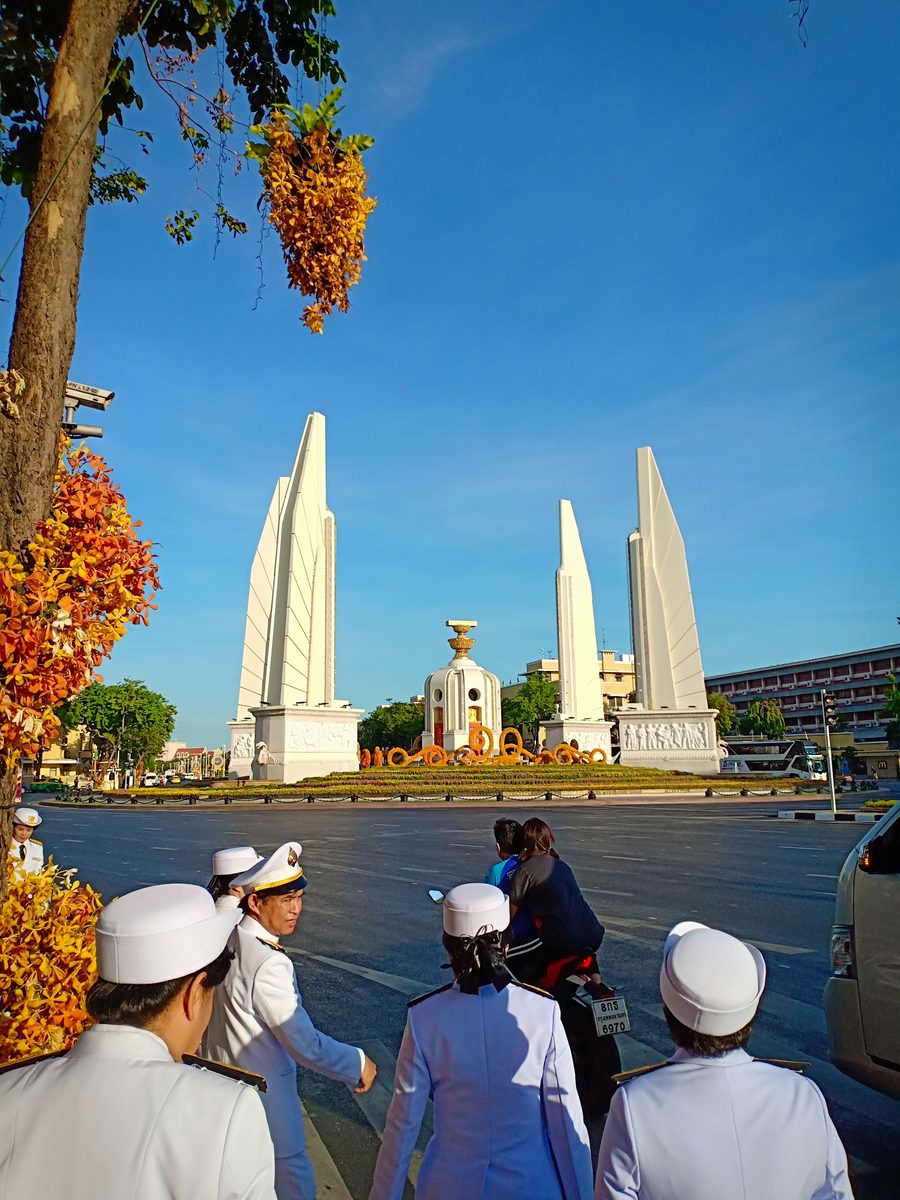
Photo © Somboon Prakitcharoensuk via Google Maps
Type
Day
Ages
12–18
Curriculum
Thai National
Qualifications
Thai Matthayom 6
Ratio
—
The Verdict
Editor's commitment
Right for
Girls aged 12–18 who want a day school in Bangkok with Thai National curriculum and daily use of Thai and English.
Wrong for
Families wanting co-education, boarding or a non-Thai pathway; Satriwithaya is a non-religious girls' day school founded in 1900.
Watch out for
Its Phra Nakhon setting beside Democracy Monument gives history and centrality, but the school publishes no international curriculum or boarding option.
Ranking breakdown
Satriwithaya School · # of 1591
Composite score 55.9. 8 weighted criteria.
By criterion
Academic Outcomes
Weight 20%
#1158
of 1533 scored
University Placement
Weight 16%
#965
of 1529 scored
Prestige & Heritage
Weight 12%
#853
of 1580 scored
Alumni Network
Weight 12%
#1054
of 1530 scored
Facilities
Weight 12%
#1517
of 1540 scored
Transparency & Communications
Weight 8%
#1521
of 1547 scored
Peer & Industry Review
Weight 10%
#1478
of 1564 scored
Admissions Selectivity & Demand
Weight 8%
#489
of 1529 scored
Peer & Industry Review
How Satriwithaya School is regarded in the sector
54
Credible · medium confidence
As a century-old public girls' school under Thailand's Ministry of Education, Satriwithaya is judged less by international ranking bodies -- it does not appear in WhichSchoolAdvisor or Good Schools Guide, which focus on fee-paying international schools -- and more by domestic academic benchmarks. Among Bangkok's traditional government schools it is consistently grouped with Triam Udom Suksa, Suankularab Wittayalai and Debsirin as a top feeder to Chulalongkorn, Thammasat and Mahidol Universities, reflected in strong O-NET and university entrance-exam placement figures reported annually by Thai newspapers such as Matichon and Bangkok Post education sections. Its long alumnae network and reputation among former students give it standing in national rather than international peer circles. Because it operates outside the private/international school ecosystem, it is largely absent from cross-border education-press coverage, conference circuits, and comparative marketing analyses used for institutions like the Bangkok Prep or ISB. Its regard is therefore best described as high within Thailand's public examination-driven academic hierarchy, but essentially untracked by the global independent education press that evaluates international curricula.
Editors' overview
Satriwithaya School occupies a distinctive place in Bangkok’s education market: an all-girls state school founded in 1900, in the old civic heart of the capital, serving students aged 12–18 under the Thai National curriculum. That combination matters. This is not an international-school imitation dressed up in English signage. It is a long-established Thai academic institution with a clear identity, a female cohort, and a setting that ties it to the city’s institutional core. For families who want daughters educated in a serious local framework rather than a globalised lifestyle product, Satriwithaya has historic weight, cultural rootedness and institutional clarity.
What puts it on a shortlist is the value of specialisation. A girls’ school changes the social dynamic; for many students that means stronger participation, fewer performative distractions, and a culture that places attainment and school identity at the centre. The use of Thai and English also gives it practical reach: this is a school for families who want firm grounding in the national system without cutting students off from English-language study. Parents looking for glossy campuses, imported curricula and expatriate social networks should look elsewhere. Parents looking for academic seriousness, urban tradition and a school that sits inside Thailand’s own educational mainstream will find Satriwithaya more compelling.
The right student for Satriwithaya is academically motivated, comfortable in a structured environment, and happy in a single-sex setting. She does not need the performance of international schooling to feel stretched. She wants a school with a sense of lineage, clear expectations and a peer group of girls moving through the same demanding adolescent years together. For the right family, that is the attraction: not novelty, but earned reputation; not campus theatre, but a disciplined route through secondary education in one of Bangkok’s best-known historic girls’ schools.
Academic Performance
Satriwithaya sits in the part of Thailand’s school system where academic performance matters far more than branding, but the school does not publish the kind of exam data that would let parents judge it cleanly against top selective peers. We have not seen aggregate O-NET, TGAT/TPAT or A-Level-style public reporting broken down in a way that makes direct comparison possible, and that opacity matters. For a school with a long public reputation, families deserve hard numbers: subject averages, university destinations by faculty, and year-on-year trends. Without them, any claim of standout academic strength rests on reputation rather than published proof. That places Satriwithaya in a familiar category for established state schools: respected, serious, but not transparent enough for rigorous benchmarking.
Relative to peers, the school’s fit is clearer than its raw data. It belongs in the upper tier of academically focused Thai girls’ schools that attract families who value discipline, selective peer culture and progression into competitive domestic higher education. That does not make it an elite outlier on published evidence; it makes it a *credible, tradition-bound academic option* inside the national system. Parents comparing it with high-fee international schools will get less public performance packaging and fewer polished outcome dashboards. Parents comparing it with ordinary local secondaries will find a school with a stronger academic identity and a more demanding, status-conscious peer environment.
Facilities
Facilities are not Satriwithaya’s main selling point, and parents need to read the school through that lens. This is an established urban state school, not a resort-style campus with signature architecture, indoor arenas and theatre complexes built to impress at open day. In this bracket, the essentials matter more than spectacle: classrooms that support disciplined study, science rooms that handle practical work properly, libraries that function as working academic spaces, and sports provision that is adequate rather than lavish. That puts Satriwithaya in line with strong mainstream Thai academic schools and behind premium private and international competitors on sheer physical scale. Families paying international-school fees buy campus theatre as much as education; Satriwithaya trades on institutional seriousness instead.
Against direct domestic peers, that is not a weakness unless facilities start to constrain teaching breadth or student life. We have not seen a published facilities inventory detailed enough to prove standout provision in laboratories, arts spaces or specialist sport, and that absence matters. A school with this level of name recognition can publish floor-by-floor clarity and does not. The result is a picture of functional, traditional provision rather than sector-leading infrastructure. For parents choosing between high-performing local girls’ schools, facilities here are a supporting factor, not the deciding one. For families who want expansive grounds, cutting-edge maker spaces and high-gloss extracurricular hardware, this school sits in the wrong market.
The result is a picture of functional, traditional provision rather than sector-leading infrastructure
Prestige
Satriwithaya carries real prestige inside Thai mainstream education, but it is a specific kind of prestige. This is not the glamour prestige of premium international schools with vast fees and export-ready branding. It is the prestige of a name with civic memory, a girls’ school that has occupied the public imagination for generations and built standing through continuity, discipline and selective social cachet. In Bangkok terms, that matters. A place in a long-established, academically serious girls’ school still signals status with substance: families read it as evidence of ambition, strong study habits and a willingness to work within demanding local expectations rather than buy a polished international label.
We rate its prestige highly within the domestic day-school market, but not at the very top of the hierarchy on published evidence, for one reason: outcomes are not disclosed with enough clarity to prove exceptional academic dominance. Prestige here rests on institutional reputation, peer quality and historic standing more than transparent score reporting. That still gives the school weight. For Thai families who value recognisable names, traditional discipline and a female academic environment with earned social credibility, Satriwithaya holds more prestige than an ordinary state secondary and more cultural legitimacy than many newer private operators. For expatriate parents chasing global university branding, the name carries less force. For families rooted in the local system, it remains a serious badge of educational standing.
This is not an international-school imitation dressed up in English signage
Communications
Parent communication looks serviceable rather than polished. The school has the advantage of a clear identity and a local parent body that already understands the rhythms of Thai state schooling, which reduces the need for hand-holding. That said, families still need practical clarity: timetable changes, examination schedules, behaviour expectations, activity notices, and contact routes when something goes wrong. Satriwithaya does not publish the kind of crisp, parent-facing communications architecture that stronger independent schools now treat as standard. We have not seen a well-developed public system with detailed portals, transparent calendars, named pastoral contacts or a clean explanation of who handles what. For a school serving girls across 7 year groups, that matters. Good schools do not leave parents guessing.
Effectiveness, then, rests less on sophistication than on institutional habit. In established local schools, communication often runs through routine circulars, standard administrative channels and parent familiarity with school norms. That can work perfectly well for families already fluent in the system. It works less well for parents who expect fast digital responsiveness, bilingual precision at every turn, or proactive explanation before problems escalate. The school’s communications profile reads as functional, traditional and not especially transparent. For some families, that is enough. For parents who want tight operational clarity and the reassuring discipline of modern information management, it falls short of best-in-class.
Uniqueness
What makes Satriwithaya distinct is not novelty but concentration. It offers a girls-only secondary education inside Thailand’s own public academic tradition, in a part of the city where schools carry civic memory as much as educational function. That combination is uncommon, and it shapes the student experience in concrete ways. The single-sex setting narrows the social noise and sharpens the school’s internal culture: more shared expectations, more collective identity, and a stronger sense that academic effort is the norm rather than a personal eccentricity. For girls who thrive when peer culture supports work instead of distracting from it, that matters. At 12–18, students spend their entire adolescent school life in one institutional frame, which can build confidence, loyalty and a more settled route through demanding exam years.
The other point of difference is social positioning. Satriwithaya does not sell an aspirational international lifestyle; it educates girls for success inside the local mainstream while still giving them access to English. That produces a student body and parent culture with clear priorities: attainment, discipline, reputation and progression. The benefit is institutional coherence. Students know what the school is for, and the school knows what it expects of them. For the right family, that clarity is a strength. For families seeking experimentation, looseness or glossy self-expression, it will feel deliberately old-school. For girls who want a serious peer group and a school identity with real backbone, it is a strong proposition.
It is a long-established Thai academic institution with a clear identity, a female cohort, and a setting that ties it to the city’s institutional core
Student Profile
The girls who fit best here are self-directed, status-aware and comfortable with clear hierarchy. This is not a school for teenagers who need endless personalisation, soft boundaries or a campus culture built around self-expression first and study second. The strongest fit is a student who can handle pressure without drama, accepts correction, and draws energy from being surrounded by other academically minded girls. She does not need co-educational social theatre to feel engaged. She values routine, takes pride in belonging to a school with a recognised name, and is prepared to work within a peer culture where comparison is real and standards matter every day across 7 year groups.
The weaker fit is easy to identify. A girl who resists uniform expectations, wants broad pastoral cushioning, or needs high levels of public affirmation from teachers will find the environment tight, demanding and at times unforgiving. Equally, families chasing the consumer comforts of premium private schooling will hit a mismatch in tone. Satriwithaya suits students who read structure as support, not control; who want friends with ambition; and who are ready for an adolescent experience shaped by discipline, reputation and a strong sense of collective identity. For the right student, that produces serious academic momentum. For the wrong one, it will feel restrictive very quickly.
Parents looking for glossy campuses, imported curricula and expatriate social networks should look elsewhere
Co-curricular strengths
Arts & sport, on a separate axis
Overall 6.7/10
Scored 0-10 from the school's own published evidence. This axis is editorial-only — it does not feed the main WTS ranking.
Sports
7/10
Drama
6.5/10
Dance
6/10
Music
7/10
Visual Arts
7/10
Strengths
- +One of Thailand's oldest girls' schools, established in 1900, it holds the distinction of being one of the oldest educational institutions in Thailand, giving it deep institutional history.
- +The pride of Satriwithaya School is being the school where Her Royal Highness the Princess Mother studied during her early ages, a historic royal association that underpins the school's standing among Thai families.
- +Beyond the standard Thai curriculum, the school runs a distinct English Program based on the Basic Education Core Curriculum, in line with a World Class Standard Curriculum, alongside a separate Science-Math-Technology-Environment special track.
- +Central, walkable old-town location: the Democracy Monument is situated 150 metres southeast of Satriwithaya School, putting students in the historic heart of Bangkok rather than an outer suburb.
- +As a Ministry of Education public school, admission runs through transparent, published entrance-exam cycles for Mathayom 1 and Mathayom 4 rather than opaque private negotiation, per the school's own annual admissions notices.
Considerations
- −The school is a distinguished all-girls secondary school, so it is not an option for families wanting co-education.
- −Instruction follows the Thai National Curriculum in the Thai language; even the English Program sits inside the Thai Basic Education framework rather than an IB, IGCSE or A-level pathway, which matters for families planning university abroad.
- −Entry is exam-based and competitive, with separate admissions lists for in-catchment and out-of-catchment applicants for Mathayom 1 and 4, so places are not guaranteed and non-Thai speakers face a real disadvantage sitting Thai-language tests.
- −The campus sits within a dense, historic quarter of central Bangkok on Dinso Road near the Democracy Monument, a location that offers cultural immersion but not the sprawling green campuses typical of newer suburban international schools.
Availability
Primary entry gate & tests
National Entrance Exam (Girls)
Gallery
Photo © Putthipong Nitisak via Google Maps
Photo © Nanthawat Ouysinprasert via Google Maps
Photo © Asira Chirawithayaboon via Google Maps
Photo © อมรรัตน์ กองสุทธิ์ใจ via Google Maps
Photo © อมรรัตน์ กองสุทธิ์ใจ via Google Maps
Photo © Captain of Qatar via Google Maps
Photo © Captain of Qatar via Google Maps
Parent reviews
Have you sent your child here?
Voice reviews carry the strongest trust badge — we transcribe them for you to tidy up before they go live. Prefer to type? A written review is fine too.
Add your voice
In 60 seconds, tell other parents: what's the best thing about Satriwithaya School, and what surprised you when your child joined?
We ask for a Google sign-in so every review has a real face behind it — no anonymous drive-by attacks on schools, and no faked positive reviews. Your email is never shown publicly.
Send this profile to a friend
International parents rely on word-of-mouth. Share this review with someone weighing the same decision.
Schools with places
Similar schools to Satriwithaya School with places available now.
NIST International School
Bangkok · Thailand
- 2026-27
- WAITPOOLSpace-dependent
- 2027-28
- PLACES OPENRolling
Bangkok Patana School
Bangkok · Thailand
- 2026-27
- CLOSEDThai closed / Non-Thai open
- 2027-28
- OPENS SOONThai 1 Sept / Non-Thai rolling
Shrewsbury International School Bangkok
Bangkok · Thailand
- 2026-27
- WAITPOOLSpace-dependent
- 2027-28
- PLACES OPENRolling
International School Bangkok
Bangkok · Thailand
- 2026-27
- WAITPOOLSpace-dependent
- 2027-28
- OPENS SOONOpens Sept '26
Availability first, then country, area, curriculum, price, co-curricular
Consider also
Also worth looking at alongside Satriwithaya School.
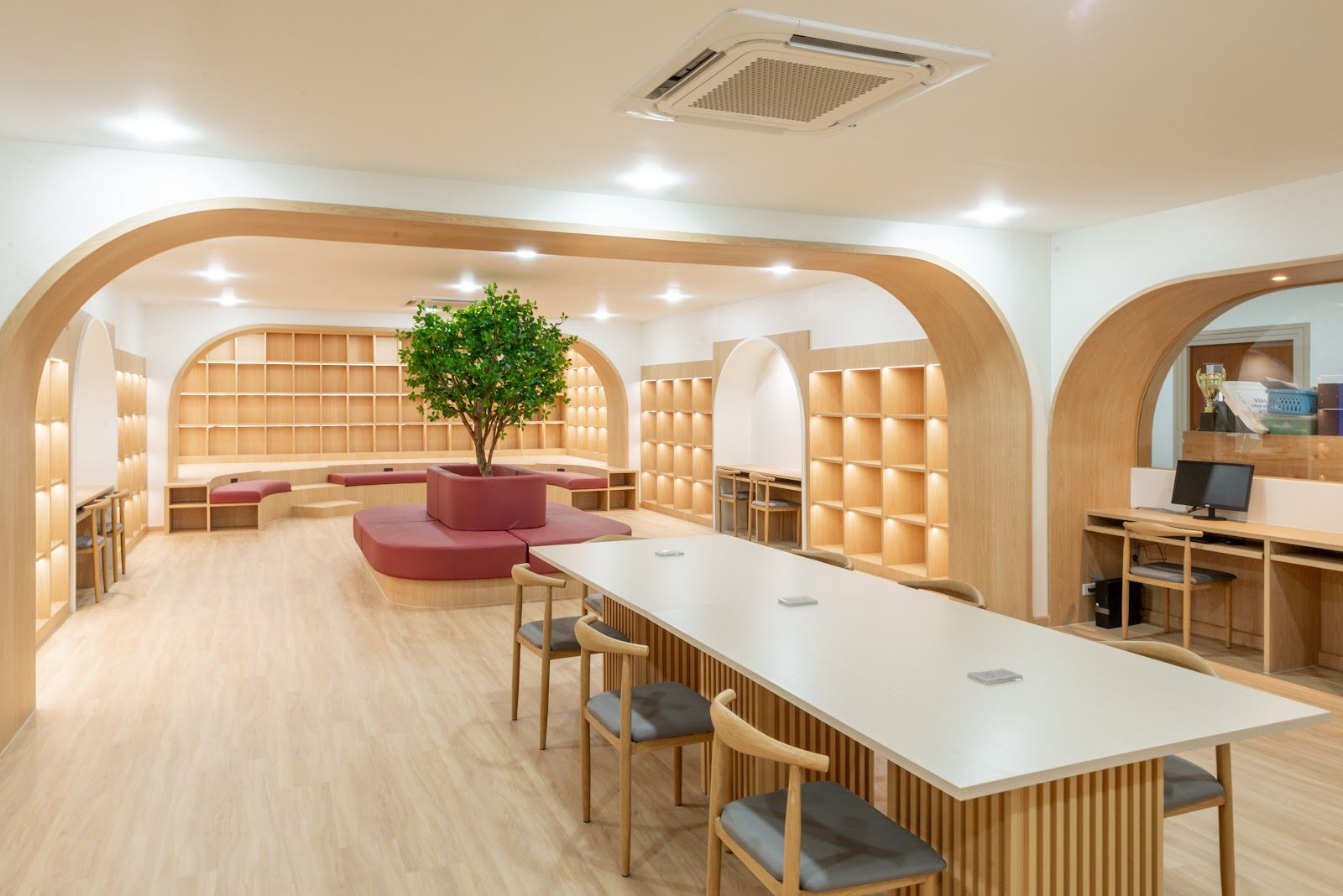
Regents International School Bangkok
Bangkok · Thailand
British curriculum through IGCSE gives way to the IB Diploma at Sixth Form, a pairing rare among Bangkok's boarding schools.
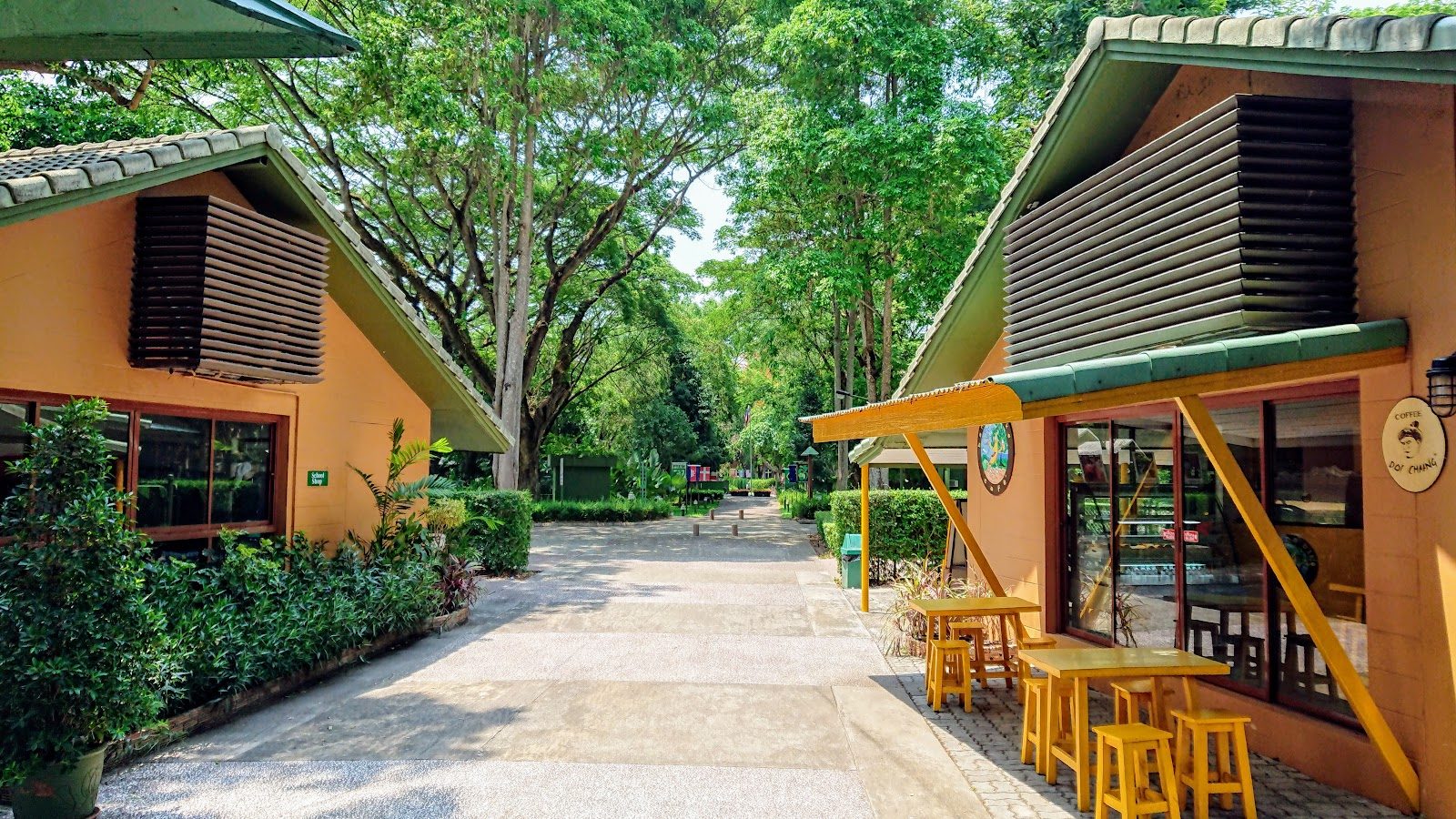
Prem Tinsulanonda International School
Chiang Mai · Thailand
On a 100-acre farm and forest campus in the Mae Rim foothills, the first school in Southeast Asia to run all four IB programmes
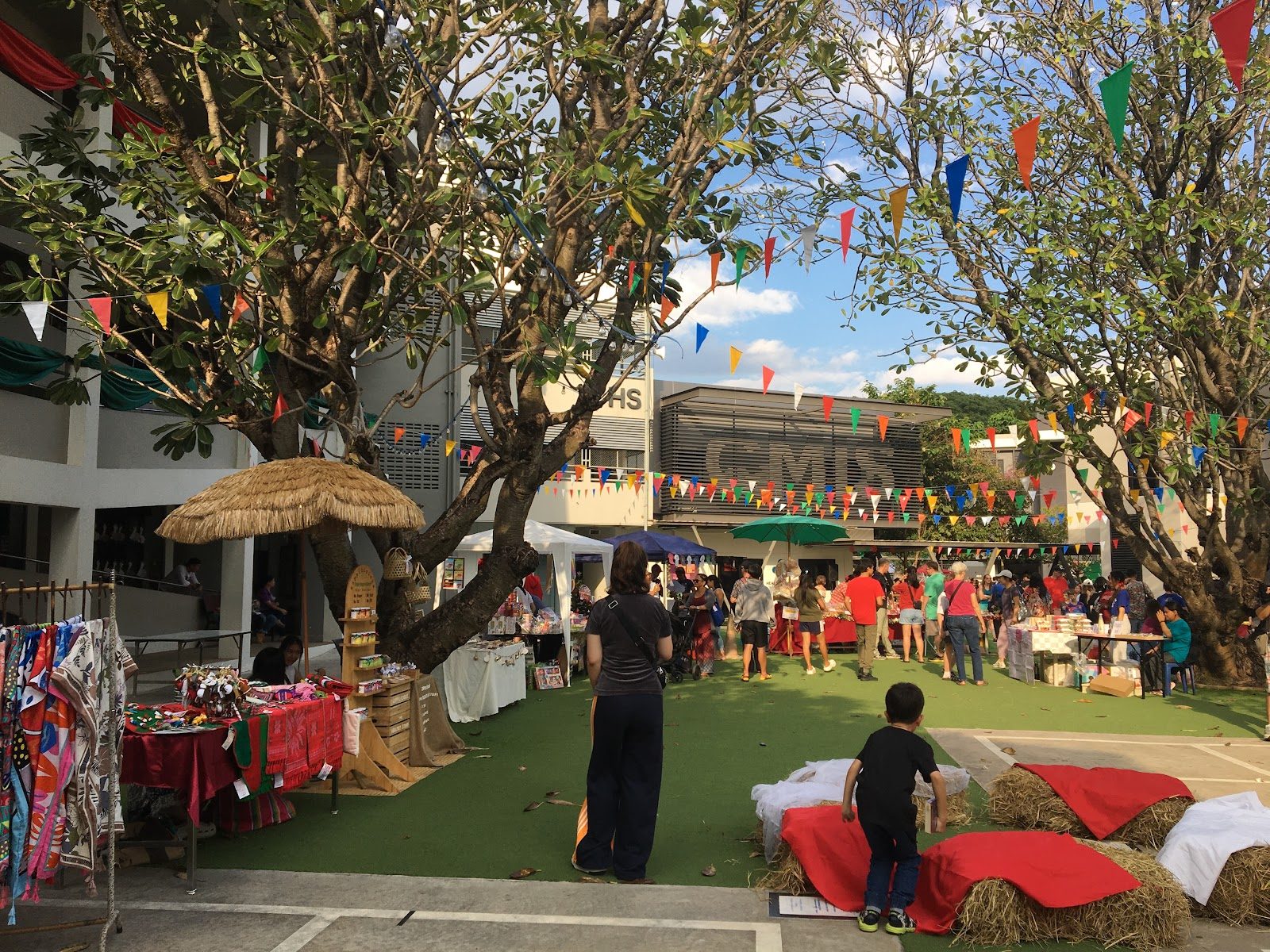
Chiang Mai International School
Chiang Mai · Thailand
Founded by returning missionaries in 1954, this Ping River campus was Thailand's first international school outside Bangkok.
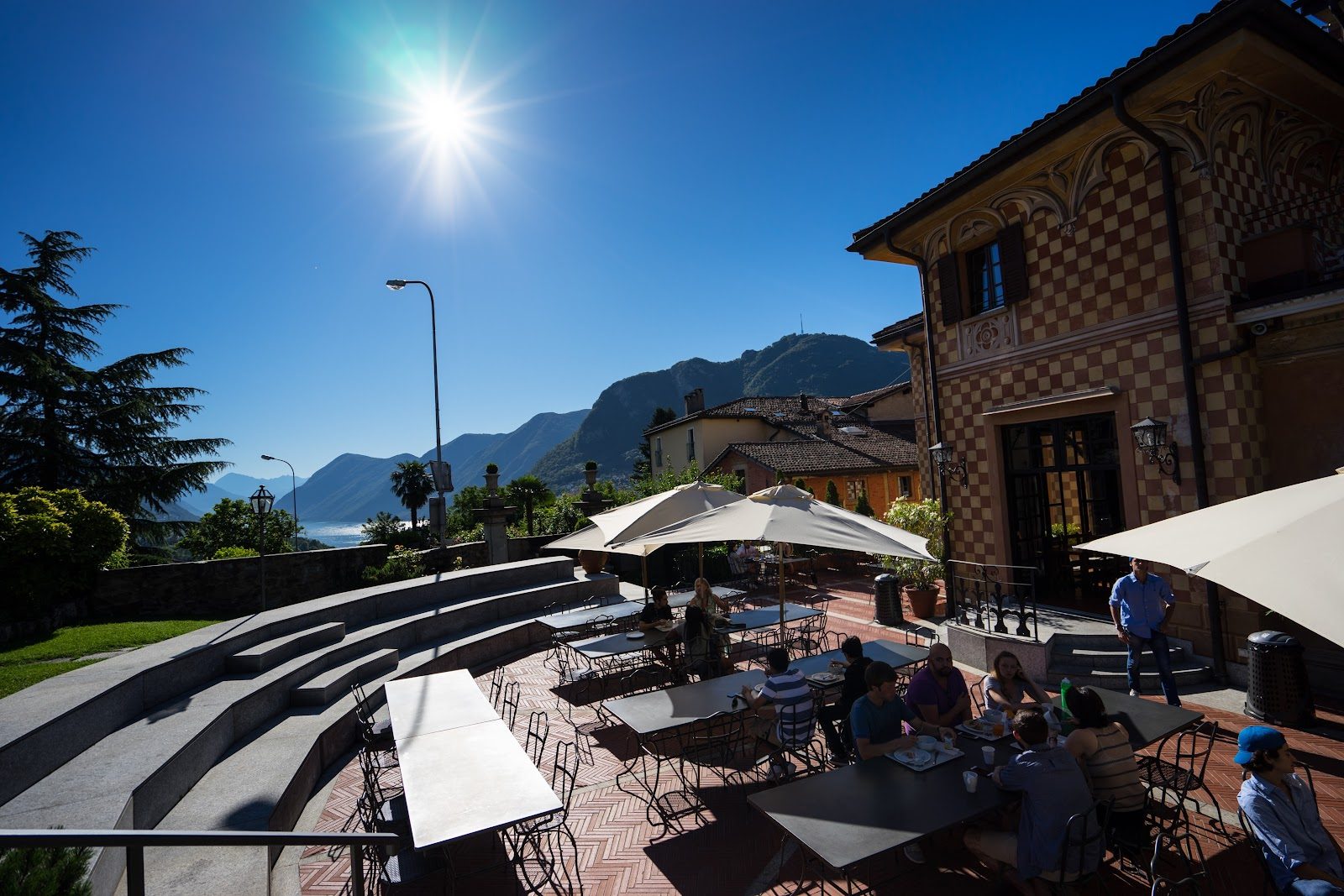
TASIS The American School in Switzerland
Montagnola · Switzerland
Founded in 1956 as Europe's first American boarding school, perched above Lake Lugano with academic travel woven into the curriculum.
Same country and curriculum — closest matches within ±10 points either way