
Western Cape
South African College Schools (SACS)
Founded in 1829 beneath Devil's Peak, the Cape Town institution whose academic wing became the University of Cape Town.
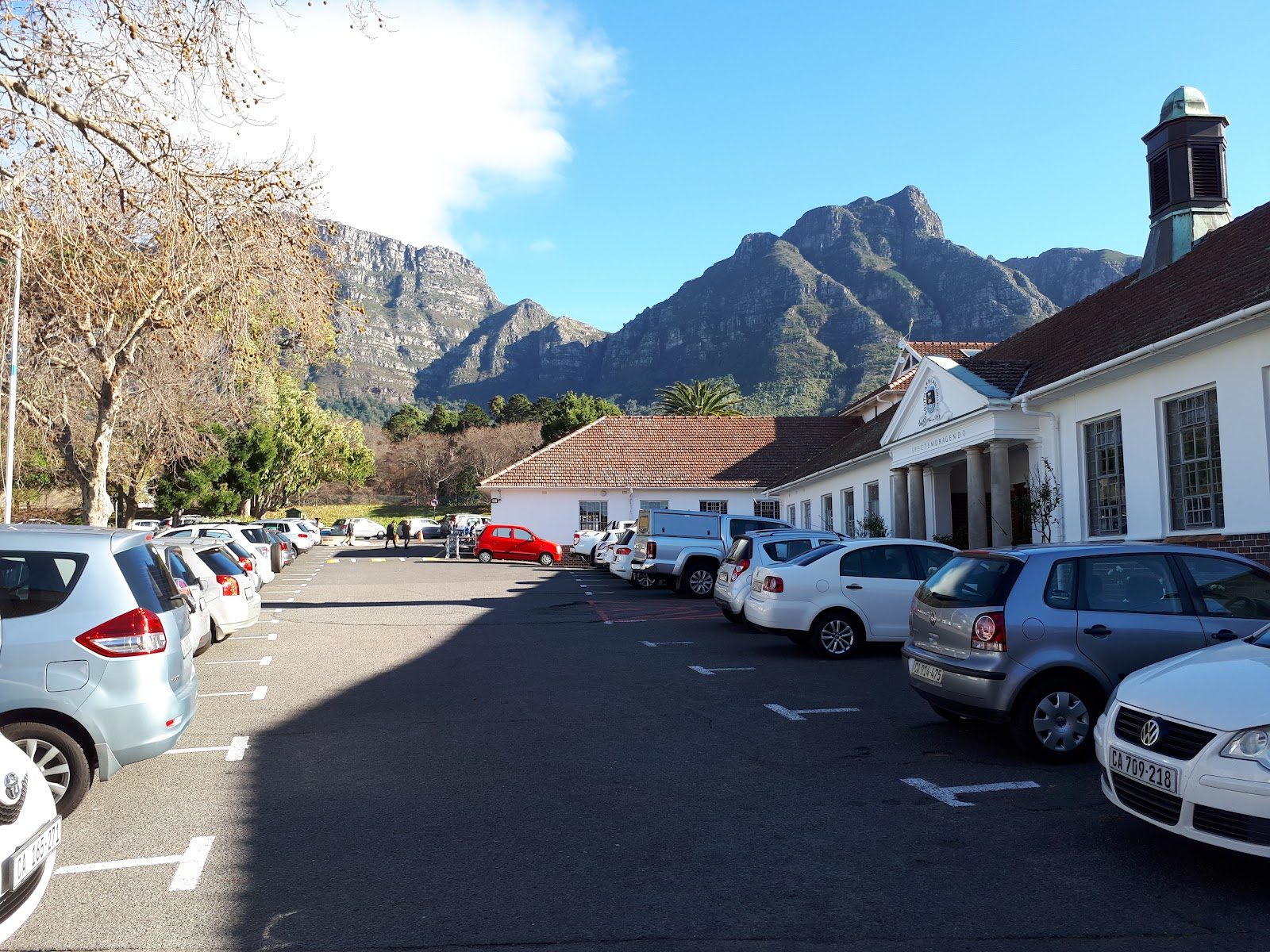
Photo © Justin Bellairs via Google Maps
Type
Day + Boarding
Ages
13–18
Curriculum
National Senior Certificate
Ratio
—
The Verdict
Editor's commitment
Right for
Families with sons seeking a historic, rugby- and academically-oriented boys' school in central Cape Town with a strong pathway into UCT and other local universities.
Wrong for
Families wanting co-education, a small intimate school environment, or those unable to secure housing within the school's feeder zone for guaranteed day-place access.
Watch out for
Feeder-zone and sibling priority policies mean relocating expat families should investigate address requirements and boarding availability well before applying, as demand for places regularly exceeds supply.
Ranking breakdown
South African College Schools (SACS) · #716 of 1591
Composite score 62.9. 8 weighted criteria.
By criterion
Academic Outcomes
Weight 20%
#1085
of 1529 scored
University Placement
Weight 16%
#1057
of 1529 scored
Prestige & Heritage
Weight 12%
#964
of 1571 scored
Alumni Network
Weight 12%
#1321
of 1530 scored
Facilities
Weight 12%
#663
of 1533 scored
Transparency & Communications
Weight 8%
#922
of 1532 scored
Peer & Industry Review
Weight 10%
#213
of 1548 scored
Admissions Selectivity & Demand
Weight 8%
#1456
of 1529 scored
Peer & Industry Review
How South African College Schools (SACS) is regarded in the sector
81
Strong · medium confidence
Among Cape Town's historic 'Southern Suburbs' schools, SACS sits in the same bracket as Bishops (Diocesan College), Rondebosch Boys' High and Wynberg Boys' High, with whom it shares a century-old inter-school sporting and academic rivalry that Cape press and old-boy networks still reference as a benchmark of elite Western Cape schooling. As South Africa's oldest continuously operating secondary school (founded 1829), it is regularly cited in local education commentary and heritage features as a foundational institution of the country's public-school tradition, distinct from the newer independent-school marketing circuit covered by outlets like WhichSchoolAdvisor. Its matriculants feed strongly into the University of Cape Town and Stellenbosch University, both of which draw heavily from the same cluster of Cape academic-track schools, reinforcing SACS's standing as a reliable feeder rather than a headline-grabbing innovator. Coverage tends to be steady rather than sensational: local Cape Argus/Cape Times pieces and school-sport press (notably Craven Week rugby reporting) treat SACS as an established, respected fixture rather than a rising disruptor, reflecting a reputation built on longevity and consistency more than recent transformation.
Award
Elite Sport 80
World's Top School · The Global Ranking
South African College Schools (SACS) is featured on our Global Top 80 ranking at #55. This seal is available for the school's marketing team to use on their website, prospectus and social channels.
- Jan Smuts — Prime Minister of South Africa, Politics
- Harry Oppenheimer — Chairman of Anglo American and De Beers, Business
- J.M. Coetzee — Nobel Prize-winning author, Literature
Editors' overview
South African College Schools (SACS) occupies a distinctive position in South African education: it is simultaneously the country's oldest school, a respected academic institution, and one of the most storied rugby schools in the Southern Hemisphere. Founded in 1829 in Newlands, Cape Town, SACS predates the University of Cape Town, which grew directly out of the same founding institution, giving the school an unusual civic gravity rarely matched by peer schools of any type. Academically, SACS functions as a semi-independent (formerly 'Model C') public boys' school: fees are modest relative to South Africa's fully private schools, and the intake is broader and less filtered, which tempers its purely academic profile compared to institutions like Bishops or Herschel. Its matric results are consistently solid, and its leavers progress predominantly to UCT and Stellenbosch, with smaller streams overseas, often via sport. Where SACS genuinely excels is sport, particularly rugby: its first XV fixtures, especially the historic derby against Paul Roos Gymnasium, are among the most anticipated events in South African schoolboy sport, and the school has produced a steady stream of provincial and Springbok players alongside noted cricketers. The campus reflects this sporting emphasis, with well-maintained rugby and cricket fields and a strong cadet and first-team culture, rather than lavish arts or STEM-specific facilities. Notably, SACS also claims a literary alumnus of the highest order, Nobel laureate J.M. Coetzee, underscoring that the school's identity is not purely athletic. Limitations are honest ones: transparency around academic value-added data is limited, selectivity is moderate rather than fierce, and the school's global university placement record is thinner than that of fully private, internationally oriented competitors. SACS is best understood as a historic, sport-intensive public day school whose prestige derives from age, rugby pedigree and civic lineage rather than from academic exclusivity or lavish facilities.
An Elite Sport 80 school
South African College Schools — universally known as SACS — is one of Cape Town's oldest schools, founded in 1829, and sits at rank fifty-five on the Elite Sport 80 for its sustained Springbok and Proteas pipeline across generations. The SACS 1st XV rugby squad has been a Western Cape schoolboy rugby fixture for over a century, and the 1st XI cricket squad regularly supplies Western Province Cricket and Proteas representatives.
The specialisms are rugby union (with a formal academy model, professional coaching and links to the Stormers Super Rugby franchise and Western Province Rugby), cricket (a Cape Cobras and Proteas pipeline through Western Province Cricket), athletics, hockey and rowing. Water polo, basketball and swimming operate at high schoolboy standard.
Notable alumni across codes include Peter Van Der Merwe (Springbok great), Percy Montgomery, several current Springboks and Currie Cup professionals; in cricket, multiple Proteas and Cape Cobras players. In athletics, SACS has produced South African representative sprinters and jumpers over multiple decades. In rowing, several national schools champions have come through.
International openness is genuine but modest. The school admits pupils from neighbouring African countries and, in smaller numbers, from Europe, Australasia and the Americas, and runs a full boarding house on-site. Fees are extremely modest by international-boarding standards, sitting around ZAR 90,000-115,000 including boarding, making SACS one of the highest value-for-money elite-sport schools on this list. Language of instruction is English. Overseas admissions go through the normal application process plus a rugby or cricket trial. For a family relocating from a rugby- or cricket-strong nation to Cape Town and targeting a genuine Springbok or Proteas pathway alongside South African NSC academic pathways, SACS is one of the most efficient Cape Town options and one of the most historically storied schools on the entire Elite Sport 80. Overseas boarding families typically begin conversations 12-18 months before the intended entry point, particularly for the Grade 8 (Standard 6) intake where competition for house places is at its highest.
Academic Performance
SACS follows the South African CAPS curriculum leading to the National Senior Certificate. Matric pass rates are strong and consistent with other Western Cape public schools, with a healthy proportion achieving bachelor-level passes enabling university entry. Subject offerings are broad but conventional rather than boutique or internationally benchmarked (no IB), and academic support is solid rather than exceptional. Given the school's semi-independent public status, class sizes and resourcing are less generous than at fully private day schools, and academic selectivity is secondary to catchment and sporting considerations. The school's academic identity is respectable and improving, but it does not compete at the level of Cape Town's most academically selective private schools, positioning SACS as a balanced rather than academically elite institution.
Facilities
The Newlands campus features extensive rugby and cricket fields, a swimming pool, gymnasium, cadet hall and historic Victorian and Edwardian buildings that anchor the school's sense of heritage. Sporting infrastructure, especially for rugby, is a clear priority and reflects the school's competitive first-team culture. Arts and science facilities exist but are more modest, functional spaces rather than purpose-built specialist centres. Compared to fully private peer schools with theatres, innovation labs or dedicated music schools, SACS's physical plant is oriented squarely toward its sporting specialism, with academic and arts facilities adequate rather than outstanding.
SACS follows the South African CAPS curriculum leading to the National Senior Certificate
Prestige
Founded in 1829, SACS is the oldest school in South Africa and traces a direct institutional lineage to the University of Cape Town, giving it a rare civic and historical standing. Within South African schoolboy sport, particularly rugby, SACS carries major cultural weight, with its rivalry fixtures drawing national media attention. Academically its prestige is solid but regional rather than international, resting more on heritage and sporting pedigree than on global university feeder status or academic league tables.
Subject offerings are broad but conventional rather than boutique or internationally benchmarked (no IB), and academic support is solid rather than exceptional
Communications
SACS communicates through a functional school website, a school magazine, and active reporting of sports fixtures and results in South African media, particularly around rugby derbies. Matric results are reported publicly via provincial education department data rather than through detailed school-published academic dashboards. Communication is traditional and community-oriented, geared toward alumni, current parents and the sporting public rather than international audiences, and lacks the polished, data-rich transparency seen at some top-tier private schools.
Uniqueness
SACS's uniqueness lies in its dual identity as both South Africa's oldest school and one of its most storied rugby institutions, with an alumnus base spanning a Nobel laureate in literature to numerous Springbok players. Few schools anywhere combine such deep historical civic lineage (as co-founder institution of a major university) with sustained elite schoolboy sporting pedigree. This combination of heritage, public accessibility, and sporting intensity distinguishes SACS from both purely academic private schools and newer sport academies.
Its matric results are consistently solid, and its leavers progress predominantly to UCT and Stellenbosch, with smaller streams overseas, often via sport
Student Profile
Pupils are boys drawn largely from Cape Town's southern suburbs and wider Western Cape, spanning a range of socioeconomic backgrounds broader than at fully private schools due to the school's public fee structure. Rugby and cricket carry high status and intensity, with first-team selection a significant marker of achievement and community pride. Academic engagement is solid and expected, but the dominant cultural current is sporting achievement and school tradition, producing well-rounded, community-minded students rather than a narrowly academic or purely elite cohort.
Notably, SACS also claims a literary alumnus of the highest order, Nobel laureate J.M
Co-curricular strengths
Arts & sport, on a separate axis
Overall 10/10
Scored 0-10 from the school's own published evidence. This axis is editorial-only — it does not feed the main WTS ranking.
Strengths
- +Founded in 1829, SACS is widely cited as the oldest continuously operating school in South Africa, giving it deep institutional history.
- +Notable alumni include Nobel Literature laureate J.M. Coetzee and former Finance Minister Trevor Manuel, reflecting a long academic and public-service pedigree.
- +Strong rugby and cricket tradition, having produced numerous Springbok and provincial players over its history.
- +Located in Newlands, Cape Town, close to the University of Cape Town, with an established record of matriculants progressing to UCT and other South African universities.
- +Offers both day and boarding options, giving flexibility for local and relocating families within the same institution.
Considerations
- −Single-sex boys' school, which will not suit families seeking co-education.
- −As a sought-after historic school, places at key entry points (Grade 1 and Grade 8) are competitive and subject to a defined geographic feeder-zone policy.
- −Fees, while lower than fully private schools, are higher than standard South African public schools and represent a real budget consideration for expat families.
- −Large student body and long-established traditions may feel institutional or rigid to families used to smaller, more personalised schooling environments.
Gallery
Photo © Michael Edward Manning via Google Maps
Photo © Ian Pells via Google Maps
Photo © Ian Pells via Google Maps
Photo © Ian Pells via Google Maps
Photo © Ian Pells via Google Maps
Photo © South African College Junior School via Google Maps
Photo © Edel Cutler via Google Maps
Parent reviews
Have you sent your child here?
Voice reviews carry the strongest trust badge — we transcribe them for you to tidy up before they go live. Prefer to type? A written review is fine too.
Add your voice
In 60 seconds, tell other parents: what's the best thing about South African College Schools (SACS), and what surprised you when your child joined?
We ask for a Google sign-in so every review has a real face behind it — no anonymous drive-by attacks on schools, and no faked positive reviews. Your email is never shown publicly.
Send this profile to a friend
International parents rely on word-of-mouth. Share this review with someone weighing the same decision.
Schools with places
Similar schools to South African College Schools (SACS) with places available now.
Availability first, then country, area, curriculum, price, co-curricular
Consider also
Also worth looking at alongside South African College Schools (SACS).
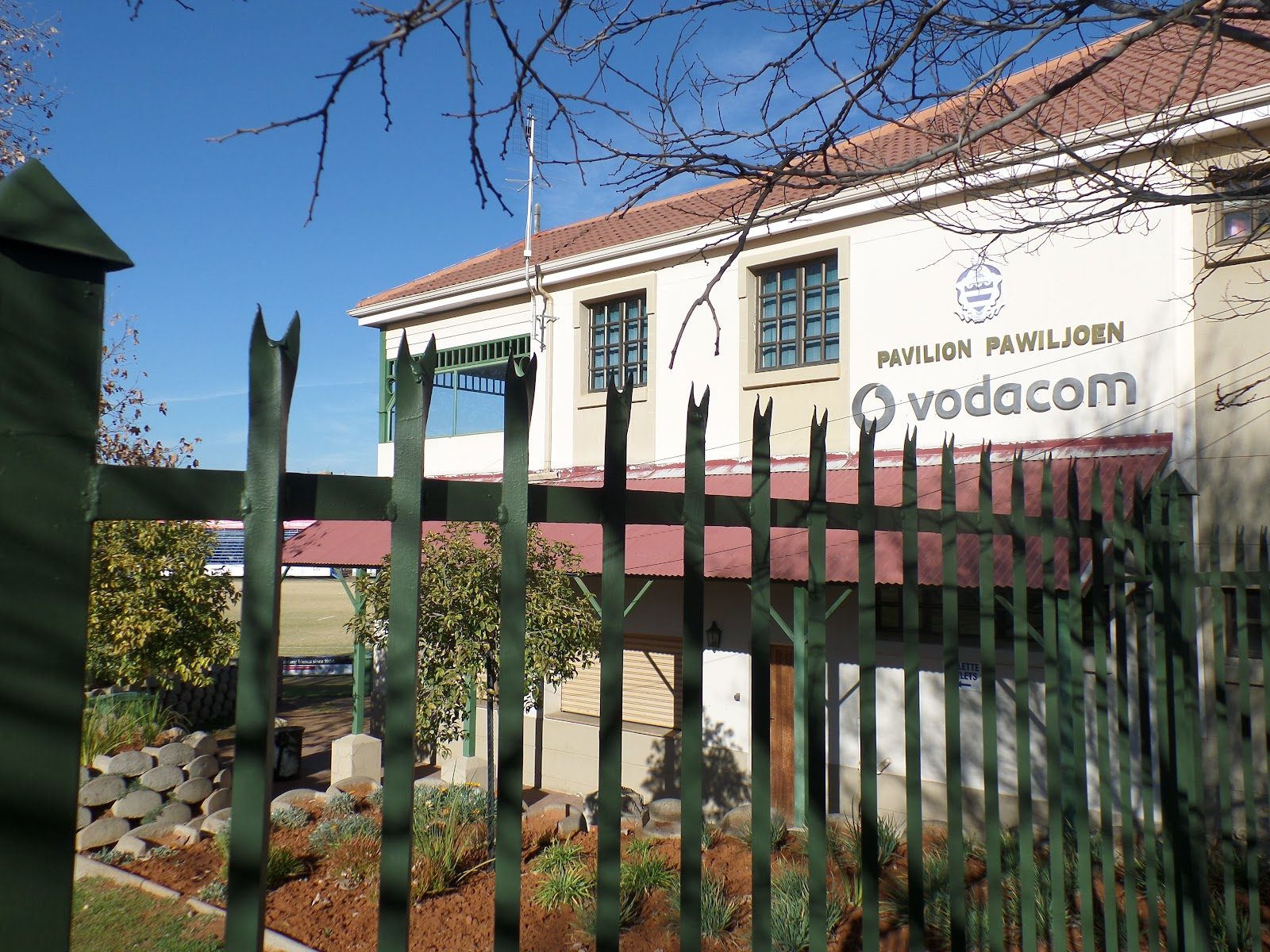
Grey College Bloemfontein
Bloemfontein · South Africa
Since 1855, this parallel-medium Free State boarding school has produced more Springboks than any other in South Africa.
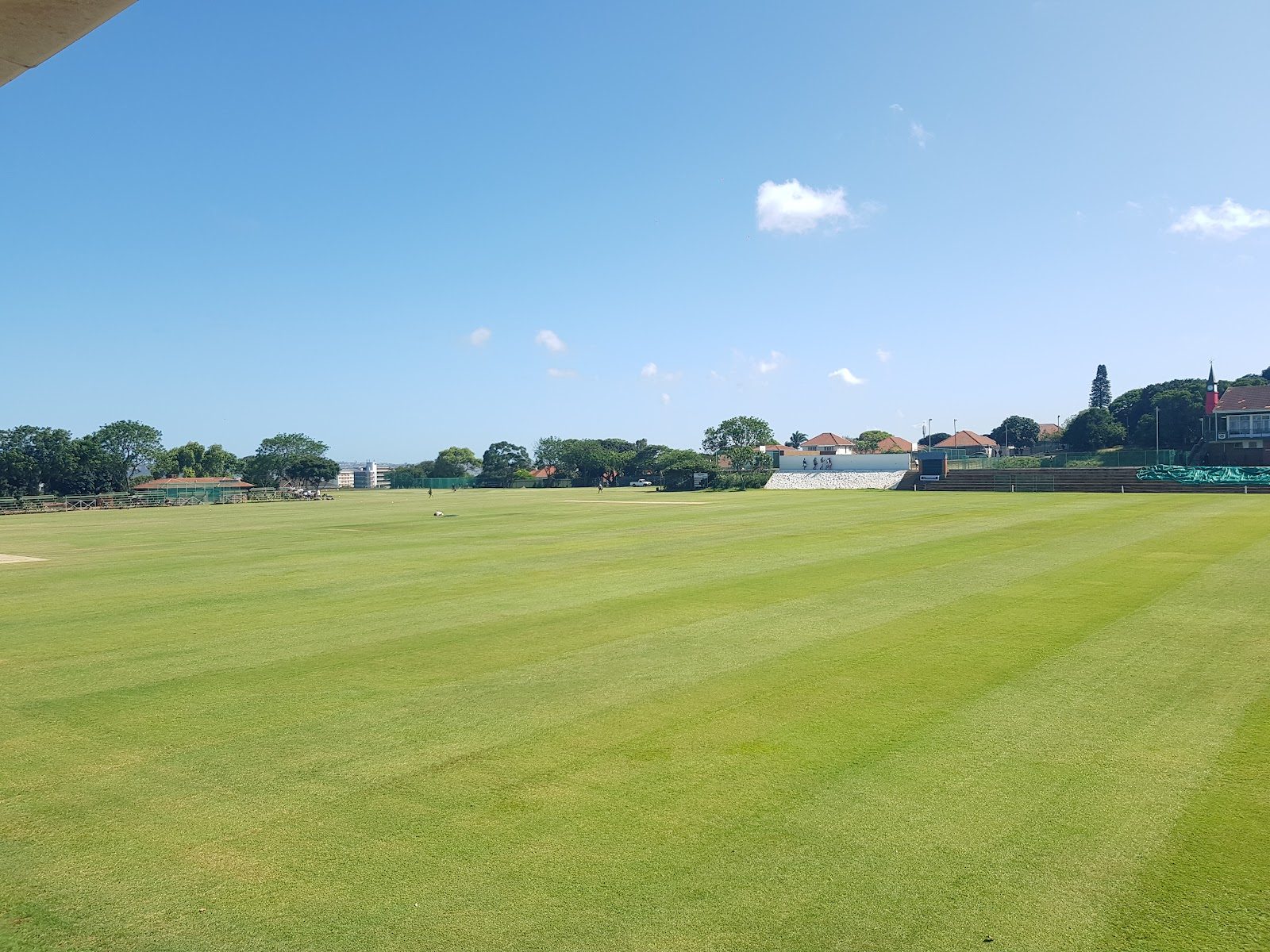
Glenwood High School
Durban · South Africa
A century-old Durban boys' school where sport is prized as 'the other half' of an education, not an afterthought
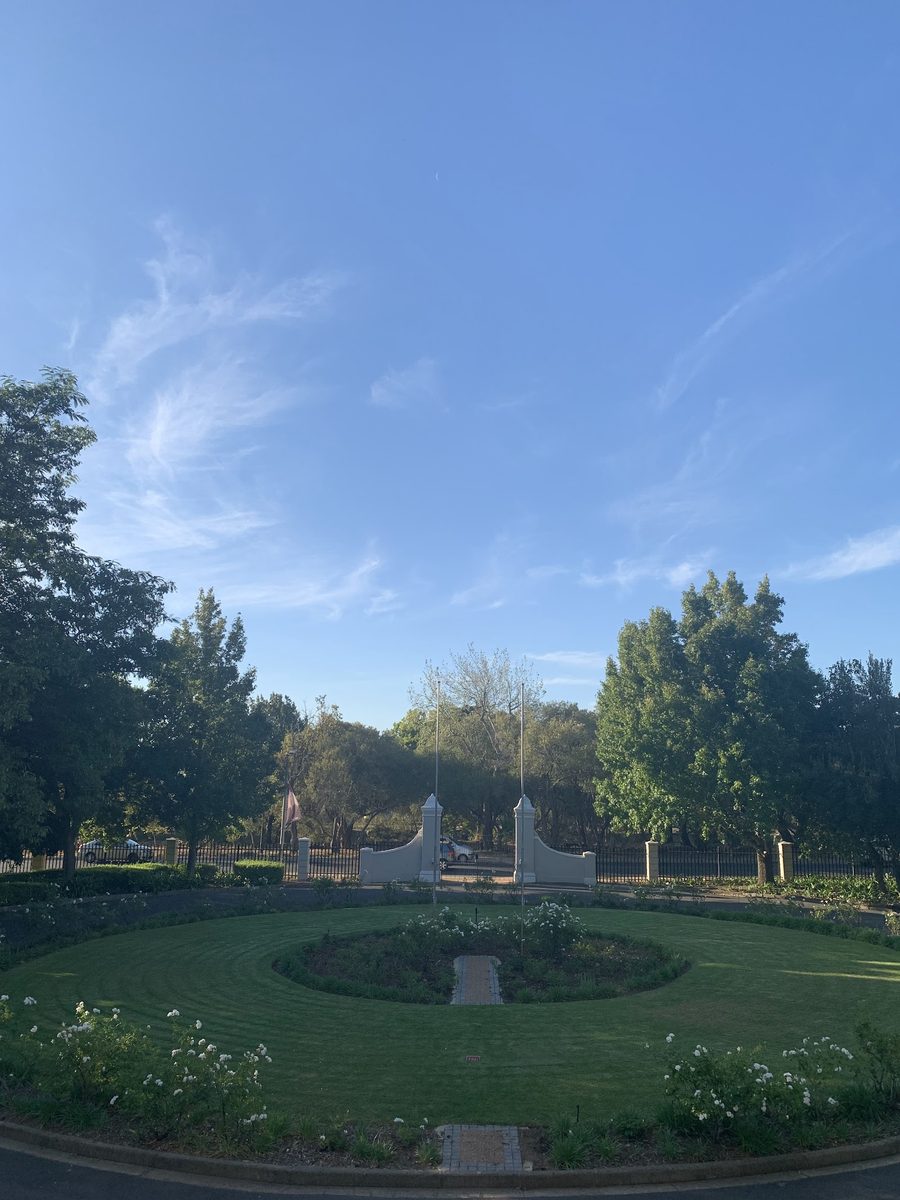
Paul Roos Gimnasium
Stellenbosch · South Africa
Beside the Eerste River, a rugby dynasty that has produced more Springboks than any other school meets rigorous IEB scholarship.
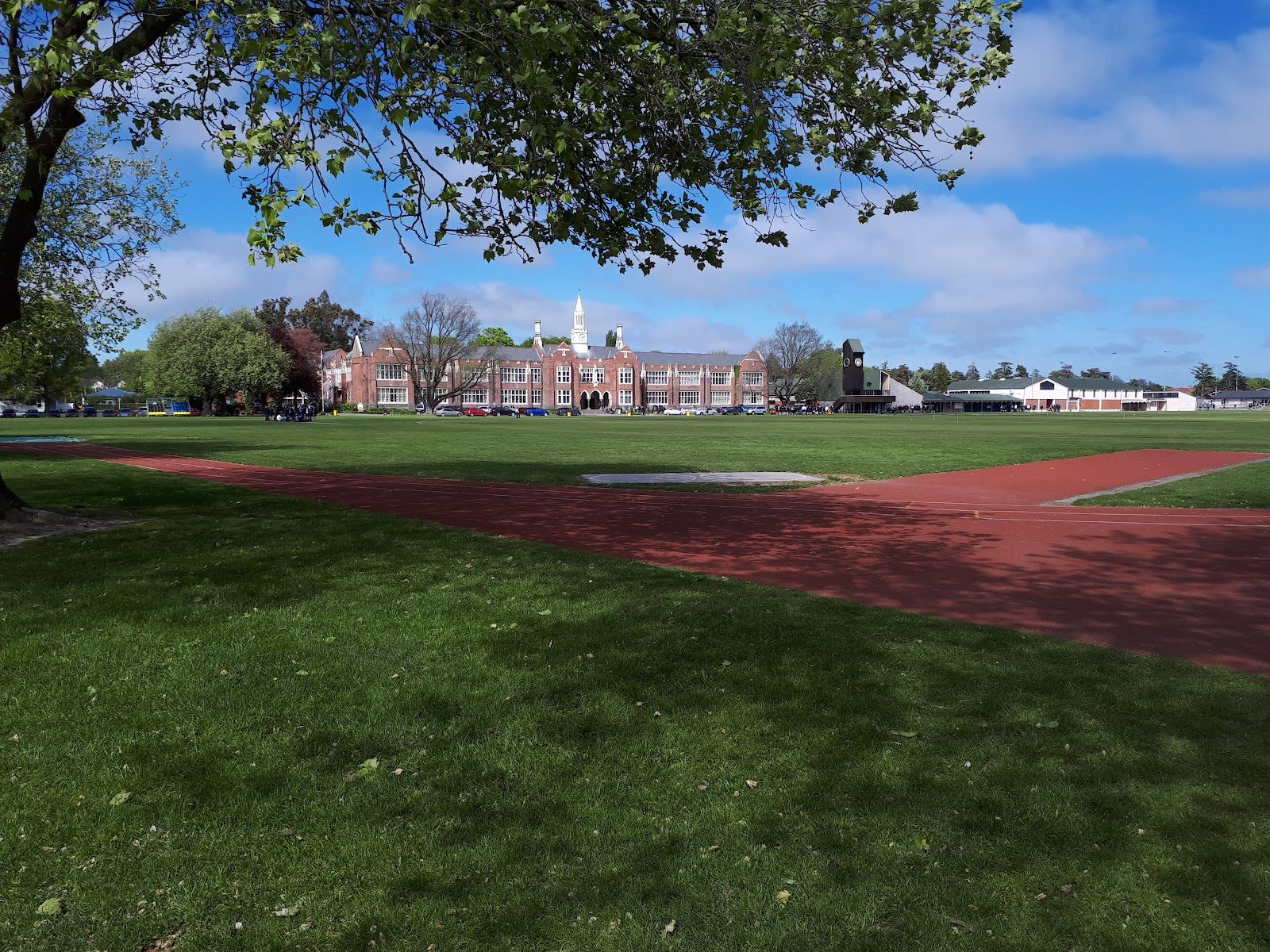
Christchurch Boys' High School
Christchurch · New Zealand
Founded in 1881 to feed Canterbury College, this Riccarton school trails only Auckland Grammar in All Blacks produced.
Same specialism, country and curriculum — closest matches within ±10 points either way