
Geneva
International School of Geneva
high confidence· 6/6 cats · 3.08 avg sourcesBorn beside the League of Nations in 1924, where its own teachers first drafted the IB diploma.
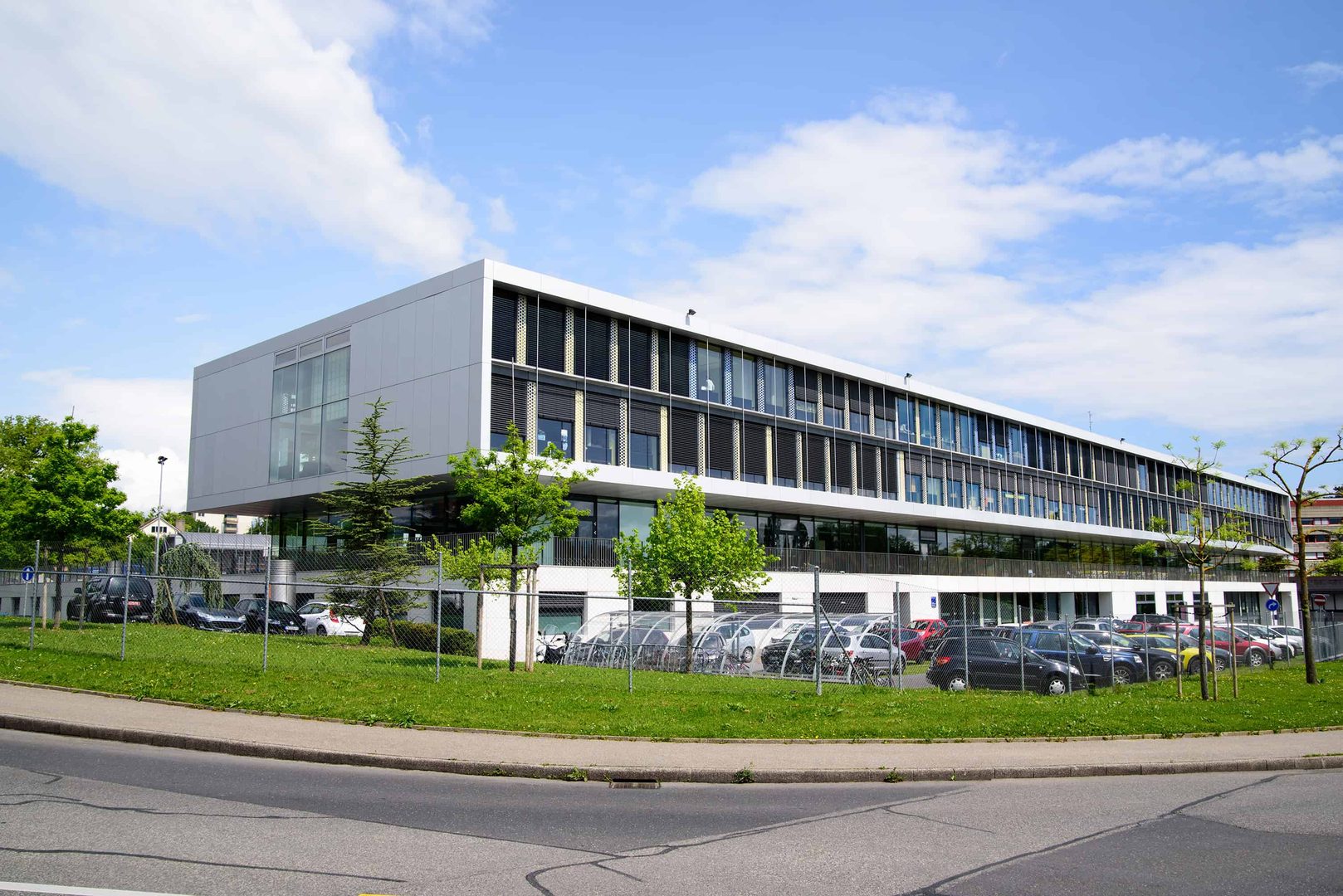
Type
Boarding
Ages
11–18
Curriculum
IB · British
Qualifications
IB PYP · IB MYP · IB Diploma
Ratio
10:1
The Verdict
Editor's commitment
Right for
Families who want the original IB school: founded in 1924, IBO and CIS accredited, with bilingual English-French teaching.
Wrong for
Children who need intimacy over scale; Ecolint runs three campuses and teaches 4,450 students, even with a 10:1 ratio.
Watch out for
This is expensive by Geneva standards: average annual boarding is CHF 120,000, and day fees average CHF 28,762.
Ranking breakdown
International School of Geneva · #491 of 1591
Composite score 69.1. 8 weighted criteria.
By criterion
Academic Outcomes
Weight 20%
#333
of 1529 scored
University Placement
Weight 16%
#219
of 1529 scored
Prestige & Heritage
Weight 12%
#88
of 1571 scored
Alumni Network
Weight 12%
#1285
of 1530 scored
Facilities
Weight 12%
#29
of 1534 scored
Transparency & Communications
Weight 8%
#62
of 1532 scored
Peer & Industry Review
Weight 10%
#116
of 1548 scored
Admissions Selectivity & Demand
Weight 8%
#991
of 1529 scored
Score history
International School of Geneva · 2026
Movement across 2024–2026. Peer average overlaid.
Overall — 2024–2026
69.1/ 100
▲ +10.3 vs 2025
year on year
Peer & Industry Review
How International School of Geneva is regarded in the sector
92
Top-tier · high confidence
Ecolint (International School of Geneva) is the world's oldest international school (founded 1924) and a founding institution behind the International Baccalaureate, a fact widely cited in specialist education press and IB organisational history. It is consistently referenced in expat-parent forums (e.g. English Forum Switzerland) and 'best international schools in Geneva/Switzerland' roundups from outlets like Tatler Schools Guide and International School Parent Magazine, and its alumni network includes numerous diplomats' and UN officials' children, reinforcing its status as a benchmark peer institution in Geneva's competitive international school market.
Evidence sources
- Aga Khan IV — Business/Religious leader, Aga Khan Fund for Economic Development
- Peter Sutherland — Former Chairman, Goldman Sachs International and BP
- Indira Gandhi — Former Prime Minister of India, Politics
Editors' overview
The International School of Geneva has a claim few schools can match: it was born in 1924 beside the League of Nations, and its own teachers helped draft the IB diploma. That history still matters. This is not a school that adopted the language of international education after the market moved that way; it helped invent the category. With three campuses and 4,450 students across the wider foundation, it operates at serious scale, yet the published classroom measures stay tight at a 10:1 student-teacher ratio and an average class size of 18. The academic proposition is clear: a bilingual English-French education, a British and IB curriculum mix, and accreditations from both the IBO and CIS. For parents who want internationalism to be structural rather than decorative, Ecolint sits in a rarefied bracket.
It also carries the advantages and compromises of a big, old, prestigious institution. The breadth is real: 140 nationalities, 80 home languages, three established campuses and substantial co-curricular provision. The alumni and destinations reinforce that weight. Wikidata already records 21 notable alumni, including politicians, business leaders, scientists and writers, and recent university destinations include Cornell and Duke with three students each, and Columbia with two. This is a deeply connected school with a long memory, a powerful network and a culture shaped by diplomacy, mobility and multilingualism. The price reflects that status. The average annual day fee is CHF 28,762 and the average annual boarding fee is CHF 120,000. Boarding, in other words, sits squarely in the ultra-premium tier.
The best fit is the student who wants an outward-facing education and can use a large international environment well. Children who thrive here tend to be academically purposeful, linguistically open, and comfortable among peers from many countries and transient family backgrounds. It will also suit families who value peace and humanitarian ideals, not as branding, but as part of the school’s institutional DNA. Students who need a small, tightly sheltered setting or a single national culture may find Ecolint too expansive and socially diffuse. Parents should shortlist it for its historical authority, its bilingual and international depth, and the fact that it still delivers the fundamentals with unusual precision: 1924 foundations, 18-pupil classes, recognised accreditations, and access to a student body that is genuinely global rather than merely international in name.
Academic Performance
Ecolint’s academic reputation rests on institutional prestige more than published exam transparency. The school directs parents to a “results and guidance” section and talks confidently about academic rigour, but we have not seen aggregate IB outcomes, cohort averages, top-score rates or a three-year results trend in the public domain. That matters. Among serious IB schools, headline performance data is a basic test of candour. Without it, Ecolint sits in an opaque category on raw results reporting, despite its formidable standing in international education. The same applies to the British side of the offer: no consolidated public exam data is published here either.
That does not leave parents with nothing. University destinations point to a school that places pupils competitively into selective US institutions, and the scale of its university guidance operation is reinforced by the size and longevity of the organisation. In peer terms, this is not a school that needs to prove basic academic credibility; it needs to prove how strong its outcomes are relative to the best IB operators in Switzerland and beyond. On that measure, Ecolint is credible but insufficiently evidenced. Families comparing top-fee schools should press for hard numbers: recent IB average, score distribution, subject-level strength, and destination patterns across full graduating cohorts rather than a carefully curated handful of names.
Facilities
Facilities are strong in the areas that matter most for a large international school: breadth, specialist provision and room for activity beyond lessons. Ecolint runs across three established campuses, and that scale gives it a wider operating base than many stand-alone rivals. The school points parents to substantial performing arts, music, sports and culture-and-leisure provision, plus learning support services on each site. That matters more than glossy architecture. At schools serving internationally mobile families, the real test is whether a child can find depth in sport, performance and enrichment without fighting for scraps. Here, the range looks serious and well-built for scale. The holiday camps operation for younger children also hints at infrastructure that is used hard rather than kept for show.
Against Swiss and European peers, the picture is strong but not fetishised. Some top-fee competitors market landmark theatres, elite sports complexes or design-led new builds as the centrepiece of the proposition. Ecolint’s public case leans less on trophy facilities and more on access, variety and daily use across a very large student body. That gives the estate a workmanlike authority rather than a resort feel. The trade-off is clear: parents do not get a tightly choreographed facilities story, and the school does not publish much fine-grained detail on labs, specialist studios, boarding houses or sports inventory. For families who want a campus to dazzle at first glance, others do that better. For families who want substantial, heavily used provision across a broad co-curricular life, Ecolint stands up well.
Some top-fee competitors market landmark theatres, elite sports complexes or design-led new builds as the centrepiece of the proposition
Prestige
Ecolint carries rare institutional prestige because its status does not depend on glossy positioning or a recent run of exam headlines. It sits in the small group of international schools whose name means something on its own: to diplomats, to globally mobile families, and to universities that know the sector well. The scale helps. A community of 4,450 pupils across three campuses gives it reach, depth and a powerful old-school network effect. So does its social composition: 140 nationalities and 80 home languages are not decorative diversity statistics but a marker of real international density. Add the non-profit foundation structure and the school’s explicit peace and humanitarian ethos, and the brand carries moral weight as well as social cachet.
That said, prestige here is structural, not performative. It comes from legacy, network, selectivity of reputation and long-standing influence in international education, not from the brute-force academic transparency that the best schools now publish as routine. That weakens the case if a family defines prestige through hard results alone. Still, for parents who value name recognition in serious international circles, a genuinely multinational peer group and a school with historic authority in the field, Ecolint sits in the top tier. It is expensive, established and globally legible. The only real limitation is that its public outcomes reporting does not match the strength of its standing.
Parent-facing communication is active, public and unusually easy to navigate for a school of this size
Communications
Parent-facing communication is active, public and unusually easy to navigate for a school of this size. The website does the core job well: clear routes into admissions, programmes, results and guidance, open-house booking, campus pages and co-curricular options. The school also puts real emphasis on invitation rather than mystique. Open-house events are pushed prominently, and the language around visiting, meeting staff and seeing spaces in person is direct. That matters at an institution serving 4,450 pupils across 3 campuses: parents need a communications system that reduces friction, not one that hides behind prestige. The bilingual presentation adds practical value for families moving between local and international systems, and the public case for the school’s values is coherent, accessible and well organised.
The weakness is depth, not polish. Ecolint communicates culture and scale better than it communicates evidence. It offers a strong sense of ethos, diversity, extra-curricular life and institutional confidence, but less of the hard operational detail that demanding parents will want once they move past first impressions. We have not seen much fine-grained public disclosure on exam outcomes, boarding life, or the kind of campus-by-campus specifics that help families compare schools at the top end of the market. So the verdict is effective at welcome, less strong on scrutiny. For initial engagement, communications are confident and parent-friendly. For due diligence, they leave work for the family.
Uniqueness
What sets Ecolint apart is not just age or reputation, but authorship. This school helped shape the architecture of modern international schooling and still operates from that original premise: education as a meeting point for children crossing borders, systems and identities. Plenty of schools now borrow the language of global citizenship; Ecolint’s claim is foundational rather than borrowed. The scale of its international mix is also hard to dismiss as branding. A student body spanning 140 nationalities and 80 home languages creates a daily reality in which difference is ordinary, not curated. For pupils, that brings fluency in navigating multiple viewpoints, confidence with cultural ambiguity and a peer group that reflects diplomatic, mobile and multinational life with unusual density.
The other distinctive feature is its explicit peace-and-humanitarian frame, backed by its non-profit foundation status. That gives the school a moral centre that is *more serious than the average mission statement*. Students do not just encounter international diversity; they do so inside an institution built around coexistence, dialogue and public-mindedness. For the right child, that is formative: it can produce intellectual openness, social ease across borders and a habit of seeing education as more than private advancement. The trade-off is clear. In a school this large and internationally fluid, identity is collective rather than intimate. Students who want a close-grained, single-culture school life will find the environment diffuse. Those who want the real thing in international education will find few peers with this level of historical legitimacy.
The other distinctive feature is its explicit peace-and-humanitarian frame, backed by its non-profit foundation status
Student Profile
The pupil who fits best here is international by habit, not by brochure. This is a school for children who move comfortably between nationalities, social codes and competing viewpoints, and who do not need a single dominant culture to feel secure. With 140 nationalities and 80 home languages across the wider community, daily life carries a level of difference that many “international” schools only advertise. The strongest match is the student who is curious, socially agile and willing to join a conversation already in motion. New arrivals who are open, self-directed and quick to build relationships will do well. Children who want a fixed hierarchy, a narrow local social scene or a more sheltered peer group will find the atmosphere restless, adult-facing and at times socially demanding.
Temperament matters as much as ability. Ecolint suits students who can use freedom well: those who will take advantage of the scale, seek out activities, and engage with a community shaped by mobility, diplomacy and public-minded values. It also suits families who value inclusion in practice; the school states that every student is welcome and highlights learning support services across its campuses. That does not make it a soft environment. In a large institution, students need initiative and a degree of resilience. The best Ecolint pupils are outward-looking, linguistically open and comfortable with complexity. Those who need intense hand-holding or a close-knit, highly sheltered school culture will get less traction here.
The International School of Geneva has a claim few schools can match: it was born in 1924 beside the League of Nations, and its own teachers helped draft the IB diploma
Co-curricular strengths
Arts & sport, on a separate axis
Overall 8.2/10
Scored 0-10 from the school's own published evidence. This axis is editorial-only — it does not feed the main WTS ranking.
Sports
8.5/10
Capitalizes on its Swiss lake-and-mountain environment, balancing traditional competitive field tracking with excellent alpine sports.
Drama
8/10
Features spectacular performing arts spaces, staging grand international, multilingual productions and technical theater arts.
Dance
7.5/10
Strong studio track running technical contemporary, jazz, and synchronization choreography.
Music
8.5/10
Staggering musical infrastructure anchored by world-class on-campus concert setups and global student ensembles.
Visual Arts
8.5/10
Sun-drenched, professional-standard studio workshops specialized for fine art, digital graphic design, and high-end multimedia.
Editor-verified · 8/9/2026
Outcomes & destinations
Where students go next
260 graduates
Top destinations
105 placements
- Cornell University· 3
- Duke University· 3
- Columbia University· 2
- NYU· 6
- Cambridge· 4
- Oxford· 3
- UCL· 8
- Imperial College London· 6
- LSE· 5
- King's College London· 6
- ETH Zurich· 5
- EPFL· 6
- University of Zurich· 4
- Bocconi University· 8
- IE University· 5
- McGill University· 5
- University of Toronto· 5
- University of Edinburgh· 8
- University of St Andrews· 4
- Sciences Po· 6
- HEC Paris· 3
Reported by the school. Confirm with admissions.
Notable alumni · Wikidata
21notable alumni
2 historic (born pre-1930) · 6 modern (born post-1970)wikidata:2026-07-28 How we source this
Strengths
- +Founded in 1924 in the service of the League of Nations and the International Labour Organization, it is the oldest international school in the world, giving it a century of institutional history.
- +In the mid-1960s, a group of teachers from Ecolint created the International Schools Examinations Syndicate, which later became the International Baccalaureate, so the school is the literal birthplace of the IB Diploma.
- +The school is a not-for-profit foundation, with 140 nationalities and 80 home languages represented, giving families a genuinely multicultural, non-commercial school environment.
- +The school reports an average IBDP score across campuses of approximately 35 points, compared to a world average of 30.5 out of 45 points, indicating strong overall Diploma outcomes.
- +Students can choose between multiple exit pathways, since from Year 10 onwards students choose either IGCSE and IB Diploma or the Swiss maturite programme, with La Chataigneraie the only Ecolint campus offering the national secondary diploma.
Considerations
- −Despite being categorised here as 'boarding', Ecolint's own materials and independent listings describe it as a day school across its three campuses; IB's own school register for La Chataigneraie lists Boarding facilities: DAY, so families should not assume on-site residential houses exist.
- −As a non-selective school, Ecolint operates a child-centred and inclusive admissions philosophy, which means the academic cohort spans a wide range of abilities rather than being uniformly high-achieving.
- −With three campuses, over 4,500 students, and 1,100 staff members, the sheer scale of the Foundation can mean less of the intimate, small-school feel some rival institutions offer.
- −Fees are in the premium Swiss international-school band: beyond tuition, families face additional one-off charges, including an Application fee: CHF 250, Capital development fee: CHF 4,000, Re-enrolment deposit: CHF 1,000.
Availability
Primary entry gate & tests
Academic Record
Gallery
Photo © jon winston via Google Maps
Photo © 김's샐러리맨 코퍼레이션 via Google Maps
Photo © 김's샐러리맨 코퍼레이션 via Google Maps
Photo © 김's샐러리맨 코퍼레이션 via Google Maps
Photo © Matys A via Google Maps
Photo © Matys A via Google Maps
Photo © Matys A via Google Maps
Parent reviews
Have you sent your child here?
Voice reviews carry the strongest trust badge — we transcribe them for you to tidy up before they go live. Prefer to type? A written review is fine too.
Add your voice
In 60 seconds, tell other parents: what's the best thing about International School of Geneva, and what surprised you when your child joined?
We ask for a Google sign-in so every review has a real face behind it — no anonymous drive-by attacks on schools, and no faked positive reviews. Your email is never shown publicly.
Send this profile to a friend
International parents rely on word-of-mouth. Share this review with someone weighing the same decision.
Schools with places
Similar schools to International School of Geneva with places available now.
Institut International de Lancy
Geneva · Switzerland
- 2026-27
- WAITPOOLSpace-dependent
- 2027-28
- PLACES OPENRolling
Collège du Léman
Versoix · Switzerland
- 2026-27
- WAITPOOLSpace-dependent
- 2027-28
- PLACES OPENRolling
Availability first, then country, area, curriculum, price, co-curricular
Consider also
Also worth looking at alongside International School of Geneva.
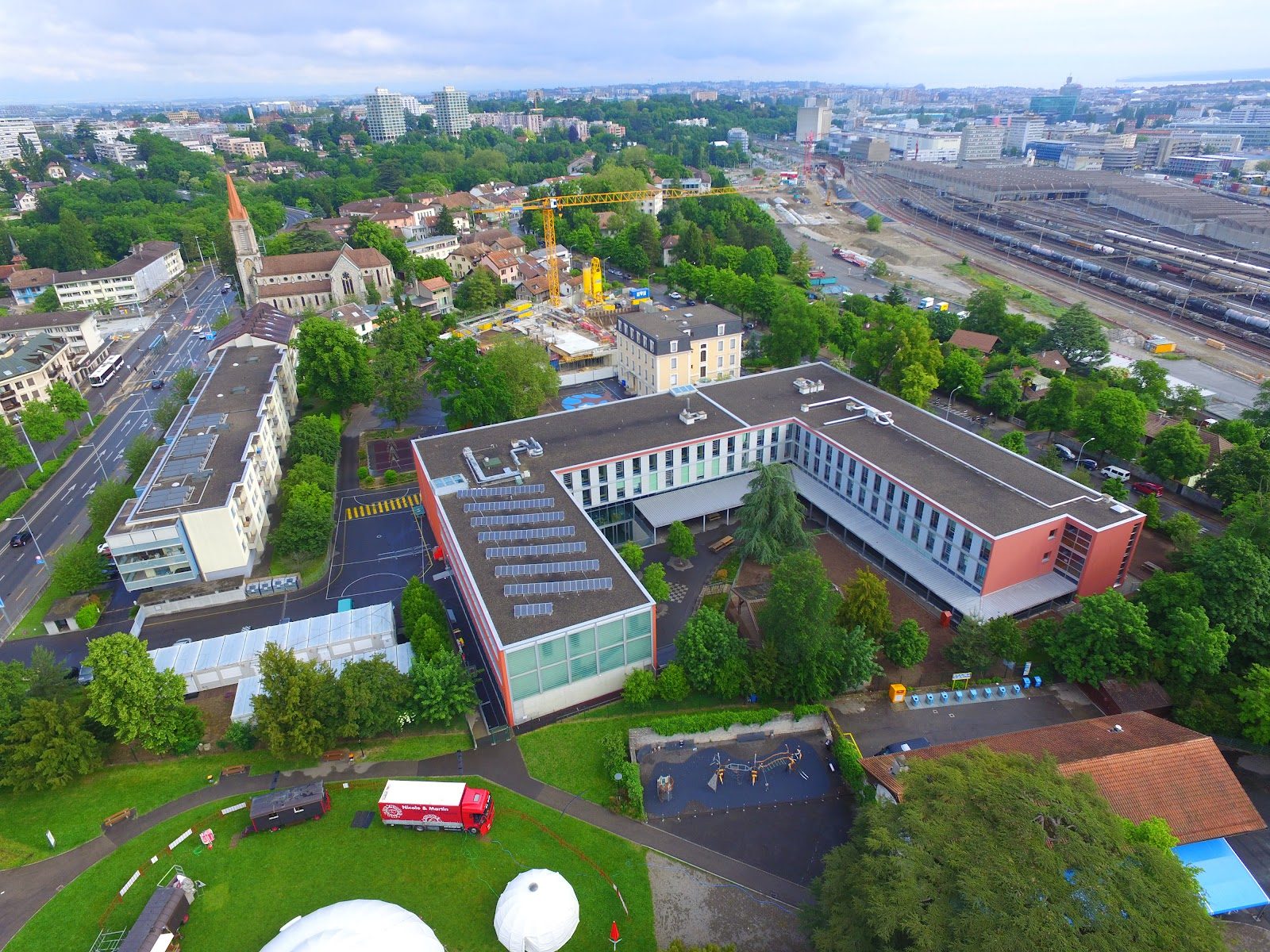
Institut International de Lancy
Geneva · Switzerland
Founded in 1903 near Geneva, this campus runs French, British and bilingual tracks side by side into the IB diploma.

Collège Alpin International Beau Soleil
Villars-sur-Ollon · Switzerland
Since 1910, alpine boarding at 4,429 feet, where house culture is built for ridge hikes and a record Kilimanjaro summit push.
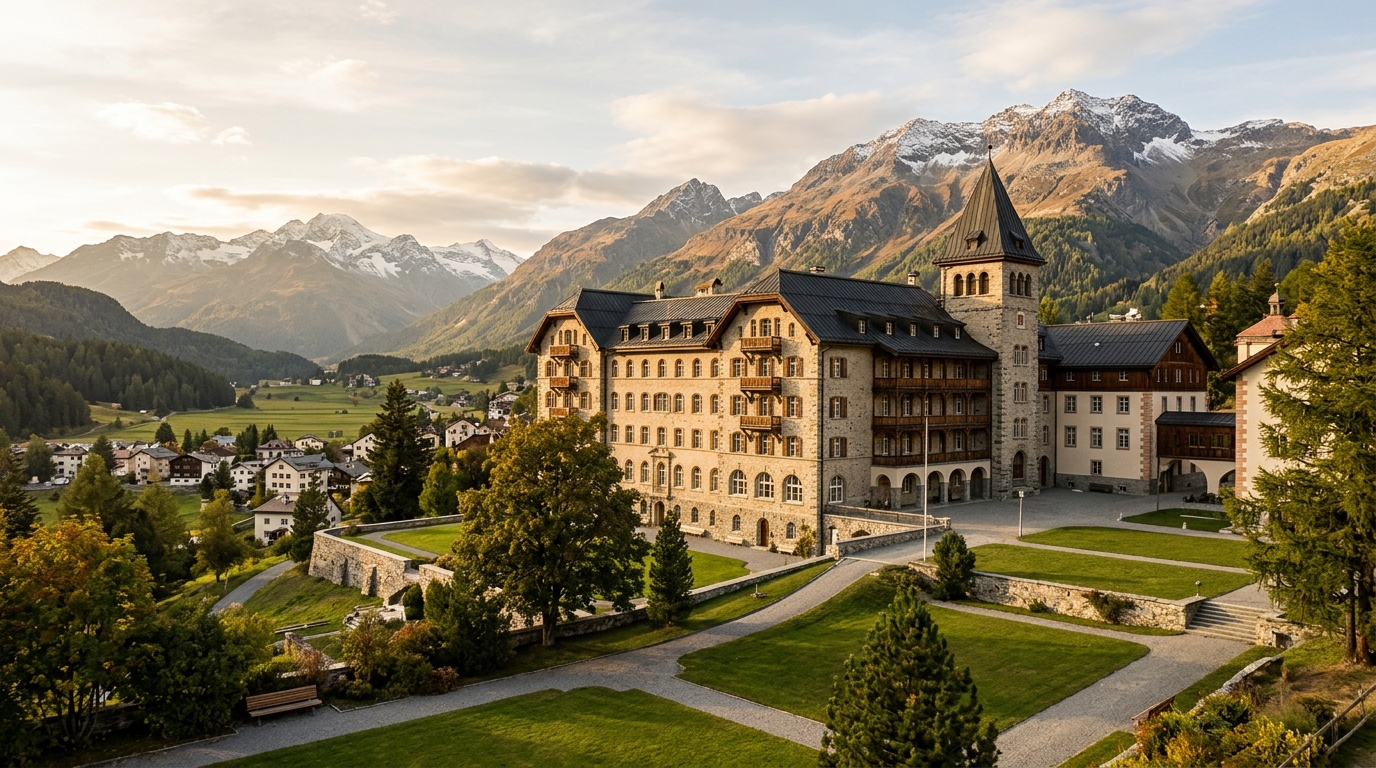
Lyceum Alpinum Zuoz
Zuoz · Switzerland
At 1,750 metres in the Engadine, IB and Swiss Matura classes share the calendar with cricket on Europe's highest pitch, in play since 1922.
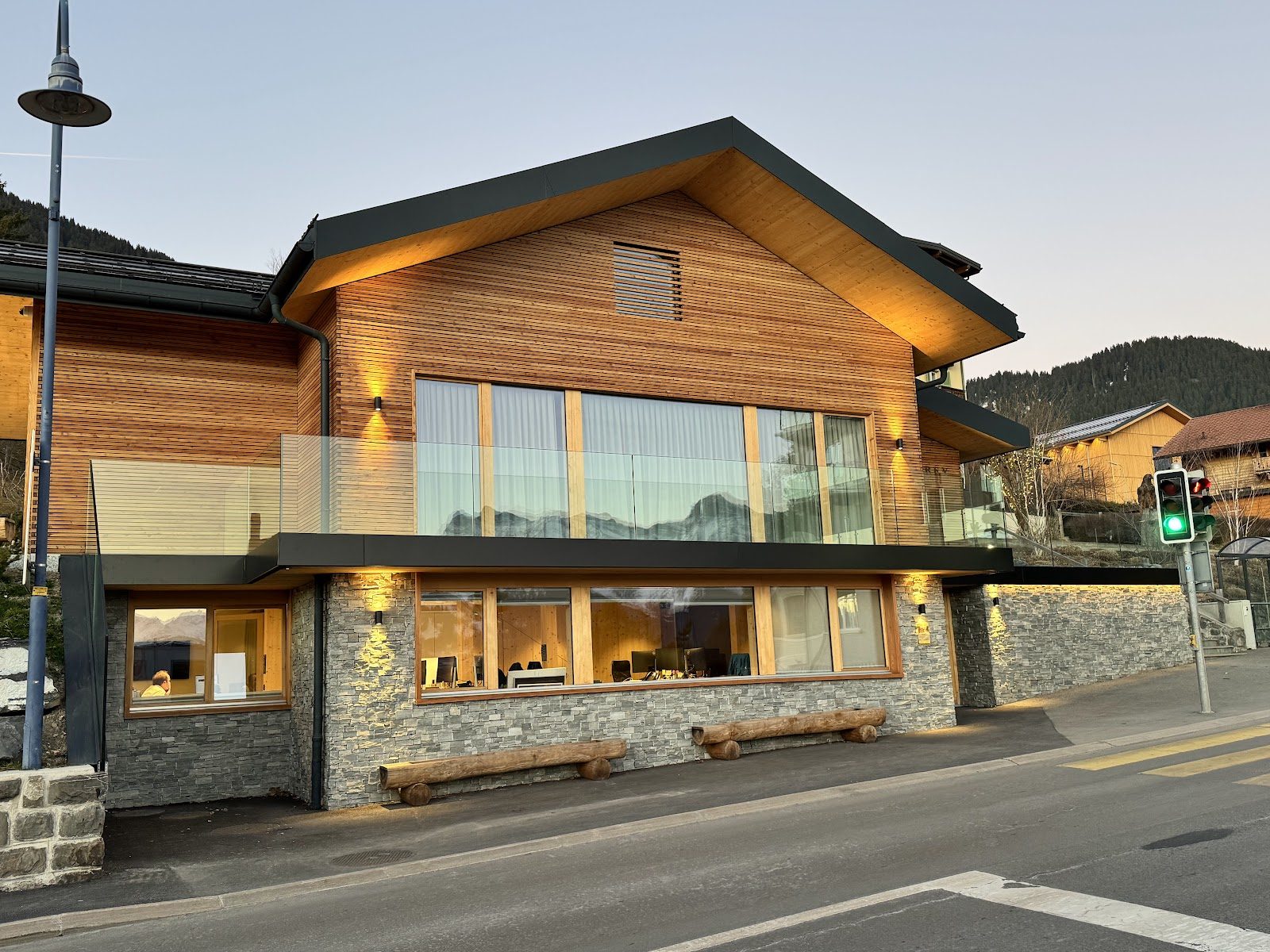
Aiglon College
Chesières · Switzerland
Perched at 1,200 metres in the Swiss Alps, meditation and expedition learning are as core to the timetable as the IB Diploma.
Same country and curriculum — closest matches within ±10 points either way