
Western Cape
Bishops Diocesan College
high confidence· 5/6 cats · 3.24 avg sourcesFounded in 1849 below Table Mountain, home to the oldest rugby field in the southern hemisphere and a storied house system.
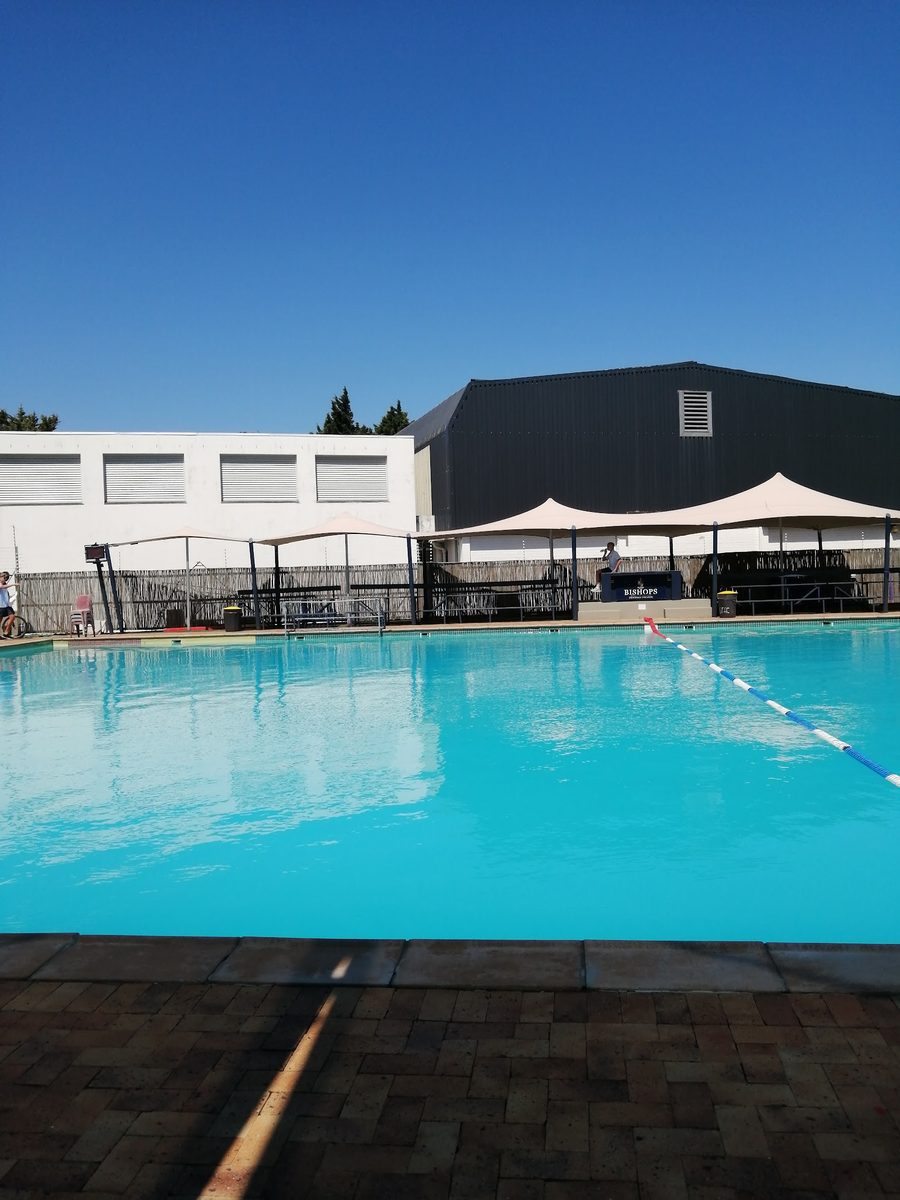
Photo © Ian Pells via Google Maps
Type
Boarding
Ages
11–18
Curriculum
IB
Ratio
—
The Verdict
Editor's commitment
Right for
Boys 11–18 who want an Anglican boarding school founded in 1849, with IB and Cambridge accreditation and a serious sporting culture.
Wrong for
Families wanting co-education, a secular ethos, or schooling outside English; Bishops is a boys’ school in Cape Town with Anglican foundations.
Watch out for
This is expensive by South African standards: average annual fees are $12,211 day and $20,881 boarding, and the all-rounder pitch is unapologetic.
Ranking breakdown
Bishops Diocesan College · #758 of 1591
Composite score 64.6. 8 weighted criteria.
By criterion
Academic Outcomes
Weight 20%
#585
of 1529 scored
University Placement
Weight 16%
#584
of 1529 scored
Prestige & Heritage
Weight 12%
#118
of 1571 scored
Alumni Network
Weight 12%
#1292
of 1530 scored
Facilities
Weight 12%
#188
of 1534 scored
Transparency & Communications
Weight 8%
#592
of 1532 scored
Peer & Industry Review
Weight 10%
#412
of 1548 scored
Admissions Selectivity & Demand
Weight 8%
#686
of 1529 scored
Score history
Bishops Diocesan College · 2026
Movement across 2024–2026. Peer average overlaid.
Overall — 2024–2026
64.6/ 100
▲ +9.7 vs 2025
year on year
Peer & Industry Review
How Bishops Diocesan College is regarded in the sector
90
Top-tier · high confidence
Bishops (Diocesan College) is consistently ranked among South Africa's top schools in independent surveys and media coverage, including regular top placements in the Sunday Times/PSG Wealth 'Top Schools' rankings and IEB matric results tables. It is a founding member of the prestigious South African Schools' Rugby and academic circuits, with extensive alumni network press coverage (old Diocesans include prominent business, political and sporting figures) and is frequently benchmarked against other elite South African schools like Michaelhouse, Hilton College and St John's in specialist education press and expat parent forums discussing Cape Town schooling options.
Evidence sources
Award
Elite Sport 80
World's Top School · The Global Ranking
Bishops Diocesan College is featured on our Global Top 80 ranking at #71. This seal is available for the school's marketing team to use on their website, prospectus and social channels.
- Brian Gilbertson — Former CEO, BHP Billiton, Mining/Business
- Basil Read — Founder, Basil Read Construction, Business
- Peter Hain — Politician, UK Labour Party
Editors' overview
Below Table Mountain, Bishops trades on something many schools claim and few possess: institutional weight. This Anglican boys’ school in Rondebosch was founded in 1849, runs from ages 11 to 18, and combines day and boarding provision in a format that still feels properly traditional rather than retrofitted. The house system matters here, and so does sport: the school’s claim to the oldest rugby field in the southern hemisphere tells you a great deal about the culture before you reach the prospectus language about “all-roundedness”. This is a school for families who want strong habits, clear expectations and a distinctly male, old-established environment, not a soft-focus version of pastoral modernity.
The academic proposition has an unusual edge for a school with such deep roots. Bishops declares the IB and holds accreditation from both the IBO and Cambridge, which gives it broader academic reach than the stereotype of an old South African boys’ school built only on tradition and games. English is the language of instruction, boarding is central rather than incidental, and the school states its aim in direct terms: to produce “fulfilled and responsible men”. That clarity will appeal to some parents and repel others. It is *not a school for families uneasy with institutional confidence*. If you want co-education, a less defined religious frame, or a looser social tone, there are easier fits in Cape Town.
In market terms, Bishops sits in the premium bracket without reading as imported international-school gloss. The average annual day fee is $12,211 and the average annual boarding fee is $20,881, which places it as serious but not absurdly priced by global boarding-school standards. Its alumni footprint is substantial even on a conservative count: 183 notable alumni catalogued in Wikidata, including 49 elite athletes and 33 scientists and scholars. That spread matters. Bishops does not just produce one type of success; it produces a recognisable establishment network across public life, sport and the professions.
The boy who thrives here will want structure, competition and belonging. He will value ritual, teams, houses and the cadence of a school with real historical muscle. He does not need to be a rugby obsessive, but he will need tolerance for a culture in which sport, identity and school loyalty carry weight. For the right student, Bishops earns a shortlist place because it offers something scarce: a school with earned prestige, a live boarding tradition, and a clear sense of what kind of young man it intends to form.
An Elite Sport 80 school
Bishops Diocesan College in Cape Town — universally known as "Bishops" — is at rank seventy-one on the Elite Sport 80 because it is one of South Africa's most storied private boys' boarding schools with a sustained Springboks, Proteas and Olympic water-polo pipeline across generations. The Bishops 1st XV rugby squad and 1st XI cricket squad compete at national schoolboy finals level, and the school's water polo programme has been one of the most productive in the country for decades.
The specialisms are rugby union (with a formal academy model, professional coaching and links to the Stormers Super Rugby franchise and Western Province Rugby), cricket (a Cape Cobras and Proteas pipeline), water polo (a South Africa Water Polo pipeline with multiple Olympic representative alumni), athletics, hockey and rowing. Squash, tennis and swimming run at high schoolboy standard.
Notable alumni across codes include Basil D'Oliveira's contemporaries at Cape cricket, Robin Peterson, several current Springboks and Currie Cup professionals across the Stormers and Sharks franchises, multiple South African water polo Olympic representatives, and — in cricket — a rolling roster of Proteas and franchise-level players. In athletics, multiple South African representative sprinters have come through.
International openness is genuine. Bishops is a full boys' boarding school with an established overseas cohort — particularly from Zimbabwe, Botswana, Namibia, the UK, mainland Europe, the Middle East and Asia. Fees are in the upper tier by South African standards, sitting around ZAR 340,000-380,000 per year including boarding — positioning Bishops as more expensive than the state gymnasiums on this list but still substantially below equivalent UK or US boarding schools with comparable output. Language of instruction is English. Admissions is a standard application process plus a sport-specific reference or trial where relevant. South African study permits are straightforward. For a family relocating from a rugby-, water-polo- or cricket-strong nation to Cape Town and targeting a genuine Springbok, Olympic or Proteas pathway alongside internationally-recognised academic pathways, Bishops is one of the most historically storied schools on the entire Elite Sport 80.
Academic Performance
Bishops does not publish the kind of granular public outcomes data that would let parents place it precisely against the strongest exam-driven competitors. We have not seen cohort IB averages, top-score distributions, subject-by-subject breakdowns, university destination tables tied to results, or multi-year trend data. That matters. In a market where serious academic schools increasingly disclose hard numbers, silence leaves parents relying on reputation and institutional history rather than verifiable performance. The school’s own language stresses a strong academic ethos, but ethos is not results. For families treating external examinations as the decisive test of school quality, this is a real weakness in the public case.
That does not put Bishops in the academic second rank; it puts it in the opaque one. Schools with long-established prestige can carry that opacity longer than newer entrants, because demand, alumni weight and brand confidence do part of the work that published results do elsewhere. Among peers, Bishops fits the category of high-status, old-guard school whose academic standing is assumed rather than evidenced in public detail. Some parents will accept that trade. Others will ask a blunt question: if results are strong, where are the numbers? Until Bishops answers that with data, its academic position remains credible but insufficiently documented beside schools that publish full cohort outcomes and multi-year results.
Facilities
The physical proposition is strongest where Bishops’ culture is strongest: sport, boarding and the machinery of a full old-style school. The campus map, separate college and junior divisions, school shop, travel office and dedicated alumni union all point to a fully built-out institution rather than a school operating from a thin academic core. For parents, that matters because it usually translates into smoother daily logistics, more co-curricular range and boarding that sits inside the life of the school rather than on the edge of it. Against peer schools, Bishops reads as properly provisioned and deep-rooted, with the kind of estate that supports tradition rather than merely advertising it. The famous rugby heritage is not a decorative footnote; it signals serious outdoor provision and a school where games infrastructure carries weight.
Where the public case is weaker is in detail. Bishops does not publish the kind of hard facilities inventory that top competitors now put front and centre: no clear breakdown of specialist science spaces, performing arts venues, design workshops, boarding-house specifications or technology provision. That gap does not mean the facilities are thin; it means parents must work harder to inspect them. In peer terms, this places Bishops in the tier of schools whose institutional confidence outruns their public disclosure. The campus looks substantial and mature. The published picture lacks the precision that premium families now expect.
Below Table Mountain, Bishops trades on something many schools claim and few possess: institutional weight
Prestige
Bishops carries real social weight. In South Africa, and in Cape Town in particular, its name still opens doors in the old way: through recognition, network and a long record of producing public figures. The alumni footprint alone makes the point. Even a conservative count yields 183 notable former pupils, with strength not confined to one lane but spread across politics, business, scholarship and elite sport. That breadth matters more than a handful of celebrity names. It points to an institution that has fed the country’s professional and civic establishment for generations. Add the school’s Anglican identity, its entrenched house culture and its association with one of the region’s best-known boys’ school traditions, and the result is prestige with institutional density, not borrowed gloss.
The rating stays high because the prestige here is earned, durable and local, rather than the export-product status of many international schools. It also has edges. This is prestige tied to a male, traditional, socially legible culture; for some families that reads as formidable and for others as closed. The school’s public case on academic outcomes lacks the transparency that top-tier prestige schools now owe parents, so the reputation rests more heavily on history, community standing and alumni reach than on published attainment. Even so, few schools can point to 49 elite athletes and 33 scientists and scholars and still claim breadth rather than specialism. That is why Bishops sits in the upper bracket of school prestige.
The academic proposition has an unusual edge for a school with such deep roots
Communications
Bishops communicates like a school that expects families to meet it on institutional terms. The website covers the essentials cleanly: admissions, fee structures, policies, tours, news, a campus map, contacts, electronic payments, a shop, travel and a substantial spread of school divisions and governance pages. That breadth counts. It tells parents where to go for practical matters and signals a well-administered, fully inhabited institution rather than a charming but chaotic old school. The presence of an online magazine, photo gallery, video channel and archived history also points to a school that documents its life rather than leaving parents to piece it together informally. For current families, that creates a communications system with reach across logistics, culture and community.
The weakness lies in tone and disclosure. Bishops is strong on identity and navigation, weaker on the hard data that premium parents now expect when making comparisons. We have not seen the kind of sharply presented academic reporting that would turn communications from competent to fully persuasive. That matters because polished access to tours and payments is not the same as transparency. The school’s communications are confident, orderly and institutionally mature; they are not especially searching or self-critical. In practice, that means existing families will get what they need day to day, while prospective parents who want evidence as much as atmosphere will still need to press for answers. For a school carrying this much inherited authority and charging $12,211 by day and $20,881 with boarding, that gap is worth noticing.
Uniqueness
What sets Bishops apart is not novelty but continuity with force behind it. Plenty of schools borrow the language of character, service and community; Bishops has built an entire adolescent world around those ideas and kept it intact across generations. The result is a school with heavy internal culture: houses matter, rituals matter, school identity matters, and boys are pulled into a collective life that runs deeper than timetable and test scores. The Anglican frame adds another layer of moral and institutional confidence. For the right student, that produces belonging, stamina and a strong sense of personal obligation. For the wrong one, it can feel unyielding, tribal and too clearly scripted. That divide is part of the school’s character, not an incidental drawback.
Its other point of difference lies in the scale of its inherited network and the range of arenas in which former pupils have left a mark. Even a minimum verified count gives 183 notable alumni, including 49 elite athletes and 33 scientists and scholars. That breadth matters because it tells current pupils something important: achievement here is not confined to one narrow model of success. The school’s famous sporting inheritance will draw one kind of boy, but the old-boy footprint shows that Bishops also feeds public life, scholarship and the professions. What students gain from that is not just access, though access matters; it is a deeply socialised understanding of standards, competition and institutional loyalty. Few schools offer that package with such old-world certainty.
It is not a school for families uneasy with institutional confidence
Student Profile
The boy who fits Bishops wants to belong to something bigger than himself and can live comfortably inside a school with strong internal codes. He does not need swagger, but he does need appetite for structure, team life and open comparison with peers. This is a good match for students who gain energy from houses, fixtures, collective rituals and the daily pressure of a high-expectation boys’ culture. It is also a strong fit for boarders or day boys who want school to occupy the centre of life rather than one compartment of it. A self-starter who enjoys independence but resists communal obligation will find the culture hard-edged. So will boys who dislike sport-heavy status systems, even if they have plenty to offer elsewhere.
The intellectual fit is more nuanced than the sporting stereotype implies. Bishops suits boys with range: academically serious, socially robust, willing to throw themselves into a full programme rather than curating a narrow specialist path. The school’s verified alumni base — at least 183 notable former pupils, including 49 elite athletes and 33 scientists and scholars — points to a student culture that rewards competitive drive across more than one field. That matters. A boy can be scholarly here without being detached from the wider life of the school. What he cannot be is thin-skinned, passive or resistant to institutional identity. Bishops is not a soft landing. It suits boys who want pressure, belonging and definition in one package.
If you want co-education, a less defined religious frame, or a looser social tone, there are easier fits in Cape Town
Co-curricular strengths
Arts & sport, on a separate axis
Overall 8.56/10
Scored 0-10 from the school's own published evidence. This axis is editorial-only — it does not feed the main WTS ranking.
Sports
9.8/10
South African sporting giant; fields globally recognized rugby, cricket, and rowing pipelines across pristine Cape Town grounds.
Drama
9/10
Active dramatic societies and traditional house plays focused on building rigorous public speaking, acting, and stage presence.
Dance
5.5/10
Primarily used as an auxiliary physical conditioning element for stage movement rather than a dedicated discipline.
Music
9.5/10
Staggering musical breadth; supports a world-famous chapel choir, multiple brass bands, and deep symphonic orchestral tracking.
Visual Arts
9/10
Highly structured fine art layout leaning heavily toward landscape oil painting and classical technical drawing portfolios.
Editor-verified · 8/6/2026
Notable alumni · Wikidata
183notable alumni
76 historic (born pre-1930) · 20 modern (born post-1970)wikidata:2026-07-28 How we source this
Strengths
- +Founded in 1849 by Bishop Robert Gray, making it one of South Africa's oldest continuously operating independent schools, with the school established on 2 October 1849 by the Anglican Bishop of Cape Town.
- +Historic Rhodes Scholarship link: in 1901, in ill health, Cecil Rhodes was persuaded to establish a scholarship system at the school, where successful graduates could progress to Oxford or Cambridge.
- +Strong sporting pedigree and tradition, including that Bishops was the first school in the southern hemisphere to start playing rugby and the main Piley Rees field is the oldest in South Africa.
- +House-based pastoral structure is regularly praised by parents, who say the house system is key in helping each boy settle in and feel he 'belongs', with houses becoming a 'home from home'.
- +Academic offering has broadened beyond the standard South African track: the campus includes heritage buildings, the Ubuntu Learning Centre, strong music and arts facilities and a modern academic programme that includes both the NSC and Cambridge AS/A Level pathways.
Considerations
- −This is a single-sex, all-boys school, so it will not suit families seeking co-education; Bishops is an independent, all-boys school situated in the suburb of Rondebosch in Cape Town.
- −Despite being listed under an IB profile, the school's actual leaving qualification is South African, not the International Baccalaureate; it runs both the NSC and Cambridge AS/A Level pathways, so relocating IB families must confirm credit transfer and continuity themselves.
- −Fees are substantial for a South African school and rise from the earliest years; Wikipedia's infobox lists boarding and tuition fees of R331,000 (boarding & tuition), a figure families should independently verify with the admissions office given how frequently fees change.
- −Entry, particularly for external Grade 8 candidates, runs through a formal, competitive process: applicants who are not admitted in Grade 8 may be placed on a waiting list and would be interviewed should a vacancy arise, meaning late or out-of-cycle applicants face real uncertainty.
Availability
Primary entry gate & tests
Bishops Assessment (Boys)
Gallery
Photo © Carme van der Walt via Google Maps
Photo © Carme van der Walt via Google Maps
Photo © Lazaros Dube via Google Maps
Photo © Joan Cho via Google Maps
Photo © Bishops Diocesan College via Google Maps
Photo © Omar Hamdi via Google Maps
Photo © Fernando Moreno via Google Maps
Photo © Michael Lawson via Google Maps
Photo © Jim Higgs via Google Maps
Parent reviews
Have you sent your child here?
Voice reviews carry the strongest trust badge — we transcribe them for you to tidy up before they go live. Prefer to type? A written review is fine too.
Add your voice
In 60 seconds, tell other parents: what's the best thing about Bishops Diocesan College, and what surprised you when your child joined?
We ask for a Google sign-in so every review has a real face behind it — no anonymous drive-by attacks on schools, and no faked positive reviews. Your email is never shown publicly.
Send this profile to a friend
International parents rely on word-of-mouth. Share this review with someone weighing the same decision.
Schools with places
Similar schools to Bishops Diocesan College with places available now.
Availability first, then country, area, curriculum, price, co-curricular
Consider also
Also worth looking at alongside Bishops Diocesan College.
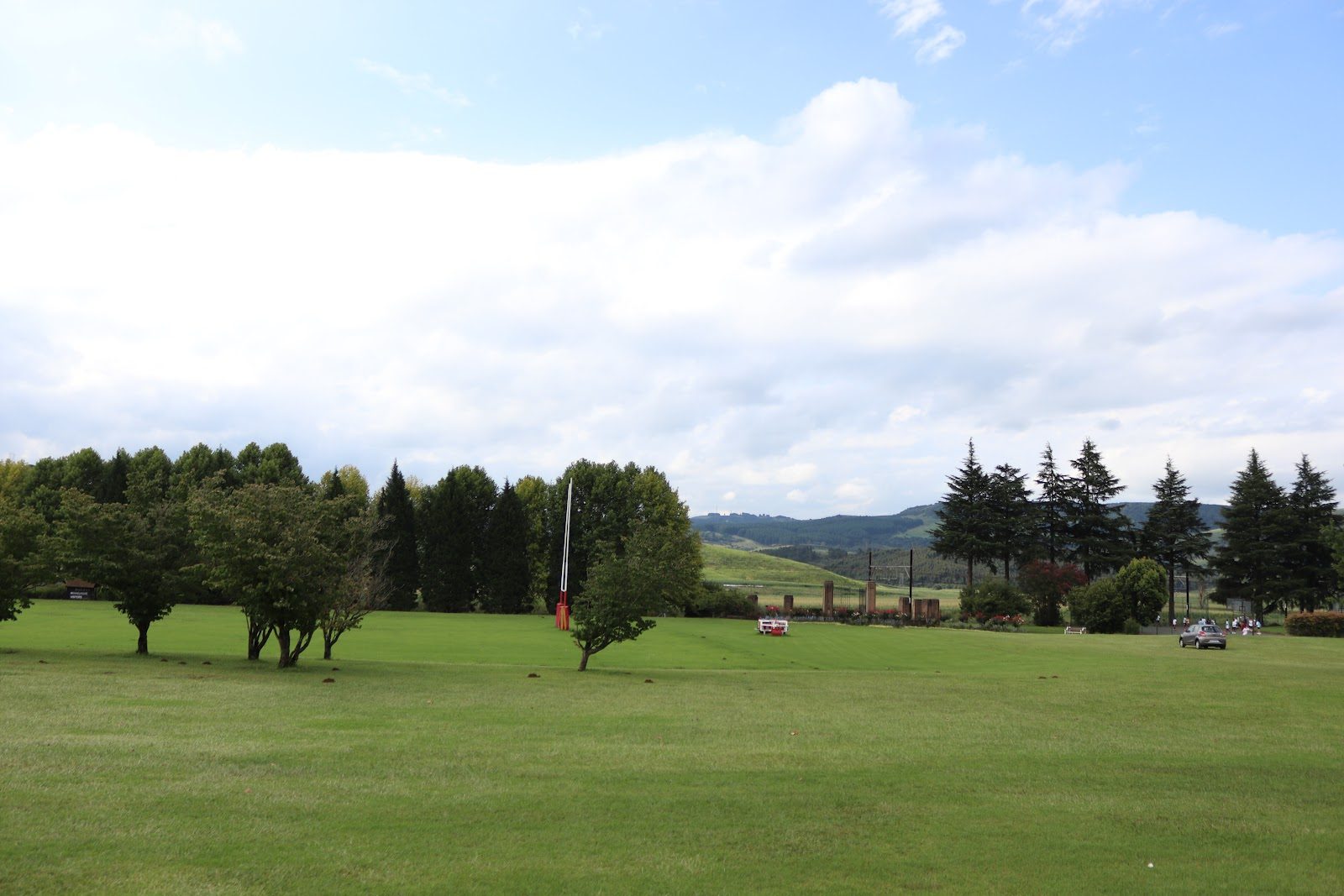
Michaelhouse
Balgowan · South Africa
In South Africa's Midlands, one of the world's few remaining all-boys, all-boarding schools borders a rare mistbelt grassland reserve.
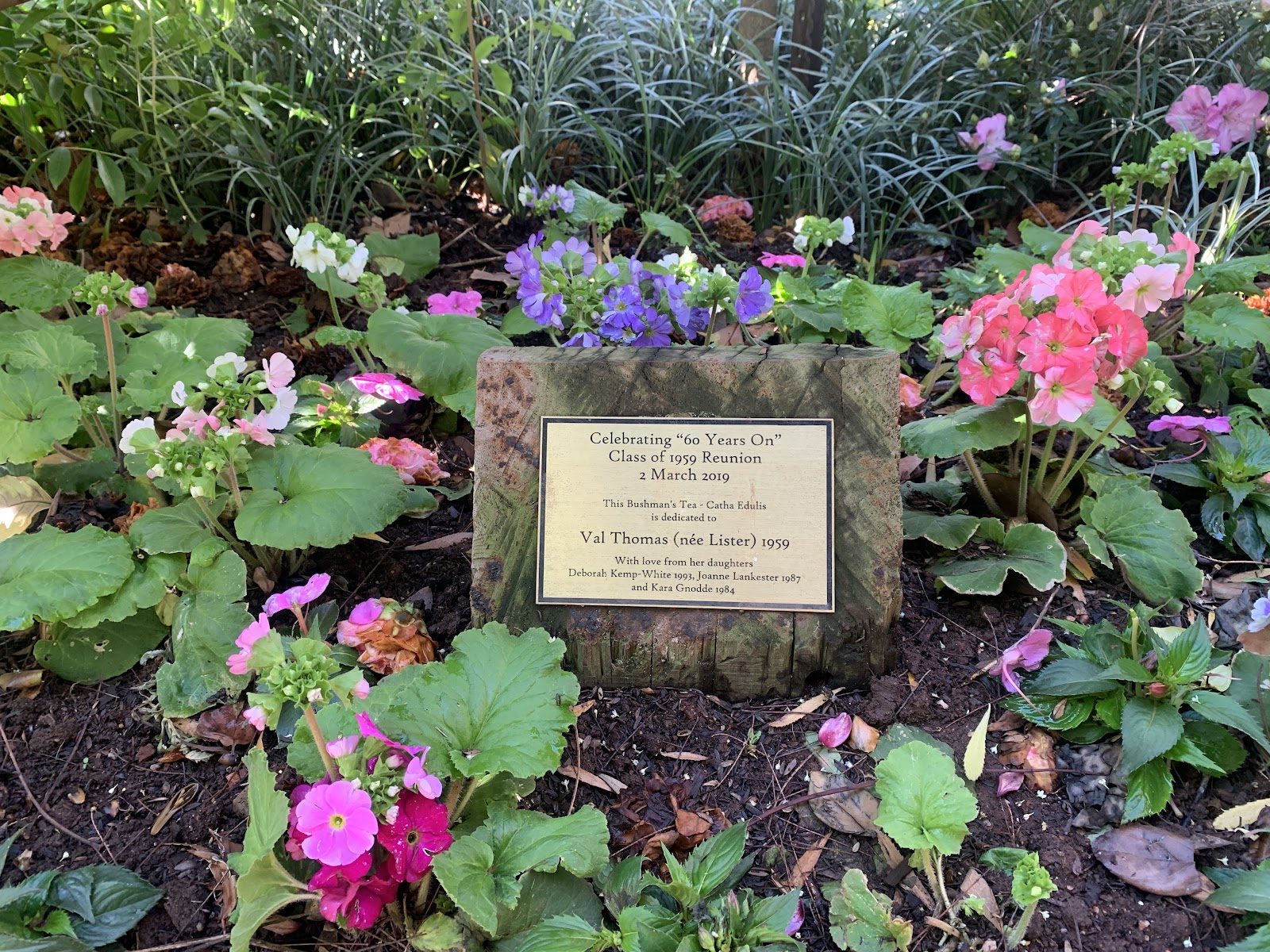
Roedean School South Africa
Johannesburg · South Africa
Founded in 1903 by two Cambridge-educated pioneers, this all-girls boarding school still occupies its original Herbert Baker campus in Parktown.
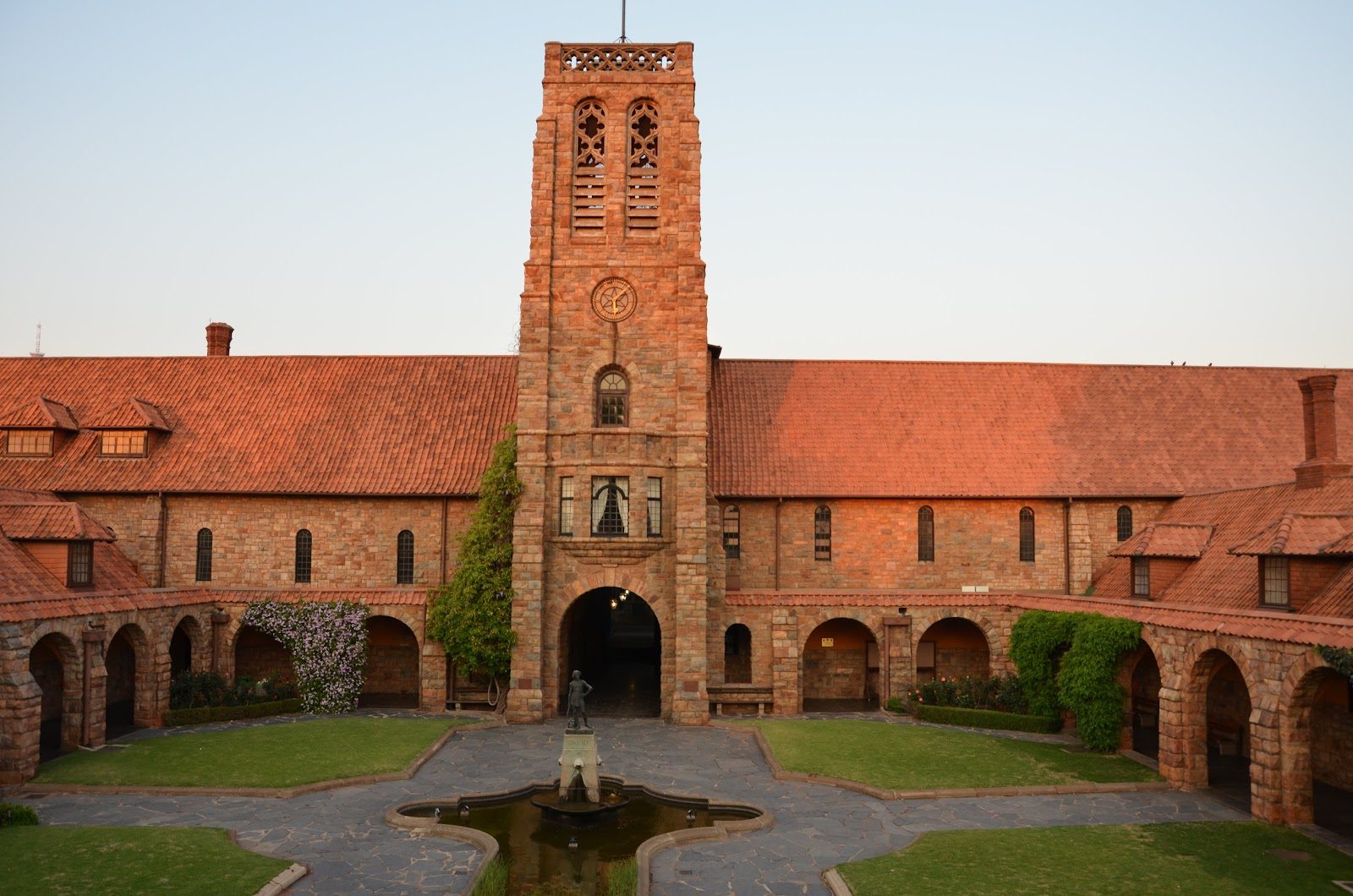
St John's College
Johannesburg · South Africa
Founded twelve years after the Witwatersrand gold rush, this Anglican boarding college blends Herbert Baker quadrangles with a four-house pastoral tradition
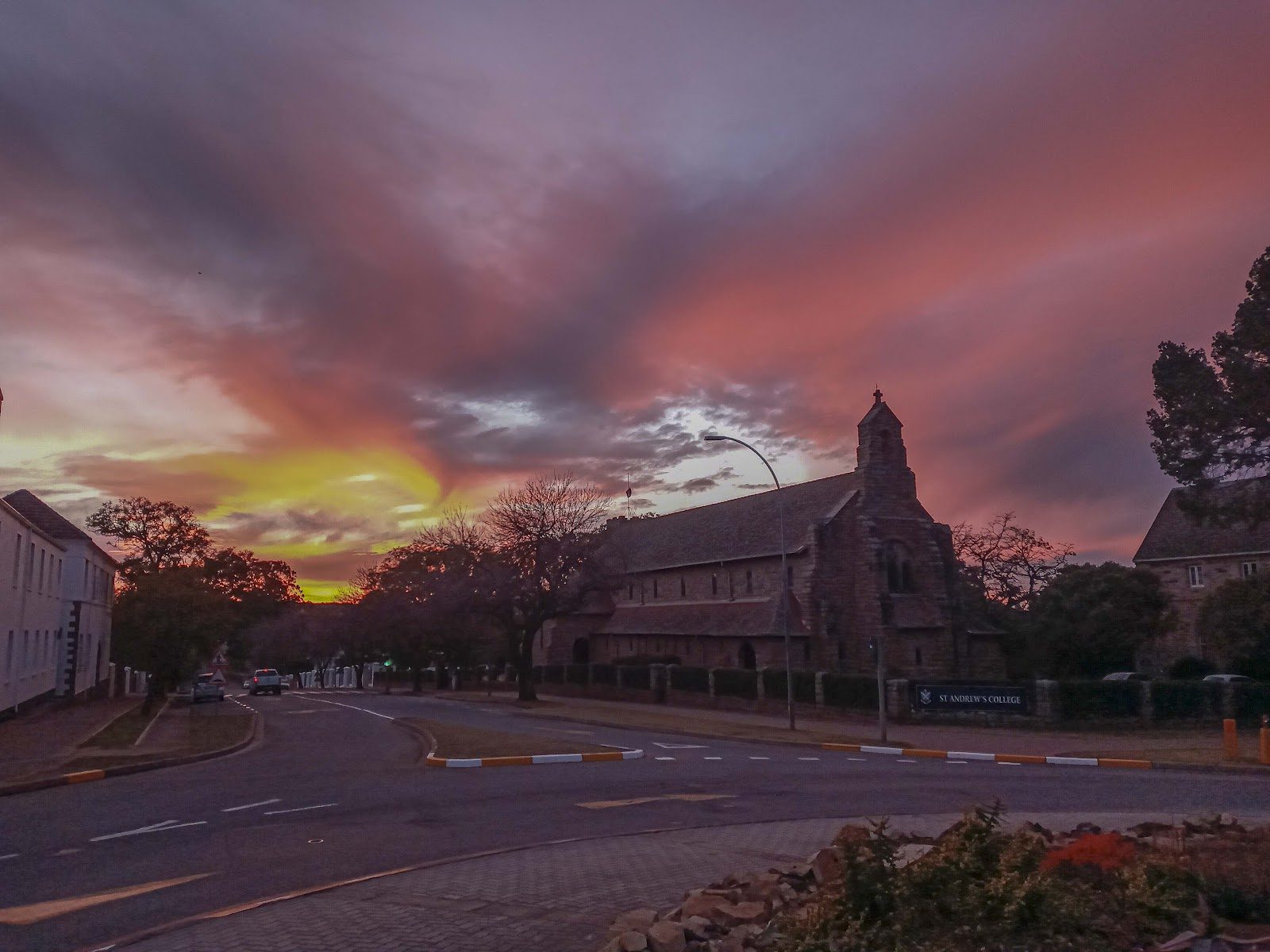
St Andrew's College
Makhanda · South Africa
On the Eastern Cape frontier since 1855, house tradition and shared classes with a sister school shape a distinct boarding life.
Same country and curriculum — closest matches within ±10 points either way