
Istanbul
The British International School Istanbul
medium confidence· 4/6 cats · 3.25 avg sourcesBeside Belgrade Forest, a triple-accredited campus pairs IB rigor with capped classes of fifteen and over 60 nationalities.

Photo © The British International STEAM School via Google Maps
Type
Day
Ages
2–18
Curriculum
British
Qualifications
A-Level · IGCSE
Ratio
—
The Verdict
Editor's commitment
Right for
Families wanting English-medium day schooling from age 2 to 18, with Cambridge IGCSE followed by the IB Diploma in Istanbul.
Wrong for
Parents seeking boarding, a religious ethos, or a local-language track; this is a non-religious day school teaching in English.
Watch out for
Founded in 2000, BIS is established but not old; verify whether the capped classes of 15 still hold in your year group.
Ranking breakdown
The British International School Istanbul · #879 of 1591
Composite score 65.2. 8 weighted criteria.
By criterion
Academic Outcomes
Weight 20%
#857
of 1529 scored
University Placement
Weight 16%
#848
of 1529 scored
Prestige & Heritage
Weight 12%
#870
of 1529 scored
Alumni Network
Weight 12%
#738
of 1529 scored
Facilities
Weight 12%
#867
of 1529 scored
Transparency & Communications
Weight 8%
#919
of 1529 scored
Peer & Industry Review
Weight 10%
#784
of 1529 scored
Admissions Selectivity & Demand
Weight 8%
#647
of 1529 scored
Score history
The British International School Istanbul · 2026
Movement across 2024–2026. Peer average overlaid.
Overall — 2024–2026
65.2/ 100
▲ +33.1 vs 2025
year on year
Peer & Industry Review
How The British International School Istanbul is regarded in the sector
55
Credible · low confidence
The British International School Istanbul appears in general expat-parent forum discussions (e.g., InterNations, Expat.com threads on schooling in Istanbul) and is listed in some international school directories (e.g., COBIS or similar British-curriculum school listings), but it lacks coverage in major specialist education press such as Tatler, Good Schools Guide, or Times Educational Supplement rankings. There is no evidence of a notable alumni network or peer-benchmarking status among top-tier international schools in Turkey compared to institutions like MEF International School or Enka Schools.
Editors' overview
The British International School Istanbul occupies a clear niche in the city: a full English-medium British school with the IB Diploma at the top, a forest-edge campus in Zekeriyaköy, and rare inspection credibility. Founded in 2000, it runs from ages 2–18 and holds the triple accreditation that many schools invoke and few secure: COBIS, CIS and MSA. In Istanbul, that matters. It gives parents an external check on governance, teaching and safeguarding, not just a glossy prospectus. The school also states that it is the only school in the city with all three accreditations. Add a student body drawn from over 55 nationalities and capped classes of 15, and the proposition is straightforward: international breadth, tight classroom ratios, and a structure built for families who want academic order without a boarding-school atmosphere.
What stands out is the combination of serious academic intent and a distinctly family-oriented culture. BIS is explicit that it is an academic school. The route is conventional and legible: British curriculum foundations, Cambridge through IGCSE, then the IB Diploma Programme. That suits internationally mobile families, children targeting UK and US universities, and parents who want a curriculum sequence that universities understand instantly. The location also matters more than the brochure language admits. Being beside Belgrade Forest gives the campus a calmer physical setting than many urban competitors in Istanbul, with room for outdoor provision and a less compressed daily experience. The school also offers learning support, EAL provision, and modern languages including German, Spanish, French and Turkish, which broadens the intake beyond native English speakers.
BIS belongs on a shortlist for parents who want institutional seriousness without the scale and anonymity that can creep into bigger international schools. The capped class size is a real commercial advantage if it is delivered consistently across year groups. So is the mix of creative arts, PE and extracurricular provision alongside a plainly academic spine. The school’s own public results language is less useful than it could be: “near 100% pass rate” and “above-world average” IB points do not tell parents enough. BIS would strengthen its case by publishing fuller, year-by-year aggregate outcomes. Still, the central offer is strong: clear curriculum sequencing, strong external accreditation, and a genuinely international peer group.
The student who will thrive here is not chasing progressive experimentation or a loose, child-led secondary model. BIS suits students who do well with structure, teacher oversight and formal academic expectations, while still wanting arts, sport and a broad extracurricular life. It also fits children arriving with limited English, because the school states that it supports English as a second language and admits throughout the year. For families in the Sarıyer/Zekeriyaköy orbit, or those willing to trade city-centre convenience for campus space, BIS is a credible choice: *disciplined, outward-facing and ambitious* without drifting into educational theatre.
Academic Performance
BIS gives parents only a partial view of academic performance. The school publishes two headline claims: a near-100% pass rate and IB points above the world average. Those signals matter, but they are not enough to place the school with precision against serious peers in Istanbul or the wider international market. There is no year-by-year public table of IB averages, no subject breakdowns, no top scores, no distribution data, and no comparable public detail on IGCSE outcomes in the extracts we have seen. For a school that trades on academic credibility, that gap is a real weakness. Strong schools do not need to hide behind broad claims; they publish the numbers and let them stand.
What can be said is narrower but still useful. A pass rate at that level points to secure baseline delivery in the diploma years, and an above-average IB score places BIS on the right side of the international benchmark. That puts the school ahead of weaker local operators that publish nothing or post inconsistent outcomes. It does not, on current public evidence, place BIS in the top tier of transparent, results-driven international schools, because the strongest schools disclose aggregate scores over time and make trend lines visible. BIS therefore sits in a credible middle ground: academically serious, plainly capable of getting students through demanding external examinations, but too opaque in published results to claim more.
Facilities
The campus is the school’s clearest physical asset. Zekeriyaköy gives BIS something many Istanbul competitors lack: space that does not feel improvised. The school makes repeated use of its forest setting, and that matters in practical terms — younger children get outdoor provision that fits the age group, and older students are not confined to a vertical city campus with a token playground. The site covers pre-school through secondary on one purpose-built campus, which brings coherence and easier movement across phases. Parents looking for breathing room rather than urban compression will rate that highly. The school also flags dedicated provision in creative arts and a strong PE department with school teams, plus a broad extracurricular programme. That puts BIS ahead of many mid-market schools whose “facilities” amount to standard classrooms and a hall.
Against serious peers, though, the public picture stops short of fully persuasive. BIS names the broad strokes — arts, sport, outdoor space, language support, learning support — but gives little hard detail on specialist rooms, performance venues, laboratories, indoor sports infrastructure or design/technology spaces. That lack of granularity matters, because stronger competitors publish floor plans, room inventories and photographs that show exactly what students use day to day. What is clear is that BIS offers a genuinely useful campus environment for all ages and a more settled, spacious daily experience than many city schools. What is not clear is whether the specialist infrastructure matches the best-resourced international campuses at the top end of the market.
Still, the central offer is strong: clear curriculum sequencing, strong external accreditation, and a genuinely international peer group
Prestige
BIS carries real prestige in Istanbul’s international-school market, but it is a specific kind of prestige. It does not rest on dynastic heritage, celebrity alumni or a vast global brand. It rests on external scrutiny, academic seriousness and a parent-facing proposition that is easy to verify. The strongest signal is institutional: the school holds the city’s only triple approval from COBIS, CIS and MSA, a claim that gives it uncommon inspection credibility in a market where many schools trade on image first and proof second. Its university destinations also add weight. The school states that graduates move on across the world, with a strong pull towards Britain and the United States. For internationally mobile families, that matters more than local cachet.
That said, BIS does not occupy the absolute summit of prestige, because top-tier prestige also depends on public academic evidence and social reach. Here, the school is less commanding. It cites a student body drawn from over 55 nationalities and advertises a near 100% diploma pass rate with scores above the global average. Those are strong markers of international standing. But the public case stops short of the level that elite schools publish as routine: detailed outcomes, year-by-year trends, and sharper evidence of how far top students go. The result is earned prestige, not mystique — a school respected for standards, governance and dependable delivery, rather than one carried by glamour or scarcity alone.
Against serious peers, though, the public picture stops short of fully persuasive
Communications
BIS communicates with parents in a way that is clear enough for decision-making but not yet best in class. The public-facing structure is orderly: admissions, fees, policies, calendar, bus service, lunch menu, health and safety, counselling, leadership, governors and PTA all sit in plain view rather than buried behind enquiry forms. That matters. Parents can establish, before first contact, how the school is run and what practical systems surround daily life. The school also states that it admits students throughout the year and supports children who arrive with limited English; for relocating families, that is useful, concrete communication, not slogan copy. Contact routes are direct, with phone and email published prominently, and the PTA is identified as an active part of school life, which points to a school that expects parent involvement rather than treating it as decoration.
Where BIS is weaker is depth and precision. The website repeats navigation, carries awkward copy and leans too hard on broad claims about quality and success. That creates a bluntly avoidable credibility gap. Parents do not need “worldwide reputation”; they need crisp operational detail and fuller academic disclosure. The school states that it serves pupils from over 55 nationalities and cites a near 100% pass rate, yet stops short of publishing the richer outcome data and sharper parent information that first-rate schools now treat as routine. So the verdict is mixed: *functional, accessible and open on basics*, but still too thin where serious parents ask the hardest questions.
Uniqueness
What sets BIS apart is not novelty for its own sake. It is the clean fit between setting, scale and school design. Many international schools promise personal attention; BIS hard-codes it through classes capped at 15, which changes the daily experience in concrete ways: teachers know who is coping, who is drifting and who needs stretching, and students have less room to disappear into the back row. Add a community drawn from over 55 nationalities and the result is a school that is genuinely international without becoming socially diffuse. Children learn early that there is no single default culture in the room. That has value beyond slogans about global citizenship; it sharpens social fluency, tolerance and confidence across difference.
The other distinctive feature is the forest-edge campus. BIS has a rarer advantage than central-city competitors: physical calm. For younger pupils, that supports outdoor learning that is not tokenistic. For older ones, it reduces the claustrophobia that can define urban school life. The school also takes students throughout the year and states that pupils arriving with limited English receive support until they can access the curriculum fully. That makes BIS a practical school for mobile families, not just an aspirational one. The combination of capped classes, a multinational intake, language support and a campus with room to breathe gives students a more settled, adultly run education than many schools chasing image first and substance later.
What is clear is that BIS offers a genuinely useful campus environment for all ages and a more settled, spacious daily experience than many city schools
Student Profile
BIS suits children who do well in a structured, adult-led school and parents who want clear standards rather than progressive looseness. The intake is strikingly international — the school cites over 55 nationalities — so pupils who are curious, socially adaptable and comfortable making friends across cultures will settle fastest. It also works for families arriving mid-year or relocating without long lead times, because the school accepts new students throughout the year and offers support for pupils with limited English. That opens the door to children who are still finding their feet linguistically, provided they can cope with a school that expects steady academic commitment once they are in. This is not a place built around local social homogeneity or one dominant parent culture; it is a cosmopolitan, mobile community.
The best fit is a student who benefits from close teacher attention, can handle formal expectations, and wants a balanced week rather than a single-track academic grind. The school caps classes at 15, which favours pupils who engage in discussion, respond to feedback and gain from being known well by staff. It also has room for children with different strengths: the school highlights languages, creative arts, PE and extracurricular provision, alongside learning support. That said, the school calls itself partially selective and plainly values academic seriousness. Students who resist structure, need a highly permissive environment, or want a free-range secondary education will chafe here. Students who want order, diversity and steady oversight will fit well.
What is not clear is whether the specialist infrastructure matches the best-resourced international campuses at the top end of the market
Co-curricular strengths
Arts & sport, on a separate axis
Overall 8.32/10
Scored 0-10 from the school's own published evidence. This axis is editorial-only — it does not feed the main WTS ranking.
Sports
8.3/10
The extracurriculars explicitly list Football, Basketball, and Swimming, but provide no further detail on teams, seasons, facilities, or results.
Drama
8.7/10
Drama club is explicitly named in the extracurriculars.
Dance
7/10
Music
8.8/10
School choir is offered, but there is.
Visual Arts
8.8/10
Art club is explicitly named in the extracurriculars.
Editor first-pass · editor-reviewable · 7/27/2026
Strengths
- +British curriculum throughout ages 2–18
- +English-medium teaching may ease international transitions
- +Day school avoids boarding at young ages
- +Non-religious ethos suits secular families
Considerations
- −No boarding option for relocating families
- −Only British curriculum is stated
- −No bilingual teaching stated beyond English
Availability
Primary entry gate & tests
Academic Record
Gallery
Photo © The British International STEAM School via Google Maps
Photo © The British International STEAM School via Google Maps
Photo © The British International STEAM School via Google Maps
Photo © The British International STEAM School via Google Maps
Parent reviews
Have you sent your child here?
Voice reviews carry the strongest trust badge — we transcribe them for you to tidy up before they go live. Prefer to type? A written review is fine too.
Add your voice
In 60 seconds, tell other parents: what's the best thing about The British International School Istanbul, and what surprised you when your child joined?
We ask for a Google sign-in so every review has a real face behind it — no anonymous drive-by attacks on schools, and no faked positive reviews. Your email is never shown publicly.
Send this profile to a friend
International parents rely on word-of-mouth. Share this review with someone weighing the same decision.
Schools with places
Similar schools to The British International School Istanbul with places available now.
Availability first, then country, area, curriculum, price, co-curricular
Consider also
Also worth looking at alongside The British International School Istanbul.
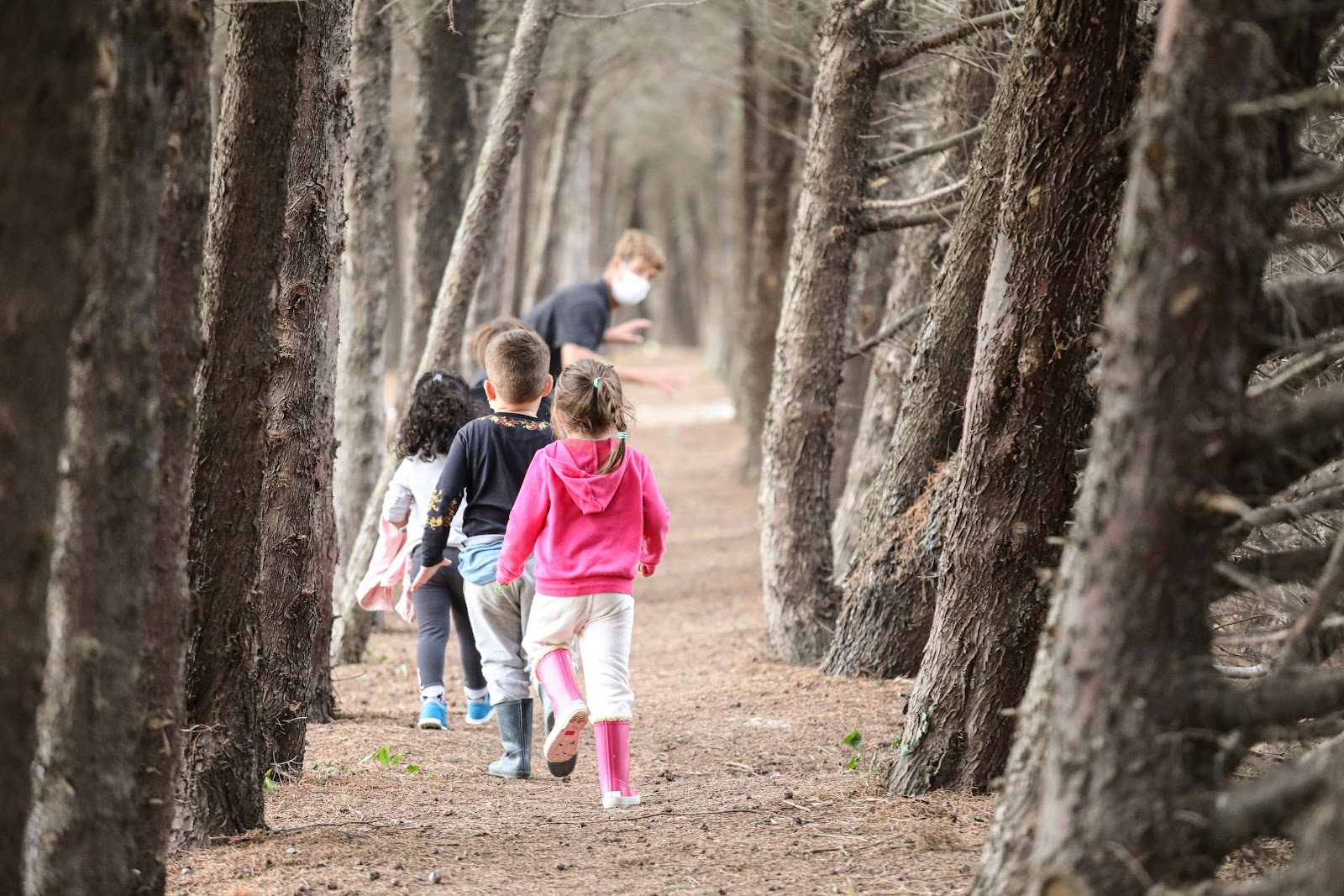
Istanbul International Community School
Istanbul · Turkey
Founded in 1911 as Robert College's sister school, this Bosphorus-side campus was the first in Turkey certified for all three IB programmes.
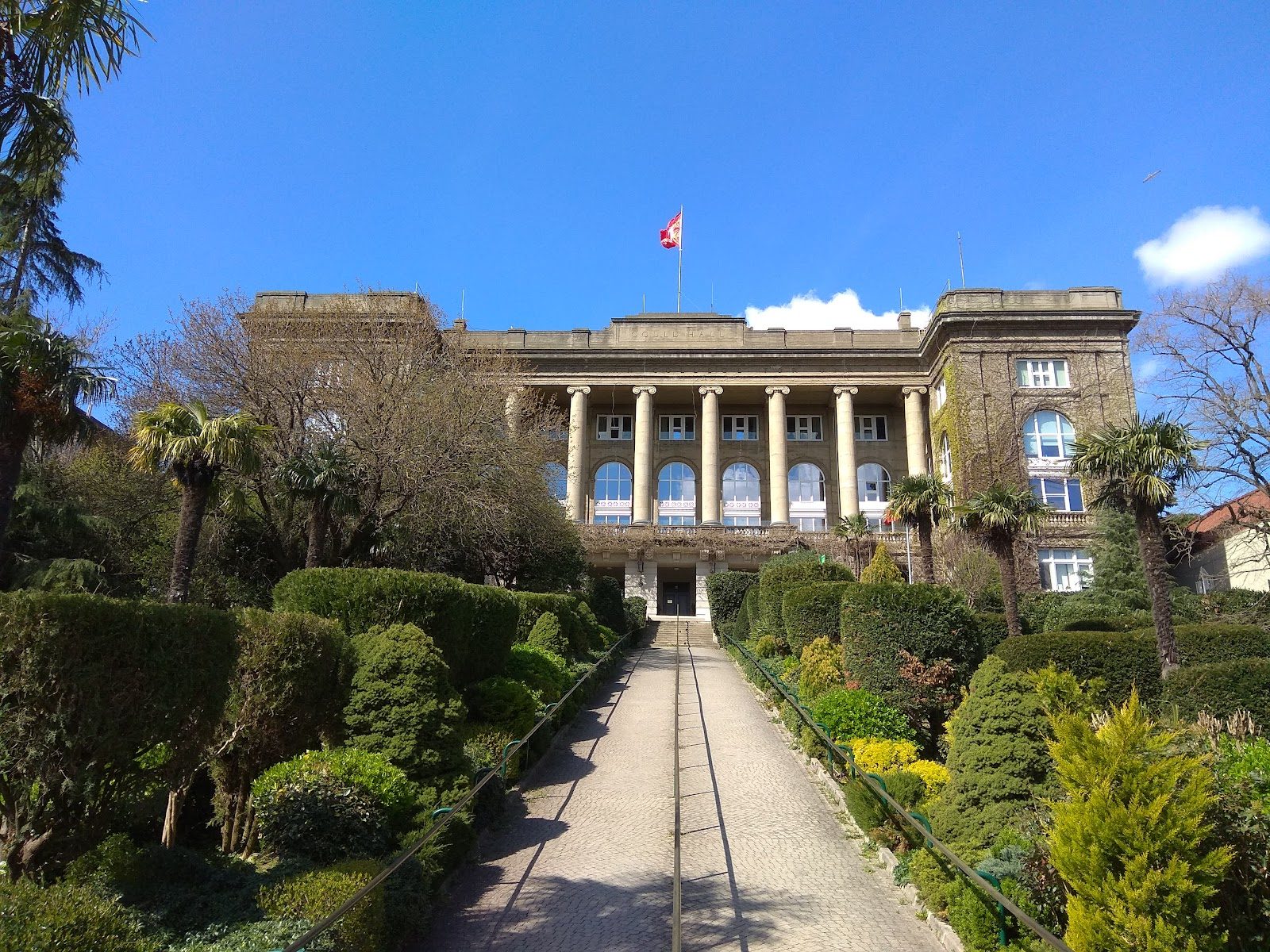
Robert College
Istanbul · Turkey
Founded in 1863 above the Bosphorus, this bilingual campus remains the oldest American school still running outside the U.S.
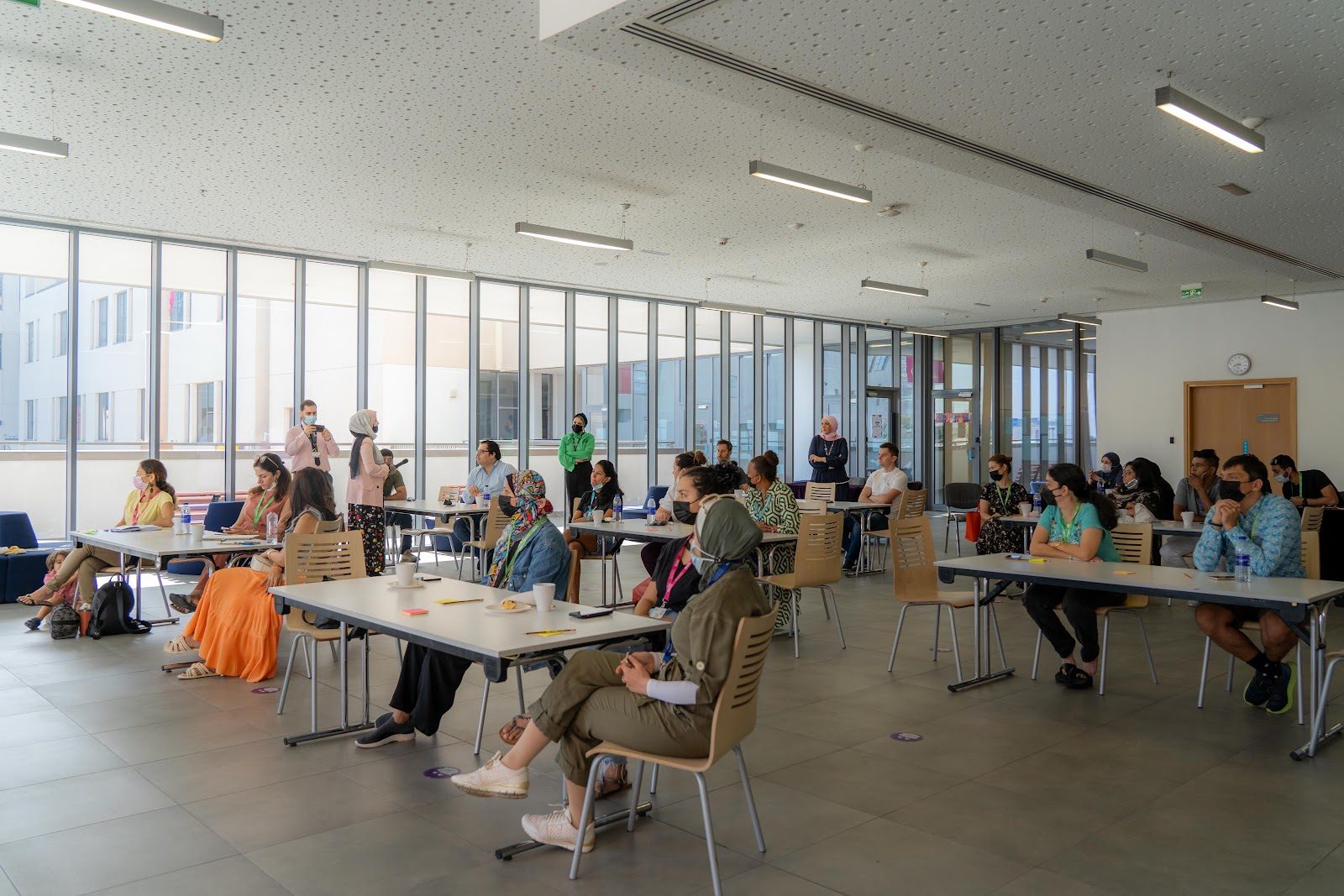
Sunmarke School
Dubai · United Arab Emirates
A rare dual-track sixth form pairs A-Levels with the IB Diploma, set within a Positive Education ethos in Jumeirah Village Triangle.
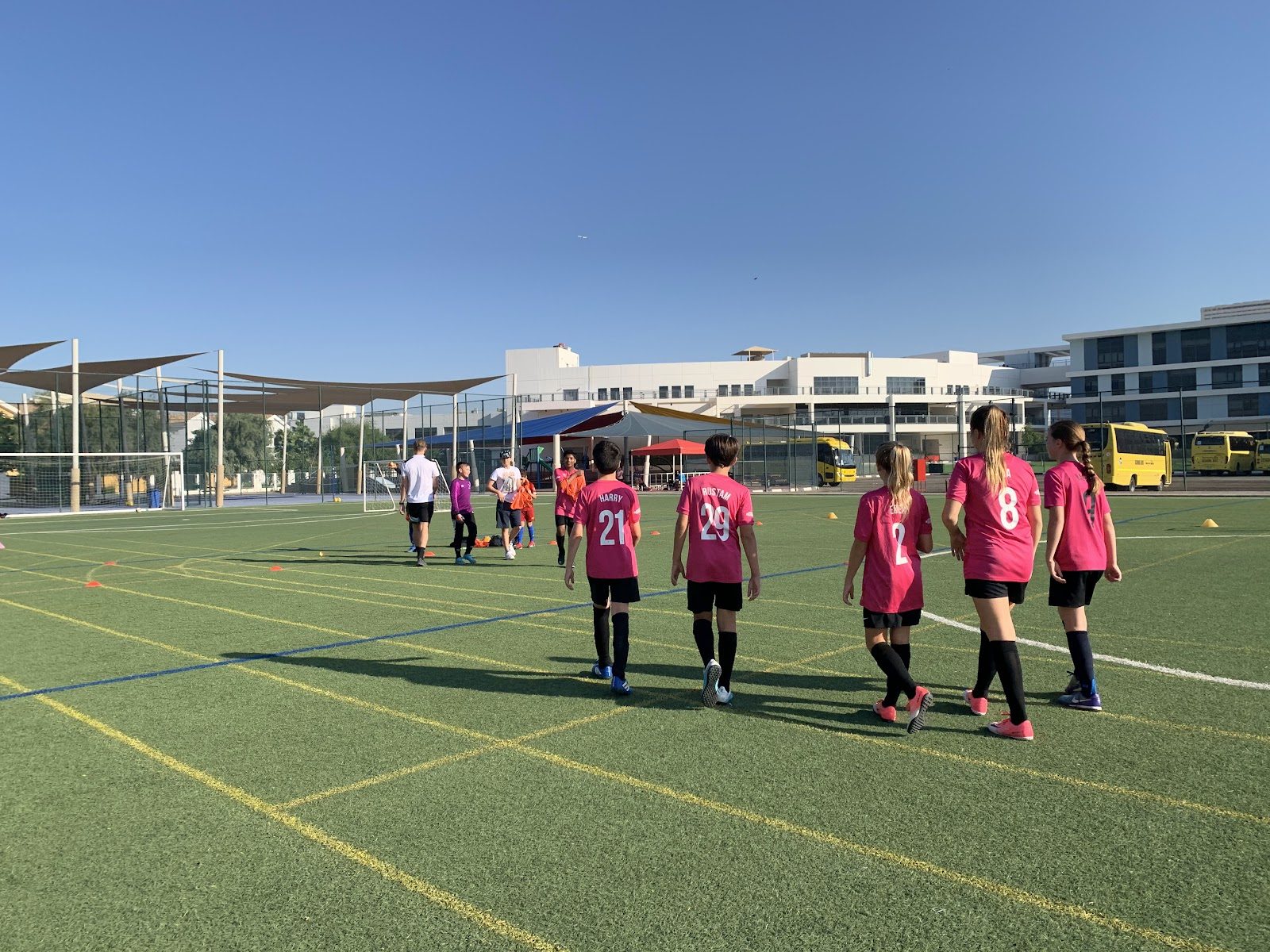
GEMS FirstPoint School
Dubai · United Arab Emirates
In Dubailand, a bespoke Golf Centre of Excellence lets elite junior players train while still sitting GCSEs and A-levels
Same country and curriculum — closest matches within ±10 points either way