
Dubai
Bilingual French International School Dubai
medium confidence· 4/6 cats · 3 avg sourcesNear Meydan's racecourse, four qualification pathways -- French Bac, IB, AP and Cambridge -- converge under one bilingual roof.
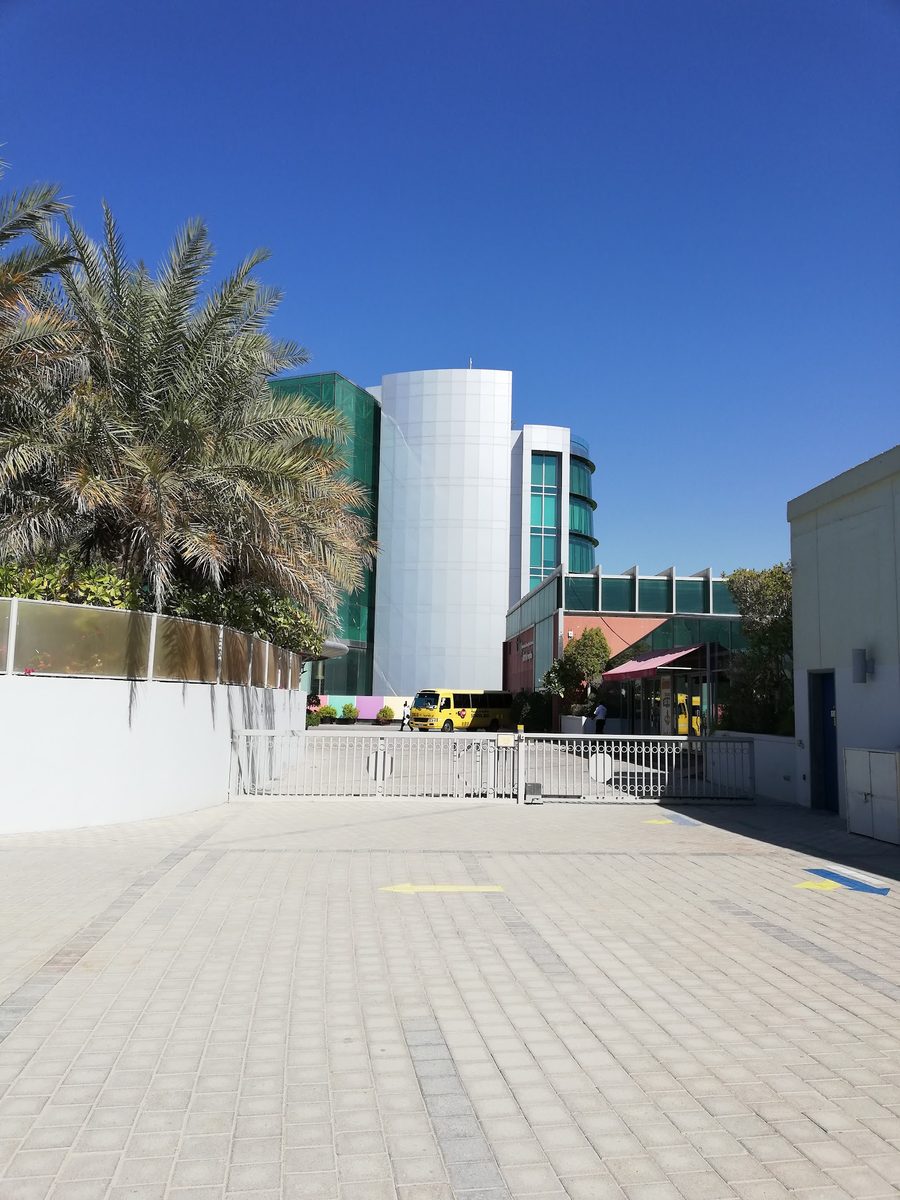
Photo © Important Advice via Google Maps
Type
Day
Ages
3–18
Curriculum
French Baccalaureate
Qualifications
IB Diploma
Ratio
—
The Verdict
Editor's commitment
Right for
Dubai families who want French and English teaching under one roof, with IB World School status and a through-school age range of 3–18.
Wrong for
Parents wanting a single, settled curriculum: the school declares French Baccalaureate yet advertises four pathways, which fragments identity by sixth form.
Watch out for
The average annual day fee is AED 79,144; for a school founded in 2016, that price demands hard questions on outcomes.
Ranking breakdown
Bilingual French International School Dubai · #684 of 1591
Composite score 66.1. 8 weighted criteria.
By criterion
Academic Outcomes
Weight 20%
#511
of 1529 scored
University Placement
Weight 16%
#649
of 1529 scored
Prestige & Heritage
Weight 12%
#995
of 1571 scored
Alumni Network
Weight 12%
#791
of 1530 scored
Facilities
Weight 12%
#395
of 1534 scored
Transparency & Communications
Weight 8%
#436
of 1532 scored
Peer & Industry Review
Weight 10%
#891
of 1548 scored
Admissions Selectivity & Demand
Weight 8%
#1205
of 1529 scored
Score history
Bilingual French International School Dubai · 2026
Movement across 2024–2026. Peer average overlaid.
Overall — 2024–2026
66.1/ 100
▲ +25.0 vs 2025
year on year
Peer & Industry Review
How Bilingual French International School Dubai is regarded in the sector
52
Credible · medium confidence
Bilingual French International School (formerly ICE) has carved out a credible, if narrow, niche as the only Dubai French-curriculum school offering a dual French Bac/IB Diploma bilingual track, a distinction WhichSchoolAdvisor flags as the basis for its market positioning. Its inspection trajectory is solid rather than standout: WhichSchoolAdvisor notes the school moved from a Good rating in 2022-23 to a Very Good rating for 2023-24, which it says places it on a par with the other French curriculum schools in Dubai in terms of inspection rating. Regional consumer guides such as MyBayut and Amary's expatriate school round-ups mention it favourably as an established, AEFE-accredited option, but coverage stops short of sector-defining commentary. SchoolsCompared has not published a dedicated verdict, so peer benchmarking rests almost entirely on a single specialist review supplemented by directory-style listings rather than deep editorial scrutiny.
Evidence sources
Editors' overview
Near Meydan’s racecourse, Bilingual French International School Dubai does something rare in this market: it puts a French Baccalaureate spine inside a bilingual English-French school and then advertises four qualification routes at the top end — French Bac, IB, AP and Cambridge. That makes it a distinctive proposition for families who want more than a standard French-school track without giving up French language depth. The school is young, founded in 2016, and that matters. Parents are not buying inherited prestige here; they are buying a newer institution with a broad academic brief, a day-school format, and a clear ambition to serve students from age 3–18 under one roof.
Its market position is clear enough. At an average annual day fee of AED 79,144, it sits in Dubai’s premium international bracket, and it needs to justify that with real academic flexibility. The strongest reason to shortlist it is that flexibility. Few schools in Dubai ask families to choose between a French system and an anglophone future at university entry; BFIS tries to keep both live for longer. For internationally mobile families, mixed-nationality households, or parents split between francophone identity and global university options, that is genuinely useful, not decorative. The school also carries IB World School accreditation, which gives at least one external marker of seriousness beyond brand language.
The trade-off is equally clear. A school offering multiple pathways can be rich in options but harder to read at a glance than a single-curriculum school with one obvious destination route. Parents who want a simple, tightly bounded academic model may find this structure too diffuse. Parents who value choice, bilingual fluency and the ability to pivot between systems will find the complexity worth having. This is not a school for families who want a cheap French education in Dubai, nor for those who want old-established institutional heft. It is for students who are academically adaptable, comfortable switching between French and English, and headed for a future where national boundaries matter less than qualification portability.
Academic Performance
Academic performance is the point where BFIS needs harder public proof. We have not seen aggregate school-wide outcomes for the senior qualifications it promotes: no published IB Diploma average, no French Baccalaureate pass and mention rates, no AP score profile, and no Cambridge IGCSE or A level results series. That absence matters. In Dubai’s premium tier, schools asking families to buy into multiple end-point routes need to publish results with clean comparability and enough history to judge consistency. BFIS does not yet give parents that hard-edged benchmark in the public domain. The absence of disclosed headline data does not prove weak outcomes; it does leave the school opaque where it counts.
Relative to peers, that places BFIS behind the strongest operators on transparency alone. The schools setting the standard in this segment publish cohort sizes, pass rates, top grades and multi-year trends, which lets parents test whether broad curricular choice produces real academic strength or just complicated positioning. BFIS’s model has obvious academic upside for students whose university plans may shift between systems, but the performance case remains under-evidenced until the school releases sustained examination data. For now, this is a school to question closely: ask for recent results by pathway, subject spread, cohort size and destination outcomes, and treat any refusal to disclose those figures as a serious signal in itself.
Facilities
BFIS’s facilities case rests less on spectacle than on fit for purpose. The school sits close to Meydan’s racecourse, which gives it room uncommon in denser parts of Dubai, and the campus photographs point to a clean, modern build with the standard premium-school staples: bright classrooms, specialist science space, indoor sports provision, outdoor play areas and a library intended to support a full through-school age range. What matters more is whether those spaces match the school’s academic ambition. A campus serving children from early years to sixth form needs serious subject rooms, not just polished common areas, and BFIS has to show that its laboratories, exam-prep classrooms and secondary study spaces are strong enough for a school selling multiple senior routes. We have not seen the kind of detailed facilities disclosure that settles that question with hard certainty.
Against peers, that places BFIS in the middle of Dubai’s premium pack on physical plant: modern, serviceable and perfectly credible, but not in the city’s top rank of campuses with theatre-grade arts centres, competition-level aquatics, or vast specialist sports infrastructure. For many families, that will not matter. A school built around bilingual academic mobility does not need theme-park facilities; it needs spaces that work well every day across a long school ladder. At this fee level — an average of AED 79,144 a year — parents can still press for sharper evidence: dedicated sixth-form areas, music and art studios, lab capacity, shaded outdoor sport, and how far shared spaces cope once enrolment deepens.
That makes it a distinctive proposition for families who want more than a standard French-school track without giving up French language depth
Prestige
BFIS does not carry the kind of prestige that rests on age, entrenched alumni networks or decades of published results. Its standing is newer and more conditional than that. In Dubai terms, this is a premium-fee school with an ambitious brief, not a legacy institution whose name alone closes the argument. The average annual day fee of AED 79,144 places it in expensive company, so parents have every right to expect a reputation built on more than novelty. What the school has in its favour is distinctiveness: very few schools combine a French Baccalaureate foundation with multiple senior exit routes under one roof. That gives BFIS a form of prestige rooted in academic optionality and international usability, which appeals strongly to mobile, educated families who do not want their child locked into one national system too early.
That said, prestige without proof has limits. The school’s strongest competitors earn status through exam data, university destinations, selective admissions pressure or long-established social cachet. BFIS does not yet command that kind of hard prestige. Its reputation sits in the category of interesting and credible, not unassailable. The IB World School badge adds external validation, and the school’s bilingual model gives it a sharper identity than many generic international schools, but public academic disclosure still lags behind the fee level and the breadth of its claims. The result is a school with real appeal and a clear niche, but prestige that remains earned case by case rather than assumed on name alone.
What the school has in its favour is distinctiveness: very few schools combine a French Baccalaureate foundation with multiple senior exit routes under one roof
Communications
BFIS communicates in the way many younger premium schools do: heavily through polished digital channels, with enough structure to cover admissions, campus life and day-to-day visibility, but not enough depth to settle every serious parental question. The public-facing website is clean, navigable and visually consistent, which matters for a school asking families to grasp a more complex-than-average academic offer. Contact routes are easy to find, enquiry handling looks straightforward, and the school does a competent job of showing classroom life without drowning parents in staged sentiment. That said, there is a gap between slick presentation and full institutional clarity. The same school that explains its broad offer fluently does not publish the level of academic outcome detail that demanding parents expect, and that weakens confidence in the communications culture as a whole.
So the verdict is mixed, but clear. BFIS looks organised, responsive and commercially polished in first-contact communication; it is less strong when communication needs to carry scrutiny rather than attraction. For current families, the test is not whether newsletters arrive or social media is active, but whether the school answers hard questions directly: pathway entry rules, subject availability, exam cohorts, staffing continuity, and how choices narrow in the senior years. At an average annual day fee of AED 79,144, parents are buying more than pleasant tone and attractive photography. They need hard information, given promptly and without evasion. BFIS has the outward communications discipline of a premium school. It still needs the full candour to match.
Uniqueness
BFIS’s real point of difference is not bilingual delivery on its own; Dubai has other schools that teach in two languages. The distinction sits in the school’s attempt to keep four separate academic exits open inside one through-school structure. That is an unusual piece of educational engineering. Most schools ask families to commit early: French system or anglophone system, one examination route or another, one university logic or the next. BFIS delays that lock-in. For the right child, that brings real value. Students can build strong literacy across 2 teaching languages while keeping more than one route alive for senior study, which matters for families moving between countries, households split across education traditions, or teenagers whose university destination is still unsettled. It is a model built for optionality rather than purity.
That breadth also changes the student experience. Children here need intellectual agility, not just competence: switching registers, handling different academic expectations, and coping with a school culture that is less linear than a single-track institution. Done well, that produces graduates who are adaptable, linguistically secure and better prepared for cross-border higher education. Done badly, it produces confusion and shallow identity. The school’s promise rests on turning 4 pathways into a coherent education rather than a menu without a centre. That tension is exactly what makes BFIS distinctive — and exactly what parents need to test in person.
That tension is exactly what makes BFIS distinctive — and exactly what parents need to test in person
Student Profile
The students who fit best here are children who can handle constant academic switching without losing confidence. This is not a school for families who want one narrow route, one cultural frame, or one obvious peer type. It suits internationally mobile households, francophone or mixed-nationality families, and students whose future may point in more than one direction before the senior years settle it. The strongest fit is a child who reads the room easily, moves between different expectations without drama, and treats change as normal rather than destabilising. In practical terms, that means pupils with strong verbal confidence, solid organisational habits and enough resilience to cope when classmates’ ambitions diverge into 4 separate qualification tracks.
Socially, the school will work best for children who are outward-facing rather than tribal. A student who wants a single, deeply rooted local identity, or the social certainty of an old-established institution, may find the culture too fluid and too constructed. A student who enjoys cultural overlap, varied friendship groups and a more international pattern of aspiration will fit better. At this price point, families also need to arrive with high expectations and the confidence to press for clarity when choices become more consequential. The right pupil for BFIS is adaptable, linguistically agile, and comfortable in an environment where flexibility is the main promise. The wrong pupil is one who needs simplicity, fixed rails and a school identity that does the work for them.
At an average annual day fee of AED 79,144, it sits in Dubai’s premium international bracket, and it needs to justify that with real academic flexibility
Co-curricular strengths
Arts & sport, on a separate axis
Overall 6.6/10
Scored 0-10 from the school's own published evidence. This axis is editorial-only — it does not feed the main WTS ranking.
Sports
7/10
Football, Basketball and Swimming as extracurriculars, showing a solid multi-activity sports offering.
Drama
7/10
Drama appears explicitly as 'Drama club' in the extracurriculars list.
Dance
5.5/10
Dance is offered, but there is.
Music
6.5/10
Music is evidenced by 'Choir' in the extracurriculars list, but there is no further information about ensembles, teaching staff or facilities.
Visual Arts
7/10
Visual arts is evidenced by 'Art club' in the extracurriculars list, but there is no further detail about studios, exhibitions or specialist provision.
Editor first-pass · editor-reviewable · 7/27/2026
Strengths
- +French Baccalaureate pathway through age 18
- +Bilingual teaching in French and English
- +Covers ages 3 to 18 on one campus
- +IB World School accreditation
- +KHDA rating of Very good
Considerations
- −French Baccalaureate narrows non-French curriculum options
- −Bilingual instruction may not suit monolingual children
- −Short track record since 2016 with limited alumni depth
Availability
Primary entry gate & tests
CAT4 / Assessment
Gallery
Photo © Important Advice via Google Maps
Photo © Bilingual French International School ICE | Lycée Français Bilingue International ICE via Google Maps
Photo © Bilingual French International School ICE | Lycée Français Bilingue International ICE via Google Maps
Parent reviews
Have you sent your child here?
Voice reviews carry the strongest trust badge — we transcribe them for you to tidy up before they go live. Prefer to type? A written review is fine too.
Add your voice
In 60 seconds, tell other parents: what's the best thing about Bilingual French International School Dubai, and what surprised you when your child joined?
We ask for a Google sign-in so every review has a real face behind it — no anonymous drive-by attacks on schools, and no faked positive reviews. Your email is never shown publicly.
Send this profile to a friend
International parents rely on word-of-mouth. Share this review with someone weighing the same decision.
Schools with places
Similar schools to Bilingual French International School Dubai with places available now.
Lycée Libanais Francophone Privé
Dubai · United Arab Emirates
- 2026-27
- PLACES OPENApps open / space-dependent
- 2027-28
- WAITPOOL2027/28 timetable TBC
Lycee Francais International Georges Pompidou
Dubai · United Arab Emirates
- 2026-27
- CLOSEDStandard route closed
- 2027-28
- OPENS SOONOpens Jan/Feb '27
Availability first, then country, area, curriculum, price, co-curricular
Consider also
Also worth looking at alongside Bilingual French International School Dubai.
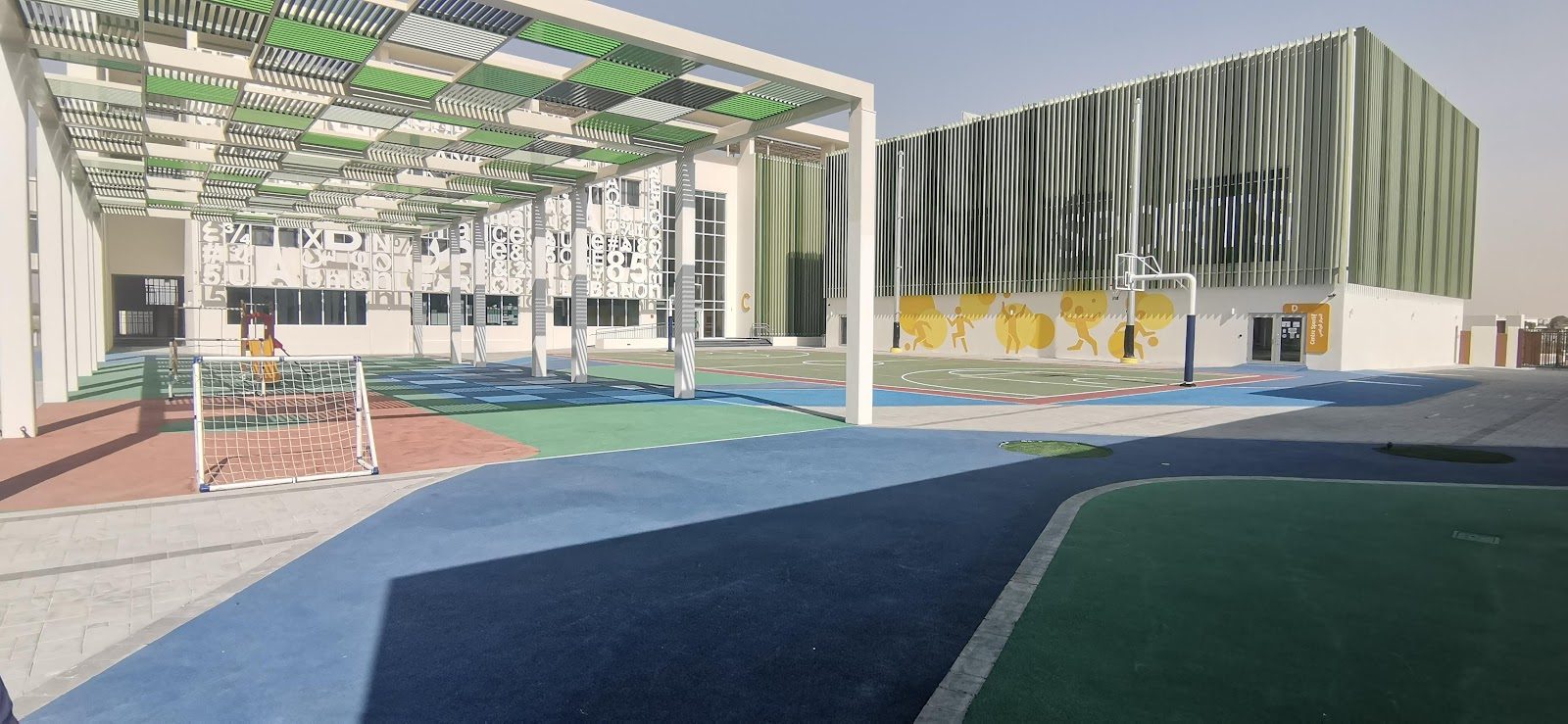
Lycée Libanais Francophone Privé
Dubai · United Arab Emirates
Rooted in Lebanese Francophone heritage, this trilingual lycee pairs rigorous French Baccalaureate study with a solar-powered Meydan campus.
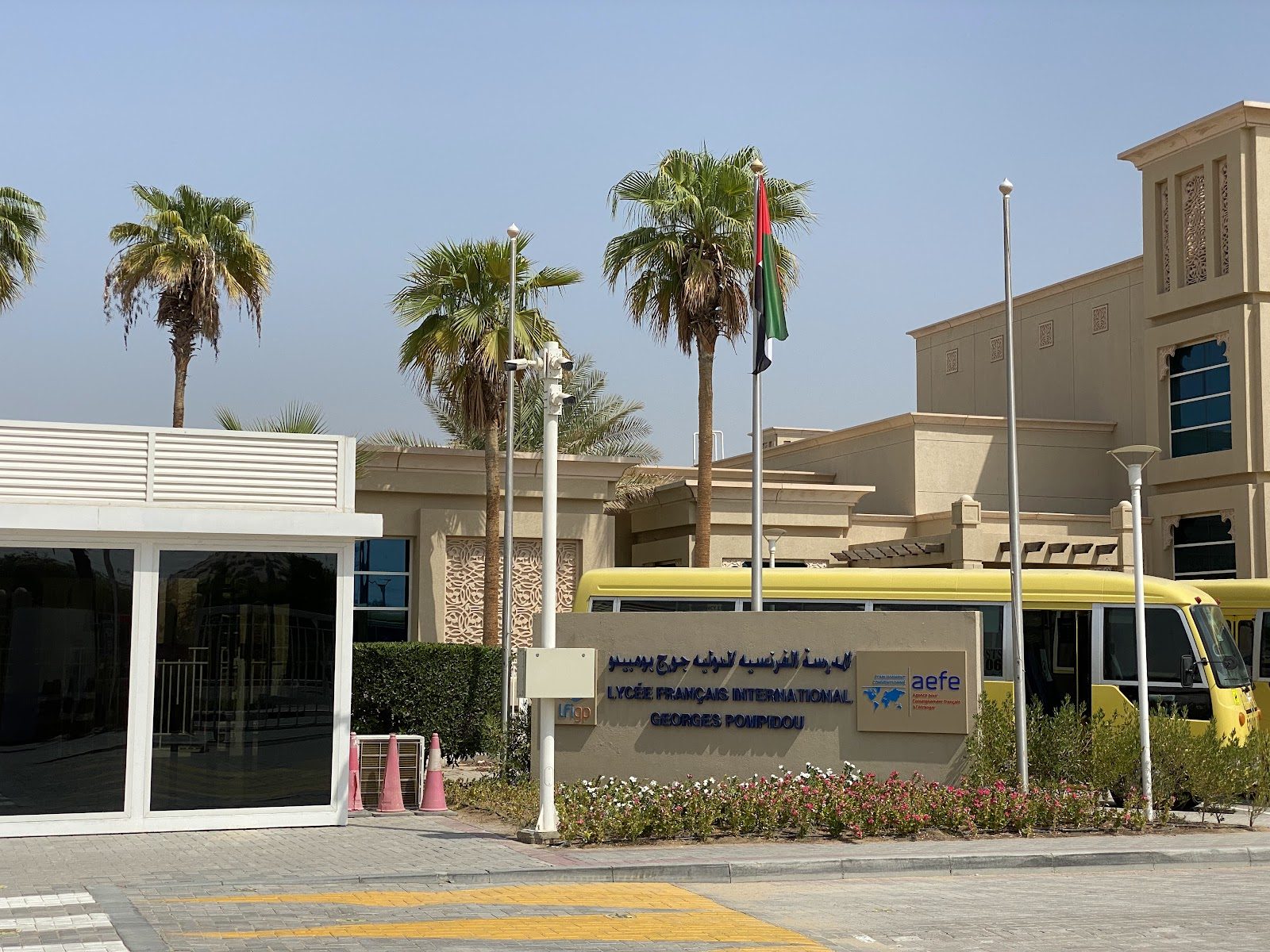
Lycee Francais International Georges Pompidou
Dubai · United Arab Emirates
Dubai's Very Good-rated French Baccalaureate school, delivering a bilingual French-English education for ages 3 to 18.
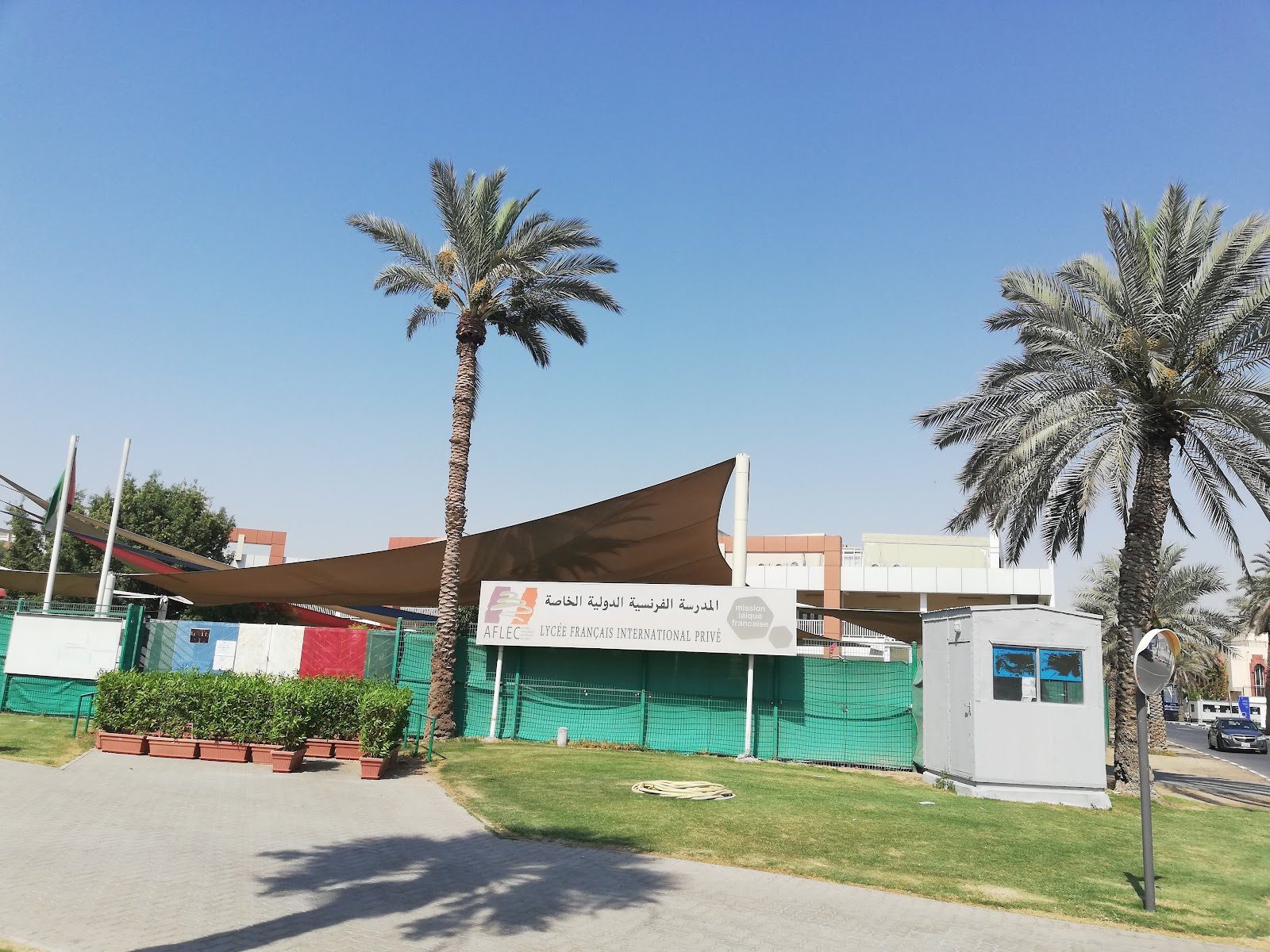
AFLEC Lycée Français International
Dubai · United Arab Emirates
Steps from Dubai Creek's old quarter, this Baccalaureate campus weaves an American section into its French core.
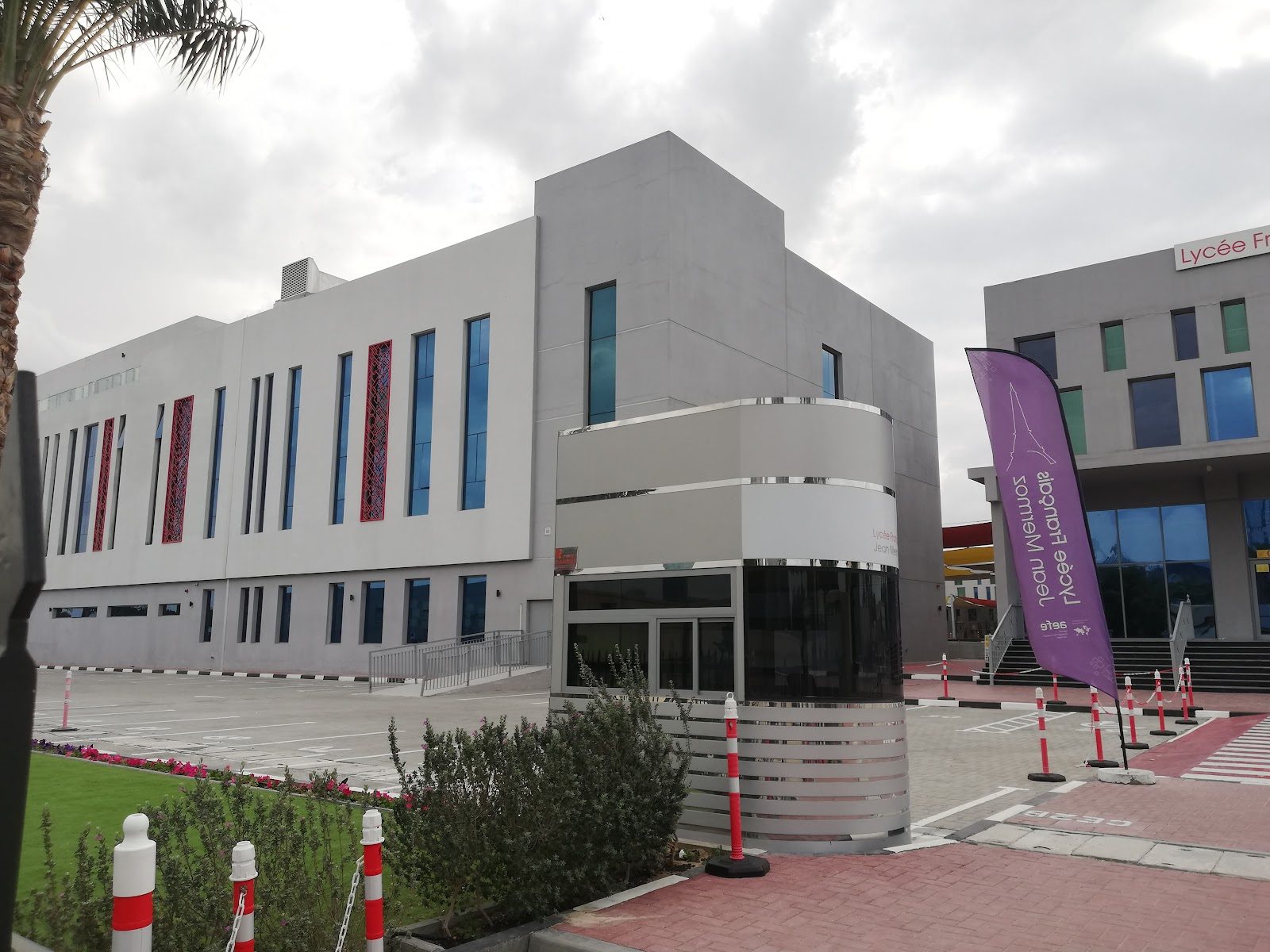
Lycée Français Jean Mermoz
Dubai · United Arab Emirates
Named for aviation pioneer Jean Mermoz, this AEFE campus caps classes at 26 across trilingual French, English and Arabic tracks.
Same country and curriculum — closest matches within ±10 points either way