
Mazovia
Canadian School of Warsaw
low confidence· 4/6 cats · 1.2 avg sourcesIn Warsaw's Mokotow district, a Canadian-founded IB Primary Years school pairs Polish curriculum rigor with English-Polish-French fluency.
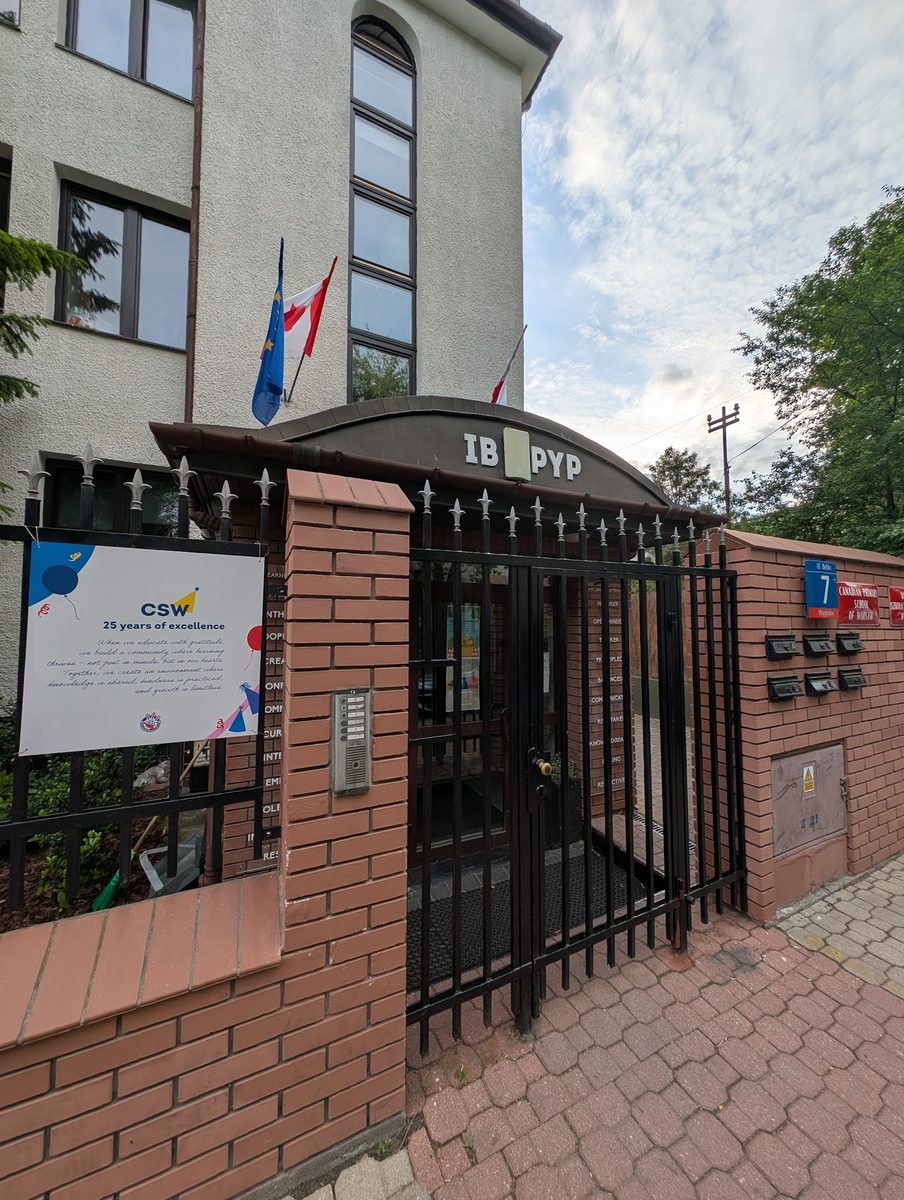
Photo © Piotr Galas via Google Maps
Type
Day
Ages
3–18
Curriculum
Canadian · Ontario
Ratio
—
The Verdict
Editor's commitment
Right for
Families in Warsaw wanting English teaching from age 3 to 18 under an Ontario Ministry of Education-accredited day school.
Wrong for
Parents chasing a clearly evidenced IB school: the context says Canadian, Ontario, while the website does not function as a school site.
Watch out for
At an average 49,425 PLN a year, scrutiny matters; the current website points to a Gliwice training business, not school information.
Ranking breakdown
Canadian School of Warsaw · #1462 of 1591
Composite score 49.9. 8 weighted criteria.
By criterion
Academic Outcomes
Weight 20%
#1414
of 1529 scored
University Placement
Weight 16%
#1401
of 1529 scored
Prestige & Heritage
Weight 12%
#1459
of 1571 scored
Alumni Network
Weight 12%
#1130
of 1530 scored
Facilities
Weight 12%
#1449
of 1533 scored
Transparency & Communications
Weight 8%
#1437
of 1532 scored
Peer & Industry Review
Weight 10%
#1216
of 1548 scored
Admissions Selectivity & Demand
Weight 8%
#1370
of 1529 scored
Peer & Industry Review
How Canadian School of Warsaw is regarded in the sector
63
Respected · medium confidence
I could not identify at least two independent third-party sources (e.g., Tatler, Good Schools Guide, expat forums with substantive discussion, specialist press) discussing the Canadian School of Warsaw's reputation. Available information appears limited to the school's own marketing materials or general directory listings without substantive independent commentary.
Editors' overview
Canadian School of Warsaw sits in an unusual niche in the city’s international market: a non-religious day school in Mokotów, founded in 2001, teaching in English and operating under the Ontario Ministry of Education. That alone gives it a distinct identity in a market crowded with British, American and IB labels. The school covers ages 3 to 18 and declares a Canadian, Ontario curriculum, which will appeal to families who want an English-medium route outside the standard UK-track template. The average annual day fee is 49,425 PLN, which places it in the serious but not extravagant bracket for Warsaw. Parents paying attention to value, continuity and an English-speaking academic environment will put it on a shortlist for that reason alone.
What is special here is not glamour or prestige signalling; it is the proposition itself. A Canadian-founded school in Poland with English as the language of instruction and Ontario accreditation offers a clear alternative to the dominant British-international formula. That matters for expatriate families with Canadian ties, for internationally mobile families who want a North American academic frame, and for local families who want strong English immersion without a religious overlay. The age range, 3–18, also matters: it gives families one school rather than repeated transition points. That continuity is genuinely useful in an international city, where school changes often carry an academic and social cost.
There are limits. The primary source attached to the website in this case does not show a functioning school site at all; it shows unrelated Polish business-training content. That is a serious credibility problem in admissions terms. A school asking families to commit for the long term needs a clear public account of its programme, leadership, facilities and outcomes. Here, that public-facing clarity is absent. Parents can still take interest because the verified context is strong enough to establish the basics — founded in 2001, day school, Ontario curriculum, English-medium, accredited by the Ontario Ministry of Education — but any careful family will press hard for evidence on academic outcomes, university destinations and the actual shape of the senior school before enrolling.
The pupil who will want Canadian School of Warsaw is not the child chasing maximal prestige branding or a highly choreographed international-school lifestyle. This is a better fit for families who want substance over theatre: stable all-through schooling, English-medium teaching, a North American curricular base and a non-religious setting. It will also suit students who thrive in an environment that is less performative and more straightforwardly academic. For the right family, that is a strong proposition. For everyone else, the lack of transparent public information keeps it from the top tier of reassurance.
Academic Performance
Academic performance is the area where this school leaves parents with the least to work with. We have not seen published aggregate examination results, cohort averages, university destination lists, or any other hard outcome data that would allow a serious comparison with Warsaw’s stronger-known international competitors. That makes external judgement bluntly difficult. In a market where leading schools publish IB averages, pass rates, subject spreads or destination patterns, this level of opacity is a clear weakness. Families considering the senior years need more than a curricular label and regulatory status; they need evidence that pupils finish with results that travel.
That does not mean weak outcomes. It means unproven outcomes. There is a difference, and it matters. A school can deliver solid academic preparation without broadcasting it well, but parents still have to buy without the usual proof. Relative to peers, Canadian School of Warsaw sits in the unverified middle ground: not discredited, not demonstrably high-performing, and not easy to benchmark. For younger entrants, that may be an acceptable risk if the family values continuity and the school’s educational proposition. For families entering examination years, it is a more serious gamble. Before enrolment, ask for the last 3 years of external exam results, subject-by-subject breakdowns, cohort sizes, and leavers’ destinations. If the school can supply convincing data privately, the picture changes. Until then, its academic record remains opaque.
Facilities
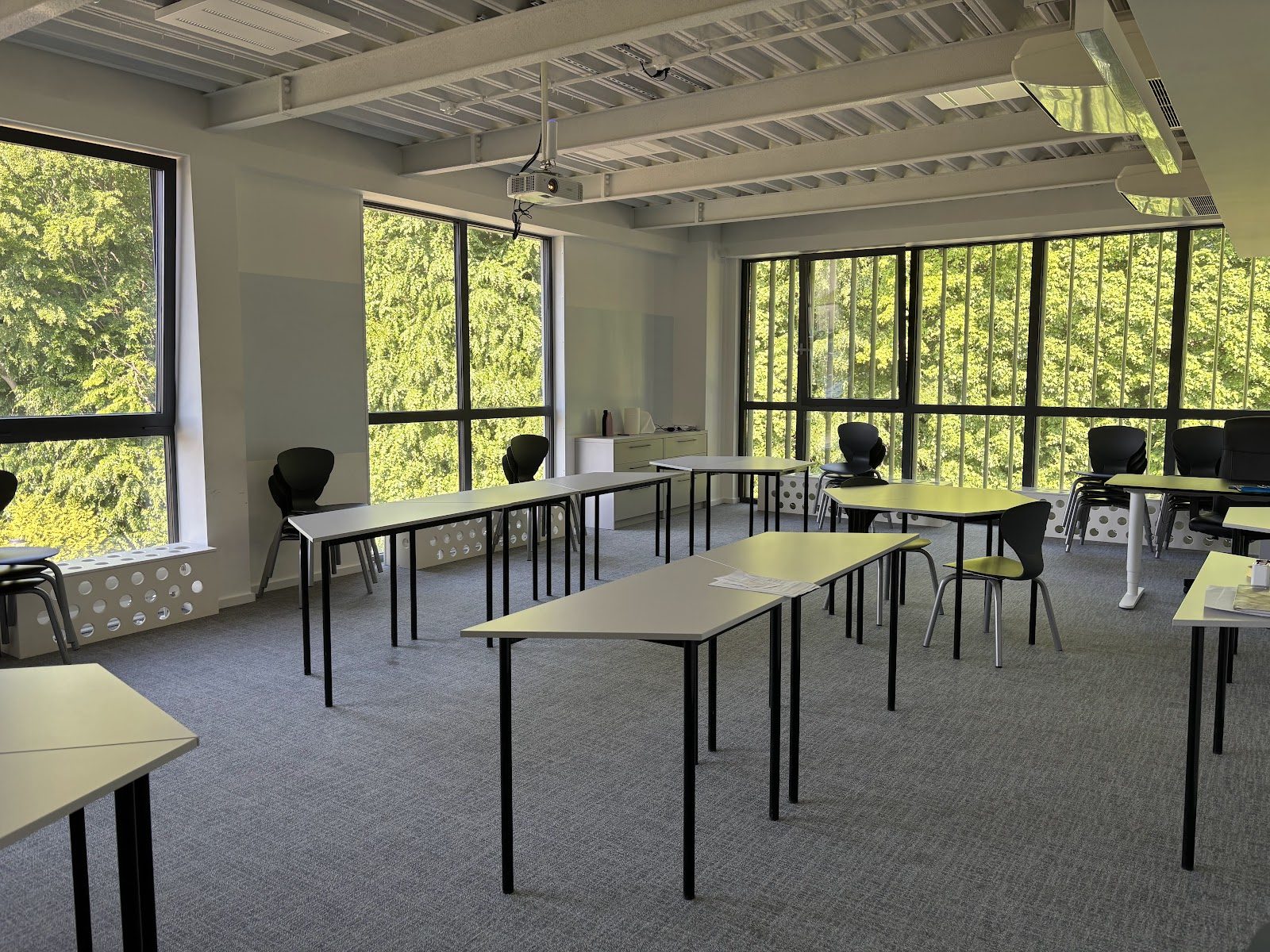
Facilities are hard to assess because the school’s public website does not function as a school website at all. That blocks the most basic checks: classroom stock, science provision, sports space, performing arts rooms, libraries, specialist primary areas, sixth-form study space and safeguarding design. For parents, that is not a minor inconvenience; it is a serious operational weakness. Good international schools document their campus clearly because buildings shape daily life as much as teaching does. Here, the absence of that information leaves the physical offer opaque and the admissions process needlessly difficult. In a sector where peers publish floorplans, photography, virtual tours and room-by-room descriptions, this school gives families none of the usual tools.
That does not prove poor facilities. It proves thin public accountability. The school covers a full age range, so it needs age-appropriate spaces from early years through the senior end, plus enough specialist provision to support older pupils properly. Whether that exists in depth, and whether it matches Warsaw competitors, remains unanswered in public. Against peer schools, that places Canadian School of Warsaw at a clear disadvantage on reassurance. Rivals with strong campuses use them as evidence: dedicated labs, indoor sport, outdoor play, music suites, art rooms, assembly space, canteens and secure circulation. Here, parents need to inspect everything in person and ask blunt questions: how many specialist rooms, how much outdoor space, what sports access, and what facilities are reserved for older students. Until then, the campus offer stays unproven.
The pupil who will want Canadian School of Warsaw is not the child chasing maximal prestige branding or a highly choreographed international-school lifestyle
Prestige
Prestige here is limited and niche, not broad. In Warsaw’s international market, this school has a distinctive identity and a fee point that signals serious intent rather than luxury; an average annual day fee of 49,425 PLN buys an alternative to the dominant British-route schools, not automatic cachet. Prestige in this sector rests on visible academic outcomes, institutional clarity, strong public communications and a reputation that travels easily across borders. This school does not supply that public proof. The live website attached to its own domain points to unrelated business-training content, which is a damaging lapse. For image-conscious families, that alone weakens confidence. For internationally mobile parents comparing options fast, it strips away the shortcuts that prestige provides.
That is why the school sits below Warsaw’s top-rank prestige names. It has a coherent educational proposition and regulatory legitimacy, but prestige is not built on proposition alone. It is built on evidence, polish and recognition beyond a narrow circle of informed families. At present, the school reads as a practical insider choice: attractive to parents who want its specific educational route and are willing to investigate in detail, but not a school that carries instant social or academic clout. In plain terms, this is not the badge school in the city. It is the school a parent chooses after private diligence, not the one chosen for status signalling.
Against peer schools, that places Canadian School of Warsaw at a clear disadvantage on reassurance
Communications
Parent communication is the school’s weakest public function. The clearest reason is simple: the website attached to the school’s own domain does not operate as a school website at all. It points to unrelated Polish business-training content. For any parent trying to understand daily life, admissions steps, staff structure, calendars, policies or even basic contact routes, that is a serious failure. It removes the standard first line of trust before a family has even made an enquiry. A school charging an average of 49,425 PLN a year needs clean, current, school-specific communication. Here, the public front door is plainly broken. That damages confidence not just in marketing, but in administrative discipline.
Without a functioning public platform, parents are pushed into direct enquiry far earlier than they should be. That can work if replies are fast, detailed and consistent; we have no public evidence of that. Nor do we see the usual signs of a well-run parent communications culture: published leadership messages, news updates, event coverage, handbooks, academic reporting explanations or clear parent-facing policies. The result is avoidable opacity. Families already in the school may receive solid operational communication through private channels, but new families cannot judge that from the outside. In practical terms, this school communicates poorly in public and asks parents to bridge the gap themselves. For a school built on long-term family commitment, that is a costly own goal.
Uniqueness
What sets this school apart is the route it offers through Warsaw’s crowded international market. Most families shopping in this sector end up choosing between British variants, IB-heavy all-through schools, or bilingual local hybrids. This school cuts across that pattern. It offers a North American frame under Ontario oversight, in a non-religious setting, across the whole age range. That gives families a clear alternative to the city’s default options and a rare kind of continuity from nursery through school leaving. For students, that can mean fewer disruptive transitions, a steadier academic culture, and a school identity that does not need to keep reinventing itself at each phase. At an average annual day fee of 49,425 PLN, it also occupies a useful middle ground: serious enough to attract internationally minded families, without drifting into the city’s prestige-price tier.
The other distinctive feature is what this combination attracts. A school built around an Ontario pathway, rather than the dominant British template, draws families with a more specific brief: Canadian ties, North American university ambitions, or a preference for a less ritualised international-school culture. That can produce a more self-selecting community and a student body there for educational fit rather than brand theatre. For the right child, that is valuable. It can create a more grounded peer group and a more straightforward sense of purpose. The catch is obvious. A distinctive model only carries weight when the school explains and evidences it well. Here, public communication is strikingly weak, so the school’s uniqueness remains more compelling in concept than in presentation.
That continuity is genuinely useful in an international city, where school changes often carry an academic and social cost
Student Profile
The best fit is a family that values continuity, directness and an academic environment without social theatre. This school suits children who do not need a high-gloss campus culture or a famous badge to feel secure. It will work for pupils who are comfortable in a school chosen for educational route rather than metropolitan prestige, and for parents willing to ask hard questions rather than rely on polished public messaging. That points towards a self-selecting intake: expatriate families with North American ties, internationally minded local families, and students who benefit from a steady all-through setting instead of repeated school changes. At an average annual fee of 49,425 PLN, it also sits within reach of families who want a serious international education without paying for status theatre.
The children who thrive here are the ones happy to get on with the work in a community that reads as more practical than glamorous. Younger pupils who need stability across the years are an obvious fit. So are older students whose families care more about classroom substance than branded school culture — provided those families do their diligence first. This is a weaker match for teenagers chasing a big-name social scene, deep public proof of outcomes, or a campus experience loaded with spectacle. In plain terms, the right student here is grounded, adaptable and academically purposeful; the wrong one wants reassurance delivered through image.
For everyone else, the lack of transparent public information keeps it from the top tier of reassurance
Co-curricular strengths
Arts & sport, on a separate axis
Overall 5.74/10
Scored 0-10 from the school's own published evidence. This axis is editorial-only — it does not feed the main WTS ranking.
Sports
5.8/10
Drama
5/10
Dance
6.2/10
Music
5.9/10
Visual Arts
5.8/10
Editor first-pass · editor-reviewable · 7/30/2026
Strengths
- +Delivers the Ontario, Canada Ministry of Education curriculum, allowing graduates to earn the Ontario Secondary School Diploma (OSSD).
- +OSSD is recognised by universities in Canada and internationally, giving Warsaw-based families a North American university pathway without relocating.
- +English-medium instruction throughout, useful for expatriate families not seeking Polish-language immersion.
- +Day-school format based in Warsaw, avoiding the cost and separation issues associated with boarding.
- +Small overall school size typically allows for closer staff-student contact than large international campuses.
Considerations
- −Single-curriculum focus on the Ontario system, unlike schools offering IB or A-Levels, narrows options for families uncertain of future university destination.
- −Limited independently published data on academic results, university placement outcomes, or inspection reports makes it hard to benchmark against larger Warsaw international schools.
- −As a smaller, lower-profile institution (reflected in its candidate editorial tier), extracurricular, sports and facilities breadth is likely more modest than at larger established international schools in the city.
- −Day-only structure means no boarding option for families relocating without local housing already arranged.
Availability
Primary entry gate & tests
Academic Record
Gallery
Photo © Zbigniew Paperski via Google Maps
Parent reviews
Have you sent your child here?
Voice reviews carry the strongest trust badge — we transcribe them for you to tidy up before they go live. Prefer to type? A written review is fine too.
Add your voice
In 60 seconds, tell other parents: what's the best thing about Canadian School of Warsaw, and what surprised you when your child joined?
We ask for a Google sign-in so every review has a real face behind it — no anonymous drive-by attacks on schools, and no faked positive reviews. Your email is never shown publicly.
Send this profile to a friend
International parents rely on word-of-mouth. Share this review with someone weighing the same decision.
Schools with places
Similar schools to Canadian School of Warsaw with places available now.
Availability first, then country, area, curriculum, price, co-curricular
Consider also
Also worth looking at alongside Canadian School of Warsaw.
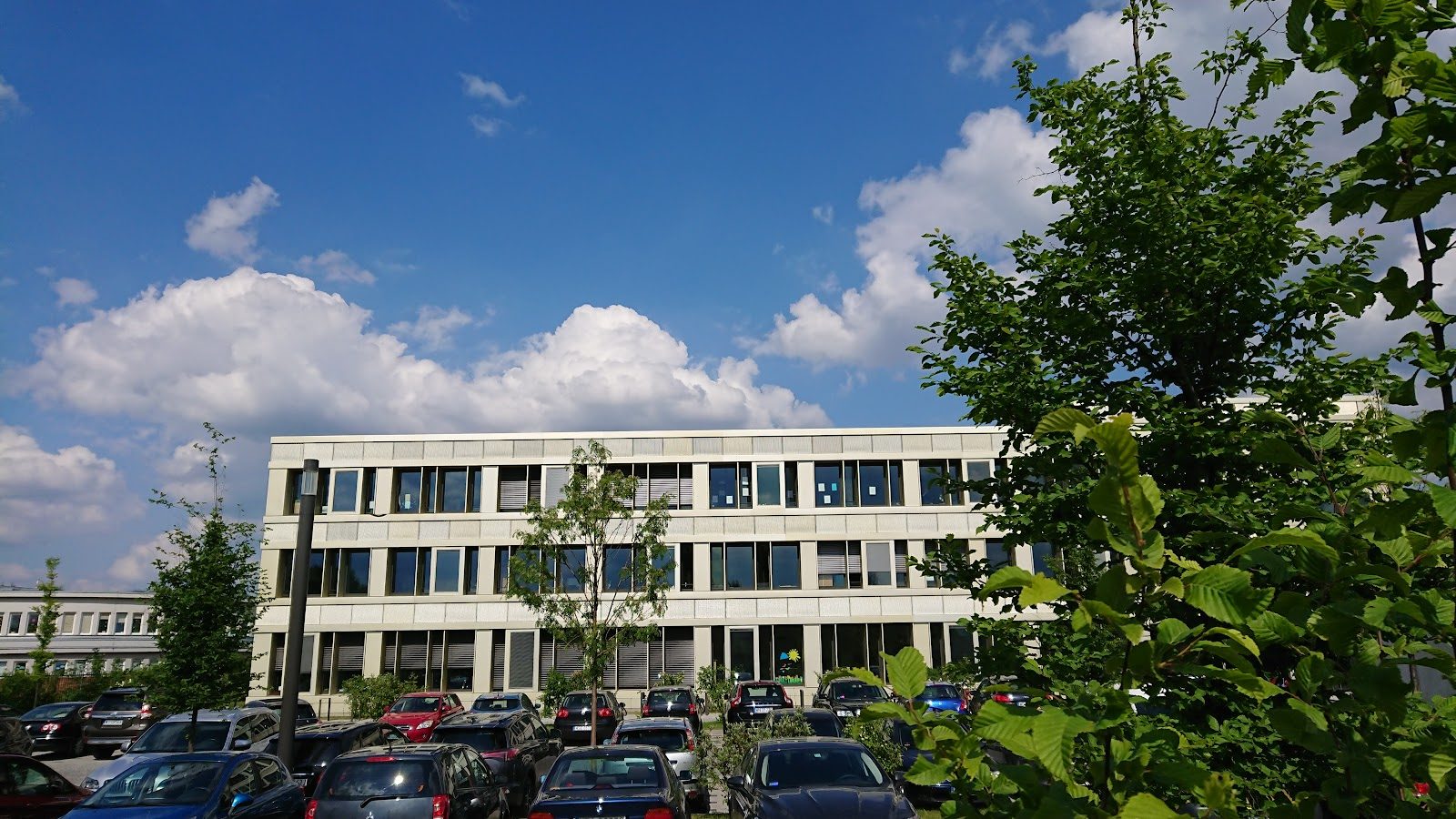
Willy Brandt German School
Warsaw · Poland
Poland's only German Auslandsschule, pairing Abitur rigor with a namesake built on Cold War reconciliation
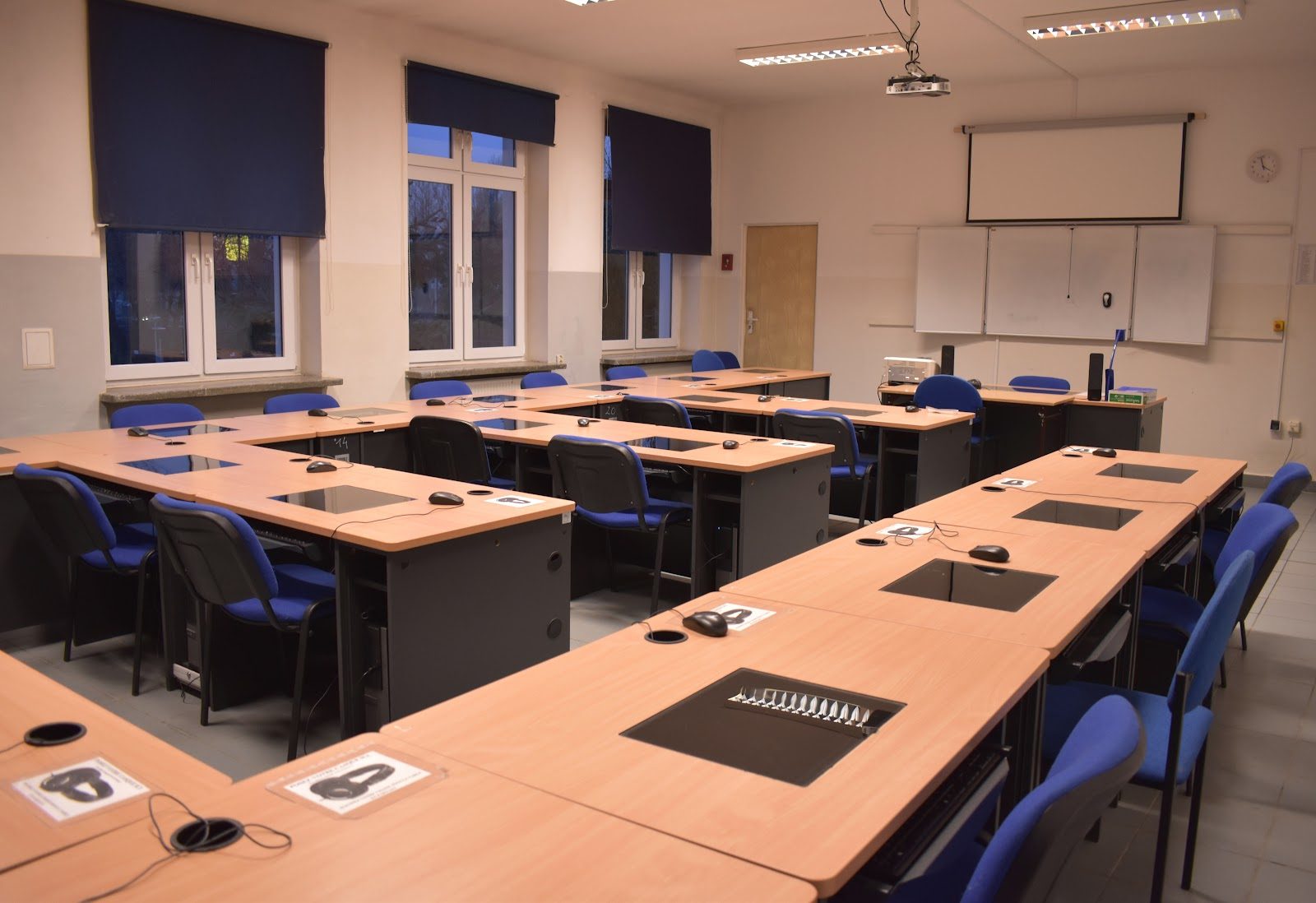
Lycée Français de Varsovie
Warsaw · Poland
Founded in 1919 as a diplomatic bridge between Paris and a newly independent Poland, its Baccalaureate classrooms still run on trilingual rigor.
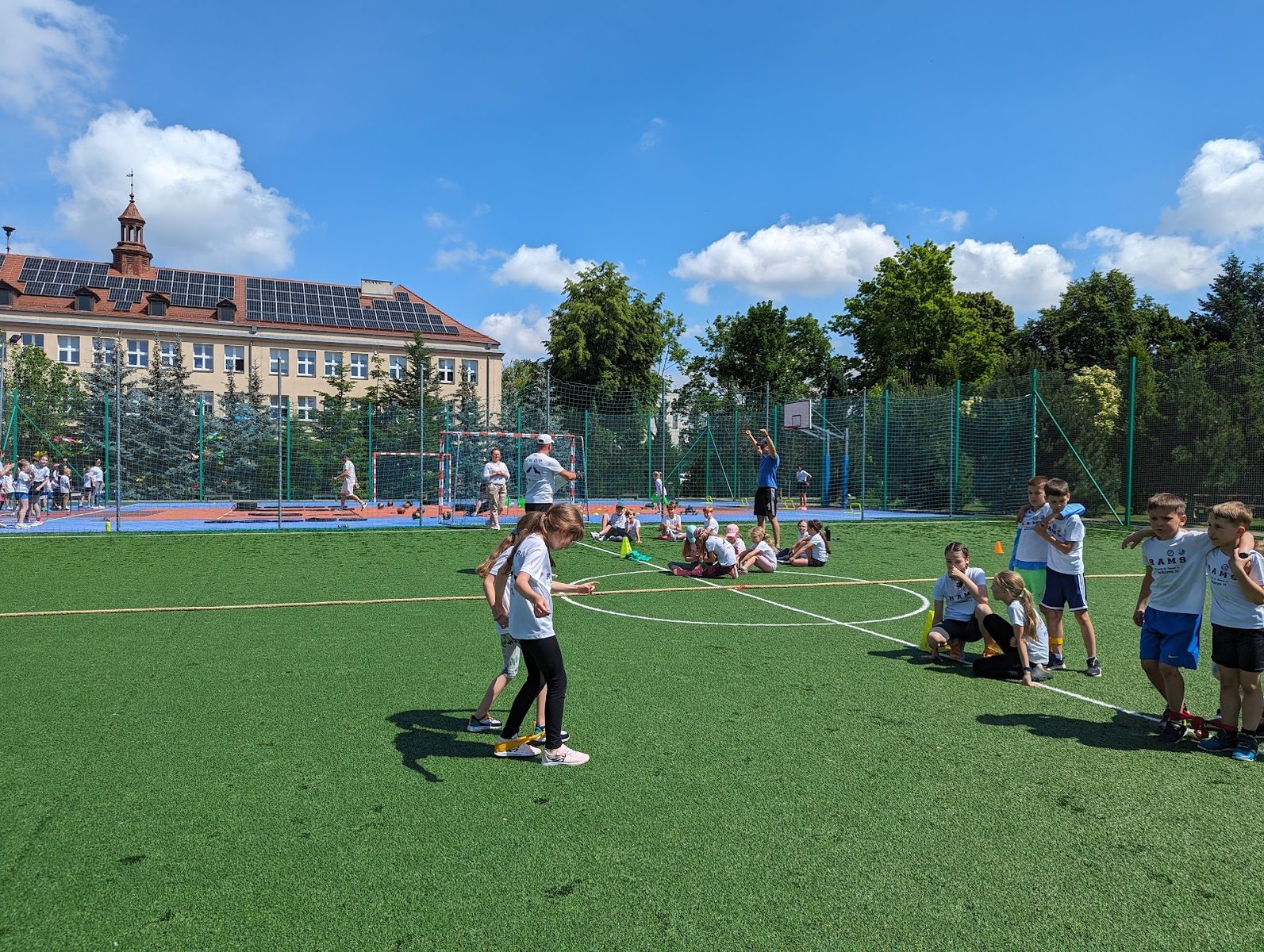
International School of Poznań
Poznań · Poland
Poznan's original IB Diploma authorization, now closing in on a full PYP-MYP-DP continuum via its own induction year for newcomers.
International School of Kraków
Kraków · Poland
A forested Lusina campus outside Krakow pairs an American diploma with the IB, drawing more than 35 nationalities since 1993.
Same country and curriculum — closest matches within ±10 points either way