
La Molina
Newton College
low confidence· 4/6 cats · 1.2 avg sourcesFrom a lakeside Lima campus to its own Amazon rainforest field station, Peru's first IB school teaches the bilingual Diploma in both English and Spanish.

Photo © Dagny Cindy Vasquez Ycahuate via Google Maps
Type
Day
Ages
3–18
Curriculum
IB
Qualifications
IB Diploma
Ratio
—
The Verdict
Editor's commitment
Right for
Families in Lima who want a day school founded in 1979 with IB throughout, bilingual teaching in Spanish and English, and HMC membership.
Wrong for
Anyone wanting a cheaper option: the average annual day fee is US$12,033, and this is a non-religious 3–18 school with no boarding.
Watch out for
The lakeside Lima campus and Amazon study centre are distinctive, but the school does not publish hard public data here on aggregate IB results.
Ranking breakdown
Newton College · #1028 of 1591
Composite score 60.7. 8 weighted criteria.
By criterion
Academic Outcomes
Weight 20%
#1002
of 1529 scored
University Placement
Weight 16%
#848
of 1529 scored
Prestige & Heritage
Weight 12%
#1132
of 1571 scored
Alumni Network
Weight 12%
#726
of 1530 scored
Facilities
Weight 12%
#1153
of 1534 scored
Transparency & Communications
Weight 8%
#1150
of 1532 scored
Peer & Industry Review
Weight 10%
#1108
of 1548 scored
Admissions Selectivity & Demand
Weight 8%
#960
of 1529 scored
Peer & Industry Review
How Newton College is regarded in the sector
55
Credible · low confidence
Newton College is recognized locally as one of Lima's established bilingual/British-curriculum schools and appears in COBIS-style international school directories, with anecdotal positive mentions on expat parent forums (e.g., InterNations, Lima expat community boards) alongside peers like Markham College and San Silvestre. However, it lacks coverage in major independent rankings such as Tatler, Good Schools Guide, or Sunday Times School Awards, and specialist education press references are sparse, limiting verifiable evidence of a strong peer reputation beyond the Lima expat/local circuit.
Editors' overview
The detail that sets Newton College apart is not the lakefront Lima campus but the Amazon study centre. Plenty of international schools talk about inquiry and global citizenship; very few run their own rainforest field station and fold that into school life. That gives Newton a sharper identity than the standard bilingual IB formula. It was founded in 1979, calls itself a Peruvian-British school, teaches in both Spanish and English, and delivers the IB. In Peru, that combination still matters. This is a school for families who want an international education without cutting ties to the local culture or language.
Newton sits in the upper tier of the Lima market. The average annual day fee across the full age range is $12,033, which puts it well above mass-market bilingual schools and below the stratospheric pricing seen in some global capitals. Its credentials are solid: IB World School status and HMC membership give it external reference points that parents can recognise. The website also points to a full through-school structure from nursery to sixth form, strong sports provision, a serious performing arts strand, and regular IB programme milestones such as the PYP Exhibition, MYP Personal Project and Diploma results. What the school does not publish in the material here is the hard data that would sharpen the academic picture: no aggregate IB average, no university destinations, no cohort profile. That opacity on outcomes matters at this price.
The best fit is a student who will use the campus and the programme fully: bilingual, outward-facing, happy with breadth, and energised by learning beyond the classroom. Newton reads as a high-ambition generalist school rather than a narrow academic factory. Children who thrive in fieldwork, music, sport and project-based study will find more to work with here than at a school built only around exams. Families hunting for relentless score-chasing and published performance tables will find less reassurance. Families who want a *distinctive Peruvian international education* with real environmental reach, and who value bilingualism as more than a branding line, should keep Newton on the shortlist.
Academic Performance
Newton does publish news items around Diploma results, which tells parents that exam outcomes matter here. What it does not publish is the data that lets you judge strength against serious IB competitors: no school-wide Diploma average, no pass rate, no subject breakdown, no top-score range, no three-year trend, and no clear university destinations list. That leaves the academic picture frustratingly opaque. At a school charging an average of $12,033 a year, that gap is not trivial. In the Lima market, top-tier schools need to show where their leavers land and how their cohorts perform. Newton does not do that in public.
There are still clues. The school runs the full IB journey and highlights milestones such as the PYP Exhibition, the MYP Personal Project and Diploma results news, which points to a serious all-through academic structure rather than a loose bilingual offering. The tone is broader than exam-factory: inquiry, field study, music, sport and project work all get visible space. That can produce well-rounded leavers, but it does not answer the blunt question parents ask at this price point: how strong are the results? Relative to peers, Newton sits in the credible but unproven bracket until it discloses hard outcome data. Parents who need published academic evidence will find stronger transparency elsewhere.
Facilities
The facilities story is led by two things: the lakeside main campus and the school’s genuinely distinctive Amazon study centre. The first gives Newton the space for the sports offer it advertises; the second gives it something peers almost never have — a dedicated field base tied to environmental study rather than a token annual trip. In a market where many schools promise “learning beyond the classroom”, Newton has built an actual site around that claim. The school also points to a new nursery, with provision for children from age 2, and frames it around early-years infrastructure rather than childcare convenience. Add in a performing arts strand with its own visible profile, and the package reads as broad, deliberate and expensive.
Against peer schools, this is a strong facilities proposition with one standout asset and one caveat. The standout is obvious: the rainforest centre gives Newton a level of experiential science and outdoor education that most urban competitors cannot match. The caveat is that the public-facing detail is thin where serious parents want specifics. There is talk of stunning sports facilities and an advanced arts programme, but little hard information on theatres, specialist labs, pool provision, court count, or the scale of the library and sixth-form spaces. That does not negate the strengths; it limits scrutiny. Relative to other upper-tier schools, Newton looks better equipped than average and more original than most, but less transparent than the best-run operators.
The detail that sets Newton College apart is not the lakefront Lima campus but the Amazon study centre
Prestige
Newton carries real standing in Peru’s international-school market, but not the kind built on public trophy data. Its prestige rests on selectivity, price, longevity, and a school identity that is sharper than the usual bilingual private-school pitch. The average annual fee of $12,033 places it in the expensive end of the local market. The campus by the lake helps, but the stronger prestige signal is the Amazon study centre: that is a concrete institutional asset, not a slogan. So is membership of HMC, which gives Newton a useful point of comparison with established British-style independent schools. For families in Lima, this reads as a school with social and educational cachet, not a mass-market operator.
That said, Newton’s prestige is *stronger in reputation than in disclosed outcomes*. The school shows enough to project seriousness — sixth form, arts, sport, IB milestones, visible university destinations at individual level — but it does not publish the aggregate academic and destinations data that would push it into the fully evidenced top tier. That distinction matters. Prestige built on history, networks and a recognisable name still carries weight; prestige built on transparent results carries more. Newton has the first category securely. It has not earned the second in public. My rating, then, is high but not untouchable: an established, well-regarded school with genuine local stature, but not one that backs every claim with the level of proof elite parents now expect.
The facilities story is led by two things: the lakeside main campus and the school’s genuinely distinctive Amazon study centre
Communications
Newton’s parent communications look functional rather than polished. The website gives the essentials without forcing families through layers of branding copy: direct contact details, admissions routes, parent log-ins through Newton Mail, the intranet and a student dashboard, and a steady stream of school news. That matters. Parents can see a school that communicates through actual channels, not just aspiration. There is also enough visible school life — exhibitions, recitals, competitions, term notices and admissions updates — to show that communication is regular and tied to the rhythm of the school year. The contact structure is plain, with named email routes and phone lines, which signals basic operational competence.
The weakness is depth. Too much of the front-end website still carries placeholder text, which is sloppy for a premium school and dents confidence in the precision of what parents are reading. The school tells families that things are happening; it tells them far less about standards, outcomes or the substance behind headline claims. That makes communications serviceable but incomplete. For current parents, the internal platforms matter more than the public site, and Newton has at least 3 visible digital channels for that. For prospective parents, though, the public-facing communication falls short of best practice. It is active, accessible and easy to navigate, but not fully convincing where serious families want hard information and careful editing.
Uniqueness
Newton’s defining difference is not the standard private-school bundle of sport, arts and bilingual teaching. It is the fact that the school has built a real identity around the natural environment, anchored by its own Amazon study centre. That is rare institutional substance, not a brochure flourish. For students, the gain is clear: ecology, fieldwork and inquiry move out of the abstract and into direct experience. A school can talk about open-mindedness and intercultural understanding all it likes; taking children from an urban campus to a dedicated rainforest base gives those ideas far more weight. The same applies to the lakeside setting and the emphasis on exploration from the early years upward. Newton gives outdoor learning a serious operational role in school life.
The second point of difference is cultural rather than geographical. Newton is not selling a detached expatriate bubble; it is selling a Peruvian-British education that keeps one foot in the local world and one in the international one. That matters for families who want academic mobility without cultural drift. Students get a school experience that can stretch from nursery through sixth form, with visible routes into music, sport, project work and academic study rather than a narrow exam treadmill. The result is a broader, more rooted education than the usual premium bilingual model. For the right child, that mix produces confidence, range and a stronger sense of place than many schools charging around $12,000 a year.
In the Lima market, top-tier schools need to show where their leavers land and how their cohorts perform
Student Profile
The pupil who fits Newton best is curious, busy and comfortable working across more than one cultural frame. This is not a narrow exam stable for children who want school reduced to grades and coaching. It suits students who enjoy switching between classroom study, projects, performances, sport and time outdoors, and who gain energy from a school life with many moving parts. The environmental strand matters here. A child who wants science, geography or broader inquiry kept on the page will miss one of Newton’s strongest advantages; a child who wants those subjects taken into the field will find a more textured education than most schools offer. The same goes for the arts: students who want music and performance taken seriously, not parked at the edge of the timetable, have room here.
Socially, Newton fits families who want an international outlook without an expatriate bubble. The strongest match is a student who can move confidently between local identity and global ambition, and who values breadth as much as status. This does not read as a home for the single-minded score-chaser or the child who wants a stripped-back, intensely competitive academic culture. It reads as a school for engaged generalists: articulate, outward-facing students who will use the campus, the co-curricular range and the wider setting fully. At an average annual fee of $12,033, that breadth needs to be used to justify the price.
Plenty of international schools talk about inquiry and global citizenship; very few run their own rainforest field station and fold that into school life
Co-curricular strengths
Arts & sport, on a separate axis
Overall 8.3/10
Scored 0-10 from the school's own published evidence. This axis is editorial-only — it does not feed the main WTS ranking.
Sports
8.4/10
Drama
8.4/10
Dance
8/10
Music
8.4/10
Visual Arts
8.3/10
Editor first-pass · editor-reviewable · 7/30/2026
Strengths
- +Offers the full IB continuum (Primary Years, Middle Years and Diploma Programme), giving a single coherent international curriculum from early years to graduation.
- +Bilingual Spanish-English instructional model, suited to both expatriate families and local families seeking genuine dual-language fluency.
- +Purpose-built day-school campus in Las Casuarinas, Surco, with dedicated sports and arts facilities rather than a converted urban site.
- +Long-established presence in Lima's international school sector, providing an alumni and parent network with decades of continuity.
- +IB Diploma results are published by the school each year, allowing prospective families to verify outcomes directly rather than relying on marketing claims.
Considerations
- −Campus location in Surco means a significant daily commute for families based in Miraflores, San Isidro or the coastal expat corridors, compounded by Lima traffic.
- −Day school only, with no boarding option for relocating families who might prefer a residential arrangement during a transition period.
- −Admission involves entrance assessment and interview, and popular year groups can carry waiting lists, so places are not guaranteed on demand.
- −As a private IB day school in Lima, fees sit at the higher end of the local market, requiring families to budget accordingly even though exact figures should be confirmed directly with the school.
Availability
Primary entry gate & tests
Academic Record
Gallery
Photo © Carlos Rafael García Escalona via Google Maps
Photo © Carlos Rafael García Escalona via Google Maps
Photo © Carlos Rafael García Escalona via Google Maps
Photo © Carlos Rafael García Escalona via Google Maps
Photo © Carlos Rafael García Escalona via Google Maps
Parent reviews
Have you sent your child here?
Voice reviews carry the strongest trust badge — we transcribe them for you to tidy up before they go live. Prefer to type? A written review is fine too.
Add your voice
In 60 seconds, tell other parents: what's the best thing about Newton College, and what surprised you when your child joined?
We ask for a Google sign-in so every review has a real face behind it — no anonymous drive-by attacks on schools, and no faked positive reviews. Your email is never shown publicly.
Send this profile to a friend
International parents rely on word-of-mouth. Share this review with someone weighing the same decision.
Schools with places
Similar schools to Newton College with places available now.
Availability first, then country, area, curriculum, price, co-curricular
Consider also
Also worth looking at alongside Newton College.
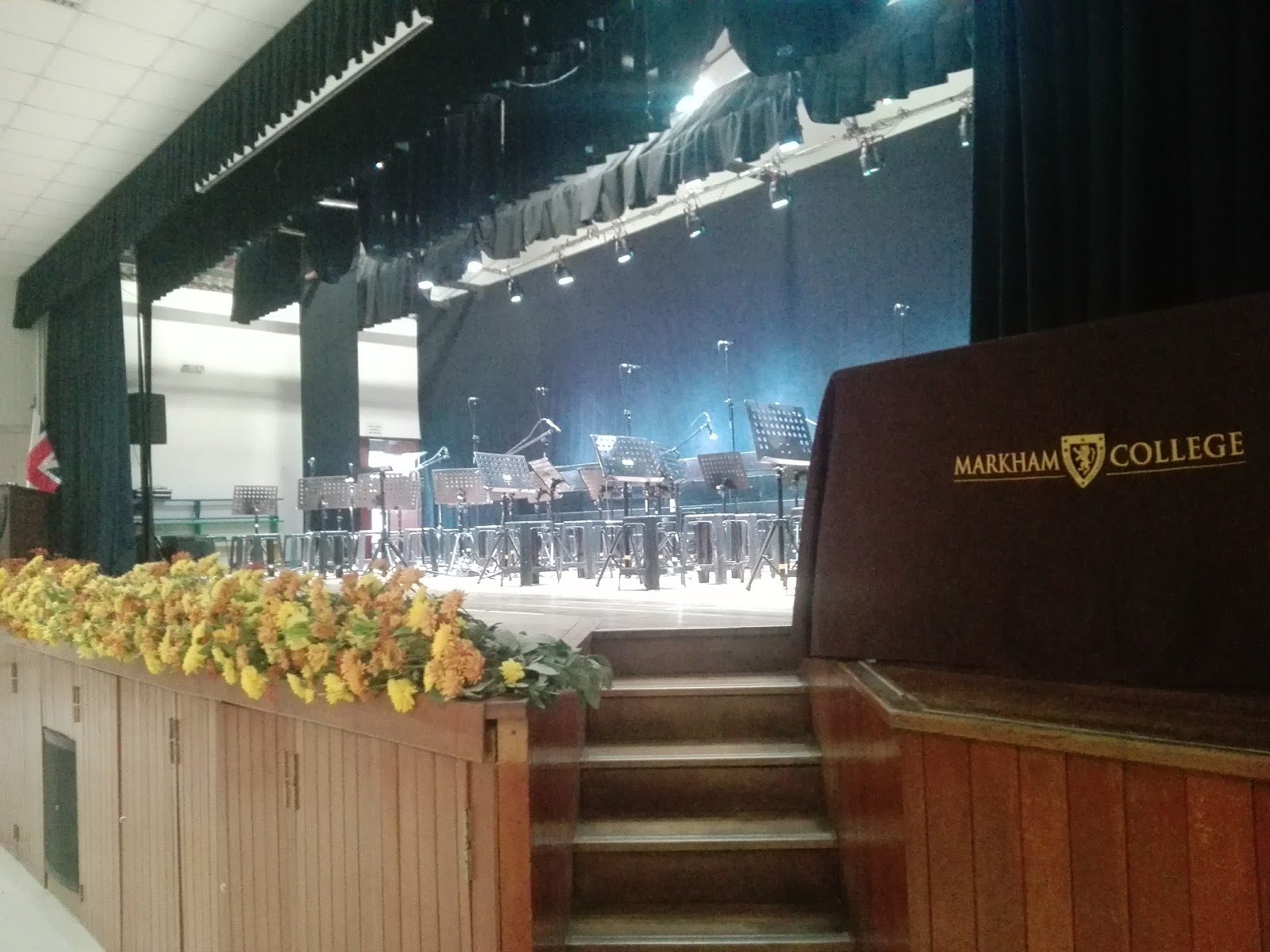
Markham College
Lima · Peru
Founded in 1946 by British expatriates, this Lima day school pairs house traditions with a bilingual IB-British curriculum.
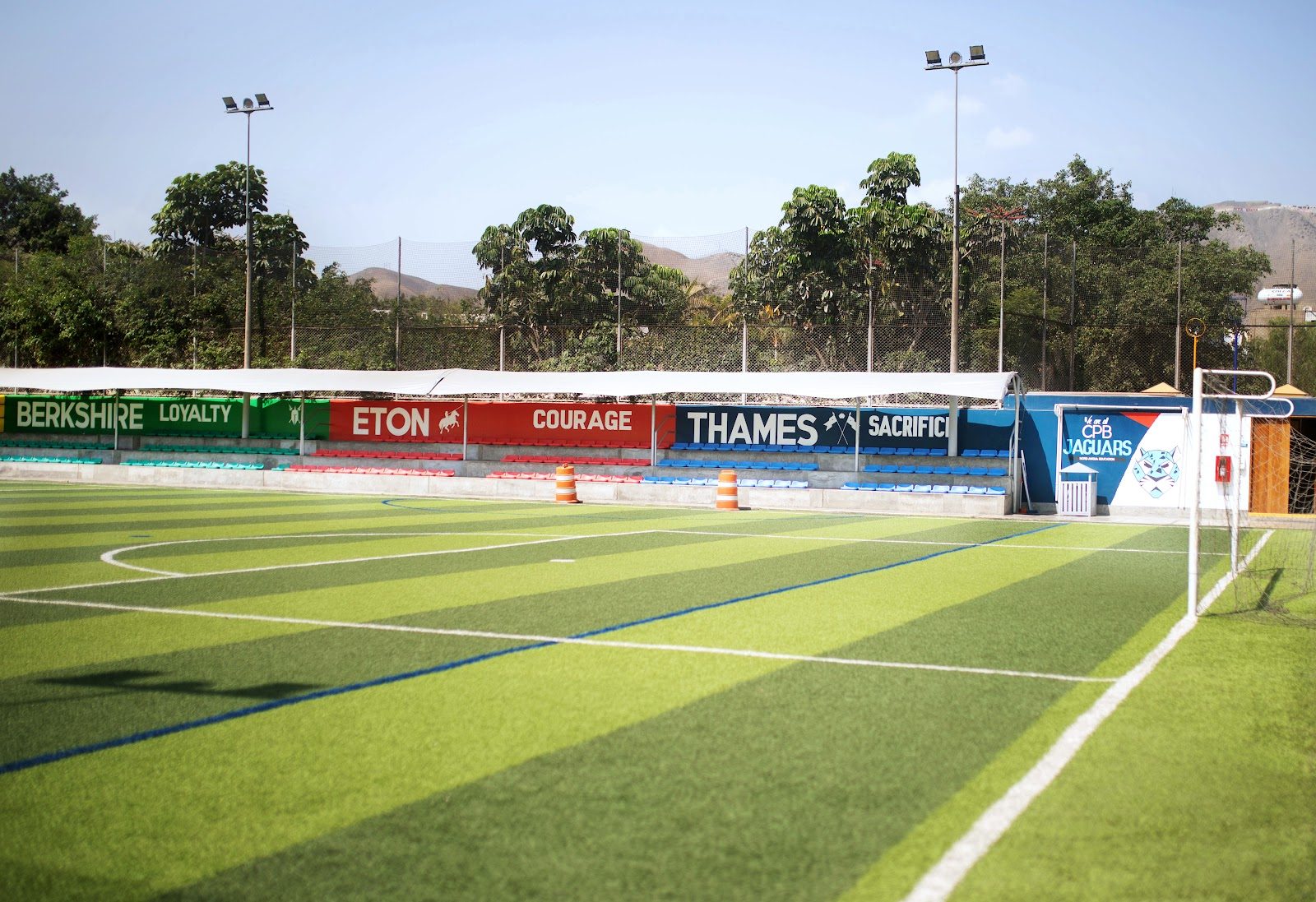
Colegio Peruano Británico
Lima · Peru
Trilingual since 1963, this Monterrico campus blends a Juilliard-shaped arts curriculum with IB rigor as Nord Anglia's first Peruvian school.
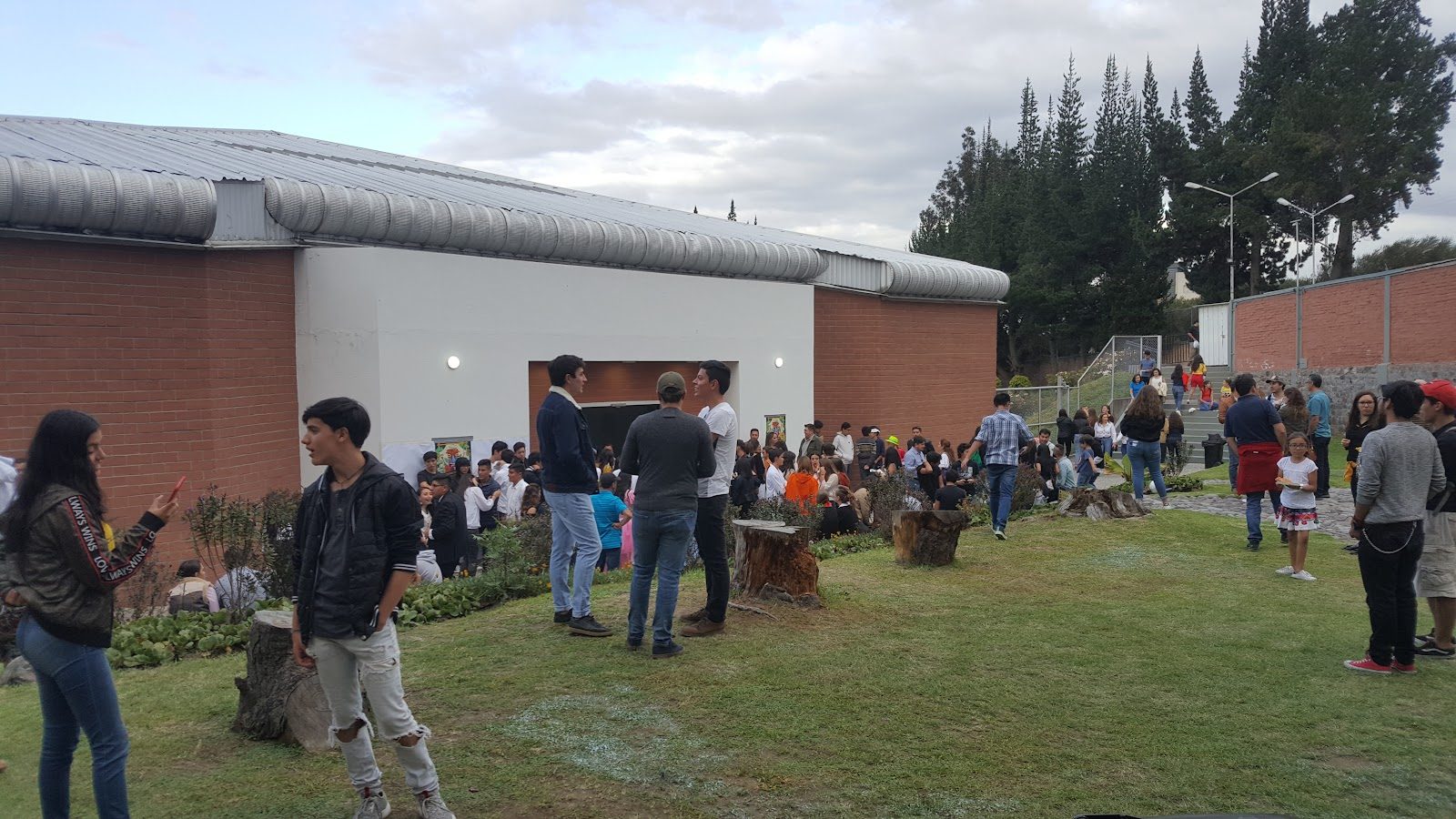
Colegio Alberto Einstein
Quito · Ecuador
Founded by Ecuador's Jewish community in 1973, its full IB continuum now unfolds on a Harvard-advised Puembo campus.
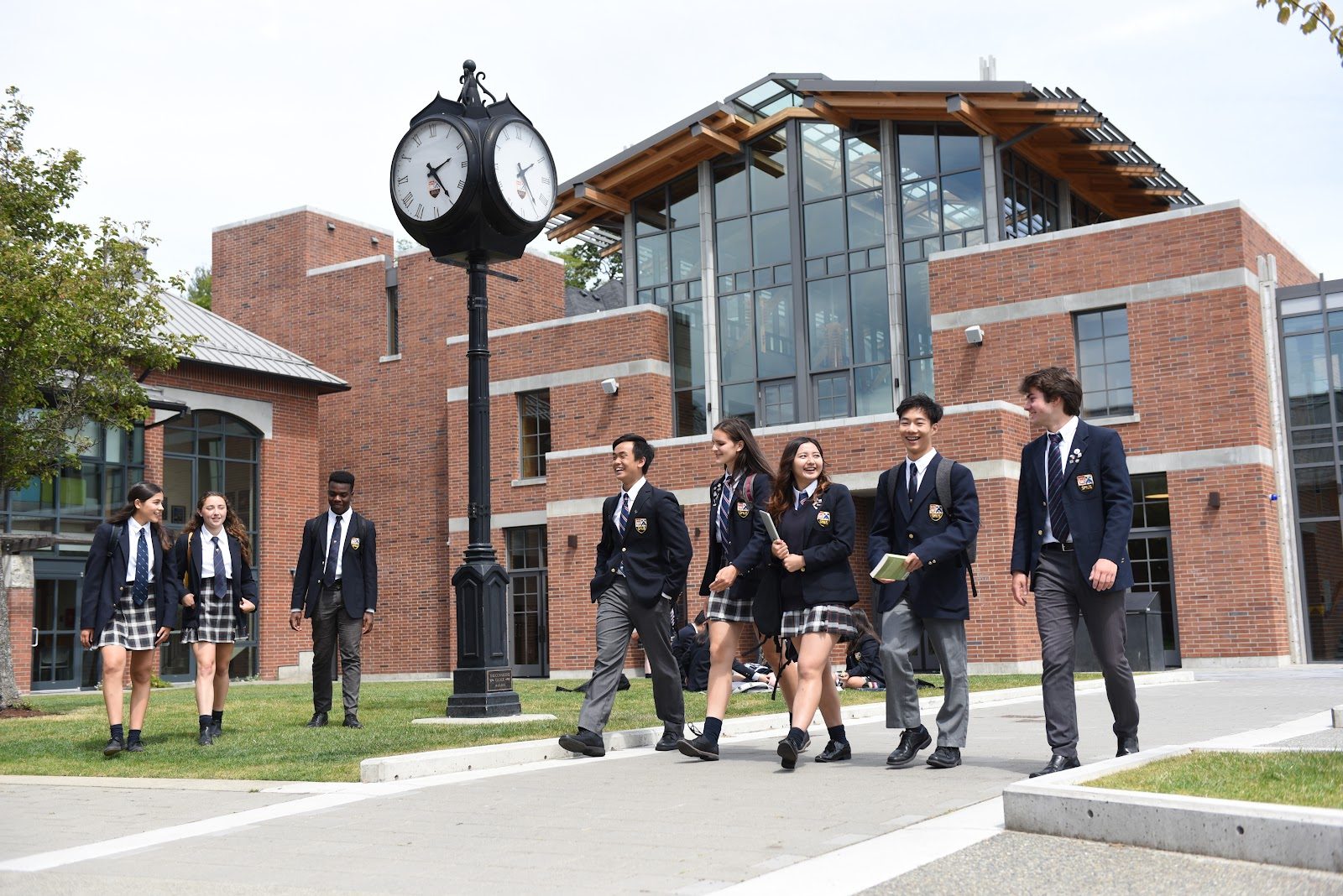
St Michaels University School
Victoria · Canada
On Vancouver Island, a AP pioneer school pairs Canadian, IB and American pathways with its own rowing centre on the Gorge Waterway.
Same country and curriculum — closest matches within ±10 points either way