
Massachusetts
St. John's Prep
low confidence· 2/6 cats · 2.75 avg sourcesOn a 175-acre campus north of Boston, Xaverian Brothers tradition since 1907 shapes an all-boys path of faith, rigor, and brotherhood.

Type
Day
Ages
11–18
Curriculum
American
Qualifications
AP · US High School Diploma
Ratio
10:1
The Verdict
Editor's commitment
Right for
Boys 11–18 who want a Catholic, all-boys American school on 175 acres, with 23 APs and a 10:1 student-teacher ratio.
Wrong for
Families wanting coeducation, boarding, or a secular ethos; this is a day school in Danvers with Xaverian Brothers identity built in.
Watch out for
At $36,885 a year on average, it is expensive, and the school publishes no aggregate AP scores or college destination breakdown.
Ranking breakdown
St. John's Prep · #1148 of 1591
Composite score 57.4. 8 weighted criteria.
By criterion
Academic Outcomes
Weight 20%
#900
of 1529 scored
University Placement
Weight 16%
#848
of 1529 scored
Prestige & Heritage
Weight 12%
#678
of 1571 scored
Alumni Network
Weight 12%
#1492
of 1530 scored
Facilities
Weight 12%
#721
of 1534 scored
Transparency & Communications
Weight 8%
#778
of 1532 scored
Peer & Industry Review
Weight 10%
#998
of 1548 scored
Admissions Selectivity & Demand
Weight 8%
#837
of 1529 scored
Peer & Industry Review
How St. John's Prep is regarded in the sector
65
Respected · medium confidence
Within the Massachusetts Catholic prep landscape, St. John's Prep is consistently grouped with Boston College High, Catholic Memorial and Malden Catholic as one of the strongest Xaverian Brothers Sponsored Schools, a network whose heads regularly cite its academic and athletic programs as benchmarks in Catholic Conference competition. Its published matriculation lists show steady placement at Boston College, Holy Cross, Providence, Fairfield and a smaller but real stream to Ivy/NESCAC schools, which regional admissions counselors treat as evidence of solid, if not top-tier national, college readiness. Because it is a single-sex, faith-based day school outside the UK independent sector, it receives little to no coverage from WhichSchoolAdvisor or the Good Schools Guide, and it does not appear in national newspaper league tables, which are largely UK-centric. Coverage instead comes from Boston-area outlets (Boston Globe, local Patch sites) focused on athletics and community events rather than rigorous academic benchmarking, meaning its reputation is strong but regionally bounded rather than internationally validated.
- Peter Torkildsen — Politician, U.S. Representative
- Chris Herren — Athlete, NBA basketball player
Editors' overview
A 175-acre campus north of Boston gives St. John’s Prep room to operate at a scale many urban day schools cannot match, and the school uses it. This is an all-boys Catholic day school in Danvers for ages 11 to 18, with a Xaverian Brothers identity that runs through the mission, the pastoral framing and the language of “whole person” education. Parents looking for a secular liberal environment should strike it off the list. Parents who want a school where faith, structure and male-focused pastoral care are not side notes but the organising principles should put it on the shortlist. The academic offer has real breadth: over 100 electives, 23 Advanced Placement courses, more than 35 visual and performing arts courses, and more than 20 labs. That is a serious programme, not a narrow college-prep track dressed up with slogans.
The market position is clear. At an average annual fee of $36,885, St. John’s sits in the expensive US private day-school bracket, but it earns that price through depth of provision and scale of opportunity. The published 10:1 student-teacher ratio in both middle and high school supports a more individual academic experience than many large American independents manage. The school also states that 80% of graduates move on to four-year colleges and universities. That figure is solid, but it also leaves a question: the school does not publish a fuller college destination breakdown, aggregate AP scores or other hard academic outcome data that would let parents judge top-end academic yield with precision. The accreditations, NEASC and NAIS, give proper institutional credibility, but accreditation is a floor, not a distinction.
What sets St. John’s Prep apart is the combination of scale, structure and range within a single-sex Catholic setting. There are more than 60 communities represented in the student population, 85% sports participation, 22 interscholastic sports, four-plus bands and ensembles, and eight-plus theatrical productions each year. That makes it a school for boys who want a busy, high-participation adolescence, not a niche specialist education. It fits students who thrive with clear expectations, a strong pastoral frame and plenty of ways to compete, perform or lead. It fits less well for boys who want a progressive culture with minimal religious framing, or for families who need forensic transparency on academic outcomes before paying a premium fee. St. John’s Prep is strongest for academically capable, energetic boys who want breadth, community and structure in equal measure.
Academic Performance
St. John’s Prep gives families a mixed academic picture: strong programme breadth, thin published outcome data. The school offers 23 AP courses and a deep elective menu, which puts it in the upper tier of broad American college-prep provision for a boys’ day school. It also publishes regular honour rolls and year-group academic awards, which points to a culture of visible academic recognition rather than one that keeps attainment in the background. That matters. Schools with serious academic expectations tend to celebrate them publicly. The problem is that St. John’s stops short of the figures that let parents test true academic yield. We have not seen aggregate AP scores, mean SAT or ACT results, National Merit data, or a detailed university destination list.
That absence places the school in a less transparent bracket than the strongest independent-school peers around Boston, many of which publish at least some hard leavers’ outcomes or testing data. The headline progression figure the school does publish — 80% moving to four-year colleges and universities — is respectable, but it is not a top-end academic marker on its own. It says more about successful onward progression than about selective-university placement or examination strength at the highest level. The academic offer is serious and well-resourced; the public evidence on results is incomplete. Parents who value broad opportunity and structured academic culture will find enough here. Parents who want forensic proof of external performance will need to ask harder questions.
Facilities
Facilities are a serious strength here because the school has room to build a full adolescent ecosystem rather than a compact academic block with a few add-ons. The most important asset is the sheer breadth of specialist space spread across a 175-acre site and 20 student buildings. That matters in practical terms: more than 20 labs support proper hands-on science rather than improvised classroom experiments; extensive arts teaching space underpins a visual and performing arts offer that has real substance; and the athletic estate is large enough to sustain a programme where sport is part of the school’s daily rhythm, not an after-school extra squeezed into limited space. The school is also adding a Memorial Student Commons, which points to continued investment in communal rather than purely instructional space.
Against peer schools, this puts St. John’s Prep in a well-resourced, high-capacity bracket for a day school, especially within the Catholic boys’ market. Many urban independents around Boston deliver strong teaching from tighter footprints and must ration field access, rehearsal space or laboratory time more carefully. St. John’s has the opposite advantage: scale. The trade-off is atmosphere. Families wanting an intimate, tightly contained campus may find this estate more institutional than cosy. Families wanting breadth, movement and room for boys to do several things well in one place will judge it a clear competitive asset. The facilities support a busy, full-spectrum school life rather than a minimalist academic model.
John’s stops short of the figures that let parents test true academic yield
Prestige
St. John’s Prep has real local and regional weight rather than rarefied national cachet. In Greater Boston’s crowded independent-school market, that still counts for a great deal. The school benefits from a long-established Catholic identity, a disciplined all-boys brief and a scale of provision that many faith-based day schools cannot match. Prestige here rests less on glamour than on institutional solidity: a campus with room for major sport and co-curricular life, a broad senior academic menu, and a culture that puts visible value on participation, awards and communal belonging. The school’s Xaverian framing also gives it a distinct profile. Families who want formation, not just instruction, will read that as serious moral architecture rather than branding.
The limit on prestige is plain. St. John’s does not sit in the tiny group of American independents whose name alone signals elite national academic placement or automatic social cachet. Its public academic disclosures do not support that claim. We have not seen the hard outcome data that would lift it into a more forensically elite category. What it does offer is a high-confidence, well-known route for boys who want structure, faith and breadth without sacrificing ambition. The average annual fee of $36,885 places it in the expensive bracket, but not in the most rarified fee tier. Prestige here is strongest among families who value a grounded, established Catholic boys’ education with substantial opportunity, not among those chasing pure prestige optics.
John’s is distinctive because it offers formation with scale, not intimacy with vagueness
Communications
Parent communication is active, frequent and more polished than many schools of this type manage. The public-facing site is busy but functional: admissions prompts are easy to find, the calendar is live, major school news is updated, and families can track the rhythm of school life without digging through dead pages. The school also publishes honour rolls, awards coverage and event notices at regular pace, which tells parents two things. First, communication is part of the operating culture, not an afterthought. Second, the school wants families closely tied to student achievement and communal ritual. That fits a high-participation Catholic boys’ school where belonging matters. The volume of listed activities — from athletics to concerts to productions — reinforces that sense of a constantly programmed institution that needs parents to keep up.
The strength here is cadence and visibility. Parents get a clear view of what the school values day to day: recognition, community events, wellness, sustainability, faith-linked formation and student involvement across a wide field. The weakness is different. Public communication is stronger on culture than on hard accountability. We see celebration far more than scrutiny. The school does not publish the deeper academic outcome data that demanding parents use to test performance, and that limits trust at the premium-fee end of the market. So the verdict is straightforward: communication is confident, well-organised and community-heavy, but not fully transparent where outcomes matter most. The school tells parents a great deal about life on campus; it tells them less than it should about measurable academic return.
Uniqueness
What marks St. John’s Prep out is not a single headline feature but a deliberate synthesis: a boys-only Catholic education with the physical and programme scale of a much broader institution. Many faith-based schools talk about educating the whole person; St. John’s has the machinery to do it. Boys move through a school where worship, service, competition, performance and academic choice sit inside one coherent frame rather than in separate silos. The Xaverian element matters here. It gives the place a clear moral grammar built around responsibility, service and brotherhood, which creates a more formed communal identity than the generic values language common elsewhere. The school’s inclusion statement also carries weight in this context: it is trying to hold religious tradition and a more open social ethos together, which is a harder balancing act than many schools admit.
For students, that brings two advantages. First, there is unusual room to build a multi-stranded adolescence without leaving the campus culture behind: serious classroom study, arts, sport, leadership and pastoral formation all have institutional backing. Second, the all-boys structure gives the school licence to be purposefully tailored in tone and programming for how it wants young men to grow up. That will suit boys who benefit from clear expectations, visible community standards and a school day packed with things to join. It will not suit families who want a looser, more sceptical culture. St. John’s is distinctive because it offers formation with scale, not intimacy with vagueness.
John’s Prep room to operate at a scale many urban day schools cannot match, and the school uses it
Student Profile
The student who fits St. John’s Prep is a boy who wants a structured, high-engagement school life and does not resent adult direction. This is not a place for drifting through adolescence on the edges. The school expects boys to join in, keep pace and accept that faith, conduct and community are part of the deal, not decorative extras. The all-boys setting will suit students who benefit from a male-focused pastoral frame and from being pushed to participate without the social posturing that can distort mixed environments. Boys who enjoy a busy timetable will have room to build one: the school offers 60 clubs and organisations, 22 interscholastic sports and 23 AP options. That breadth suits boys with more than one serious interest.
The strongest fit is an energetic, community-minded student who wants clear standards, visible recognition and a lot of chances to compete, perform or lead. There is also enough diversity in the student body to avoid a narrow social monoculture, which matters in a Catholic boys’ school. The weaker fit is just as clear. Independent-minded boys who want a looser culture, sceptical families who dislike overt religious framing, and students who need a low-pressure, quietly anonymous school experience will feel constrained here. St. John’s works best for boys who are ready to be known, expected to contribute and comfortable inside a strong institutional identity.
Parents looking for a secular liberal environment should strike it off the list
Co-curricular strengths
Arts & sport, on a separate axis
Overall 8.4/10
Scored 0-10 from the school's own published evidence. This axis is editorial-only — it does not feed the main WTS ranking.
Sports
9.2/10
Absolute athletic giant on a massive 175-acre Massachusetts campus; fields dominant varsity programs in football, track, and swimming.
Drama
9.5/10
The specialized performing arts center provides a conservatory-style framework for staging high-production mainstage plays and musicals.
Dance
6.4/10
Maintained primarily as an ensemble component to support physical performance blocks inside large musical numbers.
Music
8.7/10
Outstanding symphonic wind bands, jazz big bands, and orchestral ensembles that highlight major cultural showcases.
Visual Arts
8.2/10
Highly structured fine art layout leaning heavily toward technical design, digital graphics, and portfolio mastery.
Strengths
- +175-acre campus with 20 student buildings.
- +23 AP courses and 100+ electives.
- +10:1 student-faculty ratio in High School.
- +85% sports participation; football has three recent state titles.
Considerations
- −All-boys Catholic setting will not suit every family.
- −Day-only provision; no boarding for international families.
- −English-only instruction limits non-English-speaking entrants.
Availability
Primary entry gate & tests
ISEE/SSAT + Interview
Gallery
Parent reviews
Have you sent your child here?
Voice reviews carry the strongest trust badge — we transcribe them for you to tidy up before they go live. Prefer to type? A written review is fine too.
Add your voice
In 60 seconds, tell other parents: what's the best thing about St. John's Prep, and what surprised you when your child joined?
We ask for a Google sign-in so every review has a real face behind it — no anonymous drive-by attacks on schools, and no faked positive reviews. Your email is never shown publicly.
Send this profile to a friend
International parents rely on word-of-mouth. Share this review with someone weighing the same decision.
Schools with places
Similar schools to St. John's Prep with places available now.
Boston University Academy
Boston · United States
- 2026-27
- CLOSEDRegular cycle closed
- 2027-28
- OPENS SOONOpens Sept '26
Belmont Hill School
Belmont · United States
- 2026-27
- CLOSEDRegular cycle
- 2027-28
- PLACES OPENApplication route live
Noble and Greenough School
Dedham · United States
- 2026-27
- CLOSEDRegular cycle
- 2027-28
- PLACES OPENJan 15 '27 Deadline
Middlesex School
Concord · United States
- 2026-27
- CLOSEDRegular cycle
- 2027-28
- OPENS SOONOpens 1 Sept '26
Availability first, then country, area, curriculum, price, co-curricular
Consider also
Also worth looking at alongside St. John's Prep.

Germantown Friends School
Philadelphia · United States
Rooted in an 1845 Quaker meeting in historic Germantown, where juniors design a month-long independent study of their own.
Poly Prep Country Day School
Brooklyn · United States
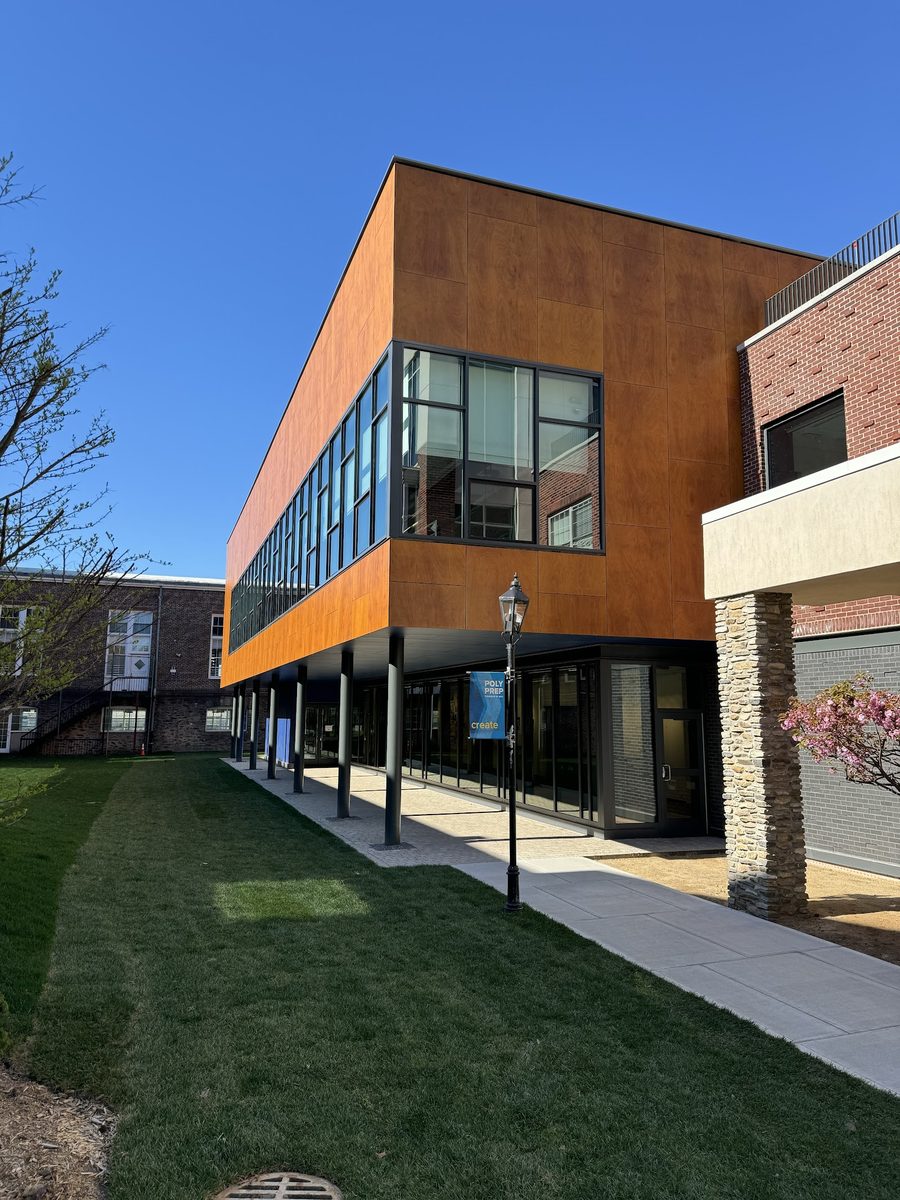
Founded in 1854 as Brooklyn's first boys' school, this day school pairs a Prospect Park mansion with a 25-acre Dyker Heights campus.
Marymount School of New York
New York City · United States
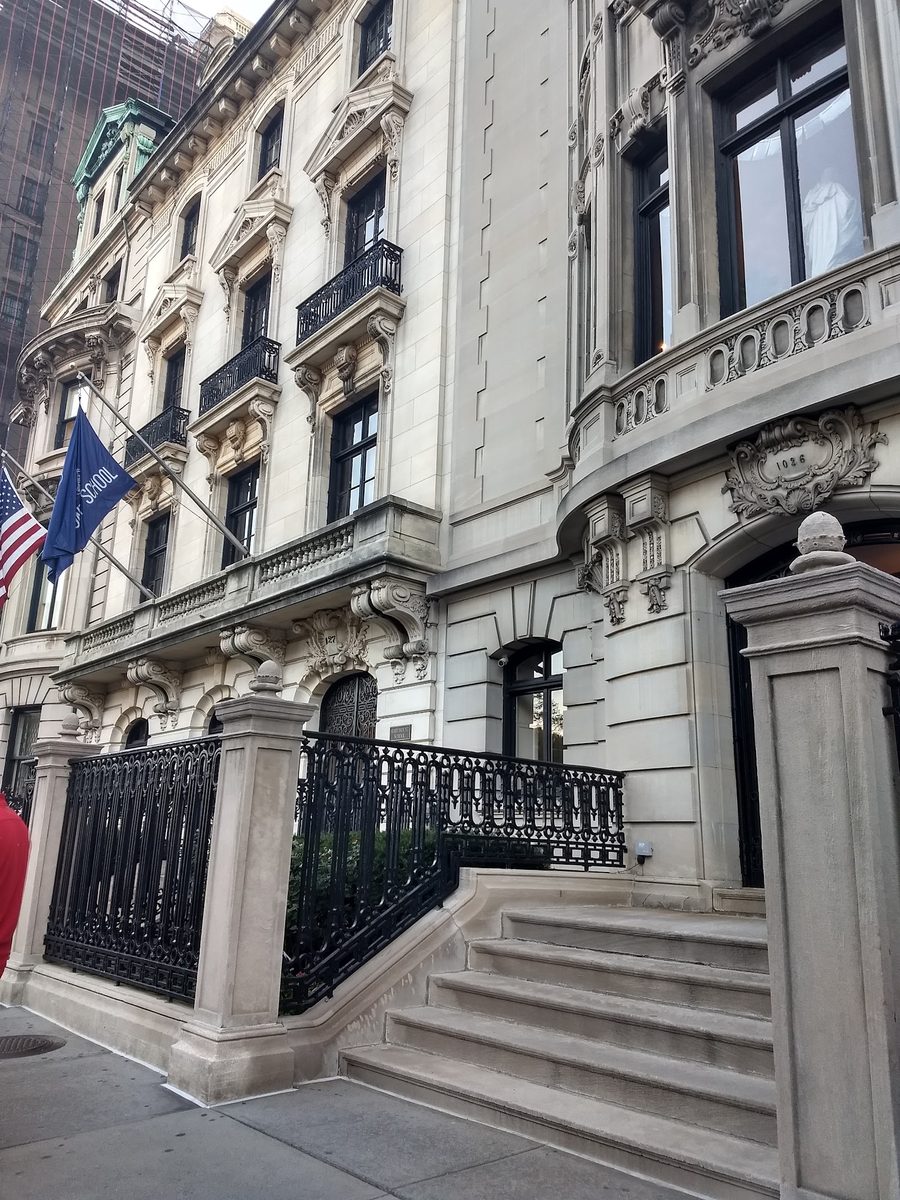
On Fifth Avenue, landmark mansions give way to Bloomberg terminals and classrooms inside the Met.
Boston University Academy
Boston · United States
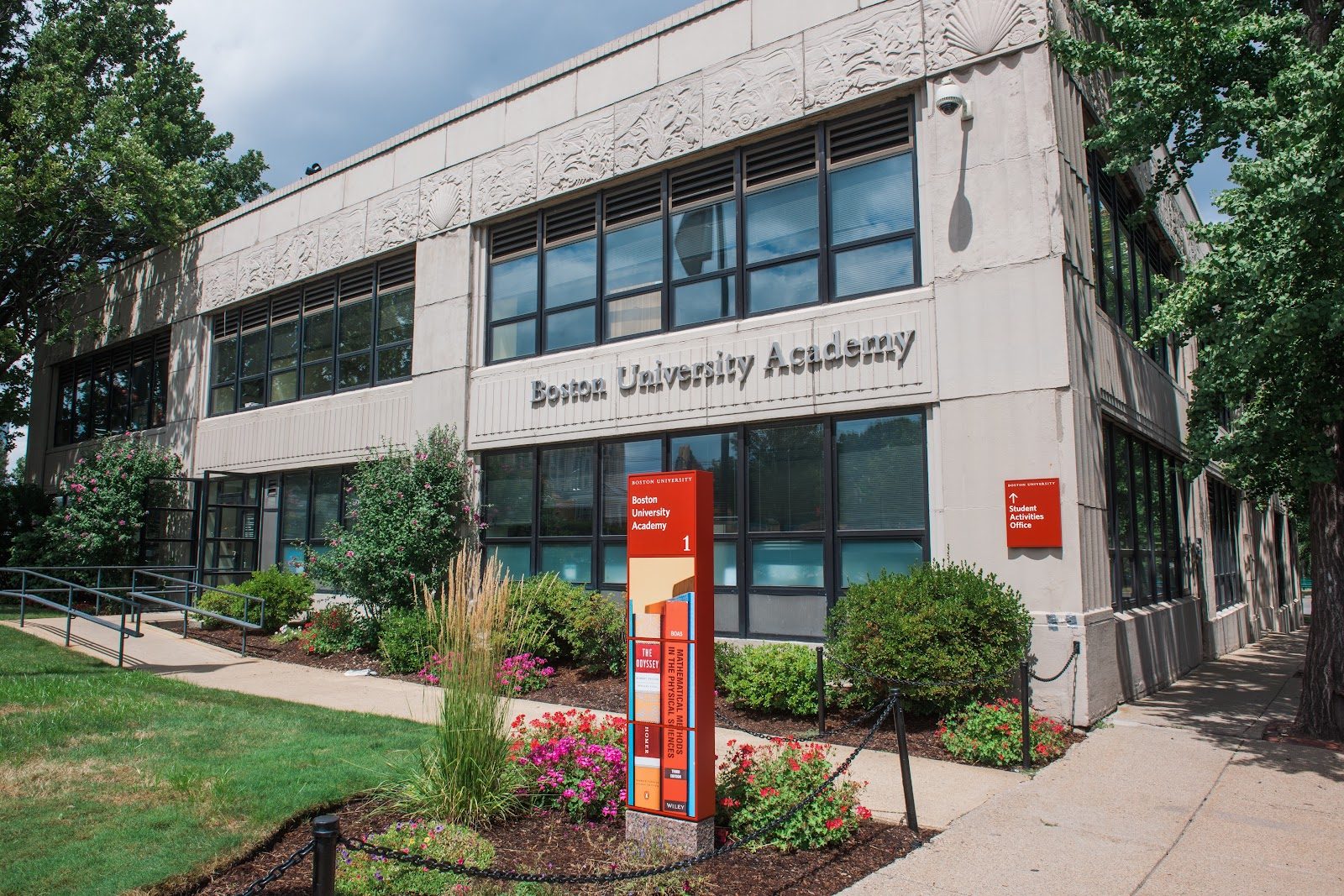
Upperclassmen trade study halls for Boston University lecture halls, banking college credit before graduation.
Same country and curriculum — closest matches within ±10 points either way