
Hungary
Kisképző – Secondary School of Visual Arts, Budapest
New · 2026/27Type
Ages
—
Curriculum
—
Ratio
—
Ranking breakdown
Kisképző – Secondary School of Visual Arts, Budapest · #1417 of 1591
Composite score 50.6. 8 weighted criteria.
By criterion
Academic Outcomes
Weight 20%
No data yet
1529 of 1591 scored
University Placement
Weight 16%
No data yet
1529 of 1591 scored
Prestige & Heritage
Weight 12%
#1306
of 1571 scored
Alumni Network
Weight 12%
No data yet
1530 of 1591 scored
Facilities
Weight 12%
No data yet
1534 of 1591 scored
Transparency & Communications
Weight 8%
No data yet
1532 of 1591 scored
Peer & Industry Review
Weight 10%
No data yet
1548 of 1591 scored
Admissions Selectivity & Demand
Weight 8%
No data yet
1529 of 1591 scored
Peer & Industry Review
How Kisképző – Secondary School of Visual Arts, Budapest is regarded in the sector
Insufficient peer signal
We couldn't find enough independent third-party evidence to score this school's peer & industry standing with confidence. It doesn't mean the school isn't well regarded — only that public reputation sources we trust don't yet cover it. This axis is left blank for now and the composite score is median-imputed from the other six categories.
Award
Elite Visual & Fine Arts 76
World's Top School · The Global Ranking
Kisképző – Secondary School of Visual Arts, Budapest is featured on our Global Top 76 ranking at #28. This seal is available for the school's marketing team to use on their website, prospectus and social channels.
Editors' overview
Full editorial coverage forthcoming. This institution has been included in the 2026 Visual Arts & Fine Art audit on the strength of its specialist Fine Art pathway. A long-form editorial review — covering curriculum, faculty, graduate conversion, portfolio provision and international accessibility — will be published as editorial capacity allows. The rank position, country and international-access classification shown on the ranking page have been verified against the methodology.
An Elite Visual & Fine Arts 76 school
Kiskepzo - the Secondary School of Visual Arts in Budapest, Hungary - sits at rank twenty-eight on the Elite Visual & Fine Arts 76 because it is the official practice school of the Hungarian University of Fine Arts (Magyar Kepzomuveszeti Egyetem), a status the university itself confirms. That relationship is not honorary: the school reports that 97 percent of its graduates progress directly into higher education, overwhelmingly into the art and design colleges its curriculum exists to feed.
The specialism is atelier-based fine and applied art training delivered across ten professional departments - painting, sculpture, graphic design, photography, ceramics, jewellery and silversmithing, textile design, glass design, fashion design, and motion pictures and animation - with every student attached to one department from the outset. Foundation subjects (freehand drawing, art history, typography, geometry, ethnography) run alongside studio work: painting covers mural techniques such as fresco, mosaic and stained glass alongside panel painting, sculpture spans freestanding work and architectural decoration, and the glass department runs its own hot-glass workshop. The photography department traces to 1914, founded under Jozsef Pecsi, a significant early modernist. The school's own stated purpose is preparing students for the Hungarian University of Fine Arts, the Moholy-Nagy University of Art and Design, and related architecture and art-history faculties.
Notable alumni include painter and sculptor Ilona Kurdy, who trained at Kiskepzo between 1966 and 1970 before building a career rooted in orientalist-secessionist form and mysticism, and Lorant "Zuzu" Mehes, the underground artist who studied at the school under its earlier Torok Pal Technical College name and became a fixture of Budapest's 1970s avant-garde circle around film director Gabor Body. The named roster is thin by international standards, reflecting the school's core function as a feeder into Hungarian higher art education rather than a global fine-art brand.
International openness is limited. Instruction is entirely in Hungarian, entry to the standard four-year programme requires a Hungarian-language drawing aptitude exam plus an oral interview, typically held each February and March for a September start, and there is no ESL track. Boarding is genuine, not cosmetic: the school runs its own boy's and girl's dormitory houses near Gellert Hill for out-of-town students. No published international fee schedule exists - the mainstream track is state-funded for Hungarian-eligible students, while newer post-secondary craft-preparation courses are fee-paying but still Hungarian-medium. This suits a Hungarian-fluent teenager aiming squarely at MKE or Moholy-Nagy, not a turnkey international art school; families should contact the school at least a year ahead to confirm language readiness and the February exam window before planning relocation.
Academic Performance
Kisképzo follows the standard Hungarian secondary curriculum in Hungarian, mathematics, history, sciences and foreign languages, but roughly half of contact hours are given to studio and theoretical art subjects: drawing, painting, sculpture, art history, graphic design, ceramics and textile work depending on the pupil's chosen specialisation. The programme runs over five years, culminating in the national erettsegi (matura) alongside a vocational qualification in visual and applied arts. Because entry is selective and skills-based, academic pressure is combined with sustained studio practice rather than pure exam drilling. A large share of leavers proceed to the Hungarian University of Fine Arts, the Moholy-Nagy University of Art and Design, or architecture and design faculties, which the school treats as its de facto benchmark of success rather than published league-table results, which are not centrally released for specialist art schools of this kind.
Facilities
The school is built around dedicated studio space rather than conventional classrooms: separate workshops exist for painting, sculpture, ceramics, textile design, graphic art and printmaking, alongside model and life-drawing rooms and exhibition areas where student work is regularly hung. As a szakgimnazium es kollegium it also runs a boarding house, reflecting the fact that a significant proportion of pupils travel from outside Budapest. General teaching areas, a library and modest sports provision exist alongside the studios, but these are secondary to the arts infrastructure, which is the school's institutional priority. There is no evidence of large-scale science laboratories or extensive sports facilities comparable to academically focused gimnaziums; resources are concentrated instead on materials, kilns, presses and easels needed for the applied and fine art tracks that define the school's identity.
This institution has been included in the 2026 Visual Arts & Fine Art audit on the strength of its specialist Fine Art pathway
Prestige
Kisképzo traces its lineage to an eighteenth-century drawing school and has operated in various institutional forms since, making it one of the oldest continuous centres of art education in Hungary. Its colloquial name, meaning roughly 'little art school', deliberately distinguishes it from the 'Nagykepzo', the Hungarian University of Fine Arts, to which it has long served as an informal preparatory feeder. Within Hungarian art and design circles it carries real standing as a training ground for successive generations of painters, sculptors, graphic artists and designers, even though it remains little known internationally and is absent from mainstream academic rankings. Its prestige is disciplinary and craft-based rather than broadly academic, resting on continuity of specialist teaching and its role in the pipeline toward Hungary's leading art and design higher-education institutions.
The rank position, country and international-access classification shown on the ranking page have been verified against the methodology
Communications
As a state-run specialist secondary school, Kisképzo communicates primarily through an official website, printed and digital admissions guidance, and direct correspondence with families around the entrance examination and portfolio review process. Open days and exhibition evenings, where prospective and current students' work is displayed, function as key points of public and parental contact, given the school's identity is bound up with visible studio output. Ongoing communication with enrolled families follows standard Hungarian secondary practice: parent-teacher meetings, an electronic school administration system (Kreta) for grades and attendance, and class-teacher liaison. There is limited evidence of extensive international-facing communication, English-language material, or active marketing, consistent with a nationally oriented, non-fee-charging institution whose reputation circulates mainly by word of mouth within Hungary's art education community rather than through formal promotional channels.
Uniqueness
The school's distinguishing feature is its structural fusion of a full academic secondary programme with intensive, discipline-specific studio training from age fourteen, spanning painting, sculpture, ceramics, textile and graphic design under one roof. Few Hungarian secondary schools offer this breadth of specialised art tracks combined with a boarding house that draws talented pupils from well beyond Budapest. Its direct institutional descent from an eighteenth-century drawing school gives it a continuity of craft pedagogy that is unusual even among art-focused schools internationally. Rather than treating art as an enrichment subject alongside a conventional curriculum, Kisképzo organises the pupil's entire secondary education around building a professional-level portfolio and technical grounding, positioning it less as a general school with an arts programme and more as a pre-professional art academy operating within the secondary system.
The programme runs over five years, culminating in the national erettsegi (matura) alongside a vocational qualification in visual and applied arts
Student Profile
Admission is by competitive entrance examination and portfolio or aptitude assessment rather than catchment, so pupils arrive already showing demonstrable ability in drawing or a related visual discipline. Because the attached kollegium (boarding house) houses students from outside the capital, the school draws a genuinely national intake rather than a purely local, affluent Budapest one, and is not a fee-charging private school. Pupils are typically aged fourteen to nineteen, following the five-year Hungarian secondary structure, and choose a specialisation such as ceramics, textile, graphic design or fine art partway through their studies. The culture is craft-focused and studio-based, with students spending long hours on practical work outside timetabled lessons. Many go on to further study at Hungary's leading fine art and design universities, reflecting a self-selecting cohort oriented toward artistic and design careers rather than broad academic ambition alone.
Because entry is selective and skills-based, academic pressure is combined with sustained studio practice rather than pure exam drilling
Co-curricular strengths
Arts & sport, on a separate axis
Overall 5.92/10
Scored 0-10 from the school's own published evidence. This axis is editorial-only — it does not feed the main WTS ranking.
Sports
4.5/10
Drama
5/10
Dance
4.5/10
Music
6/10
Visual Arts
9.6/10
Parent reviews
Have you sent your child here?
Voice reviews carry the strongest trust badge — we transcribe them for you to tidy up before they go live. Prefer to type? A written review is fine too.
Add your voice
In 60 seconds, tell other parents: what's the best thing about Kisképző – Secondary School of Visual Arts, Budapest, and what surprised you when your child joined?
We ask for a Google sign-in so every review has a real face behind it — no anonymous drive-by attacks on schools, and no faked positive reviews. Your email is never shown publicly.
Send this profile to a friend
International parents rely on word-of-mouth. Share this review with someone weighing the same decision.
Schools with places
Similar schools to Kisképző – Secondary School of Visual Arts, Budapest with places available now.
Availability first, then country, area, curriculum, price, co-curricular
Consider also
Also worth looking at alongside Kisképző – Secondary School of Visual Arts, Budapest.
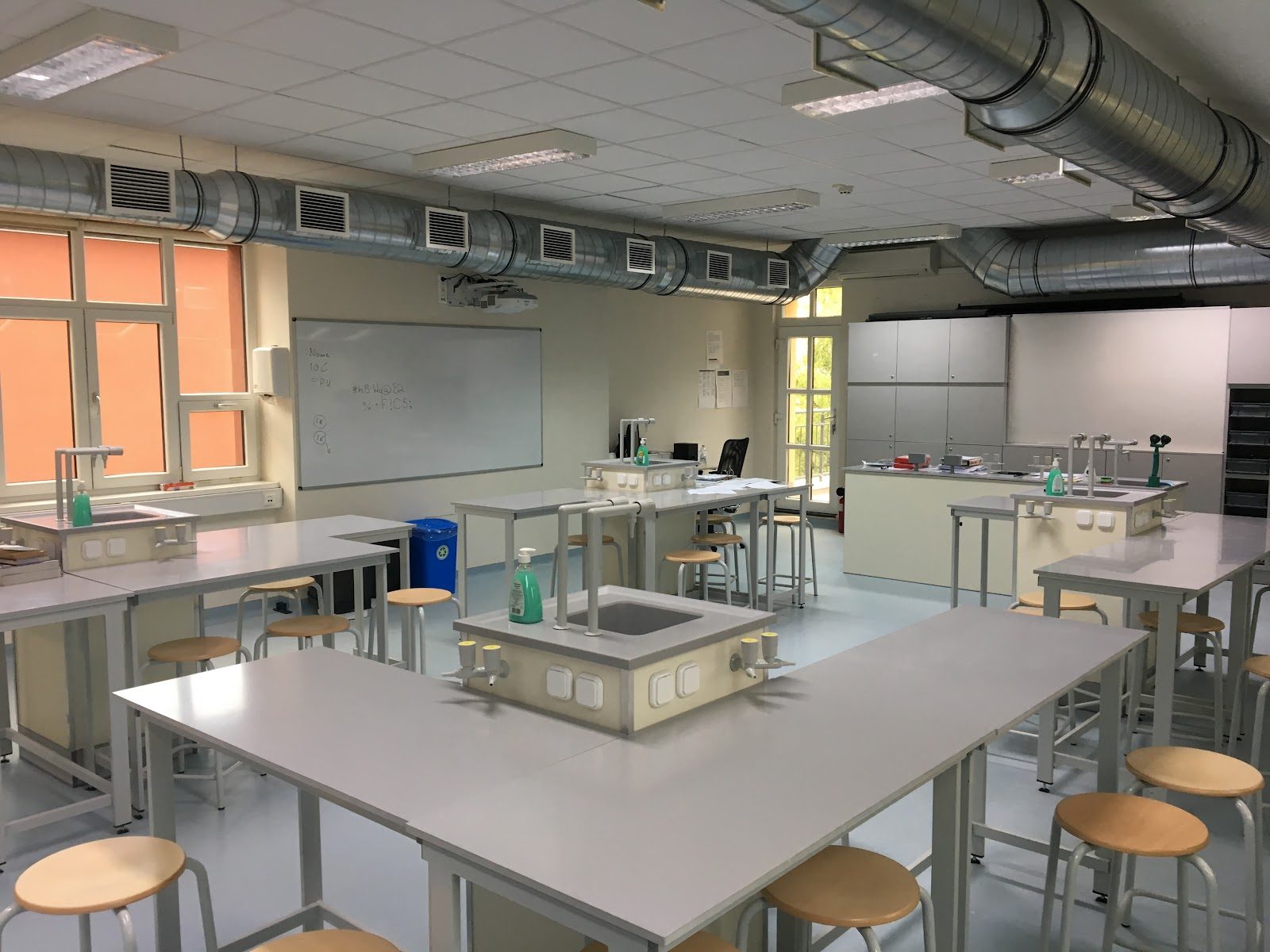
The British International School Budapest
Budapest · Hungary
Perched above Buda's hillside views, this Nord Anglia campus pairs Juilliard-backed arts with the English curriculum's climb into the IB Diploma.
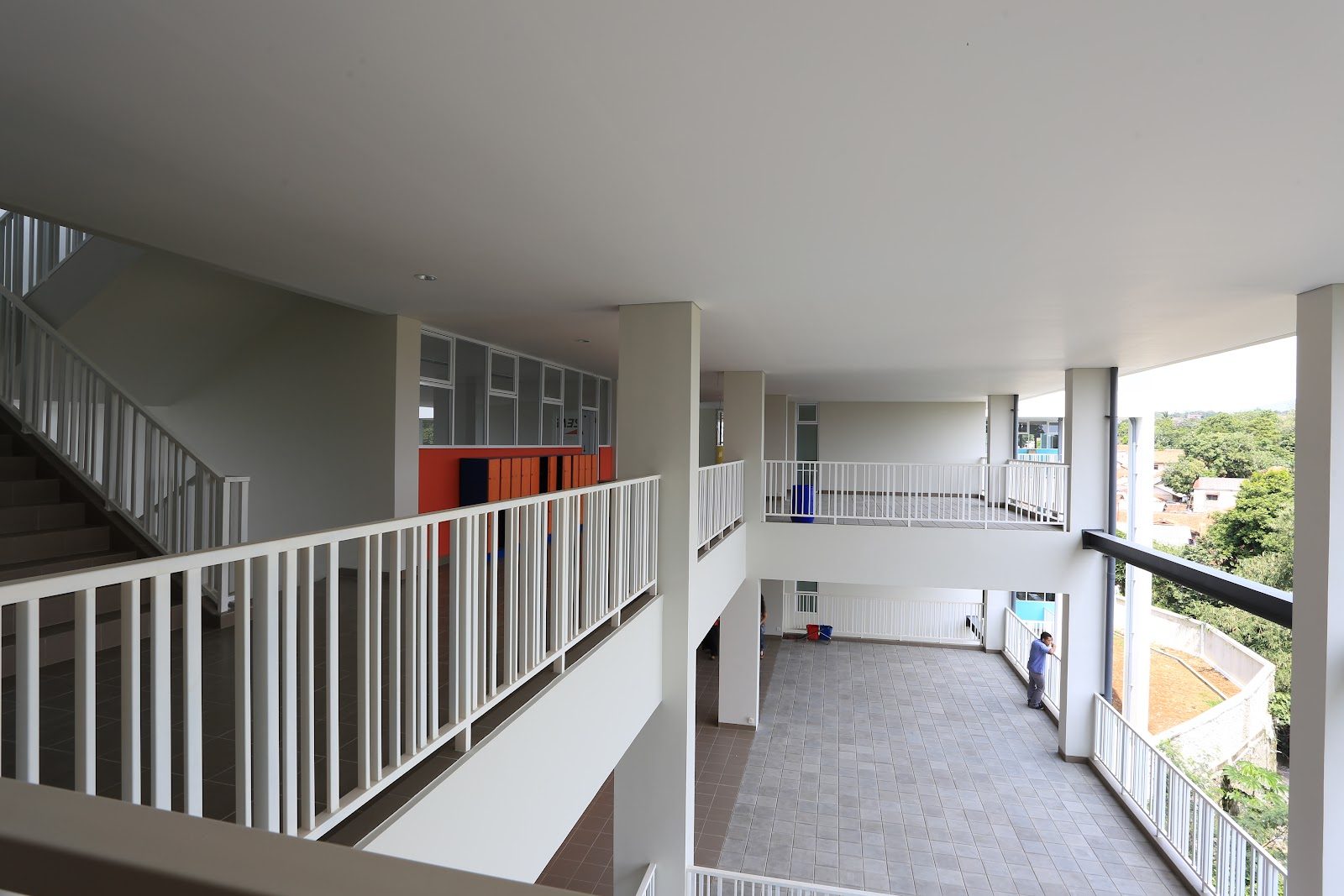
Sekolah Bogor Raya
Bogor · Indonesia
Set beside Bogor's lakeside estate, an SPK school braids the full IB continuum, Cambridge IGCSE and worship across five faiths.
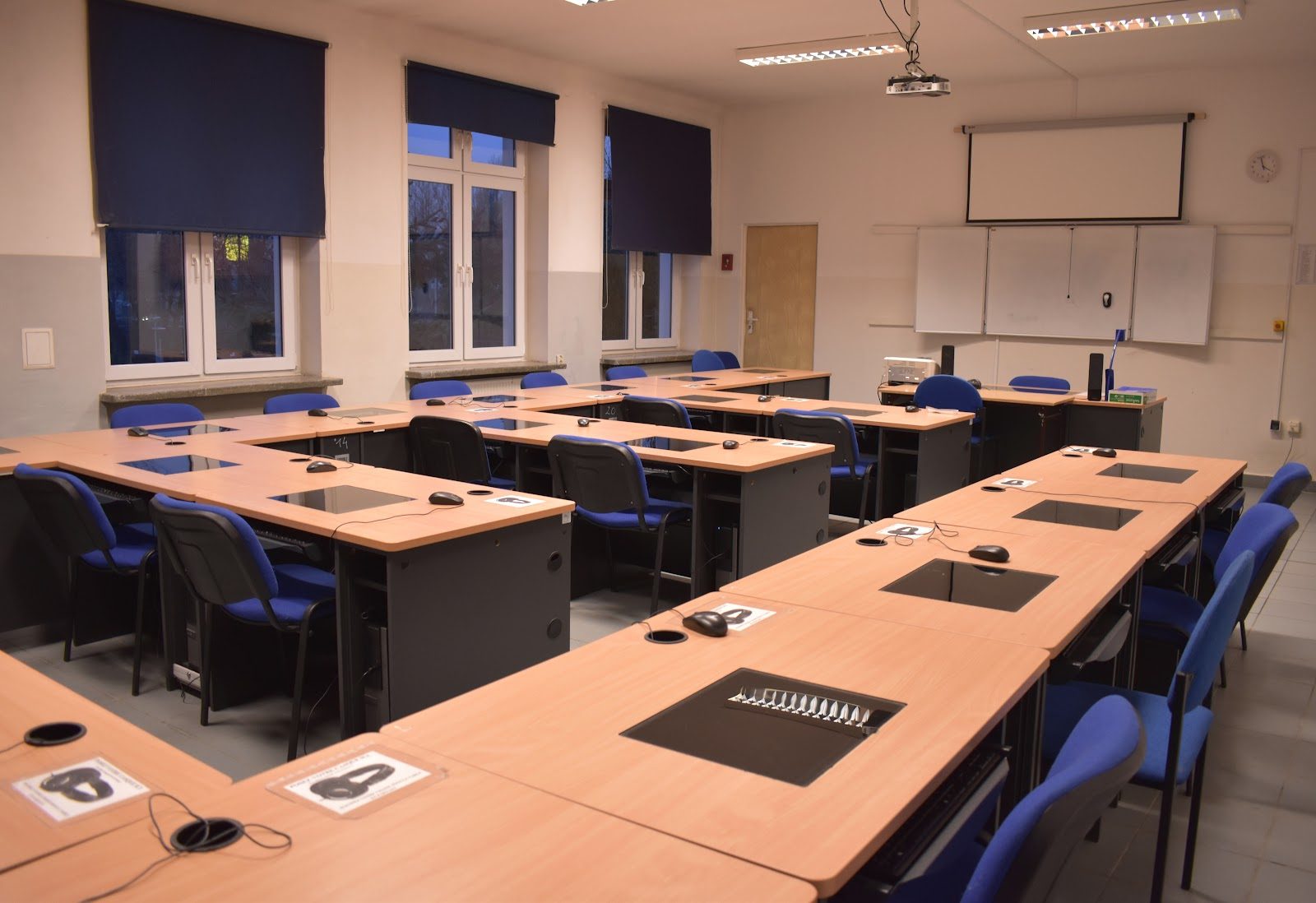
Lycée Français de Varsovie
Warsaw · Poland
Founded in 1919 as a diplomatic bridge between Paris and a newly independent Poland, its Baccalaureate classrooms still run on trilingual rigor.

International School Utrecht
Utrecht · Netherlands
State-subsidised IB continuum from age four to nineteen, relocating to a purpose-built Utrecht Science Park campus by 2027.
Same country and curriculum — closest matches within ±10 points either way