
Bangkok
Saint Gabriel's College
Since 1920, this all-boys Catholic institution in Dusit has paired an intensive English programme with famously narrow admission odds.
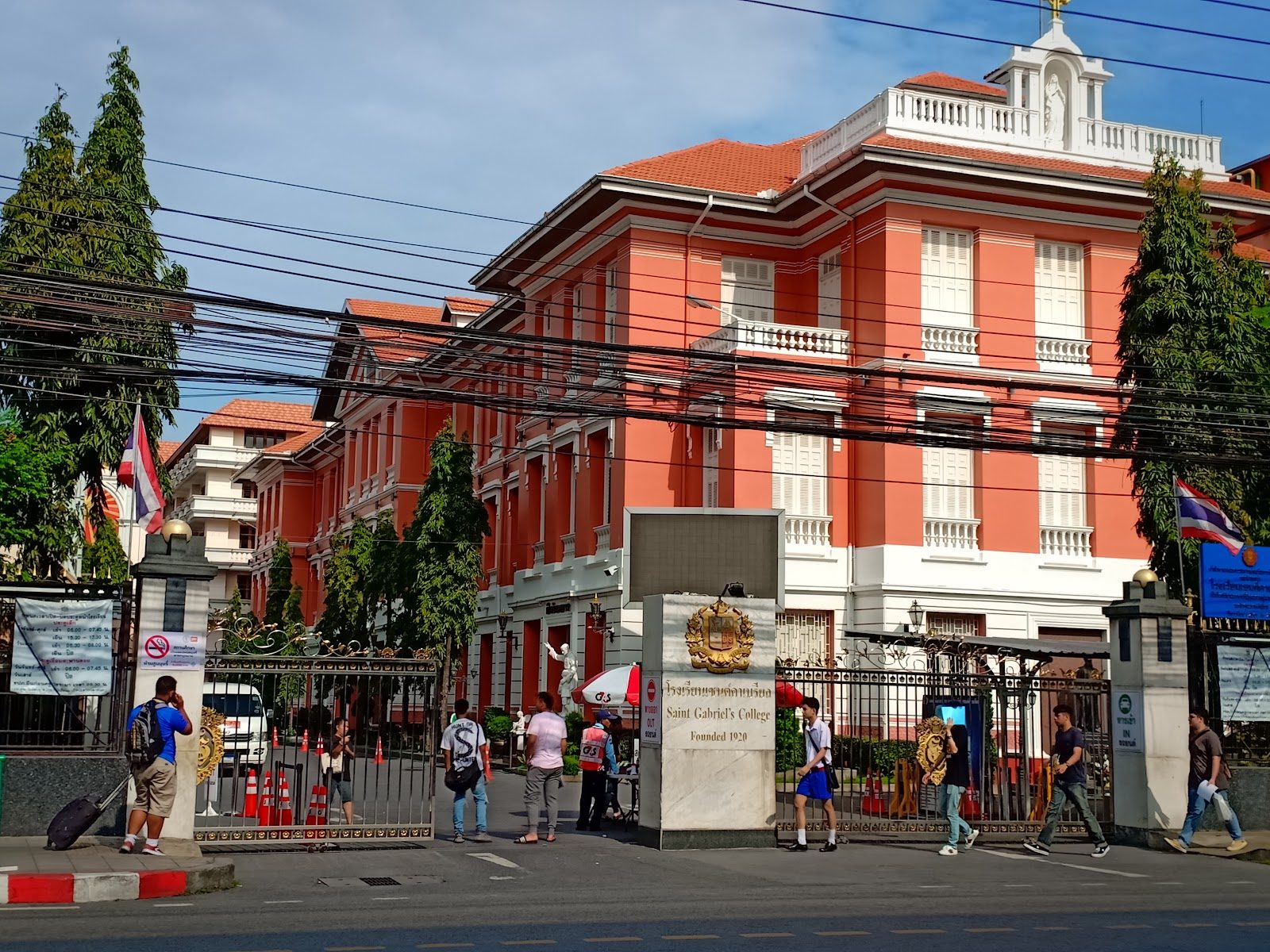
Photo © Somboon Prakitcharoensuk via Google Maps
Type
Day
Ages
12–18
Curriculum
Thai National
Qualifications
Thai Matthayom 6
Ratio
—
The Verdict
Editor's commitment
Right for
Bangkok families who want a 1920-founded all-boys day school in Dusit with Thai and English instruction under a Catholic frame.
Wrong for
Girls, boarders, and families wanting a non-religious school: Saint Gabriel's is boys-only, day-only, and Catholic, for ages 12–18.
Watch out for
Admission is famously narrow, and the school does not publish aggregate exam outcomes; Thai National curriculum limits flexibility for ages 12–18.
Ranking breakdown
Saint Gabriel's College · #1299 of 1591
Composite score 54.2. 8 weighted criteria.
By criterion
Academic Outcomes
Weight 20%
#1158
of 1533 scored
University Placement
Weight 16%
#1164
of 1529 scored
Prestige & Heritage
Weight 12%
#442
of 1580 scored
Alumni Network
Weight 12%
#1250
of 1530 scored
Facilities
Weight 12%
#1113
of 1540 scored
Transparency & Communications
Weight 8%
#1402
of 1547 scored
Peer & Industry Review
Weight 10%
#1383
of 1564 scored
Admissions Selectivity & Demand
Weight 8%
#991
of 1529 scored
Peer & Industry Review
How Saint Gabriel's College is regarded in the sector
60
Respected · medium confidence
Saint Gabriel's College is recognized within Thailand's Catholic school network (alongside Assumption College Bangkok, Montfort College, and other Brothers of St. Gabriel institutions) as one of the country's oldest boys' schools, founded in 1920, and is often cited in Thai media for its centenary heritage rather than for academic league-table performance. It has little visible footprint on international comparison platforms such as WhichSchoolAdvisor or the Good Schools Guide, which concentrate on Bangkok's IB and British-curriculum international schools rather than Thai Ministry of Education curriculum schools like this one. No independently published, school-specific university placement data could be verified; alumni are broadly understood to progress to leading Thai universities such as Chulalongkorn and Thammasat, with some continuing through Assumption-affiliated higher education, but no documented overseas admissions pipeline or university admissions-officer commentary is publicly available. Domestic press attention tends to focus on its sporting rivalries, notably with Assumption College, and Founders' Day traditions rather than on rankings. Overall, its standing among peer institutions and universities is that of a historically respected but not independently benchmarked local Catholic school, with limited coverage in international education press.
- Banharn Silpa-archa — Former Prime Minister of Thailand, Politics
- Sondhi Limthongkul — Founder, Manager Media Group, Business
- Suthep Thaugsuban — Former Deputy Prime Minister, Politics
Editors' overview
Saint Gabriel’s College occupies a specific niche in Bangkok: a long-established, private all-boys day school in Dusit with a 1920 foundation and a Catholic heritage, teaching through Thai and English under the Thai National curriculum. In a market crowded with international schools selling imported programmes at imported prices, Saint Gabriel’s offers something different: local academic structure, institutional history and a boys-only environment with real cultural weight in the city. That combination gives it a distinct pull for families who want prestige with roots, discipline without boarding and an education that stays anchored in Thailand rather than outsourcing its identity to a foreign brand.
What sets it apart is not curricular novelty but selectivity, continuity and social recognition. The school has been part of Bangkok’s educational landscape for more than 100 years, and that matters. Parents know the name; boys know the competition for places; the school’s narrow admission odds do part of the sorting before classes even begin. This is not the choice for families chasing the IB, glossy campus theatre or a cosmopolitan sixth-form culture. It is the choice for families who value old Bangkok credibility, hard-edged competition and a school community shaped by tradition, routine and expectation. The all-boys format also narrows the appeal: for the right student it creates focus and camaraderie; for the wrong one it feels constraining.
The student who fits Saint Gabriel’s is academically ambitious, resilient and comfortable in a structured environment. He does not need hand-holding, and he does not need a school built around self-expression as the organising principle. He will do well if he can handle pressure, absorb clear rules and work within a culture where reputation carries force. Families shortlisting Saint Gabriel’s are not buying educational fashion; they are buying status that Bangkok recognises, a serious peer group and a school with a 12–18 age span that carries boys through the decisive secondary years in one institution. For parents who want a deeply embedded Thai school with English in the mix, a strong name and no frills about what it is, Saint Gabriel’s deserves a place on the shortlist.
Academic Performance
Saint Gabriel’s carries a strong academic reputation in Bangkok, but the school does not publish the data that would let parents test that reputation properly. We have not seen aggregate national examination results, subject-by-subject score profiles, university destination lists, or longitudinal outcome data in the public domain. That matters. For a school with serious competitive weight and high parental demand, opaque results reporting is a weakness, not a detail. Parents can infer that the intake is selective and that classroom standards are exacting, but inference is not evidence. Without disclosed benchmarks, Saint Gabriel’s cannot be placed with precision against the city’s best transparent exam performers.
Relative to peers, the school fits the group of established Thai private schools whose standing rests on history, selectivity and alumni prestige as much as published attainment. That gives it a formidable local reputation, but not a measurable lead in the way that schools with full score disclosure can claim. The all-boys environment and long-entrenched discipline may suit students who thrive in hard-edged academic culture; they tell us little on their own about external examination strength. The blunt conclusion: Saint Gabriel’s has status, demand and academic seriousness, yet its public evidence base is thin where it counts. For parents who want hard numbers before committing, that gap is material.
Facilities
Saint Gabriel’s does not publish a detailed public account of its facilities, and that limits any hard-edged assessment. We have not seen a campus map, specialist-building breakdown, theatre specification, sports inventory, library scale or laboratory count in the public domain. That silence matters because facilities are one of the clearest ways a school shows what it values day to day. At Saint Gabriel’s, parents are buying into a school with institutional authority and competitive pull, not one that lays out a showpiece campus online. Against Bangkok’s better-documented private peers, that is a weakness. Schools competing for the same ambitious families often make their science spaces, arts venues and athletics provision explicit. Saint Gabriel’s does not.
That does not place it in the under-equipped tier; it places it in the opaque one. For a traditional urban boys’ school, the core expectation is functional classrooms, credible science provision, assembly space, sports areas and the practical infrastructure to run a large, tightly managed day-school operation for ages 12–18. The real question is not whether those basics exist, but how far they extend beyond the baseline. On that point, the school gives parents little to work with. Families who care more about serious academic culture than architectural polish will tolerate that. Families comparing it with campuses that advertise top-end arts facilities, expansive sports provision and purpose-built specialist blocks will find Saint Gabriel’s thin on public detail and weaker on demonstrable facility advantage.
Parents who are comfortable with old-school hierarchy and who value compliance, routine and clear lines of authority will tolerate a more top-down model
Prestige
Saint Gabriel’s has real prestige, but it is a specific kind of prestige. This is not the polished international-school version built on published destination lists, imported curricula or glossy global branding. Its standing rests on old institutional authority, social recognition and the force of its name within Bangkok’s established education culture. That distinction matters. Among families who value Thai elite pathways, recognisable discipline and a school badge with deep local currency, Saint Gabriel’s carries serious cachet. The all-boys format sharpens that identity further: it narrows the market, but within that market it reinforces a hard-edged, traditional image that many parents actively want.
We rate its prestige highly because demand, selectivity and longevity have combined to give the school a durable place near the top of the city’s private-school hierarchy. A school does not maintain that pull across more than 100 years without building a reputation that extends beyond test preparation and into status. The limitation is equally clear: prestige here is stronger than public proof. The school’s name has weight; its published outcomes do not match that weight with the same level of transparency. So the verdict is straightforward. Saint Gabriel’s offers genuine local prestige, not universal prestige. In Bangkok’s traditional private-school landscape, that is powerful. For families seeking globally legible signals, it carries less force.
What students gain from that uniqueness depends heavily on fit
Communications
Saint Gabriel’s communicates like a traditional school that expects families to meet it on its own terms. We have not seen a strong public-facing parent communications architecture: no detailed parent portal explanation, no clear map of who handles what, no published service standards for response times, and no substantive archive of newsletters or principal updates in the public domain. That does not prove weak internal communication, but it does show a school with limited external transparency and a formal, institution-first style. For some parents, that reads as serious and orderly. For others, it reads as closed. In a high-demand school with an all-boys culture and a strong inherited reputation, that distinction matters because families need clarity on everyday issues, not just authority.
Our view is that communication is functional rather than parent-friendly. Schools that communicate well make practical information easy to find, explain routines clearly, and reduce friction before problems escalate. Saint Gabriel’s does not publish enough to demonstrate that standard confidently. Parents who are comfortable with old-school hierarchy and who value compliance, routine and clear lines of authority will tolerate a more top-down model. Parents who expect *fast, granular, digital-first communication* will find less reassurance here than at better-documented peers. The judgement is straightforward: Saint Gabriel’s gives the impression of a school that informs parents when necessary, not one that treats communication as a visible strength. That is workable. It is not best-in-class.
Uniqueness
Saint Gabriel’s is unusual because its pull has very little to do with educational fashion and a great deal to do with institutional identity. This is an all-boys Catholic school with a name that carries force far beyond the classroom, and that combination gives it a shape many Bangkok schools no longer have. The school offers a high-pressure peer culture in which admission itself acts as a filter and the student body reinforces the school’s standards from within. For boys who respond well to hierarchy, routine and competition, that creates a sharply defined environment: fewer mixed messages, less performative progressive language, more emphasis on conduct, effort and belonging to something older than oneself. The age span from 12–18 also matters. Students pass through their secondary education inside one settled culture rather than resetting at each stage.
What students gain from that uniqueness depends heavily on fit. At its best, the school gives boys a strong sense of tribe, durable confidence in formal settings and the habit of working hard without constant praise. It also gives them access to a community with real social recognition, which carries value in local networks long after graduation. The trade-off is clear. A school this tradition-bound leaves less room for reinvention, and the boys-only format narrows daily experience by design. Students who want broad curricular experimentation, looser adult-student dynamics or a more openly expressive culture will find Saint Gabriel’s constraining rather than liberating. For the right family, that is the point, not the flaw.
What sets it apart is not curricular novelty but selectivity, continuity and social recognition
Student Profile
The boy who fits Saint Gabriel’s is competitive, rule-tolerant and unfussy about hand-holding. He does not need a school to flatter him, and he will not expect classroom life to orbit his feelings. He can absorb correction without drama, work steadily inside a clear hierarchy and cope with peers who are bright, driven and alert to status. In a secondary school spanning 12–18, that matters: younger students need enough maturity to slot into an established culture quickly, while older students need the stamina to keep performing inside a high-pressure environment. Boys who thrive here tend to value structure over freedom, discipline over negotiation and belonging over self-display.
The weaker fit is just as clear. A student who needs constant reassurance, flexible boundaries or wide scope for personal reinvention will chafe. So will a boy whose strengths sit outside the academic and institutional mainstream if he wants those strengths to define his school life. This is a school for families comfortable with old-school expectations, hard-edged peer comparison and a community that asks boys to adapt to it, not the other way round. For the right student, that produces confidence, resilience and a strong sense of place. For the wrong one, it becomes constraining, stress-heavy and emotionally thin. Fit here is not a footnote; it is the whole decision.
The school has been part of Bangkok’s educational landscape for more than 100 years, and that matters
Co-curricular strengths
Arts & sport, on a separate axis
Overall 7.08/10
Scored 0-10 from the school's own published evidence. This axis is editorial-only — it does not feed the main WTS ranking.
Sports
7.5/10
Drama
7/10
Dance
6.5/10
Music
7.6/10
Visual Arts
6.8/10
Strengths
- +One of Bangkok's oldest Catholic schools, founded in 1920 by the Brothers of Saint Gabriel and still run by the same order.
- +Well-known nationally for its Intensive English Program, which has been widely adopted by other Thai schools as a model.
- +Large, established alumni network including two former Thai prime ministers (Samak Sundaravej and Surayud Chulanont) and a former Supreme Court president connected to the royal family.
- +Long, continuous operating history on the same Dusit campus, with heritage buildings alongside newer facilities such as an anniversary block and stadium.
- +Full K-12 continuity under a single institution, avoiding the need to change schools between primary and secondary stages.
Considerations
- −All-boys institution, so it is not an option for families wanting coeducation or with daughters to place.
- −Follows the Thai National curriculum only, with no IB, A-level or other internationally transferable qualification on offer, which may complicate re-entry to overseas systems.
- −Very large enrolment, with total school numbers around 5,000 students, implying sizeable class sizes typical of Thai mainstream private schools.
- −No official school website was available for this profile, making independently verified fee schedules and current admissions specifics harder to confirm.
Availability
Primary entry gate & tests
National Entrance Exam (Boys)
Gallery
Photo © I was, I am, I will via Google Maps
Photo © I was, I am, I will via Google Maps
Photo © Mr.Sanpong Chantalert via Google Maps
Photo © Mr.Sanpong Chantalert via Google Maps
Photo © Vichar Nuchsiri via Google Maps
Photo © Aey SrirathSomsawat via Google Maps
Photo © Aey SrirathSomsawat via Google Maps
Parent reviews
Have you sent your child here?
Voice reviews carry the strongest trust badge — we transcribe them for you to tidy up before they go live. Prefer to type? A written review is fine too.
Add your voice
In 60 seconds, tell other parents: what's the best thing about Saint Gabriel's College, and what surprised you when your child joined?
We ask for a Google sign-in so every review has a real face behind it — no anonymous drive-by attacks on schools, and no faked positive reviews. Your email is never shown publicly.
Send this profile to a friend
International parents rely on word-of-mouth. Share this review with someone weighing the same decision.
Schools with places
Similar schools to Saint Gabriel's College with places available now.
NIST International School
Bangkok · Thailand
- 2026-27
- WAITPOOLSpace-dependent
- 2027-28
- PLACES OPENRolling
Bangkok Patana School
Bangkok · Thailand
- 2026-27
- CLOSEDThai closed / Non-Thai open
- 2027-28
- OPENS SOONThai 1 Sept / Non-Thai rolling
Shrewsbury International School Bangkok
Bangkok · Thailand
- 2026-27
- WAITPOOLSpace-dependent
- 2027-28
- PLACES OPENRolling
International School Bangkok
Bangkok · Thailand
- 2026-27
- WAITPOOLSpace-dependent
- 2027-28
- OPENS SOONOpens Sept '26
Availability first, then country, area, curriculum, price, co-curricular
Consider also
Also worth looking at alongside Saint Gabriel's College.
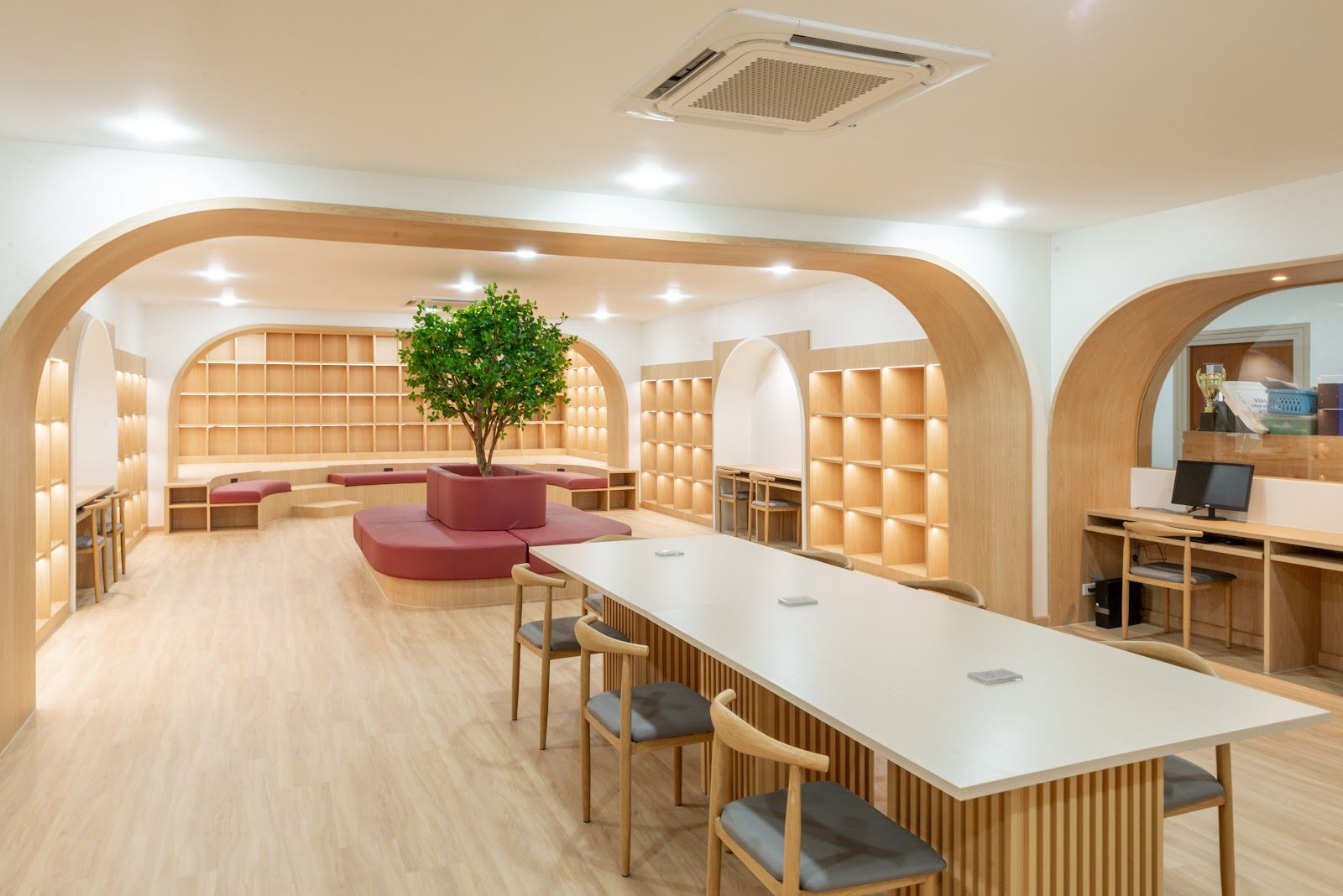
Regents International School Bangkok
Bangkok · Thailand
British curriculum through IGCSE gives way to the IB Diploma at Sixth Form, a pairing rare among Bangkok's boarding schools.
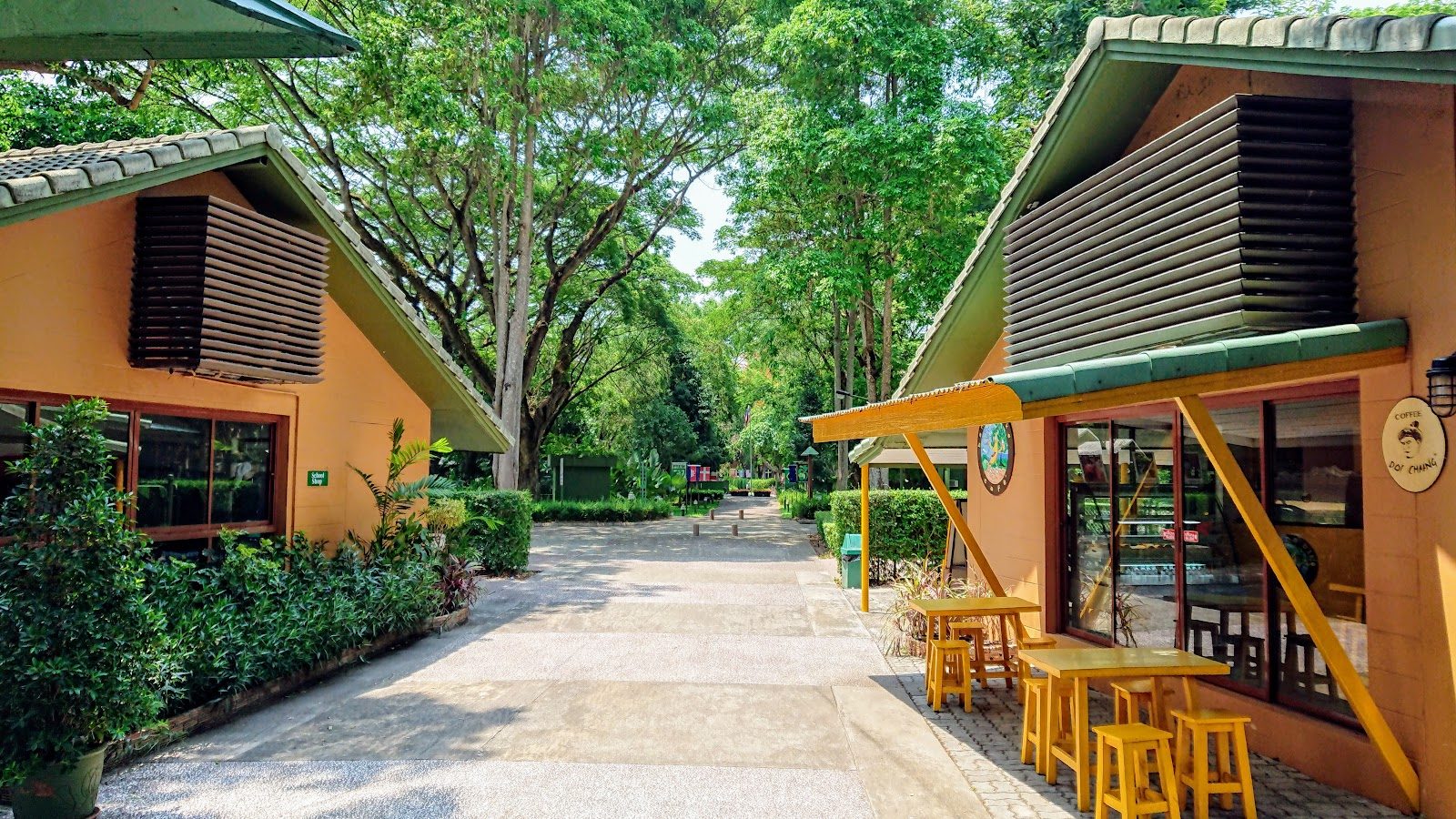
Prem Tinsulanonda International School
Chiang Mai · Thailand
On a 100-acre farm and forest campus in the Mae Rim foothills, the first school in Southeast Asia to run all four IB programmes
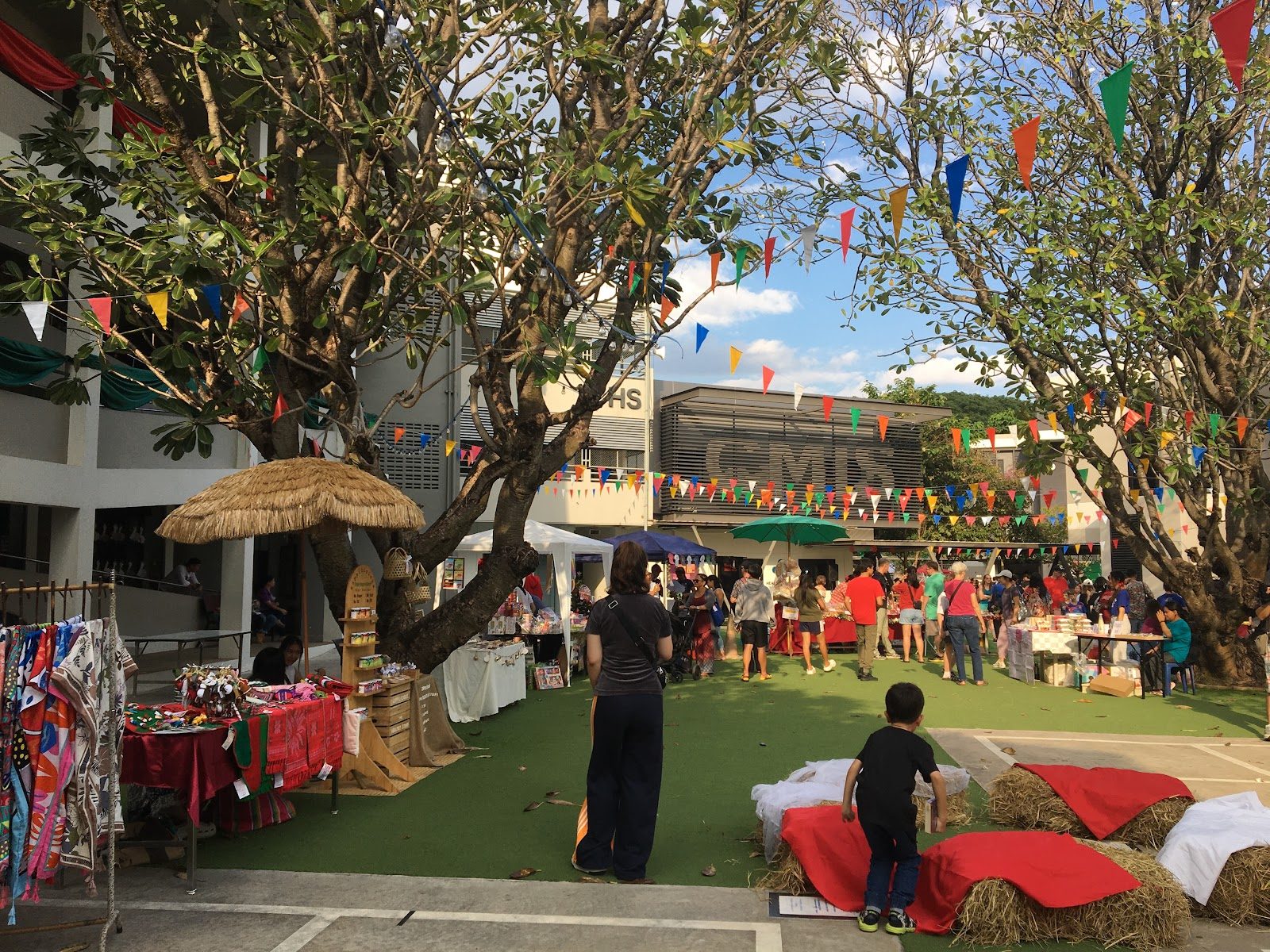
Chiang Mai International School
Chiang Mai · Thailand
Founded by returning missionaries in 1954, this Ping River campus was Thailand's first international school outside Bangkok.
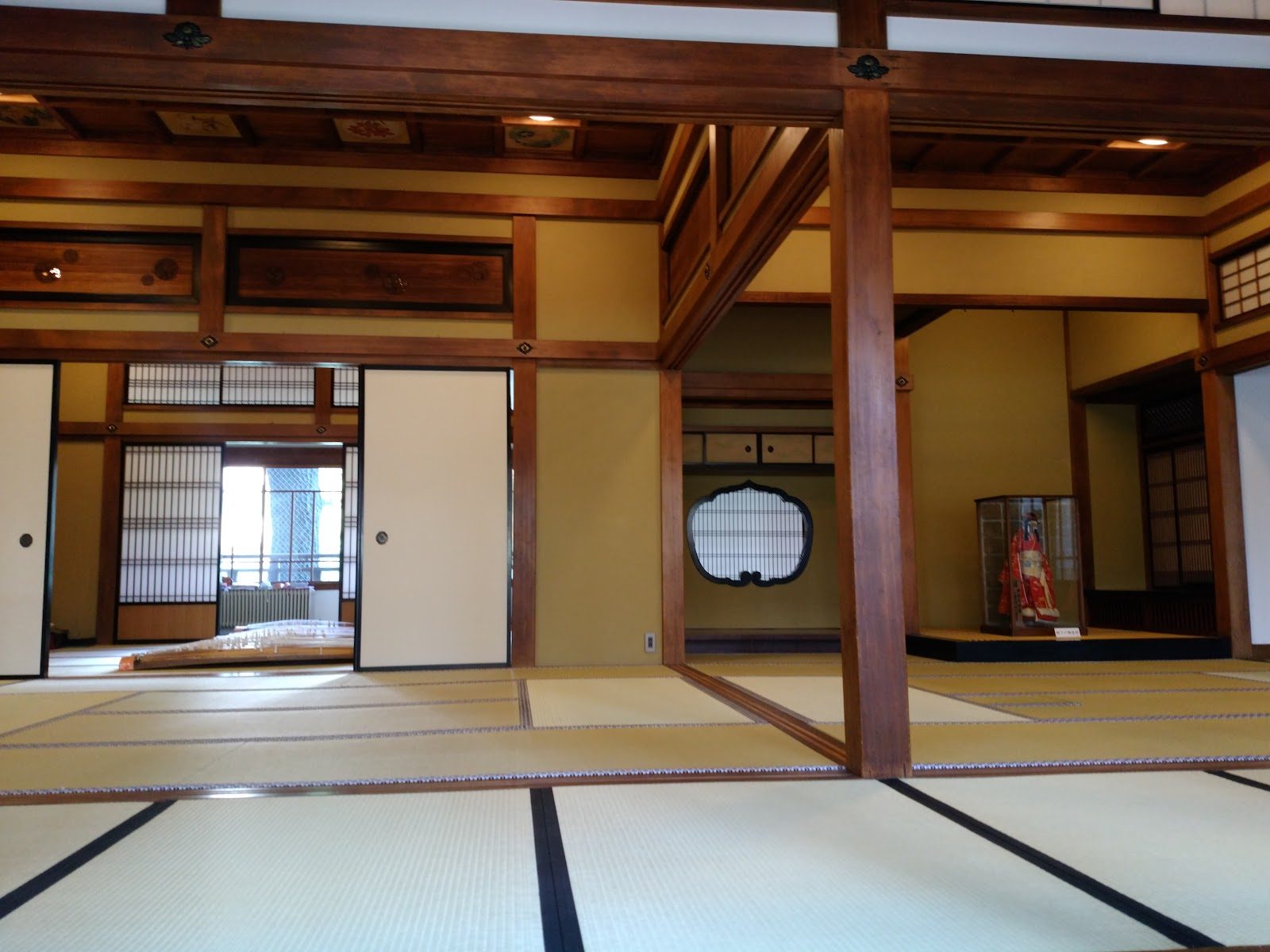
Sacred Heart School Kobe
Kobe · Japan
Perched above Kobe, this Catholic girls' school blends Japan's curriculum with an American track in an Antonin Raymond-designed hall.
Same country and curriculum — closest matches within ±10 points either way