
Kent
The King's School, Canterbury
high confidence· 6/6 cats · 3.23 avg sourcesInside Canterbury Cathedral's UNESCO precincts, lessons have run unbroken since 597 AD, folding King's Week festivities into daily life.
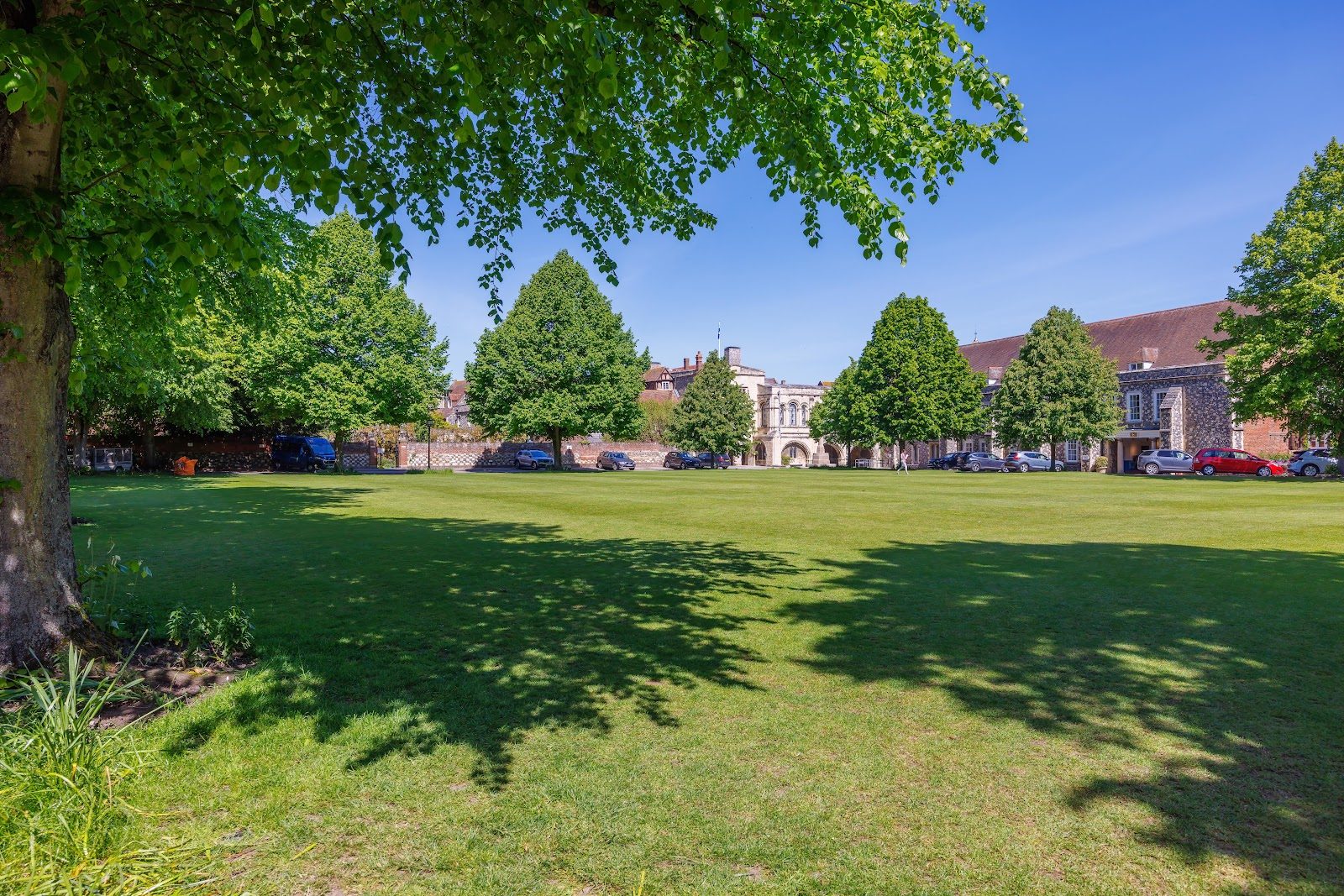
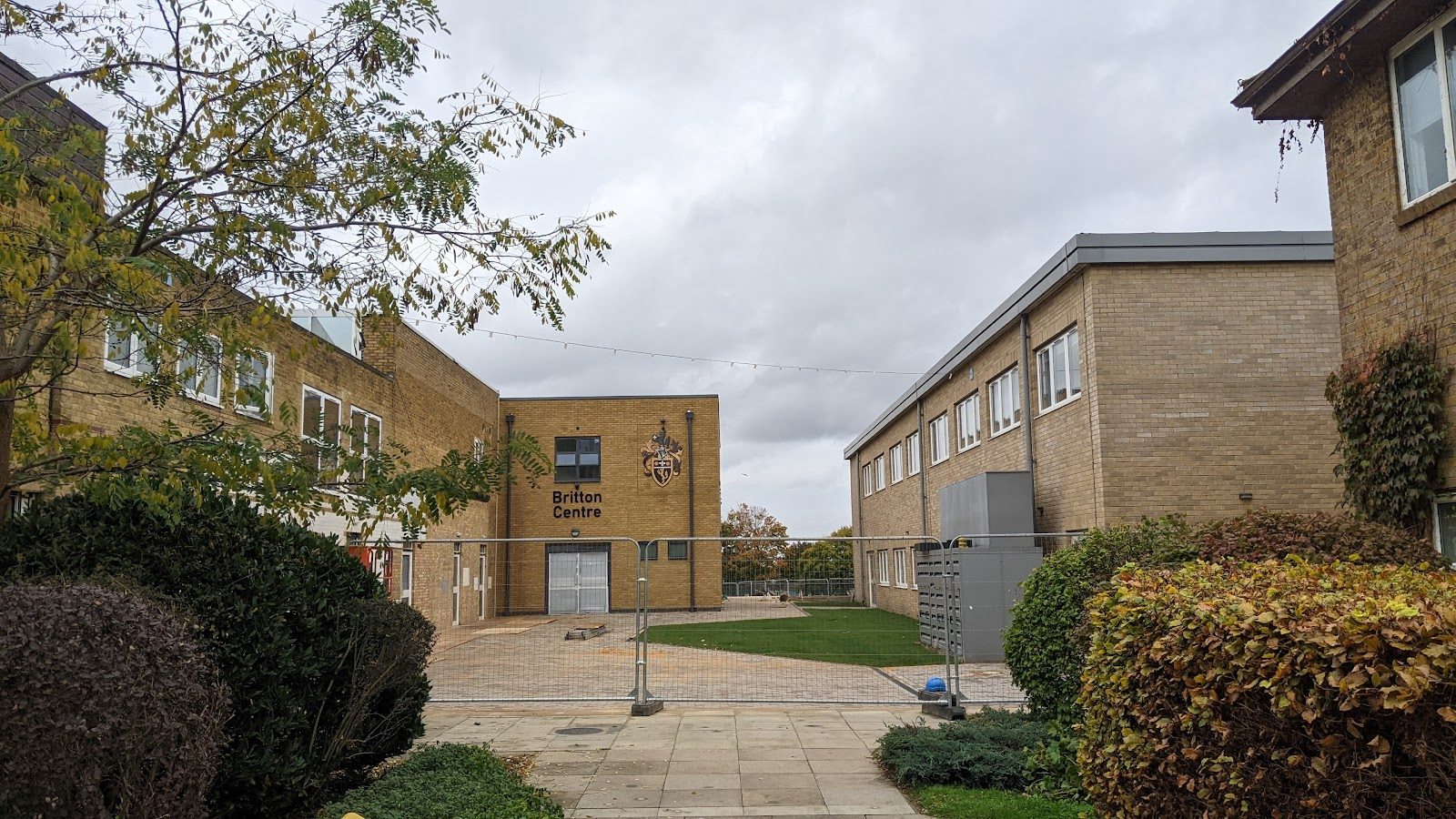
Photo © David Sun via Google Maps
Type
Both
Ages
3–18
Curriculum
British
Qualifications
A-Level · Pre-U
Ratio
8:1
The Verdict
Editor's commitment
Right for
Families who want Anglican co-ed boarding or day schooling inside Canterbury Cathedral’s precincts, with 19 Oxbridge offers among 175 leavers in 2024.
Wrong for
Parents who want a secular, low-intensity school: King’s is Anglican, runs from age 3 to 18, and sends 48 leavers to Russell Group universities.
Watch out for
History cuts both ways: founded in 597, HMC-accredited, and academically proven, but this is a school with a settled culture and little appetite for reinvention.
Ranking breakdown
The King's School, Canterbury · #417 of 1591
Composite score 70.2. 8 weighted criteria.
By criterion
Academic Outcomes
Weight 20%
#586
of 1529 scored
University Placement
Weight 16%
#584
of 1529 scored
Prestige & Heritage
Weight 12%
#296
of 1571 scored
Alumni Network
Weight 12%
#195
of 1530 scored
Facilities
Weight 12%
#569
of 1533 scored
Transparency & Communications
Weight 8%
#688
of 1532 scored
Peer & Industry Review
Weight 10%
#645
of 1548 scored
Admissions Selectivity & Demand
Weight 8%
#438
of 1529 scored
Score history
The King's School, Canterbury · 2026
Movement across 2024–2026. Peer average overlaid.
Overall — 2024–2026
70.2/ 100
▲ +10.0 vs 2025
year on year
Peer & Industry Review
How The King's School, Canterbury is regarded in the sector
82
Strong · high confidence
The King's School, Canterbury trades on a genuinely rare distinction: WhichSchoolAdvisor notes it is consistently in the top ten private schools in the UK, and is thought to be the oldest continuously running school in the world, founded in 597 A.D. That heritage translates into real sector standing, membership of the Headmasters' and Headmistresses' Conference and the Eton Group, and an ISI inspection rated Excellent. The Good Schools Guide, which prides itself on selecting schools on merit alone, gives King's a full independent review covering leadership, results and pastoral care, while its alumni roll (Marlowe, Maugham, Orlando Bloom) is regularly cited across the sector press as evidence of a durable creative and academic legacy. Heavy oversubscription for day places and a newly formed multi-school education group launching in 2026 underline continuing institutional momentum, though the school's public profile leans more on tradition and alumni prestige than on headline-grabbing modern rankings.
Evidence sources
Editors' overview
Inside Canterbury Cathedral’s UNESCO precincts, King’s trades on a claim few schools can match: teaching has run here since 597. That matters less as a branding flourish than as a daily fact of school life. The setting is not a detached campus on the edge of town but a school woven into the fabric of cathedral Canterbury, with King’s Week and the wider ceremonial life of the place folded into the rhythm of term. For families who want a school with atmosphere, continuity and a strong sense of occasion, this is singular territory. For families who dislike inherited ritual, it is a very specific proposition.
Academically, this is a British co-educational day and boarding school for ages 3 to 18, Anglican in foundation, with ISI and HMC credentials and a clear record of sending leavers to strong universities. In the Class of 2024, there were 175 leavers; 85% went to top-100 universities, with 19 Oxbridge places and 48 Russell Group destinations. That puts King’s firmly in the serious academic bracket, though the pattern here is not raw, hothouse exam machinery alone. The school also carries the weight of history, music, chapel and public performance. Parents looking for a stripped-down, relentlessly modern sixth form factory will find other schools more to their taste. Parents who want intellectual ambition with institutional texture will keep King’s on the shortlist.
It also has breadth of social and practical offer that matters. King’s runs as both day and boarding, and the website points to flexi boarding and exeats alongside the full boarding structure, which widens its usefulness for families who want some residential independence without committing to a fully seven-day model from the outset. With senior day fees around £36,000–£40,000 a year and full boarding near £58,000 including VAT, King’s sits in the top tier of the UK independent market, and parents should expect the price point that goes with that. This is not a school for children who need anonymity, a light-touch culture or a casual relationship with tradition. It suits pupils who are bright, resilient and happy in an environment with ceremony, expectations and a strong communal identity; children who will enjoy the fact that their school is not just old, but alive with inherited purpose.
Academic Performance
King’s publishes enough to place it with confidence among serious academic operators. The latest public headlines point to strong A-level outcomes at the senior school and record-breaking GCSE results, while the International College also reports strong GCSE performance. The school does not publish a granular table of aggregate pass rates or top-grade proportions in the source extract here, so parents do not get the full statistical disclosure that the most data-forward competitors now provide. That limits fine comparison on raw exam metrics. Even so, the university destination pattern already cited does the heavy lifting: 19 Oxbridge places in one leaving year, alongside a deep Russell Group haul and a very high share moving on to globally recognised universities, marks a school with real academic traction rather than one living off atmosphere and heritage.
Relative to peers, King’s sits in the upper tier of academically ambitious British independents, but not in the tiny cluster that trades almost entirely on published score inflation and a conveyor belt into a handful of elite courses. That distinction matters. The profile here is broader and more civilised: high attainment, clear sixth-form outcomes, and enough evidence of consistency to reassure demanding families, without the public-data transparency of the most results-obsessed London and south-east rivals. For strong pupils who want stretch in a school with substance beyond the exam hall, that is an attractive balance. For parents who rank schools by spreadsheet alone, the missing aggregate detail is a genuine weakness.
Facilities
King’s has one facility that no rival can buy: the cathedral precinct itself. That brings daily access to extraordinary historic surroundings, cloisters, chapel life and a visual seriousness that most schools fake with new stone and donor plaques. For music, drama and ceremonial culture, that setting is an asset in its own right. The school site also has the practical markers parents expect at this level: dedicated provision across Junior King’s, the Senior School and the International College; boarding accommodation; a sixth form; and a transport operation built to move pupils across a dispersed urban footprint. The gain is atmosphere and identity. The cost is obvious too: this is not the kind of vast, self-contained country campus that offers every field, studio and performance space in one easy sweep. It is embedded rather than expansive.
Against peers, that puts King’s in a distinctive middle ground. It beats many academically comparable schools on sense of place, ritual and architectural character. It loses ground to the richest estate-heavy independents on brute physical scale and on the easy legibility of a single purpose-built campus. Families who want slick new sports villages and an all-on-one-site layout will find stronger operators elsewhere. Families who value cultural infrastructure as much as square footage will judge King’s more generously. The website’s thin public detail on specialist facilities is a weakness. Schools at this level need to show parents the science, arts and sports estate clearly, not rely on inherited aura.
For families who want a school with atmosphere, continuity and a strong sense of occasion, this is singular territory
Prestige
King’s carries rare institutional weight. In British private education, there are famous schools, high-performing schools and socially dominant schools; King’s belongs in the first category without question and overlaps with the other two enough to matter. The reason is not branding polish but cultural depth. A school embedded in cathedral precincts, tied to Anglican worship, music and public ritual, and recognised as Britain’s oldest public school holds a status few rivals can imitate. Membership of HMC and the Eton Group reinforces that standing. So does the old-school network: 86 notable alumni catalogued in Wikidata is only a floor, but it already shows reach across politics, scholarship, writing, the arts and sport. This is serious establishment prestige, with a high-culture edge rather than a purely plutocratic one.
That prestige is strengthened by outcomes and weakened by one thing only: opacity. The university destinations are strong enough to confirm that King’s still converts reputation into real exits, with 19 Oxbridge places in a single leaving year and 85% heading to top-100 universities. That keeps it out of the museum category. At the same time, King’s does not dominate the public conversation on raw academic data in the way a handful of more results-fixated rivals do. Its prestige rests on continuity, place, music, scholarship and elite recognition, not on headline-grabbing score tables. For many families, that makes it more distinguished, not less. For others, it will read as grand but less forensic than the sharpest modern competitors.
In the Class of 2024, there were 175 leavers; 85% went to top-100 universities, with 19 Oxbridge places and 48 Russell Group destinations
Communications
King’s communicates with parents through a busy, functional web structure rather than a polished narrative. The site gives each division its own portal, calendar, term dates, prospectus and admissions route, and that matters in a school split across 3 connected arms. Parents can find practical items fast: transport, fees, bursaries, safeguarding, policies, inspection reports and direct apply/enquire buttons are all surfaced without much digging. The parent login architecture is also explicit, with separate school portals and pupil systems signposted in plain view. That is competent, workmanlike communication, built for existing families as much as prospective ones. What it lacks is editorial discipline. The homepage is crowded, repetitive in places, and too dependent on slogans and stacked navigation. For a school with this much institutional authority, the public-facing communication is surprisingly cluttered.
Effectiveness depends on what a parent needs. For logistics, it is strong: dates, routes and school-structure basics are easy to locate, and the senior school’s pages point parents towards the areas that matter, including results, destinations, pastoral care and co-curricular life. For scrutiny, it is less satisfying. Key public information is distributed across many pages, and the school does not use the site to make hard comparisons easy. There is too much assumption that families will be won by heritage and atmosphere, and not enough crisp presentation of how the school runs day to day. In short: reassuringly serviceable for current parents, less sharp than it should be for analytical ones.
Uniqueness
What makes King’s unique is not age as a line in a prospectus, but the fact that school life unfolds inside a living cathedral city and under the pressure of inherited custom. Pupils do not attend a school that has borrowed prestige from its architecture; they study in a place where worship, music, ceremony and public occasion are built into the week. King’s Week crystallises that identity: performance, collective ritual and end-of-year celebration are not add-ons but part of the institution’s self-understanding. That gives pupils something many excellent schools cannot offer — a thick sense of belonging, public confidence and comfort with formality. It also gives daily life a high-church seriousness that will energise some children and oppress others.
The other point of difference is structural. King’s is not one uniform school but three connected divisions spanning the whole age range, including an International College, all tied to the same central culture. For students, that creates a through-school continuity with more texture than the standard prep-to-senior pipeline, and a social world that reaches beyond a single house or year group. The benefit is breadth without losing identity. The drawback is that King’s asks pupils to buy into a strong institutional script. Children who like ceremony, ensemble music, tradition and visible standards thrive here. Children who want anonymity, irreverence or a looser atmosphere find it too charged with history and expectation.
Against peers, that puts King’s in a distinctive middle ground
Student Profile
The pupils who fit King’s best are able, self-possessed and comfortable being visible. This is not a school for children who want to drift anonymously through the week. The culture rewards students who can carry themselves in public, cope with formality and contribute beyond the classroom, whether in music, drama, chapel, sport or the many collective moments that define life here. There is a strong place for intellectually serious students, but pure exam technicians are not the whole story. King’s suits young people with range: children who can manage academic pressure while also joining in, performing, serving, organising and holding their nerve in a community with a strong institutional script. The split between day and boarding also broadens the mix, and the through-school structure means pupils grow up inside a community larger and more layered than a single senior campus.
Socially, this is a better fit for families who value tradition with teeth than for those who want a loose, informal culture. Pupils need resilience, social confidence and a tolerance for scrutiny; the school’s history and rituals create high expectations of conduct and contribution. That does not mean every child must be extrovert. Quiet, scholarly, musically committed or artistically serious students can do very well here, so long as they are happy in a setting that asks them to participate rather than hide. The university destinations, with 19 Oxbridge places and 85% progressing to top-100 universities, confirm the level of ambition in the senior years. Children who dislike ceremony, dislike chapel-centred life or resist communal norms will find King’s too exacting and too tradition-bound.
The university destinations, with 19 Oxbridge places and 85% progressing to top-100 universities, confirm the level of ambition in the senior years
Co-curricular strengths
Arts & sport, on a separate axis
Overall 9.02/10
Scored 0-10 from the school's own published evidence. This axis is editorial-only — it does not feed the main WTS ranking.
Sports
9/10
A sports hall opened in 1999 and a new sports ground planned and constructed from 2017, which is clear evidence of dedicated sports facilities.
Drama
9.3/10
Drama explicitly, a theatre in the Malthouse Building, and verified alumnus Carol Reed won the Academy Award for Best Director, together evidencing both facilities and pedigree.
Dance
8/10
Music
9.8/10
Choral music and Wikipedia states that the school added a new music department in 2016, which is enough to show a named specialist provision.
Visual Arts
9/10
Wikipedia identifies King's Week as an arts festival, providing explicit recurring arts programming, though no dedicated visual-arts facility is specified in the evidence provided.
Editor first-pass · editor-reviewable · 7/28/2026
Outcomes & destinations
Where students go next
Editorial estimateClass of 2024
175 graduates
A-Level distribution
98% covered
- A*36%
- A33%
- B24%
- C5%
Top destinations
67 placements
- Oxford· 10
- Cambridge· 9
- Durham· 12
- Edinburgh· 10
- Bristol· 8
- Exeter· 7
- UCL· 6
- St Andrews· 5
England's oldest school (est. 597 AD); co-ed boarding.
Editor-approximated from the school's own leavers report. Awaiting school-attested figures.
Notable alumni · Wikidata
86notable alumni
44 historic (born pre-1930) · 11 modern (born post-1970)wikidata:2026-07-28 How we source this
The story in one line
38% achieved ≥ AAB in 2+ facilitating subjects·ISI Routine Inspection 2024
AAB with 2 facilitating subjects is the Department for Education's published predictor of admission to a top-third UK university: the pupil has scored high grades in at least two of the classic Russell-Group subjects (maths, sciences, English, history, geography, or a modern language). Independent schools don't appear in the state-only HE-destinations dataset, so this is the strongest DfE-verified sixth-form signal available. Source: DfE 16-18 school and college performance data · 2023/24. Value-added +0.24
DfE-verified statistics
Official GCSE data · 2024/2025
Progress 8
—
Value-added score. State-schools only; 0 = expected progress, +1 = one grade above.
Attainment 8
17.6
Average grade across 8 GCSEs (score out of 90). National ≈ 46.
EBacc average score
1.16
Avg grade across the 5 EBacc pillars (English, Maths, Sciences, Language, Humanity).
EBacc slots filled
1.2
How many of the 5 EBacc pillars pupils typically enter (max 5).
A-Level attainment
Cohort · 2023/24
Avg A-Level grade
B+
APS per entry: 44.69
Best 3 grade
B+
Best-3 APS: 43.90
≥ AAB + 2 fac.
37.9%
Russell-Group predictor.
Progress (value-added)
+0.24
Above average
Read with care. Independent schools frequently sit IGCSEs or Pre-U qualifications instead of standard GCSEs — DfE data only counts standard GCSEs, so these numbers may reflect a partial cohort. For a fuller picture, cross-check with the school's own annually-published results.
URN 118996Verified · DfE 2024/2025
Official inspection
ISI report · 2024
Inspectorate
Independent Schools Inspectorate
The Government-approved inspectorate for English independent schools.
Latest report
27 February 2024
Routine Inspection
Report history
Verified · Independent Schools InspectorateSource-of-truth
Strengths
- +Considered the oldest continuously operating school in the world, with education on the abbey and cathedral grounds uninterrupted since AD 597, set within Canterbury Cathedral's UNESCO-listed precincts.
- +Member of the Headmasters' and Headmistresses' Conference and the Eton Group, placing it among Britain's recognised leading independent schools.
- +The school's February 2024 ISI inspection found that the school met each of the required standards and also identified many areas of excellence.
- +Wide scholarship provision at 13+ and Sixth Form covering academic, music, art and sports talent, with bursaries that can be worth up to 100% of the full boarding fees for families who qualify.
- +Alumni include author Sir Michael Morpurgo, Oscar-winning set designer Anna Pinnock, Field Marshal Bernard Law Montgomery and novelist W. Somerset Maugham, alongside Christopher Marlowe.
Considerations
- −Fees are substantial: boarding fees for 2026 entry stand at 18,234.00 pounds per term (incl VAT), which equates to roughly 54,700 pounds a year before extras, insurance and travel.
- −Entry is genuinely competitive: candidates face the King's Entrance Exams or ISEB pre-test, a formal interview, and for Sixth Form entry a minimum of 7 B grades at I/GCSE (or equivalent) is expected.
- −The Senior School caters only to pupils aged 13-18; the school is for pupils aged 13-18, meaning families with younger children must arrange separate entry via Junior King's or another feeder school.
- −As a Cathedral School, The King's School Canterbury naturally has a strong Christian ethos in terms of morals and values, though of course welcomes all faiths and none, a factor some secular or non-Christian families may wish to weigh.
Availability
Primary entry gate & tests
13+ ISEB / 16+ Exams
Gallery
Photo © Samuel Moreno via Google Maps
Photo © Samuel Moreno via Google Maps
Photo © Geraint Davies via Google Maps
Photo © CJ via Google Maps
Photo © CJ via Google Maps
Photo © ANTONIO LAGUILLO CADENAS via Google Maps
Photo © Kevin Shannon via Google Maps
Photo © Peter Burian via Google Maps
Photo © The King's School Canterbury via Google Maps
Recommended reading
Independent write-ups of this school from editorial outlets we trust.
- The King's School, CanterburyGood Schools Guide
Parent reviews
Have you sent your child here?
Voice reviews carry the strongest trust badge — we transcribe them for you to tidy up before they go live. Prefer to type? A written review is fine too.
Add your voice
In 60 seconds, tell other parents: what's the best thing about The King's School, Canterbury, and what surprised you when your child joined?
We ask for a Google sign-in so every review has a real face behind it — no anonymous drive-by attacks on schools, and no faked positive reviews. Your email is never shown publicly.
Send this profile to a friend
International parents rely on word-of-mouth. Share this review with someone weighing the same decision.
Schools with places
Similar schools to The King's School, Canterbury with places available now.
Availability first, then country, area, curriculum, price, co-curricular
Consider also
Also worth looking at alongside The King's School, Canterbury.
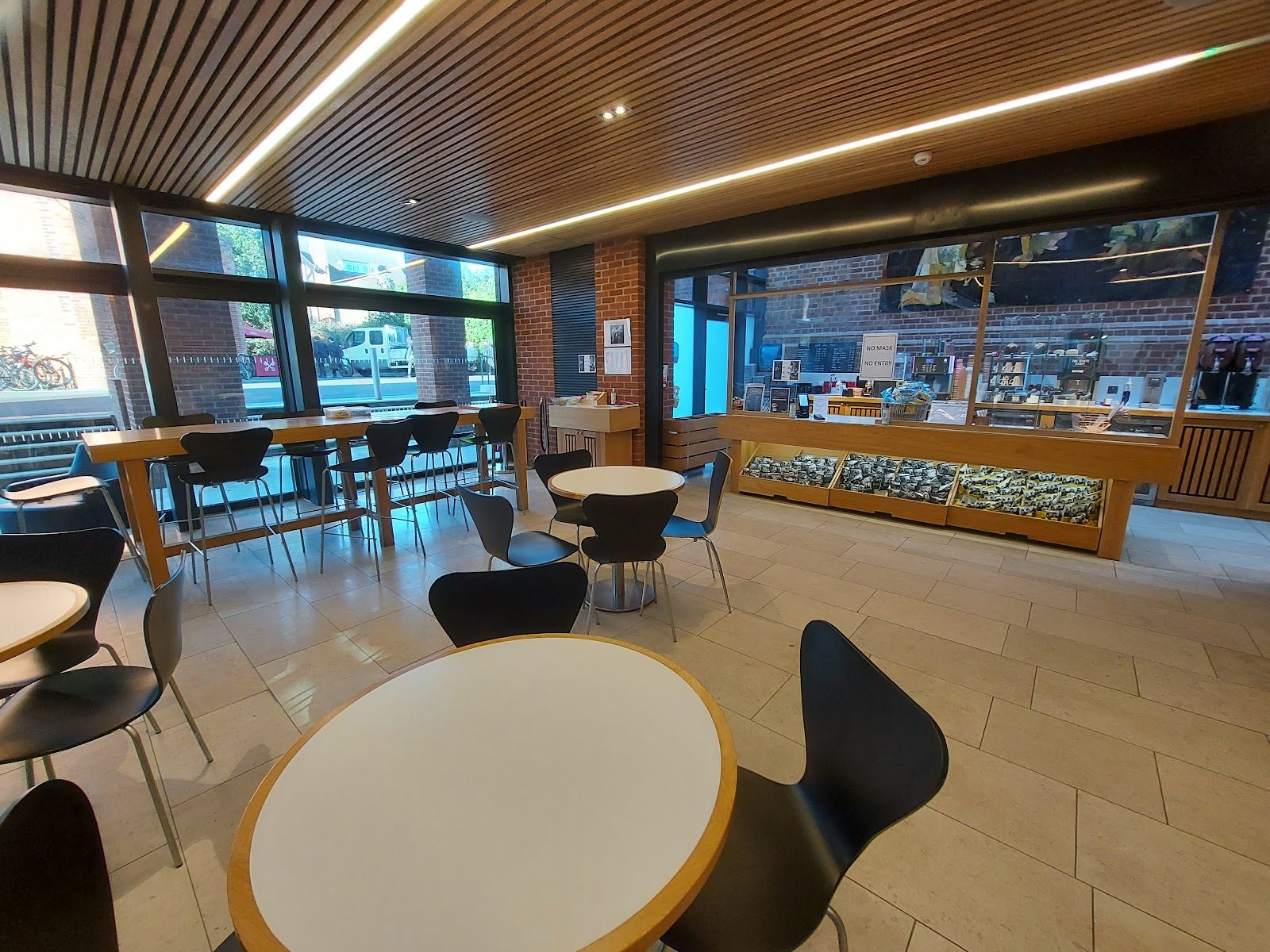
Radley College
Abingdon · United Kingdom
Eleven 'Socials' boarding houses anchor a full-boarding, all-boys community on an 800-acre Oxfordshire estate with its own golf course.
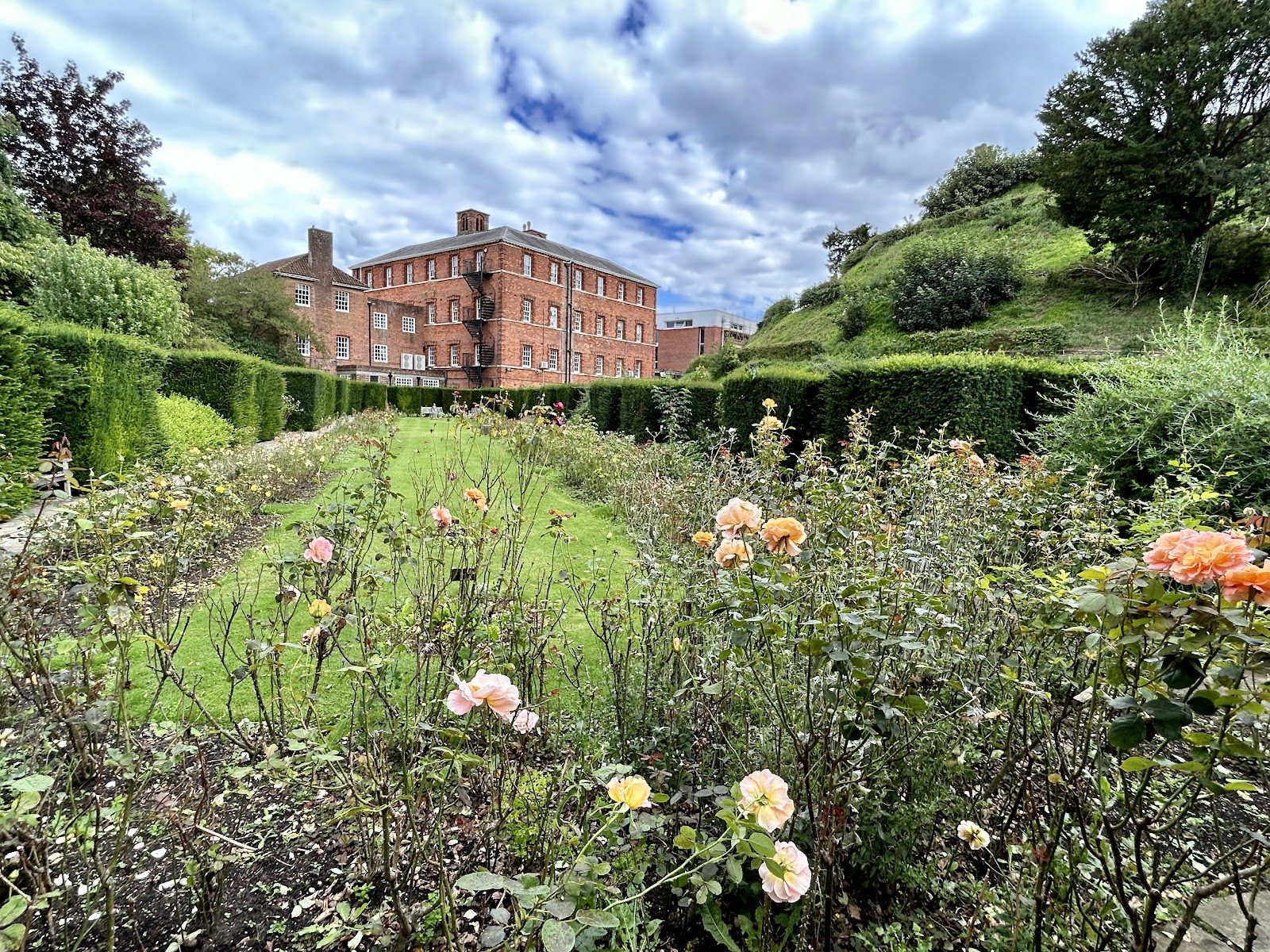
Marlborough College
Marlborough · United Kingdom
A 4,000-year-old Neolithic mound anchors a Wiltshire campus that pioneered co-education among Britain's boarding schools.
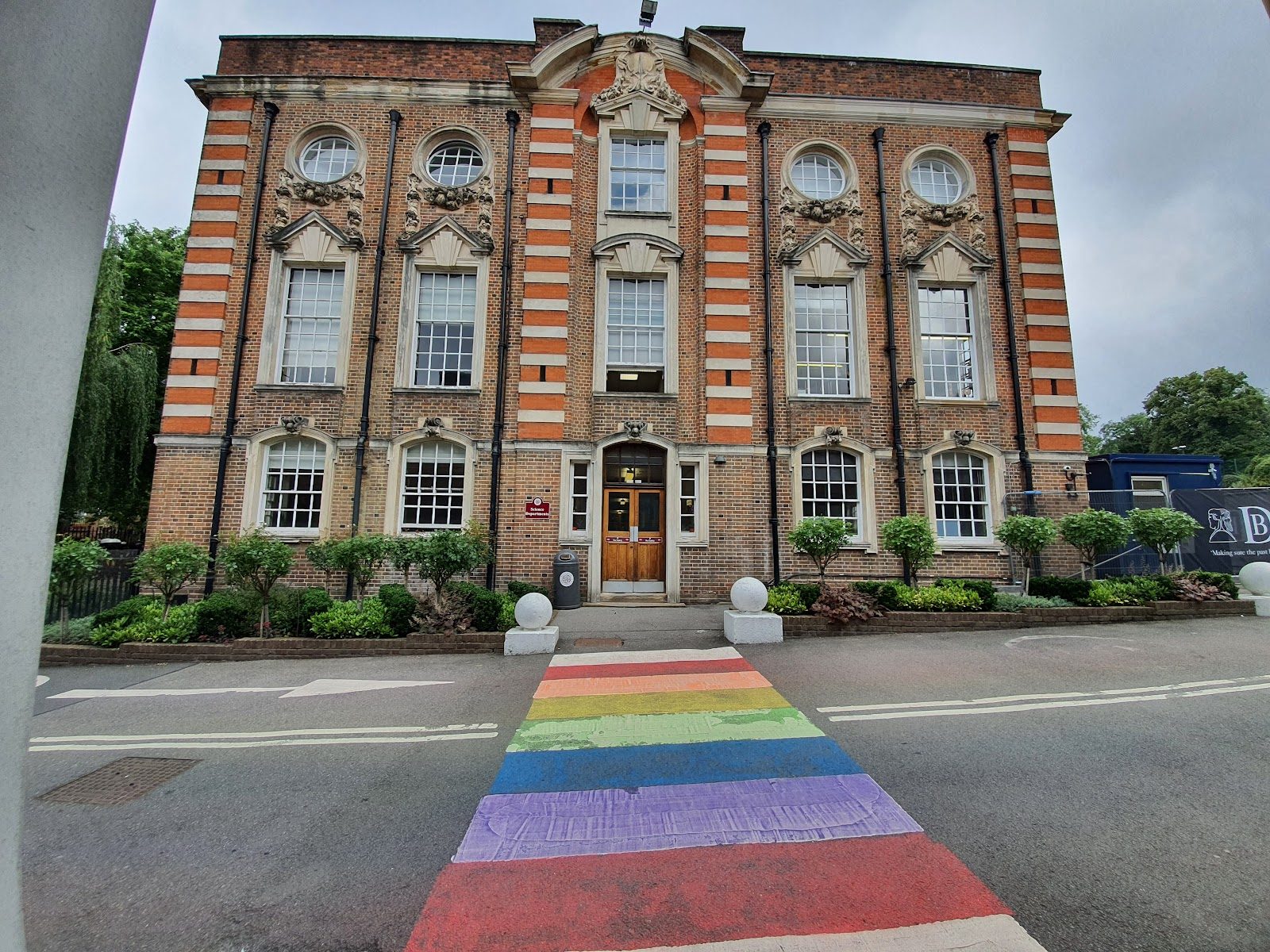
University College School
London · United Kingdom
A Hampstead offshoot of UCL's founding creed, prizing intellectual curiosity and independence of mind over rote drill since 1830.
Wilson's School
Sutton · United Kingdom
A 1615 charity foundation turned super-selective grammar, thriving on a former Croydon airfield with a sharp focus on maths and computing.
Same country and curriculum — closest matches within ±10 points either way