
United States
Pittsburgh CAPA – Visual Arts
New · 2026/27Type
Ages
—
Curriculum
—
Ratio
—
The Verdict
Editor's commitment
Right for
Families in the United States targeting a specialist arts route, with Pittsburgh CAPA focused on Visual Arts rather than a generic school experience.
Wrong for
Parents wanting a conventional all-round independent-school profile will find only United States location details and a Visual Arts label here.
Watch out for
The public profile gives United States and Visual Arts, then stops; curriculum, results, admissions and accreditations are not published here.
Ranking breakdown
Pittsburgh CAPA – Visual Arts · #1497 of 1591
Composite score 48.0. 8 weighted criteria.
By criterion
Academic Outcomes
Weight 20%
No data yet
1529 of 1591 scored
University Placement
Weight 16%
No data yet
1529 of 1591 scored
Prestige & Heritage
Weight 12%
#1552
of 1571 scored
Alumni Network
Weight 12%
No data yet
1530 of 1591 scored
Facilities
Weight 12%
No data yet
1534 of 1591 scored
Transparency & Communications
Weight 8%
No data yet
1532 of 1591 scored
Peer & Industry Review
Weight 10%
No data yet
1548 of 1591 scored
Admissions Selectivity & Demand
Weight 8%
No data yet
1529 of 1591 scored
Peer & Industry Review
How Pittsburgh CAPA – Visual Arts is regarded in the sector
Insufficient peer signal
We couldn't find enough independent third-party evidence to score this school's peer & industry standing with confidence. It doesn't mean the school isn't well regarded — only that public reputation sources we trust don't yet cover it. This axis is left blank for now and the composite score is median-imputed from the other six categories.
Award
Elite Visual & Fine Arts 76
World's Top School · The Global Ranking
Pittsburgh CAPA – Visual Arts is featured on our Global Top 76 ranking at #53. This seal is available for the school's marketing team to use on their website, prospectus and social channels.
Editors' overview
Pittsburgh CAPA – Visual Arts sits in a narrow segment of the market: the serious public arts school for students who want studio practice woven into the school day, not bolted on after lessons. Its value is specialisation. For a young artist, that matters. Time, peer group and standards shape artistic development far more than the vague promise of “creativity” that mainstream schools like to advertise. CAPA’s visual arts track belongs on a shortlist because it offers a clear artistic identity, a disciplined creative culture and access to a cohort where art carries status, not apology. That changes the atmosphere in the classroom and the ambition in the work.
The attraction here is not breadth for its own sake. It is focus. A student choosing CAPA – Visual Arts wants sustained studio time, close critique and the pressure that comes from working alongside other committed makers. That environment suits the adolescent who already draws, paints, designs or builds compulsively outside school and now wants that practice treated seriously. It also suits the student who thrives on high-stakes portfolio building, constant comparison with strong peers and the daily rigour of making and revising. For that child, a conventional comprehensive can feel thin; CAPA offers a more exact fit.
Parents should also read the trade-off plainly. A specialist arts pathway narrows the school experience by design. Families looking for a broad all-round model, a heavy athletic culture or a low-pressure academic setting should look elsewhere. CAPA – Visual Arts is for the student whose identity is already pulling hard towards art, and who wants schooling to reinforce that direction. In market terms, this is not a luxury add-on; it is a targeted public option in a field where specialist arts provision is scarce. That scarcity alone puts it on a shortlist. For the right student, the appeal is immediate: serious work, serious peers and a school day organised around the thing they care about most.
An Elite Visual & Fine Arts 76 school
Pittsburgh CAPA's Visual Arts department, housed inside the Pittsburgh Creative and Performing Arts magnet school in the city's Downtown Cultural District, sits at rank fifty-three. The anchor fact is admissions-based: applicants submit a three-piece portfolio, including a self-portrait done in pencil from observation, followed by an in-person audition, and CAPA's own published graduate list names Pratt Institute, Rhode Island School of Design, Carnegie Mellon School of Art, MICA and Tyler School of Art as actual destinations for its visual arts leavers.
The specialism runs on a half-day studio model: students split their schedule between core academics and intensive art majors, with visual arts coursework spanning painting, drawing, sculpture, ceramics, printmaking, digital media, art history and fiber arts, taught by working professional artists rather than generalist classroom teachers. The department is chaired by Shannon Pultz, a 1989 CAPA graduate who earned her BFA at Cooper Union and co-founded the exhibited art collective ART CLUB2000, and it leans on regional partnerships with the Carnegie Museum of Art, the Andy Warhol Museum, Carnegie Mellon University, the Pittsburgh Glass Center and Artist Image Resource for equipment and mentorship a single school building couldn't otherwise offer.
Alumni verification favors visual-arts practitioners over the school's better-known performing-arts names. Frank Santoro, a 1990 CAPA graduate, is an acclaimed cartoonist and painter whose graphic novels have been exhibited at the American Academy of Arts and Letters and the National Archaeological Museum of Naples. Miller Schulman, a 2013 graduate, went on to a graduate degree at Cambridge and is now a curator and PhD researcher at the CUNY Graduate Center. Pultz's own ART CLUB2000 collective exhibited at Artists Space and Kunsthalle Zurich, tying faculty practice directly to studio pedagogy.
International openness here is limited and should be stated plainly: CAPA is a Pittsburgh Public Schools magnet with no boarding, admission is by residency-weighted lottery plus audition, and non-resident students face tuition fees unless a parent is a district employee. Federal law caps F-1 visa study at public secondary schools at twelve months and requires payment of the full unsubsidized per-pupil cost, a very different model from private international boarding schools. This is not a turnkey destination for overseas families seeking a multi-year residential pathway; it suits a family already relocating to Pittsburgh, or a student pursuing a single verified exchange year, and either route should be confirmed directly with the CAPA magnet office well before the February audition deadline.
Academic Performance
Academic performance is hard to judge cleanly here because the school does not publish a full set of external exam outcomes for the visual arts pathway, and that limits serious comparison. There is no public run of aggregate AP, IB or A-level data to place CAPA against academic magnet schools, selective independents or exam-driven international schools. That matters. Families can infer strong student commitment and high standards from the admissions profile and specialist training model, but inference is not the same as published attainment. In accountability terms, the picture is opaque where it needs to be exact. For parents who want a school chosen on hard examination metrics first, this is a clear weakness.
That said, specialist public arts schools occupy a different lane from conventional high-score shops. Their strongest outcomes often sit in conservatory entry, portfolio quality, creative progression and post-secondary placement into art and design courses, not in a marketing-style parade of headline exam numbers. For a visual arts student, that distinction is material and legitimate. Against peers in the specialist arts segment, CAPA’s standing rests less on raw external examination data than on the seriousness of its training environment and the calibre of the student cohort. That places it in a credible but unquantified position: compelling for committed young artists, less convincing for families who need published academic data before they commit.
Facilities
For visual arts students, the decisive facilities are not football fields or glossy common areas but the spaces where work gets made, pinned up, critiqued and redone. CAPA’s strength lies in being part of a dedicated arts school rather than a general secondary with one strong department. That structure matters. Students work inside a building organised around performance and production, with specialist arts rooms embedded in the daily rhythm of the school. For visual arts, that gives the track a serious working environment and a peer culture built around output, not hobbyism. Against mainstream public schools, that is a clear competitive advantage: stronger access to specialist rooms, more visible student work and a school day that treats the arts as core business.
Against top specialist arts peers, the picture is more mixed. CAPA benefits from the wider ecosystem of an arts-focused institution, but it does not trade on the kind of lavish, donor-built studio complexes that some elite private arts schools use to signal status. Families should expect functional specialist provision, not museum-grade glamour. That is not a fatal weakness; in art education, disciplined use of space matters more than architectural theatre. Still, parents comparing CAPA with better-funded independent competitors should ask direct questions about studio access, digital media resources, exhibition space, kiln or print facilities, and how much dedicated room visual arts students control during the week. Those details decide whether the provision is merely competent or genuinely demanding.
Against top specialist arts peers, the picture is more mixed
Prestige
Within the public-school arts niche, CAPA carries real name recognition. That prestige is not the glossy, fee-driven kind attached to elite independents; it is the harder-edged prestige of a school that admits by talent and expects students to live up to it. In visual arts, that matters more than polish. A specialist track inside a recognised arts institution gives students a stronger peer field, sharper critique culture and a more serious daily standard than a general comprehensive with a good art room. The school’s cachet rests on selectivity, specialisation and the fact that artistic commitment sits at the centre of the social order, not at its margins. For young artists, that is genuinely valuable social capital.
I rate its prestige as high within its lane, limited outside it. Among families, teachers and students who know specialist public arts education, CAPA carries weight. Among parents chasing brand-name academic magnets or expensive private schools, it carries less. That is not a flaw; it is a category point. Prestige here flows from the quality of the tribe, the seriousness of the work and the credibility of the training environment, not from manicured campuses or public exam bragging. The weak spot remains the same one that affects its academic standing: opaque outcomes data cap external prestige. Without published headline results, the school relies on reputation and lived experience rather than hard comparative proof. For the right student, that reputation is earned and substantial.
Those details decide whether the provision is merely competent or genuinely demanding
Communications
CAPA’s parent communication carries the strengths and weaknesses of a selective public institution. The core messages are clear enough: auditions matter, commitment matters, and families need to understand the demands of a specialist pathway before entry. That directness helps. Parents are not being sold a vague “creative environment”; they are being told, in effect, that this is a school with standards and expectations. Where communication falls short is in depth and transparency. The school does not publish the kind of outcome data, programme detail and comparative evidence that ambitious parents use to test claims. That leaves too much to reputation and word of mouth. For a school asking families to buy into a serious artistic track, that is a meaningful gap.
Day to day, the communication burden in a school like this is heavier than in a standard secondary: performances, exhibitions, deadlines, portfolio preparation and schedule changes all demand disciplined, timely contact with home. CAPA has every reason to communicate well because the model depends on coordination between school, student and family. The issue is not whether parents receive information at all; it is whether they receive it in a form that is consistent, exact and decision-useful. On that measure, the public face does the basics but does not excel. It communicates enough to function, not enough to reassure a hard-questioning parent. That makes communications serviceable rather than impressive.
Uniqueness
What makes CAPA – Visual Arts distinctive is not just specialism but integration. In many schools, art sits at the edge of the timetable: one department among many, vulnerable to academic pecking orders and timetable compromises. Here, visual art operates inside an institution built around the arts as a whole. That changes the daily experience. Students work in a culture where rehearsal, critique, revision and public presentation are normal across disciplines, not eccentric habits confined to one classroom. For a young artist, that is unusually valuable. It builds stamina, sharpens judgement and normalises serious creative labour at an age when many peers elsewhere still treat art as decoration or escape.
The other point of difference is selectivity by commitment. CAPA does not just provide access to materials and teachers; it concentrates students who have already chosen an arts-centred education and accepted its demands. That concentration creates productive pressure. Standards rise faster when weak work is visible, strong work is visible, and everyone knows the subject matters. Students gain more than technique: they learn how to take criticism, sustain output and measure themselves against a peer group with real intent. That is not a soft environment, and that is the point. For the right student, the result is a school experience with clear artistic consequences: stronger portfolios, tougher habits and a firmer sense of whether art is a pastime or a vocation.
For young artists, that is genuinely valuable social capital
Student Profile
The student who fits here is already making art with intent. Not casually, not when homework clears, and not because adults keep praising “creativity”, but because drawing, painting, design or image-making already takes up real mental space. This pathway suits adolescents who can tolerate scrutiny, absorb criticism without sulking and return to a piece again and again until it improves. They do not need to be socially slick, but they do need serious internal drive, thick skin and a willingness to live in a peer group where talent is visible every day. Students who want their artistic identity affirmed will find that; students who want to dabble will feel exposed. In practical terms, this is a better fit for the teenager who gains energy from deadlines, portfolio pressure and constant standards-checking than for the child who needs endless reassurance.
It also suits a student prepared for imbalance. A specialist arts school gives disproportionate weight to the discipline that brought the student there, and that trade-off is deliberate, not accidental. Families who want a rounded, low-intensity secondary experience will chafe. So will students whose interests shift weekly, or who need school sport and broad extracurricular life to anchor their confidence. The strongest fit is the young artist with a clear vocational pull, solid self-management and enough maturity to handle a culture that is *demanding, comparative and not for the faint-hearted*. For that student, the environment can be formative. For anyone else, it can feel narrow very quickly.
What makes CAPA – Visual Arts distinctive is not just specialism but integration
Co-curricular strengths
Arts & sport, on a separate axis
Overall 8.48/10
Scored 0-10 from the school's own published evidence. This axis is editorial-only — it does not feed the main WTS ranking.
Sports
5/10
Drama
9.3/10
Dance
9.3/10
Music
9.4/10
Visual Arts
9.4/10
Parent reviews
Have you sent your child here?
Voice reviews carry the strongest trust badge — we transcribe them for you to tidy up before they go live. Prefer to type? A written review is fine too.
Add your voice
In 60 seconds, tell other parents: what's the best thing about Pittsburgh CAPA – Visual Arts, and what surprised you when your child joined?
We ask for a Google sign-in so every review has a real face behind it — no anonymous drive-by attacks on schools, and no faked positive reviews. Your email is never shown publicly.
Send this profile to a friend
International parents rely on word-of-mouth. Share this review with someone weighing the same decision.
Schools with places
Similar schools to Pittsburgh CAPA – Visual Arts with places available now.
Germantown Friends School
Philadelphia · United States
- 2026-27
- CLOSEDRegular cycle closed
- 2027-28
- OPENS SOONOpens Sept '26
Poly Prep Country Day School
Brooklyn · United States
- 2026-27
- CLOSEDRegular cycle closed
- 2027-28
- OPENS SOONOpens Sept '26
Marymount School of New York
New York City · United States
- 2026-27
- CLOSEDConfirmed full
- 2027-28
- PLACES OPENApplications opened 1 Aug '26
Boston University Academy
Boston · United States
- 2026-27
- CLOSEDRegular cycle closed
- 2027-28
- OPENS SOONOpens Sept '26
Availability first, then country, area, curriculum, price, co-curricular
Consider also
Also worth looking at alongside Pittsburgh CAPA – Visual Arts.
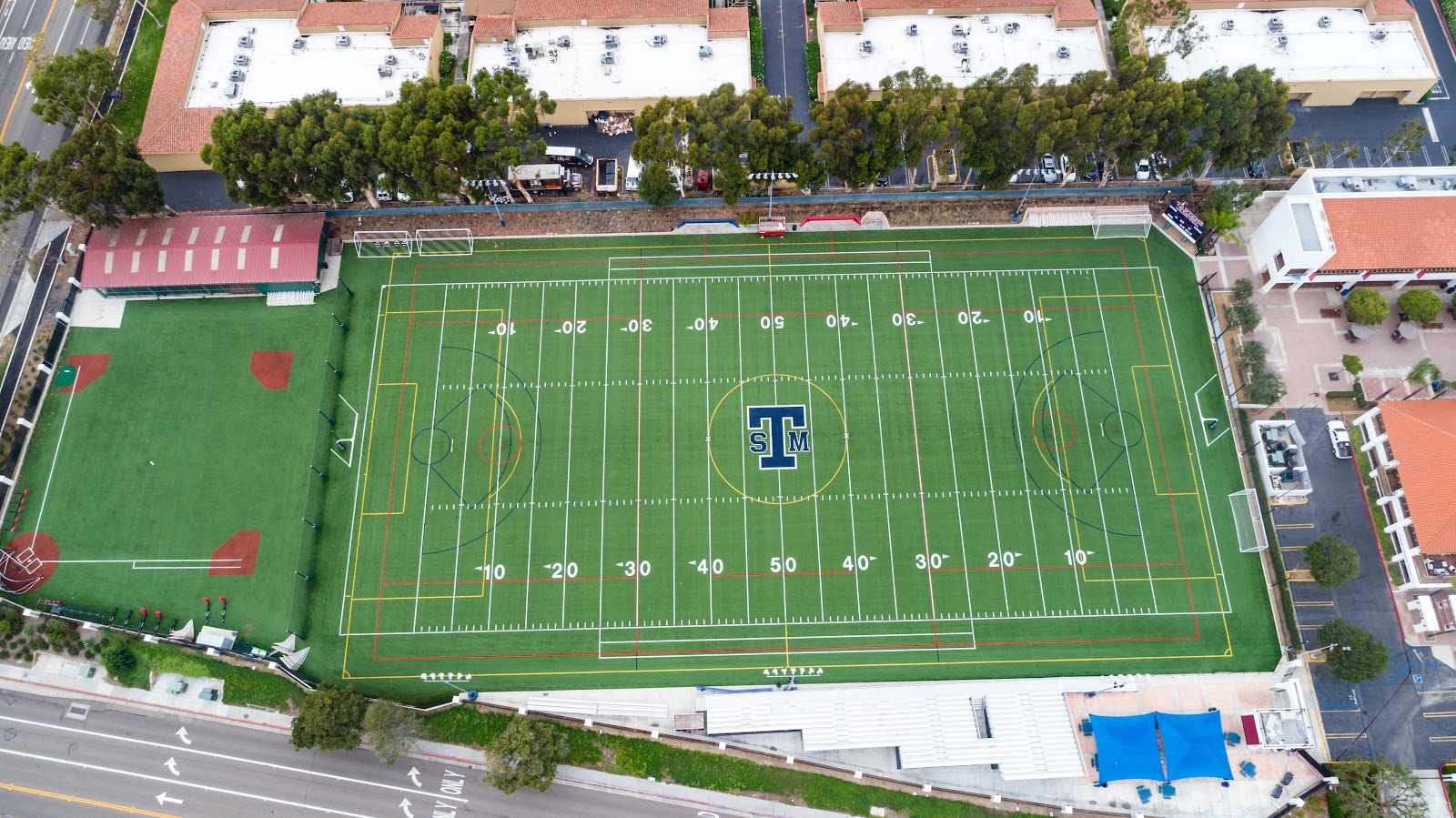
St. Margaret's Episcopal School
San Juan Capistrano · United States
Named for Scotland's patron saint of education, this mission-town day school builds Tartan identity into STEAM and service.
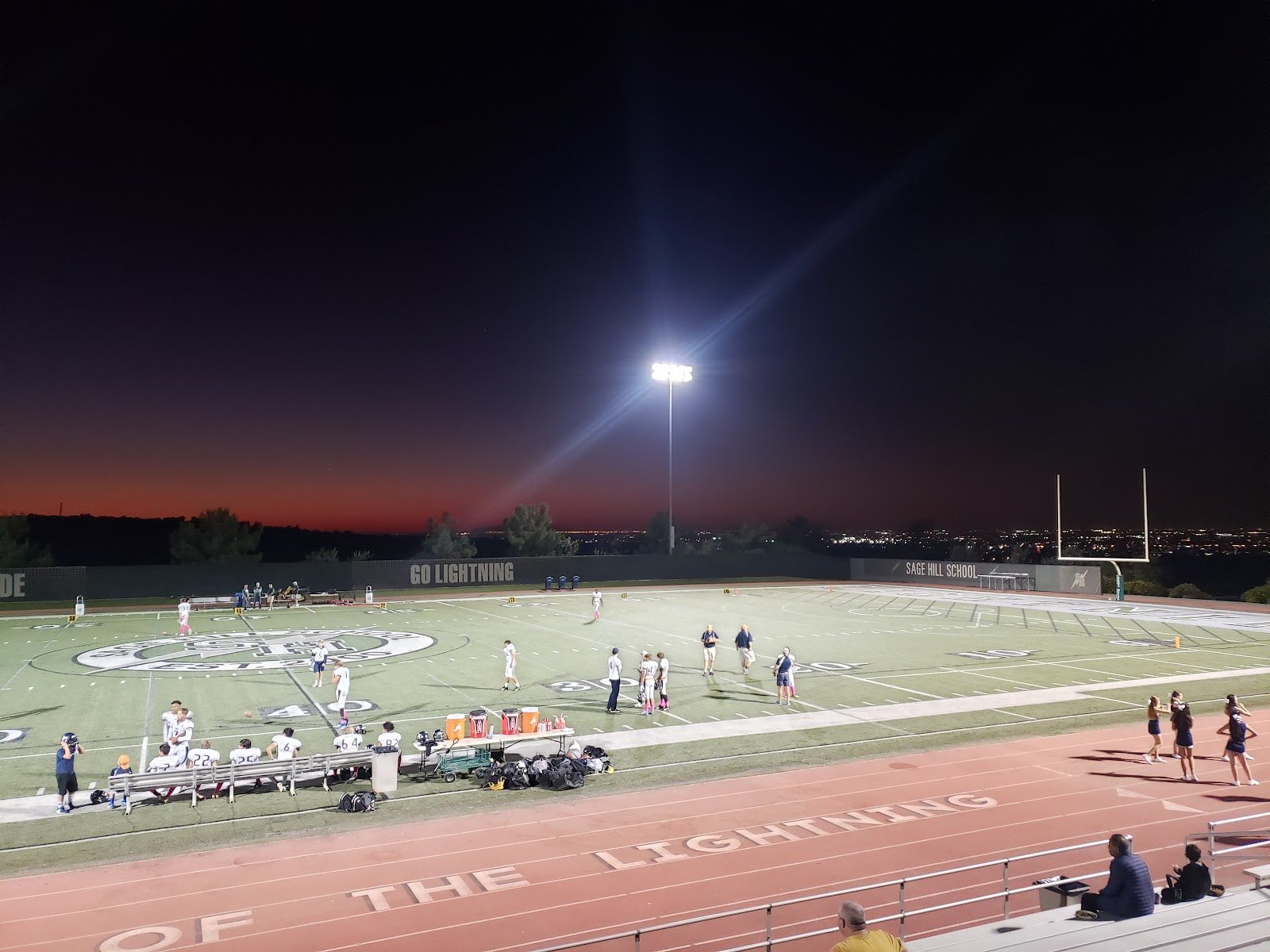
Sage Hill School
Newport Coast, CA · United States
A no-bells, ocean-view campus in Newport Coast where a year-end 'Spring at Sage' term sends students chasing passions worldwide.
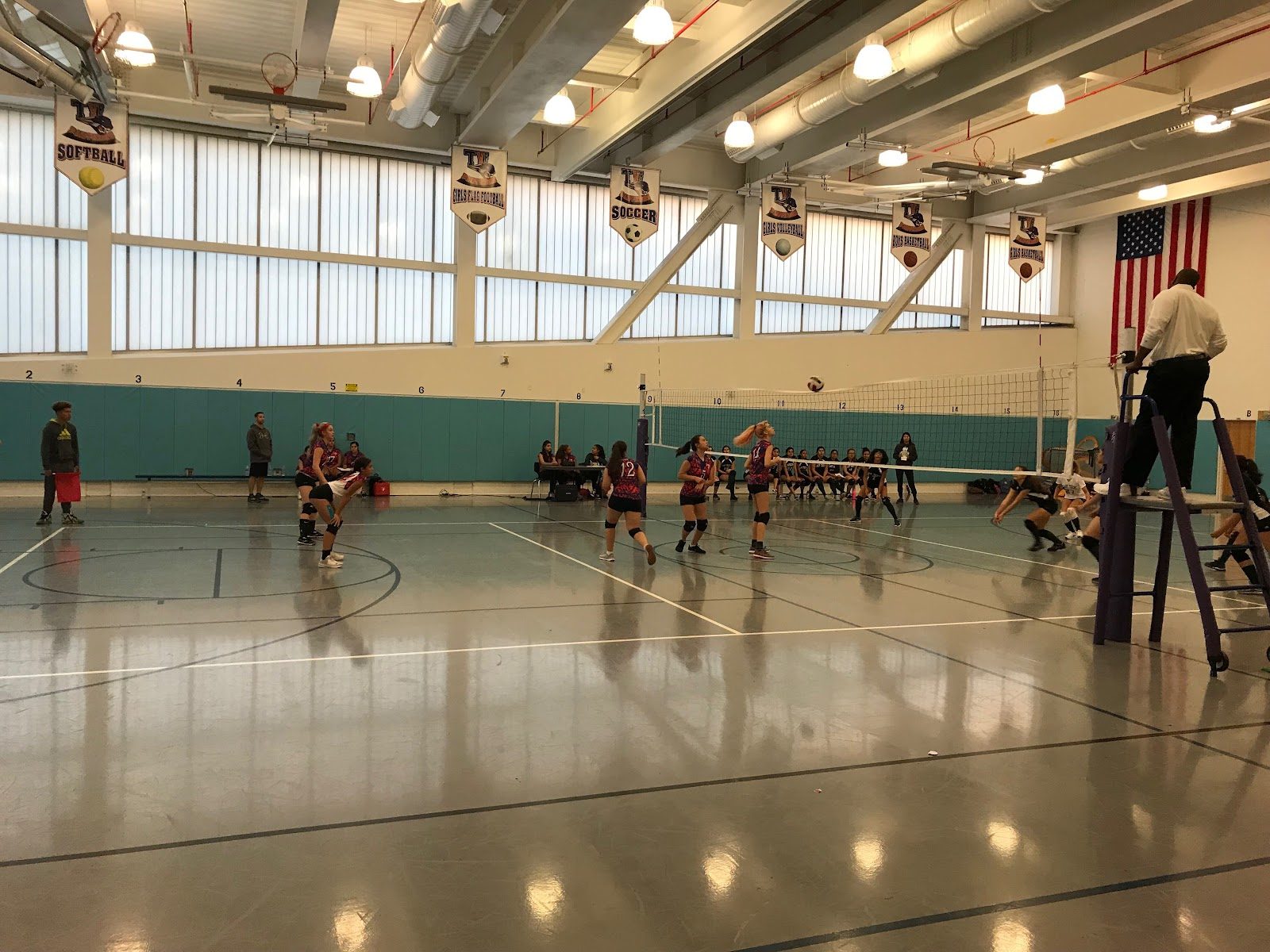
Academy for Careers in Television & Film
Long Island City, New York · United States
A waterfront Queens campus where students edit and shoot films against the Manhattan skyline, backed by a million-dollar production arsenal.
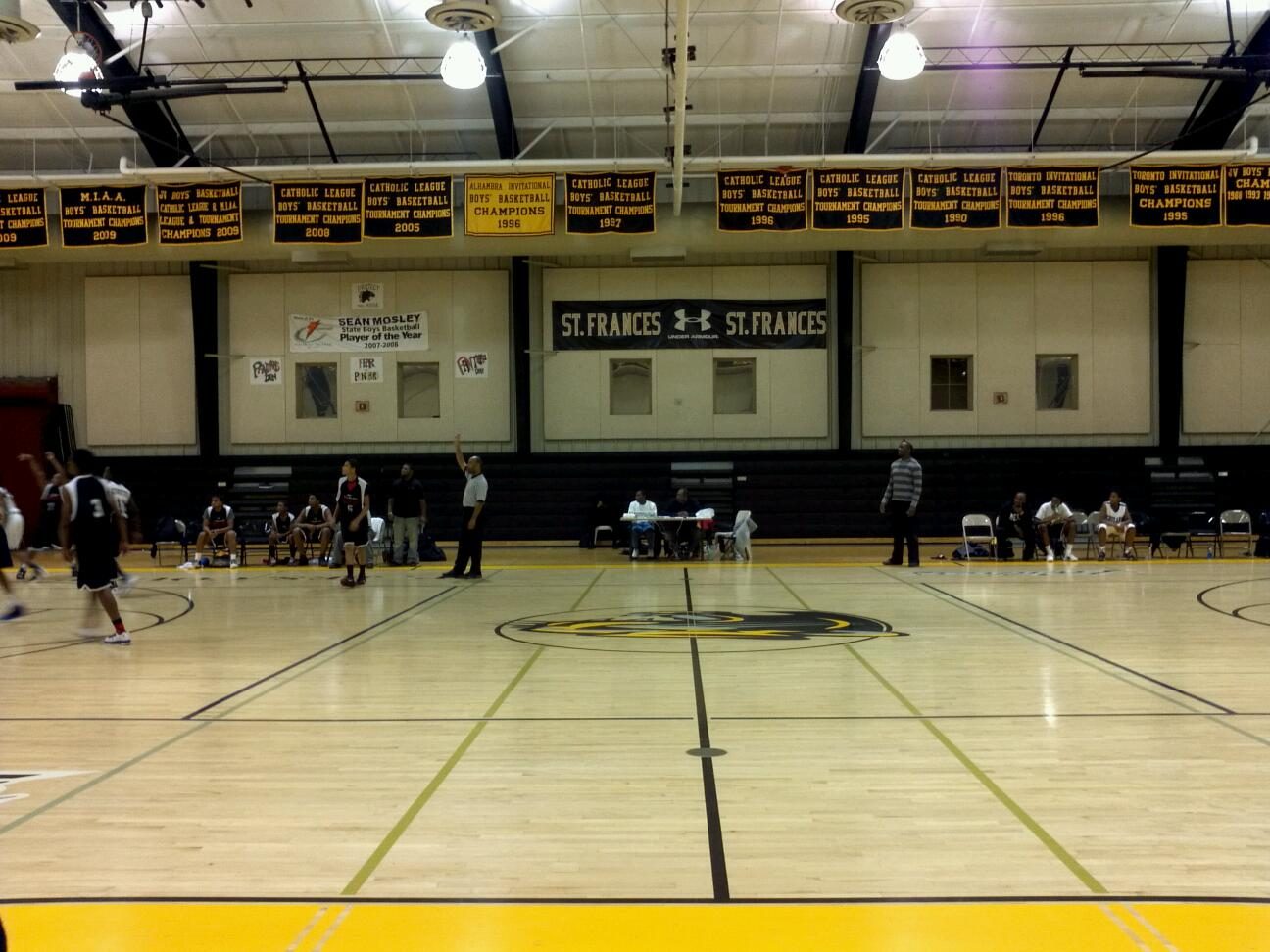
St. Frances Academy
Baltimore, MD · United States
Founded in 1828 as the nation's first Black Catholic school, now fielding a No. 1-ranked football dynasty in East Baltimore.
Same country and curriculum — closest matches within ±10 points either way