
Jiangsu
Nanjing International School
medium confidence· 4/6 cats · 3.1 avg sourcesChina's first full IB Continuum school, running Pre-K through Diploma from a non-profit campus in Nanjing's university district since 1992.
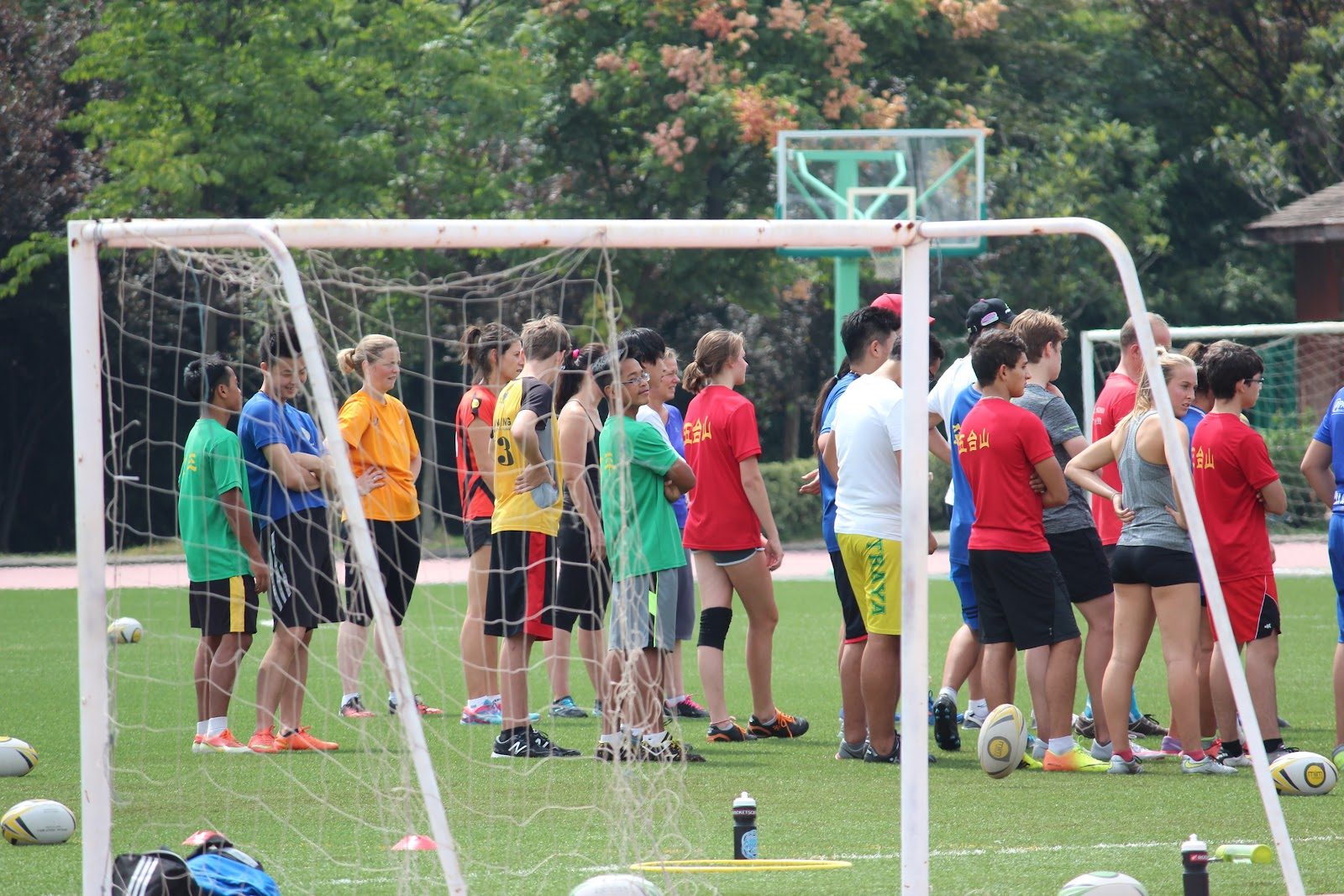
Photo © Leee Chon via Google Maps
Type
Day
Ages
3–18
Curriculum
IB
Ratio
7:1
The Verdict
Editor's commitment
Right for
Families wanting the full IB continuum in English from age 3 to 18, with WASC, CIS and IB backing.
Wrong for
Parents who want boarding, a bargain, or a giant school; this is a 620-pupil, non-profit day school at 252010 RMB.
Watch out for
A 7:1 ratio buys attention, but Xian Lin University Town is a specific Nanjing catchment, not a citywide convenience play.
Ranking breakdown
Nanjing International School · #606 of 1591
Composite score 67.5. 8 weighted criteria.
By criterion
Academic Outcomes
Weight 20%
#585
of 1529 scored
University Placement
Weight 16%
#584
of 1529 scored
Prestige & Heritage
Weight 12%
#953
of 1571 scored
Alumni Network
Weight 12%
#663
of 1530 scored
Facilities
Weight 12%
#478
of 1534 scored
Transparency & Communications
Weight 8%
#685
of 1532 scored
Peer & Industry Review
Weight 10%
#640
of 1548 scored
Admissions Selectivity & Demand
Weight 8%
#438
of 1529 scored
Score history
Nanjing International School · 2026
Movement across 2024–2026. Peer average overlaid.
Overall — 2024–2026
67.5/ 100
▲ +22.8 vs 2025
year on year
Peer & Industry Review
How Nanjing International School is regarded in the sector
65
Respected · low confidence
Nanjing International School (NIS) is a well-established, long-running international school (founded 1993) that regularly appears in expat parent forum discussions and China international school directories as one of the respected options in Nanjing, and it holds WASC/CIS accreditation which is referenced in third-party accreditation databases. However, it lacks the level of specialist press coverage, Tatler/Good Schools Guide-style profiling, or prominent alumni network visibility seen with top-tier Beijing/Shanghai international schools, placing it as a solid regional player rather than a nationally benchmarked top-tier institution.
Evidence sources
Editors' overview
Nanjing International School has a clear claim on the shortlist of any family in eastern China that wants the full IB route without the for-profit gloss that dominates much of the market. It opened in 1992, sits in Xian Lin College and University Town in Qixia District, and runs the IB continuum in English from Pre-K to Grade 12 for ages 3 to 18. That combination matters. China's first full IB Continuum school still carries weight, and the non-profit structure gives it a more credible academic centre of gravity than schools built first around expansion plans and branding.
The numbers sharpen the picture. NIS enrols around 620 students from more than 30 countries, so this is not a giant campus built on churn; it is a compact, internationally mixed school with enough scale to sustain a full programme and enough restraint to feel knowable. The student-teacher ratio of 7:1 is strong by any standard and points to real classroom access rather than inflated pastoral rhetoric. Accreditations from WASC, CIS and the IB matter too: they do not guarantee brilliance, but they do establish external scrutiny and a serious international baseline. The average annual day fee across the full Pre-K to Grade 12 ladder is 252,010 RMB, which places NIS in the expensive bracket for Nanjing and squarely in the premium tier for families comparing it with local bilingual options.
What is special here is coherence. Many international schools bolt an IB Diploma on top of a mixed lower school or run several curricular tracks at once. NIS does not. Parents who want one educational language from the early years through to graduation get it here, and children who thrive on continuity benefit from that rare institutional discipline. The university-district setting also suits families who value an environment shaped by higher education rather than suburban enclosure. What you do not get is the sprawl, spectacle or social theatre that some expatriate families still equate with status.
The right student for NIS is academically engaged, internationally minded and comfortable in a school where identity rests on programme depth rather than performance. This suits children who do well in discussion-based classrooms, who can handle the demands of the IB over time, and whose families want a serious, adult school culture from the outset. It is less compelling for parents chasing a British or American pathway, heavy-brand athletics, or a large-school social scene. For the family that wants a stable, non-profit IB school with 620 students, a genuinely international intake and a sharply defined mission, NIS earns its place.
Academic Performance
Academic performance is the one area where Nanjing International School leaves parents wanting harder public evidence. The school’s case for academic seriousness rests on programme continuity, staffing depth and a long-standing international reputation, but that is not the same as published outcomes. We have not seen aggregate Diploma results, average point scores, subject distributions, bilingual attainment data or multi-year university destination tables in the public domain. That gap matters. In the premium end of the market, families should expect more than institutional confidence and broad claims about student success; they should expect data. Without it, NIS sits in the category of schools with a credible academic architecture but opaque external results.
Relative to peers, that places it behind the most transparent IB schools in China and Hong Kong, which publish cohort averages, pass rates and destination breakdowns as a matter of course. It still holds advantages: a full-school IB model creates cleaner academic alignment than mixed-curriculum competitors, and the school’s small scale gives students a better chance of being known well by teachers. That can support strong outcomes. But until NIS discloses exam performance in a sustained, comparable format, parents cannot verify whether the results are merely solid, genuinely strong or top-tier by regional standards. For a school with this level of fees and this degree of academic self-possession, the silence on outcomes is the weak point.
Facilities
Facilities are not the headline story at Nanjing International School, and that is a compliment. The campus sits in a university district rather than on a grand suburban estate, so parents should not expect the land-hungry spectacle that some China campuses trade on. What matters here is fit: a school of around 620 pupils does not need monumental scale, and in the better cases it uses space with adult restraint and academic purpose. The key advantage is that a compact, non-profit school can keep movement, supervision and access manageable across the day. That usually produces a campus that feels orderly rather than theatrical. Against larger premium competitors, NIS loses on brute wow-factor. It wins if the practical brief is a school where children are known and facilities serve teaching instead of marketing.
The hard limitation is transparency. The school does not publish a detailed public inventory of specialist spaces, performance venues, sports provision or design features, so parents cannot test the campus room by room before a visit. That places NIS behind peers that give families floorplans, virtual tours and precise breakdowns of labs, libraries, studios and athletics infrastructure. For a school charging an average annual fee of 252,010 RMB, that gap is worth noting. Still, the combination of a small-school footprint, a serious academic culture and a low staffing ratio points to facilities built for daily use, not display. Families who want flashy excess should look elsewhere; families who value function over spectacle will find the trade-off easy to understand.
Academic performance is the one area where Nanjing International School leaves parents wanting harder public evidence
Prestige
Nanjing International School carries real prestige, but it is a restrained form of prestige rather than a flashy one. The school’s standing rests on three things: longevity in China’s international market, a full-school academic model that serious globally mobile families recognise, and a non-profit structure that still counts for a great deal with parents tired of expansion-first operators. In a city where many families weigh bilingual schools, newer private internationals and university-linked options, NIS sits in the established top tier. Its small scale strengthens that reputation. A community of around 620 pupils from more than 30 countries gives it genuine international breadth without the anonymous feel of a large commercial campus. The low 7:1 staffing ratio adds substance; prestige without access to teachers is branding, and NIS has more than branding.
Why not rate it even higher? Because top-rank prestige in this market now depends on public academic proof as much as institutional history. NIS has the serious-school credibility that many competitors lack, and among informed parents its name carries weight. But prestige today splits into two categories: reputation earned over time, and reputation reinforced by transparent outcomes. NIS owns the first category. It does not yet own the second. That leaves it with quiet authority rather than dominance: a school respected by discerning families, trusted for educational coherence, but held back from the very highest echelon by thin public evidence on results.
Facilities are not the headline story at Nanjing International School, and that is a compliment
Communications
Nanjing International School communicates from a position of small-school accountability. In a community of around 620 pupils drawn from more than 30 countries, parents do not tolerate fog, and schools that survive on long-term trust learn to answer plainly. That structure works in NIS’s favour. A compact international parent body, a low staffing ratio and a non-profit governance model all push communication towards access rather than gatekeeping. Families can expect a school where messages need to be clear, responses need to be timely, and pastoral or academic concerns cannot vanish into layers of administration. The university-district setting strengthens that tone: less lifestyle theatre, more day-to-day operational seriousness. That is the right instinct for an academically demanding school.
The limitation is public-facing transparency. NIS does not give prospective families a rich, highly detailed window into school life through published academic data, facilities breakdowns or exhaustive outcome reporting, and that weakens confidence at the first-contact stage. Existing parents may well get solid practical communication once inside the system; outsiders get a thinner brief than they should from a school charging an average of 252,010 RMB a year. That distinction matters. Internal communication and external transparency are not the same thing, and NIS is stronger at the first than the second. The result is competent, serious communication with a clear blind spot: it supports the parent community, but it does not yet give prospective families enough hard public detail to test the school properly.
Uniqueness
What sets Nanjing International School apart is not novelty but institutional consistency. In an international market crowded with hybrids, bolt-ons and ownership groups chasing scale, NIS offers one continuous academic route on a non-profit basis and has done so for a very long time. That gives the school a rare internal coherence. Children do not spend their school life crossing curricular borders, adapting to a changing academic logic, or hitting a sharply different philosophy at the senior end. For students, that continuity brings steadier expectations, cleaner progression and a school culture with fewer mixed messages. The setting in a university district sharpens that identity again: this is a school with an intellectual centre of gravity, not a resort-style campus built around display.
Its other distinction is social rather than architectural. With around 30 nationalities in a deliberately limited-sized community, NIS offers genuine internationalism without the sprawl that turns many large schools into parallel tribes. Students get a more knowable community, stronger day-to-day visibility with adults, and less room to disappear. The low 7:1 ratio reinforces that. For confident, engaged children, the benefit is substantial: close academic attention, sustained relationships with teachers, and a peer group broad enough to challenge assumptions without becoming anonymous. The trade-off is clear too. Families wanting spectacle, scale or multiple pathways will find NIS narrow by design. Families wanting depth, continuity and a school that knows exactly what it is will value that discipline.
Nanjing International School carries real prestige, but it is a restrained form of prestige rather than a flashy one
Student Profile
The best fit at Nanjing International School is a student who thrives in a contained, serious environment and does not need noise, scale or status theatre to feel engaged. This suits children who like being known by adults, can handle close academic attention, and benefit from a community small enough that disengagement is hard to hide. The mix of more than 30 nationalities gives the school a genuinely international social base, so pupils who are curious, adaptable and comfortable around different norms will settle more easily than those who want a dominant local culture or a single expatriate tribe. This is also a good match for families who value consistency over choice: one clear educational route, one institutional culture, fewer internal contradictions.
The less natural fit is just as clear. Students who want a huge peer field, high-profile school spectacle or a broad menu of parallel identities may find NIS too tightly drawn. Children who rely on anonymity, drift between effort levels, or need constant external hype to stay motivated will get less cover here than they would in a larger campus. With a staffing ratio of 7:1, expectations of participation, responsiveness and day-to-day accountability are built into the experience. For the right child, that is excellent schooling. For the wrong one, it feels exposed very quickly.
Nanjing International School communicates from a position of small-school accountability
Co-curricular strengths
Arts & sport, on a separate axis
Overall 7.7/10
Scored 0-10 from the school's own published evidence. This axis is editorial-only — it does not feed the main WTS ranking.
Sports
8/10
Football, Basketball, and Swimming as extracurriculars, indicating a solid multi-sport offering but with no named facilities, teams, staff, or competitive results described.
Drama
7.5/10
Drama Productions, and the wording implies more than a bare club listing because recurring productions are referenced, but there are no named facilities, departments, or specific productions.
Dance
7/10
Music
8/10
Choir Ensemble and String Orchestra, showing structured music participation beyond a bare mention.
Visual Arts
8/10
Visual Arts is offered.
Editor first-pass · editor-reviewable · 7/27/2026
Strengths
- +Non-profit school, not shareholder-run
- +Ages 3–18 on one campus
- +IB curriculum across the school
- +Around 620 students: relatively contained scale
Considerations
- −Only around 620 students overall
- −Located in Qixia District, not central Nanjing
- −School does not publish exam results here
Availability
Primary entry gate & tests
Academic Record
Gallery
Photo © B Lwood via Google Maps
Photo © B Lwood via Google Maps
Photo © B Lwood via Google Maps
Photo © B Lwood via Google Maps
Photo © B Lwood via Google Maps
Photo © B Lwood via Google Maps
Photo © B Lwood via Google Maps
Photo © B Lwood via Google Maps
Photo © B Lwood via Google Maps
Parent reviews
Have you sent your child here?
Voice reviews carry the strongest trust badge — we transcribe them for you to tidy up before they go live. Prefer to type? A written review is fine too.
Add your voice
In 60 seconds, tell other parents: what's the best thing about Nanjing International School, and what surprised you when your child joined?
We ask for a Google sign-in so every review has a real face behind it — no anonymous drive-by attacks on schools, and no faked positive reviews. Your email is never shown publicly.
Send this profile to a friend
International parents rely on word-of-mouth. Share this review with someone weighing the same decision.
Schools with places
Similar schools to Nanjing International School with places available now.
Availability first, then country, area, curriculum, price, co-curricular
Consider also
Also worth looking at alongside Nanjing International School.
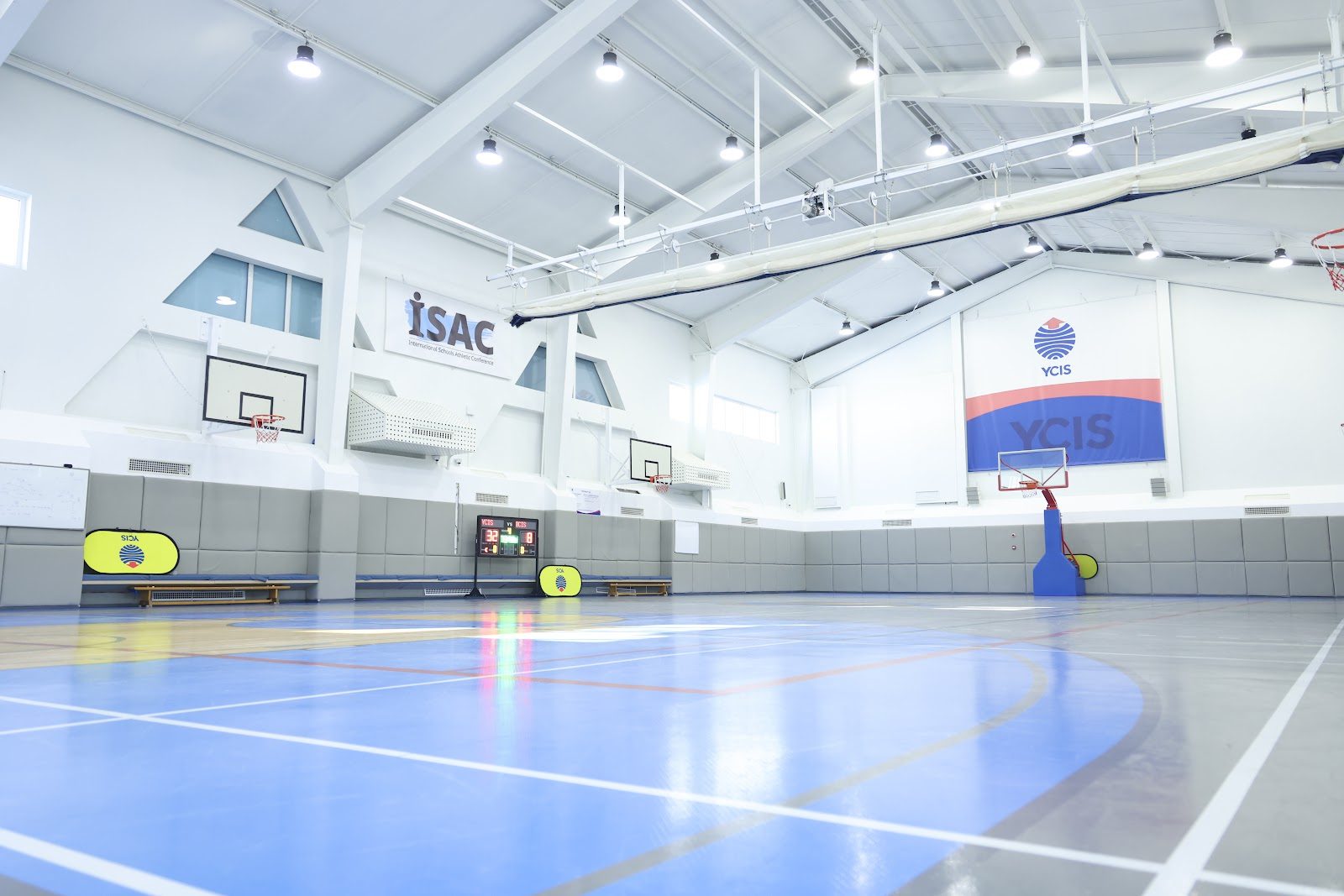
Yew Chung International School of Beijing
Beijing · China
Every classroom pairs a Western and a Chinese teacher, threading bilingual learning through a parkland Chaoyang campus.
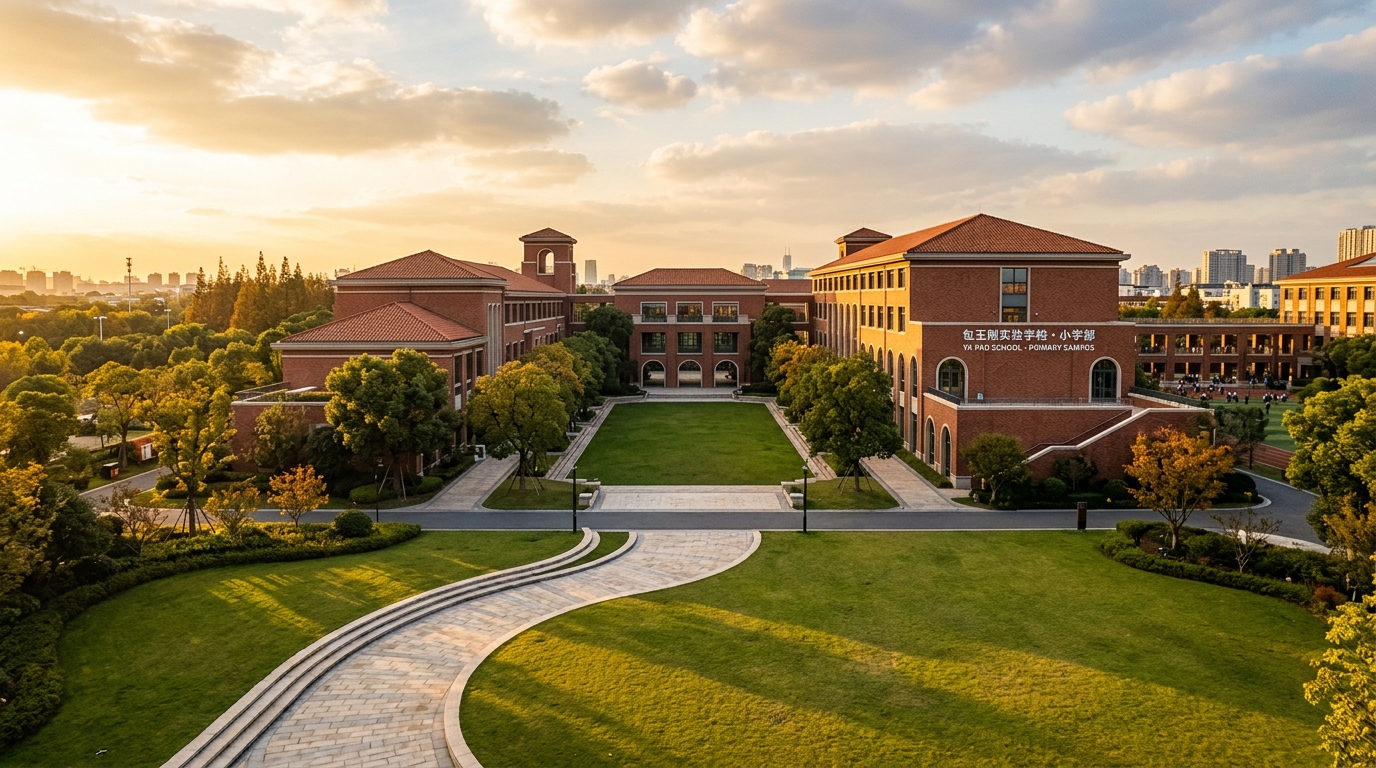
YK Pao School
Shanghai · China
Mandarin-English immersion anchors an IB and IGCSE track, with senior boarders housed in a Tudor-style village in Songjiang.
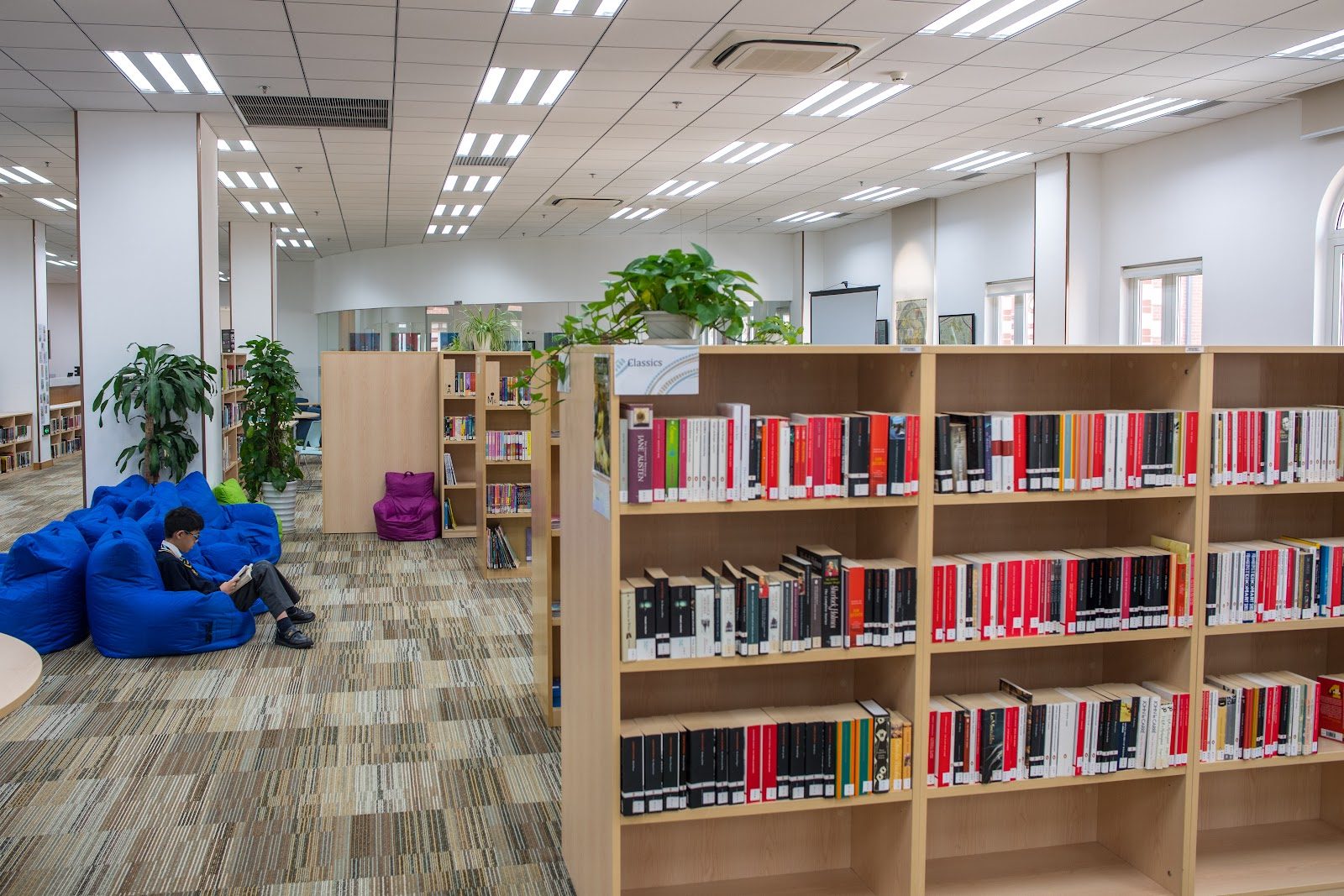
Wellington College International Shanghai
Shanghai · China
Rooted in an 1859 British foundation, this Pudong riverside campus channels house spirit into IB scores averaging 37 points.
UWC Changshu China
Changshu · China
On an island in Kuncheng Lake, mainland China's first UWC pairs the IB diploma with mandatory Mandarin study and a student-run Zhixing service programme.
Same country and curriculum — closest matches within ±10 points either way