
Budapest
American International School of Budapest
high confidence· 5/6 cats · 3.17 avg sourcesFounded by the US Embassy in 1973, this Buda Hills campus pairs an American diploma with a full IB pathway.
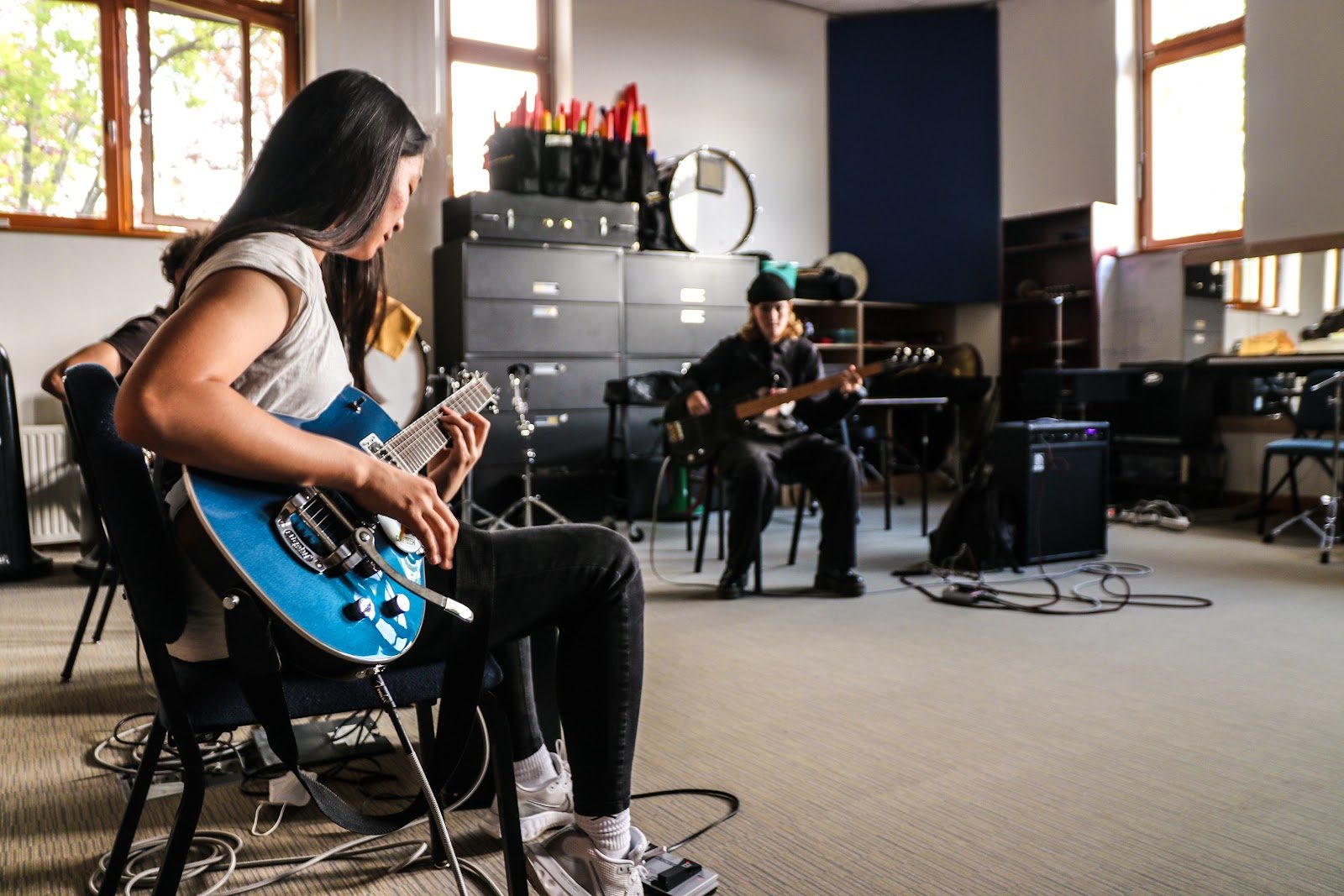
Photo © American International School of Budapest via Google Maps
Type
Day
Ages
3–18
Curriculum
American
Qualifications
AP · IB Diploma
Ratio
—
The Verdict
Editor's commitment
Right for
Families wanting an American school with a full IB pathway, MSA accreditation, and a 1973 pedigree rooted in the US Embassy.
Wrong for
Parents chasing boarding, bilingual teaching, or a huge university-results showcase; this is a day school in English with 95 leavers.
Watch out for
Nagykovácsi sits outside central Budapest, and the published 2024 destinations list is thin: Bond University, Sydney and Melbourne, one each.
Ranking breakdown
American International School of Budapest · #430 of 1591
Composite score 69.9. 8 weighted criteria.
By criterion
Academic Outcomes
Weight 20%
#511
of 1529 scored
University Placement
Weight 16%
#516
of 1529 scored
Prestige & Heritage
Weight 12%
#597
of 1571 scored
Alumni Network
Weight 12%
#389
of 1530 scored
Facilities
Weight 12%
#478
of 1534 scored
Transparency & Communications
Weight 8%
#592
of 1532 scored
Peer & Industry Review
Weight 10%
#640
of 1548 scored
Admissions Selectivity & Demand
Weight 8%
#400
of 1529 scored
Score history
American International School of Budapest · 2026
Movement across 2024–2026. Peer average overlaid.
Overall — 2024–2026
69.9/ 100
▲ +25.8 vs 2025
year on year
Peer & Industry Review
How American International School of Budapest is regarded in the sector
60
Respected · low confidence
AISB is one of the longest-established international schools in Hungary and is regularly mentioned in expat parent forums (e.g., InterNations, Expat.com Budapest threads) and international-schools directories (ISC Research, International Schools Database) as a leading option for American curriculum/IB education in Budapest, but it lacks coverage in major independent rankings like Tatler or Good Schools Guide. It is accredited by Middle States Association and offers IB, which supports a solid regional reputation among peer international schools, though third-party specialist press coverage is limited.
Evidence sources
Editors' overview
American International School of Budapest sits in the top tier of the city’s international market because it offers something few schools manage cleanly: an American school structure with the full IB pathway, on a large purpose-built campus in the Buda Hills, with the institutional ballast of a 1973 founding by the US Embassy. That origin still matters. It gives the school a diplomatic, internationally mobile DNA rather than the feel of a local private school with an English-language add-on. With about 950 students from 57 countries, AISB has the scale to run a serious programme across ages 3–18, yet it remains focused on one language of instruction: English. For parents who want international breadth without curricular muddle, that combination puts AISB firmly on the shortlist.
What distinguishes it is coherence. The school offers an American curriculum and diploma, but the full IB pathway gives academic progression a clear spine and keeps options open for families moving between systems. In market terms, this is the school for parents who want mobility without compromise: a child can enter young, stay through graduation, and leave with credentials that travel. The non-religious setting widens its appeal, and the embassy-founded heritage still lends institutional seriousness. The school’s weakness is the same factor that underpins its strength: it is a substantial, established international school, not a small boutique environment. Families seeking a tightly sheltered or highly idiosyncratic culture may find it too standardised, too broad, or simply too big.
It belongs on a shortlist because it covers the core demands of internationally mobile families with unusual completeness: stable governance, recognised accreditation through MSA and IB, an English-speaking peer group, and a student body large enough to make diversity real rather than decorative. The published university destinations for the Class of 2024 do not read as a prestige parade, and the school does not trade on selective admissions mythology. That is no bad thing. AISB’s value lies in academic continuity, global fluency and a campus culture built for families who move, adapt and expect schools to keep pace.
The students who thrive here are outward-facing, self-directed and comfortable in a mixed international community. This suits children from diplomatic, multinational and globally minded local families who want friends from many countries and a school that treats internationalism as daily fact, not branding. It also suits students who benefit from a broad programme rather than a narrow exam factory. The ideal fit is a family looking for a settled base for a mobile life — serious, established, and equipped to take a child from early years to graduation without forcing a curricular reset halfway through.
Academic Performance
AISB’s public academic picture is strikingly opaque where external outcomes are concerned. The school offers an American diploma alongside the full IB route, but it does not publish aggregate IB Diploma results, average point scores, pass rates, subject distributions or year-on-year trend data. That leaves parents without the standard benchmarks used to compare serious international schools. In a market where leading competitors put headline outcomes front and centre, that absence matters. It limits any hard judgement on whether AISB is an exam powerhouse, a solid middle performer, or a school whose strength lies more in continuity and breadth than in top-end score production.
The few destination details disclosed for the latest graduating class point to credible but unglamorous progression rather than a high-visibility university placements story. With 95 leavers, the published top destinations list is thin, and it does not support claims of outsized admissions clout. That does not count against the school academically; many internationally mobile families prioritise fit, geography and continuity over prestige theatre. But relative to peers, AISB sits in the group of established international schools whose academic reputation rests on institutional trust and programme range, not on relentless score-chasing or a trophy-case results narrative. Parents who want hard proof of elite examination performance will find the school’s disclosure too sparse.
Facilities
The campus’s main facility advantage is scale. A school serving about 950 students has the critical mass to sustain specialist spaces that smaller international schools struggle to justify or timetable well: separate age-appropriate areas, dedicated science provision, serious sports infrastructure and arts rooms that function as working departments rather than token add-ons. The Buda Hills setting also matters in practical terms. It gives the school room to breathe, which is not a given in this market. Many Budapest competitors operate on tighter urban sites with more compromised outdoor space; AISB has the footprint of a full-service international campus, not an adapted office block or a converted villa. For families who care about daily experience as much as academic structure, that translates into a more complete school day and a less cramped rhythm.
Against peers, AISB sits in the stronger bracket for breadth of provision, even if the school does not publish the sort of granular facilities inventory that would let parents test every claim. That lack of detail is a weakness. Serious schools can list labs, performance spaces, sports assets and specialist resources plainly. Even so, the school’s size and long-established status point to facilities that are substantial, purpose-built and built to handle a genuinely international intake across the full age range. It does not read like a boutique school trading on intimacy. It reads like a campus designed for volume, movement and range — institutionally confident rather than decorative.
In a market where leading competitors put headline outcomes front and centre, that absence matters
Prestige
AISB carries real prestige in Budapest’s international-school market, but it is institutional prestige rather than status theatre. The school’s standing rests on three things: its embassy origin, its scale, and the breadth of its international mix. A student body of about 950 from 57 countries gives it social and cultural weight that smaller foreign schools cannot match. That matters. Prestige in this segment does not come only from exam statistics or Oxbridge chatter; it comes from being the school trusted by diplomatic and multinational families who need a stable, internationally legible education and a peer group that reflects that world. AISB has that cachet. It reads as established, globally networked and serious.
The ceiling on that prestige is clear. AISB does not publish the kind of headline academic outcomes that drive top-tier academic reputations, and its recent university destinations do not project an elite admissions machine. So this is not a school whose name alone confers rarified academic lustre. Its prestige is broader and more social than sharply scholastic: strong among expatriate families, strong in diplomatic circles, strong for parents who value continuity and an international environment with genuine breadth. That is a solid form of prestige, and for many families it matters more than league-table vanity. But it is not the same thing as the hard-edged prestige of a school with fully transparent top-end results and a conspicuous roster of global university placements.
With 95 leavers, the published top destinations list is thin, and it does not support claims of outsized admissions clout
Communications
AISB communicates with parents in the manner of a large, established international school: structured, institutional and built for families who need dependable coordination rather than hand-held informality. That fits its community. A school serving about 950 students from 57 countries cannot run on corridor chat and ad hoc updates; it needs clear routines, centralised messaging and timely operational information. The school’s public profile also reflects that institutional cast. Core facts are easy to verify, and the school does not bury its identity behind lifestyle fluff. That matters. Parents choosing a school of this scale need competence first. On that front, AISB reads as orderly, professional and administratively serious.
The limitation is warmth and granularity. We have not seen much public evidence of the kind of detailed, high-frequency communication that lets parents judge how the school handles curriculum explanation, assessment reporting, pastoral issues or day-to-day responsiveness. Nor does the school publish the sort of rich academic outcome data that signals a culture of full-throated transparency. So the communications picture is competent rather than intimate: strong on institutional clarity, weaker on showing parents exactly how information flows when questions get specific. For many expatriate and diplomatic families, that will suffice; they want reliability, not theatre. Parents who expect constant access, boutique-level reassurance or unusually open data will find the picture too controlled.
Uniqueness
What makes AISB distinct in Budapest is not a single flagship programme or a glossy niche. It is the combination of embassy-rooted origins, a genuinely international roll, and the scale to make that diversity operational rather than symbolic. A community drawn from 57 countries changes the texture of school life: friendships, parent networks, classroom discussion and extracurricular culture all carry a wider frame of reference than at schools where “international” means a local intake taught in English. For students, that brings daily exposure to difference without the social fragmentation that can plague transient expatriate settings. The school has enough institutional heft to absorb arrivals, departures and family moves without feeling socially brittle.
That matters because many international schools promise globalism but deliver a narrow social circle and a curriculum chosen for marketability. AISB’s distinctive strength is continuity for mobile families inside a community that does not revolve around one nationality or one local elite. Students gain practice in adaptation, cross-cultural fluency and the plain habit of working with peers whose assumptions differ from their own. That is not a soft extra; it is a serious preparation for universities and workplaces that reward international ease and resilience. The trade-off is clear too: children who want a small, tightly held world will find this model less personal and less curated than a boutique school.
Parents who expect constant access, boutique-level reassurance or unusually open data will find the picture too controlled
Student Profile
This school suits children who are comfortable in motion: new classmates, departing friends, parents whose work crosses borders, and a social world that resets faster than at a local private school. The intake draws from diplomacy, international business and globally minded Hungarian families, so the dominant student type is outward-facing, adaptable and socially agile rather than rooted in one local scene. With about 57 nationalities and roughly 950 students, pupils do not need to carry the burden of being the only child from a given background; there is enough scale for students to find their people while still learning to work across difference. That makes AISB a strong fit for children who enjoy a cosmopolitan peer group, cope well with change and benefit from a school where international life is normal, not staged.
It fits less well for children who need a highly sheltered environment or who flourish only in very small communities where every adult knows every detail. The social setting is broad, mobile and institutional. Students who thrive here tend to have a degree of independence, can enter established groups without much drama, and do not need heavy status signalling from the university race around them. Families seeking a boutique atmosphere, a narrowly local friendship base, or a school culture built around one national identity will get less traction here. The best match is a child who wants range: different backgrounds, different ambitions, and a community large enough to feel genuinely international rather than performatively so.
What makes AISB distinct in Budapest is not a single flagship programme or a glossy niche
Co-curricular strengths
Arts & sport, on a separate axis
Overall 7.5/10
Scored 0-10 from the school's own published evidence. This axis is editorial-only — it does not feed the main WTS ranking.
Sports
8.3/10
The extracurriculars explicitly list Basketball, Soccer and Volleyball, showing a clear multi-sport offering with visible participation.
Drama
7.8/10
Theater Productions, which is stronger than a bare mention of drama because it indicates recurring staged activity, but there is no evidence of a theatre facility, department or specialist staff.
Dance
5.8/10
Music
7.8/10
Choir Ensemble and Jazz Band are both explicitly listed, indicating multiple named music ensembles and structured participation, though no dedicated music facility, department or awards are described.
Visual Arts
7.8/10
Visual Arts Club is explicitly named in the extracurriculars, but there is no further detail on facilities, exhibitions, specialist staff or breadth of programme.
Editor first-pass · editor-reviewable · 7/28/2026
Outcomes & destinations
Where students go next
Class of 2024
95 graduates
Top destinations
363 placements
- Bond University· 1
- The University of Sydney· 1
- University of Melbourne· 1
- IMC University of Applied Sciences of Krems· 1
- Sigmund Freud University· 1
- University of Applied Sciences of Bfi Vienna· 1
- Vienna University of Economics and Business· 1
- Webster University Vienna· 1
- Thomas More University College· 1
- Acadia University· 1
- Dalhousie University· 1
- McGill University· 1
- McMaster University· 1
- Mount Allison University· 1
- Queen’s University· 1
- Simon Fraser University· 1
- The University of British Columbia· 1
- University of Alberta· 1
- University of Calgary· 1
- University of Guelph· 1
- University of Prince Edward Island· 1
- University of Toronto· 2
- University of Waterloo· 1
- University of Windsor· 1
- Western University· 1
- York University· 1
- The Hong Kong Polytechnic University· 1
- The Hong Kong University of Science and Technology· 1
- The University of Hong Kong· 1
- University of Zagreb· 1
- Anglo-American University· 1
- Charles University In Prague· 1
- Czech University of Life Sciences· 1
- Copenhagen Business School· 1
- University of Southern Denmark· 1
- Amos Sport Management School· 1
- College Universitaire de Sciences Po· 1
- Ecole de l’Image Les Gobelins· 1
- Edhec Business School· 2
- Esmod France· 1
- Essec Business School· 1
- Lisaa - l’Institut Supérieur Des Arts Appliqués· 1
- Neoma Business School· 1
- Paris College of Art· 1
- Paris Fashion School - Institut Français de La Mode· 1
- Sciences Po La Havre Campus· 1
- The American University of Paris· 1
- Berlin School of Business and Innovation· 1
- Cologne Business School· 1
- Frankfurt School of Finance and Management· 1
- Media Design University of Applied Sciences· 1
- Budapest Business School· 2
- Budapest University of Technology and Economics· 1
- Central European University· 1
- Corvinus University· 1
- Eötvös Loránd University· 1
- International Business School· 1
- Semmelweis University of Medical Sciences· 1
- National College of Ireland· 1
- Trinity College Dublin· 1
- University College Cork· 1
- University College Dublin· 2
- University of Galway· 1
- Reichman University· 1
- Bocconi University· 2
- European School of Economics Florence (ESE Florence)· 1
- Florence Institute of Design International (fidi)· 1
- Istituto Marangoni· 1
- Luiss University Rome· 1
- Polimoda - the Fashion School· 1
- Politecnico Di Milano· 1
- Raffles Design International· 1
- Universita Cattolica Del Sacro Cuore· 1
- Nagoya University of Commerce and Business· 1
- Ewha Women’s University· 1
- Hanyang University· 1
- Korea University· 1
- Seoul National University· 1
- Sungkyunkwan University· 1
- Yonsei University· 1
- Lunex University· 1
- Monterrey Institute of Technology· 1
- International University of Monaco· 1
- Amsterdam University College· 1
- Erasmus University College· 1
- Erasmus University Rotterdam· 1
- Fontys University of Applied Sciences· 1
- Gerrit Rietveld Academie· 1
- Han University of Applied Sciences· 1
- Hanze University of Applied Sciences· 1
- Hz University of Applied Sciences· 1
- Leiden University· 1
- Maastricht University· 1
- NHL Stenden University of Applied Sciences· 1
- Radboud University· 1
- Technical University of Delft· 2
- Technical University of Eindhoven· 1
- The Hague University of Applied Sciences· 1
- Tilburg University· 1
- Tio University of Applied Sciences· 1
- University College Groningen· 1
- University College Roosevelt· 1
- University College Maastricht· 1
- University College Tilburg· 1
- University College Utrecht· 1
- University of Amsterdam· 1
- University of Groningen· 1
- University of Twente· 1
- Utrecht University· 1
- Vrije Universiteit Amsterdam· 1
- Wageningen University· 1
- Moscow State Institute of International Relations (University)· 1
- Nanyang Technological University· 1
- National University of Singapore· 1
- Eada Business School· 1
- ESADE Business School· 1
- Esic Business and Marketing School· 1
- EU Business School - Barcelona· 1
- European Institute of Design, Madrid· 1
- IE University· 2
- La Salle Ramon Llull University· 1
- University of Navarra· 1
- Saint Louis University Madrid· 1
- Toulouse Business School Barcelona· 1
- Universidad Europea de Madrid· 1
- Universitat Pompeu Fabra· 1
- University CEU Cardenal Herrera· 1
- Vatel Madrid International Hotel & Tourism Management School· 1
- Stockholm School of Economics· 1
- BBusiness and Hotel Management School· 1
- EHL Hospitality Business School· 1
- Franklin University Switzerland· 1
- Geneva School of Diplomacy· 1
- Glion Institute of Higher Education· 1
- ETH Zurich· 1
- Institute of Finance and Management· 1
- Webster University, Geneva· 1
- Abertay University· 1
- Arts University Bournemouth· 1
- Bath Spa University· 1
- Birkbeck, University of London· 1
- Birmingham City University· 1
- Bournemouth University· 1
- Bristol, University of the West of England· 1
- Buckinghamshire New University· 1
- Cardiff University· 1
- City, University of London· 1
- De Montfort University· 1
- Durham University· 1
- Glasgow School of Art· 1
- Goldsmiths, University of London· 1
- Hult International Business School· 1
- Imperial College London· 1
- Keele University· 1
- King’s College London· 2
- Kingston University· 1
- Lancaster University· 1
- London Metropolitan University· 1
- London School of Economics and Political Science· 1
- London South Bank University· 1
- Loughborough University· 1
- Manchester Metropolitan University· 1
- MetFilm· 1
- Middlesex University· 1
- Newcastle University· 1
- Northeastern University London· 1
- Oxford Brookes University· 1
- Queen Mary University of London· 1
- Queen’s University Belfast· 1
- Regent’s University London· 1
- Richmond American University London· 1
- Royal Birmingham Conservatoire· 1
- Royal Holloway, University of London· 1
- Royal Northern College of Music· 1
- SAE Institute· 1
- SOAS University of London· 1
- Swansea University· 1
- The University of Edinburgh· 1
- Trinity Laban Conservatoire of Music and Dance· 1
- University College London· 1
- University For the Creative Arts· 1
- University of Bath· 1
- University of Birmingham· 1
- University of Brighton· 1
- University of Bristol· 1
- University of Exeter· 1
- University of Glasgow· 1
- University of Kent· 1
- University of Leeds· 1
- University of Liverpool· 1
- University of Manchester· 1
- University of Nottingham· 1
- University of Reading· 1
- University of Sheffield· 1
- University of Southampton· 1
- University of St Andrews· 1
- University of Sunderland· 1
- University of Surrey· 1
- University of Sussex· 1
- University of the Arts London· 1
- University of Warwick· 1
- University of West London· 1
- University of Westminster, London· 1
- University of Winchester· 1
- University of York· 1
- York St John University· 1
- American University· 1
- Arizona State University· 1
- Augusta University· 1
- Augustana University· 1
- Barnard College· 1
- Baylor University· 1
- Bentley University· 1
- Berklee College of Music· 1
- Boston Conservatory At Berklee· 1
- Boston University· 1
- Brandeis University· 1
- Brigham Young University· 1
- Brigham Young University-Idaho· 1
- Brown University· 1
- Butler University· 1
- California Lutheran University· 1
- Carnegie Mellon University· 1
- Case Western Reserve University· 1
- Chapman University· 1
- Christopher Newport University· 1
- Clemson University· 1
- Colgate University· 1
- College of Charleston· 1
- Colorado State University· 1
- Columbia University· 1
- Concordia College· 1
- Connecticut College· 1
- Cooper Union College· 1
- Cornell University· 1
- Denison University· 1
- Depaul University· 1
- Duke University· 1
- Elon University· 1
- Emerson College· 1
- Fairmont State University· 1
- Fordham University· 1
- George Mason University· 1
- George Washington University· 1
- Georgetown University· 1
- Georgia Institute of Technology-Main Campus· 1
- Georgia State University· 1
- Gonzaga University· 1
- Goucher College· 1
- Grinnell College· 1
- Haverford College· 1
- High Point University· 1
- Hofstra University· 1
- Hult International Business School· 1
- Illinois Institute of Technology· 1
- James Madison University· 1
- Lewis & Clark College· 1
- Los Angeles College of Music· 1
- Loyola Marymount University· 1
- Loyola University Chicago· 1
- Macalester College· 1
- Marquette University· 1
- Massachusetts College of Art and Design· 1
- Massachusetts College of Pharmacy and Health Sciences· 1
- Miami University-Oxford· 1
- Michigan State University· 1
- New York University· 1
- Northeastern University· 1
- Northwestern University· 1
- Nova Southeastern University· 1
- Oberlin College· 1
- Occidental College· 1
- Ohio State University· 1
- Oregon State University· 1
- Pennsylvania State University· 1
- Pepperdine University· 1
- Pratt Institute· 1
- Princeton University· 1
- Purdue University· 1
- Quinnipiac University· 1
- Rensselaer Polytechnic Institute· 1
- Rice University· 1
- Rutgers University· 1
- San Diego State University· 1
- Santa Clara University· 1
- Savannah College of Art and Design· 1
- School of the Art Institute of Chicago· 1
- School of Visual Arts· 1
- Smith College· 1
- St Olaf College· 1
- Stony Brook University· 1
- Susquehanna University· 1
- Swarthmore College· 1
- Syracuse University· 1
- Texas A & M University· 1
- The College of Wooster· 1
- The New School· 1
- The University of Alabama· 1
- Tufts University· 1
- University of Alaska Fairbanks· 1
- University of Arizona· 1
- University of California-Davis· 1
- University of California-Irvine· 1
- University of California-Los Angeles· 1
- University of California-Riverside· 1
- University of California-San Diego· 1
- University of California-Santa Barbara· 1
- University of California-Santa Cruz· 1
- University of Colorado Boulder· 1
- University of Connecticut· 1
- University of Delaware· 1
- University of Denver· 1
- University of Florida· 1
- University of Illinois Urbana-Champaign· 1
- University of Iowa· 1
- University of Kansas· 1
- University of La Verne· 1
- University of Maryland-College Park· 1
- University of Massachusetts-Amherst· 1
- University of Miami· 1
- University of Michigan-Ann Arbor· 1
- University of Michigan-Dearborn· 1
- University of Michigan-Flint· 1
- University of Minnesota-Twin Cities· 1
- University of Missouri· 1
- University of North Carolina At Asheville· 1
- University of North Carolina At Chapel Hill· 1
- University of Notre Dame· 1
- University of Oregon· 1
- University of Pennsylvania· 1
- University of Pittsburgh· 1
- University of Richmond· 1
- University of San Francisco· 1
- University of South Carolina· 1
- University of Southern California· 1
- University of Tulsa· 1
- University of Vermont· 1
- University of Virginia· 1
- University of Washington-Seattle Campus· 1
- University of Washington-Tacoma Campus· 1
- University of Wisconsin-Madison· 1
- Virginia Commonwealth University· 1
- Virginia Polytechnic Institute· 1
- Wake Forest University· 1
- Washington State University· 1
- Wellesley College· 1
- Wesleyan University· 1
- Western Colorado University· 1
- Western Washington University· 1
- Wheaton College· 1
- William & Mary· 1
- Williams College· 1
- Worcester Polytechnic Institute· 1
- Yale University· 1
- York College of Pennsylvania· 1
Reported by the school. Confirm with admissions.
Strengths
- +Founded in 1973 by the United States Embassy and accredited by the Middle States Association of Colleges and Schools and by the Council of International Schools, giving it a long institutional track record and dual external quality checks.
- +Students graduate with the AISB High School Diploma, the IB Diploma, or a combination such as AISB Diploma + IB Diploma or AISB Diploma + Innovation Diploma, offering flexibility for university applications in the US and elsewhere.
- +The 16-hectare campus houses Middle/High and Elementary buildings, libraries, theatres, a design technology suite, and arts facilities, plus two gyms, a 25m pool, a theatre, and playing fields.
- +For the IB Diploma results for Class of 2024: Cohort size 95; Full Diploma Students 78 (82%); Pass Rate 92; Mean points score (WW) 35, a respectable showing for a school that is not IB-only.
- +Today, AISB serves the needs of a rapidly expanding international population, including families of the local and expatriate business and diplomatic communities, as well as host-country nationals.
Considerations
- −AISB operates four divisions on one rural campus in Nagykovácsi (on the outskirts of Budapest), meaning most families rely on a school bus rather than a short city commute.
- −As of 2025, the International School of Budapest ranks as the third most expensive private school in Hungary, following the American International School of Budapest and the British International School Budapest, indicating AISB sits at the top of the local fee scale, with tuition for 2025/26 including a Building fee (annual, non-refundable): USD 3,500 (charged each school year) and a USD 650 application fee on top of tuition.
- −The International Baccalaureate Program is offered to students in grades 11 and 12 only, so younger students do not follow a full IB continuum unlike some rival schools in the city.
Availability
Primary entry gate & tests
Academic Record
Gallery
Photo © American International School of Budapest via Google Maps
Photo © American International School of Budapest via Google Maps
Photo © American International School of Budapest via Google Maps
Photo © American International School of Budapest via Google Maps
Photo © Balazs Kotroczo via Google Maps
Parent reviews
Have you sent your child here?
Voice reviews carry the strongest trust badge — we transcribe them for you to tidy up before they go live. Prefer to type? A written review is fine too.
Add your voice
In 60 seconds, tell other parents: what's the best thing about American International School of Budapest, and what surprised you when your child joined?
We ask for a Google sign-in so every review has a real face behind it — no anonymous drive-by attacks on schools, and no faked positive reviews. Your email is never shown publicly.
Send this profile to a friend
International parents rely on word-of-mouth. Share this review with someone weighing the same decision.
Schools with places
Similar schools to American International School of Budapest with places available now.
American International School Vienna
Vienna · Austria
- 2026-27
- WAITPOOLSpace-dependent
- 2027-28
- PLACES OPENRolling
Grace Church School
New York City · United States
- 2026-27
- CLOSEDConfirmed full
- 2027-28
- OPENS SOONOpens post-Labor Day '26
Ridley College
St Catharines · Canada
- 2026-27
- WAITPOOLLimited Lower/Middle day
- 2027-28
- PLACES OPENActive now
Episcopal High School
Alexandria · United States
- 2026-27
- CLOSEDRegular cycle closed
- 2027-28
- OPENS SOONOpens Sept '26
Availability first, then country, area, curriculum, price, co-curricular
Consider also
Also worth looking at alongside American International School of Budapest.

American International School Vienna
Vienna · Austria
Austria's longest-running English-language school pairs an embassy-founded campus by the Vienna Woods with a CERN-linked physics program.
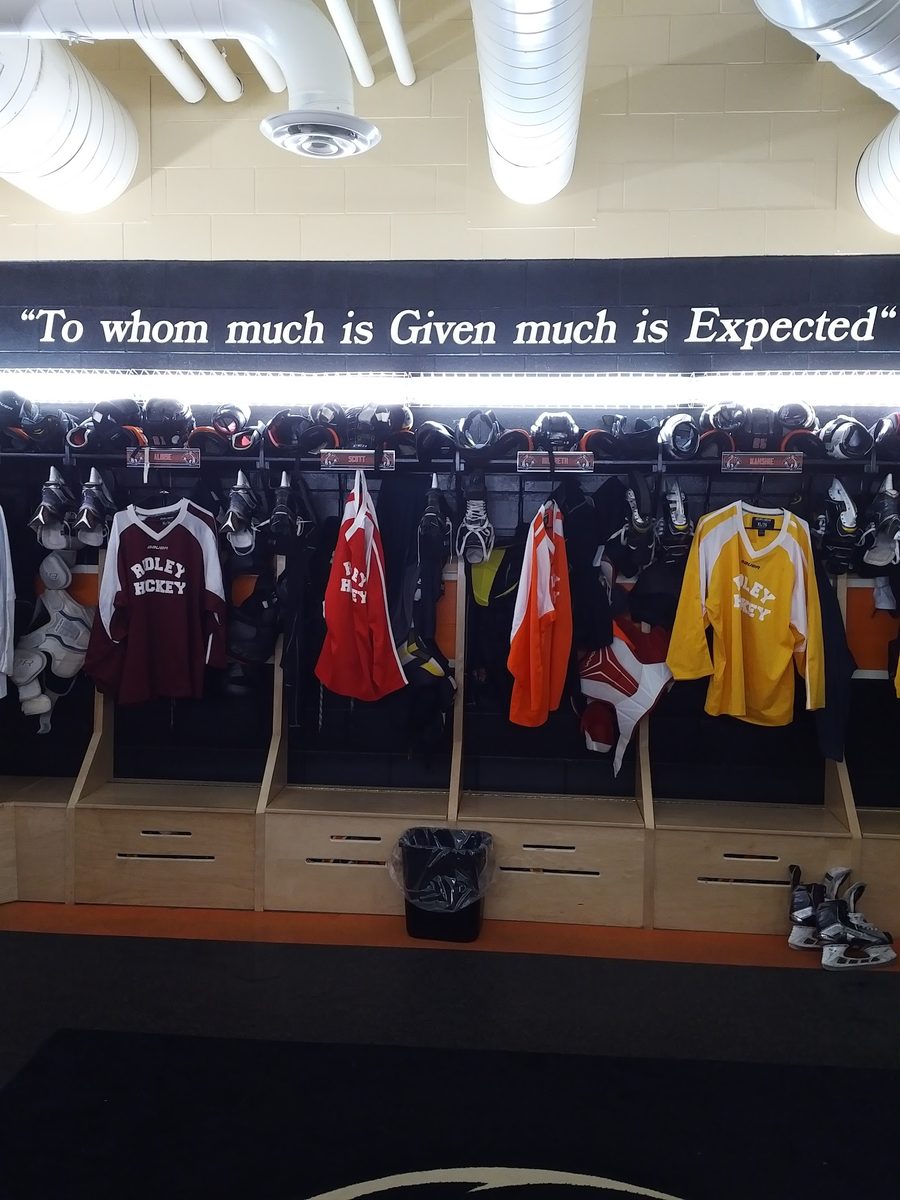
Ridley College
St Catharines · Canada
St Catharines day-and-boarding school blending Ontario's OSSD with the full IB continuum
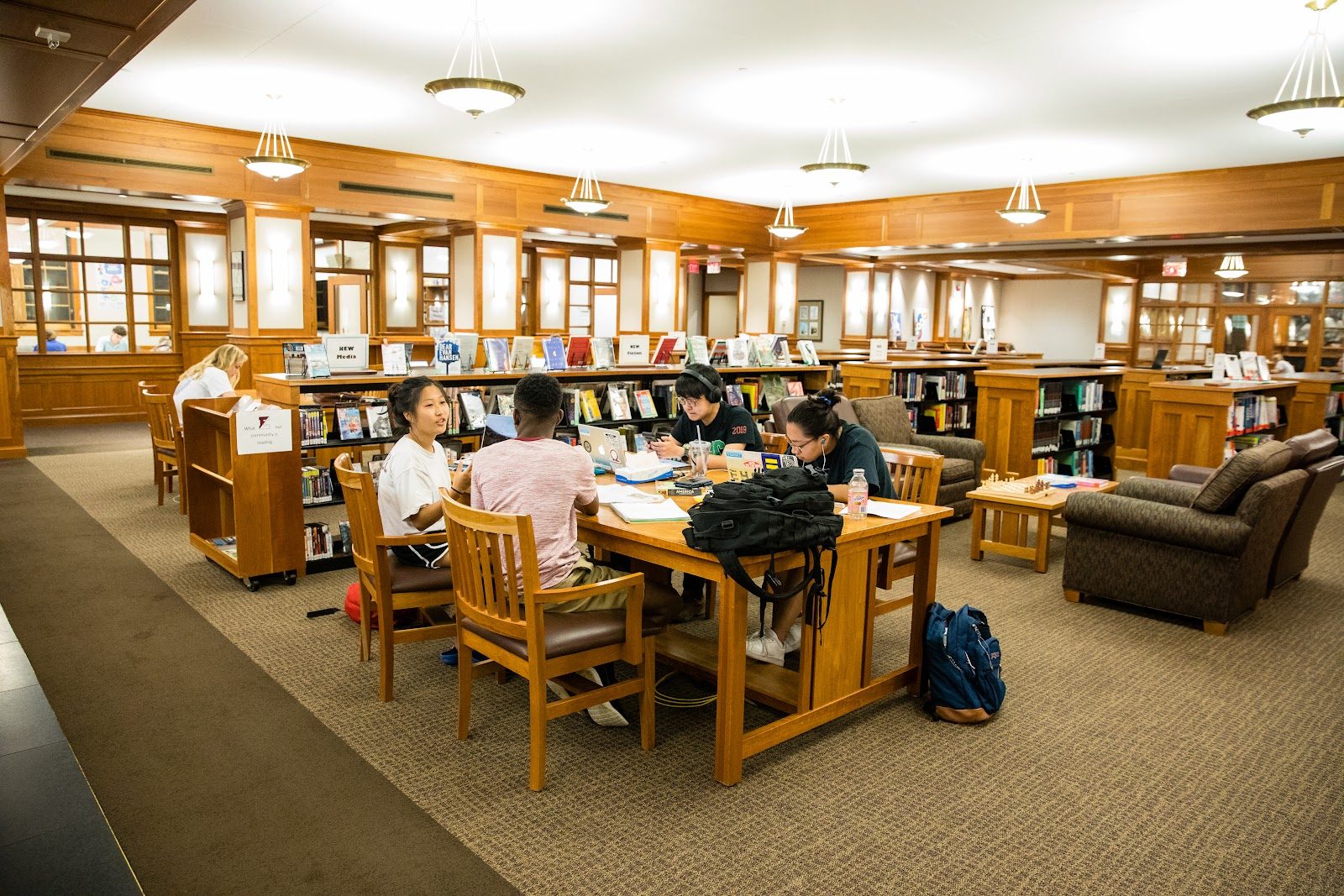
Episcopal High School
Alexandria · United States
A 130-acre hilltop campus 10 minutes from the Capitol, running America's only fully residential school of its caliber in a major metro area.
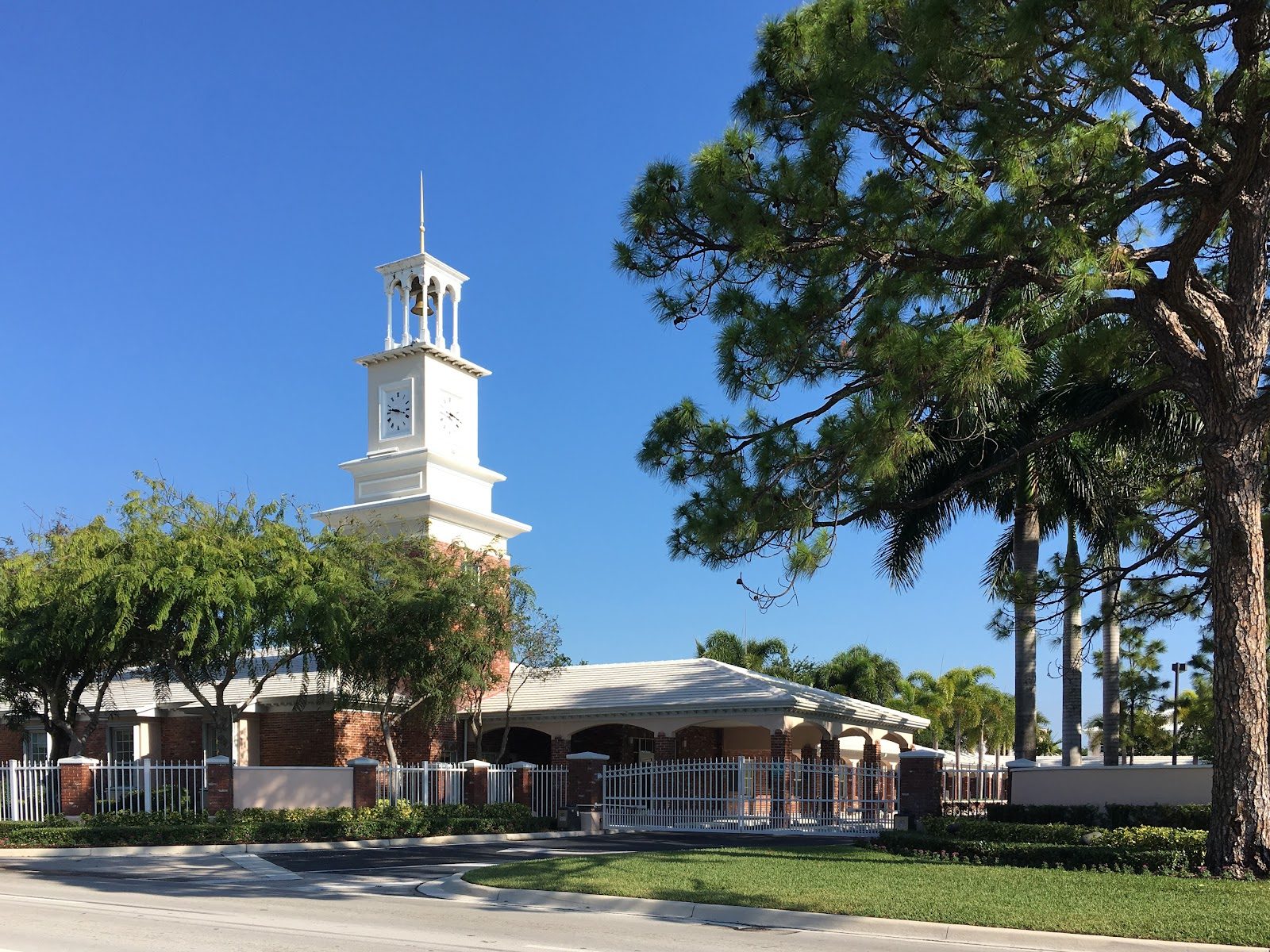
Pine Crest School
Fort Lauderdale · United States
Born as a 1930s tutoring practice for winter visitors, this Fort Lauderdale day school now tops the nation's Challenge Index rankings.
Same country and curriculum — closest matches within ±10 points either way