
Uttarakhand
Sherwood College
low confidence· 6/6 cats · 0 avg sourcesSince 1869, a Gothic-arched campus above Nainital Lake where houses named for Robin Hood's band shape ICSE scholars and athletes.
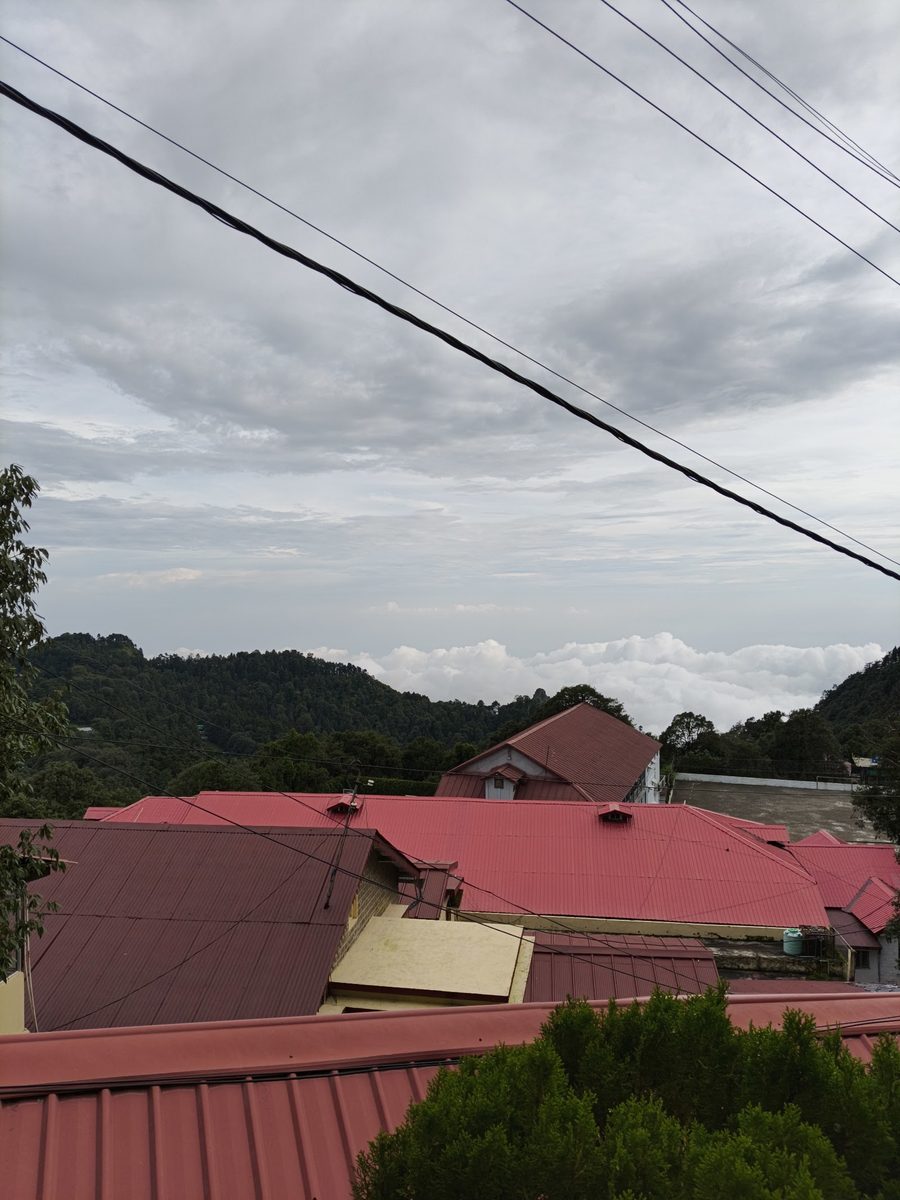
Photo © Suraj Arya via Google Maps
Type
Boarding
Ages
11–18
Curriculum
ICSE / ISC (CISCE)
Ratio
12:1
The Verdict
Editor's commitment
Right for
Boarders aged 11–18 who want an English-medium CISCE school founded in 1869, with a 12:1 ratio and 24-pupil classes.
Wrong for
Families wanting day schooling, a secular school without boarding, or anything outside Sherwood's Nainital campus and ICSE/ISC route.
Watch out for
Wikipedia adds IGCSE; the school context lists ICSE/ISC only. Verify the actual senior pathway before paying for boarding.
Ranking breakdown
Sherwood College · #529 of 1591
Composite score 68.6. 8 weighted criteria.
By criterion
Academic Outcomes
Weight 20%
#667
of 1529 scored
University Placement
Weight 16%
#736
of 1529 scored
Prestige & Heritage
Weight 12%
#438
of 1571 scored
Alumni Network
Weight 12%
#289
of 1530 scored
Facilities
Weight 12%
#721
of 1534 scored
Transparency & Communications
Weight 8%
#778
of 1532 scored
Peer & Industry Review
Weight 10%
#640
of 1548 scored
Admissions Selectivity & Demand
Weight 8%
#489
of 1529 scored
Peer & Industry Review
How Sherwood College is regarded in the sector
58
Credible · low confidence
Sherwood College is a well-established 1869-founded boarding school in Nainital that regularly appears in general 'best boarding schools in India' listicles (e.g., Careers360, India Today/C-fore surveys) alongside better-known heritage institutions like Doon School and Mayo College, but it lacks the depth of independent coverage in specialist outlets like Tatler or Good Schools Guide International that top-tier Indian schools receive. Its alumni network and reputation appear largely regional/national rather than internationally benchmarked, with limited verifiable third-party editorial deep-dives beyond ranking-list inclusions.
Editors' overview
Sherwood College sells something many Indian boarding schools cannot: age, altitude and a campus with real character. Founded in 1869, it sits above Nainital Lake in a setting that gives it old hill-school romance without needing to manufacture heritage. The Gothic architecture, the house system and the Robin Hood references are not decorative add-ons; they are the spine of the place. For parents who want a boarding school that feels rooted rather than assembled, Sherwood has a clear advantage. It is also small enough to avoid the anonymity of the biggest Indian boarding brands, with a 12:1 student–teacher ratio and average classes of 24. That points to decent classroom access and a community where pupils get known.
Its market position is straightforward: traditional full boarding, English-medium, CISCE academics, and a strong co-curricular identity. Sherwood is not the choice for families chasing novelty, glossy futurism or a sprawling international-school model. It is for those who want institutional memory, house loyalty and structured adolescence in a school that still treats boarding as the main event, not a side offering. The ICSE/ISC route suits students who do well with a disciplined academic framework and clear external benchmarks. The school’s age range, 11–18, also makes it a serious all-through secondary proposition rather than a temporary stop before sixth form elsewhere.
What puts Sherwood on a shortlist is the combination of setting and culture. A hill campus changes the rhythm of school life; it brings mountain air, distance from distraction and a stronger sense of enclosure than day schools or urban boarders can manage. That matters for children who thrive on routine, sport, inter-house competition and communal life. It also matters for parents who want a school where character formation is not a slogan but part of the daily structure. The non-religious identity broadens its appeal in a market where many historic boarding schools still lean heavily on confessional tradition.
The best fit is a student who wants more than academics alone: someone competitive, socially robust, and ready for shared rules and shared space. Sherwood will suit pupils drawn to earned belonging, visible tradition and boarding-school camaraderie. It will not suit children who need a highly flexible, ultra-modern or lightly supervised environment. In a crowded Indian boarding market, Sherwood’s strength lies in clarity. It knows what it is, and that is rarer than schools admit.
Academic Performance
Sherwood’s public academic picture is thin, and that matters. We have not seen aggregate ICSE or ISC outcomes, subject-level distributions, university destination data, or any longitudinal record that would let parents place the school securely against India’s stronger CISCE boarders. In this market, serious academic operators publish top-line board results and, at the better end, the share of high scorers across subjects. Sherwood does not give parents that level of proof here. That does not mean weak results; it means opaque results. For a school with an established reputation and a settled identity, that is a gap.
Where does that leave it relative to peers? Not in the results-forward bracket occupied by schools that use published board performance as a central part of their academic case. Sherwood fits more comfortably in the group where culture, house life and institutional tradition carry as much weight as exam publicity. For some families, that balance is attractive. For academically exacting parents comparing boarding schools on hard outcomes, it is a limitation. The low staffing ratio and average class size point to conditions that can support strong attainment — 12:1 and 24 are respectable numbers — but inputs are not outcomes. Until the school publishes clear external examination data, its academic standing remains hard to verify rather than clearly evidenced.
Facilities
Sherwood’s main facility advantage is not a catalogue of specialist centres; it is the campus itself. A historic hill-school site with Gothic buildings and a strong house structure gives the school something many Indian boarders lack: physical identity. That matters more than brochure language admits. At schools in this bracket, setting shapes daily life — assembly, games, movement between buildings, evening prep, supervision, and the sense that pupils live inside a defined institution rather than a generic education compound. Sherwood’s scale also works in its favour. With average classes of 24, facilities do not face the same pressure as they do at bigger boarding schools where pitches, labs and performance spaces are shared more thinly across a larger roll. For parents, the attraction is coherence, contained community and a campus that feels earned rather than engineered.
Against peers, that puts Sherwood in the strong middle-to-upper range for atmosphere and functional boarding-school infrastructure, not in the top tier for visibly modern capital investment. We have not seen a public case for cutting-edge science complexes, design labs, elite aquatics provision or the sort of high-spec indoor sports architecture that now distinguishes newer premium competitors. That is the trade-off. Sherwood offers character-rich facilities and the practical advantages of an established residential campus; it does not sell a flash modern build. Families choosing it are choosing grounds, houses and institutional texture over architectural spectacle.
Sherwood College sells something many Indian boarding schools cannot: age, altitude and a campus with real character
Prestige
Sherwood carries real domestic boarding-school prestige, but it is a specific kind of prestige. This is not the status of a results machine with aggressively published outcomes, nor the international cachet of a global-brand school. Its standing rests on heritage, recognisable culture and name recognition within India’s traditional boarding circuit. The hill setting, the old architecture and the house identity give it the sort of institutional texture that newer schools cannot fake. That matters in this segment: parents do not buy Sherwood for novelty; they buy it for continuity, ritual and the social confidence that attaches to a school with a long memory. The small scale and 12:1 staffing ratio reinforce that impression of a place where pupils are known rather than processed.
The ceiling on that prestige is clear. Sherwood has cultural weight, but not full academic authority in the absence of published aggregate board results and destination data. Schools at the top of the prestige table now need both inheritance and proof. Sherwood has the first in abundance and the second in short supply. That keeps it in the bracket of respected old-school boarders rather than the most academically commanding names in the market. For families who prize atmosphere, tradition and formative boarding life, that distinction will not matter much. For families who equate prestige with transparent outcomes and university traction, it matters a great deal.
The school’s age range, 11–18, also makes it a serious all-through secondary proposition rather than a temporary stop before sixth form elsewhere
Communications
Sherwood’s parent communication fits the school’s wider identity: traditional, functional and more institutional than polished. For an all-through boarding school, that raises the bar. Parents hand over a great deal of daily visibility when children live on campus, so communication needs to do more than announce fixtures and term dates; it needs to show how the school thinks, how pupils are progressing, and how families stay connected to boarding life. We have not seen a strong public signal of that depth. The website establishes the basics and the school’s character clearly enough, but it does not project the kind of high-transparency culture that now distinguishes the best-run boarding schools. In that sense, Sherwood feels old-school in its communications as well as in its architecture and culture.
That is not fatal. Many parents choosing a school like this value steadiness over spin, and Sherwood’s audience may even prefer restraint to constant digital noise. But restraint is only a virtue when backed by clarity. Here, the public-facing communication leaves open questions: how academic reporting works, how boarding updates are handled, how quickly concerns are answered, and how much pastoral detail reaches home. Those are not minor points in a residential setting; they are central. The school communicates enough to convey identity, but not enough to prove exceptional parent partnership. Verdict: competent rather than impressive, with room for a more direct, confidence-building approach.
Uniqueness
What sets Sherwood apart is not a branded “experience” but a fully inhabited mythology. The Robin Hood framing, the house loyalties and the Gothic hill campus are not surface styling; they give pupils a school life with plot, symbols and memory. That matters more than marketers admit. Adolescents respond to institutions that ask them to belong to something larger than themselves, and Sherwood has a thick inherited culture that many newer schools lack. The setting above the lake sharpens that effect. Daily life happens in a place with edges, weather and visual drama, not on a flat suburban campus that could sit anywhere. For students, that brings a stronger sense of occasion, a clearer social identity and the kind of communal memory that survives long after exam season.
Its other point of difference is scale. With a 12:1 ratio and classes averaging 24, Sherwood retains the intimacy that large Indian boarding schools struggle to keep. Pupils are less easy to lose, both academically and socially. That cuts two ways. Students who want anonymity will not enjoy it; students who benefit from recognition, accountability and constant participation will. The result is a school that can still deliver earned belonging rather than mass-managed pastoral care. Sherwood’s uniqueness lies in that combination: old ritual, enclosed community and a small enough population for the culture to feel lived rather than staged.
In this market, serious academic operators publish top-line board results and, at the better end, the share of high scorers across subjects
Student Profile
The best fit here is a pupil who wants structure and can live inside it without constant resistance. Sherwood suits students who like ritual, competition and being part of a visible collective. House loyalties matter; games matter; turnout, conduct and shared expectations matter. Children who enjoy clear rules, earned status and the social energy of communal life will find traction quickly. So will those with enough resilience to handle the frictions of adolescence in close quarters. This is not a place for a child who needs wide personal latitude, frequent privacy or a highly negotiable culture. The school’s small scale and 12:1 ratio mean pupils are known, and that cuts against anyone hoping to disappear into the background.
Socially, Sherwood will reward students who are robust, participatory and comfortable with interdependence. Boarders who make friends fast, recover from setbacks, and can hold their own in a competitive peer group are the natural match. Academically, the school fits steady workers better than erratic high-ability underachievers who rely on charm or last-minute rescue. It also suits families who value old-school accountability over therapeutic language and who want school to shape habits as well as grades. The weaker fit is a child who needs a soft-edged environment, heavy customisation or a campus culture built around individual preference. Sherwood asks pupils to join something larger than themselves. For the right teenager, that is formative; for the wrong one, it is constricting.
Schools at the top of the prestige table now need both inheritance and proof
Co-curricular strengths
Arts & sport, on a separate axis
Overall 8.44/10
Scored 0-10 from the school's own published evidence. This axis is editorial-only — it does not feed the main WTS ranking.
Sports
9.2/10
Drama
8.5/10
Dance
7.5/10
Music
8.5/10
Visual Arts
8.5/10
Strengths
- +Established in 1869; unusually long institutional continuity.
- +Boarding format suits families needing full residential provision.
- +English-medium teaching eases transition for many expatriate students.
- +12:1 student-teacher ratio allows comparatively close oversight.
Considerations
- −Boarding-only model limits flexibility for day-school families.
- −Ages 11–18 excludes younger children needing one campus.
- −Average class size 24 may feel large for some.
Availability
Primary entry gate & tests
Internal Assessment
Gallery
Photo © Monu Sohal via Google Maps
Photo © Aryan Solanki via Google Maps
Photo © Rajesh Loshali via Google Maps
Photo © arun kumar shah via Google Maps
Photo © Monu Sohal via Google Maps
Photo © Monu Sohal via Google Maps
Photo © Anshul Bansal via Google Maps
Photo © Anshul Bansal via Google Maps
Photo © Santosh Budhlakoti via Google Maps
Parent reviews
Have you sent your child here?
Voice reviews carry the strongest trust badge — we transcribe them for you to tidy up before they go live. Prefer to type? A written review is fine too.
Add your voice
In 60 seconds, tell other parents: what's the best thing about Sherwood College, and what surprised you when your child joined?
We ask for a Google sign-in so every review has a real face behind it — no anonymous drive-by attacks on schools, and no faked positive reviews. Your email is never shown publicly.
Send this profile to a friend
International parents rely on word-of-mouth. Share this review with someone weighing the same decision.
Schools with places
Similar schools to Sherwood College with places available now.
Woodstock School
Mussoorie · India
- 2026-27
- CLOSED
- 2027-28
- OPENS SOONOpens 17 Aug '26
The Doon School
Dehradun · India
- 2026-27
- CLOSEDStandard route
- 2027-28
- PLACES OPENAutumn '26 Exam
Welham Girls' School
Dehradun · India
- 2026-27
- WAITPOOLSpace-dependent
- 2027-28
- PLACES OPENRolling
Availability first, then country, area, curriculum, price, co-curricular
Consider also
Also worth looking at alongside Sherwood College.
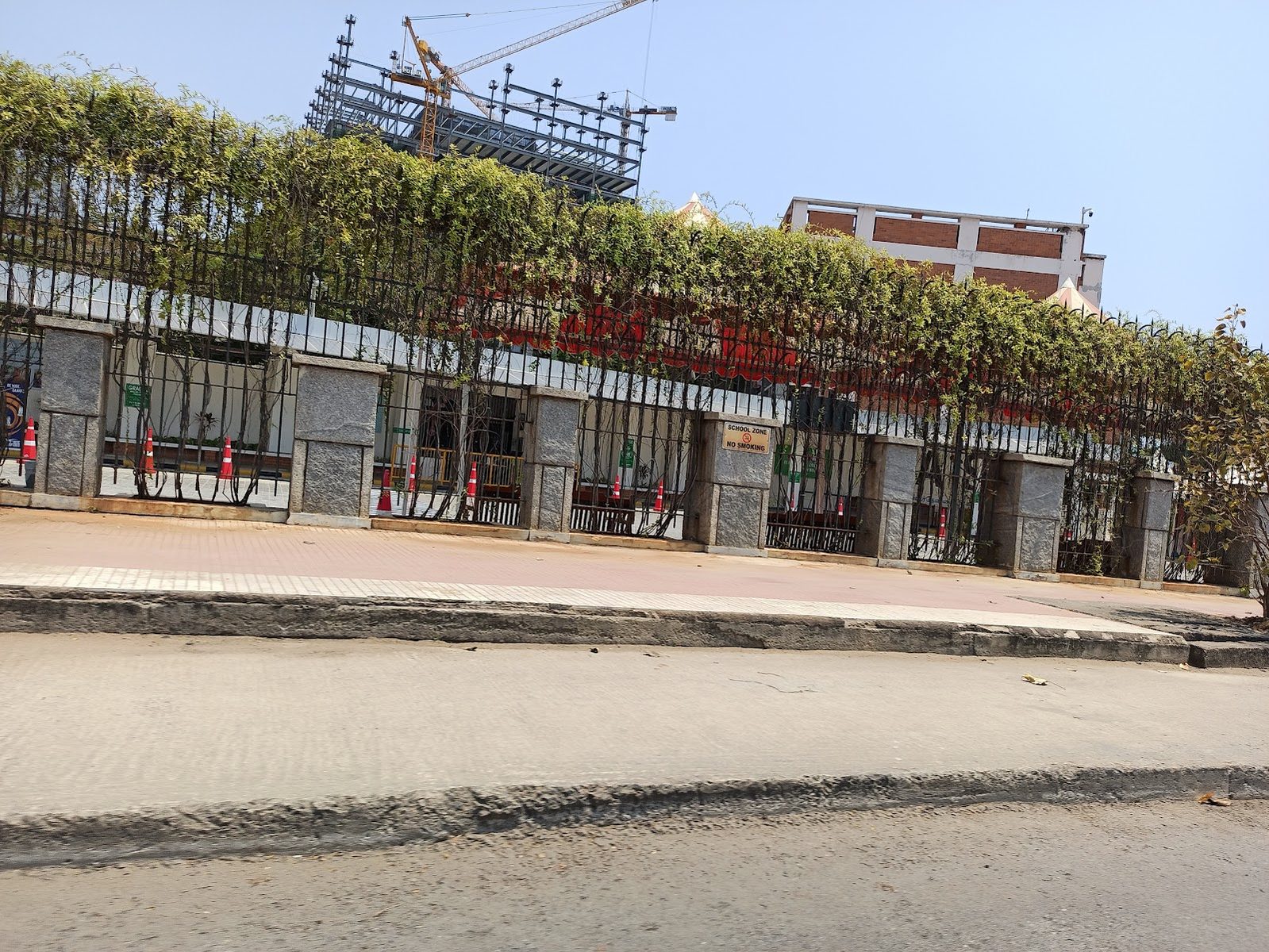
American International School Chennai
Chennai · India
Born of a 1995 US-India accord, this Taramani campus blends AP and IB rigor with the world's first K-12 LEED Platinum campus
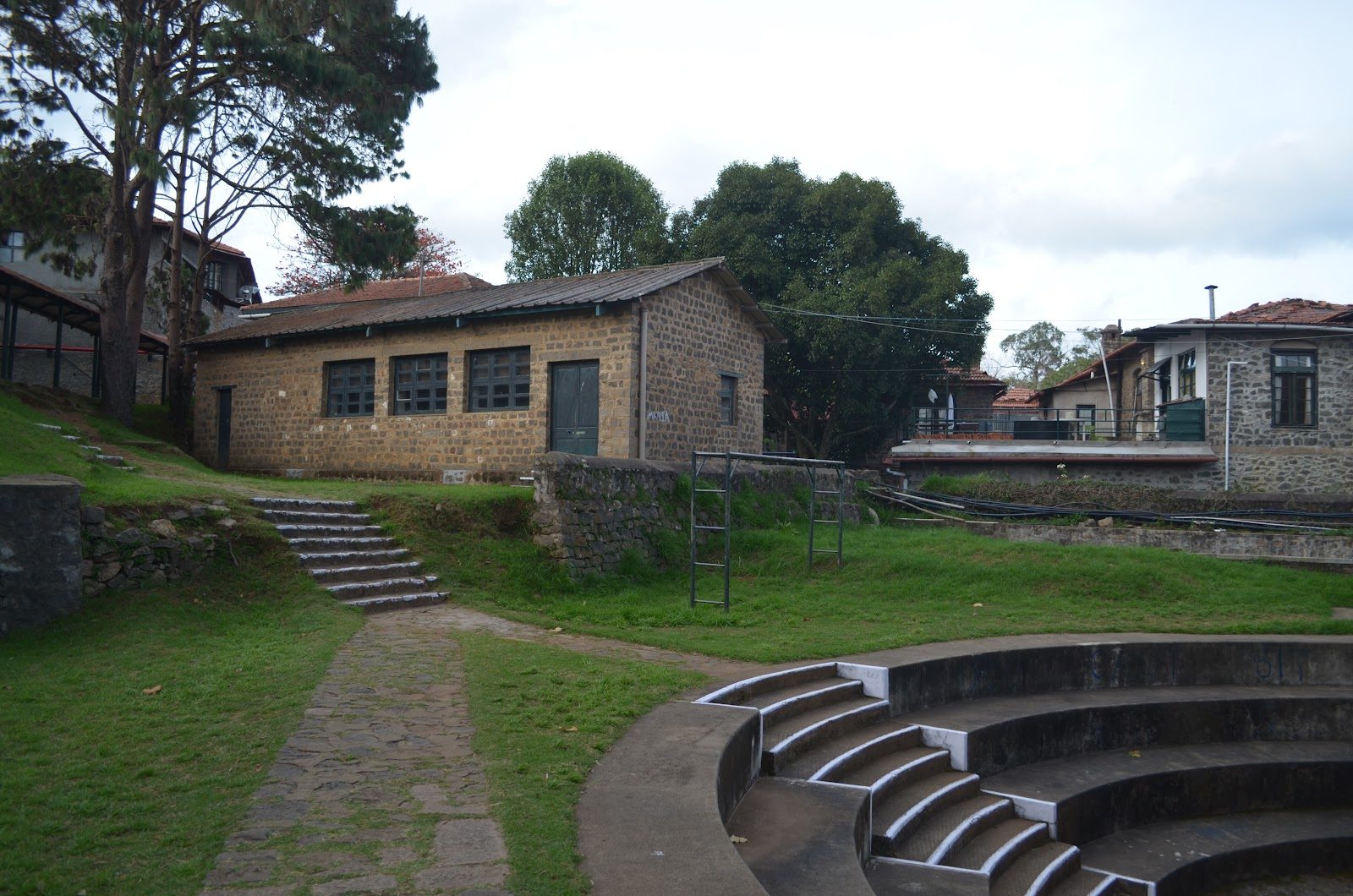
Kodaikanal International School
Kodaikanal · India
Founded in 1901 at 6,998 feet in the Palani Hills, it became India's first IB school and runs its own 135-acre wilderness campus for outdoor learning.
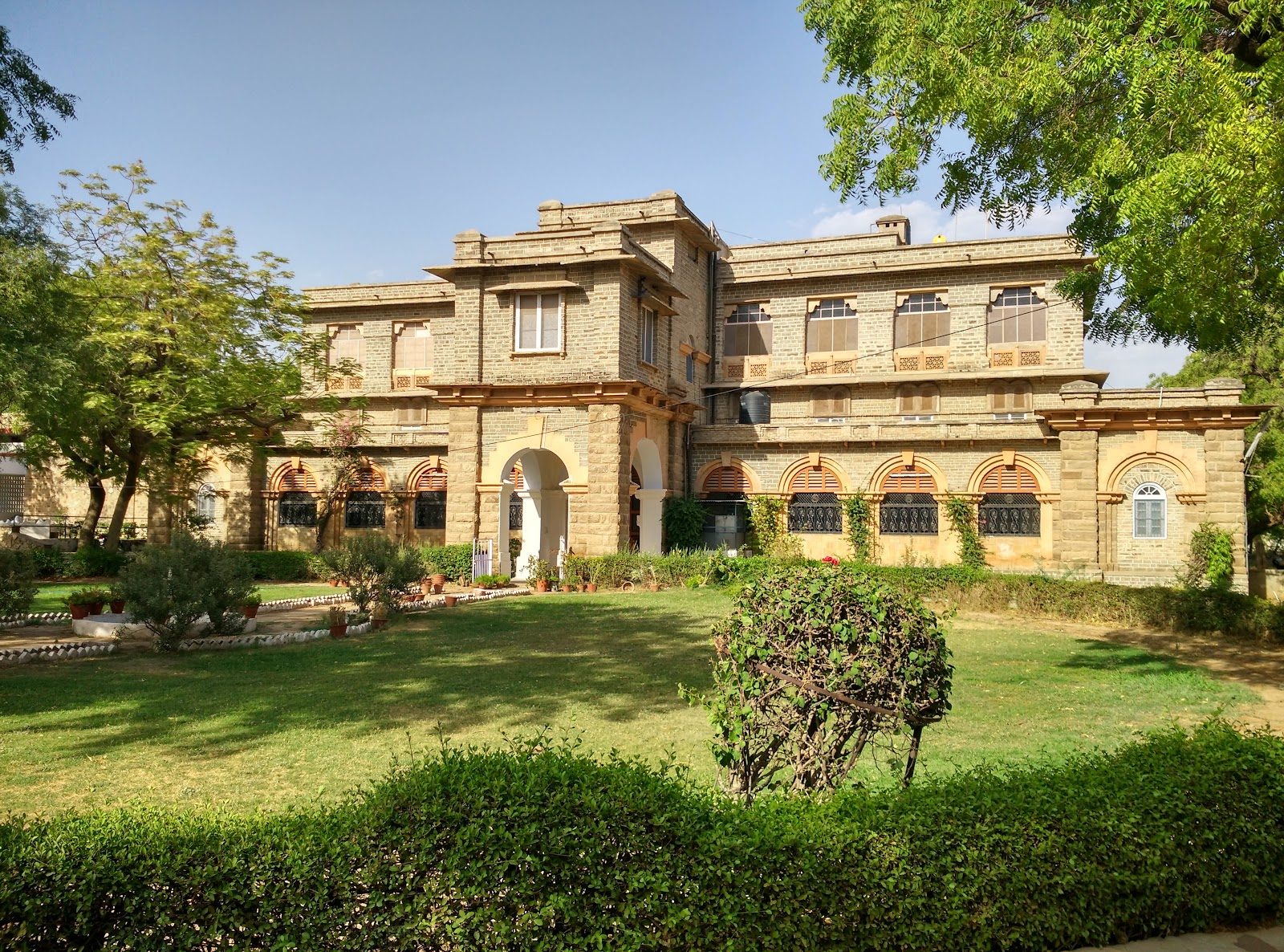
Mayo College
Ajmer · India
Historic all-boys boarding school in Ajmer offering the CBSE and Cambridge IGCSE curricula.
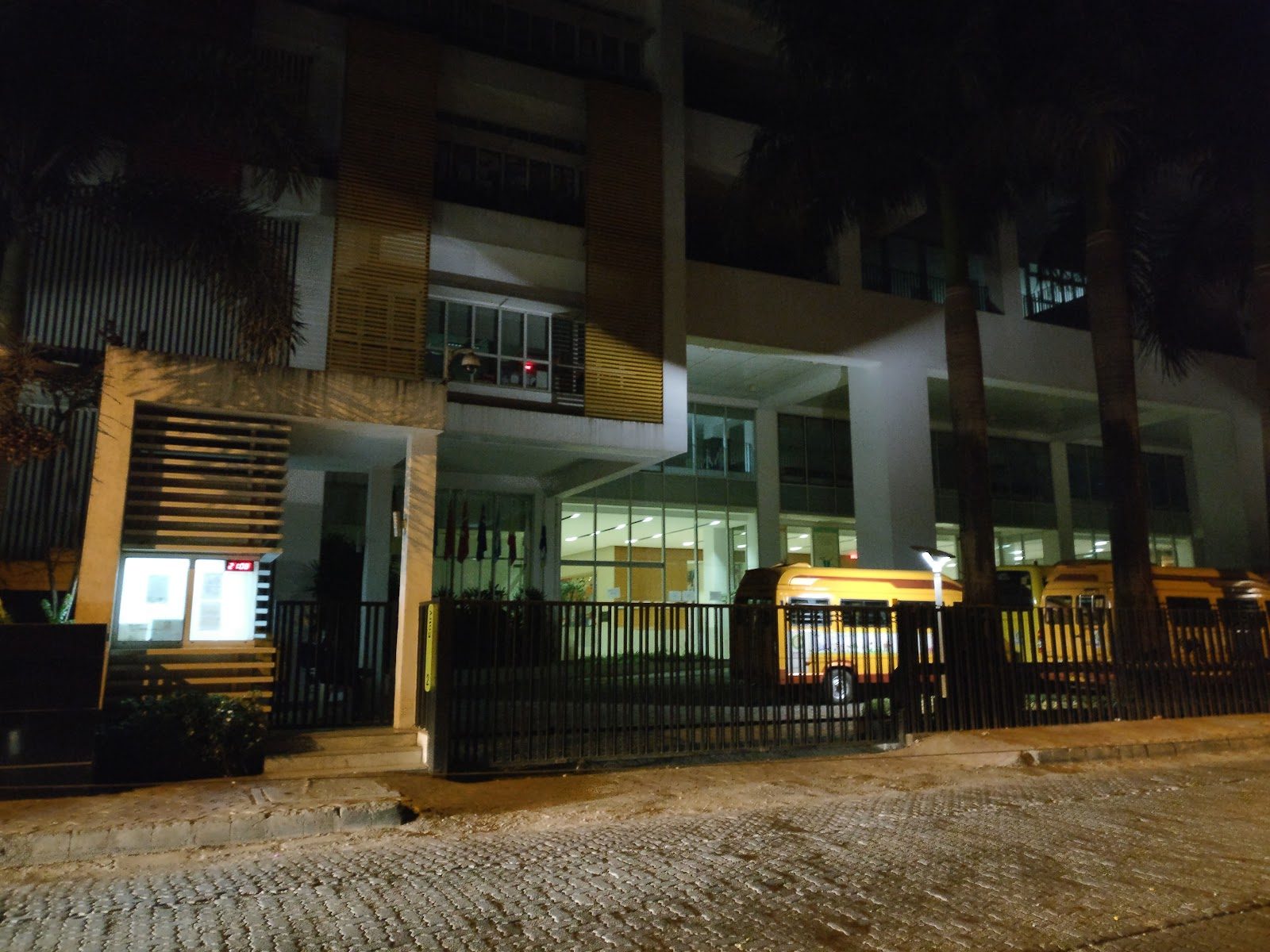
Oberoi International School
Mumbai · India
A full IB continuum from Nursery to Diploma, spread across twin Goregaon campuses inside Mumbai's Oberoi Garden City enclave.
Same country and curriculum — closest matches within ±10 points either way