
São Paulo
Born from a vestibular cram course, this Sao Paulo school now claims 8 of Brazil's 15 Math Olympiad golds since 1998.
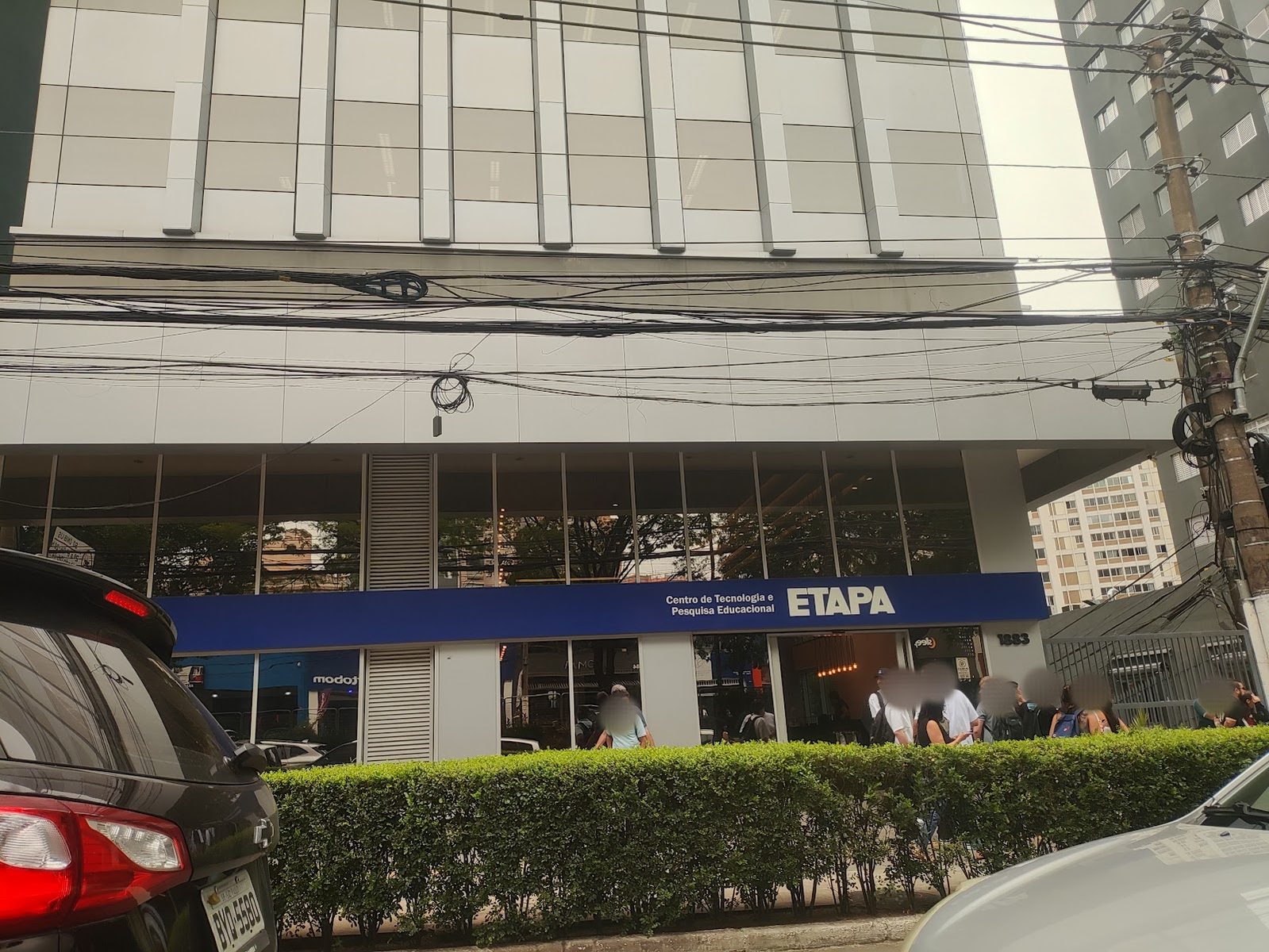
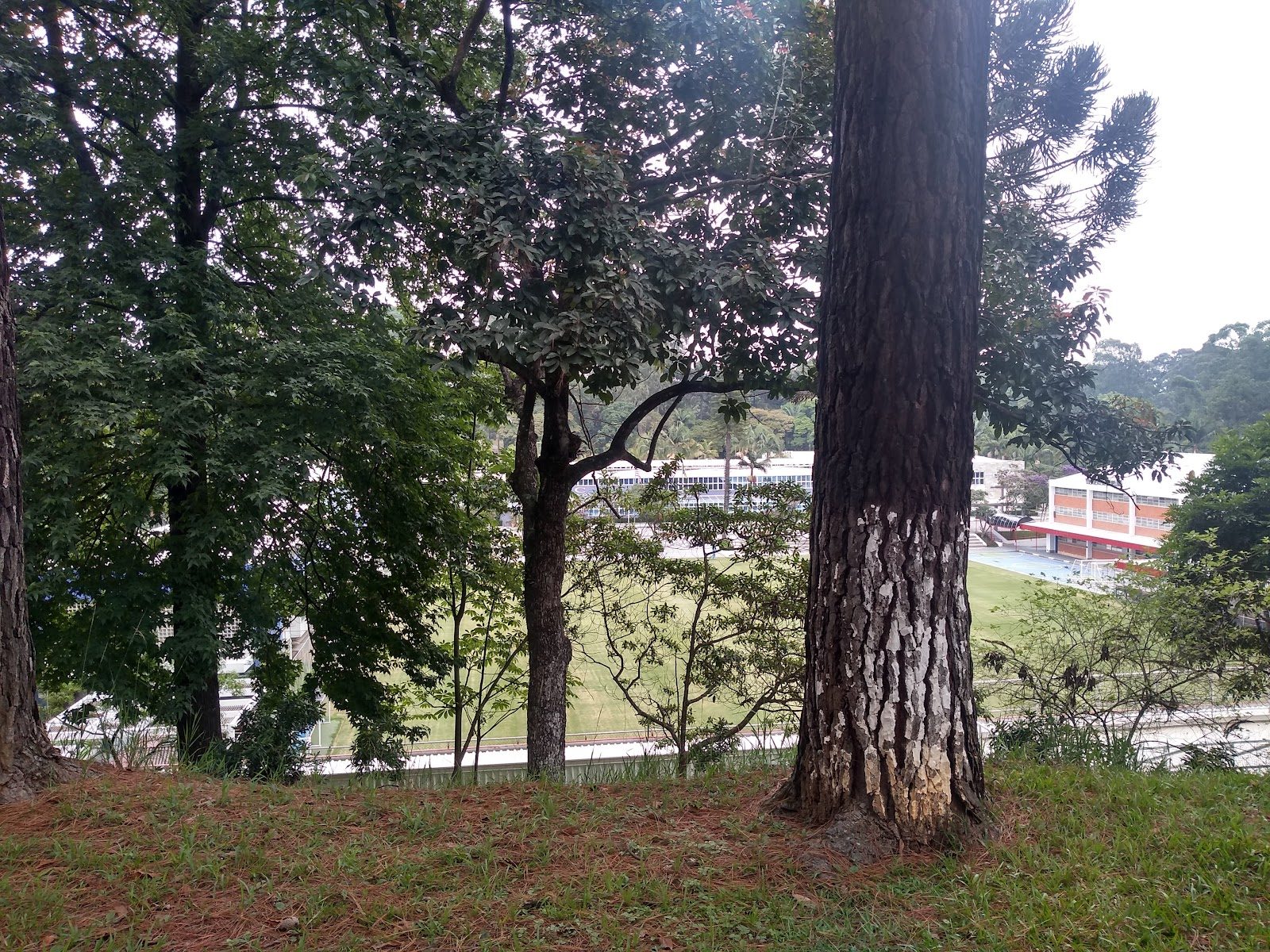
Photo © Judy Lin via Google Maps
Type
Day
Ages
11–18
Curriculum
Brazilian
Qualifications
ENEM · FUVEST · ITA/IME entrance
Ratio
—
The Verdict
Editor's commitment
Right for
Ambitious São Paulo families who want a Portuguese-medium day school, ages 11–18, with English and a hard academic edge.
Wrong for
Parents seeking a broad progressive education: Etapa was founded in 1969 from a cram-course culture, and that DNA still drives it.
Watch out for
Etapa claims 1,700 overseas university offers since 2000 and 130 current approvals, but publishes no aggregate exam results.
Ranking breakdown
Colégio Etapa · #338 of 1591
Composite score 71.5. 8 weighted criteria.
By criterion
Academic Outcomes
Weight 20%
#43
of 1529 scored
University Placement
Weight 16%
#59
of 1529 scored
Prestige & Heritage
Weight 12%
#296
of 1571 scored
Alumni Network
Weight 12%
#1013
of 1530 scored
Facilities
Weight 12%
#1110
of 1533 scored
Transparency & Communications
Weight 8%
#456
of 1532 scored
Peer & Industry Review
Weight 10%
#480
of 1548 scored
Admissions Selectivity & Demand
Weight 8%
#400
of 1529 scored
Peer & Industry Review
How Colégio Etapa is regarded in the sector
71
Respected · medium confidence
Etapa's standing rests almost entirely on domestic vestibular outcomes rather than international rankings. Brazilian outlets (Folha de S.Paulo, Estadao, Veja) regularly cite its published lists of USP, ITA, IME, Unicamp and medical-school approvals, and it is consistently grouped with Bandeirantes, Santa Cruz, Objetivo and Dante Alighieri as one of Sao Paulo's handful of schools whose entrance exam is itself treated as a competitive, near-vestibular filter. Admissions staff at ITA and USP's most selective courses informally treat an Etapa transcript as a strong quality signal, reflecting its outsized share of top scorers year after year. It has little presence in the Anglophone independent-school press (WhichSchoolAdvisor, Good Schools Guide) or IB/international-curriculum circuits, since it runs a national syllabus geared to Brazilian exams rather than a globally benchmarked one. Peer heads in Sao Paulo's private-school circuit acknowledge its academic intensity and results but also note its narrower, exam-centric model compared with more internationally oriented rivals. Overall reputation is that of a nationally dominant, results-driven powerhouse rather than a globally networked institution recognized by mainstream international education journalism.
Editors' overview
Colégio Etapa occupies a distinctive niche in São Paulo: a Brazilian day school for ages 11–18 built on the intellectual habits of a vestibular prep operation. Founded in 1969, it has kept that exam-oriented spine while broadening into a full secondary school with instruction in Portuguese and English. The headline claim is not subtle: since 1998, Etapa says its students have won 8 of Brazil’s 15 gold medals at the International Mathematical Olympiad — a striking concentration of top-end mathematical talent. The school also points to 2024 medals across maths, biology, chemistry and physics, including IMO gold and IChO gold. This is the core of Etapa’s market position: hard academic horsepower, sharpened for students who like competition, pace and measurable outcomes.
That focus extends beyond Brazilian university entry. Etapa states that it has recorded more than 1,700 international university acceptances since 2000, supported by a dedicated international office that handles guidance, application preparation, revision and university fairs. It also claims more than 130 offers at “conceituadas” universities across North America, Europe and Asia at the present stage of its 2026 cycle. Parents should read that carefully: the school clearly invests in outbound university advising, but it does not publish aggregate destination data in the excerpt here, nor any school-wide academic statistics. The proposition rests less on transparency of whole-cohort outcomes than on a visible pipeline of elite individual achievement. This is a school that likes scoreboards.
Why shortlist it? Because few schools in Brazil can credibly sell both Olympiad depth and a mature overseas admissions apparatus under one roof. Etapa’s extracurricular offer is framed as unusually wide, but the public evidence gives strongest weight to science Olympiads and international admissions, not to pastoral subtlety, arts culture or progressive pedagogy. That matters. Families looking for a softly rounded adolescence should look elsewhere. Families who want disciplined ambition, external benchmarks and a school culture that rewards stamina, precision and intellectual confidence will find Etapa compelling.
The right student for Colégio Etapa is clear. This is for the able, self-propelling teenager who enjoys academic pressure, thrives on problem-solving and does not need schooling sugar-coated. It suits mathematicians, scientists and strong all-rounders with competitive instincts, plus students targeting selective universities abroad who want structured support from early on. It is less suited to children who need a gentle pace, heavy pastoral cushioning or an educational philosophy built around self-expression first. Etapa offers intensity with purpose; for the right child, that is an engine room, not a sanctuary.
Academic Performance
Academic performance at Etapa is easiest to judge through external competition and university-entry signalling, not through clean whole-school data. The school foregrounds Olympiad results across mathematics, biology, chemistry and physics, and that matters: these contests sit at the sharp end of academic selection and reward depth, speed and technical control, not polished branding. On that measure, Etapa sits in the top academic tier of Brazilian schools with a serious science-maths culture. The public message around Enem leadership and vestibular analysis reinforces the same point, but the school does not publish aggregate exam distributions, cohort averages or subject-by-subject outcome tables in the source extract. That is a real limitation for parents who want school-wide proof, not standout cases.
Relative to peers, Etapa fits the category of schools that produce visible winners and build reputation through external scoreboards. Its international university office adds another layer of performance culture: 1,700 overseas acceptances since the programme began, with more than 130 current-cycle offers highlighted across North America, Europe and Asia. Those numbers indicate reach and process, though not selectivity rates across the full graduating class. The comparison point is clear. Against broad-market schools, Etapa looks *more exacting, more exam-driven and more competitive*. Against Brazil’s most transparent academic operators, it still needs fuller published attainment data. The ceiling is plainly high; the public reporting is less strong than the medal table.
Facilities
The public case on facilities centres on function, not campus theatre. Etapa gives pride of place to spaces and systems that feed competition maths, science Olympiads and university admissions: workshops, lectures, meetings with overseas university representatives, an international universities fair, and one-to-one application guidance through its international office. That package matters more here than landscaped grounds or architectural flourish. The school also advertises a very broad extracurricular menu and foregrounds sport alongside academic distinction, but it does not publish the kind of detailed campus inventory serious parents need — no clear breakdown of laboratories, performance spaces, design studios, specialist sports provision or library scale. That leaves a blunt but useful conclusion: facilities support Etapa’s results-first culture, yet the public picture is thin on physical detail.
Against peer schools, that is a mixed result. In the academically aggressive segment of the São Paulo market, strong labs, serious problem-solving spaces and well-run advisory infrastructure matter more than glossy campuses, and Etapa’s outward-facing offer points squarely in that direction. Its international admissions operation is a practical asset, not decorative add-on, and the headline volume of overseas acceptances — 1,700 over time — gives that infrastructure credibility. But peers at the top end often publish far more about their built environment and specialist resources. Etapa does not. Parents who care most about hard academic utility will tolerate that opacity. Parents who want proof of premium arts, sports or maker facilities will need to ask direct questions.
Colégio Etapa occupies a distinctive niche in São Paulo: a Brazilian day school for ages 11–18 built on the intellectual habits of a vestibular prep operation
Prestige
Etapa has real prestige in the part of the market that values hard academic distinction over polish. In Brazil, schools earn status through selective university entry, Olympiad success and a reputation for intellectual seriousness; Etapa trades strongly on all three. Its standing is not the old-society prestige of a heritage finishing school, nor the broad reputational warmth of an all-round family school. It is meritocratic prestige, built on results that matter to ambitious parents and high-performing pupils. The school’s claim of more than 1,700 overseas university acceptances gives it another layer of status: not just strong domestic exam preparation, but a credible route into international higher education. The partnership with EducationUSA, university fairs and one-to-one guidance reinforce that point.
Why rate it highly? Because Etapa has a clear national profile among academically driven families, and because external voices quoted by the school point in the same direction: visitors from Princeton and senior Olympiad figures praise the quality and seriousness of its students. That kind of endorsement carries weight when it aligns with an established pattern of competition success. The limit to its prestige is also clear. This is specialist prestige, not universal glamour. Families who judge status by campus theatre, social cachet or a softer version of elite schooling will find other schools with broader sheen. Etapa’s name carries force where it counts most for its audience: *performance, discipline and intellectual edge*.
On that measure, Etapa sits in the top academic tier of Brazilian schools with a serious science-maths culture
Communications
Etapa communicates like a school that expects parents to keep up. The public-facing site is busy, news-led and packed with calls to action: registration links for coordination meetings, university fairs, Olympiad coverage, admissions stories and exam analysis. That gives families a constant stream of updates, but not much hierarchy. Important messages compete with promotional headlines, rotating banners and success stories. The result is high-volume communication, not clean navigation. Parents who want a steady flow of signals about academic life will get it; parents who want a calm, sharply organised information architecture will find the presentation cluttered and at times fatiguing. The “Área Exclusiva” points to a gated parent portal, which matters, but the school does not explain publicly what sits inside it, how extensively it is used, or how operational communication is handled day to day.
What Etapa does communicate well is priority. The message is unmistakable: academic results, external competitions, overseas applications and institutional events sit at the centre. The school also advertises individualised guidance through its international office, plus talks and meetings with university representatives, which indicates a communication culture built around directed ambition rather than pastoral narrative. There is evidence of parent-facing coordination events and a large calendar engine — the current homepage alone pushes multiple sign-ups and recurring news items — but there is little public detail on feedback loops, family surveys, safeguarding communication or how the school handles routine concerns. Effective for driven families who value pace and information density; less convincing for those who want warmth, clarity and a stronger sense of everyday partnership.
Uniqueness
What marks Etapa out is the way it fuses two worlds that often sit apart: the grinding discipline of a high-level exam operation and the outward reach of a school with a serious international admissions machine. This is not a liberal arts school that also enters a few competitions. It is a school built to train students for selection, ranking and external judgement, then extend that logic from Brazilian entrance exams to universities abroad. The dedicated international office, the EducationUSA link, the talks, fairs and application coaching all matter because they sit inside a culture already organised around measurable achievement. Add the Olympiad record and the picture sharpens: Etapa does not just teach strong pupils well; it cultivates a competitive academic identity. The claim of more than 1,700 overseas acceptances underlines scale. The current-cycle tally of more than 130 offers shows that the pipeline is active, not historical.
For students, that brings concrete advantages. Able mathematicians and scientists get a peer group that normalises difficulty, speed and intellectual ambition. International applicants get structure early, not improvised advice in the final year. Strong all-rounders get access to a school culture where academic effort carries status. The trade-off is plain. Etapa’s uniqueness lies in its hard-edged seriousness, and that benefits pupils who want pressure, targets and visible outcomes. It does less for children who need room to drift, experiment slowly or define success in softer terms.
But peers at the top end often publish far more about their built environment and specialist resources
Student Profile
The students who fit Etapa best are the ones who draw energy from competition, rankings and hard problems. This is a school for adolescents who do not need coaxing to work, and who can tolerate a culture where academic distinction sits in plain view. Mathematicians and scientists are the obvious natural fit, but the profile is wider than that: strong all-rounders with stamina, fast processing speed and a taste for external benchmarks will also do well. The school’s public identity gives these pupils status. Olympiad results, selective university ambitions and a long-running overseas admissions pipeline are not side projects here; they shape the peer culture. For the right child, that creates a high-pressure advantage: able classmates, serious intellectual pace and a sense that effort counts for something concrete.
The less suitable student is just as easy to identify. Children who need a gentle tempo, heavy emotional hand-holding or broad permission to wander academically will find Etapa hard-edged and tiring. Creative students can still thrive, but they need enough self-command to work inside a results-driven environment where STEM distinction carries unusual weight. Families targeting universities abroad will value the scale of the support structure and the school’s record of more than 1,700 acceptances, plus the current rhythm of over 130 offers in the live cycle. The best match, then, is ambitious without fragility: bright, disciplined, competitive and comfortable in a school that treats measurable achievement as a normal part of adolescence.
Etapa’s uniqueness lies in its hard-edged seriousness, and that benefits pupils who want pressure, targets and visible outcomes
Co-curricular strengths
Arts & sport, on a separate axis
Overall 7.2/10
Scored 0-10 from the school's own published evidence. This axis is editorial-only — it does not feed the main WTS ranking.
Sports
8.5/10
Drama
6.5/10
Dance
5.5/10
Music
8.5/10
Visual Arts
7/10
Strengths
- +Consistently posts some of the highest average ENEM scores among Sao Paulo private schools, with its Vila Mariana, Vila Mascote and Valinhos units regularly appearing among the states best results each year, the Etapa Internacional, Etapa Vila Mariana and Etapa Vila Mascote units figure among the 11 best ENEM averages in Sao Paulo capital in 2025.
- +Long institutional track record: founded in 1982 as an extension of a vestibular-prep course that has run since 1970, giving it over four decades of focus on exact sciences and exam preparation, the college has been focused on the exact sciences and preparation for knowledge competitions and national and international entrance exams.
- +Hosts an EducationUSA advising office, the first based at a school in Sao Paulo state, alongside an annual international universities fair to support students applying abroad, on July 7, 2022, EducationUSA opened an office at Colegio Etapa, the first at a school in the state of Sao Paulo, and the institution also promotes an annual International Universities Fair.
- +Runs its own didactic system, Sistema Etapa, which is licensed to partner schools across Brazil, reflecting an established and exportable pedagogical model, it uses its own didactic material, the Etapa System, which is adopted by partner schools in Brazil and integrates digital resources such as Etapa Digital and Etapa Link.
- +Offers a free, competitive entrance scholarship exam (Desafio Etapa) awarding discounts of up to 100% for places in 6th grade, 9th grade and the first year of Ensino Medio, Colegio Etapa has open registration for the 44th Desafio Etapa, an initiative that offers participants scholarships of up to 100%, valid for studying in 2026 in the 6th and 9th grades of elementary school and the 1st year of high school.
Considerations
- −The curriculum is built entirely around Brazilian entrance exams rather than an international diploma track, besides preparing for national exams such as Fuvest and ENEM, the school offers support for admission processes to foreign universities, with records of acceptances at Ivy League institutions and technology institutes like MIT, so the in-school teaching itself remains Brazilian-system only.
- −Most grades operate on a half-day schedule, with full-day (integral) provision limited to certain years, Colegio Etapa is a part-time private school, with full-time education for some grades, a scheduling reality that may not suit families needing extended-day childcare.
- −Monthly fees sit in the upper-middle bracket for Sao Paulo private schools, reported at roughly R$3,001 to R$7,000 depending on grade, before registration and other charges, Colegio Etapa III tuition varies between R$3,001 and R$7,000, depending on the school year and scheduled activities.
- −The schools identity is heavily built around exam results and science-olympiad medals, a narrow, results-driven academic culture rather than a broad arts or humanities-led environment, consistent with its stated focus on exact sciences and competition preparation.
Availability
Primary entry gate & tests
Entrance Exam
Gallery
Photo © Judy Lin via Google Maps
Photo © Ricardo Urresti via Google Maps
Photo © Ricardo Urresti via Google Maps
Photo © Marc Witarsa via Google Maps
Photo © Genesio Alencar via Google Maps
Photo © Neide VH via Google Maps
Photo © Marcelo Verri Creazzo via Google Maps
Parent reviews
Have you sent your child here?
Voice reviews carry the strongest trust badge — we transcribe them for you to tidy up before they go live. Prefer to type? A written review is fine too.
Add your voice
In 60 seconds, tell other parents: what's the best thing about Colégio Etapa, and what surprised you when your child joined?
We ask for a Google sign-in so every review has a real face behind it — no anonymous drive-by attacks on schools, and no faked positive reviews. Your email is never shown publicly.
Send this profile to a friend
International parents rely on word-of-mouth. Share this review with someone weighing the same decision.
Schools with places
Similar schools to Colégio Etapa with places available now.
Graded - The American School of São Paulo
São Paulo · Brazil
- 2026-27
- WAITPOOLGrade-specific
- 2027-28
- PLACES OPENLocal Oct 2; Intl relocators now
St. Paul's School
São Paulo · Brazil
- 2026-27
- WAITPOOLVacancy-dependent
- 2027-28
- PLACES OPENNursery Active; Others available
Availability first, then country, area, curriculum, price, co-curricular
Consider also
Also worth looking at alongside Colégio Etapa.
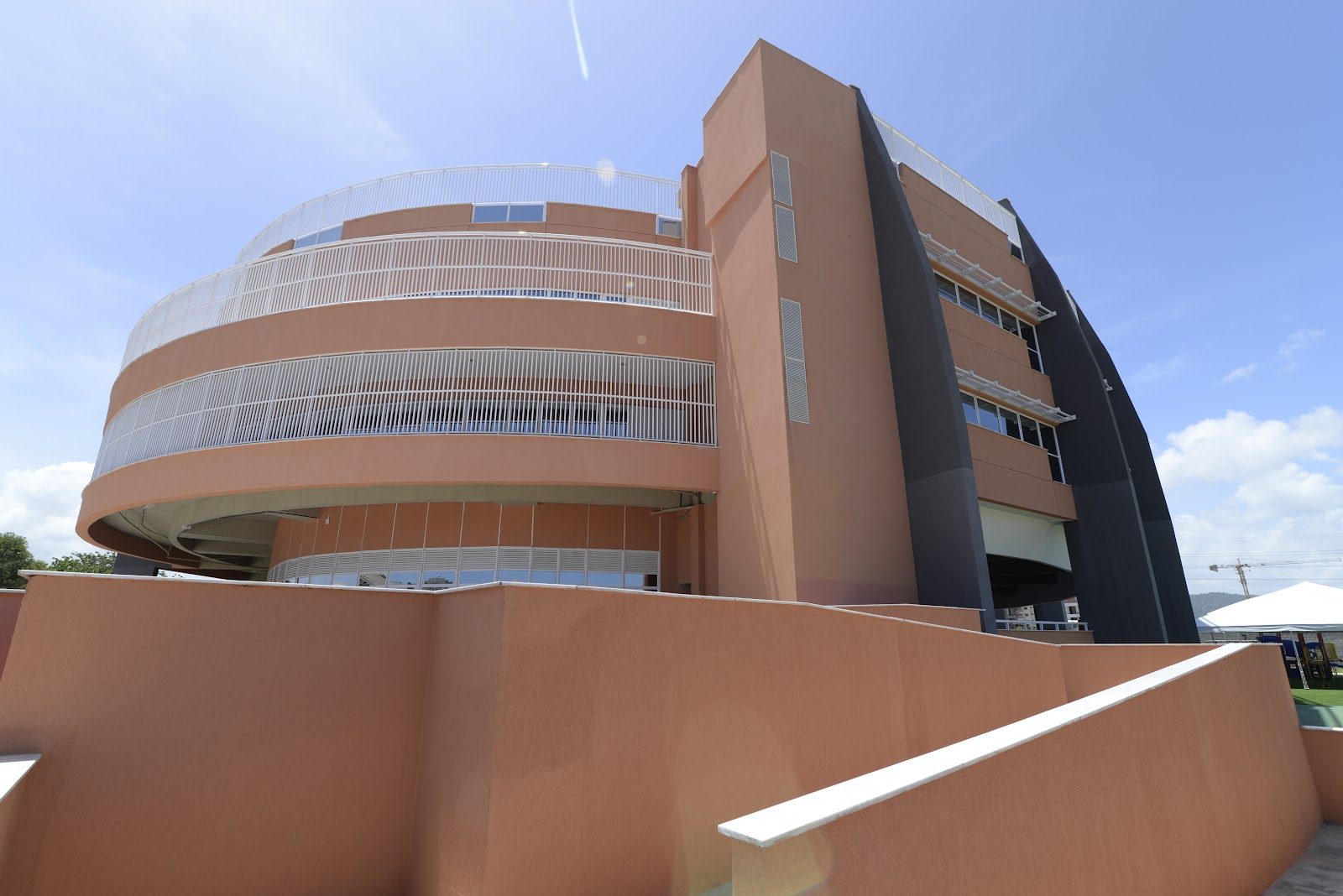
Escola Americana do Rio de Janeiro
Rio de Janeiro · Brazil
Perched at the edge of Tijuca National Forest with Christ the Redeemer in view, a 1937 campus layers IB, American and Brazilian diplomas.
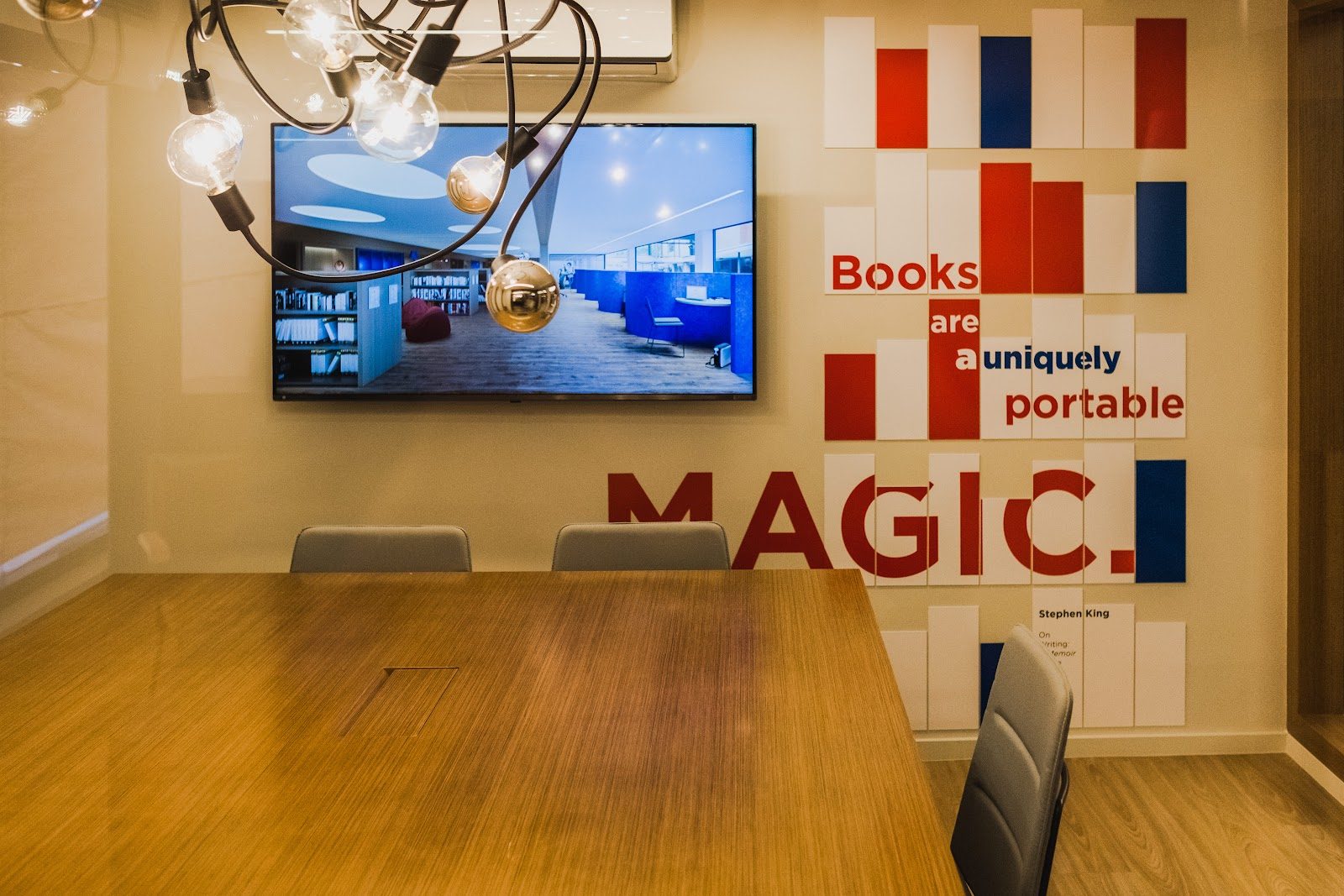
Graded - The American School of São Paulo
São Paulo · Brazil
Born in 1920 as a corporate venture of Citibank, Ford and GE, this Morumbi campus still sends seniors off with three diplomas at once.
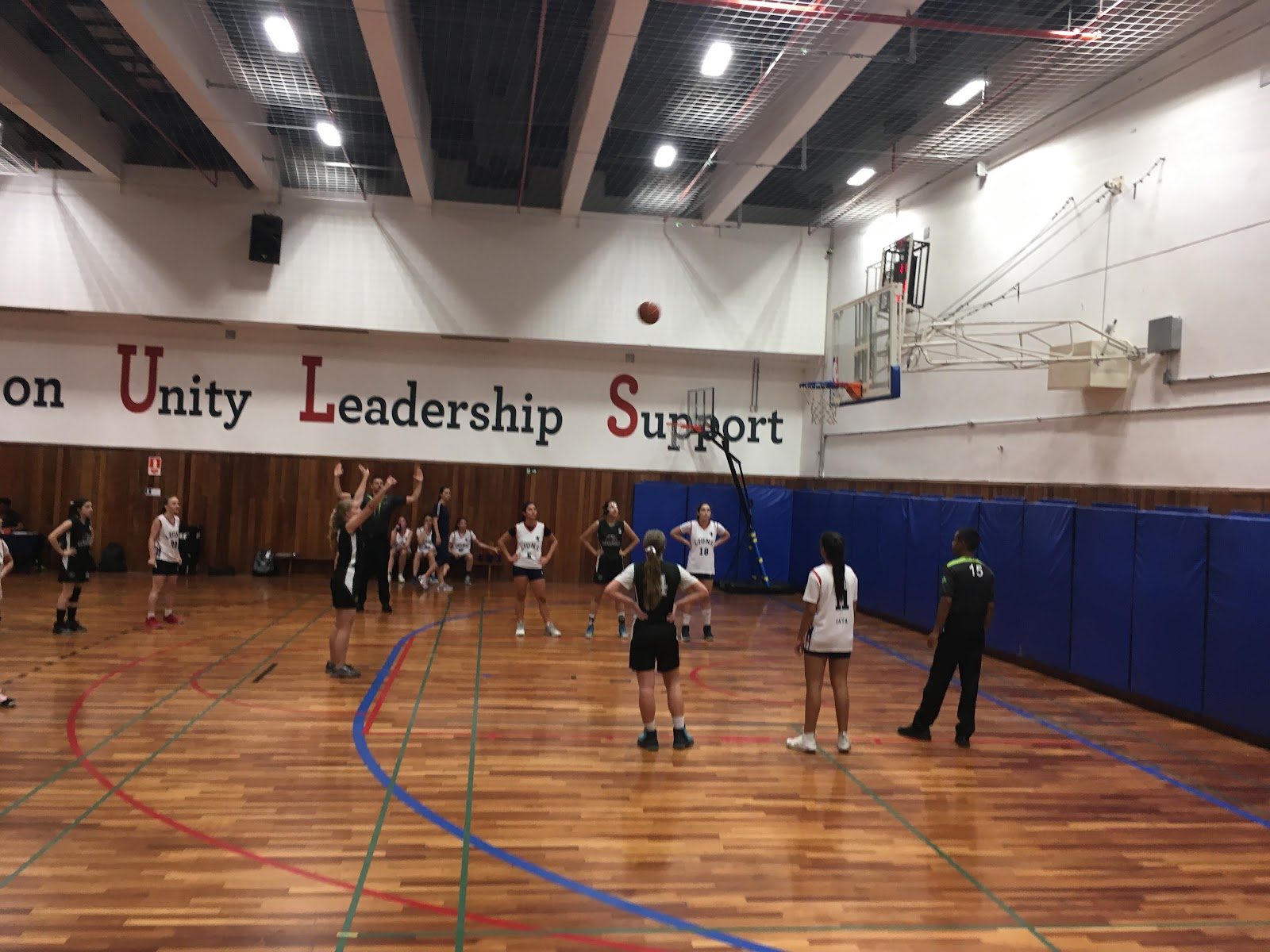
St. Paul's School
São Paulo · Brazil
The first British school in Latin America accredited as a British School Overseas, blending UK curriculum with Brazilian roots in Jardins.
Chapel School
São Paulo · Brazil
Founded in 1947 by Oblate priests for American Catholic families, this Sao Paulo day school runs American, Brazilian and IB diplomas side by side.
Same country and curriculum — closest matches within ±10 points either way