Singapore
German European School Singapore
low confidence· 6/6 cats · 0 avg sourcesOne of a handful of campuses outside Germany where the Abitur and IB diploma run side by side, tucked against Bukit Timah's forest edge.
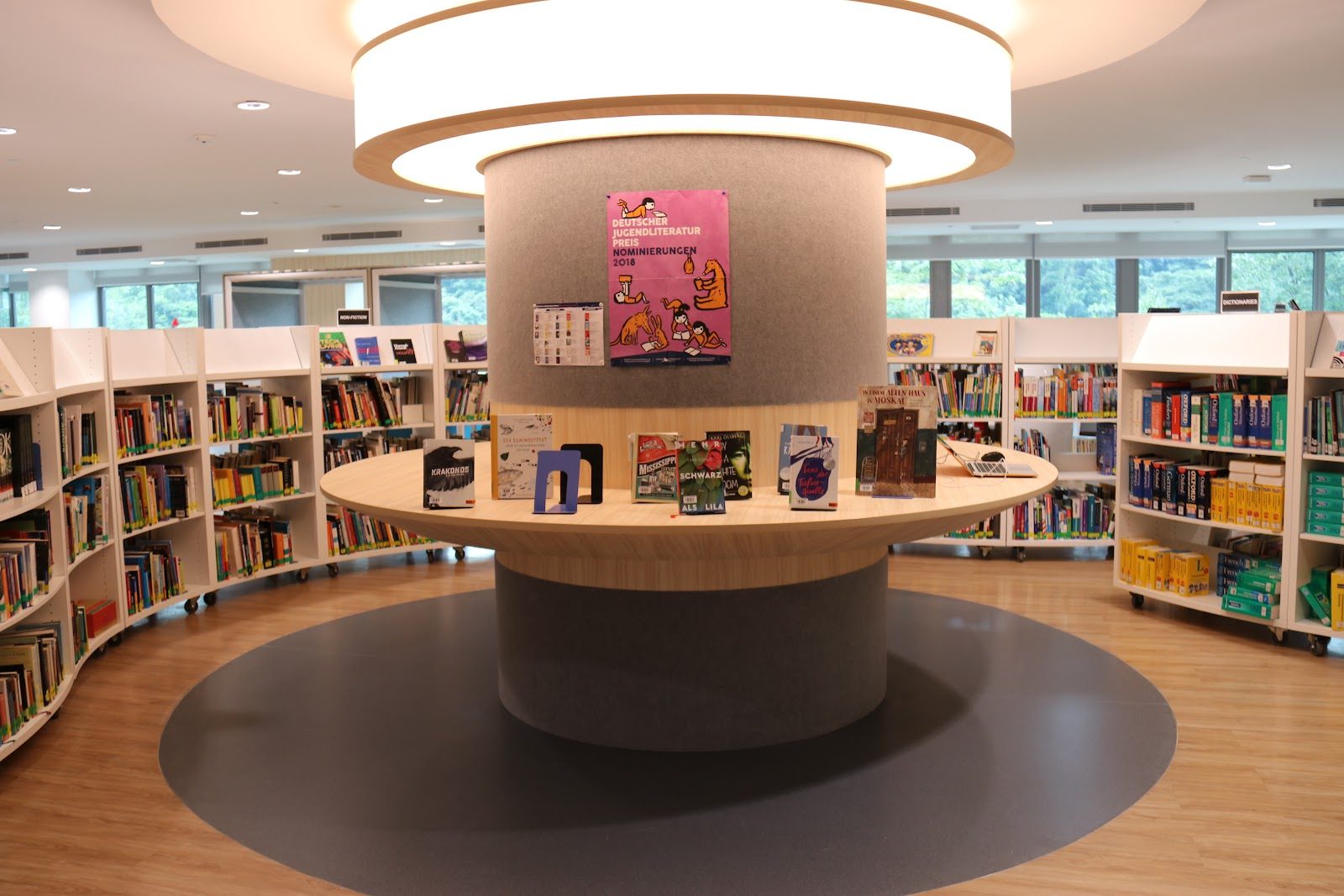
Photo © German European School Singapore (GESS) via Google Maps
Type
Day
Ages
3–18
Curriculum
German Abitur · IB (Diploma)
Ratio
9:1
The Verdict
Editor's commitment
Right for
Families who want a rare dual track: German Abitur or IB Diploma on one Singapore campus, founded in 1971 and serving ages 3–18.
Wrong for
Parents wanting a budget option or a tiny school: average annual day fees are S$35,550, with 1,850 students on the Dairy Farm campus.
Watch out for
English is the listed teaching language, yet GESS also runs the German curriculum; that mix needs checking if your child needs one clear route.
Ranking breakdown
German European School Singapore · #432 of 1591
Composite score 69.9. 8 weighted criteria.
By criterion
Academic Outcomes
Weight 20%
#513
of 1533 scored
University Placement
Weight 16%
#516
of 1529 scored
Prestige & Heritage
Weight 12%
#601
of 1580 scored
Alumni Network
Weight 12%
#388
of 1530 scored
Facilities
Weight 12%
#474
of 1540 scored
Transparency & Communications
Weight 8%
#595
of 1547 scored
Peer & Industry Review
Weight 10%
#636
of 1564 scored
Admissions Selectivity & Demand
Weight 8%
#400
of 1529 scored
Peer & Industry Review
How German European School Singapore is regarded in the sector
65
Respected · medium confidence
German European School Singapore holds a distinctive, long-standing position as the region's flagship dual-curriculum school rather than a generic top-of-the-table name. WhichSchoolAdvisor was Highly Commended for the WhichSchoolAdvisor (Singapore) Best Schools Award 2022 for the Best IB School, describing it as "very inclusive, international, and non-selective" with a genuinely European rather than purely German identity. The Good Schools Guide, which does not accept payment for inclusion, independently praises its music provision, its "fabulous campus" and its 50-year heritage as Singapore's only German school, though it also notes some rowdier classroom culture typical of European schools. Academic outcomes are respectable rather than headline-grabbing, with WhichSchoolAdvisor noting IB averages around 33-35, above global norms but "not one of the top-ranking schools in Singapore" for selectivity. Reputation among European expat parents is strong and loyal, but broader sector visibility remains narrower than that of Singapore's most heavily benchmarked international schools.
Editors' overview
The draw here is structural, not cosmetic: German European School Singapore gives families a genuine choice between the German curriculum leading to the Abitur and the IB route taught in English, on one campus and under one governance model. That is rare in Singapore and rarer still outside Germany. GESS was founded in 1971 by parents, remains a not-for-profit, and now educates 1850 students on its Dairy Farm campus opened in 2018, hard against Bukit Timah’s greener edge. For internationally mobile families who want continental European rigour without giving up the global portability of the IB Diploma, that combination puts GESS in a distinctive niche.
The school’s strongest selling point is breadth with a clear identity. It serves ages 3 to 18, teaches in English, and states that its language provision covers over 15 languages across integrated and after-school programmes. The community spans 68 nationalities and 70 languages, which matters because bilingual and multilingual education here is not an add-on; it sits near the centre of the offer. There is also unusual scale beyond the timetable: over 200 activities and a BeyondClassrooms programme built with 15 external companies and organisations. That gives GESS more than the standard international-school promise of “holistic” education; it gives older students direct exposure to internships, expert talks and hands-on STEM work. The school also states that it holds accreditation from five education organisations, though it does not name them in the source quoted here.
Parents should still read the proposition clearly. This is not the school for families who want a single, tightly defined British or American pathway with all outcomes packaged into one familiar script. GESS trades on plurality: two curricula, a multilingual student body, parent-led governance, and a campus culture that puts community high on the agenda. That is valuable if your child thrives in an internationally mixed, academically serious environment and if your family wants optionality later on. It is less persuasive if you want a school with publicly stated headline exam data or a simpler academic story; GESS does not publish aggregate results in the information we have seen. The average annual day fee across the full age range is SGD 35,550, which places it in the premium bracket but not at the absolute top of Singapore’s fee market.
The child who fits best here is adaptable, linguistically curious and comfortable choosing a path rather than drifting into one. German nationals and German-speaking families have an obvious route in, but the school is not only for them; IB families who value European sensibility, strong languages and a less generic international-school identity will also find a serious option. In market terms, GESS sits in a small category of schools that offer both cultural specificity and global transferability. That alone earns it a place on a thoughtful parent’s shortlist.
Academic Performance
Academic performance is the one area where GESS asks parents to accept *more opacity than the market now warrants*. The school offers two externally examined routes with serious weight: the German path through to the Abitur and the IB Diploma on the English-medium side. That dual structure matters, because it gives older students genuine academic choice rather than a single house style dressed up as flexibility. It also makes clean comparison harder. Schools running one route can publish a simple headline. GESS needs to show outcomes across both. It does not publish aggregate public results in the sources we have seen: no IB average score, no Abitur distribution, no pass-rate series, no subject-level breakdowns, and no university destinations table tied to exam performance. For a school of this scale and fee level, that is a real gap.
Relative to peers, that places GESS in an awkward middle ground. The academic architecture is stronger and rarer than at many mainstream international schools, especially for families weighing German university access against the global portability of the IB. But parents comparing Singapore schools on hard outcomes will find fuller disclosure elsewhere. The school’s long-running delivery of both routes carries weight; so does its status as a German school abroad with an established senior programme. Still, reputation is not data. Until GESS publishes consistent headline results, it sits below the most transparent exam-driven competitors on accountability, even if its academic pathways are more distinctive than the standard international-school template.
Facilities
The campus is one of GESS’s strongest assets. The move to Dairy Farm delivered the kind of physical plant parents now expect at the top end of Singapore’s international market: a modern, purpose-built site rather than a retrofitted city campus. The setting, tight against the Bukit Timah green belt, gives it a calmer and less boxed-in feel than many urban competitors. That matters day to day. Space changes how a school handles sport, play, movement between phases and the general noise level of student life. GESS also makes substantive use of that footprint beyond lessons, with over 200 activities and an industry-linked BeyondClassrooms programme built with 15 external partners. That points to facilities that support more than standard classroom teaching: spaces for clubs, practical STEM work, performances and student-led activity are doing real work here.
Against peers, the verdict is clear. GESS sits above schools operating from constrained central plots and in line with other serious, full-scale premium campuses on Singapore’s greener fringe. The advantage is breadth and usability rather than architectural theatre. The school does not trade on a single trophy facility; it offers a campus built for sustained all-through schooling. That is a stronger proposition for most families. The missing piece is detail. GESS does not publish a clean, itemised facilities overview in the sources here, so parents do not get the room-by-room clarity some rivals now provide on specialist sports provision, performing arts spaces or lab stock. The campus reads as high-functioning and well invested, but not fully documented.
The average annual day fee across the full age range is SGD 35,550, which places it in the premium bracket but not at the absolute top of Singapore’s fee market
Prestige
GESS carries real prestige, but not the loud, status-signalling kind that dominates parts of the Singapore market. Its standing rests on institutional substance: a long-established parent-founded base, not-for-profit governance, and a rare academic structure that gives families access to both the German route and the IB on one campus. That matters more than glossy branding. Within the German-speaking and European expatriate world, the school has serious credibility. The status of German School Abroad, the early delivery of the Abitur, and the school’s place as the first in Asia to gain the “Excellent German School Abroad” distinction give it a specialist authority few competitors can match. Add a student body spanning 68 nationalities and language provision covering over 15 languages, and the prestige becomes broader than a national niche.
That prestige still has limits. GESS is not the default badge school for families chasing old-imperial cachet, social exclusivity or the most visible exam-table culture. Its reputation is *stronger among informed international families* than among parents shopping by brand alone. The school’s forest-edge campus, extensive co-curricular menu and industry-linked enrichment add weight, but the decisive factor remains seriousness of purpose rather than glamour. The weak spot is public academic disclosure: schools at this level strengthen prestige by publishing hard outcomes, and GESS does not. That omission does not erase its standing, but it stops short of top-tier untouchable status. My rating is high because the school has depth, history and unusual academic range; it falls short of the very top because prestige without transparent results remains incomplete.
That omission does not erase its standing, but it stops short of top-tier untouchable status
Communications
GESS communicates like a school with an organised centre and an active parent body, not like a corporate chain reading from a script. The website carries the core institutional facts cleanly: governance, contact points, campus address, a concise school history and a clear account of the broader offer beyond the classroom. That matters because schools with multiple pathways and a mixed international parent base need disciplined clarity. GESS also gives parents direct signals that governance is not ornamental: the board and school association are visible parts of decision-making, and key initiatives go to a vote. For families who want voice as well as service, that is substantive communication, not token consultation. The volume of activity on offer — more than 200 programmes and partnerships with 15 external organisations — also implies a constant operational need to keep parents informed about choices, logistics and enrichment.
The weakness is not day-to-day tone but disclosure. GESS talks confidently about teaching, community and opportunity, yet stops short where many hard-nosed parents now want precision. Public exam outcomes are absent. Detailed destination data is absent. A sharper, more granular facilities guide is also absent. That leaves communications strong on ethos, thinner on proof. For some families, especially those drawn by the school’s distinctive dual-track structure and community governance, that will suffice. For others, the gap will grate. My read: parent communication is *competent, structured and community-facing* on operations and identity, but less effective on accountability.
Uniqueness
What sets GESS apart is not a slogan but a structure few schools can match. It gives families two full academic identities under one roof: the German route with its own public examinations and the IB route for students heading in a different international direction. That does more than widen choice at the end of school. It changes the texture of the place from the early years onward. A child can grow up in a campus culture where multilingualism, cross-border mobility and different academic traditions are normal, not window dressing. The school’s parent-founded, not-for-profit model adds another layer of distinction. Governance is not remote corporate ownership; it sits closer to the community, which gives the school a more rooted and less generic character than many chain-led competitors.
That distinctiveness brings concrete benefits. Students get access to a peer group drawn from 68 nationalities and a language offer that runs to more than 15 languages, which strengthens cultural fluency in a way monolingual international schools do not. The co-curricular side also carries unusual weight: over 200 activities and external partnerships tied to internships, expert talks and practical STEM work push the school beyond textbook internationalism into something more adult-facing and better connected to the real world. The trade-off is complexity. This is not a school that hands every family the same neat script. For the right student, that is exactly the advantage: serious optionality, a strong sense of community and an education that does not flatten difference.
GESS talks confidently about teaching, community and opportunity, yet stops short where many hard-nosed parents now want precision
Student Profile
The pupil who fits GESS best is internationally mobile, socially adaptable and comfortable in a school where identity is not flattened into one national script. This is a community drawn from 68 nationalities and 70 languages, so children who enjoy switching between friendship groups, cultures and ways of thinking will have an easier time than those who want a narrow social lane. The school suits families who value languages as part of daily life rather than an exam add-on. It also suits parents who want their child educated in a place with a European centre of gravity without the social stiffness that can accompany older embassy-school models. Children who need a clear monoculture or a highly branded status environment will find a weaker fit.
Temperament matters here. GESS suits students who can handle choice, who are willing to commit to activities, and who gain energy from a campus with a lot going on beyond lessons. The scale of the co-curricular offer — over 200 activities — points to a student body that is expected to participate, not just attend. That creates a busy, outward-facing atmosphere. It will reward curious, engaged children and frustrate passive ones. The parent-governed structure also gives the school a community-minded tone; families who want distance from school life may find that less appealing. Best fit: children who are linguistically curious, self-directed and happy in a school where academic seriousness sits alongside a strong communal culture.
For some families, especially those drawn by the school’s distinctive dual-track structure and community governance, that will suffice
Co-curricular strengths
Arts & sport, on a separate axis
Overall 8.4/10
Scored 0-10 from the school's own published evidence. This axis is editorial-only — it does not feed the main WTS ranking.
Sports
8.8/10
Drama
8.5/10
Dance
7.5/10
Music
8.7/10
Visual Arts
8.5/10
Strengths
- +A not-for-profit school founded in 1971 and recognised by the German government as an official 'German School Abroad', now the largest such school in Asia.
- +Runs two parallel, government/IB-recognised pathways on one campus: the German Abitur and the IB Diploma Programme, letting families choose or move between systems.
- +2025 IB Diploma results averaged around 34 points with a 100 percent pass rate, and Abitur results also recorded a 100 percent pass rate, both above global norms.
- +Purpose-built campus at Dairy Farm Lane, opened in 2018 at a reported cost of about SGD 135 million on a 30,580 square metre site.
- +Accredited by the IB Organization and the Council of International Schools, and holds Singapore's EduTrust certification, with a genuinely international community of 65-plus nationalities.
Considerations
- −IB average scores, while solid, sit in the mid-range of Singapore's international schools rather than at the top, and the school competes with more academically selective institutions locally.
- −The German-medium Abitur stream requires native or near-native German language proficiency, which effectively closes that pathway to non-German-speaking families.
- −Located in the Bukit Batok/Dairy Farm area in western Singapore, which can mean longer commutes for families based in the east, south or city centre despite a door-to-door bus network.
- −Annual tuition still runs from roughly SGD 28,000 to over SGD 46,000 depending on grade and section, plus a one-time entrance fee and additional charges for language support, excursions and CCAs.
Availability
Primary entry gate & tests
Academic Record
Gallery
Photo © German European School Singapore (GESS) via Google Maps
Photo © German European School Singapore (GESS) via Google Maps
Photo © German European School Singapore (GESS) via Google Maps
Photo © Alan Wee via Google Maps
Photo © German European School Singapore (GESS) via Google Maps
Photo © German European School Singapore (GESS) via Google Maps
Photo © German European School Singapore (GESS) via Google Maps
Photo © German European School Singapore (GESS) via Google Maps
Photo © German European School Singapore (GESS) via Google Maps
Parent reviews
Have you sent your child here?
Voice reviews carry the strongest trust badge — we transcribe them for you to tidy up before they go live. Prefer to type? A written review is fine too.
Add your voice
In 60 seconds, tell other parents: what's the best thing about German European School Singapore, and what surprised you when your child joined?
We ask for a Google sign-in so every review has a real face behind it — no anonymous drive-by attacks on schools, and no faked positive reviews. Your email is never shown publicly.
Send this profile to a friend
International parents rely on word-of-mouth. Share this review with someone weighing the same decision.
Schools with places
Similar schools to German European School Singapore with places available now.
Singapore American School
Singapore · Singapore
- 2026-27
- WAITPOOLGrade-specific / Waitpools
- 2027-28
- PLACES OPENRolling
Tanglin Trust School
Singapore · Singapore
- 2026-27
- CLOSEDNo late apps
- 2027-28
- PLACES OPEN
Overseas Family School
Singapore · Singapore
- 2026-27
- WAITPOOLSpace-dependent
- 2027-28
- PLACES OPENRolling
United World College of South East Asia
Singapore · Singapore
- 2026-27
- CLOSEDStandard route
- 2027-28
- OPENS SOONOpens 1 Sept '26 (Closes 2 Nov)
Availability first, then country, area, curriculum, price, co-curricular
Consider also
Also worth looking at alongside German European School Singapore.
Singapore American School
Singapore · Singapore
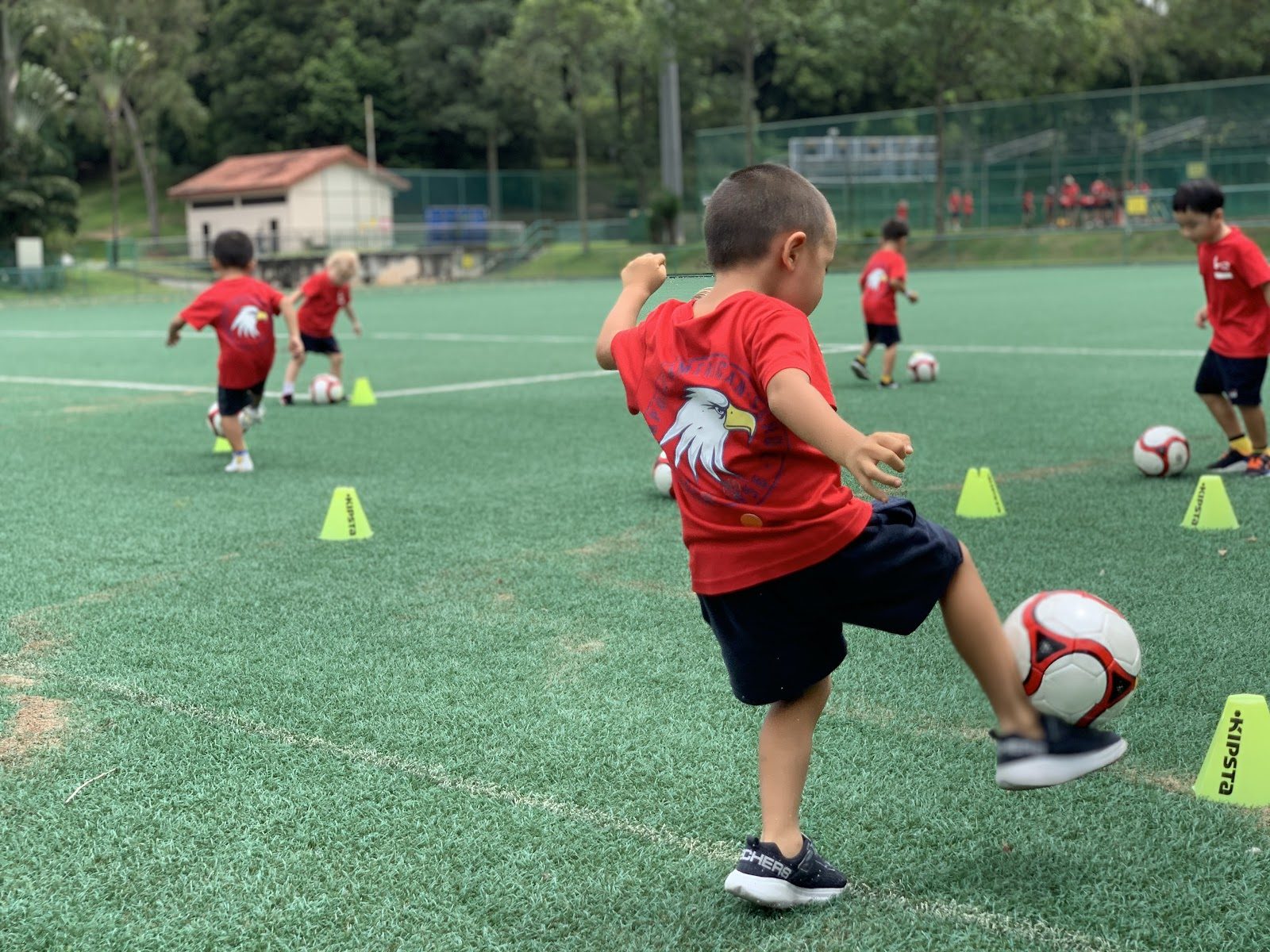
A 36-acre Woodlands campus with a rainforest classroom and AP breadth, run on an American blueprint with IB rigor at the edges
Tanglin Trust School
Singapore · Singapore
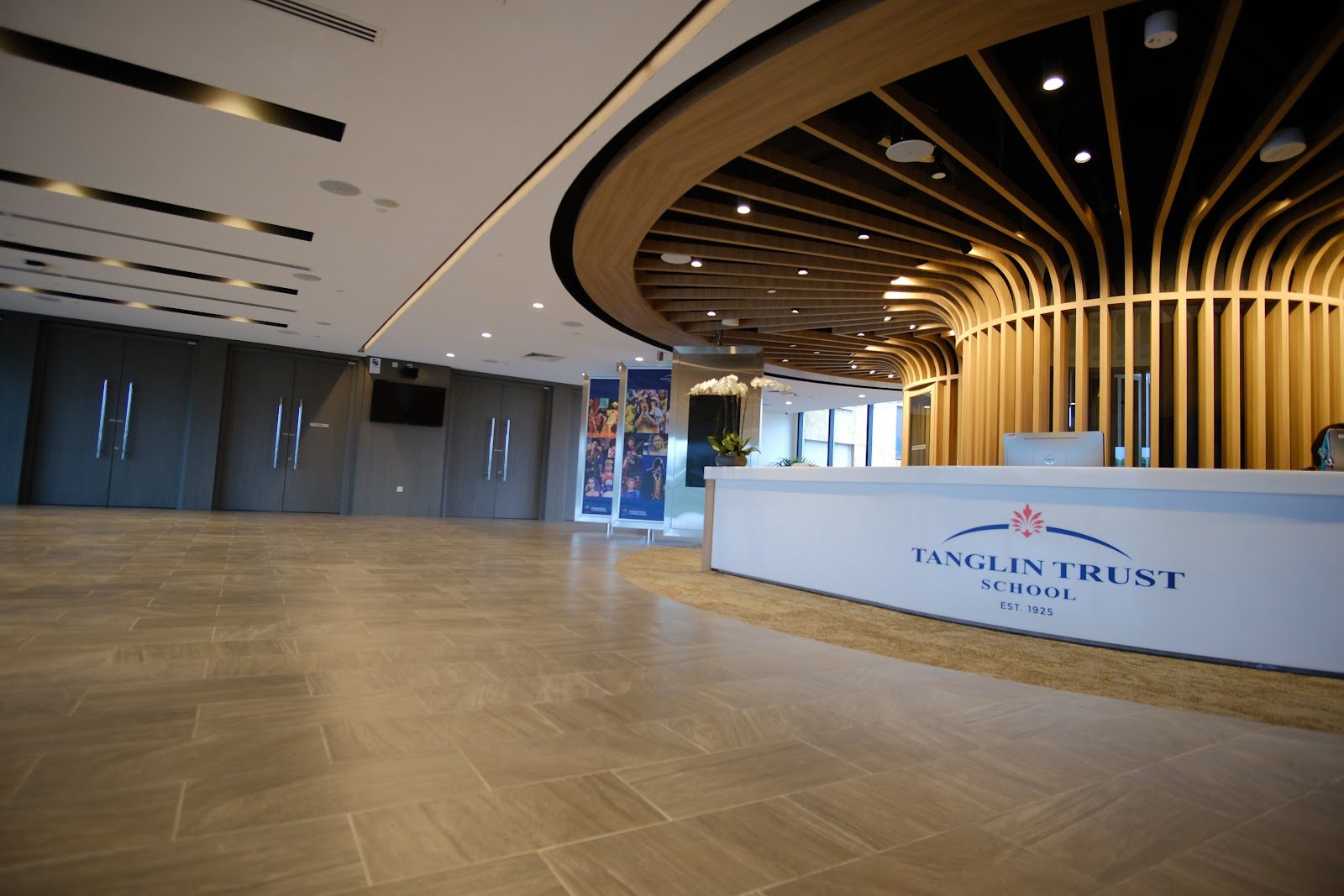
Southeast Asia's oldest British school pairs IB with A-Levels, then sends every Year 9 to the Australian bush for five weeks.
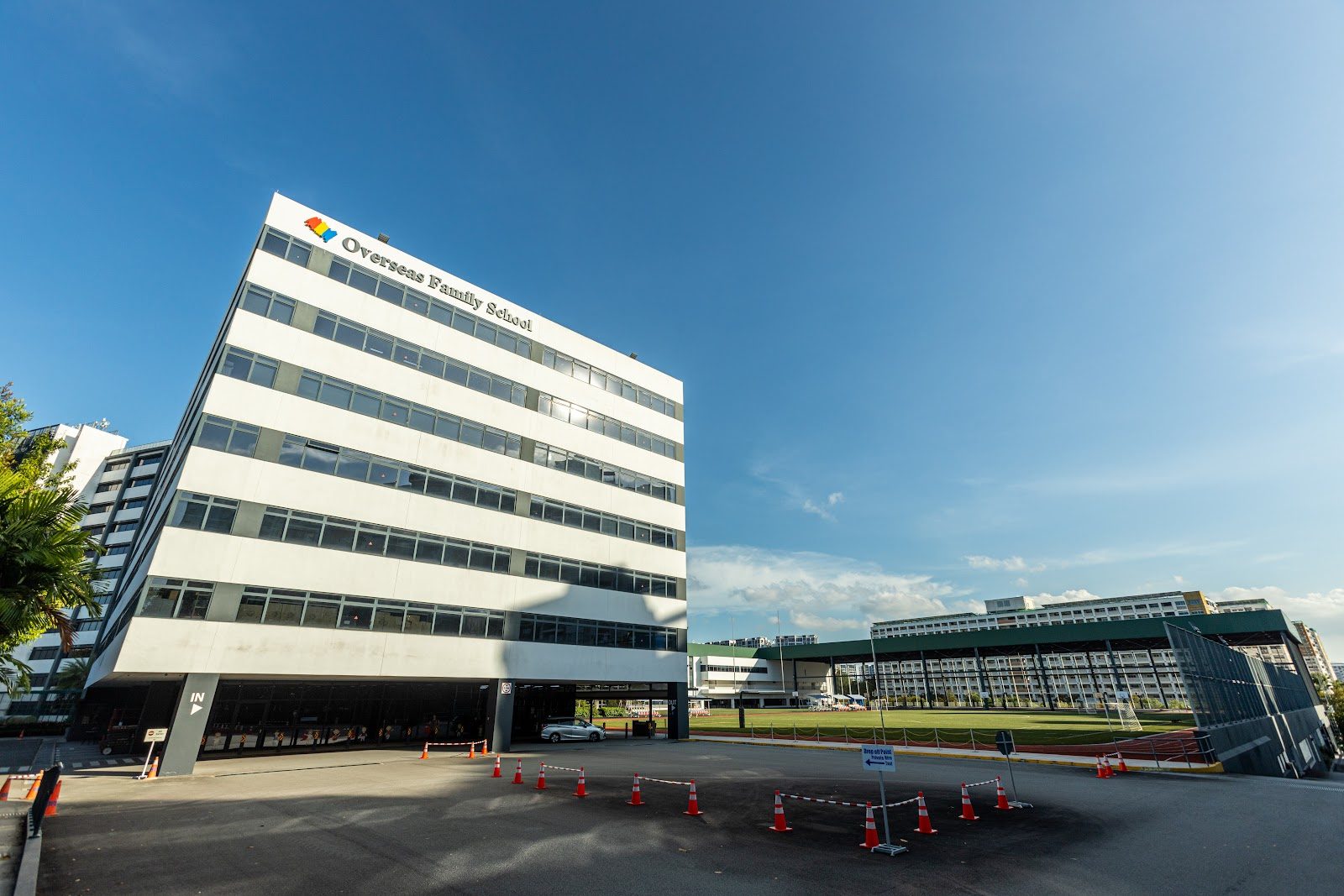
Overseas Family School
Singapore · Singapore
Open-access IB Diploma policy admits every student, no preselection, inside a 70-nation Pasir Ris campus.
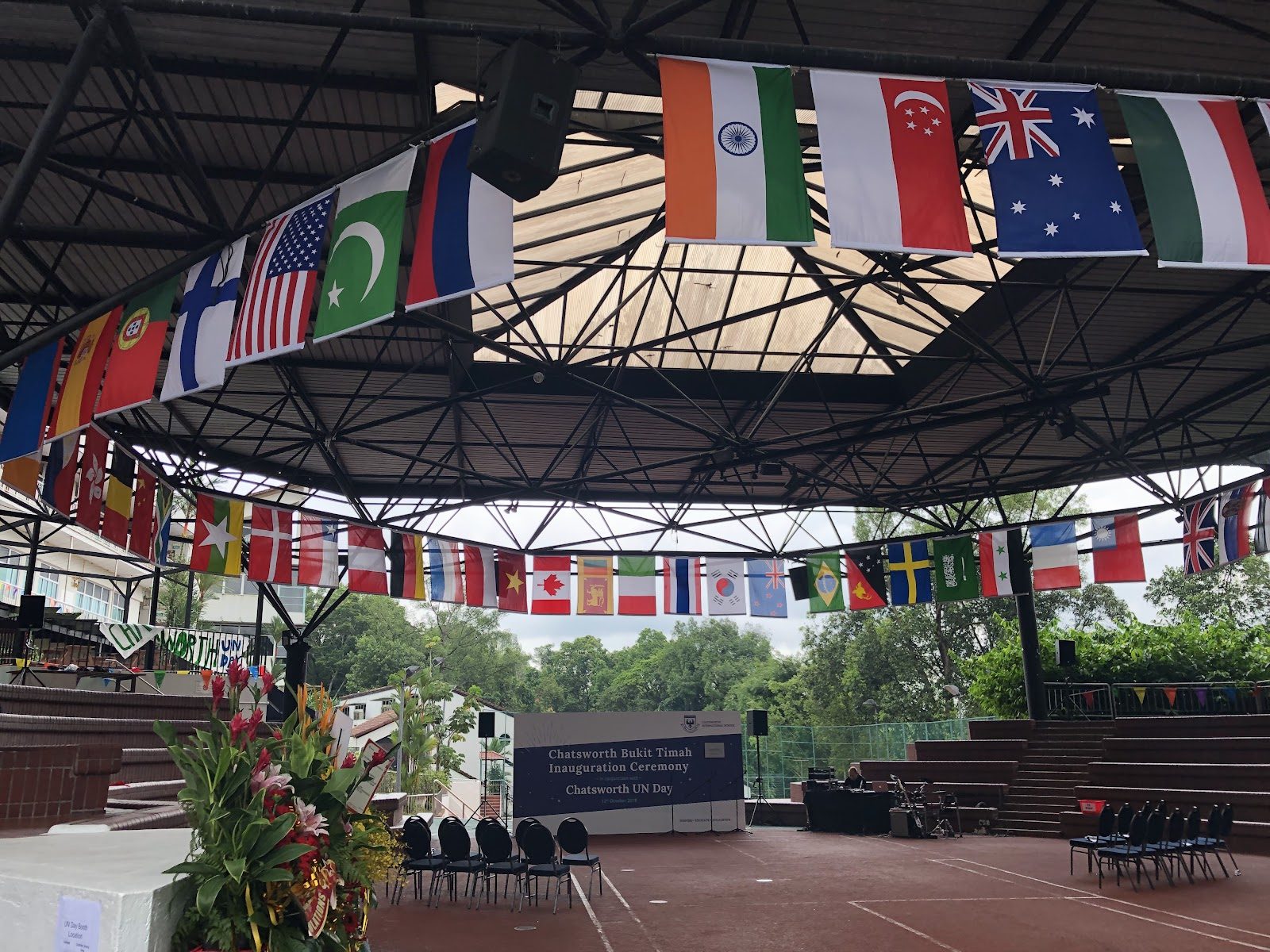
Chatsworth International School
Singapore · Singapore
Set beside Singapore's only tropical rainforest, a non-selective full IB continuum runs through a close-knit, village-like community.
Same country and curriculum — closest matches within ±10 points either way