
Île-de-France
A Jesuit foundation from 1563 in the Latin Quarter, its prepa classes top national rankings across nearly every track.
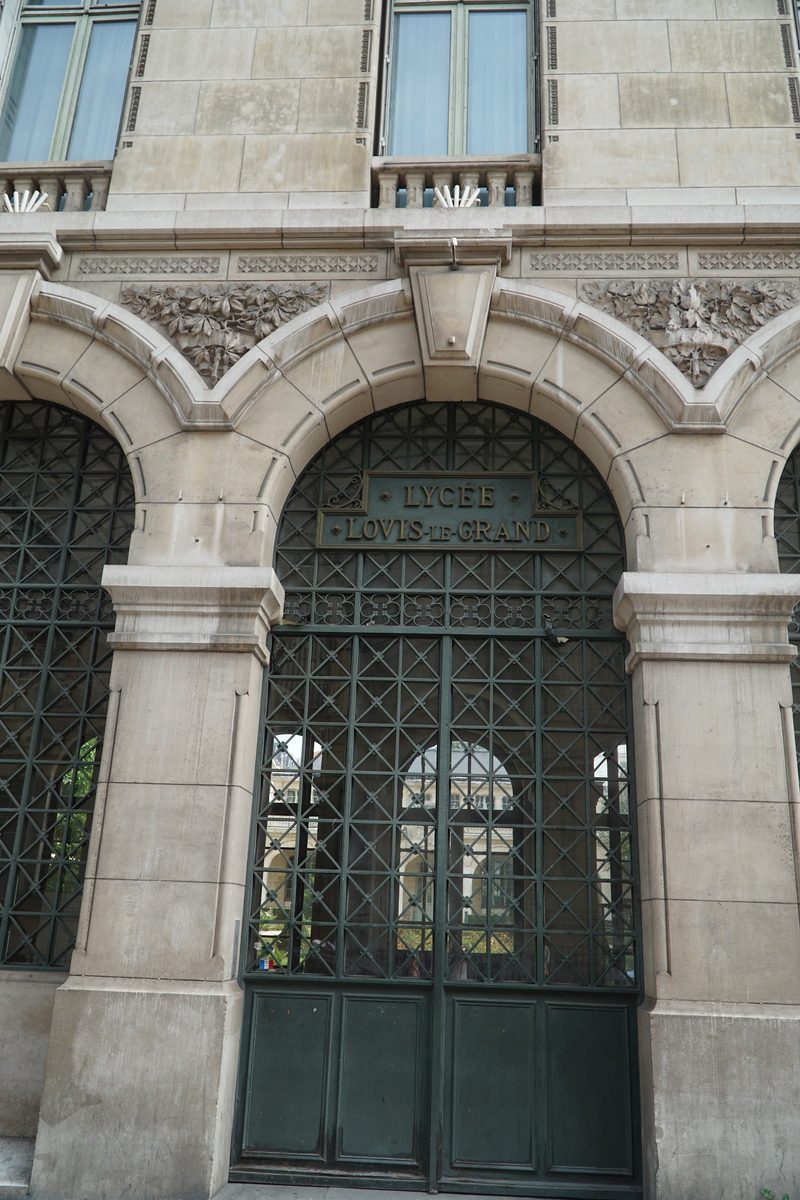
Photo © Giralquivir via Google Maps
Type
Both
Ages
15–20
Curriculum
French Baccalaureate
Qualifications
Classes Préparatoires
Ratio
12:1
The Verdict
Editor's commitment
Right for
Academic high-fliers who want the French Baccalaureate in central Paris, with a 12:1 ratio and direct routes to Polytechnique, ENS Ulm and HEC.
Wrong for
Families needing English-medium teaching, broad hand-holding or tiny classes: instruction is in French, average class size is 30, and ages run 15–20.
Watch out for
This is a public lycée with boarding at €2,500, not a cushioned private campus; the real test is whether your child can win places like Polytechnique 20, ENS Ulm 18 or HEC 22.
Ranking breakdown
Lycée Louis-le-Grand · #25 of 1591
Composite score 80.9. 8 weighted criteria.
By criterion
Academic Outcomes
Weight 20%
#2
of 1529 scored
University Placement
Weight 16%
#5
of 1529 scored
Prestige & Heritage
Weight 12%
#9
of 1571 scored
Alumni Network
Weight 12%
#42
of 1530 scored
Facilities
Weight 12%
#1102
of 1534 scored
Transparency & Communications
Weight 8%
#592
of 1532 scored
Peer & Industry Review
Weight 10%
#66
of 1548 scored
Admissions Selectivity & Demand
Weight 8%
#21
of 1529 scored
Score history
Lycée Louis-le-Grand · 2026
Movement across 2024–2026. Peer average overlaid.
Overall — 2024–2026
80.9/ 100
▲ +39.7 vs 2025
year on year
Peer & Industry Review
How Lycée Louis-le-Grand is regarded in the sector
96
Top-tier · high confidence
Lycée Louis-le-Grand is consistently ranked as the top or one of the top preparatory schools (classes préparatoires) in France by L'Etudiant and Le Figaro Étudiant rankings, based on grandes écoles admission success rates. Its alumni network includes numerous heads of state, Nobel laureates, and Fields Medalists, frequently referenced in French press (Le Monde, Le Figaro) and international academic circles as a benchmark institution for elite French education. It is widely regarded in specialist education press and among peer institutions as the pinnacle of the French public secondary/preparatory system, comparable to top grandes écoles feeder schools.
Evidence sources
Editors' overview
Lycée Louis-le-Grand occupies a rare position in French education: a state lycée with the weight of national myth and the results to justify it. Founded in 1563 and set in the Latin Quarter, it feeds directly into the most selective parts of the French system. The headline fact is not ambience or architecture, though both carry serious old-Paris gravitas; it is the strength of the classes préparatoires. Few schools can claim such dominance across scientific, literary and commercial tracks. For families targeting the French elite-grandes-écoles route, Louis-le-Grand sits near the top of the list. It is public, academically exacting and strikingly accessible on price if a boarding place is secured: €2,500 a year for boarding is low by international standards.
This is not a soft landing. The school operates in French, follows the French Baccalaureate, and serves students aged 15 to 20 in an environment built around competition, selection and pace. A student-teacher ratio of 12:1 sounds intimate on paper, but an average class size of 30 tells the real story: this is not boutique education, it is high-pressure public excellence. The attraction lies in intellectual density, peer quality and a culture where ambition is normal. Its recent destinations — École Polytechnique, ENS Ulm and HEC Paris — confirm the point with unusual clarity. This is a place for students who want the hardest academic company in the room and do not need pastoral hand-holding to keep going.
What sets Louis-le-Grand apart is the combination of prestige, cost and outcomes. Many schools sell exclusivity; Louis-le-Grand offers institutional seriousness without private-school fees. That gives it a powerful market position for French-speaking families, expatriates already embedded in the French system, and international parents who understand how the prépa pipeline works. It earns a place on a shortlist because it delivers *a direct line into France’s academic upper tier*, not because it packages itself attractively. Families seeking broad co-curricular polish, intensive bilingual delivery or a gently managed sixth form experience should look elsewhere. Families seeking ferocious academic stretch should not.
Academic Performance
Academic performance is the core of Louis-le-Grand’s case. The school’s recent destinations tell the story with more force than any internal claim: 20 to École Polytechnique, 18 to ENS Ulm and 22 to HEC Paris. Those are not incidental wins spread across a large international cohort; they place the school in the top national tier of the French academic hierarchy. In the French system, entry to those institutions is a hard external test of quality. Schools with weaker preparation do not place students there in these numbers. Louis-le-Grand’s strength sits above all in the prépa years, where its record across scientific, literary and commercial tracks gives it a formidable competitive edge over almost every peer.
That said, families need to read the performance profile correctly. This is not a school that trades on glossy publication of aggregate exam dashboards for international audiences; we have not seen publicly presented school-wide Baccalaureate score breakdowns or value-added analysis. The real measure here is progression into the country’s most selective higher-education routes, and on that front the school is exceptionally strong. Relative to other French lycées, Louis-le-Grand operates at the sharp end of academic selection. Relative to fee-charging international schools, it offers a different bargain altogether: less breadth, less hand-holding, and a much clearer route for students aiming at France’s most exacting institutions.
Facilities
Louis-le-Grand’s facilities matter less for spectacle than for function. This is a central Paris state lycée on a constrained urban site, not a sprawling international campus with theatres, pools and manicured sports acreage. Parents comparing it with top-fee schools need to register that difference at once. The public record confirms a boarding offer, and the annual charge of €2,500 tells you what sort of provision this is: practical rather than indulgent. The essential asset is the school’s location in the Latin Quarter, with the density of universities, libraries and academic institutions that gives older students a serious intellectual hinterland beyond the gate. For a sixth-form age cohort on the French elite track, that counts for more than glossy wellness suites.
Against direct peers in the French public academic elite, that profile is entirely coherent. Louis-le-Grand does not win on campus luxury; it wins on access to the right academic infrastructure and on using a historic city-centre setting for students who need desks, books, supervision and proximity to Paris’s scholarly core. Average class size sits at 30, so families should not expect boutique seminar rooms or the spatial generosity common in expensive private schools. Nor should they expect a broad co-curricular plant designed to impress overseas buyers. The facilities fit the institution: *hard-working, space-tight and academically purposeful*. For some families that will read as austere. For the right student, it is exactly the point.
Lycée Louis-le-Grand occupies a rare position in French education: a state lycée with the weight of national myth and the results to justify it
Prestige
Louis-le-Grand carries first-rank national prestige in a way few schools do. In France, its name functions less as a pleasant historical badge than as a hard signal of academic selection, institutional seriousness and access to the summit of the grandes écoles system. That status rests on public, external proof. Recent leavers progressed to École Polytechnique, ENS Ulm and HEC Paris in counts of 20, 18 and 22. Those destinations are the currency that matters here. They confirm that the school does not just educate able pupils; it converts them into candidates who can survive the country’s most punishing competitions. For families inside the French system, that gives Louis-le-Grand elite credibility that many expensive private schools cannot match.
The prestige also has a sharper edge than international parents may expect. This is not prestige built on acreage, branding or concierge-style care. It is earned prestige, tied to difficulty, comparison and a long public record of sending students into the state’s most selective institutions. That distinction matters. A place at Louis-le-Grand carries weight because admission itself is competitive and because success there signals that a student can hold ground in a ruthlessly able peer group. We rate its prestige at the top end because the school occupies a rare category: a public lycée whose name still opens doors, commands respect and marks out a student as part of France’s academic upper tier.
For families targeting the French elite-grandes-écoles route, Louis-le-Grand sits near the top of the list
Communications
Louis-le-Grand communicates like a serious French public institution: function first, persuasion a distant second. The public-facing website does the basics, but it does not court families with the polished explanatory apparatus that international schools now treat as standard. That matters because the school serves an exacting age group and a system that punishes misunderstanding. Parents need clear timetables, admissions guidance, exam information and practical notices delivered with discipline and administrative clarity. We have seen enough to say the school identifies itself plainly as a public lycée on rue Saint-Jacques; we have not seen the kind of expansive parent-information architecture that helps newcomers decode expectations, routines and pressure points. For families already fluent in the French system, that brevity reads as institutionally confident. For international families, it reads as hard work.
Effectiveness therefore depends heavily on the parent. A family that knows the French academic machinery, reads French with ease and does not need pastoral narration will cope well. A family hoping for frequent interpretive hand-holding, bilingual explanation or a customer-service mindset will not find it here. That does not make the communication weak. It makes it narrowly targeted and unapologetically local in tone. The school’s own facts are concise; the editorial picture matches them. This is an institution that expects families to meet its standards, not one that reorganises itself around parental comfort. In that respect, the communication style fits the school with bracing honesty.
Uniqueness
What makes Louis-le-Grand unique is the combination of public status and near-mythic academic weight. Many famous schools trade on heritage; this one trades on conversion of talent into elite outcomes inside the French system. That matters because it gives students access not just to strong teaching, but to a national reference point for intellectual competition. The peer group is the real differentiator: students work among others who treat hard study as normal, selective higher education as the target, and pressure as part of the deal. The school’s recent progression figures — 20 to Polytechnique, 18 to ENS Ulm and 22 to HEC Paris — show the effect with unusual bluntness. Few institutions offer that level of concentration across scientific, literary and commercial routes under one roof.
For students, the benefit is not comfort. It is academic acceleration. Ambitious pupils gain pace, sharper comparison and constant exposure to high-performing classmates who raise the floor as well as the ceiling. They also gain entry to a school name that carries real force in France, which helps at the point where competitive exams, recommendation and institutional reputation intersect. The cost of that uniqueness is clear: a hard-edged culture with little interest in cushioning stress or packaging experience. Students who need breadth, pastoral softness or bilingual ease will find stronger fits elsewhere. Students who want the French meritocratic fast lane will find very few better places to be.
Those are not incidental wins spread across a large international cohort; they place the school in the top national tier of the French academic hierarchy
Student Profile
The right student for Louis-le-Grand is academically ambitious, resilient and fully at ease with comparison. This school suits teenagers who draw energy from a room full of strong competitors rather than shrink from it. They need self-discipline, stamina and a high tolerance for correction, pace and external judgement. An average class size of 30 sets the social and academic terms: students must hold their own without constant individual prompting. The published staffing ratio of 12:1 does not turn this into a nurturing micro-school. It remains a demanding public institution where independence matters. Pupils who want warmth, broad affirmation and a carefully managed emotional experience will find the culture too hard-edged.
Fit also depends on educational aim. Louis-le-Grand works for families who value selective academic progression above almost everything else and who understand the trade-offs involved. The strongest candidates for this environment are students with a clear competitive streak, secure literacy in French, and a serious appetite for long-form study rather than performative all-roundism. The age range, 15–20, reinforces that focus: this is an older cohort moving towards high-stakes examinations and elite higher education, not a gently curated adolescence. Students who relish intellectual pressure, accept institutional austerity and want to test themselves against a formidable peer group will thrive. Students who need flexibility, softer pacing or a broad international-school social mix will not.
The real measure here is progression into the country’s most selective higher-education routes, and on that front the school is exceptionally strong
Co-curricular strengths
Arts & sport, on a separate axis
Overall 6.1/10
Scored 0-10 from the school's own published evidence. This axis is editorial-only — it does not feed the main WTS ranking.
Sports
6.5/10
Drama
6.5/10
Theatre and the external source cites a new auditorium (salle des fêtes), which is dedicated performing-arts infrastructure sufficient for a notable drama score.
Dance
4.5/10
Music
6.5/10
Music, but the only external evidence is a historical note that Marc-Antoine Charpentier was music master in the 17th century, which does not substantiate current programme strength beyond a bare named offering.
Visual Arts
6.5/10
A historic donated painting that remains in the principal's office, but there is no evidence of a current visual arts programme, department, or facilities beyond this limited art-related detail.
Editor-verified · 8/7/2026
Outcomes & destinations
Where students go next
320 graduates
Top destinations
236 placements
- École Polytechnique· 20
- ENS Ulm· 18
- HEC Paris· 22
- ESSEC Business School· 14
- ESCP Business School· 10
- École Centrale Paris· 15
- Mines ParisTech· 12
- École des Ponts ParisTech· 8
- Sciences Po· 25
- Sorbonne University· 30
- Université PSL· 20
- Université Paris-Saclay· 18
- Cambridge· 6
- Oxford· 5
- Imperial College London· 4
- LSE· 5
- Yale University· 2
- MIT· 2
Reported by the school. Confirm with admissions.

WTS 300 badge
2025/26 editionLycée Louis-le-Grand is one of the World's Top 300 Schools for 2025/26. Claim your listing to add it to your site →
Strengths
- +The classes préparatoires have maintained a dominant position in national rankings for decades, ranking first in the MP track for admission to Polytechnique and the four ENS schools, giving strong outcomes for university progression.
- +The school maintains a 100% baccalaureate pass rate, with 58.2% of students earning the top distinction (mention tres bien) in 2024.
- +As a public school with no tuition fees, admission runs through the Parcoursup platform, combining a tradition of academic excellence with broader access to elite-track education.
- +Located in the Latin Quarter, the school has about 1,800 students and can house 340 of them in its boarding facilities, easing logistics for families outside Paris.
- +Former students include writers Moliere, Victor Hugo and Charles Baudelaire, philosophers Voltaire and Jean-Paul Sartre, scientists such as Henri Poincare, and seven former presidents of the French Republic, reflecting a long academic tradition.
Considerations
- −The CPGE track alone recently received around 22,500 applications for fewer than 450 available places, making entry statistically very difficult for most applicants.
- −The school teaches exclusively the French Baccalaureate curriculum with no IB or other international track, which may not suit expat families seeking a globally portable qualification.
- −Boarding capacity is limited to 340 places against a total student body of about 1,800, meaning most pupils must find their own accommodation in an expensive city.
- −The environment is built around intense, exam-focused preparation for competitive entrance exams, with a strong culture of academic emulation among ambitious peers, which suits driven students but offers little breathing room for those wanting a broader, less pressured schooling experience.
Availability
Primary entry gate & tests
Affelnet / Academic Dossier
Gallery
Photo © Mer via Google Maps
Photo © Mer via Google Maps
Photo © Mohamad ALAOUID via Google Maps
Photo © victor Chigot via Google Maps
Photo © Aymane Moutei via Google Maps
Photo © Yannick Delion via Google Maps
Photo © Gérard et Sylvie Lachaize via Google Maps
Photo © Daniel WILK via Google Maps
Photo © victor Chigot via Google Maps
Parent reviews
Have you sent your child here?
Voice reviews carry the strongest trust badge — we transcribe them for you to tidy up before they go live. Prefer to type? A written review is fine too.
Add your voice
In 60 seconds, tell other parents: what's the best thing about Lycée Louis-le-Grand, and what surprised you when your child joined?
We ask for a Google sign-in so every review has a real face behind it — no anonymous drive-by attacks on schools, and no faked positive reviews. Your email is never shown publicly.
Send this profile to a friend
International parents rely on word-of-mouth. Share this review with someone weighing the same decision.
Schools with places
Similar schools to Lycée Louis-le-Grand with places available now.
École Jeannine Manuel
Paris · France
- 2026-27
- CLOSEDStandard route
- 2027-28
- OPENS SOONOpens Oct '26
École Saint-Louis de Gonzague
Paris · France
- 2026-27
- CLOSEDStandard route
- 2027-28
- OPENS SOONOpens Oct/Nov '26
The British School of Paris
Paris · France
- 2026-27
- WAITPOOLSpace-dependent
- 2027-28
- PLACES OPENRolling
École Alsacienne
Paris · France
- 2026-27
- CLOSEDStandard route
- 2027-28
- OPENS SOONOpens Sept/Oct '26
Availability first, then country, area, curriculum, price, co-curricular
Consider also
Also worth looking at alongside Lycée Louis-le-Grand.
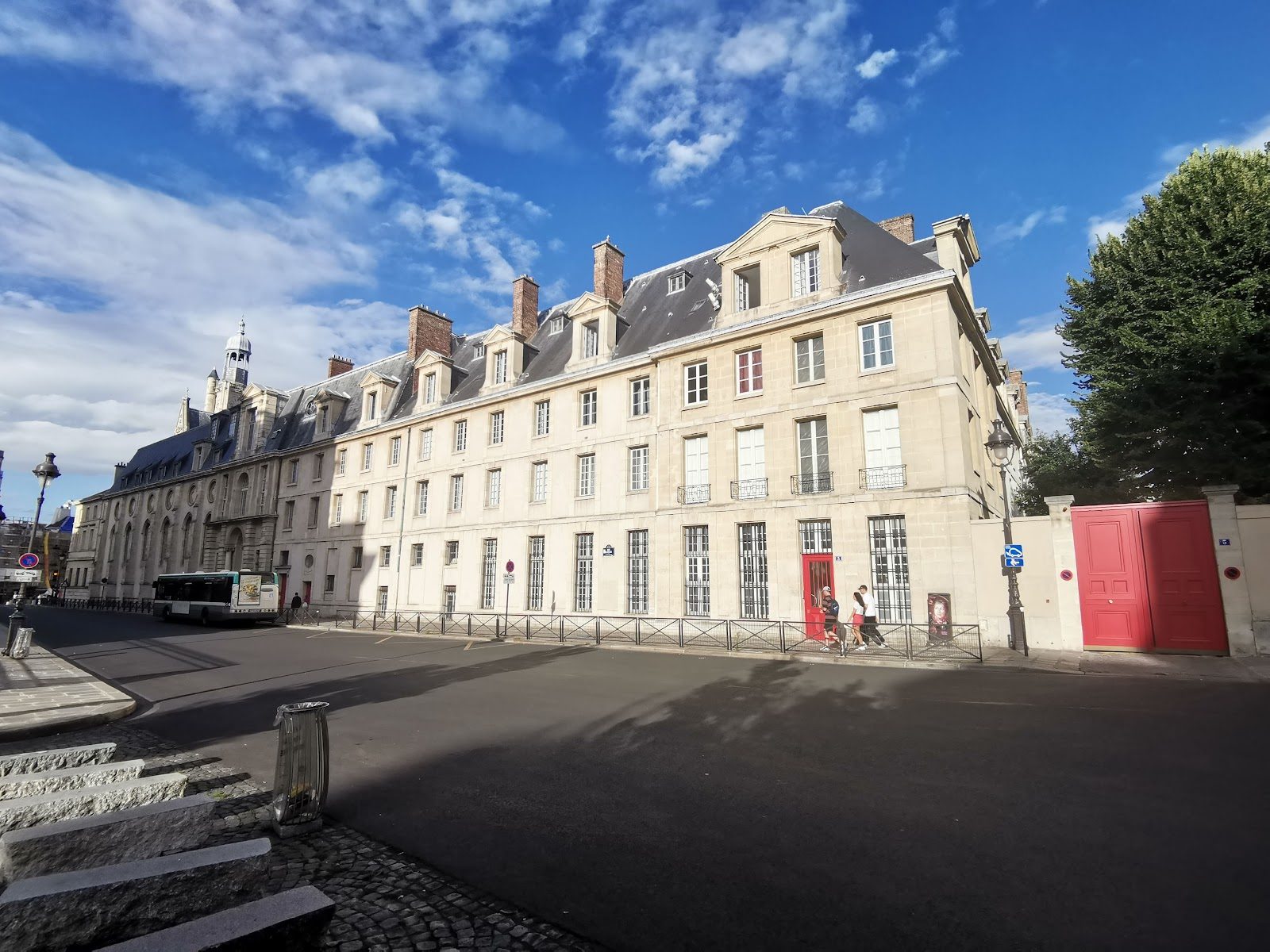
Lycée Henri-IV
Paris · France
Storied Left Bank lycée prizing the French Bac and its feeder classes préparatoires to France's grandes écoles.
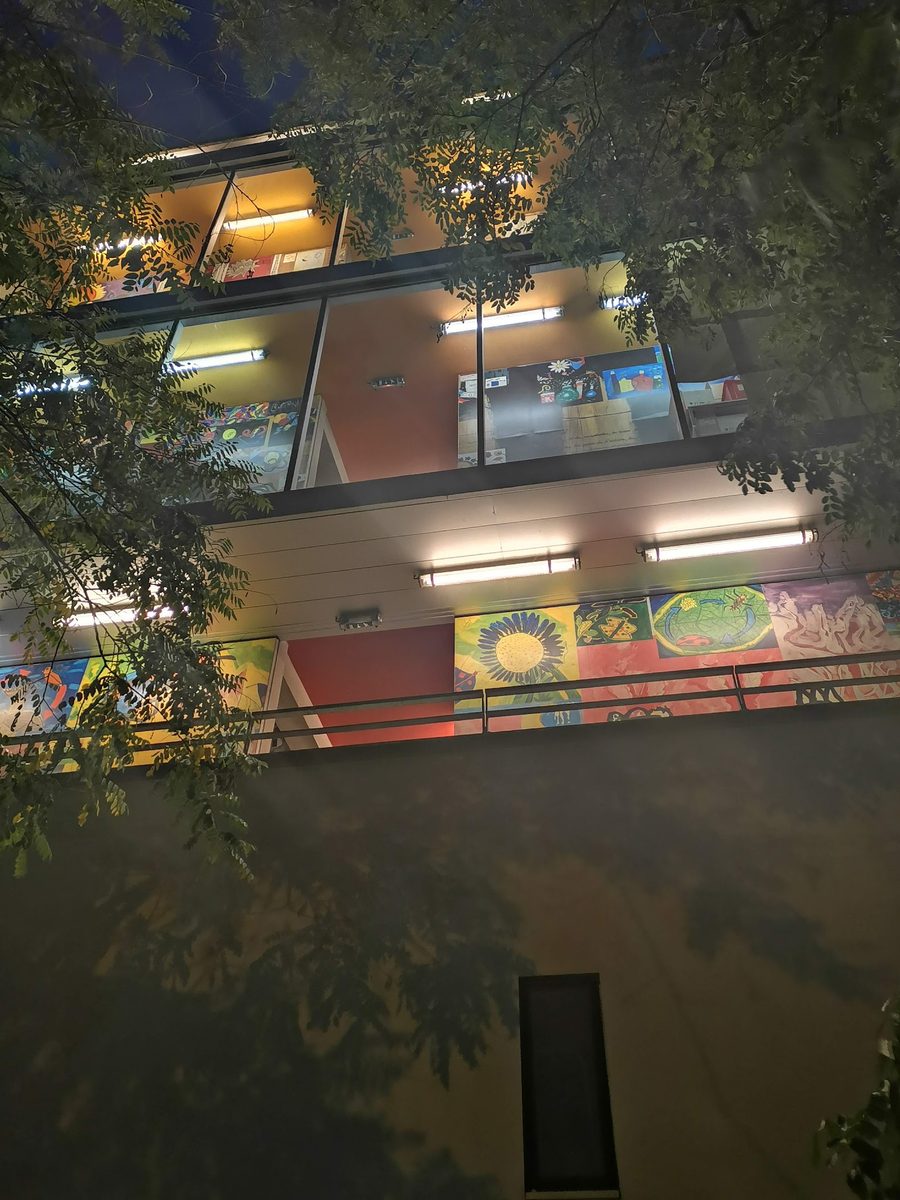
École Jeannine Manuel
Paris · France
Founded by a Resistance veteran, this Left Bank lycee teaches core subjects bilingually and has topped France's rankings for a decade.
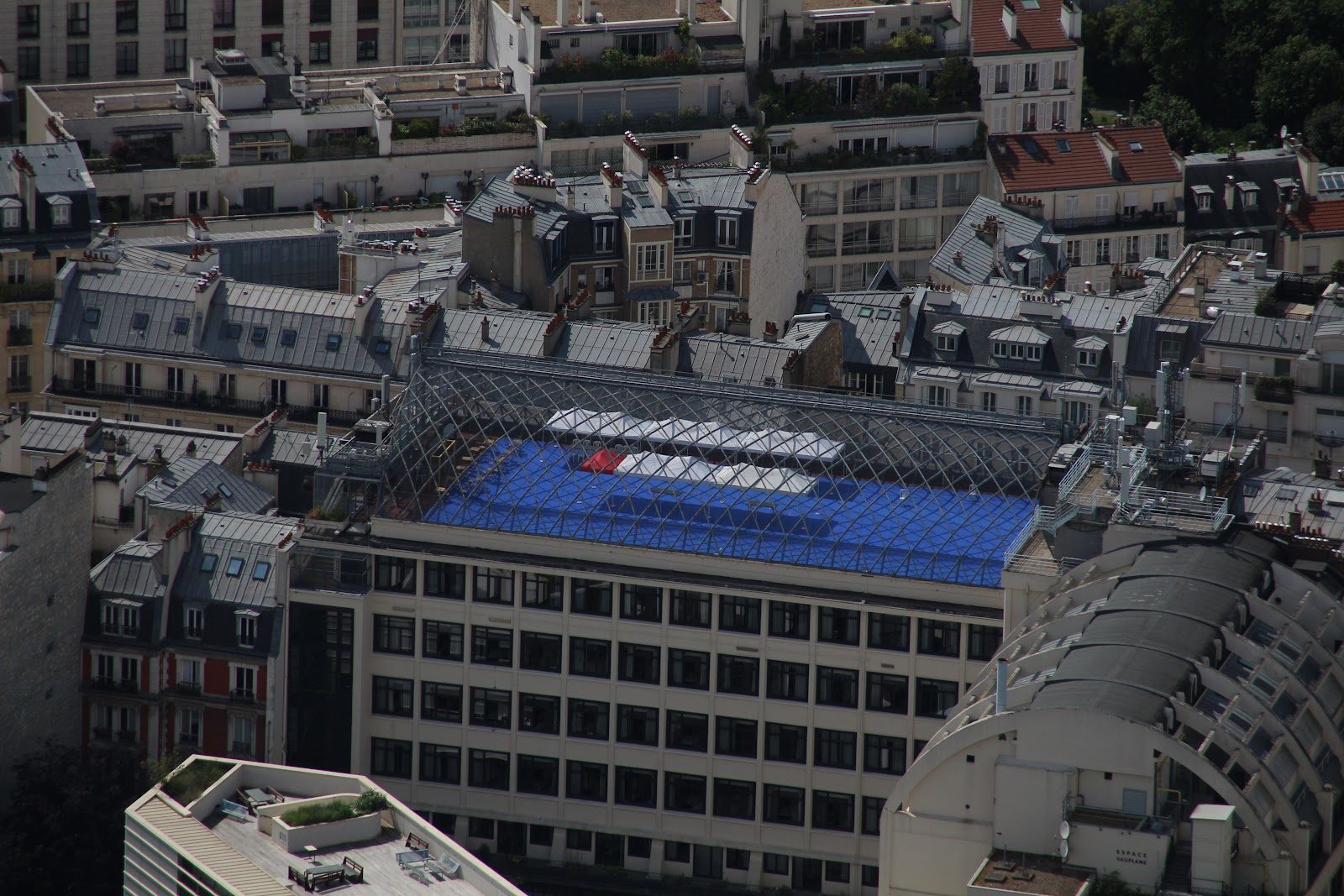
École Saint-Louis de Gonzague
Paris · France
Jesuit since 1894 on the Chaillot hill, still teaching Ignatian rigor into France's top-ranked lycee and its elite prep classes.
Lycée International de Saint-Germain-en-Laye
Saint-Germain-en-Laye · France
Grew from a NATO garrison school into the cradle of the OIB, where fourteen national sections share one French core.
Same country and curriculum — closest matches within ±10 points either way