
Hong Kong
Canadian International School of Hong Kong
low confidence· 6/6 cats · 0 avg sourcesThe only school outside Canada awarding both the IB Diploma and Ontario's OSSD, docked on Hong Kong Island's south side in Aberdeen.
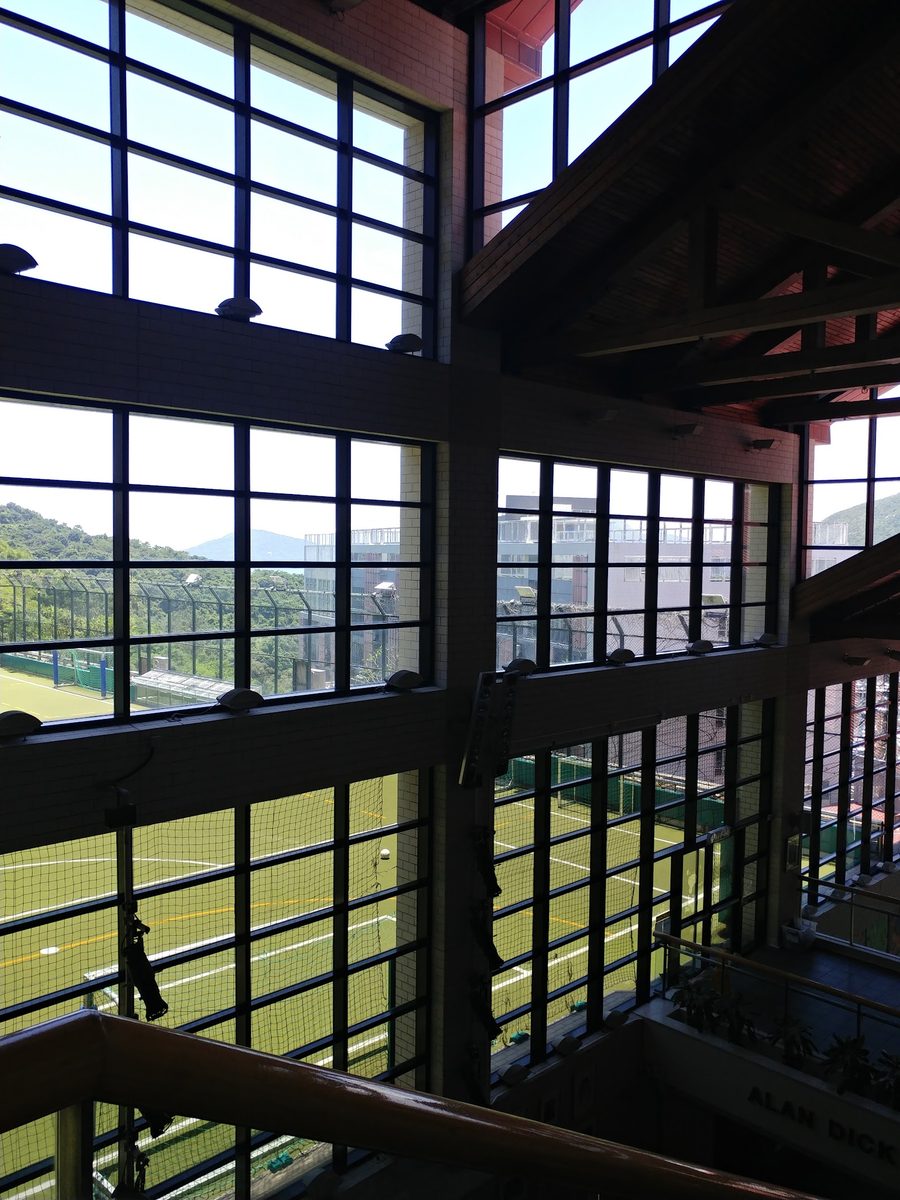
Photo © cho cheong Lai via Google Maps
Type
Day
Ages
5–18
Curriculum
IB (Diploma, MYP, PYP)
Ratio
—
The Verdict
Editor's commitment
Right for
Families who want a 1991-founded Aberdeen day school delivering the full IB continuum and the rare Ontario Secondary School Diploma alongside it.
Wrong for
Parents who want a smaller, cheaper school: CDNIS enrolls over 2,100 students from 40-plus nationalities, with average annual fees of HK$215,405.
Watch out for
The sales pitch leans hard on elite IBDP averages, but the school does not publish aggregate results here; at this price, demand hard data.
Ranking breakdown
Canadian International School of Hong Kong · #906 of 1591
Composite score 62.3. 8 weighted criteria.
By criterion
Academic Outcomes
Weight 20%
#1002
of 1529 scored
University Placement
Weight 16%
#1015
of 1529 scored
Prestige & Heritage
Weight 12%
#1037
of 1571 scored
Alumni Network
Weight 12%
#663
of 1530 scored
Facilities
Weight 12%
#960
of 1534 scored
Transparency & Communications
Weight 8%
#1000
of 1532 scored
Peer & Industry Review
Weight 10%
#998
of 1548 scored
Admissions Selectivity & Demand
Weight 8%
#726
of 1529 scored
Peer & Industry Review
How Canadian International School of Hong Kong is regarded in the sector
78
Strong · high confidence
Canadian International School of Hong Kong (CDNIS) sits firmly among Hong Kong's benchmark international schools, with WhichSchoolAdvisor noting that "with some of the highest average IB scores in Hong Kong, this school has a reputation for turning out elite students." Tatler Asia lists it as one of only five schools in the territory authorised to teach all three IB programmes, while the Good Schools Guide's independent review praises its inquiry-based, all-round approach and academic excellence balanced by personal growth and global awareness. Its separately verified results record shows a 2025 average IB score of 38, with three students achieving a perfect 45 for the 12th consecutive year, underpinning the school's distinctive dual-diploma reputation, since it is among the only schools where students graduate with both the IB diploma and the Ontario Secondary School Diploma. Coverage is consistent and multi-source rather than exceptional, placing CDNIS as a well-established, credible sector peer rather than a unanimous top-tier pick.
Editors' overview
What marks out the Canadian International School of Hong Kong is not generic “international” polish but a very specific academic proposition: it is the only school outside Canada to award both the IB Diploma and Ontario’s OSSD. That matters. For families who want the breadth and transferability of the IB but also value the structure and recognition of a Canadian secondary credential, CDNIS offers a route few competitors can match. The school sits in Aberdeen on Hong Kong Island’s south side, runs from Nursery to Grade 12 across 16 grade levels, and enrols over 2,100 students drawn from more than 40 nationalities. This is a large, established day school, founded in 1991, with the scale to run a broad programme and the confidence to build its own “Transition Years Programme” for Grades 6 to 8 rather than simply importing a standard middle-school template.
The core attraction is academic design. CDNIS is an IB World School and one of only eight IB continuum schools in Hong Kong offering the PYP, MYP and Diploma Programme across the full age range. The school states that all students have the opportunity to graduate with two diplomas, and that dual-award structure is its clearest market differentiator. Parents should also clock the school’s own claim of “amongst the highest IBDP average scores in the world”. Without published aggregate figures in the public domain, that remains a statement rather than a result set, and serious families will want the hard numbers. Still, the direction of travel is clear: this is an ambitious, academically serious school that expects students to handle an inquiry-led IB education inside a substantial, busy institution rather than a small, hand-held environment.
It belongs on a shortlist for parents who want a high-powered Hong Kong day school with North American DNA but global university portability. The average annual day fee across all year groups is HK$215,405, which places CDNIS firmly in the premium end of Hong Kong’s international market. That price buys entry to a big, cosmopolitan school rather than an intimate one. Some children thrive in that setting: confident, adaptable students who like a large peer group, extensive activities and the momentum of a school with real scale. Others will find it impersonal or simply too much. CDNIS suits students who are comfortable in a rigorous English-medium environment, willing to work hard, and keen to keep more than one post-16 option open. It is not for the faint-hearted, but for the right child the dual-diploma model is a genuine edge.
Academic Performance
Academic performance is the school’s sharpest selling point, but the published evidence stops short of full transparency. CDNIS states that it has “amongst the highest IBDP average scores in the world” and publicly celebrates annual diploma results, which places external examinations at the centre of its identity. That is the language of a school competing at the top end of the market, not one content with respectable outcomes. The dual-award structure also gives older students a serious strategic advantage: the IB Diploma for global university admissions, alongside Ontario’s secondary credential. For families comparing Hong Kong’s academically selective international schools, that is a distinctive edge rather than a cosmetic extra.
The gap is aggregate data. We have not seen a published multi-year IB average, pass rate, subject spread, or university-destination breakdown robust enough to test the “world-leading” claim against direct peers. That matters, because in this tier the comparison set is exacting and headline language is cheap. Strong schools publish hard numbers. CDNIS’s confidence in its results carries weight, and the school’s scale gives it the student base to produce consistently strong outcomes across a broad cohort rather than a tiny, hand-picked class. Even so, parents should ask for the last 3 to 5 years of IB averages, pass rates and top-score distribution before treating the school as a proven examination powerhouse. At present, the reputation is impressive; the public result set is still thinner than it should be.
Facilities
The school’s most important physical advantage is scale. A roll of over 2,200 demands serious specialist space, and CDNIS has the institutional heft to run more than standard classrooms and a hall. The website foregrounds three things that matter: a dedicated Early Years Centre, a substantial after-school programme, and a full Upper School musical production. That combination points to a campus built for high-volume daily use across age groups, with enough theatre, activity and age-specific provision to keep a large all-through school functioning without constant bottlenecks. The Early Years Centre in particular matters. Schools that wall younger children off into a token corner rarely get the basics right; a named centre signals proper investment in the youngest pupils rather than an afterthought.
Against Hong Kong peers, that puts CDNIS in the well-equipped premium bracket, not the improvised vertical-school category where facilities are serviceable but constrained. The arts provision reads as a genuine strength: schools do not stage a production such as School of Rock without competent rehearsal, performance and technical space. The same goes for co-curricular breadth. A campus serving more than 40 nationalities and running a large activities offer needs sports, assembly and circulation space that can absorb heavy traffic. What we have not seen is a clear public account of standout science, design or athletic facilities, so parents should ask for specifics rather than assume best-in-class provision across every department. The school has the signs of a serious, busy, full-service campus. It does not publish enough detail to prove category leadership.
Academic performance is the school’s sharpest selling point, but the published evidence stops short of full transparency
Prestige
CDNIS carries serious market prestige in Hong Kong’s international-school sector, but not the old-club cachet of the territory’s most historically entrenched names. Its status rests on a different foundation: scale, selectivity by demand, and a genuinely unusual senior-school proposition. A school of more than 2,100 students drawn from over 40 nationalities has reach, visibility and social weight. Parents know the name. Universities know the name. Within the expatriate and internationally minded local market, that matters. So does the dual-diploma route already noted above. It gives CDNIS a clear positional advantage over schools that offer a single leaving credential and little else. The price reinforces that standing. An average annual fee of HK$215,405 places the school in expensive company, and families paying at that level expect academic ambition, breadth and institutional competence.
The limit to its prestige is that public proof lags behind the rhetoric. The school talks boldly about diploma outcomes, and that language signals confidence, but prestige at the top end is built not just on reputation but on disclosure. The strongest schools publish the numbers and let them do the work. CDNIS still trades on a mix of established reputation, large-scale community presence and a high-status academic model rather than fully evidenced public dominance. That still makes it a formidable choice and a school with real standing. It does not make it untouchable. In prestige terms, CDNIS sits securely in Hong Kong’s premium tier: admired, well-known, and credible rather than mythic.
That is the language of a school competing at the top end of the market, not one content with respectable outcomes
Communications
CDNIS communicates like a large, organised institution that expects parents to self-serve efficiently rather than rely on hand-holding. The public site is busy but functional: key routes into school life are visible, current news is easy to find, and major parts of the school are signposted without much friction. Parents can see the shape of the school quickly — age divisions, after-school activities, seasonal programmes, performances, and headline announcements such as the graduating class and diploma-results news. That matters in a school with more than 40 nationalities and a roll above 2,100: communication has to do crowd control as well as inform. On that front, the school projects institutional competence, high volume, and a clear operational rhythm.
The weakness is depth. The school publishes plenty of front-end activity but less of the hard information exacting parents want when judging substance: no robust public archive of aggregate senior outcomes, limited detail on departmental strengths, and too much reliance on confidence statements that ask readers to take excellence on trust. That creates a polished but incomplete picture. Families already inside the school may get what they need through internal channels; families still assessing it get strong signals of momentum and organisation, but not enough hard disclosure. In communications terms, CDNIS is slick, active and professionally run. It is not fully transparent, and at this price point that shortfall matters.
Uniqueness
What CDNIS has that almost no rival can match is a senior-school exit strategy with real redundancy built in. Students do not have to stake everything on a single leaving qualification. The school’s dual-diploma route gives them the option of graduating with both the IB Diploma and Ontario’s secondary credential, which is a genuinely unusual piece of academic engineering and the clearest reason the school stands apart. For families weighing university systems across different countries, that matters in practical terms: more flexibility in admissions conversations, a second formal record of secondary completion, and a structure that rewards students who want multiple doors left open rather than one narrow track. The school also uses its own Transition Years Programme in the middle phase rather than defaulting to a standard off-the-shelf model. That signals a school willing to shape its offer around adolescent needs instead of following received templates.
The other point of difference is cultural scale with a Canadian frame. A student body of over 40 nationalities inside one institution creates a busy, outward-facing social environment, but the school’s identity is not generic internationalism. It has a distinct national reference point and keeps it visible in the qualifications it awards. That combination brings a useful tension for students: international breadth without total institutional blur. In a market full of schools selling broad-mindedness in interchangeable language, CDNIS offers a specific proposition with real strategic value. For the right student, that translates into confidence, portability and a more hard-headed set of post-school options.
For families comparing Hong Kong’s academically selective international schools, that is a distinctive edge rather than a cosmetic extra
Student Profile
This school suits children who can hold their own in a large, fast-moving environment and do not need constant adult shepherding. The social field is wide, the pace is high, and the peer group is internationally mixed in a way that rewards adaptability. Students who enjoy meeting people from different backgrounds, joining activities after lessons and navigating a busy institutional culture will fit well. So will children with intellectual stamina. The school’s public emphasis on rigour, inquiry and senior results points to a cohort expected to think independently, manage deadlines and cope with challenge without drama. A community of more than 40 nationalities and over 2,100 students offers breadth, but it also demands confidence, resilience and a degree of self-possession.
The best fit is not the child who wants a small, protective setting or a school built around intimacy. This is a place for students who gain energy from scale and who like having options — academic, social and co-curricular. Bilingual early-years provision also makes it a strong match for families who want children to build cultural fluency early rather than stay in an expatriate bubble. Older students with serious university ambitions and parents who value qualification flexibility will find the school’s structure compelling. Children who need a slower tempo, heavy pastoral cushioning or a tightly contained peer group may find the atmosphere impersonal and demanding. For confident, outward-facing students, though, the fit is powerful.
Its status rests on a different foundation: scale, selectivity by demand, and a genuinely unusual senior-school proposition
Co-curricular strengths
Arts & sport, on a separate axis
Overall 8.54/10
Scored 0-10 from the school's own published evidence. This axis is editorial-only — it does not feed the main WTS ranking.
Sports
8.4/10
Drama
8.6/10
Dance
8.2/10
Music
8.7/10
Visual Arts
8.8/10
Strengths
- +IB continuum from Nursery to Grade 12
- +Ontario diploma alongside IB Diploma Programme
- +10:1 student-teacher ratio
- +Over 2,100 students, 40+ nationalities
Considerations
- −Day school only; no boarding option
- −English instruction may limit non-English beginners
- −Average class size is 20, not especially small
Availability
Primary entry gate & tests
Application + reports / assessment
Gallery
Photo © Louis Ng via Google Maps
Photo © Terrence Lau via Google Maps
Photo © Melanie Hnetka via Google Maps
Photo © Melanie Hnetka via Google Maps
Photo © Melanie Hnetka via Google Maps
Photo © Simon Tam via Google Maps
Parent reviews
Have you sent your child here?
Voice reviews carry the strongest trust badge — we transcribe them for you to tidy up before they go live. Prefer to type? A written review is fine too.
Add your voice
In 60 seconds, tell other parents: what's the best thing about Canadian International School of Hong Kong, and what surprised you when your child joined?
We ask for a Google sign-in so every review has a real face behind it — no anonymous drive-by attacks on schools, and no faked positive reviews. Your email is never shown publicly.
Send this profile to a friend
International parents rely on word-of-mouth. Share this review with someone weighing the same decision.
Schools with places
Similar schools to Canadian International School of Hong Kong with places available now.
Li Po Chun United World College of Hong Kong
Hong Kong · Hong Kong
- 2026-27
- CLOSEDStandard route closed
- 2027-28
- WAITPOOLVaries by National Committee / Direct
Harrow International School Hong Kong
Hong Kong · Hong Kong
- 2026-27
- WAITPOOLSpace-dependent
- 2027-28
- OPENS SOONOpens 1 Sept '26
Kellett School
Hong Kong · Hong Kong
- 2026-27
- WAITPOOLSpace-dependent
- 2027-28
- PLACES OPENRolling
German Swiss International School
Hong Kong · Hong Kong
- 2026-27
- PLACES OPENRolling
- 2027-28
- PLACES OPENRolling
Availability first, then country, area, curriculum, price, co-curricular
Consider also
Also worth looking at alongside Canadian International School of Hong Kong.
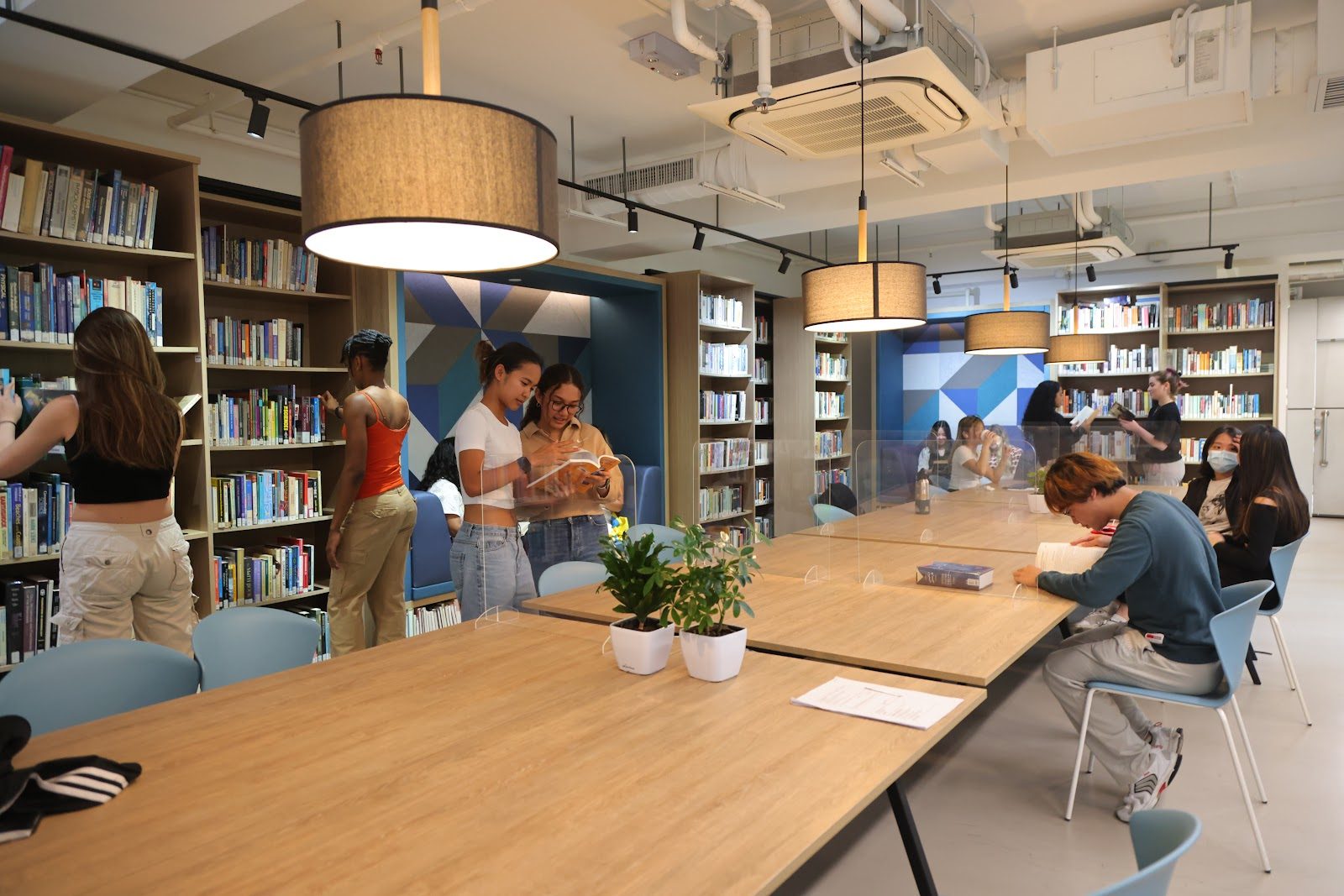
Li Po Chun United World College of Hong Kong
Hong Kong · Hong Kong
Perched above Tolo Harbour, this United World College gathers scholars from 90 nations for a service-driven IB Diploma.
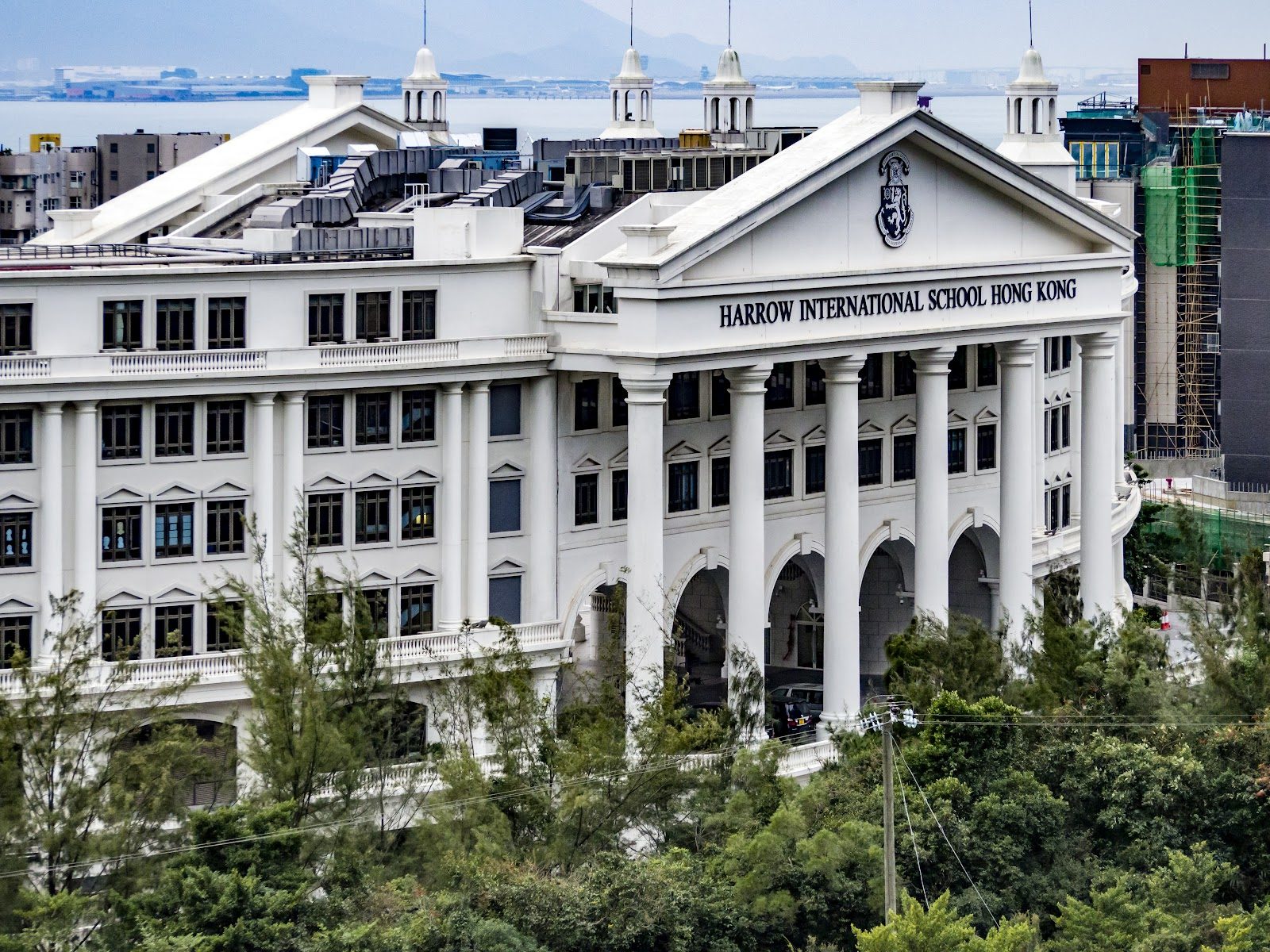
Harrow International School Hong Kong
Hong Kong · Hong Kong
A crescent-shaped Tuen Mun campus, modelled on Bath's Royal Crescent, houses Hong Kong's only formal weekly boarding and house system.
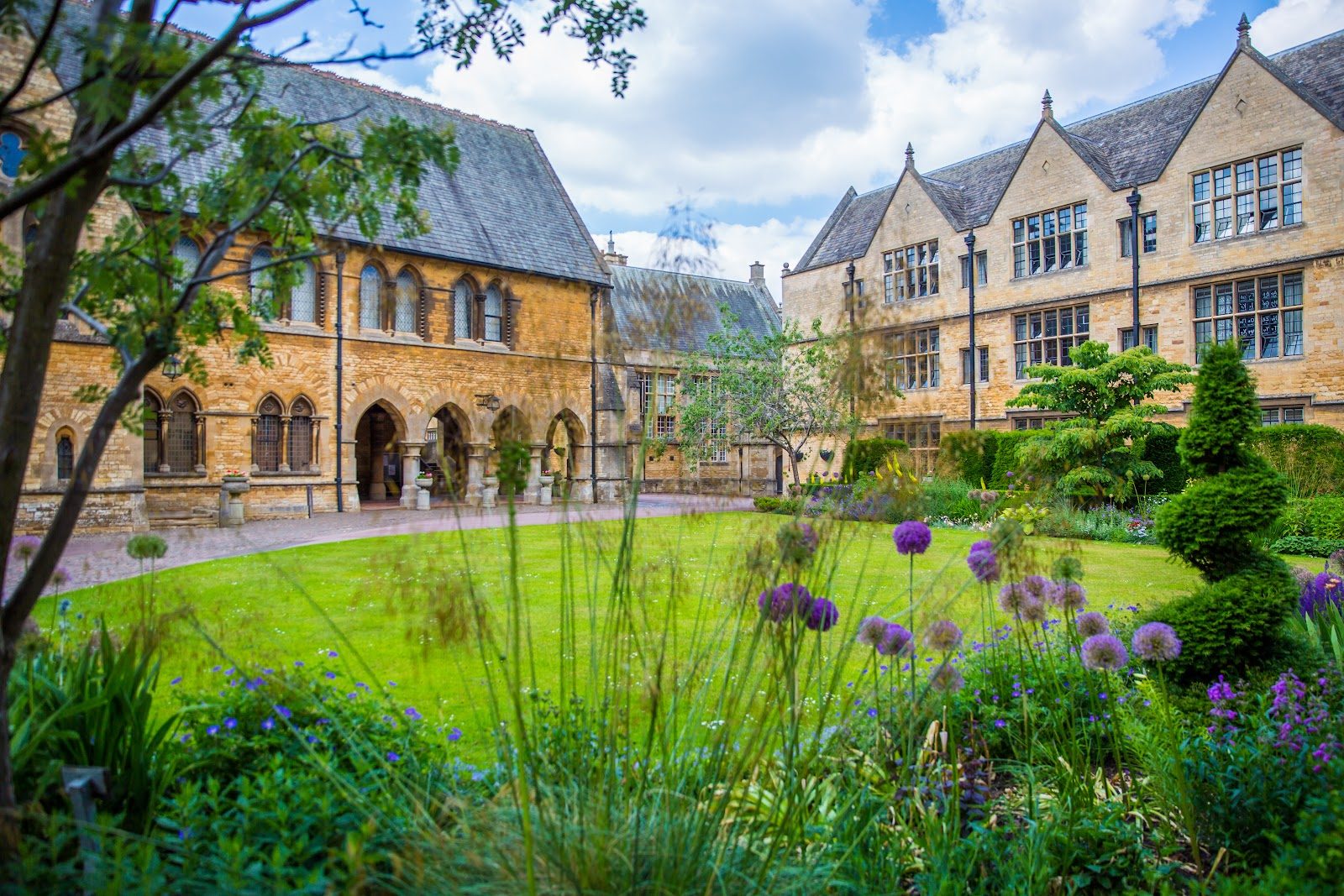
Uppingham School
Uppingham · United Kingdom
A Rutland boarding school where Thring's music-first Victorian philosophy still shapes seven-day house life today
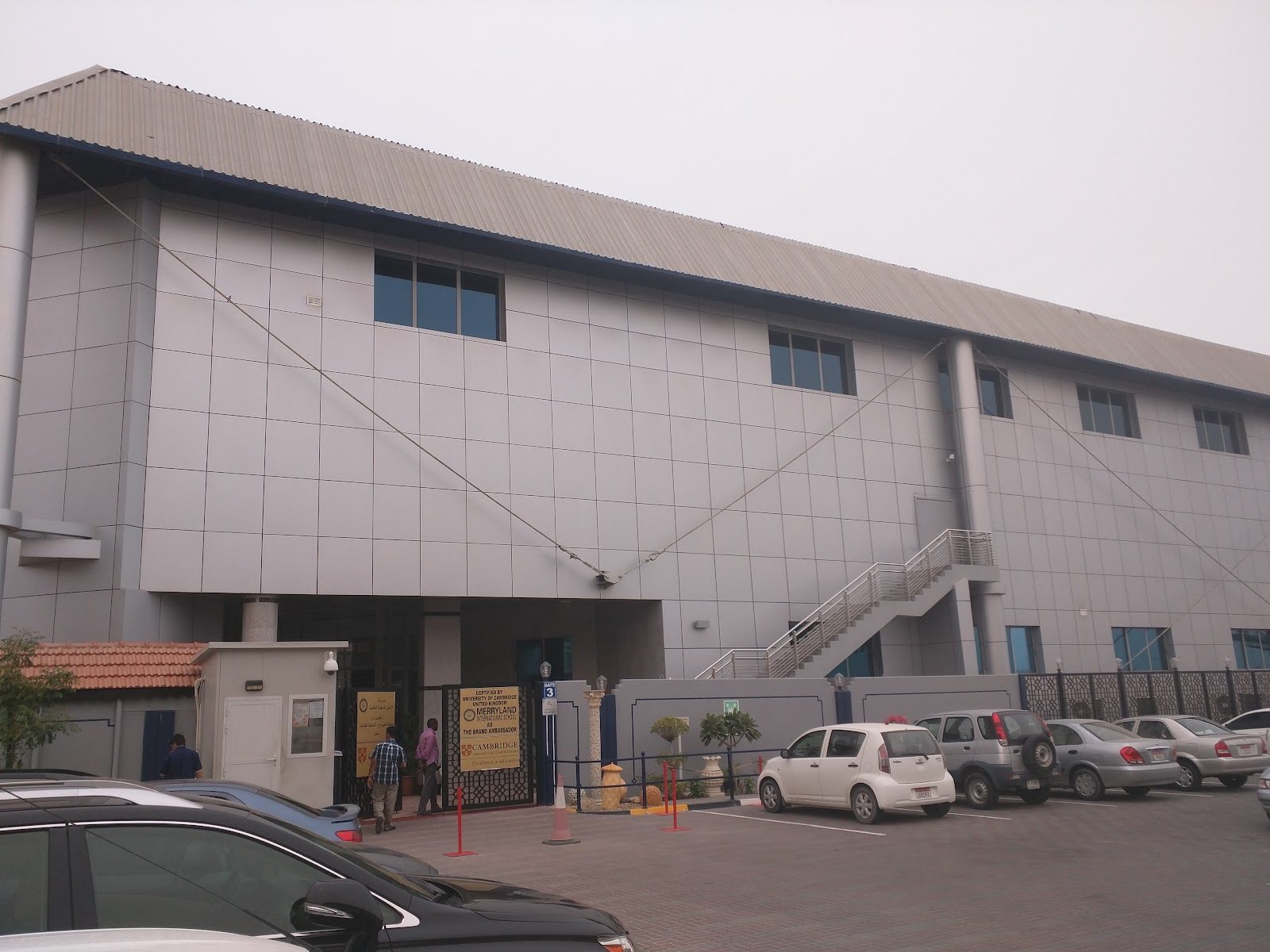
Merryland International School
Abu Dhabi · United Arab Emirates
In Mussaffah, this Cambridge pilot school holds Abu Dhabi's top ADEK rating at a fraction of premium British-school fees.
Same country and curriculum — closest matches within ±10 points either way