
Singapore
Chatsworth International School
low confidence· 4/6 cats · 0 avg sourcesSet beside Singapore's only tropical rainforest, a non-selective full IB continuum runs through a close-knit, village-like community.
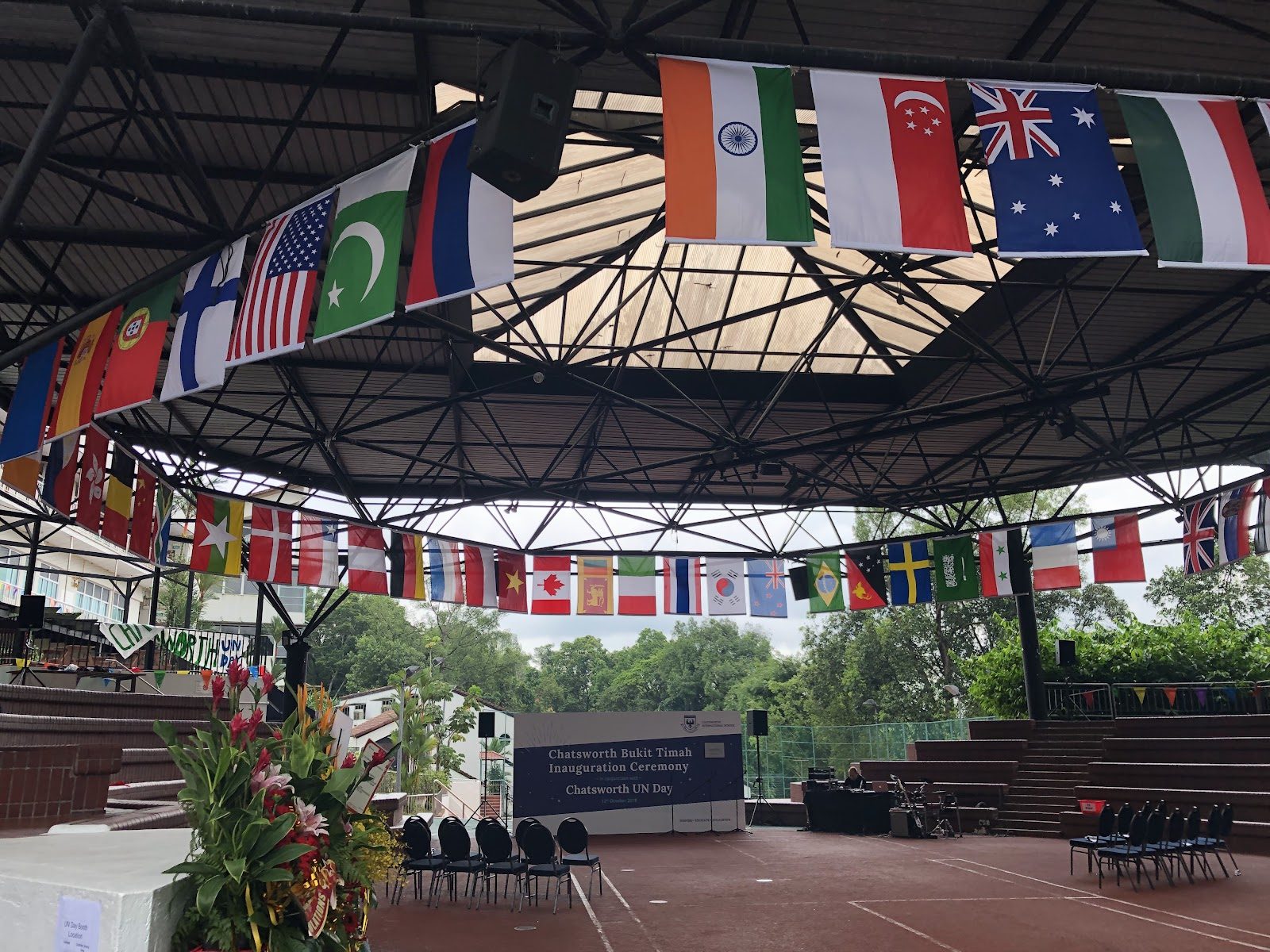
Photo © Waseem Yusaf via Google Maps
Type
Day
Ages
3–18
Curriculum
IB
Qualifications
IB PYP · IB MYP · IB Diploma
Ratio
12:1
The Verdict
Editor's commitment
Right for
Families who want a non-selective 3–18 IB school with 55 student nationalities, a 12:1 ratio and a close-knit social scale.
Wrong for
Parents chasing selective intake, brand-name swagger or a sprawling campus culture; this 1995 day school trades on intimacy, not status theatre.
Watch out for
The average annual fee is SGD 36,122, but the harder question is breadth: three IB programmes and 70 activities still sit inside a small community.
Ranking breakdown
Chatsworth International School · #895 of 1591
Composite score 62.4. 8 weighted criteria.
By criterion
Academic Outcomes
Weight 20%
#1002
of 1529 scored
University Placement
Weight 16%
#1015
of 1529 scored
Prestige & Heritage
Weight 12%
#995
of 1571 scored
Alumni Network
Weight 12%
#623
of 1530 scored
Facilities
Weight 12%
#994
of 1534 scored
Transparency & Communications
Weight 8%
#1000
of 1532 scored
Peer & Industry Review
Weight 10%
#891
of 1548 scored
Admissions Selectivity & Demand
Weight 8%
#760
of 1529 scored
Score history
Chatsworth International School · 2026
Movement across 2024–2026. Peer average overlaid.
Overall — 2024–2026
62.4/ 100
▲ +24.6 vs 2025
year on year
Peer & Industry Review
How Chatsworth International School is regarded in the sector
68
Respected · high confidence
Chatsworth International School has carved out a solid, specialist reputation as one of Singapore's few full-continuum IB providers rather than a headline name across the broader international school market. WhichSchoolAdvisor names it in its Top 10 review as one of only eight schools in the country offering the complete IB continuum, praising its village-school feel with around 750 students from over 50 nationalities, and its own inspection copy notes the school's twice-won Best IB School title at the WhichSchoolAdvisor Singapore Best Schools Awards in 2022 and 2024. Recent MYP eAssessment results reported by the same publisher show a 100% pass rate and a joint top score of 49/56 in May 2025, reinforcing academic credibility within its niche. Independent parent commentary is more mixed than the trade press suggests, with praise for its close-knit community sitting alongside occasional pastoral complaints in the secondary years, tempering an otherwise respected but not top-tier standing.
Editors' overview
Set beside Singapore’s only tropical rainforest, Chatsworth trades the polished corporate feel of many international schools for something smaller-scale and more human. This is a non-selective day school for ages 3 to 18, founded in 1995, with English as the language of instruction and the full IB route running through it. The school’s strongest point is clarity: it knows what it is. Parents looking for aggressive selectivity, brand theatre or a high-gloss, ultra-competitive culture will find stronger fits elsewhere. Parents looking for a close community, steady pastoral oversight and an all-through IB education in one place should take Chatsworth seriously. The student-teacher ratio of 12:1 matters here, and so does the school’s own emphasis on small classes and personalised teaching.
Its market position is clear. At an average annual day fee of SGD 36,122, Chatsworth sits below Singapore’s top-fee international heavyweights while still offering the full IB continuum. That gives it real appeal in a market where many schools charge more for a shinier badge. The school cites more than 55 student nationalities and around 70 co-curricular, extra-curricular and sports options; those are not trivial details, because the school’s case rests on breadth of community rather than brute academic prestige. This is a village-like school, not an empire. The non-religious setting also broadens its appeal for international families who want an inclusive, uncomplicated environment.
Why shortlist it? Because Chatsworth offers a coherent proposition that many schools struggle to sustain: non-selective admissions, a genuinely international mix, and an all-through IB education without the atmosphere of a pressure cooker. That combination suits children who do better when they are known well, heard in class and given room to develop at their own pace. It also suits families who value quiet confidence over status signalling. The child who thrives here is not the one chasing a relentlessly sharp-edged academic hierarchy; it is the one who wants strong structure, diverse peers, a nurturing culture and enough academic seriousness to keep doors open at 18. The main caveat is straightforward: Chatsworth’s public case leans heavily on community and care. Families who want hard published data on outcomes, selectivity or academic results beyond headline IB messaging will want more detail than the school currently puts front and centre.
Academic Performance
Chatsworth publishes one headline outcome with real value: its latest diploma cohort recorded a 100% pass rate with an average of 34.3 points, against a global average of 30.6. That puts the school on the right side of the international benchmark and confirms academic competence, not elite dominance. In Singapore’s international-school market, where the sharpest operators post averages well into the high 30s and beyond, this sits in the solid middle ground: stronger than bare adequacy, short of the city’s top-tier academic arms race. For a non-selective school, that matters. It shows students leave with results that keep university options open, without requiring the school to run on a high-pressure ethos.
The limitation is transparency. Chatsworth leans on the diploma as its public proof point and gives parents only a narrow statistical window into academic performance. We have not seen subject-by-subject results, score distribution data, top scores, or longer-run trend tables laid out in serious detail. Nor does the school publish the kind of granular outcomes data that lets families judge consistency across year groups and attainment bands. So the verdict is clear enough: Chatsworth delivers credible, above-global IB diploma outcomes, and it does so in a school built around inclusion rather than selectivity. Families seeking forensic academic data, or results that place a school among Singapore’s exam-heavy front rank, will want more evidence and stronger numbers.
Facilities
The campus’s defining asset is its setting. Chatsworth makes real use of a green, low-rise site beside Singapore’s tropical rainforest, and that gives it something many urban international schools cannot match: space that feels calm rather than engineered. The school itself leans on this with its “nature-inspired” positioning, and in this case the claim has weight. For younger children, that matters immediately; for older ones, it changes the tone of the day. Add around 70 co-curricular, extra-curricular and sports options, plus dedicated provision for arts, sports and service, and the picture is of a school that supports a balanced, outdoors-aware education rather than one built around sheer campus spectacle. Parents hunting Olympic-scale complexes or the glossy excess of Singapore’s biggest premium campuses will not find that here.
Against peers, the facilities read as good, not grand. Chatsworth has enough breadth to cover the essentials of an all-through international school and enough character to avoid feeling anonymous, but it does not compete on monumentality. That is not a flaw unless a family wants a school where buildings themselves do part of the selling. The stronger point is fit: a campus scaled to a close-knit community, with resources that support day-to-day learning and student participation rather than high-fee theatre. In Singapore terms, that places Chatsworth behind the city’s best-equipped giants on raw physical firepower, and ahead of more cramped operators on atmosphere and usable setting.
At an average annual day fee of SGD 36,122, Chatsworth sits below Singapore’s top-fee international heavyweights while still offering the full IB continuum
Prestige
Chatsworth carries modest prestige in Singapore’s international-school hierarchy. It has longevity, a full age-range offer and a genuinely mixed student body, but it does not trade on exclusivity, old-badge cachet or a reputation for producing the city’s most sought-after school-leavers. Its standing rests on substance that many families value more than social theatre: a non-selective intake, a school where children are well known, and a community broad enough to feel properly international rather than narrowly corporate. The school’s own emphasis on more than 55 student nationalities and around 70 activities supports that reading. This is earned regard, not glamour.
That distinction matters. Prestige at the top end of Singapore’s market often comes from fierce selectivity, brand recognition and results strong enough to drive parent chatter on their own. Chatsworth does not occupy that territory. Its reputation is warmer than grand, and stronger among families who prize fit, continuity and pastoral attentiveness than among those shopping for a status marker. The published diploma outcome gives it academic credibility, but not the kind that shifts a school into the aspirational upper tier. So the rating here is clear: Chatsworth offers a respectable, grounded education with solid peer recognition, but not elite prestige. For many parents, that is a strength, not a deficit.
We have not seen subject-by-subject results, score distribution data, top scores, or longer-run trend tables laid out in serious detail
Communications
Chatsworth communicates in a way that fits the school itself: direct, parent-facing and built around access rather than mystique. The website does the practical work well. Key questions are answered plainly, including mid-year entry, government approval for Singapore citizens and language-learning expectations. Parents can also see the school’s priorities without digging: community testimony sits alongside updates on student life, service, arts and sport, and the school keeps a visible stream of blogs, guides, podcasts and social content. That breadth matters. A school that trades on close adult attention needs communication channels that feel open and usable, not locked behind admissions choreography. On this front, Chatsworth is competent and readable, with enough day-to-day texture to give families a real sense of rhythm.
The stronger point is tone. Chatsworth does not write like a fortress institution; it writes like a school that expects parents to ask practical questions and receive practical answers. The repeated emphasis on a friendly, community-focused culture carries through the public-facing communication, and the invitation to visit reads as confidence rather than sales patter. There is, though, a clear limit. The school communicates warmth better than rigour. It publishes a headline diploma result and promotes community life energetically, but parents who want hard-edged academic reporting, fuller performance breakdowns or a more exact account of how standards are tracked across the school will find the picture incomplete. Effective overall, then, but stronger on belonging than on data.
Uniqueness
Chatsworth’s distinctiveness lies in temperament and setting rather than in institutional swagger. In a market crowded with high-gloss, status-conscious operators, it runs as a non-selective, genuinely mixed school where breadth of nationality is part of daily life, not just a line in a prospectus. More than 55 student nationalities and over 20 teacher nationalities create a culture in which no single expatriate tribe dominates the mood. Add a mother-tongue programme spanning around 15 languages and the result is a school that treats internationalism as routine practice. For students, that brings an education shaped by constant cross-cultural contact, a wider social field, and fewer of the insular habits that take hold in more homogeneous schools.
The other point of difference is the school’s village-like scale on a green, restorative campus beside the rainforest. Many schools claim pastoral care; Chatsworth’s size gives it practical force. Children are harder to lose in the system, teachers have more chance to know family context as well as classroom performance, and transitions from the early years to the senior school carry less institutional rupture. That continuity matters for pupils who need stability, not churn. The trade-off is plain: this is not a school built on competitive theatre or metropolitan flash. Its value sits in belonging, steady adult attention and a daily environment that feels grounded rather than performative.
Chatsworth’s distinctiveness lies in temperament and setting rather than in institutional swagger
Student Profile
Chatsworth suits children who do not need a school to sort everyone into winners and also-rans by the end of the first term. The intake is non-selective, the community spans more than 55 nationalities, and that creates a social mix that is genuinely international rather than narrowly expatriate by sector or passport. Pupils who are curious, steady and comfortable in a diverse peer group will fit well. So will children who benefit from being known by adults, not processed through a large machine. This is a good match for families who want their child challenged without being pushed into a relentlessly competitive culture, and for students whose strengths extend beyond examination performance into service, arts, sport and day-to-day contribution to school life.
The child least suited to Chatsworth is the one who wants sharp academic pecking orders, heavy status consciousness or the charge that comes from a high-pressure, prestige-driven environment. Chatsworth has a softer social temperature than that. Its mother-tongue offer across about 15 languages will appeal to internationally mobile families who want home identity supported rather than flattened into one dominant culture. The school also fits pupils who value continuity across the age range and parents who care about safety, belonging and teacher attention as much as brute results. In short: this is for students who thrive in a close-knit, inclusive school where character, participation and cultural range carry real weight.
This is a non-selective day school for ages 3 to 18, founded in 1995, with English as the language of instruction and the full IB route running through it
Co-curricular strengths
Arts & sport, on a separate axis
Overall 8.88/10
Scored 0-10 from the school's own published evidence. This axis is editorial-only — it does not feed the main WTS ranking.
Sports
9/10
Football, basketball and swimming, while the external evidence adds an indoor sports hall, swimming pool, football pitch and ACSIS competition membership, giving both dedicated facilities and recurring competitive fixtures.
Drama
9/10
Drama Productions, and the external evidence adds a multi-purpose/performance hall, sheltered amphitheatre, a dedicated drama room and participation in ISTA events.
Dance
8.6/10
Music
8.8/10
School Choir and String Ensemble, and the music practice rooms, so there is clear programme provision plus a dedicated specialist facility.
Visual Arts
9/10
Visual Arts, and the external evidence notes participation in the International Schools Art Exhibition, which is recurring named external participation and clears the notable-strength band.
Editor first-pass · editor-reviewable · 7/27/2026
Strengths
- +Full IB pathway from PYP to Diploma
- +Covers ages 3 to 18
- +English-medium teaching throughout
- +Student-teacher ratio of 12:1
Considerations
- −Day school only, no boarding
- −Average class size is 20
- −No alternative curriculum beyond IB
Availability
Primary entry gate & tests
Academic Record
Gallery
Photo © Waseem Yusaf via Google Maps
Photo © Waseem Yusaf via Google Maps
Parent reviews
Have you sent your child here?
Voice reviews carry the strongest trust badge — we transcribe them for you to tidy up before they go live. Prefer to type? A written review is fine too.
Add your voice
In 60 seconds, tell other parents: what's the best thing about Chatsworth International School, and what surprised you when your child joined?
We ask for a Google sign-in so every review has a real face behind it — no anonymous drive-by attacks on schools, and no faked positive reviews. Your email is never shown publicly.
Send this profile to a friend
International parents rely on word-of-mouth. Share this review with someone weighing the same decision.
Schools with places
Similar schools to Chatsworth International School with places available now.
Overseas Family School
Singapore · Singapore
- 2026-27
- WAITPOOLSpace-dependent
- 2027-28
- PLACES OPENRolling
Singapore American School
Singapore · Singapore
- 2026-27
- WAITPOOLGrade-specific / Waitpools
- 2027-28
- PLACES OPENRolling
Tanglin Trust School
Singapore · Singapore
- 2026-27
- CLOSEDNo late apps
- 2027-28
- PLACES OPEN
United World College of South East Asia
Singapore · Singapore
- 2026-27
- CLOSEDStandard route
- 2027-28
- OPENS SOONOpens 1 Sept '26 (Closes 2 Nov)
Availability first, then country, area, curriculum, price, co-curricular
Consider also
Also worth looking at alongside Chatsworth International School.
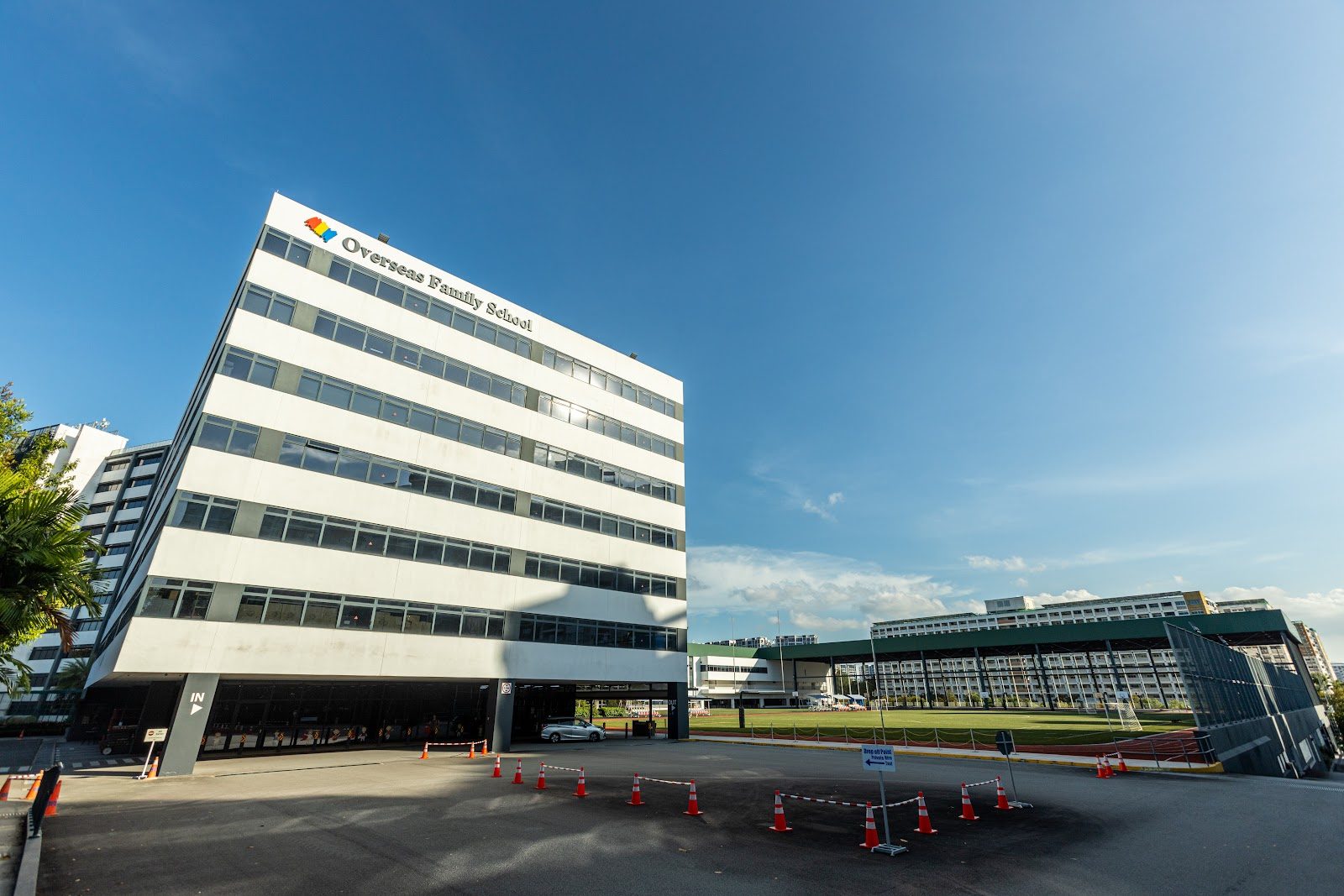
Overseas Family School
Singapore · Singapore
Open-access IB Diploma policy admits every student, no preselection, inside a 70-nation Pasir Ris campus.
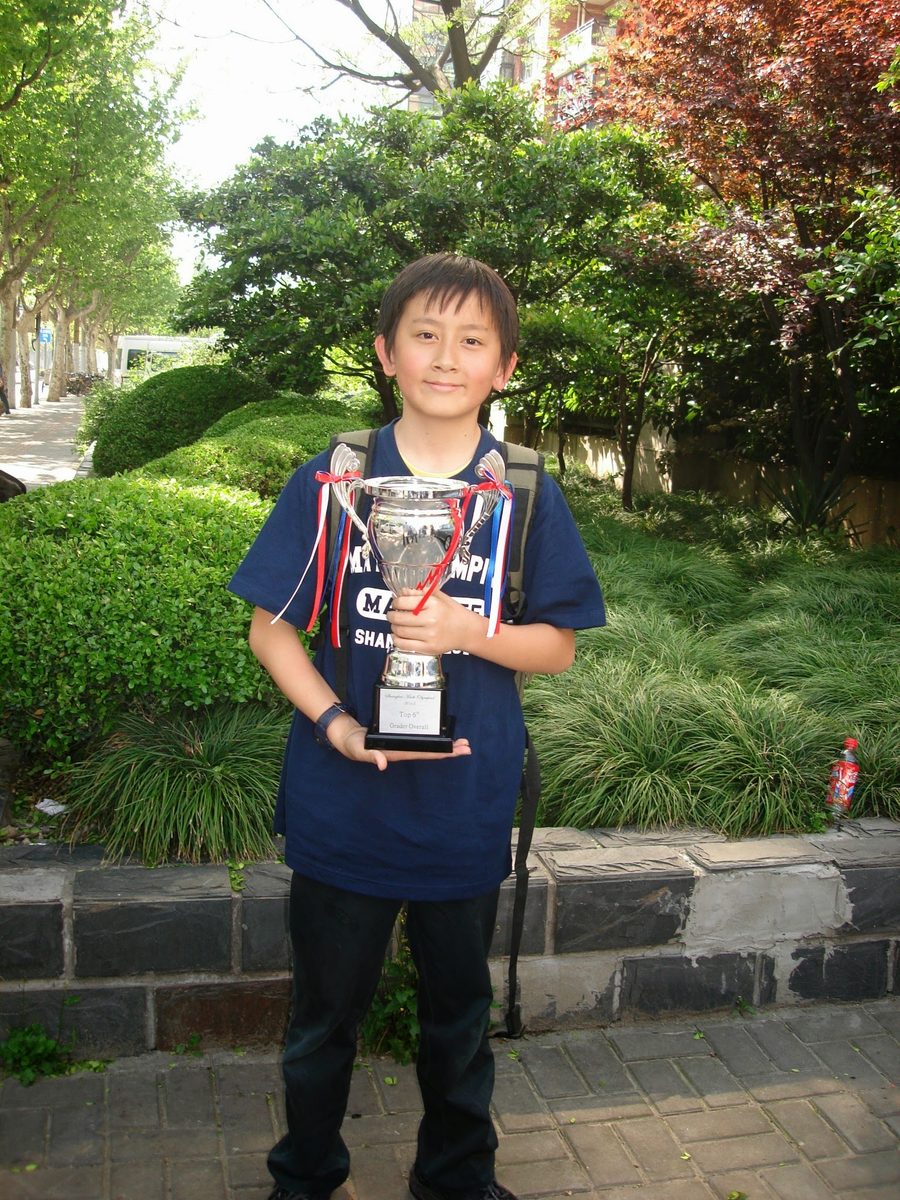
Yew Chung International School of Shanghai
Shanghai · China
Since 1993, paired Chinese and English co-teachers lead every classroom, carrying bilingual immersion from nursery through the IB diploma.
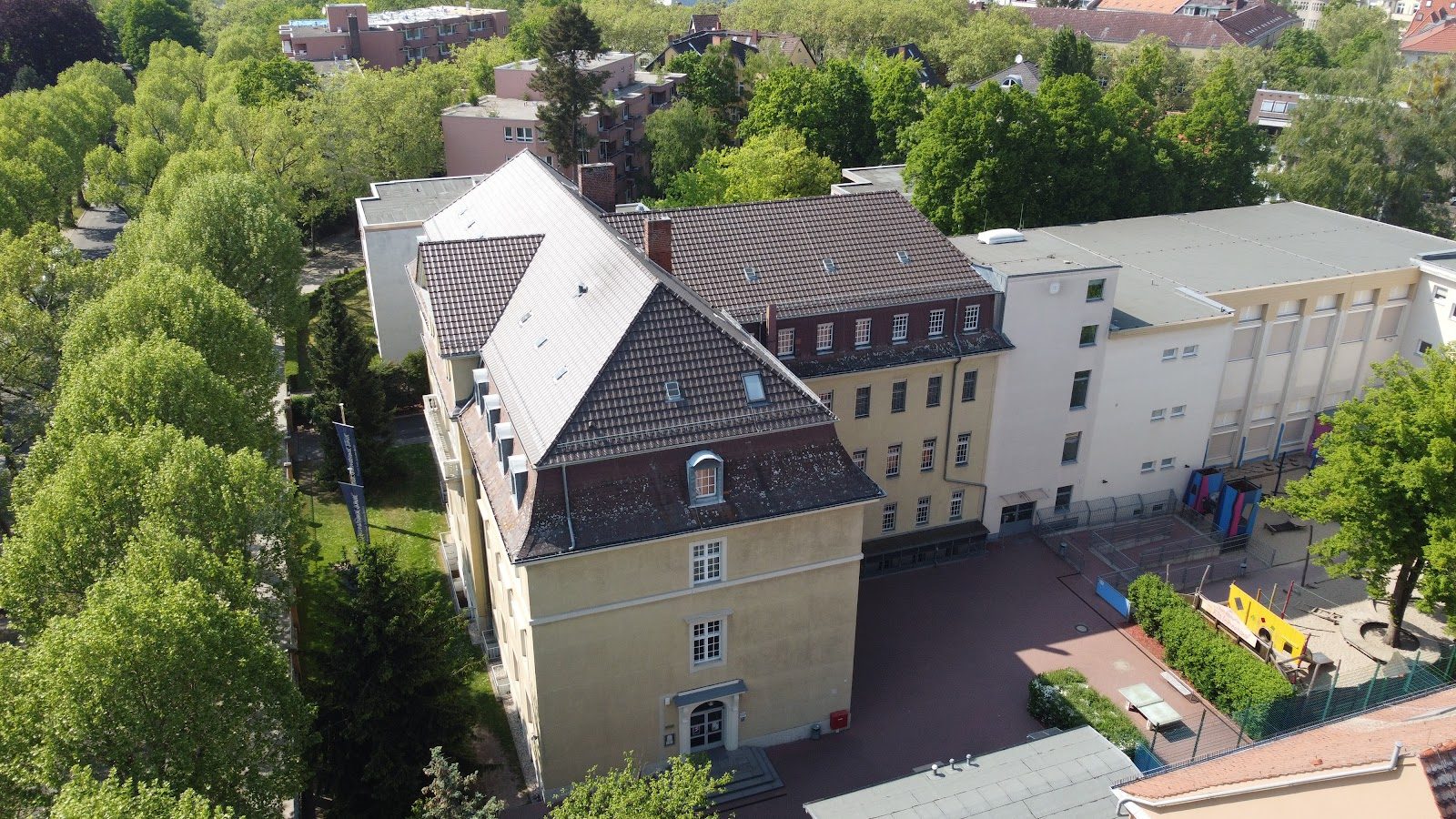
Berlin International School
Berlin · Germany
Born from the Bonn-to-Berlin embassy move, blending IB inquiry with Germany's own Rahmenlehrplan in the heart of the capital.
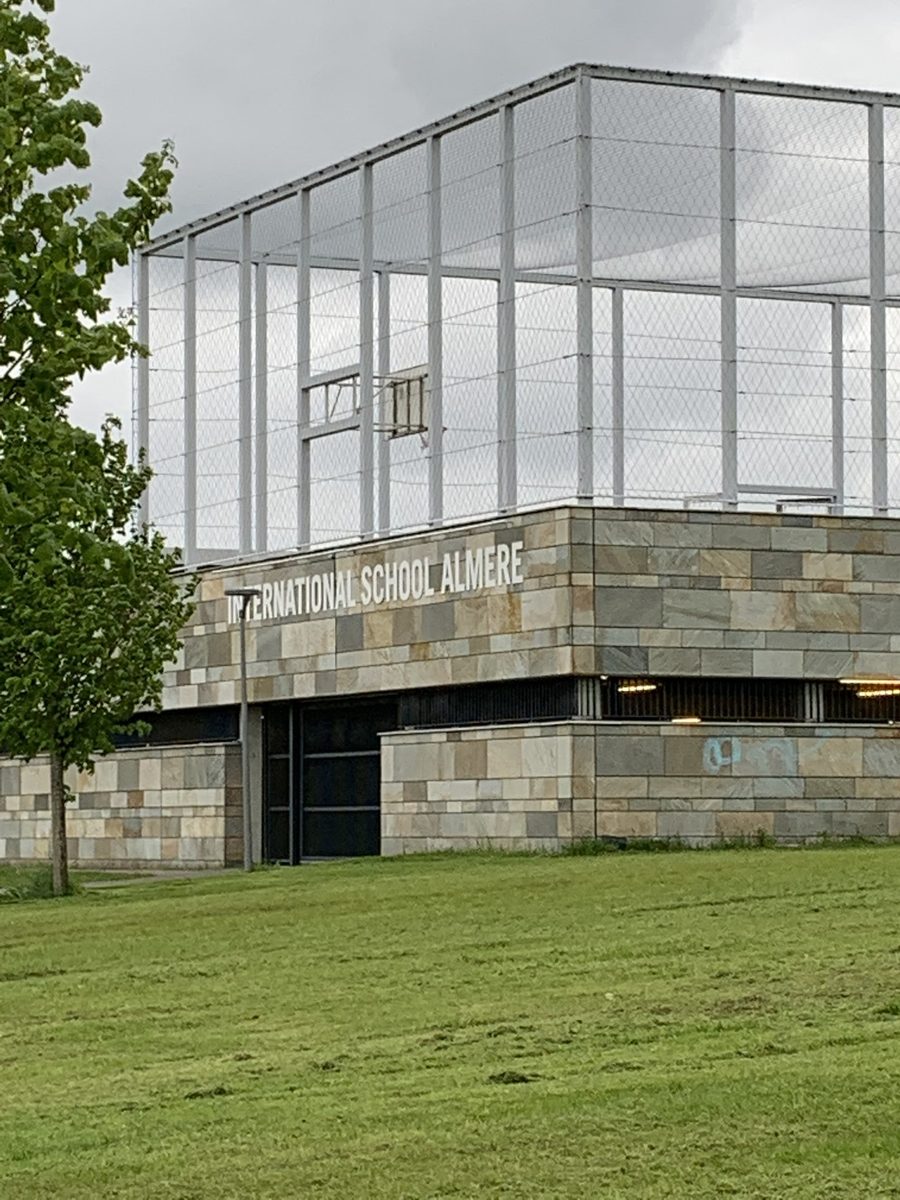
International School Almere
Almere · Netherlands
A full IB continuum, ages two to eighteen, on one shared campus in the Netherlands' fastest-growing city
Same country and curriculum — closest matches within ±10 points either way