
North Holland
The British School of Amsterdam
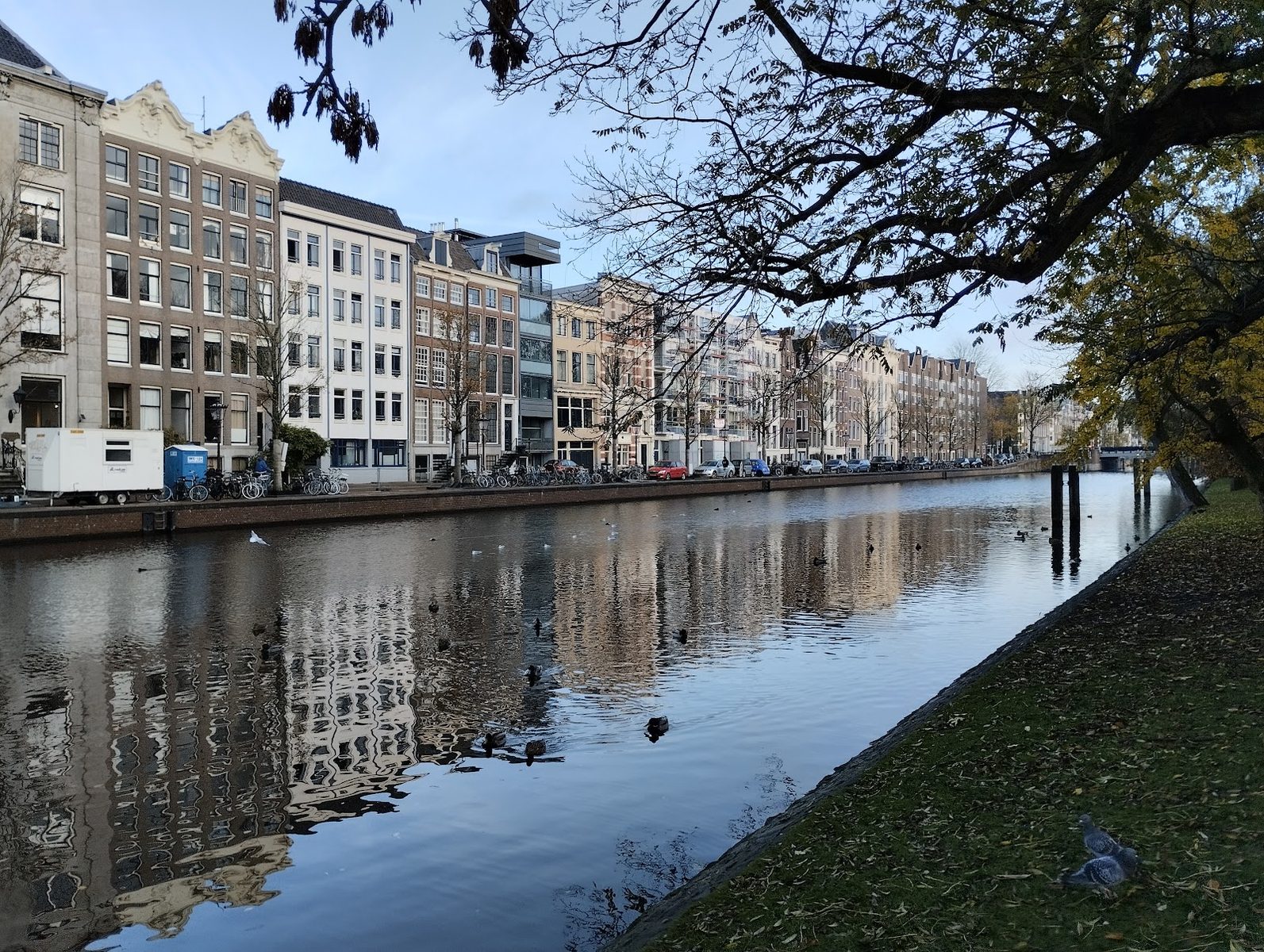
low confidence· 6/6 cats · 1.18 avg sourcesCanal-named houses and a monument-listed Havenstraat campus anchor Amsterdam's only full British nursery-to-sixth-form pathway.
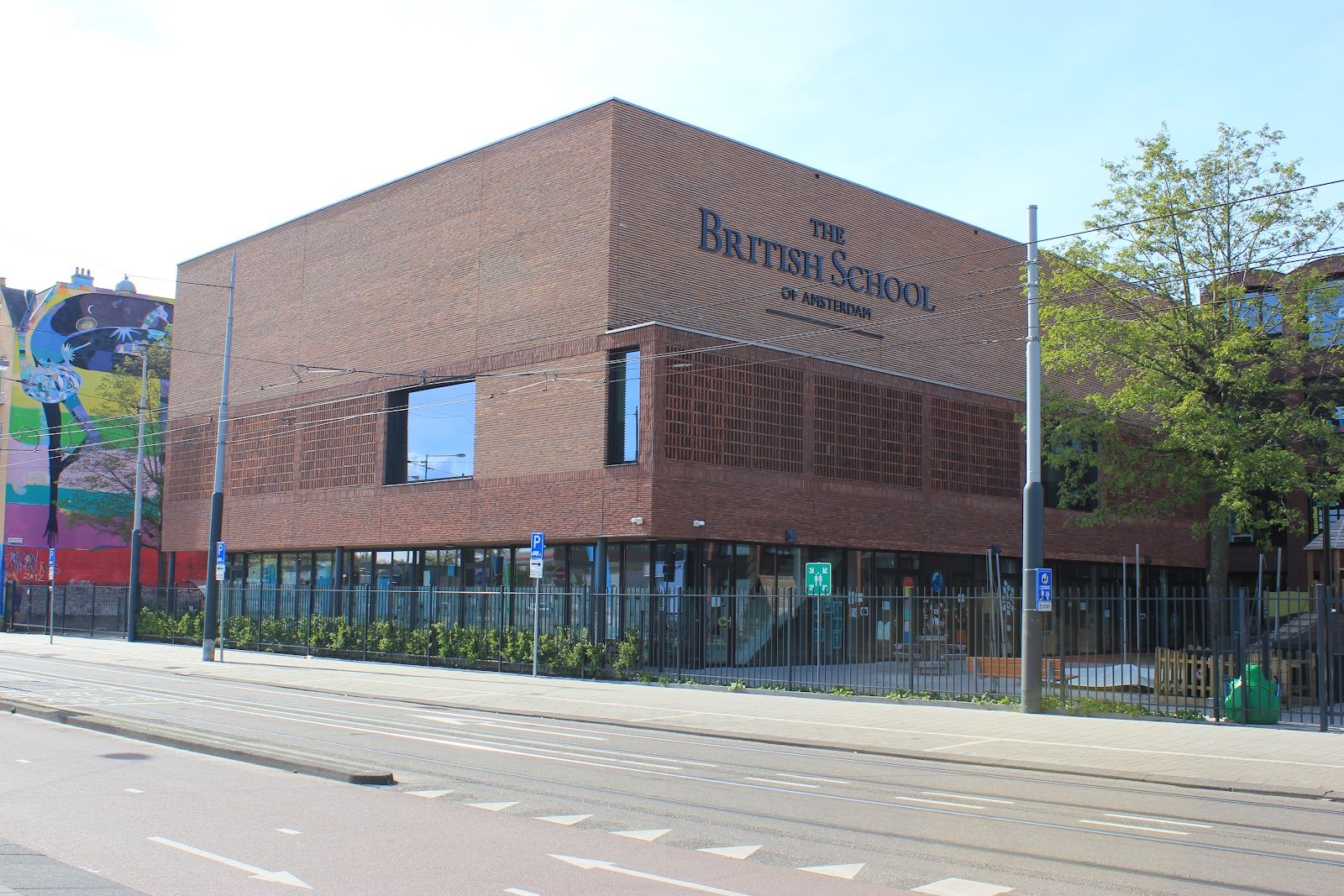
Photo © Juan Felipe Holgado Perez via Google Maps
Type
Day
Ages
3–18
Curriculum
British
Qualifications
A-Level · IGCSE
Ratio
—
The Verdict
Editor's commitment
Right for
Families in Amsterdam wanting a full British 3–18 route in English, ending in GCSEs and A Levels on one Havenstraat campus.
Wrong for
Parents who want boarding, a religious ethos, or an IB pathway; this is a non-religious day school with COBIS and BSO only.
Watch out for
The average annual fee is €17,548; university destinations listed are thin, with single places at Durham, Birkbeck and Canterbury Christ Church.
Ranking breakdown
The British School of Amsterdam · #589 of 1591
Composite score 67.9. 8 weighted criteria.
By criterion
Academic Outcomes
Weight 20%
#668
of 1529 scored
University Placement
Weight 16%
#649
of 1529 scored
Prestige & Heritage
Weight 12%
#734
of 1571 scored
Alumni Network
Weight 12%
#481
of 1530 scored
Facilities
Weight 12%
#666
of 1533 scored
Transparency & Communications
Weight 8%
#725
of 1532 scored
Peer & Industry Review
Weight 10%
#793
of 1548 scored
Admissions Selectivity & Demand
Weight 8%
#489
of 1529 scored
Peer & Industry Review
How The British School of Amsterdam is regarded in the sector
62
Respected · medium confidence
The British School of Amsterdam is consistently mentioned in expat parent forums (e.g. Expatica, IamExpat) and school-comparison guides as one of the established international schools in the Amsterdam area, generally spoken of positively but usually ranked behind the International School of Amsterdam in prestige. It is part of the Nord Anglia network, which lends some cross-school benchmarking credibility, and Dutch Inspectorate reports on international education note it as a compliant, well-run institution, but it rarely appears in top-tier 'best schools' rankings or specialist press coverage (Tatler, Good Schools Guide) the way flagship international schools do.
Evidence sources
Editors' overview
Canal-named houses and a national-monument campus give The British School of Amsterdam a setting few international schools can match, but the real point is structural: this is Amsterdam’s only full British pathway from age 3 to 18. For expatriate and internationally mobile families who want a single English-medium school running straight through to GCSEs and A levels, that matters. The school opened in 1978, teaches ages 3–18, and remains a day school, so its market sits with families committed to living in Amsterdam rather than using school as a boarding base. It also carries COBIS and BSO accreditation, which gives parents a clean external check on standards and governance. The average annual day fee across the full age range is €17,548: expensive by local standards, but not absurd for a capital-city international school with a full British ladder.
What marks it out is the combination of continuity, architectural character and a clear British academic line. The school states plainly that its curriculum leads to GCSE and A Level qualifications, and the through-school model removes the usual friction of changing systems at 11 or 16. That makes it attractive to British families on assignment, return-bound families who want re-entry into the UK system, and non-British parents who want the discipline and examination structure of that route. The Havenstraat site, with modern facilities folded into a listed building, gives the school a distinctive physical identity in a market full of generic campuses. It also matters that the school grew from a parent-founded primary into a full-through school; that origin still shows in the emphasis on community and in the prominence it gives its parents’ organisation.
Parents still need to read it accurately. This is not a school selling progressive ambiguity or multiple diploma options. It is for children who will thrive in a structured, exam-led English curriculum and in a school that puts academic achievement, student welfare and extra-curricular activity at the centre of its strategic plan. The recent university destinations published in the context — Durham, Birkbeck and Canterbury Christ Church — are real but modest as a public outcomes snapshot; the school does not publish a broader destinations picture here, and that leaves serious university-focused parents wanting more detail. The strongest fit is a student who wants stability, clear expectations and a British school identity without leaving Amsterdam; less convincing for families seeking a bilingual Dutch pathway, an IB route, or a hard-charging public record of elite university placements.
Academic Performance
The school’s public case on academic performance is thinner than serious parents need. It states that pupils proceed to GCSE and A Level qualifications and that academic achievement sits at the centre of its strategic plan, but it does not publish aggregate GCSE grades, A Level grade distributions, pass rates, value-added data, or a full university destinations list. That leaves its external-results profile opaque. In a market where strong British international schools now put at least headline outcomes into the public domain, this is a clear weakness. The small destinations snapshot that is published — 1 place each at Durham, Birkbeck and Canterbury Christ Church — confirms university progression, but not scale, consistency or selectivity across a whole cohort.
Relative to peers, that places The British School of Amsterdam in the category of schools that ask parents to trust the structure more than the scorecard. The through-pathway and British examination route give it an academically coherent spine, and for families who value continuity that counts. But parents comparing it with academically hard-edged British schools elsewhere in Europe will find less proof in public. No published run of A*–A or 9–7 outcomes means no hard basis for claiming top-tier academic standing. The sensible conclusion is restrained: this is a school with a credible examination framework and an underpowered public results record. If outcomes drive the decision, parents need school-by-school data before treating it as a first-rank academic option.
Facilities
The Havenstraat campus is the facility story. The school occupies a rare monument-listed building rather than a purpose-built edge-of-town site, and that carries both benefits and limits. The upside is character, centrality and a physical identity that many international schools lack. The school itself says modern facilities sit within that historic shell, which matters: parents get a campus with real presence, not a generic block. For younger children through sixth form, having the whole age range gathered on one site also strengthens day-to-day continuity. Against peers, that is a genuine differentiator. Many city schools split phases across separate campuses or operate from offices converted into classrooms; this school has a more coherent home.
The trade-off is obvious. A listed urban campus rarely delivers the sheer acreage, expansive playing fields or clean-slate specialist blocks that newer premium internationals can build on suburban land. Families wanting vast sports infrastructure, theatre-scale performance venues or the flashiest science and design spaces will find stronger hardware elsewhere. The school does flag creative arts, sport, wellbeing and extra-curricular activity as institutional priorities, and it offers after-school care and lunch provision, which points to a practical all-day operation rather than a bare academic shell. But the public case stays light on hard facility detail: no published inventory of labs, performance spaces, sports amenities or specialist centres. That lack of precision matters. As a campus, it has more distinction than brute scale.
Relative to peers, that places The British School of Amsterdam in the category of schools that ask parents to trust the structure more than the scorecard
Prestige
The British School of Amsterdam carries real local prestige, but not the sort built on a public record of elite academic outcomes or headline university placements. Its status rests on something narrower and more durable: it is the city’s only school offering a full British path from nursery to sixth form, and that gives it a protected niche with internationally mobile families who want continuity without changing systems midstream. The Havenstraat campus adds another layer. A school housed in a national monument, with modern facilities worked into that structure, has instant social cachet in a market where many international campuses feel interchangeable. The parent-founded origin and the visible parents’ organisation also strengthen its standing with families who value a settled, involved community rather than a transactional international-school experience.
That said, prestige here is contextual, not absolute. This is not one of Europe’s brand-name academic powerhouses, and the public evidence does not support that claim. The published destinations snapshot is too thin to confer serious university prestige, and the school does not put the kind of exam data into the public domain that top-tier British internationals now treat as standard. The fee level — an average of €17,548 a year across the full ladder — places it in the serious-fee bracket, but money alone does not buy status. The school’s reputation is strongest among families who want a stable British education in Amsterdam with a distinctive setting and clear institutional identity; weaker among parents chasing hard prestige through published results and globally recognisable outcomes.
No published run of A–A or 9–7 outcomes means no hard basis for claiming top-tier academic standing
Communications
Parent communication is organised in a clear, serviceable way, with the website doing the heavy lifting. Navigation is straightforward: admissions, fees, enrolment conditions, term dates, lunch, uniform, after-school care, contact details and school-life sections all sit where parents expect them. That matters more here than at schools with sprawling multi-campus complexity. This is a school selling continuity, so the practical information needs to be easy to find and consistent across phases; on that basic test, it performs well. The prominence given to leadership, governance, policies and the parents’ organisation also points to a school that wants families inside the institutional frame, not parked at the edge of it. The strategic plan is published with 3 core priorities, which gives parents a direct line of sight into what the school says it is trying to improve.
The weakness is depth, not access. Communication on day-to-day life and school structure is competent; communication on outcomes is thin and, at points, frustratingly guarded. Serious parents do not just need open days and application forms; they need hard academic reporting, richer destination data and sharper explanation of what strong performance looks like in practice. That absence limits trust. A school can talk fluently about belonging, wellbeing and enrichment, but if it does not publish the scorecard with equal clarity, the message stays carefully managed rather than fully transparent. The result is effective operational communication and weaker evaluative communication: good at telling parents how the school runs, less good at showing how well it delivers.
Uniqueness
What no other school in this market offers is the same uninterrupted British route from nursery to sixth form under one roof. That is the school’s clearest point of difference, and it has practical consequences for children. They do not face a system change at the usual pressure points, and families do not need to re-run admissions, friendship circles and academic expectations halfway through childhood. For internationally mobile parents, that continuity is genuinely useful. For pupils, it creates a stable academic spine and a clearer sense of progression from the earliest years to public examinations. The house system, with its canal-themed identity, adds a thread of internal culture that gives a through-school more than administrative continuity; it gives children a shared language across age groups.
The other distinctive element is the campus itself. A school based in a monument-listed building, with modern teaching spaces worked into that structure, gives students a daily environment with far more character than the anonymous glass-and-asphalt formula common in international schooling. That does not make the site bigger or better equipped than newer purpose-built rivals; it makes it more memorable. The parent-founded history still matters too. Many schools talk about community in soft focus; this one has a parents’ organisation built into its institutional story. For students, the result is a school with a settled identity rather than a portable franchise feel — an advantage that matters when a child is growing up in an expatriate city.
For internationally mobile parents, that continuity is genuinely useful
Student Profile
This school suits children who value continuity, routine and a recognisable institutional culture. The through-school structure matters most for pupils who settle slowly, form long friendships and do better when expectations stay consistent across phases rather than resetting at each transfer point. It also fits families who want a child educated in a British frame without leaving the Dutch capital. The house system, with its canal-based identity, reinforces that sense of belonging across age groups instead of splitting the school into isolated age silos. Children who enjoy a settled community, visible parent involvement and a school day shaped by more than lessons will find a comfortable fit here. The age span from 3–18 also makes it practical for siblings to grow up inside one institution rather than being scattered across separate schools.
The less natural fit is the student who wants constant reinvention, a looser pedagogical atmosphere or a school that trades heavily on public academic swagger. This is a better environment for pupils who respond to clear boundaries, steady teacher expectations and a structured path to external exams. It also works for internationally mobile families who need educational portability and for non-British parents who want that structure without buying into boarding culture. Children seeking a bilingual identity, an alternative diploma route or a more high-octane published outcomes culture will find stronger alignment elsewhere. In short: a good school for grounded, community-oriented students; a weaker match for restless self-starters who want a bigger stage or a sharper competitive edge.
For expatriate and internationally mobile families who want a single English-medium school running straight through to GCSEs and A levels, that matters
Co-curricular strengths
Arts & sport, on a separate axis
Overall 7.7/10
Scored 0-10 from the school's own published evidence. This axis is editorial-only — it does not feed the main WTS ranking.
Sports
7.5/10
Drama
7.8/10
Dance
7.2/10
Music
8/10
Visual Arts
8/10
Editor first-pass · editor-reviewable · 7/29/2026
Outcomes & destinations
Where students go next
Top destinations
69 placements
- Birkbeck, University of London· 1
- Canterbury Christ Church University· 1
- Durham University· 1
- Edinburgh Napier University· 1
- University of Edinburgh· 2
- Goldsmiths, University of London· 1
- Imperial College London· 1
- King's College London· 1
- Leeds Arts University· 1
- London South Bank University· 1
- London School of Economics· 1
- Richmond, The American International University in London· 1
- Royal Holloway, University of London· 1
- Royal Veterinary College, University of London· 1
- St. George's, University of London· 1
- St. Martin's College· 1
- University of Aberdeen· 1
- University of Bath· 1
- University of Birmingham· 1
- University of Brighton· 1
- University of Essex· 1
- University of Glasgow· 1
- University of Greenwich· 1
- University of Oxford· 1
- University of Plymouth· 1
- University of St Andrews· 1
- University of Stirling· 1
- University of Strathclyde· 1
- University of Surrey· 1
- University of Warwick· 1
- Amsterdam Fashion School· 1
- Amsterdam University College· 1
- Amsterdam University of Applied Sciences· 1
- Delft University of Technology· 1
- Erasmus University College Rotterdam· 1
- Erasmus University Rotterdam· 1
- Gerrit Rietveld Academie· 1
- Hogeschool van Amsterdam· 2
- Hotelschool The Hague· 1
- Leiden University· 1
- SAE Institute· 1
- Saxion University of Applied Sciences· 1
- The Hague University· 1
- Tilburg University· 1
- TIO University of Applied Sciences· 1
- TU Delft· 1
- University of Amsterdam· 1
- University of Groningen· 1
- University of Rotterdam· 1
- University of Tilburg· 1
- University of Utrecht· 1
- Vrije Universiteit Amsterdam· 2
- Willem de Koning Academie· 1
- Academy of Fine Arts Vienna· 1
- University of Newcastle· 1
- Carlton University· 1
- Concordia University· 1
- Airways Aviation Academy Montpellier· 1
- Faculté de Médecine de Lille· 1
- Gobelins, Paris· 1
- Hotel institute Montreux· 1
- L'Institut des Médias Avancés, Lille· 1
- Sciences Po· 1
- Ludwig-Maximilian University of Munich· 1
- Rimon School of Jazz and Contemporary Music· 1
- University of Waseda, Tokyo· 1
Reported by the school. Confirm with admissions.
Strengths
- +Full English National Curriculum through A Levels
- +Dedicated British-curriculum day school, ages 3–18
- +English-medium teaching suits internationally mobile families
- +COBIS and BSO accreditation provide external oversight
Considerations
- −No boarding; unsuitable for families needing residential provision
- −English-only instruction may limit Dutch-language immersion
- −British curriculum may not suit non-UK university pathways
Availability
Primary entry gate & tests
Academic Record
Gallery
Photo © Juan Felipe Holgado Perez via Google Maps
Photo © The British School of Amsterdam via Google Maps
Photo © hyunjung kim via Google Maps
Photo © frans distelvelt via Google Maps
Photo © The British School of Amsterdam via Google Maps
Parent reviews
Have you sent your child here?
Voice reviews carry the strongest trust badge — we transcribe them for you to tidy up before they go live. Prefer to type? A written review is fine too.
Add your voice
In 60 seconds, tell other parents: what's the best thing about The British School of Amsterdam, and what surprised you when your child joined?
We ask for a Google sign-in so every review has a real face behind it — no anonymous drive-by attacks on schools, and no faked positive reviews. Your email is never shown publicly.
Send this profile to a friend
International parents rely on word-of-mouth. Share this review with someone weighing the same decision.
Schools with places
Similar schools to The British School of Amsterdam with places available now.
Availability first, then country, area, curriculum, price, co-curricular
Consider also
Also worth looking at alongside The British School of Amsterdam.
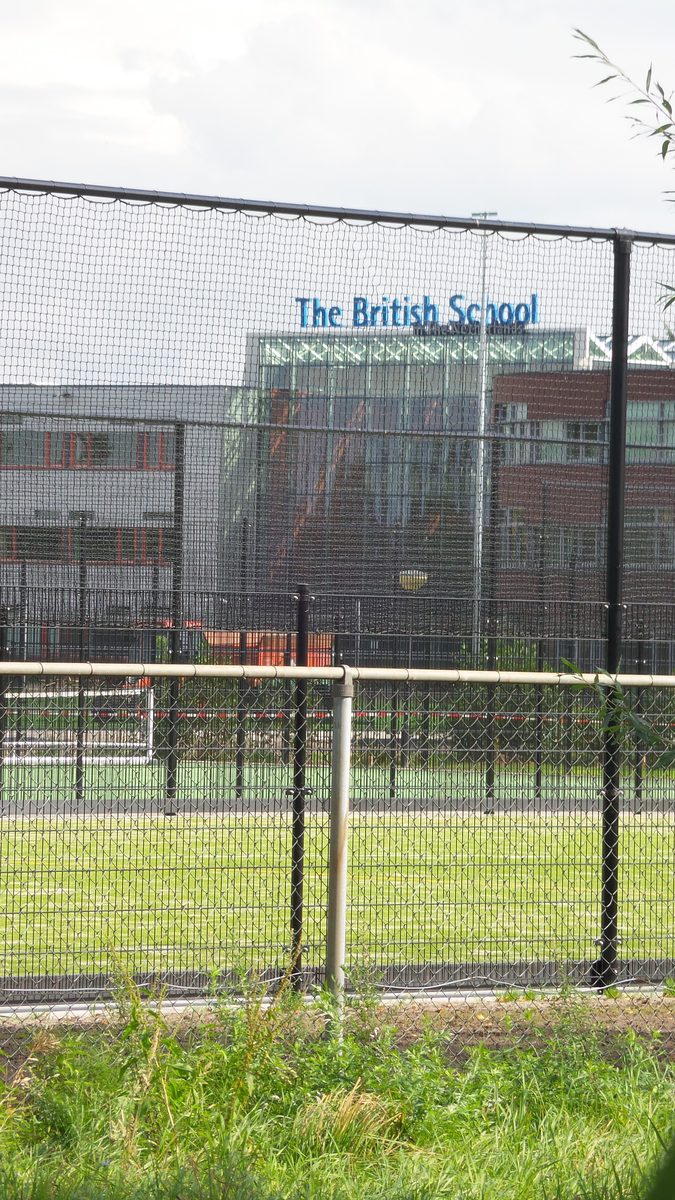
The British School in The Netherlands
Voorschoten · Netherlands
Since 1931, a Voorschoten campus near The Hague where sixth formers choose freely among A-Levels, BTEC, IB Diploma or IB Career Programme.
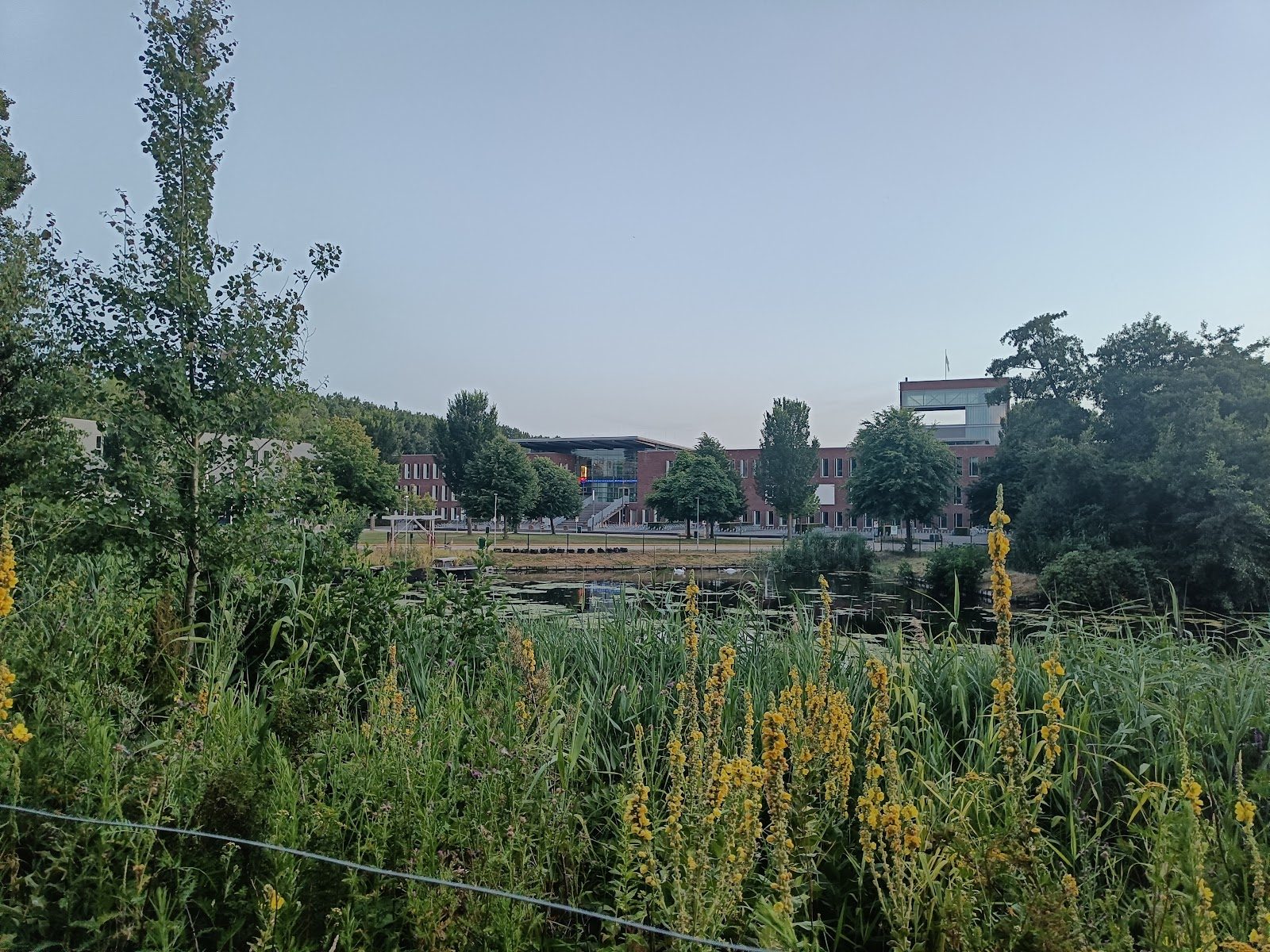
The International School of The Hague
The Hague · Netherlands
In the Kijkduin dunes, this IB day school runs MUNISH, Europe's second-largest student Model UN conference.
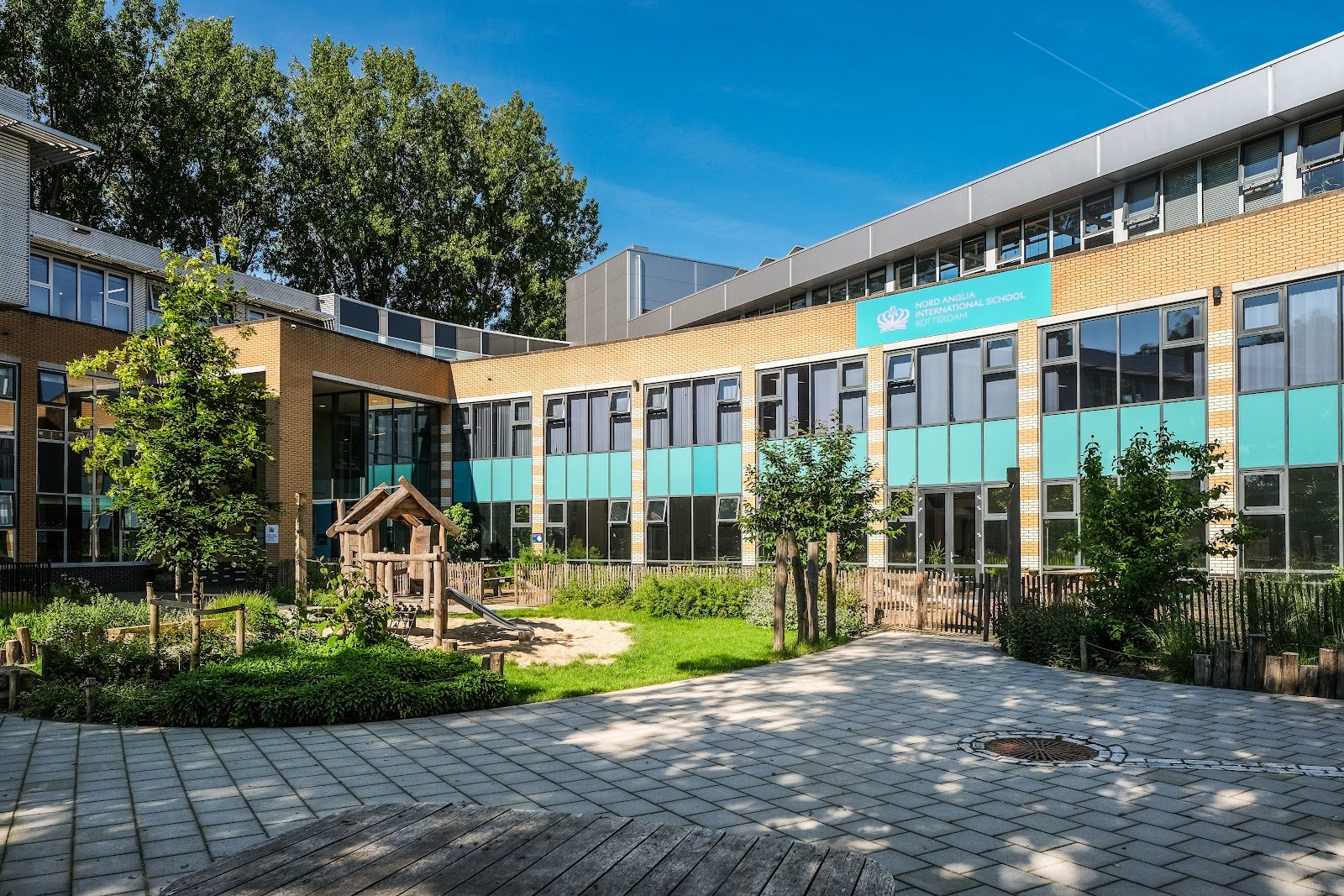
Nord Anglia International School Rotterdam
Rotterdam · Netherlands
Born from a 1959 American community, this Hillegersberg school pairs IB rigor with MIT-designed STEAM and Juilliard arts training.
Amsterdam International Community School
Amsterdam · Netherlands
A public alternative to Amsterdam's private international schools, running the full IB continuum from a climate-neutral campus.
Same country and curriculum — closest matches within ±10 points either way