
Walloon Brabant
International School of Flanders
low confidence· 4/6 cats · 1.2 avg sourcesSouth of Brussels, classes capped at eighteen students back one of the only schools locally holding CIS, BSO and COBIS accreditation together.
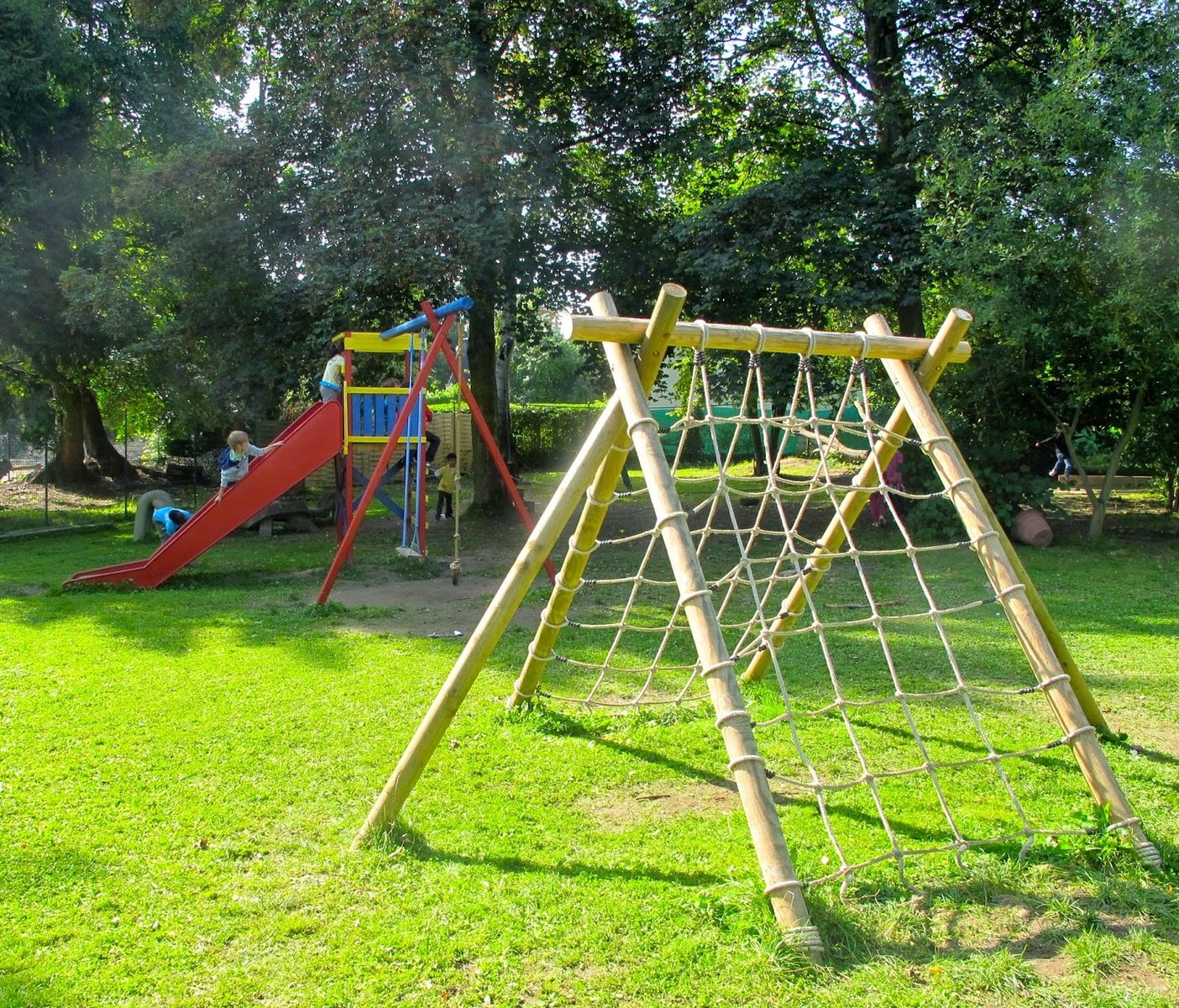
Photo © Pascal Cranshoff via Google Maps
Type
Day
Ages
3–18
Curriculum
British · IB
Qualifications
IGCSE · IB Diploma
Ratio
—
The Verdict
Editor's commitment
Right for
Families near Waterloo wanting English teaching from ages 3–18 with British and IB routes, backed by CIS, BSO and IB World School status.
Wrong for
Parents wanting boarding, religious formation or a single-curriculum school; this is a non-religious day school in Waterloo running British and IB.
Watch out for
Classes cap at 18, which is attractive, but the school does not publish outcome data here; test the value behind CIS, BSO and IB badges.
Ranking breakdown
International School of Flanders · #1498 of 1591
Composite score 48.3. 8 weighted criteria.
By criterion
Academic Outcomes
Weight 20%
#1446
of 1529 scored
University Placement
Weight 16%
#1445
of 1529 scored
Prestige & Heritage
Weight 12%
#1456
of 1571 scored
Alumni Network
Weight 12%
#1103
of 1530 scored
Facilities
Weight 12%
#1497
of 1534 scored
Transparency & Communications
Weight 8%
#1486
of 1532 scored
Peer & Industry Review
Weight 10%
#1216
of 1548 scored
Admissions Selectivity & Demand
Weight 8%
#1419
of 1529 scored
Peer & Industry Review
How International School of Flanders is regarded in the sector
63
Respected · medium confidence
I could not identify at least two independent third-party sources (e.g., Tatler, Good Schools Guide, specialist education press, inspectorate reports, or established expat forums) that substantively assess this specific school's reputation. Without verifiable independent coverage, a reliable score cannot be assigned.
Editors' overview
International School of Flanders occupies a useful niche in the Brussels market: a small English-medium day school in Waterloo with a British and IB route, founded in 1997, and classes capped at eighteen. That matters. In a region crowded with large, process-heavy internationals, ISF offers a tighter academic setting and a more controlled classroom experience. The combination of CIS, BSO and IB World School status gives it unusual regulatory breadth for a school of this size; your brief also notes COBIS alongside those, which sharpens its British-facing credibility. For parents who want external scrutiny rather than glossy promises, that stack carries weight. Serious oversight, small-scale teaching and clear academic structure are the core selling points here.
What is special about ISF is not grandeur or scale. It is focus. A school serving ages 3–18 with a class cap of 18 can know its students properly, press them when needed and spot drift early. The British curriculum foundation gives order in the earlier years; the IB keeps sixth-form ambitions international rather than parochial. The Waterloo location also suits families who want access to Brussels without accepting a long daily haul into the city. This is a better fit for parents who value calm classrooms, adult attention and academic accountability over sprawling campuses, endless subject choice or high-volume social churn. If you want a huge peer group and every facility under the sun, look elsewhere.
The school belongs on a shortlist for internationally mobile families, academically minded local families and students who work best when they are known rather than processed. It suits children who benefit from routine, close teacher contact and a school culture that can stay coherent because it is not oversized. It also suits families who want an English-speaking education in Belgium without sacrificing recognised inspection and accreditation frameworks. The strongest match is the student who wants a contained environment, less anonymity and a direct path through British and IB study. The weaker match is the child who thrives only in a vast campus ecosystem with huge cohort energy and maximal co-curricular breadth.
Academic Performance
ISF does not publish a full run of external outcomes in the public domain, and that limits any hard-edged verdict on academic strength. We have not seen aggregate IB Diploma averages, subject-level grade distributions, A-level results, GCSE/IGCSE pass rates, university destination lists by cohort, or multi-year trend data. For parents, that matters. In a market where stronger schools put headline results front and centre, this level of opacity is a weakness. It does not prove weak attainment; it does block serious comparison. The school’s size also cuts both ways: one or two pupils can shift a cohort profile sharply, which makes isolated success stories less useful than published multi-year averages. On academic performance, the current picture is opaque, thinly evidenced and short on the data that supports proper scrutiny.
Relative to Brussels-area and wider Belgian international peers, ISF sits in the category of schools that need to be interrogated directly rather than taken on trust. The key questions are straightforward: recent IB Diploma point averages, pass rates, highest scores, results across the British examination pathway, cohort sizes, and confirmed destination patterns over at least 3 years. If the school can produce a consistent record across those measures, its small-scale model gains academic force. If it cannot, it remains a promising but unproven option on results. For now, ISF does not earn a place among the region’s data-rich academic operators.
Facilities
ISF’s facilities matter less for spectacle than for fit. This is not the sort of school that sells itself on theatres, aquatic centres or acres of specialist infrastructure. Parents should expect a compact campus built around the essentials: standard teaching rooms, age-appropriate early years provision, science space, sports areas and the practical support needed for a full day-school operation. The key point is functional sufficiency rather than excess. In that respect, ISF sits below the top Brussels-area internationals on sheer physical plant. Families choosing between ISF and the region’s largest names will find less grand infrastructure, fewer flagship amenities and a campus with tighter physical limits. For some children, that is a drawback. For others, it strips away noise.
Against smaller international peers, the picture is firmer. A class cap of 18 changes how facilities work: rooms do not need lecture-hall scale, circulation stays manageable and specialist spaces can serve teaching directly rather than absorb volume. That can produce a calmer daily rhythm and better practical access to labs, play areas and staff attention than crowded schools with stronger brochures but weaker logistics. What ISF does not offer is the broad co-curricular estate that larger competitors use to widen choice in sport, performance and design. Parents who want high-functioning simplicity will find enough here. Parents who equate quality with visible capital spend will not.
In that respect, ISF sits below the top Brussels-area internationals on sheer physical plant
Prestige
ISF carries measured prestige, not grand prestige. It does not trade on centuries of brand equity, giant facilities or a dominant alumni network. Its standing rests on something narrower and more credible: external scrutiny, coherent academic routes and a scale that keeps standards visible. In the Belgium market, that gives it serious legitimacy with informed parents, even if it lacks the social cachet that follows the biggest names in Brussels. The school’s profile suits families who care more about inspection, classroom control and day-to-day academic seriousness than about institutional glamour. That is real prestige, but it is earned rather than inherited.
The reason for that rating is straightforward. Holding BSO, CIS and COBIS recognition together is uncommon in one school, and it gives ISF a stronger quality signal than many small operators can offer. The cap of 18 per class also feeds into status of a different kind: not spectacle, but access. Parents buying into ISF are paying for close oversight, less anonymity and a school structure that can keep pupils on a short academic leash. What stops the school rising into the top prestige tier is the same problem noted elsewhere: weak public disclosure of outcomes. Prestige at the highest level needs hard destination data, headline examination performance and a reputation that extends beyond a well-informed local circle. ISF has the first layer of credibility. It does not have the full aura of a market-leading school.
What stops the school rising into the top prestige tier is the same problem noted elsewhere: weak public disclosure of outcomes
Communications
ISF’s parent communication reads as the product of a small school that cannot afford muddle. The public-facing side is clear on the basics parents need first: age range, admissions route, fees, calendar, contacts and the shape of school life. That matters more than design flourishes. The site is straightforward to navigate, and direct points of contact are easy to find, which usually tells you something useful about institutional habits offline as well. A school built around classes capped at 18 has fewer places to hide weak communication than a giant campus does; families expect access, speed and named accountability. ISF invites that scrutiny. There is no fog of corporate branding, no over-produced messaging and little sign of the glossy evasiveness that weaker schools use to cover operational looseness.
The limitation sits elsewhere. Communication is serviceable on process, but thin on proof. The school does not publish the kind of outcome data that would let parents test academic claims properly, and that leaves an avoidable gap between message and evidence. Strong parent communication is not only about warmth, responsiveness and calendar logistics; it is also about disclosing what pupils achieve, where they progress and how performance holds up over time. On that front, ISF is restrained to a fault. Families will get a clear line of contact and, in a school of this scale, a more personal exchange than at bulkier rivals. They will still need to ask hard questions directly.
Uniqueness
What marks ISF out is not a single headline feature but a combination that is rare in this part of the market: a genuinely small all-through school with external oversight that exceeds what many larger competitors submit to. That creates a different educational experience. Pupils are not absorbed into a machine; they are visible, trackable and hard to ignore. In practical terms, the school can spot weak habits earlier, intervene faster and keep communication between teachers and families tighter. The class cap of 18 is not a decorative statistic here. It shapes the daily texture of school life: more direct questioning, less room to hide, and a sharper read on how each child is coping academically and socially.
That setup brings clear gains for the right student. Children who need structure, adult follow-through and a contained environment tend to do better in schools where expectations stay consistent from one stage to the next. ISF also offers a route from early schooling to the senior years without the impersonality that creeps into bigger international campuses. The benefit is continuity with pressure, not continuity with complacency. Students gain close academic supervision, quicker pastoral recognition and a school culture that can stay coherent because it is not sprawling. The trade-off is plain: less scale, fewer headline extras, and a narrower social universe than the biggest schools. For many families, that is not a compromise. It is the point.
In a school where classes stop at 18, quiet pupils do not vanish and disorganised pupils do not hide for long
Student Profile
The best fit at ISF is the student who does better when adults know their work patterns, notice slippage fast and refuse to let effort drift. In a school where classes stop at 18, quiet pupils do not vanish and disorganised pupils do not hide for long. That suits children who benefit from firm academic follow-through, close adult visibility and a contained social setting. It also suits families who want a school day shaped by routine rather than spectacle. New arrivals to international education, pupils unsettled by very large campuses and students who find crowded peer cultures distracting all have a stronger chance of settling here than in a bigger, looser institution.
The weaker fit is just as clear. Children who want a vast friendship pool, a high-volume social scene and endless niche activities will hit the limits of a smaller school fast. The same goes for highly independent students who prefer to manage their own workload with minimal adult intervention; ISF’s value lies in watchful structure, not benign neglect. Socially, this works best for pupils who are comfortable being known across year groups and who do not need anonymity to reset after a bad week. Parents choosing ISF are buying into consistency, personal accountability and a school culture that stays tight rather than expansive. For the right child, that is a strength. For the wrong one, it will feel constricting.
In a region crowded with large, process-heavy internationals, ISF offers a tighter academic setting and a more controlled classroom experience
Co-curricular strengths
Arts & sport, on a separate axis
Overall 6.26/10
Scored 0-10 from the school's own published evidence. This axis is editorial-only — it does not feed the main WTS ranking.
Sports
6.5/10
Drama
6.2/10
Dance
5.8/10
Music
6.4/10
Visual Arts
6.4/10
Editor first-pass · editor-reviewable · 7/30/2026
Strengths
- +Offers both a British-style curriculum and the full IB continuum, a combination not commonly found in a school of its size in the Brussels area.
- +Located in Waterloo, a quiet suburb south of Brussels close to SHAPE/NATO and several EU-linked communities, easing commutes for many expat families.
- +Small overall enrolment allows for smaller class sizes and closer staff-student contact than at the larger Brussels international schools.
- +Day-only structure keeps the school community compact and locally rooted rather than dispersed across a boarding population.
Considerations
- −Small student body limits the breadth of extracurricular activities, sports facilities, and senior-year subject options compared with larger international schools in the Brussels region (e.g. ISB, BSB).
- −Lower public profile means there is little independently verifiable data on exam results, university placement, or recent inspection findings.
- −No boarding option, so the school only realistically serves families able to commute daily to Waterloo.
- −Less brand recognition and shorter track record than the region's longer-established international schools, which may matter for university reference checks.
Availability
Primary entry gate & tests
Academic Record
Gallery
Photo © Pascal Cranshoff via Google Maps
Photo © Pascal Cranshoff via Google Maps
Photo © Pascal Cranshoff via Google Maps
Photo © Pascal Cranshoff via Google Maps
Photo © Pascal Cranshoff via Google Maps
Parent reviews
Have you sent your child here?
Voice reviews carry the strongest trust badge — we transcribe them for you to tidy up before they go live. Prefer to type? A written review is fine too.
Add your voice
In 60 seconds, tell other parents: what's the best thing about International School of Flanders, and what surprised you when your child joined?
We ask for a Google sign-in so every review has a real face behind it — no anonymous drive-by attacks on schools, and no faked positive reviews. Your email is never shown publicly.
Send this profile to a friend
International parents rely on word-of-mouth. Share this review with someone weighing the same decision.
Schools with places
Similar schools to International School of Flanders with places available now.
Availability first, then country, area, curriculum, price, co-curricular
Consider also
Also worth looking at alongside International School of Flanders.
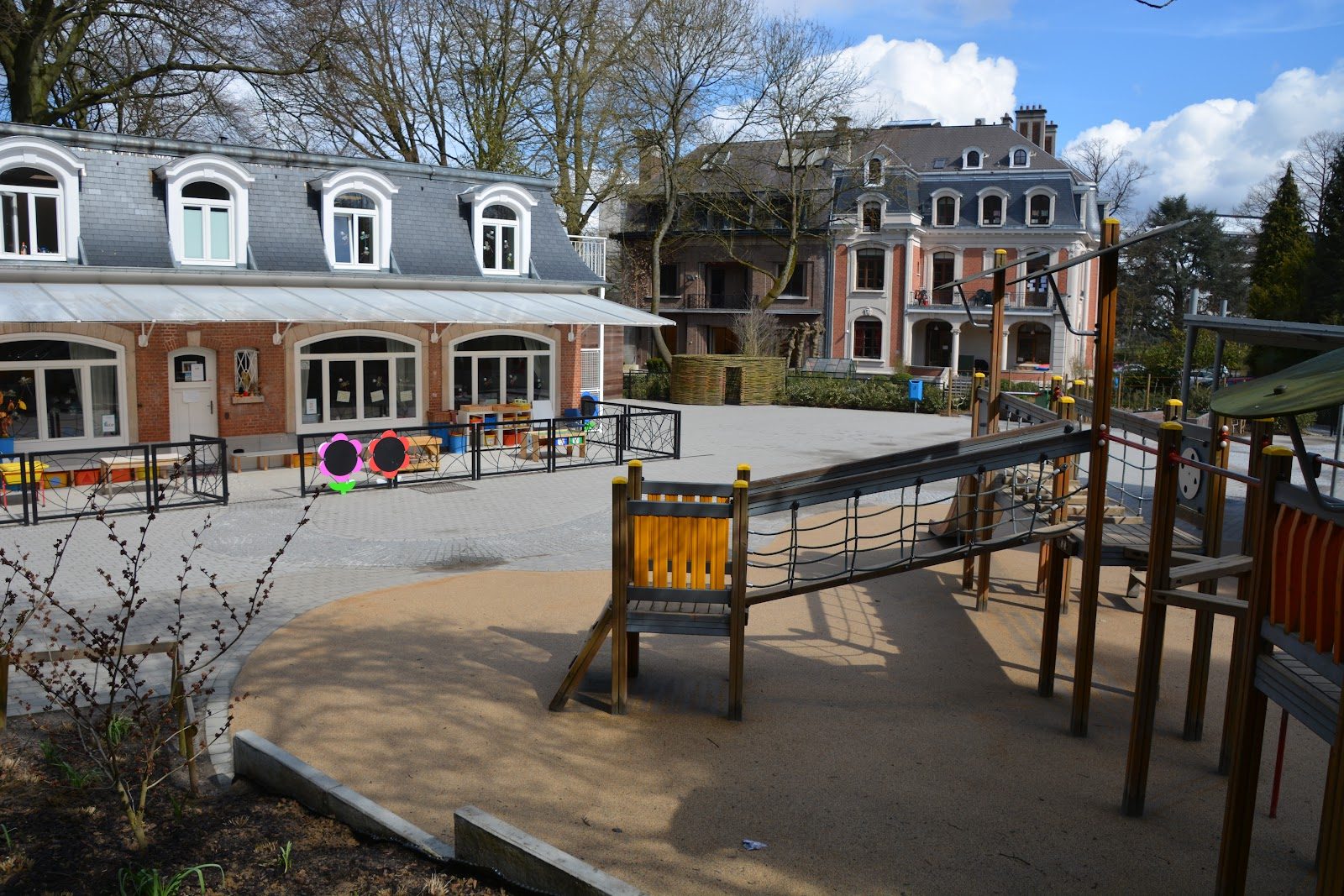
BEPS International School
Brussels · Belgium
A close-knit Bois de la Cambre campus guiding students from IB Early Years through Diploma and Career pathways since 1972.

St. George's British International School Belgium
Brussels · Belgium
A British day school rooted in the EU capital, blending house-system tradition with a truly diplomatic postcode
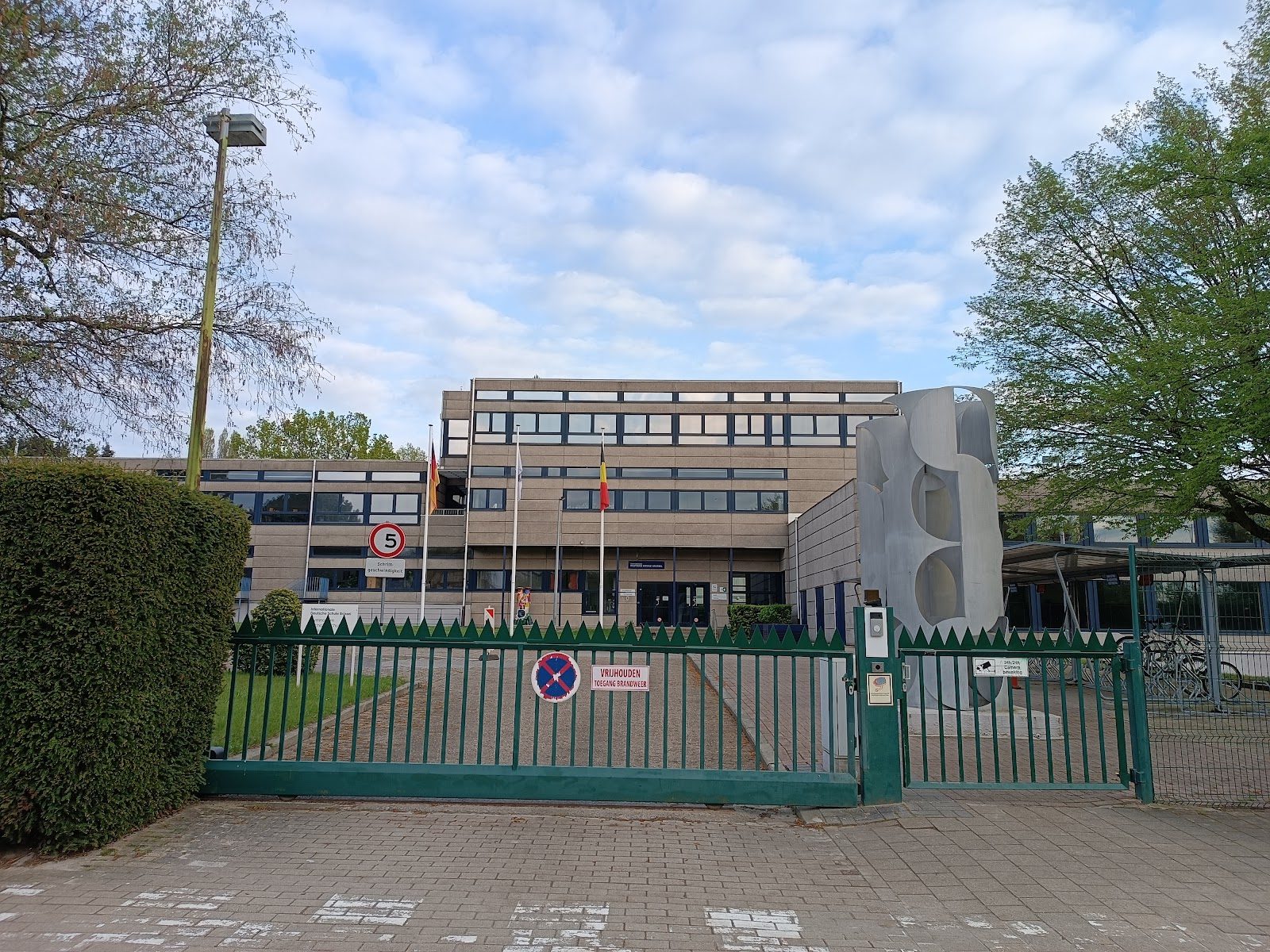
Deutsche Schule Brüssel
Wezembeek-Oppem · Belgium
Predating Belgium itself, this 1803-founded German campus east of Brussels still leads to the Abitur amid quiet green grounds.
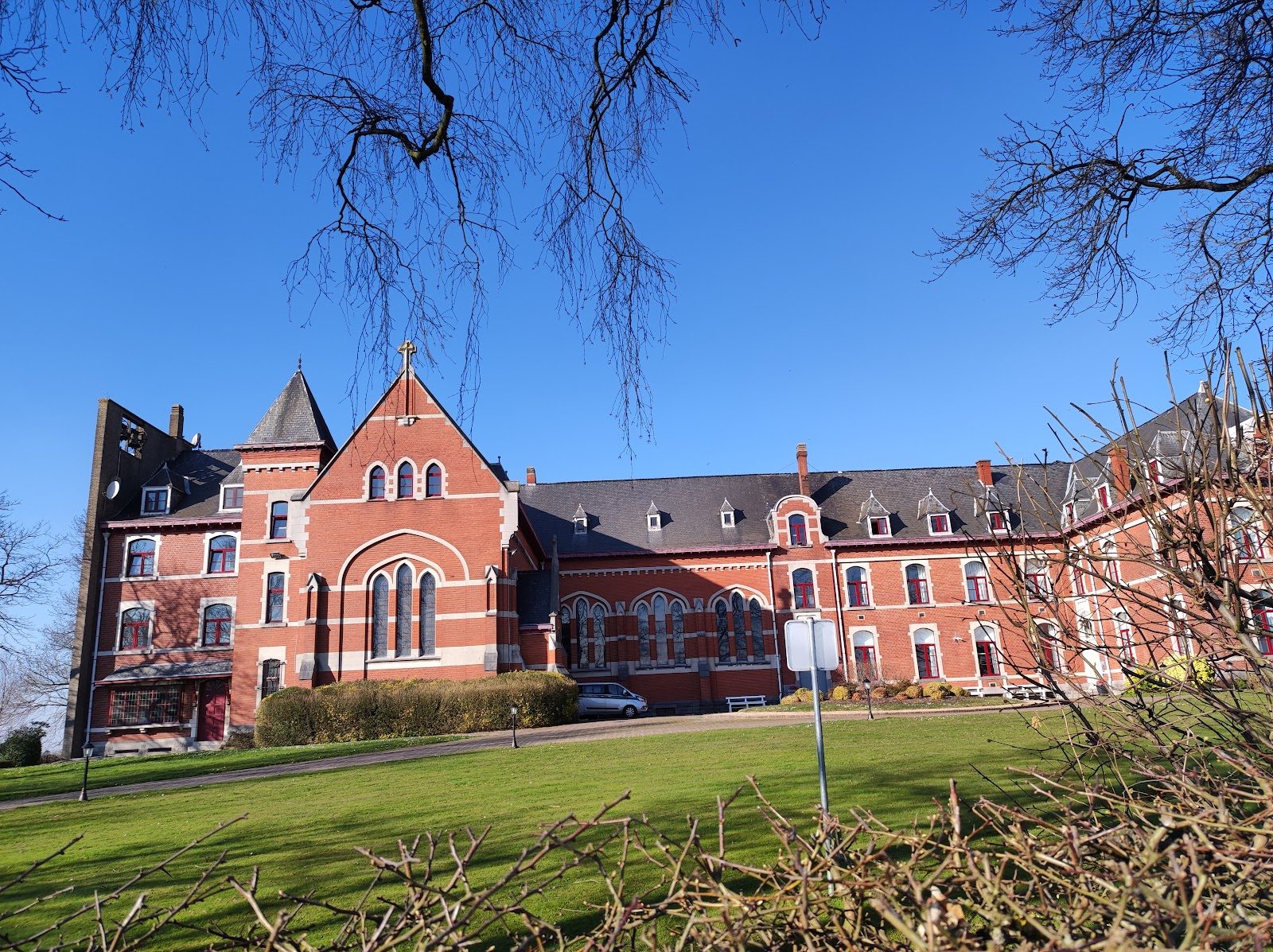
Musica Mundi School
Waterloo · Belgium
Inside a converted monastery near Brussels, Cambridge academics share the daily timetable with professional violin, cello and piano training.
Same country and curriculum — closest matches within ±10 points either way