
Rizal
Faith Academy
medium confidence· 4/6 cats · 1.71 avg sourcesA 1957 missionary-founded campus in the Antipolo hills, still schooling third-culture kids from more than 20 nations under an American curriculum.
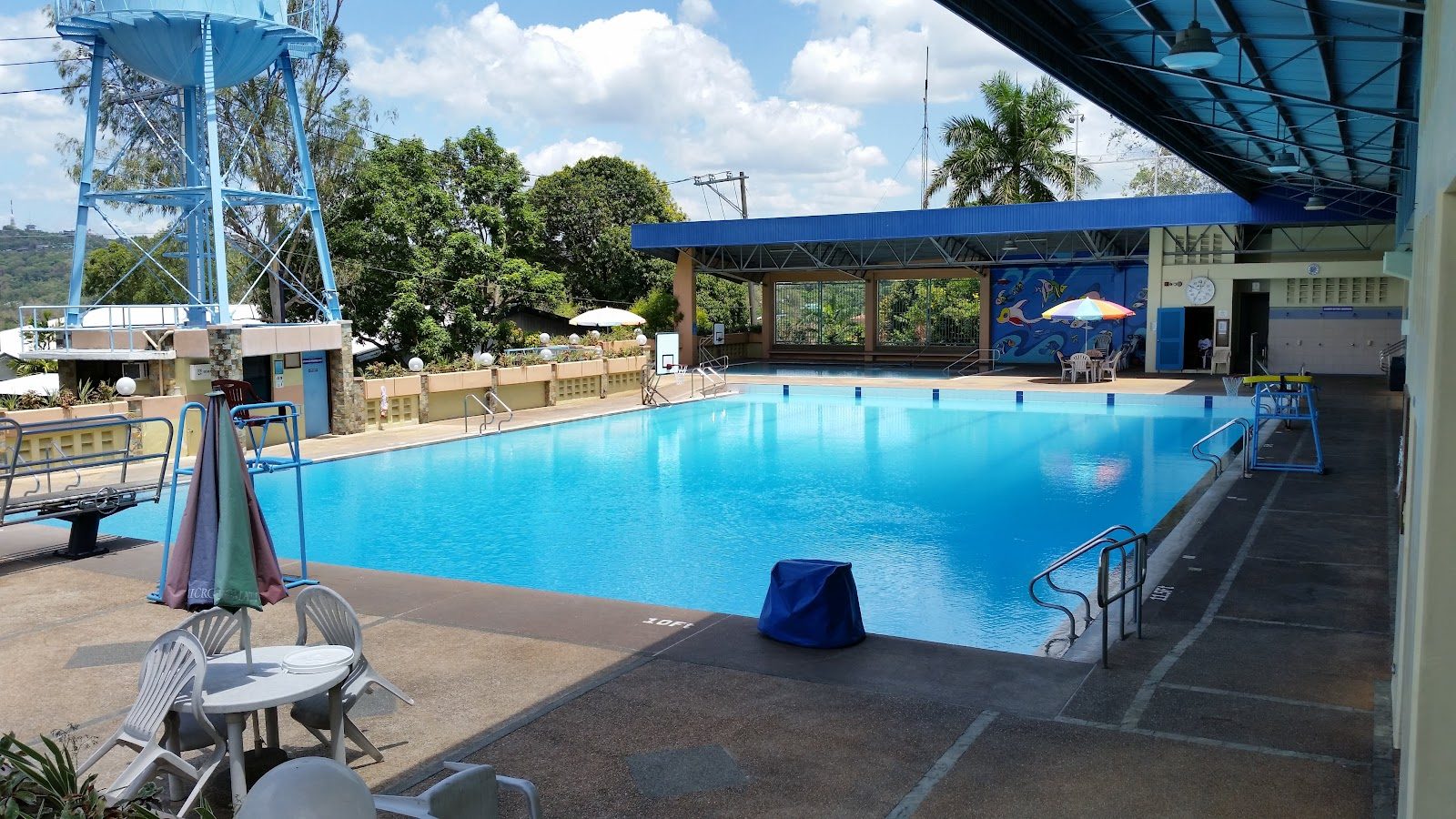
Photo © Steve and Sue Mayo via Google Maps
Type
Both
Ages
5–18
Curriculum
American
Qualifications
AP · US High School Diploma
Ratio
—
The Verdict
Editor's commitment
Right for
Missionary and expatriate families who want a Christian, interdenominational school in Antipolo with an American curriculum, English teaching, and WASC and ACSI accreditation.
Wrong for
Families who want a secular education, another curriculum, or a school where faith stays peripheral; Faith Academy states Gospel integration across school life.
Watch out for
Founded in 1956 for missionary children, it still centres that brief; if you want published exam data or university outcomes, the school does not disclose them.
Ranking breakdown
Faith Academy · #844 of 1591
Composite score 63.3. 8 weighted criteria.
By criterion
Academic Outcomes
Weight 20%
#957
of 1529 scored
University Placement
Weight 16%
#965
of 1529 scored
Prestige & Heritage
Weight 12%
#953
of 1571 scored
Alumni Network
Weight 12%
#597
of 1530 scored
Facilities
Weight 12%
#960
of 1534 scored
Transparency & Communications
Weight 8%
#983
of 1532 scored
Peer & Industry Review
Weight 10%
#891
of 1548 scored
Admissions Selectivity & Demand
Weight 8%
#726
of 1529 scored
Peer & Industry Review
How Faith Academy is regarded in the sector
62
Respected · low confidence
Faith Academy is a well-known, long-established missionary/international school in Antipolo with a large alumni network among missionary kids and expat communities across Asia, frequently discussed positively on expat and missionary forums and Facebook groups as a top choice for MK (missionary kid) education. However, it receives little to no coverage in mainstream 'best schools in Philippines' rankings, Tatler Philippines education features, or Good Schools Guide-type specialist press, suggesting its reputation is strong but confined to a specific niche (missionary/expat Christian community) rather than broad peer or sector-wide recognition.
Evidence sources
Editors' overview
Faith Academy occupies a niche few schools in the Philippines can match: a missionary-founded, explicitly interdenominational Christian school in the Antipolo hills, built for internationally mobile families and still anchored to that purpose. Founded in 1956, it runs an American curriculum in English for ages 5–18, with both day and boarding provision, and it holds WASC and ACSI accreditation. The school’s own mission is plain: “forming Christlike, lifelong learners” and advancing the Great Commission through education. This is not a school that treats religion as decorative branding. Faith sits at the centre of the enterprise, and families who want a clear Christian frame, serious pastoral intent and a school life ordered around belief will find that directness useful.
What sets Faith Academy apart is its long-standing service to third-culture children and missionary families across Asia. The school states that it especially serves children of missionaries, while also enrolling students from international business, diplomatic and Philippine national backgrounds. It describes itself as a multicultural community, and the editorial context places students from more than 20 nations on campus. That mix matters. For the right child, it creates a cross-border childhood with peers who understand transition, relocation and life between cultures. It also gives the school a more defined social identity than the generic “international school” label: this is a community with a shared moral language, a strong sense of purpose and an expectation that education reaches beyond grades into character, service and discipleship.
Parents should shortlist Faith Academy if they want an American-style education with boarding in a mission-shaped community, not a cosmopolitan school with religion kept at arm’s length. The school also deserves credit for publishing concrete commitments on child protection, including mandatory ongoing staff training and a dedicated Child Safety Team; that is a baseline schools should meet, and too many still fail to state it plainly. The trade-off is just as clear. Families seeking a secular environment, a lightly worn chapel culture or a broad-church internationalism without doctrinal weight will find Faith too defined. Its appeal rests in conviction, not flexibility.
The best fit is the student who will thrive in a close-knit boarding setting, values structure and responds well to a school that links academic life, worldview and conduct. Children from missionary, expatriate and other internationally mobile families will recognise the culture quickly. So will students who want a stable hilltop campus and peers used to movement across countries and communities. Those who want a school built around shared faith and service, rather than status display or brand polish, will understand why Faith Academy remains distinctive.
Academic Performance
Faith Academy does not publish aggregate external exam outcomes in the public domain. No school-wide AP, SAT, ACT or other standardised results figures are on its main public pages, and that matters. For parents trying to place the school against academic competitors, this leaves a real gap. A school can be strong without broadcasting every score; it cannot claim transparent academic benchmarking while leaving headline outcomes unpublished. In a market where many international schools use exam data to prove academic range and ceiling, Faith Academy asks families to trust the broader mission first. That will suit some households. It will frustrate results-driven parents who want hard comparisons before they enquire.
Relative to peers, Faith Academy sits in an opaque middle ground on published performance: not discredited, not demonstrably high-scoring, simply under-documented. The school’s own language stresses formation, worldview and character, and that emphasis shapes how parents should read the absence of public results. This is not the profile of a league-table school. Families choosing between Faith Academy and more aggressively academic competitors need to press for concrete data at enquiry stage: recent AP participation and scores, SAT or ACT ranges if tracked, university destinations across the last 3 to 5 years, and subject-level performance trends. Until that data is disclosed, the school’s academic standing remains hard to verify against stronger-reporting peers.
Facilities
Faith Academy’s public pages do not set out a detailed facilities inventory, and that limits hard comparison. What the school does make clear is the shape of the campus experience: a boarding-and-day environment built to support life beyond the classroom, with child safeguarding systems treated as operational infrastructure rather than decorative policy. The published presence of a dedicated Child Safety Team and mandatory ongoing staff training matters more than glossy photographs of buildings. Too many peer schools sell theatres, pools and maker spaces while staying vague about student protection. Faith is stronger on institutional seriousness than on public-facing campus detail. It also points families to a prospectus, which implies a fuller facilities picture sits behind enquiry rather than in open view. That is serviceable, not best-in-class transparency.
Against peer international schools in the Philippines, that leaves Faith at a disadvantage on published campus specification. Schools competing for expatriate families now spell out laboratories, libraries, sports provision, arts spaces and boarding amenities with far more precision. Faith does not. The advantage here lies elsewhere: a campus organised around a close-knit residential community, pastoral oversight and a student body drawn from more than 20 national backgrounds. For the right family, that social environment counts as a facility in its own right. For parents comparing hard assets, the school needs to answer direct questions: science provision, arts spaces, athletic facilities, boarding houses, medical support and transport. Until then, the facilities profile stays credible but under-described.
Those who want a school built around shared faith and service, rather than status display or brand polish, will understand why Faith Academy remains distinctive
Prestige
Faith Academy carries niche prestige, not mass-market prestige. In the Philippines’ international-school landscape, its standing rests less on glamour, selective social cachet or headline academic data and more on durability, clarity of mission and the trust it holds with a very specific constituency: internationally mobile Christian families, especially those tied to missionary service. That matters. Schools built for third-culture children from more than 20 national backgrounds do not gain their reputation by polished branding alone; they gain it by doing a hard job well enough that families keep choosing them across postings and across generations. The school’s explicit religious purpose sharpens that identity. For families who share that commitment, Faith’s name carries real internal weight. For families shopping for broad status recognition outside that world, it carries less.
That is why the prestige rating here sits in the respected but specialised bracket. WASC and ACSI accreditation give it institutional legitimacy, and the school’s public child-safeguarding commitments add credibility where many schools stay vague. But prestige has limits when academic outcomes are not published in aggregate and university-placement strength is not set out clearly. In plain terms: this is not a trophy school. It is a school with earned standing inside a defined Christian-international network, and more modest cachet beyond it. Parents who value community fit, pastoral seriousness and moral coherence will rate that highly. Parents who want prestige measured in public results, selectivity and brand shine will not.
What sets Faith Academy apart is its long-standing service to third-culture children and missionary families across Asia
Communications
Faith Academy’s parent communication is clear on identity and values, thinner on operational detail. The public-facing message leaves no doubt about the school’s priorities: Christian formation, multicultural community, child safety and service. For mission-fit families, that directness is useful. Parents can tell quickly whether the school’s ethos matches their own, and the interim head’s note speaks in a personal, invested register rather than committee prose. The site also does one practical thing well: it points families towards a prospectus and offers it in more than one language, a sensible move for an international parent body drawn from over 20 nations. The safeguarding statement is the strongest communication on the site because it names concrete systems — mandatory staff training, a Child Safety Team, reporting and response — instead of hiding behind soft reassurance.
Where communication drops a grade is transparency. The school explains what it believes with unmistakable conviction; it explains less about how the school runs day to day. Families do not get much published detail on academic outcomes, facilities, leadership structure beyond the interim appointment, or the practical mechanics of school life. That creates a two-speed communications picture: strong on ethos, weaker on evidence and logistics. For parents already aligned with the mission, that may be enough to prompt an enquiry. For parents comparing schools with a colder eye, it is not enough. Effective school communication needs both moral clarity and usable facts. Faith delivers the first and leaves too much of the second behind the admissions conversation.
Uniqueness
Faith Academy is unusual because its identity is not assembled from the standard international-school mix of global branding, exam rhetoric and soft-focus values. It was built for missionary families and still says so without dilution. That gives the school a rare ideological clarity. Students are not asked to decode whether faith sits at the margins or the centre; the answer runs through the mission, the pastoral structure and the school’s stated aim of discipling young people for service. In a sector full of interchangeable “global citizens” language, Faith offers a sharply defined moral community. It also draws children from more than 20 national backgrounds, which gives that community a cross-cultural dimension many confessional schools lack. The result is a student culture shaped by mobility, adaptation and a shared religious frame rather than by local elite status.
What this brings to students is coherence. Children who have lived between countries, support networks and home cultures get a school where transience is normal, not disruptive. That matters for third-culture children, who need peers that understand departure, arrival and reinvention without drama. Faith’s explicit Christian frame also gives students a clear behavioural and ethical vocabulary, which can translate into stronger pastoral consistency and a more intentional sense of belonging. The trade-off is just as plain: this is a high-definition school. Students who thrive on shared conviction, service and communal expectations can flourish. Students who want ideological looseness, social anonymity or religion treated as private background will feel constrained.
Faith Academy does not publish aggregate external exam outcomes in the public domain
Student Profile
Faith Academy suits students who are comfortable in a school where belief is not private background but public structure. The best fit is the child from a missionary, expatriate or other internationally mobile family who wants peers with similar biographies: children who have moved countries, changed communities and learned to settle quickly. The school openly welcomes missionary families, business and diplomatic households, and Philippine nationals, but its centre of gravity stays with families who value clear Christian conviction, shared moral language and a community organised around faith. Students who like strong pastoral boundaries, adult oversight and an expectation of respect across cultures will fit well. Students who want ideological distance from religion, or who resist conduct framed in explicitly biblical terms, will not.
This is also a good match for the third-culture child who needs social ease more than social flash. A student body drawn from more than 20 nations gives the campus a cross-border normality that many local schools cannot offer. That matters for children who are tired of explaining their background or being the only newcomer in the room. The strongest candidates for Faith are adaptable, community-minded and receptive to service, discipleship and collective expectations. Independent-minded students can still thrive here, but only if they are content to operate inside a high-definition ethos. For families seeking a mission-shaped peer group rather than a status marketplace, that profile is the school’s core strength.
In a market where many international schools use exam data to prove academic range and ceiling, Faith Academy asks families to trust the broader mission first
Co-curricular strengths
Arts & sport, on a separate axis
Overall 7.14/10
Scored 0-10 from the school's own published evidence. This axis is editorial-only — it does not feed the main WTS ranking.
Sports
7.3/10
Drama
7.5/10
Dance
5.8/10
Music
7.8/10
Visual Arts
7.3/10
Editor first-pass · editor-reviewable · 7/30/2026
Strengths
- +Long-established American curriculum school founded in the 1960s to serve missionary and expatriate families, giving it decades of institutional continuity.
- +Offers a residential boarding option alongside day school places, a structure uncommon among international schools in the Philippines.
- +Large campus in Antipolo with dedicated facilities for a full K-12 age range under one institution.
- +Explicit Christian evangelical ethos gives the school a clear, consistently applied values framework across academics and boarding life.
- +Accreditation through recognised US-style accrediting bodies supports transfer of transcripts to American and other international curricula.
Considerations
- −Its evangelical Christian identity is central to campus life and may not suit secular, other-faith, or culturally neutral-seeking families.
- −Antipolo's location outside central Manila means a longer commute for families based in Makati, BGC, or Ortigas business districts.
- −Boarding provision was historically built around missionary families, so the boarding culture and peer group may differ from that of a typical international boarding school.
- −Public, independently verifiable data on fees, exam results, and university placement is limited compared to larger Manila international schools.
Availability
Primary entry gate & tests
Academic Record
Gallery
Photo © Steve and Sue Mayo via Google Maps
Photo © Joey Lazarte via Google Maps
Photo © Kent Santosidad via Google Maps
Photo © Kent Santosidad via Google Maps
Parent reviews
Have you sent your child here?
Voice reviews carry the strongest trust badge — we transcribe them for you to tidy up before they go live. Prefer to type? A written review is fine too.
Add your voice
In 60 seconds, tell other parents: what's the best thing about Faith Academy, and what surprised you when your child joined?
We ask for a Google sign-in so every review has a real face behind it — no anonymous drive-by attacks on schools, and no faked positive reviews. Your email is never shown publicly.
Send this profile to a friend
International parents rely on word-of-mouth. Share this review with someone weighing the same decision.
Schools with places
Similar schools to Faith Academy with places available now.
Availability first, then country, area, curriculum, price, co-curricular
Consider also
Also worth looking at alongside Faith Academy.
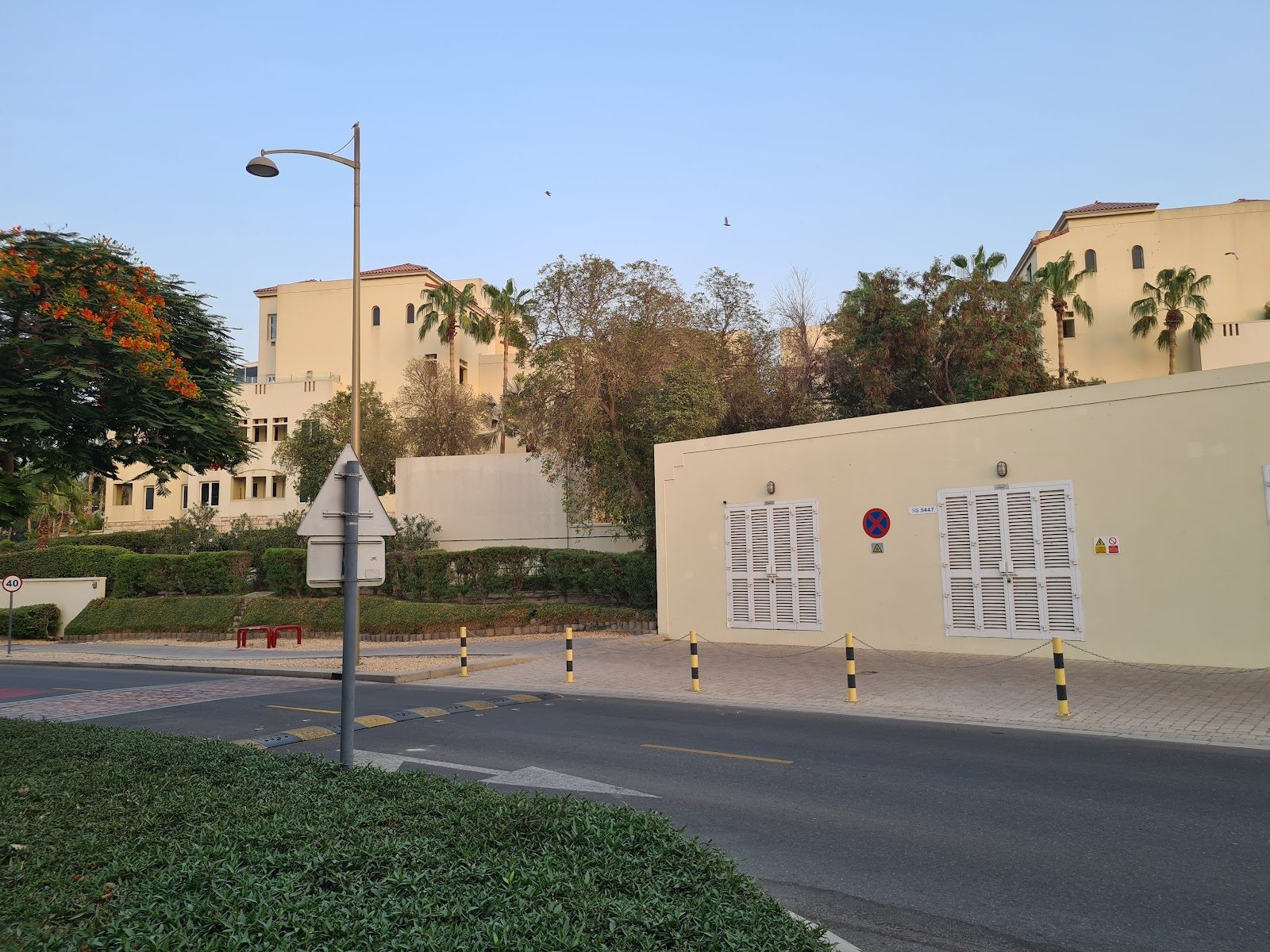
Universal American School
Dubai · United Arab Emirates
A not-for-profit Festival City campus where Grade 11 students choose between the IB Diploma and an AP-enriched US track

Greenwich Academy
Greenwich · United States
Connecticut's oldest all-girls school pairs single-sex grounding with coeducational upper-school classes shared alongside Brunswick's boys.

West Point Grey Academy
Vancouver · Canada
On an 18-acre Jericho Lands campus above English Bay, a compulsory third language meets a student-run Model UN conference.
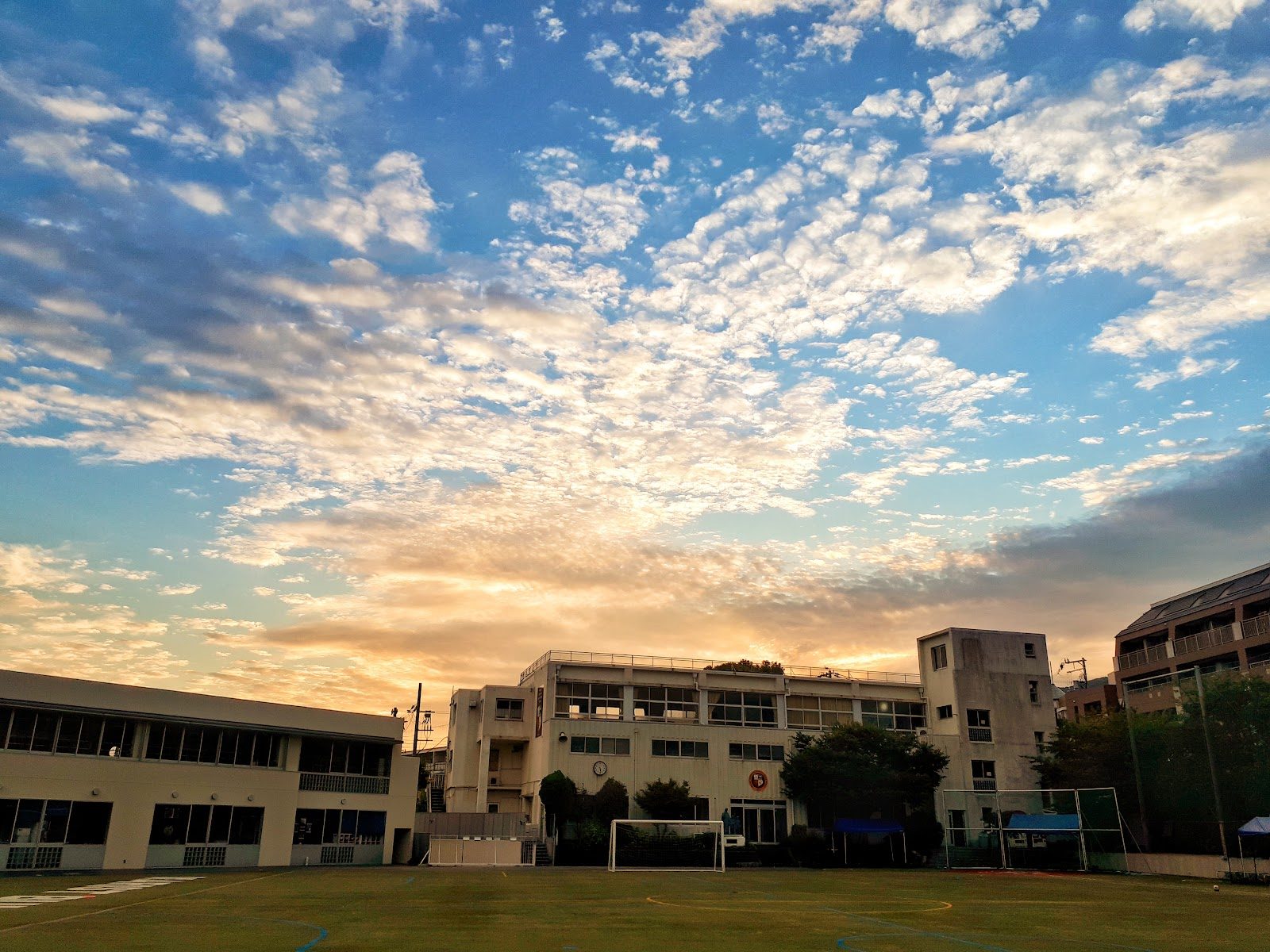
Marist Brothers International School
Kobe · Japan
The only international school run by the Marist Brothers, rebuilt from Kobe's 1995 quake into an American-IB dual pathway.
Same country and curriculum — closest matches within ±10 points either way