
New Jersey
Princeton Day School
medium confidence· 4/6 cats · 3.46 avg sourcesFormed by a 1965 merger of two century-old Princeton schools, pairing STEAM rigor with a rare four-year architecture program across 106 acres.
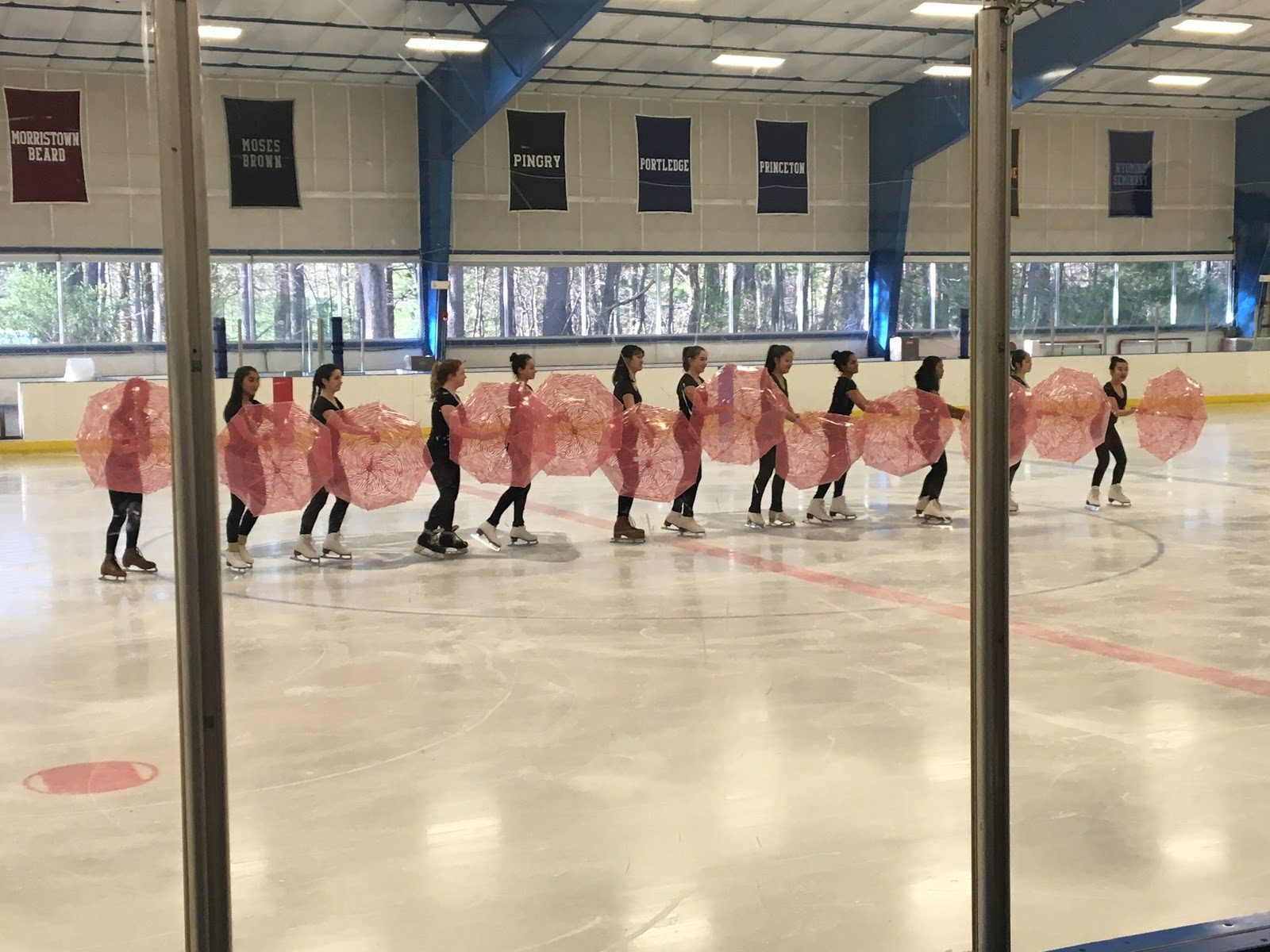
Photo © William J. Brown via Google Maps
Type
Day
Ages
3–18
Curriculum
American
Qualifications
AP
Ratio
—
The Verdict
Editor's commitment
Right for
Families wanting a non-religious American PreK-12 on 106 acres, with STEAM depth and a rare four-year architecture programme.
Wrong for
Anyone wanting boarding, a faith framework, or a cheap option: this is day-only, NEASC and NAIS accredited, and costs $49,022.
Watch out for
Founded in 1896 and sharpened by a 1965 merger, PDS sells curiosity hard; parents still need published outcomes, not rhetoric.
Ranking breakdown
Princeton Day School · #766 of 1591
Composite score 64.4. 8 weighted criteria.
By criterion
Academic Outcomes
Weight 20%
#449
of 1529 scored
University Placement
Weight 16%
#459
of 1529 scored
Prestige & Heritage
Weight 12%
#526
of 1571 scored
Alumni Network
Weight 12%
#1254
of 1530 scored
Facilities
Weight 12%
#559
of 1534 scored
Transparency & Communications
Weight 8%
#551
of 1532 scored
Peer & Industry Review
Weight 10%
#598
of 1548 scored
Admissions Selectivity & Demand
Weight 8%
#369
of 1529 scored
Score history
Princeton Day School · 2026
Movement across 2024–2026. Peer average overlaid.
Overall — 2024–2026
64.4/ 100
▲ +14.7 vs 2025
year on year
Peer & Industry Review
How Princeton Day School is regarded in the sector
55
Credible · low confidence
Princeton Day School is recognized regionally as a solid, well-resourced independent day school in New Jersey, appearing in aggregator rankings like Niche.com's 'Best Private High Schools in New Jersey' and occasionally cited in local press for college matriculation outcomes, but it lacks the kind of sustained coverage in specialist education press (Tatler, Good Schools Guide, Sunday Times) that characterizes nationally or internationally benchmarked institutions. Its reputation appears strong within the Princeton area and among regional peer schools (competing with Lawrenceville, Peddie, Hun School) but with limited third-party validation beyond aggregator sites and local alumni networks.
- Brooke Shields — Actress/Model
- Christopher Reeve — Actor
- Steve Forbes — CEO/Chairman, Forbes Media
Editors' overview
What distinguishes Princeton Day School is not the usual independent-school packaging of rigour plus pastoral care, but its age range, acreage and programme mix. This is a non-religious American day school in Princeton for ages 3 to 18, spread across 106 acres, with roots that run back to 1896 and a present form shaped by a 1965 merger of two older local schools. The headline for parents is breadth with substance: STEAM is central to the school’s identity, and the architecture programme stands out because it runs for four years, not as a short elective taster bolted on to the timetable. That matters. Schools talk freely about innovation; very few sustain a specialist design track long enough for students to build technical skill, critique habits and a portfolio.
The school’s own language leans hard on curiosity, exploration, critical thinking and risk-taking. Strip away the rhetoric and the underlying proposition is clear: Princeton Day School wants engaged students, not compliant ones. It sells an education built around intellectual range, collaborative work, strong arts provision, extensive athletics and facilities, and a student experience in which teachers know pupils well. That combination gives it a broad-gauge market position: expensive, academically serious, but not narrowly exam-drilled. At an average annual day fee of $49,022, it sits in the upper tier of the US day-school market and needs to justify that price with genuine range. On the evidence available publicly, it does so through programme depth, campus scale and a clear refusal to define success by test scores alone.
Parents should shortlist Princeton Day School if they want an American independent school with room to move beyond the standard high-achieving template. The NEASC and NAIS accreditations give baseline reassurance on institutional quality, but the stronger case rests on fit. This is a school for children who want to make things, test ideas, perform, compete and range across disciplines without being forced into an early academic lane. It will suit the restless, high-agency student who likes challenge, uses facilities, and benefits from a community that expects participation. It is less convincing for families who want a stripped-down, purely academic hothouse or a school defined by published outcome statistics; the school does not disclose the sort of granular public results data that some parents now expect. Even so, for a student who wants intellectual seriousness without a monastic culture, Princeton Day School has a strong case for the shortlist.
Academic Performance
Princeton Day School does not publish the kind of external-results data that allows a clean ranking against hard-driving US independents. There are no public SAT or ACT averages in the sources here, no aggregate AP score profile, no matriculation breakdown by course selectivity, and no year-on-year exam tables. That limits direct comparison. Parents who want a school to prove its academic standing through a forensic public results set will find this frustrating. The school’s own framing also matters: it explicitly says the point is not “the highest test scores”, even while insisting that academic excellence and intellectual rigour remain central. That marks it out from schools that build their public case around numbers first and culture second.
Relative to peers, this places Princeton Day School in the camp of established independent schools that lean on programme strength, student experience and institutional reputation more than on published exam statistics. That is not the same as weak outcomes; it is a deliberate opacity in a market where some competitors now disclose far more. One concrete scale marker does exist: the upper school enrols about 420 students, which gives the school enough size to sustain a broad senior academic offering without reading as a mega-campus operation. The academic proposition, then, is serious but not score-led: strong enough to attract ambitious families, less useful for parents who want a spreadsheet-ready proof of performance.
Facilities
The facilities case rests on range and room. A campus of 106 acres is a serious asset for a day school, and the school leans into it: separate lower, middle and upper school divisions; dedicated spaces built for collaboration; and enough athletic provision to support a full sports culture rather than a token fixtures list. In peer terms, that puts Princeton Day School above the urban independent-school norm, where strong academics often sit inside cramped real-estate constraints. The arts also carry real weight in the school’s self-description, with visual and performing arts treated as core provision rather than decorative add-ons. That matters because many schools claim balance while funnelling resources towards classrooms and college counselling. Here, the facilities package reads broad, well-capitalised and genuinely usable across the school day.
The sharper distinction is specialist space tied to programme design. A school that sustains a multi-year architecture track needs more than standard art rooms; it needs places for making, critique and technical work. That gives Princeton Day School a rarer practical edge than peers whose design or engineering offer stops at short electives or clubs. Athletics, too, look stronger than average from the school’s own emphasis on accomplished coaching staff, outstanding facilities and a conspicuously engaged student crowd. The caveat is straightforward: the public-facing picture sells breadth, not fine-grained inventory. Parents who want a room-by-room accounting of labs, theatres or sports venues will need to press for detail. Even so, against comparable US day schools, this is a high-functioning, resource-heavy campus.
What marks Princeton Day School out is not one flagship claim but an unusually coherent mix of breadth, space and programme seriousness
Prestige
Princeton Day School carries real regional weight and a useful degree of national recognition, but it does not sit in the tiny band of US independents whose prestige rests on relentless public academic data or century-old global name recognition. Its standing comes from a different mix: longevity, affluence of provision, a substantial upper school, and a programme broad enough to attract families who want more than a narrow college-admissions machine. The school’s alumni footprint strengthens that case. Wikidata catalogues 25 notable former pupils, including 6 writers or journalists and 4 musicians or composers, with top-tier honours in drama and music also represented. That is not decorative trivia. It points to a school whose reputation extends beyond local affection into visible cultural output.
Why rate it at that level? Because the school projects institutional confidence without the public scorecard that underpins the most hard-edged elite schools. Prestige here rests on seriousness of environment, not mystique. The breadth of arts, athletics and specialist opportunities gives it a *high-functioning independent-school cachet* that affluent US families recognise immediately. The limit is clear too: for parents who equate prestige with published university lists, test averages and a constant stream of headline outcomes, Princeton Day School leaves gaps. That restrains it from the very top prestige tier. Even so, within its market, it is a genuinely coveted school with strong social and educational capital.
That gives Princeton Day School a rarer practical edge than peers whose design or engineering offer stops at short electives or clubs
Communications
Princeton Day School communicates in the polished, values-forward style common to affluent US independents: clear navigation, strong visual branding, punchy slogans, and a steady emphasis on curiosity, exploration, wellbeing, arts and athletics. Parents get a coherent sense of the school’s priorities quickly. The website does the basics well: age divisions are easy to find, admissions pathways are visible, and the school’s core messages are consistent across pages. That coherence matters. It reduces friction for busy families and gives current parents a stable read on what the institution thinks it is doing. The risk, though, is message over detail. The public voice is highly curated, and it leaves gaps where hard-nosed parents want substance: published outcomes, sharper academic evidence, and fuller operational detail.
Effectiveness, then, is strong on tone, weaker on disclosure. For a family already sympathetic to the school’s educational philosophy, the communications will feel confident, warm and professionally run. For a parent comparing several expensive schools at an average annual fee of $49,022, the omissions matter more. There is plenty of language about community, support and risk-taking; there is less that helps a sceptical reader test those claims against public benchmarks. That does not make the communications weak. It makes them selective. The school knows how to tell its story and protect its brand. It does less to satisfy the parent who wants raw data, institutional self-scrutiny and fewer slogans.
Uniqueness
What marks Princeton Day School out is not one flagship claim but an unusually coherent mix of breadth, space and programme seriousness. Plenty of independent schools talk about curiosity and interdisciplinary learning; far fewer build the timetable, campus and staffing to support it from the earliest years through graduation. The school’s four-year architecture pathway is the clearest example. That is a rare piece of intellectual plumbing: long enough for students to move past novelty, learn critique, develop technical discipline and produce work with real shape. Pair that with a substantial senior division of about 420 students and you get enough scale to offer depth without the factory feel of a very large school. The result for pupils is simple: more room to specialise, and more permission to range.
The other point of difference is cultural. Princeton Day School does not sell itself as a test-score treadmill. It puts equal weight on academic rigour, arts, athletics and student initiative, and that changes the texture of school life. For students, that brings a broader definition of success and more legitimate routes to distinction: on stage, in studios, through design work, in teams, and in classrooms. The large campus reinforces that message. It gives the school physical capacity to run an education that is expansive rather than compressed. Families choosing this school are not buying a narrow hothouse. They are buying range, time and institutional permission for a child to become genuinely multidimensional.
What distinguishes Princeton Day School is not the usual independent-school packaging of rigour plus pastoral care, but its age range, acreage and programme mix
Student Profile
The best fit is a child who wants to do more than bank strong grades. Princeton Day School suits students with high initiative, a genuine appetite for trying things, and the stamina to use a school that offers multiple routes to distinction. The internal pitch is full of curiosity, risk-taking and exploration; stripped of branding, that points to a student body expected to participate, not drift. Children who thrive here will ask questions, move comfortably between classroom work and co-curricular commitments, and tolerate the productive friction that comes with being known well by teachers and peers. In the senior years, an upper school of about 420 pupils is large enough to avoid social claustrophobia, but small enough that disengagement reads quickly. This is not the right environment for the student who wants anonymity or a low-demand, coast-through school life.
It will work best for families who value breadth as much as status. Artistically serious children, keen athletes, collaborative learners and students drawn to design or making all have room here; the school has built its identity around that mix rather than treating arts and sport as decorative extras. Equally, this is a good match for the restless all-rounder who resists early specialisation. The less natural fit is the child who wants a narrow exam factory, a highly ranked public-results culture, or a peer group organised around blunt academic competition. Princeton Day School asks for energy, range and willingness to join in. For the right student, that is liberating. For the wrong one, it is exhausting.
Strip away the rhetoric and the underlying proposition is clear: Princeton Day School wants engaged students, not compliant ones
Co-curricular strengths
Arts & sport, on a separate axis
Overall 9.16/10
Scored 0-10 from the school's own published evidence. This axis is editorial-only — it does not feed the main WTS ranking.
Sports
9.2/10
Highly competitive independent league performer, fielding dominant varsity ice hockey, tennis, and soccer programs on an expansive New Jersey campus.
Drama
9.2/10
Exceptional theatrical training centered around world-class campus stages, running a pre-professional training model for acting and tech.
Dance
9/10
Strong afternoon performance track offering technical modern jazz and synchronization choreography modules.
Music
9.2/10
Deeply institutionalized choral and string tracking modules feeding active regional touring groups and seasonal events.
Visual Arts
9.2/10
Breathtaking visual studios producing top-tier design portfolios, fine art pieces, and darkroom photography.
Editor-verified · 8/6/2026
Notable alumni · Wikidata
25notable alumni
2 historic (born pre-1930) · 8 modern (born post-1970)wikidata:2026-07-28 How we source this
Strengths
- +Small class sizes ranging from 5 to 17 students and a student-to-teacher ratio of about 7:1 allow for close academic attention across the PreK-12 program.
- +A 106-acre campus in Princeton houses extensive facilities, including STEAM classrooms, a teaching kitchen with organic garden, and a four-year architecture program.
- +100% of the Class of 2025 was accepted to four-year colleges, and the school maintains an active, well-resourced college counseling office.
- +Notable alumni include David Blitzer '06, Blackstone chairman and co-owner of the Philadelphia 76ers and New Jersey Devils, indicating strong outcomes for some graduates.
- +The school awarded $7.2 million in financial aid to 25% of students, and reports that 60% of students identify as people of color, suggesting a diverse and accessible community relative to peer independent schools.
Considerations
- −Day tuition runs in the low-to-mid $50,000s per year (reported between roughly $48,760 and $52,510 depending on source and year), a significant and rising cost for relocating families.
- −Selective admissions requires SSAT or ISEE scores (or PSAT for some grade entries) plus a mandatory interview and a January 15 deadline, adding procedural hurdles for mid-year or international movers.
- −As a single-campus American day school with no boarding option, families living outside easy commuting distance of Princeton, NJ cannot access the school without relocating locally.
- −The school's national and international profile is modest compared with larger-brand independent schools; its editorial rank (572) and challenger-tier placement reflect a strong regional rather than globally dominant reputation.
Availability
Primary entry gate & tests
ISEE/SSAT + Interview
Gallery
Photo © William J. Brown via Google Maps
Photo © Princeton Day School via Google Maps
Photo © Princeton Day School via Google Maps
Photo © Princeton Day School via Google Maps
Photo © Princeton Day School via Google Maps
Photo © Princeton Day School via Google Maps
Photo © Princeton Day School via Google Maps
Photo © Princeton Day School via Google Maps
Photo © Princeton Day School via Google Maps
Parent reviews
Have you sent your child here?
Voice reviews carry the strongest trust badge — we transcribe them for you to tidy up before they go live. Prefer to type? A written review is fine too.
Add your voice
In 60 seconds, tell other parents: what's the best thing about Princeton Day School, and what surprised you when your child joined?
We ask for a Google sign-in so every review has a real face behind it — no anonymous drive-by attacks on schools, and no faked positive reviews. Your email is never shown publicly.
Send this profile to a friend
International parents rely on word-of-mouth. Share this review with someone weighing the same decision.
Schools with places
Similar schools to Princeton Day School with places available now.
Blair Academy
Blairstown · United States
- 2026-27
- CLOSEDRegular cycle closed
- 2027-28
- PLACES OPENActive now — opened 1 Aug
Newark Academy
Livingston · United States
- 2026-27
- CLOSEDRegular cycle closed
- 2027-28
- OPENS SOONOpens Sept '26
Delbarton School
Morristown · United States
- 2026-27
- CLOSEDRegular cycle closed
- 2027-28
- OPENS SOONOpens Sept '26
The Pingry School
Basking Ridge · United States
- 2026-27
- CLOSEDRegular cycle closed
- 2027-28
- PLACES OPENActive now
Availability first, then country, area, curriculum, price, co-curricular
Consider also
Also worth looking at alongside Princeton Day School.
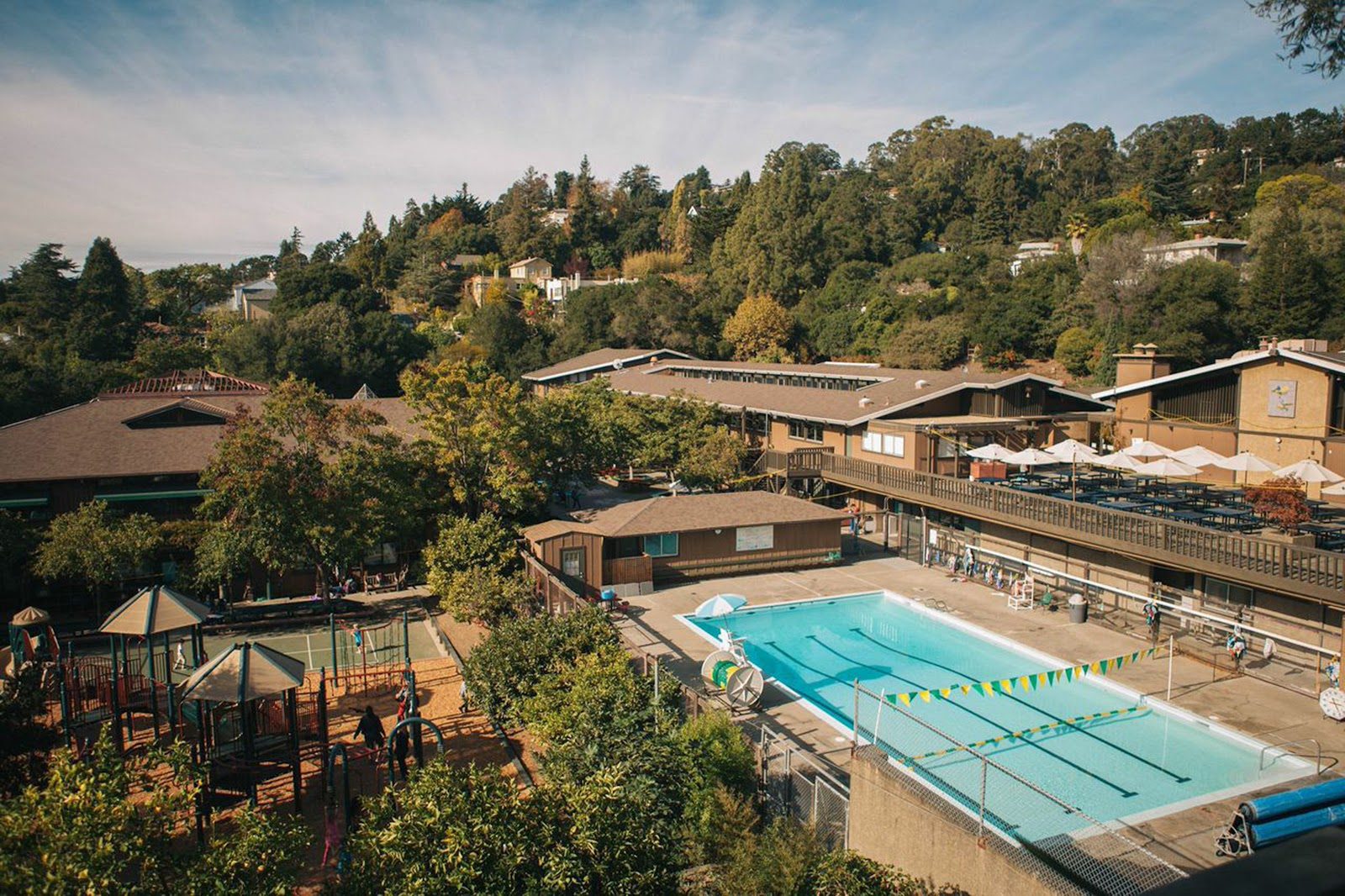
Head-Royce School
Oakland · United States
Since 1887 on a wooded Oakland hills campus, pairing rigorous scholarship with a decades-old public-school partnership that opens college doors for first-generation students
The Buckley School
New York City · United States
On Manhattan's Upper East Side since 1913, a K-9 boys' school pairing classical rigor with mandatory public-speaking training for every student.
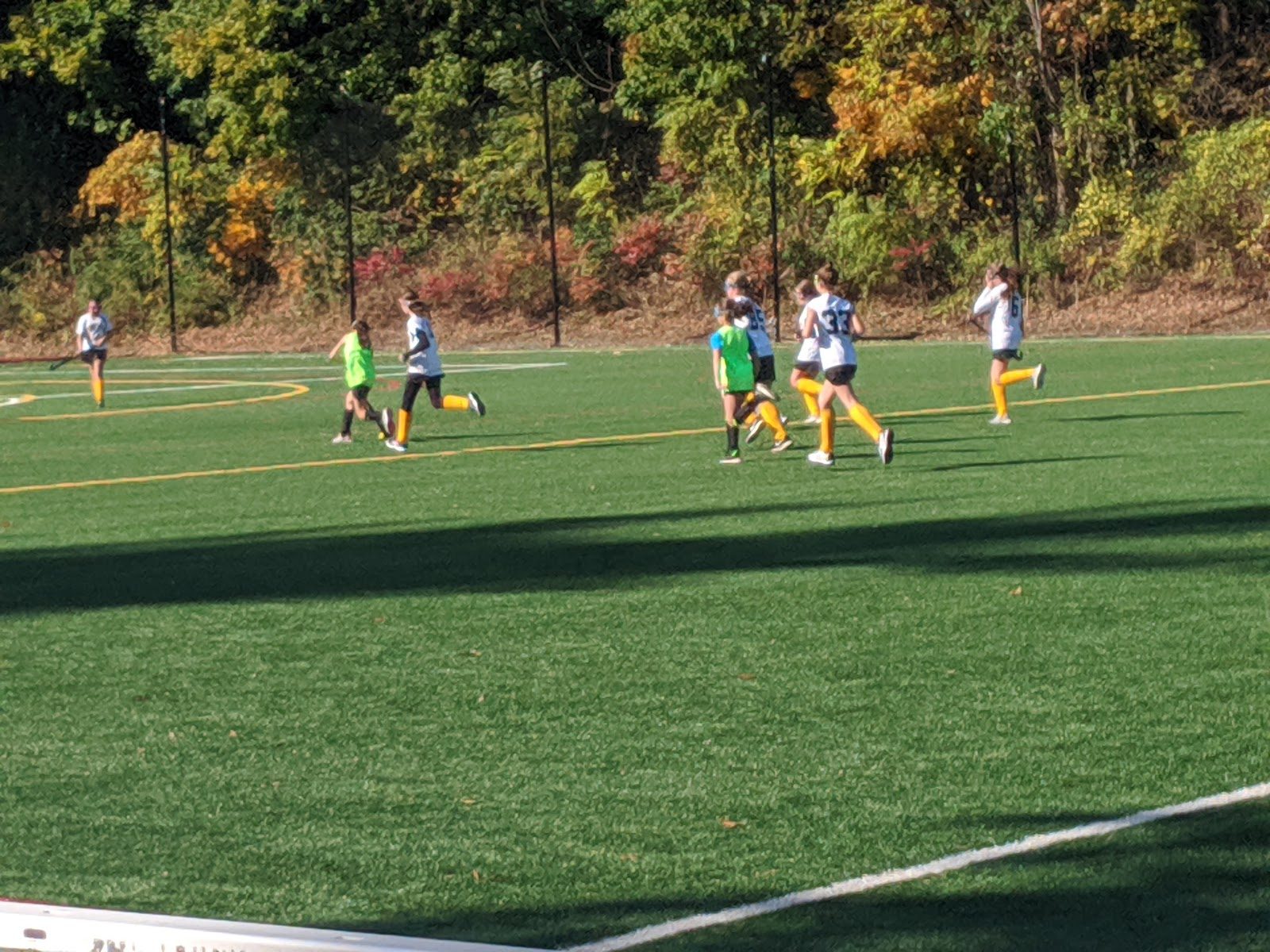
Greenwich Academy
Greenwich · United States
Connecticut's oldest all-girls school pairs single-sex grounding with coeducational upper-school classes shared alongside Brunswick's boys.
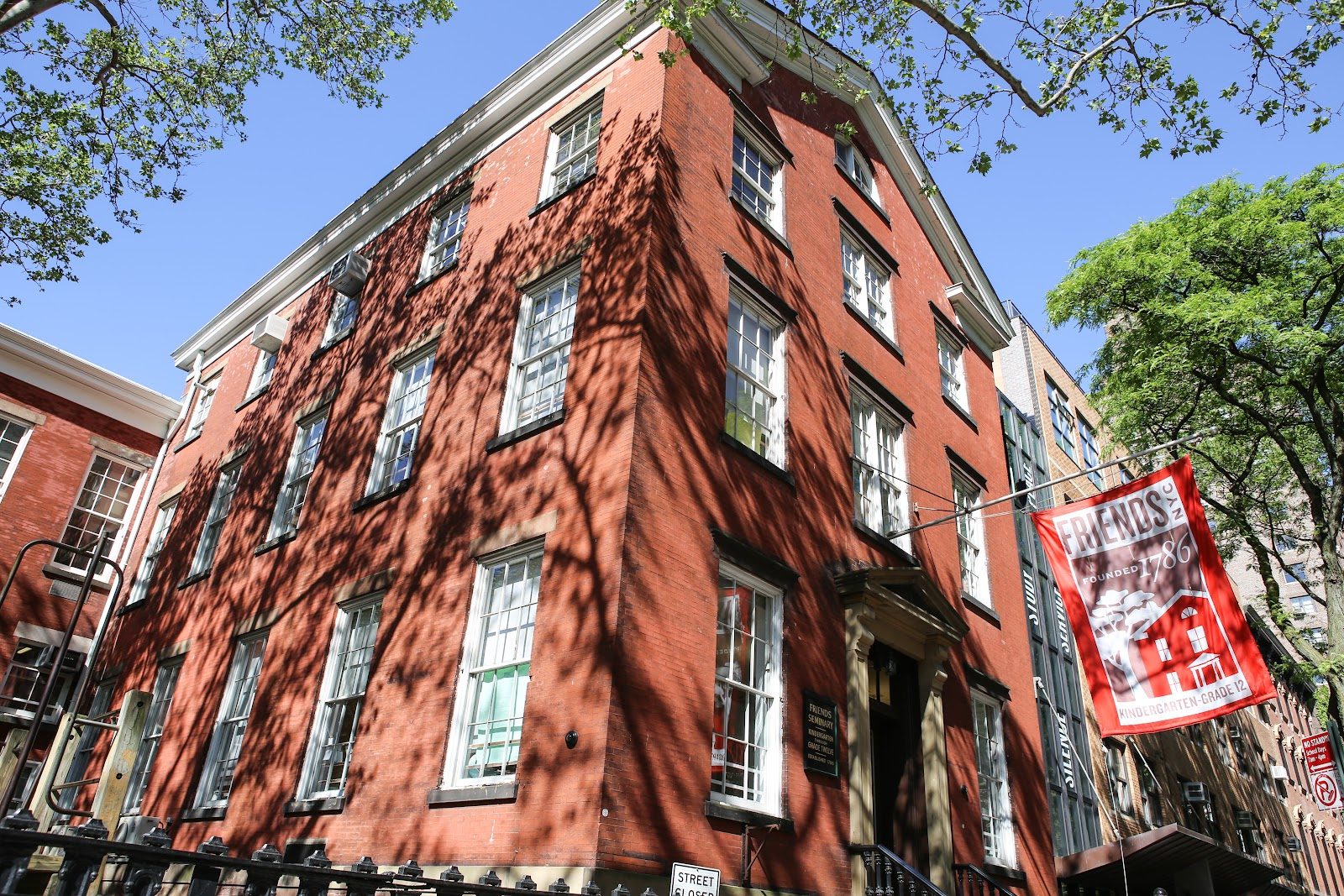
Friends Seminary
New York City · United States
Founded in 1786, the oldest coeducational school in New York City still teaches Quaker simplicity and peace amid Manhattan's bustle
Same country and curriculum — closest matches within ±10 points either way