
Dubai
The Winchester School
medium confidence· 4/6 cats · 3.22 avg sourcesBritish curriculum meets Gulf identity: houses named Dhow, Falcon, Khanjar and Camel anchor this Dubailand campus's decade-long climb to a Good rating.
Photo © Guide via Google Maps
Type
Day
Ages
3–18
Curriculum
British
Qualifications
A-Level · IGCSE
Ratio
—
The Verdict
Editor's commitment
Right for
Dubai families wanting an English-medium British school for ages 3-18, founded in 2003, with fees averaging AED 21,793.
Wrong for
Parents chasing boarding, religious identity or boutique intimacy; this is a day school in Jebel Ali with primary and secondary buildings.
Watch out for
The school trades on affordability and location, not published outcomes; beyond the British curriculum and 2003 founding, hard performance data is absent.
Ranking breakdown
The Winchester School · #1045 of 1591
Composite score 62.1. 8 weighted criteria.
By criterion
Academic Outcomes
Weight 20%
#791
of 1529 scored
University Placement
Weight 16%
#911
of 1529 scored
Prestige & Heritage
Weight 12%
#1204
of 1529 scored
Alumni Network
Weight 12%
#1131
of 1529 scored
Facilities
Weight 12%
#818
of 1529 scored
Transparency & Communications
Weight 8%
#554
of 1529 scored
Peer & Industry Review
Weight 10%
#1339
of 1529 scored
Admissions Selectivity & Demand
Weight 8%
#1394
of 1529 scored
Score history
The Winchester School · 2026
Movement across 2024–2026. Peer average overlaid.
Overall — 2024–2026
62.1/ 100
▲ +24.1 vs 2025
year on year
Peer & Industry Review
How The Winchester School is regarded in the sector
68
Respected · high confidence
The Winchester School in Jebel Ali has built a genuine sector reputation as Dubai's model affordable British school, with WhichSchoolAdvisor noting it has held a Very Good KHDA rating for nine consecutive years and describing it as a school that has become a benchmark, not only for GEMS but for other operators of affordable schools. SchoolsCompared's own scoring shows a healthy 83 parent rating alongside a Very Good governmental verdict, and its 2024 A Level results (33% A*A) were rated Outstanding by the same publisher, which called it one of the best Indian-British schools in Dubai. Gulf News inspection round-ups have separately listed it among the emirate's stable Very Good performers. Coverage is solid rather than spectacular: it features consistently in best-of-Dubai guides on scale and value rather than academic selectivity, and both publishers take care to distinguish it from a separate, less consistent GEMS-branded namesake school.
Editors' overview
The Winchester School’s identity is more grounded than polished. This is a British-curriculum day school in Jebel Ali, founded in 2003, teaching the National Curriculum for England to pupils aged 3 to 18 in English, on a campus split across two adjacent buildings for primary and secondary. The proposition is clear: a full-through British education in Dubai without premium-school pricing. At an average annual fee of AED 21,793, it sits in the city’s value end of the market rather than its luxury tier, and that matters. Parents shopping in Dubai know how rare it is to find an all-through school with a recognisable curriculum and established operator at this price point.
What puts it on a shortlist is not rarity of concept but discipline of delivery. The school has been operating since 2003, which gives it institutional maturity in a market full of newer launches, and it belongs to the GEMS orbit without asking families to pay flagship-GEMS rates. The website leans on “excellent facilities” and affordability; the more useful hard fact is structural: two dedicated buildings, one for primary and one for secondary, which tells parents this is not a cramped all-age compromise. The school also trades on accessibility. A British curriculum, English-medium teaching and a day-school model in Dubai make it an uncomplicated choice for expatriate families who want continuity, recognisable academic sequencing and fewer surprises.
This is the right school for families who want substance over cachet. It suits children who benefit from clear routines, conventional curriculum structure and a broad international peer group rather than a boutique, highly curated school culture. It will also appeal to price-conscious parents who still want a known name and a full age 3–18 pathway. What it does not sell is exclusivity, mystique or an elite finishing-school aura. That is no weakness. In a market crowded with glossy promises, The Winchester School’s attraction is plainly practical: established, full-range, English-medium British education at a fee level that remains genuinely accessible by Dubai standards.
Academic Performance
The problem here is not weak teaching evidence; it is weak public disclosure. We have not seen published aggregate GCSE or A Level outcomes, no subject-by-subject breakdowns, no top-grade distributions and no university destinations data. That leaves parents without the hard academic proof that stronger schools in this bracket put into the public domain as routine. In Dubai’s crowded British-school market, that matters. Schools that want credit for academic strength need to print the numbers. Winchester does not do that here, and the result is an opaque academic picture.
That opacity places the school in a middle tier from an editorial point of view: not discredited, not demonstrably high-performing, but short of the results-led confidence that marks out the city’s strongest academic operators. The broader proposition still has force. A full-through British school at an average annual fee of AED 21,793 does not need to rival Dubai’s premium exam factories to make sense for families. But relative to peers, the academic case rests more on affordability, stability and all-through convenience than on published external-results firepower. Until the school discloses headline attainment data, Winchester sits in the category of *credible value school, unproven at the top end*.
Facilities
The school’s clearest facilities asset is structural rather than glamorous: separate primary and secondary provision in 2 adjacent buildings. That matters more than brochure talk. At this fee level, many Dubai schools ask children of very different ages to share space in ways that dilute specialist use and crowd timetables. Winchester avoids that compromise. Parents get age-segmented circulation, a clearer pastoral division and more sensible daily organisation. The school also makes a direct claim to “excellent facilities”, but the public detail is thin. We have not seen a serious published inventory of laboratories, performance spaces, sports provision, libraries or specialist sixth-form areas, and that gap matters because stronger peers spell out exactly what children can use and how often they use it.
Against comparable value-priced British schools, Winchester’s facilities case sits in the competent rather than exceptional bracket. The split campus points to a practical, workmanlike set-up built for throughput and routine, not a design-led flagship environment. Families hunting for headline architecture, elite sports complexes or lavish arts infrastructure will find richer physical estates elsewhere, usually at much higher cost. Families focused on functional adequacy and age-appropriate separation will find the more relevant point here: the campus reads as organised for daily schooling first, prestige second. That is a sensible trade-off in this segment, but the school needs sharper disclosure if it wants facilities to count as a genuine competitive strength rather than an untested claim.
The Winchester School’s identity is more grounded than polished
Prestige
Winchester does not trade on prestige in the way Dubai’s top-fee British schools do, and that is the correct reading. Its status rests on utility, longevity and price discipline, not on selective mystique, trophy outcomes or a socially rarefied parent body. The GEMS association gives it a measure of institutional recognition, and an all-through structure carries weight with families who value continuity. But prestige in this market comes from hard academic results, university destinations, scarce places and a fee level that signals exclusivity. Winchester’s average annual fee of AED 21,793 places it in a different category: accessible, workmanlike and firmly non-elite. That does not diminish its value. It defines it.
We rate the school’s prestige as modest rather than high because the public case for distinction is thin. There are no published headline exam statistics to elevate its academic standing, and the school’s own messaging leans on affordability, facilities and reputation rather than demonstrable scholarly clout. Even its cultural markers point to a school with a grounded local identity rather than imported cachet: houses named Dhow, Falcon, Khanjar and Camel root the place in the Gulf instead of borrowing British boarding-school theatre. For many families, that is a strength. In social and reputational terms, though, Winchester sits as a credible mainstream choice, not a status purchase and not a school whose name alone carries serious elite weight.
We have not seen published aggregate GCSE or A Level outcomes, no subject-by-subject breakdowns, no top-grade distributions and no university destinations data
Communications
Parent communication looks serviceable rather than distinguished. The website covers the essentials: contact points, enrolment, an app link, classroom access through Phoenix, and routine signposts for events, inclusion and key notices. That gives families a workable administrative spine, and in a day school that matters because the school-home relationship runs through timetables, reminders, absence reporting and rapid problem-solving. The structure feels built for steady operational communication, not for deep transparency. The shortfall sits in substance. The school does not publish the richer information that turns communication from functional to trust-building: detailed academic outcomes, fuller facilities explanation, or much hard evidence about how school promises translate into pupil experience.
That leaves the overall standard in the competent but limited bracket. Parents who want straightforward channels to reach the school and keep up with daily logistics will find them. Parents who judge communication by candour, depth and public accountability will find the picture thin. The principal’s welcome and about-page language lean heavily on reassurance and reputation, which is common enough, but stronger schools pair that tone with concrete disclosure. Winchester does not. The result is a communication style that handles the front desk well and the harder editorial test less well: giving current and prospective families enough published detail to interrogate standards with confidence.
Uniqueness
What distinguishes Winchester is not a rare pedagogical theory or a luxury setting. It is the combination of mass-market affordability with a full age-range offer inside one school, under a recognised operator, without stripping out the basic institutional shape families want. That gives it a role many Dubai schools do not fill well: a practical bridge between low-cost schools with patchy continuity and higher-fee campuses that price out ordinary professional households. The campus split into 2 adjoining sections reinforces that identity. Children are not processed through a one-size-fits-all all-age block; they move through a school that has at least built in some separation between younger and older pupils. For students, that means a daily experience with more age-appropriate rhythms, clearer transitions and less of the improvised feel that drags down weaker value schools.
The other point of difference sits in culture. Houses named Dhow, Falcon, Khanjar and Camel root school identity in the Gulf rather than importing second-hand English pageantry. That matters. In a market where many British schools sell borrowed heritage, Winchester ties a British academic frame to local reference points in a more grounded way. Students get a school culture that acknowledges where they live instead of asking them to inhabit a fantasy version of Britain. Combined with an average annual fee of AED 21,793, that gives Winchester a distinctive place in the market: accessible, locally anchored and built for families who want continuity without pretence.
Until the school discloses headline attainment data, Winchester sits in the category of credible value school, unproven at the top end
Student Profile
The best fit here is the family that wants school to be steady, structured and affordable, not curated as a lifestyle purchase. Children who thrive with clear routines, familiar expectations and a broad, non-precious peer culture will settle more comfortably than those who need a highly personalised, seminar-style environment or the polish of a prestige campus. This is a school for households making practical decisions: parents who want one place to carry a child through the whole journey, who care about consistency, and who are watching the budget without wanting to drop into the least stable end of the market. At an average annual fee of AED 21,793, that profile is plain enough.
Socially, the school suits internationally minded families who still want a campus culture with local reference points rather than imported theatre. The house names alone signal that this is not a school trying to cosplay an English boarding tradition in the Gulf. Pupils who value belonging over status display, and parents who prefer grounded normality to brand-conscious networking, will find that attractive. The weaker fit is the family chasing elite signalling, published top-end outcomes or a rarefied social set. Winchester works best for children who need a dependable school community, not a gilded one, and for parents willing to trade prestige for practical continuity.
Against comparable value-priced British schools, Winchester’s facilities case sits in the competent rather than exceptional bracket
Co-curricular strengths
Arts & sport, on a separate axis
Overall 8.2/10
Scored 0-10 from the school's own published evidence. This axis is editorial-only — it does not feed the main WTS ranking.
Sports
8.5/10
The extracurriculars explicitly list Football, Cricket, Basketball, Swimming and Athletics, but there is no further detail on teams, facilities, staff or competitive results.
Drama
8/10
Drama Club is offered.
Dance
8/10
Music
8.2/10
Choir is offered, but there is no additional evidence of ensembles, facilities, specialist staff or performances.
Visual Arts
8.3/10
Art Club is offered, with no further detail about studios, exhibitions, curriculum breadth or specialist teaching.
Editor first-pass · editor-reviewable · 7/28/2026
Strengths
- +British curriculum in English throughout ages 3–18, KHDA-rated Very good
- +All-through day school reduces school-stage transitions
- +Strong sports provision and outstanding performing and visual arts
- +Founded in 2003 and part of the GEMS group, more established than newer Dubai entrants
- +Non-religious, co-educational setting suits internationally mixed families
Considerations
- −Large roll of around 4,300 pupils will not suit families wanting a small, boutique setting
- −Independent parent satisfaction ratings and teacher turnover reported externally are middling rather than strong
Availability
Primary entry gate & tests
CAT4 / Assessment
Gallery
Photo © Mohammed Bahjat Al Hadithy (Abu azeez) via Google Maps
Photo © Sarah & Amer via Google Maps
Photo © Manmoji 81 via Google Maps
Photo © Kurush Dadachanji via Google Maps
Photo © Sarah & Amer via Google Maps
Recommended reading
Independent write-ups of this school from editorial outlets we trust.
- The Winchester School Dubai ReviewWhichSchoolAdvisor
- The Winchester School – Dubai, Review 2025SchoolsCompared
Parent reviews
Have you sent your child here?
Voice reviews carry the strongest trust badge — we transcribe them for you to tidy up before they go live. Prefer to type? A written review is fine too.
Add your voice
In 60 seconds, tell other parents: what's the best thing about The Winchester School, and what surprised you when your child joined?
We ask for a Google sign-in so every review has a real face behind it — no anonymous drive-by attacks on schools, and no faked positive reviews. Your email is never shown publicly.
Send this profile to a friend
International parents rely on word-of-mouth. Share this review with someone weighing the same decision.
Schools with places
Similar schools to The Winchester School with places available now.
GEMS Metropole School
Dubai · United Arab Emirates
- 2026-27
- PLACES OPENApps open / space-dependent
- 2027-28
- FUTURE CYCLE2027/28 not explicitly published in audit
Star International School Mirdif
Dubai · United Arab Emirates
- 2026-27
- PLACES OPENApps open / space-dependent
- 2027-28
- FUTURE CYCLE2027/28 not explicitly published in audit
Regent International School
Dubai · United Arab Emirates
- 2026-27
- PLACES OPENApps open / space-dependent
- 2027-28
- FUTURE CYCLE2027/28 not explicitly published in audit
Deira International School
Dubai · United Arab Emirates
- 2026-27
- PLACES OPENApps open / space-dependent
- 2027-28
- FUTURE CYCLE2027/28 not explicitly published in audit
Availability first, then country, area, curriculum, price, co-curricular
Consider also
Also worth looking at alongside The Winchester School.
GEMS Metropole School
Dubai · United Arab Emirates
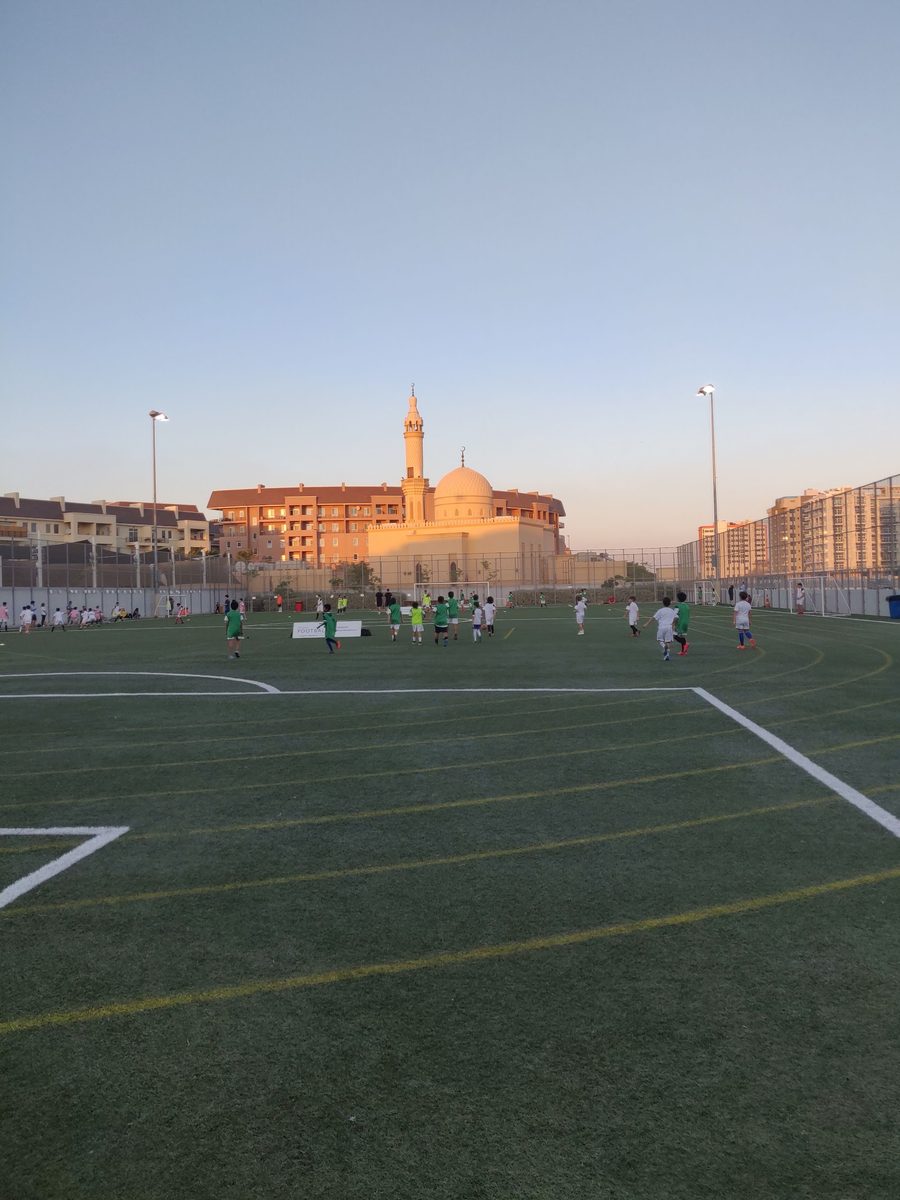
In Motor City, a working school farm and Forest School classrooms bring the British curriculum outdoors from Foundation Stage onward.

Star International School Mirdif
Dubai · United Arab Emirates
An Acer Showcase School in Mirdif, where AI-enhanced classrooms and STEAM+ labs anchor a British-curriculum community of eighty-plus nationalities.
Merryland International School
Abu Dhabi · United Arab Emirates
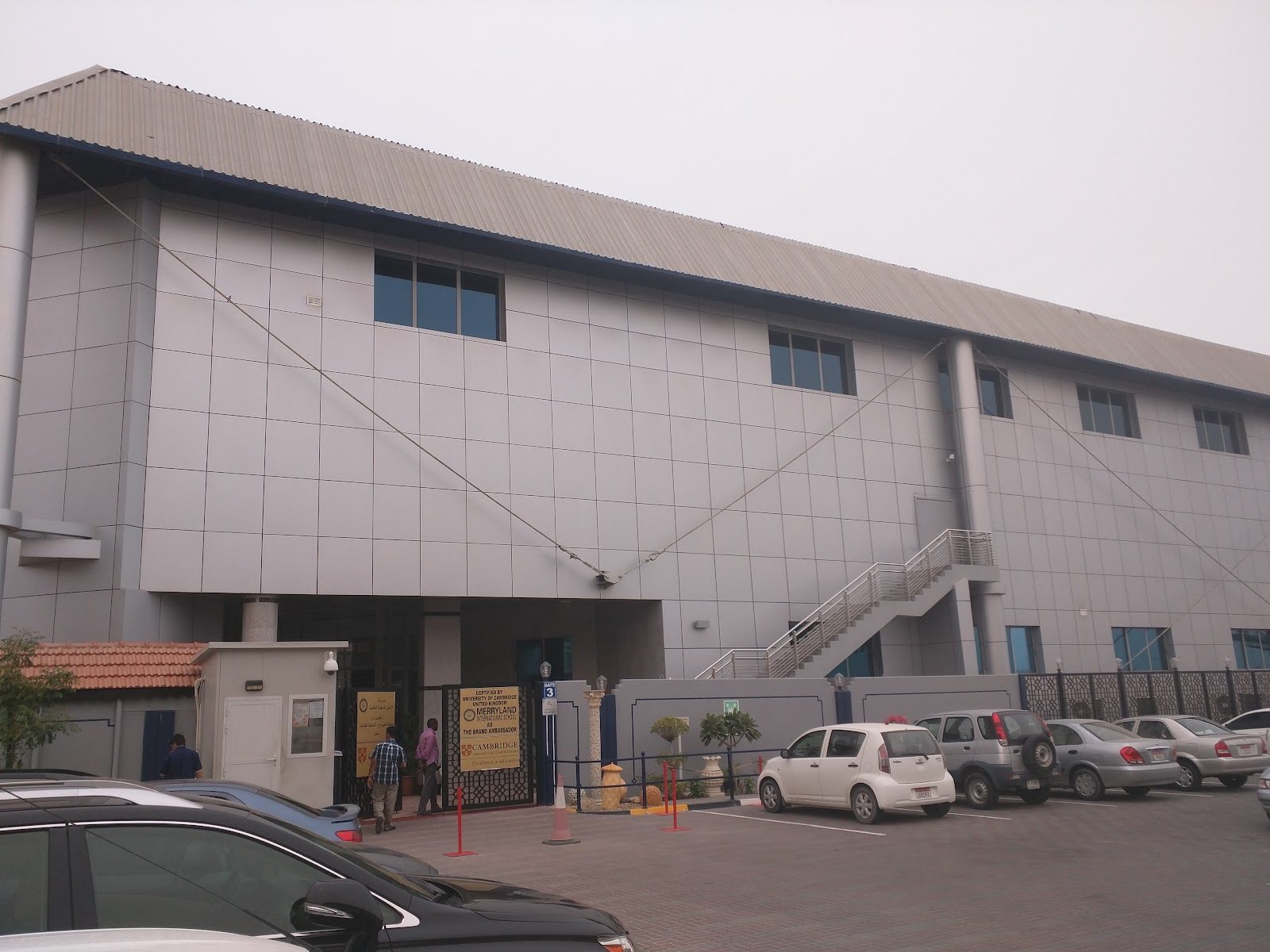
In Mussaffah, this Cambridge pilot school holds Abu Dhabi's top ADEK rating at a fraction of premium British-school fees.
Bateen World Academy
Abu Dhabi · United Arab Emirates
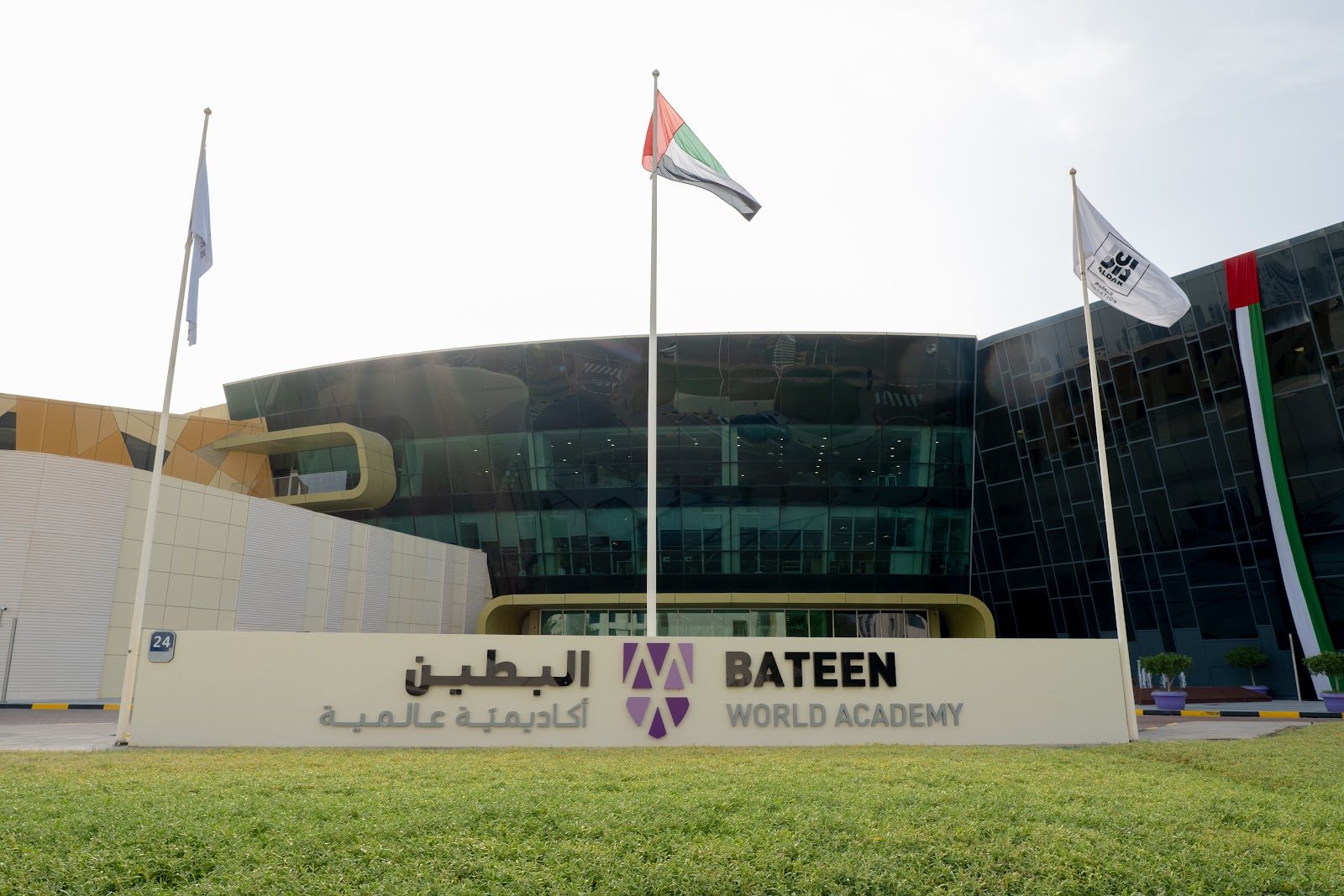
From Reggio Emilia early years through IGCSEs to both the IB Diploma and Career-related routes, strong multiple pathways underpin this well regarded school.
Same country and curriculum — closest matches within ±10 points either way