
Hauts-de-France
École Jeannine Manuel Lille
low confidence· 6/6 cats · 0 avg sourcesIn Lille's affluent Golden Triangle, this bilingual boarding annex of the Paris flagship splits leavers between IB and French Bac tracks.
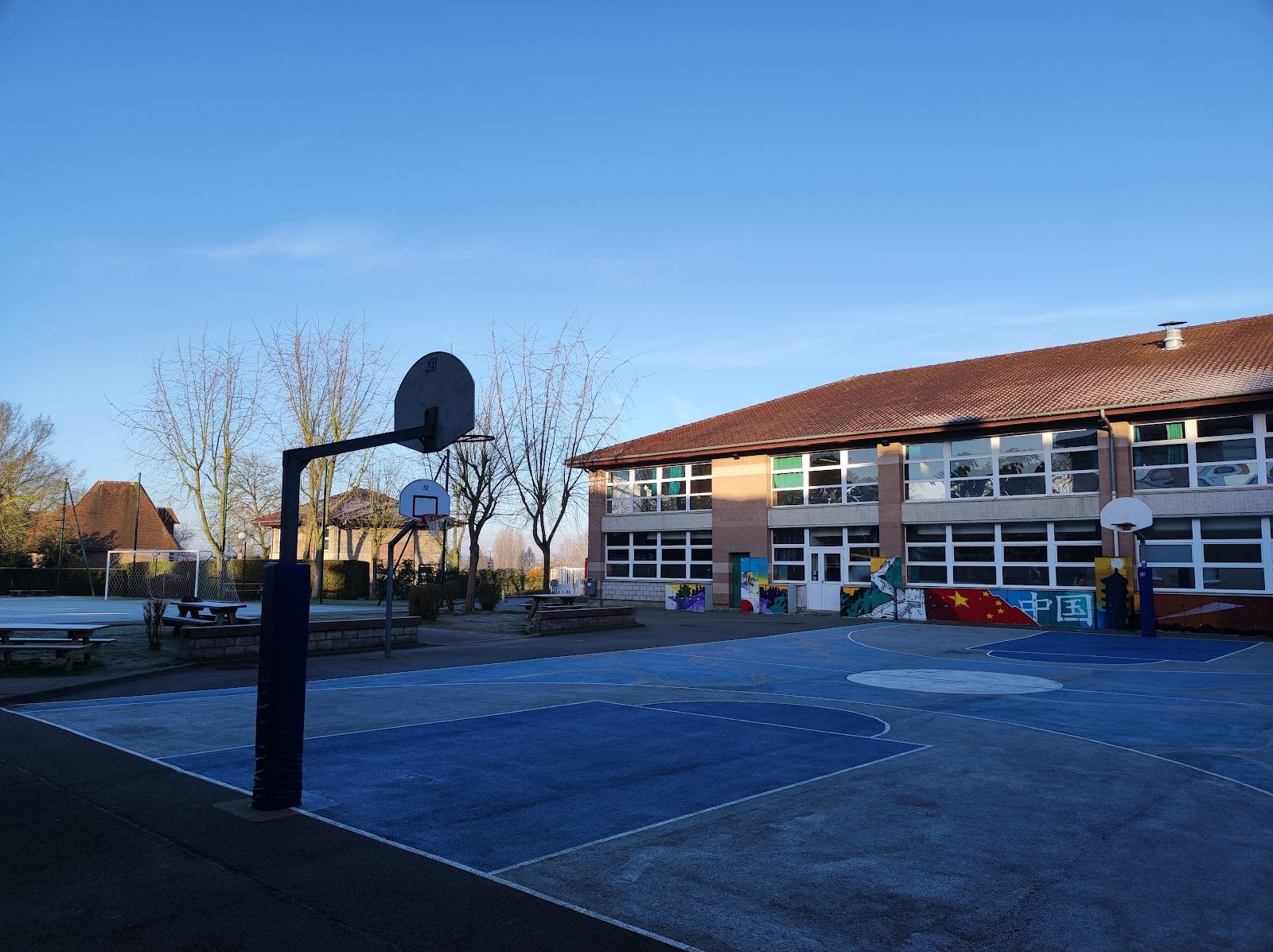
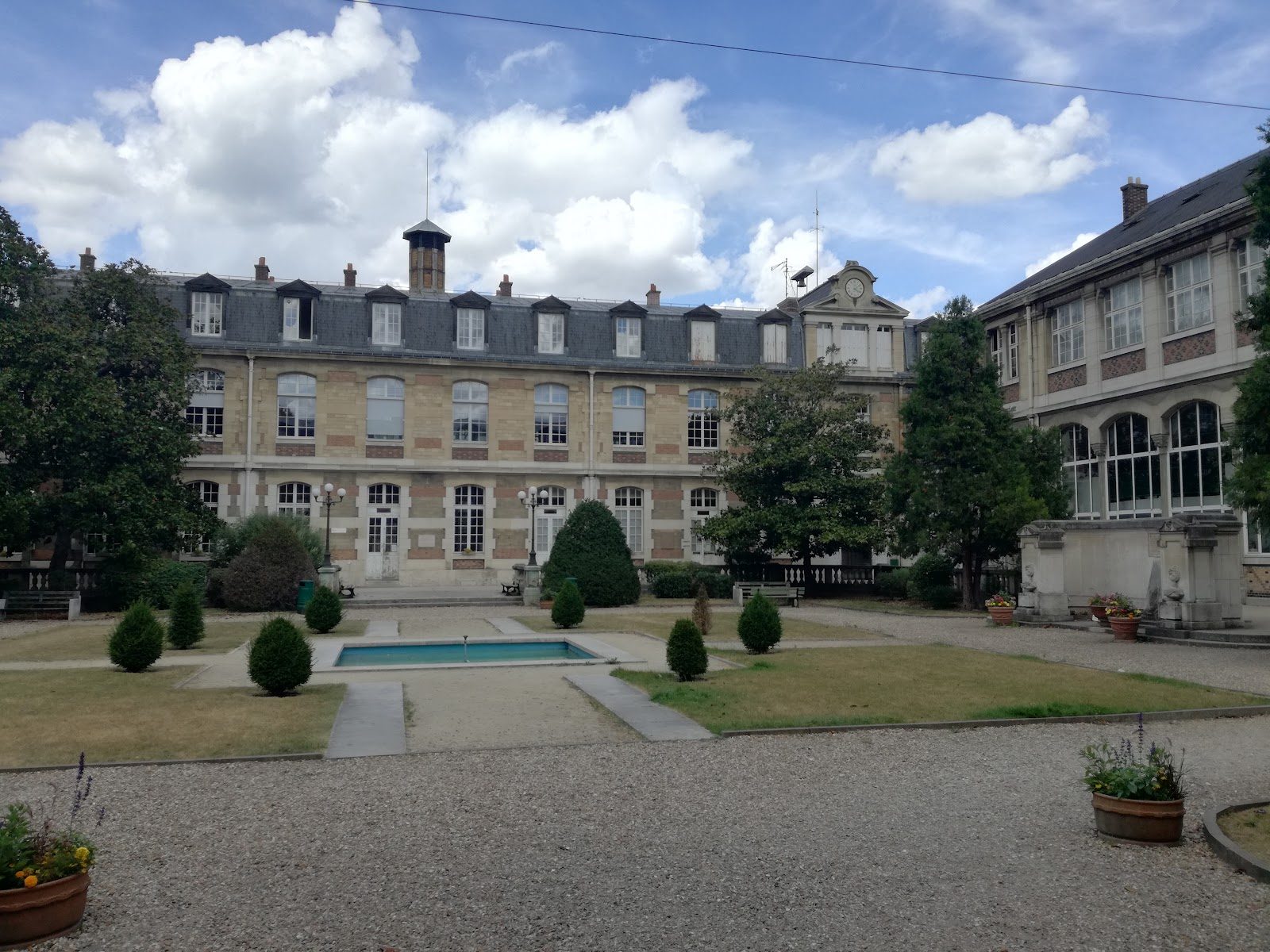
Photo © Antoine D via Google Maps
Type
Day
Ages
3–18
Curriculum
French Baccalauréat · IB (Diploma)
Ratio
—
The Verdict
Editor's commitment
Right for
Families in Marcq-en-Barœul who want ages 3–18 in English, with a clear split between IB Diploma and French Baccalauréat.
Wrong for
Parents seeking boarding or a single academic track; this 1992 Lille campus is day-only and divides leavers between two diplomas.
Watch out for
At €11,626 on average, fees are not stratospheric, but dual-path schools demand an early choice and sharper parental judgement.
Ranking breakdown
École Jeannine Manuel Lille · #547 of 1591
Composite score 68.3. 8 weighted criteria.
By criterion
Academic Outcomes
Weight 20%
#511
of 1529 scored
University Placement
Weight 16%
#584
of 1529 scored
Prestige & Heritage
Weight 12%
#678
of 1571 scored
Alumni Network
Weight 12%
#427
of 1530 scored
Facilities
Weight 12%
#994
of 1534 scored
Transparency & Communications
Weight 8%
#722
of 1532 scored
Peer & Industry Review
Weight 10%
#640
of 1548 scored
Admissions Selectivity & Demand
Weight 8%
#369
of 1529 scored
Peer & Industry Review
How École Jeannine Manuel Lille is regarded in the sector
45
Credible · low confidence
École Jeannine Manuel Lille is a newer satellite campus of the well-regarded Paris flagship school, benefiting from the parent brand's strong bilingual/IB reputation, but independent third-party coverage specific to the Lille site (e.g., in Tatler, Good Schools Guide, or specialist education press) is very limited. Some French media (L'Étudiant, Le Monde) noted its 2018 opening as an extension of the Jeannine Manuel network, but there is little peer-benchmarking or alumni-network commentary distinct from the Paris campus.
Editors' overview
Set in Marcq-en-Barœul, in Lille’s affluent Golden Triangle, École Jeannine Manuel Lille occupies a rare niche in northern France: a bilingual school for ages 3 to 18 that feeds pupils to two serious leaving routes, the French Baccalauréat and the IB Diploma. That dual-track structure is the point. Parents who want a school anchored in the French system but not confined by it will find real value here. The school has been in place since 1992, runs as a non-religious day school, and teaches in English, which marks it out from the standard local independent offer. This is not a broad church trying to be everything to everyone; it is a deliberately international French school with a clear academic proposition.
Its market position is strong because the proposition is easy to understand and hard to replicate. In the Lille area, there are French schools, there are international schools, and there are schools that talk about bilingualism. École Jeannine Manuel Lille sits in the overlap: French enough to satisfy families who want the national academic spine, international enough to keep options open beyond France. The average annual day fee is €11,626, which places it in an ambitious but not stratospheric bracket for a 3–18 private school with this kind of profile. That matters. Parents are not paying merely for English lessons bolted onto a French timetable; they are paying for a full through-school with a bilingual identity and an endgame that includes the IB Diploma as well as the Bac.
The student who will thrive here is academically resilient, comfortable switching between cultures, and happy in a school with a clear intellectual agenda. This is a good fit for internationally mobile families, French families who want stronger English fluency without abandoning the national system, and pupils aiming at university options across more than one country. It will also suit children who like structure and can handle a school that asks them to keep multiple doors open deep into the senior years. It is less compelling for families who want a softer, more pastoral, less demanding environment, or who want a school defined by sport, spectacle or sprawling campus life. École Jeannine Manuel Lille belongs on a shortlist because it offers something genuinely distinctive: a coherent bilingual education from age 3 to 18, with two credible exit qualifications and a sharper sense of purpose than many schools charging more.
Academic Performance
Public exam data are not published in enough depth to support a hard-edged academic ranking against leading bilingual competitors. We have not seen aggregate IB Diploma scores, subject-by-subject distributions, French Baccalauréat mentions, or multi-year outcome trends in the public domain. That is a real weakness. A school asking families to buy into two demanding senior pathways needs to show, plainly and consistently, how pupils perform at the end of them. Without that, parents are left with proposition rather than proof. In a market where strong schools now publish averages, pass rates and university destinations with minimal fuss, this level of opacity feels unnecessarily guarded.
That does not place the school in weak academic territory; it places it in the results-opaque category. The dual leaving structure itself sets a demanding bar, and schools that sustain both routes through the senior years do not do so by accident. Even so, the absence of disclosed headline outcomes keeps École Jeannine Manuel Lille out of the top tier of academically transparent schools. Relative to peers, it reads less like a data-led showcase and more like a school trading on institutional confidence and parental trust. For some families, that will suffice. For anyone comparing sixth-form outcomes with forensic care, it will not. The academic case here rests on structure, seriousness and reputation, not on published numbers.
Facilities
The campus does not trade on spectacle. Families looking for a grand estate, elite sports complex or architectural statement will not find it here. What matters instead is fit for purpose: classrooms that support a bilingual academic load across the full age range, science provision that can carry pupils into serious senior study, and arts spaces that serve a school with intellectual ambitions beyond the narrow French mainstream. In the Lille market, that already places it ahead of many local private schools, which offer decent teaching rooms but little sense of an integrated international set-up. Against heavyweight international competitors, though, the physical plant reads as workmanlike rather than lavish. This is a school where the proposition sits in the programme and peer group, not in campus theatre.
That has advantages. A school charging an average of €11,626 a year and covering ages 3–18 does not need marble foyers; it needs rooms that function well, circulation that keeps the day orderly, and specialist spaces that do not bottleneck senior pupils. On that basis, the facilities case is credible rather than showy. Sport is the area where parents should press for detail. We have not seen evidence of the kind of extensive on-site fields, aquatic provision or tournament-grade infrastructure that define the best-resourced international campuses. If your priority is academic delivery in a compact, purpose-led setting, that trade-off makes sense. If you want a school whose facilities double as a status display, this one does not.
Even so, the absence of disclosed headline outcomes keeps École Jeannine Manuel Lille out of the top tier of academically transparent schools
Prestige
Prestige here rests first on name recognition. Jeannine Manuel carries weight with French and internationally minded families in a way that many regional independents do not. In northern France, that matters: the school borrows status from a network with a long-established reputation for academic seriousness, selective parental appeal and a distinctly cosmopolitan social mix. This is not mass-market private education. It attracts families who know what the brand signals and who want access to a more rarefied peer group than the local market usually offers. The fees, at an average of €11,626, reinforce that point: expensive enough to filter the intake, but not so high that the school becomes an enclave for only the ultra-wealthy. Prestige here is socially coded as much as it is academic.
That prestige still has limits. Lille does not carry the same automatic cachet as the Paris flagship, and the school does not publish the kind of outcomes data that turn inherited reputation into hard currency. For parents inside France’s professional and internationally mobile circles, the name opens doors and commands respect. Outside those circles, its standing is less universal and more context-dependent. That leaves École Jeannine Manuel Lille in a strong but not topmost prestige bracket: high-status, clearly aspirational, and more selective in feel than price alone implies, but not a school whose reputation rests on public proof or broad international fame.
That matters in a region where many schools sit firmly in one camp or the other. École Jeannine Manuel Lille occupies the overlap with unusual clarity
Communications
Parent communication looks disciplined rather than expansive. The school’s proposition attracts families who expect clarity, quick access to essentials and a tone that treats them as adults, not prospects to be dazzled. On that front, the public-facing communication does the core job well: it tells parents what the school is for, who it serves and where it sits in the market. That matters more than glossy storytelling. The weakness is depth. We have not seen the kind of rich public disclosure that now marks the best-run schools: detailed senior outcomes, fuller day-to-day insight into pupil life, or a substantial body of practical information that answers hard parental questions before they need asking. For a through-school charging an average of €11,626 a year, that leaves the communications model efficient but guarded.
That guardedness shapes trust. Some families will read it as institutional confidence: the school does not overexplain, overmarket or flood channels with noise. Others will read it as needlessly opaque, especially once children reach the senior years and parents want hard evidence, not reassurance by tone. Effective school communication does two jobs at once: it conveys ethos and it reduces uncertainty. École Jeannine Manuel Lille handles the first better than the second. The result is a communications culture that feels controlled, serious and selective rather than open-handed. If you value polish and restraint, that works. If you want maximum transparency, it falls short.
Uniqueness
What marks this school out is not raw scale, glamour or public score-selling. It is the tightness of the proposition. In one place, children can move from the early years to university entry with a foot in the French system and a serious outward orientation, without the family having to choose between national legitimacy and international mobility too early. That matters in a region where many schools sit firmly in one camp or the other. École Jeannine Manuel Lille occupies the overlap with unusual clarity. The result for pupils is a more expansive academic horizon: they learn to operate across frameworks, expectations and reference points, which builds intellectual agility rather than simple linguistic polish. At an average annual fee of €11,626, that is a distinctive offer.
The other point of difference is the social and cultural environment that follows from the Jeannine Manuel identity. This is not just a school adding international touches to a local model; it draws families who actively want a more outward-looking education and a peer group shaped by that choice. For students, that changes the daily experience. Ambition is normalised. Cross-border university thinking starts earlier. The school’s value lies in producing pupils who can move between systems without losing academic rigour or personal confidence. That is genuinely difficult to engineer well, and it gives the school a sharper profile than many more expensive rivals.
Public exam data are not published in enough depth to support a hard-edged academic ranking against leading bilingual competitors
Student Profile
This school suits children who are academically purposeful, verbally agile and comfortable in an environment where internationalism is not decorative but built into the daily rhythm. The strongest fit is a pupil who can handle switching codes, expectations and reference points without needing constant hand-holding. Bright, organised children from internationally mobile families will slot in well, as will local families who want a more outward-facing education than the standard French private route offers. The through-school structure from 3 to 18 also favours families playing a long game: parents who want continuity, an ambitious peer group and a school culture with a clear intellectual centre of gravity. This is a place for children who do well with standards, pace and serious-minded classmates.
The weaker fit is just as clear. A child who needs a highly relaxed atmosphere, heavy pastoral cushioning or a school identity built around big-match sport and campus buzz will find this a tight, demanding environment. Socially, the intake will suit pupils who are at ease among confident, educated families and who do not shrink from comparison with capable peers. There is room here for curiosity, independence and cultural fluency; less room for drifting. The school will reward self-possession, stamina and a willingness to engage with a high-expectation culture. For the right student, that is energising. For the wrong one, it is not for the faint-hearted.
At an average annual fee of €11,626, that is a distinctive offer
Co-curricular strengths
Arts & sport, on a separate axis
Overall 7.58/10
Scored 0-10 from the school's own published evidence. This axis is editorial-only — it does not feed the main WTS ranking.
Sports
7.6/10
Drama
7.8/10
Dance
7.8/10
Music
7.2/10
Visual Arts
7.5/10
Strengths
- +French Baccalauréat and IB Diploma both offered
- +English-medium teaching suits internationally mobile families
- +3–18 age range allows one-school continuity
- +10:1 student-teacher ratio suggests individual attention
Considerations
- −Day school only; no boarding option
- −Average class size is 20, not especially small
- −Marcq-en-Barœul location may limit central Lille convenience
Availability
Primary entry gate & tests
Academic Dossier + Language
Gallery
Photo © Antoine D via Google Maps
Photo © charles Moncassin4 via Google Maps
Photo © Charles Moncassin 25 via Google Maps
Photo © Charles Moncassin via Google Maps
Parent reviews
Have you sent your child here?
Voice reviews carry the strongest trust badge — we transcribe them for you to tidy up before they go live. Prefer to type? A written review is fine too.
Add your voice
In 60 seconds, tell other parents: what's the best thing about École Jeannine Manuel Lille, and what surprised you when your child joined?
We ask for a Google sign-in so every review has a real face behind it — no anonymous drive-by attacks on schools, and no faked positive reviews. Your email is never shown publicly.
Send this profile to a friend
International parents rely on word-of-mouth. Share this review with someone weighing the same decision.
Schools with places
Similar schools to École Jeannine Manuel Lille with places available now.
The British School of Paris
Paris · France
- 2026-27
- WAITPOOLSpace-dependent
- 2027-28
- PLACES OPENRolling
École Alsacienne
Paris · France
- 2026-27
- CLOSEDStandard route
- 2027-28
- OPENS SOONOpens Sept/Oct '26
International School of Paris
Paris · France
- 2026-27
- WAITPOOLSpace-dependent
- 2027-28
- PLACES OPENRolling
American School of Paris
Saint-Cloud · France
- 2026-27
- WAITPOOLSpace-dependent
- 2027-28
- PLACES OPENRolling
Availability first, then country, area, curriculum, price, co-curricular
Consider also
Also worth looking at alongside École Jeannine Manuel Lille.
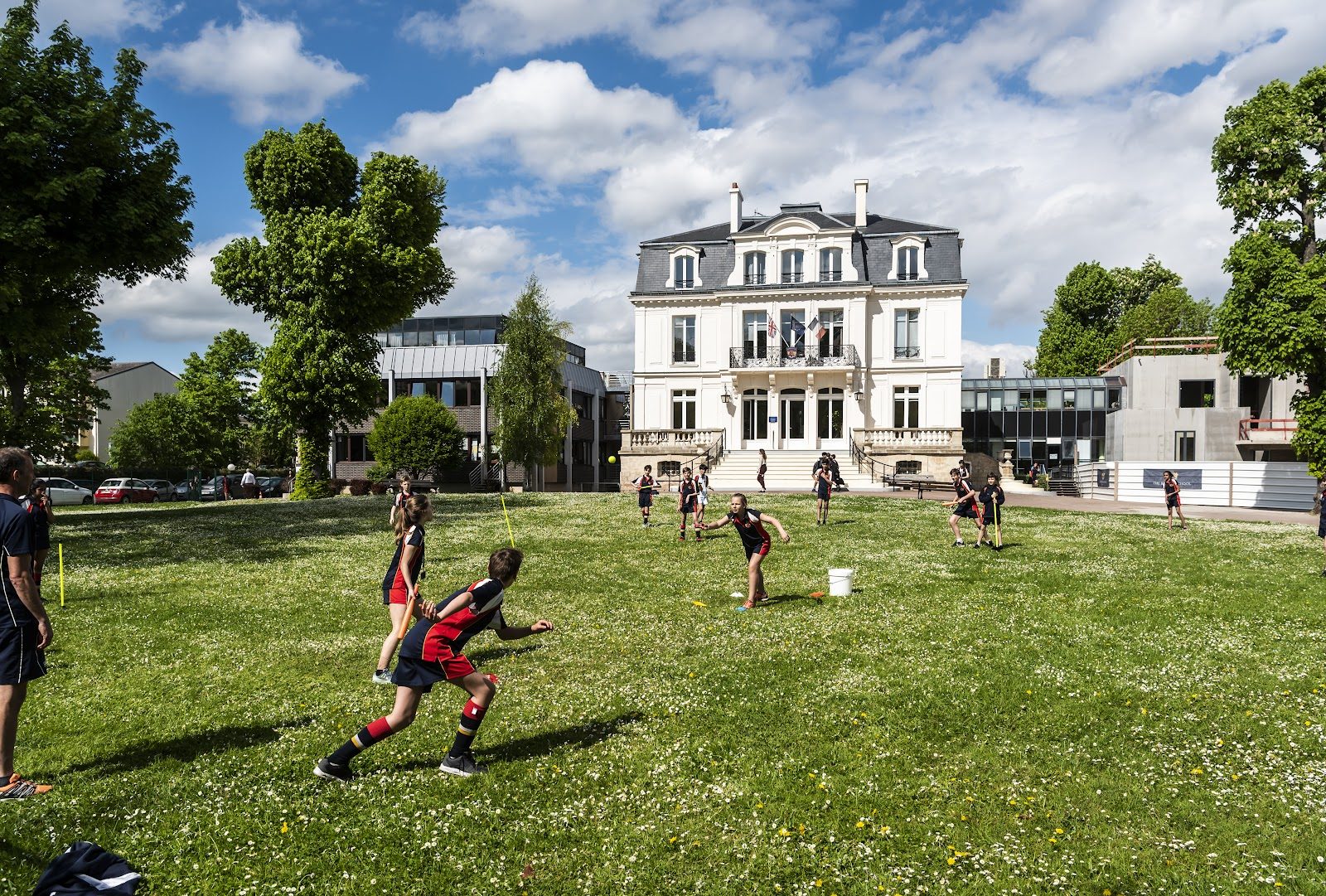
The British School of Paris
Paris · France
The only UK-government-accredited British School Overseas in France, pairing A-Levels and IB on the Seine west of Paris
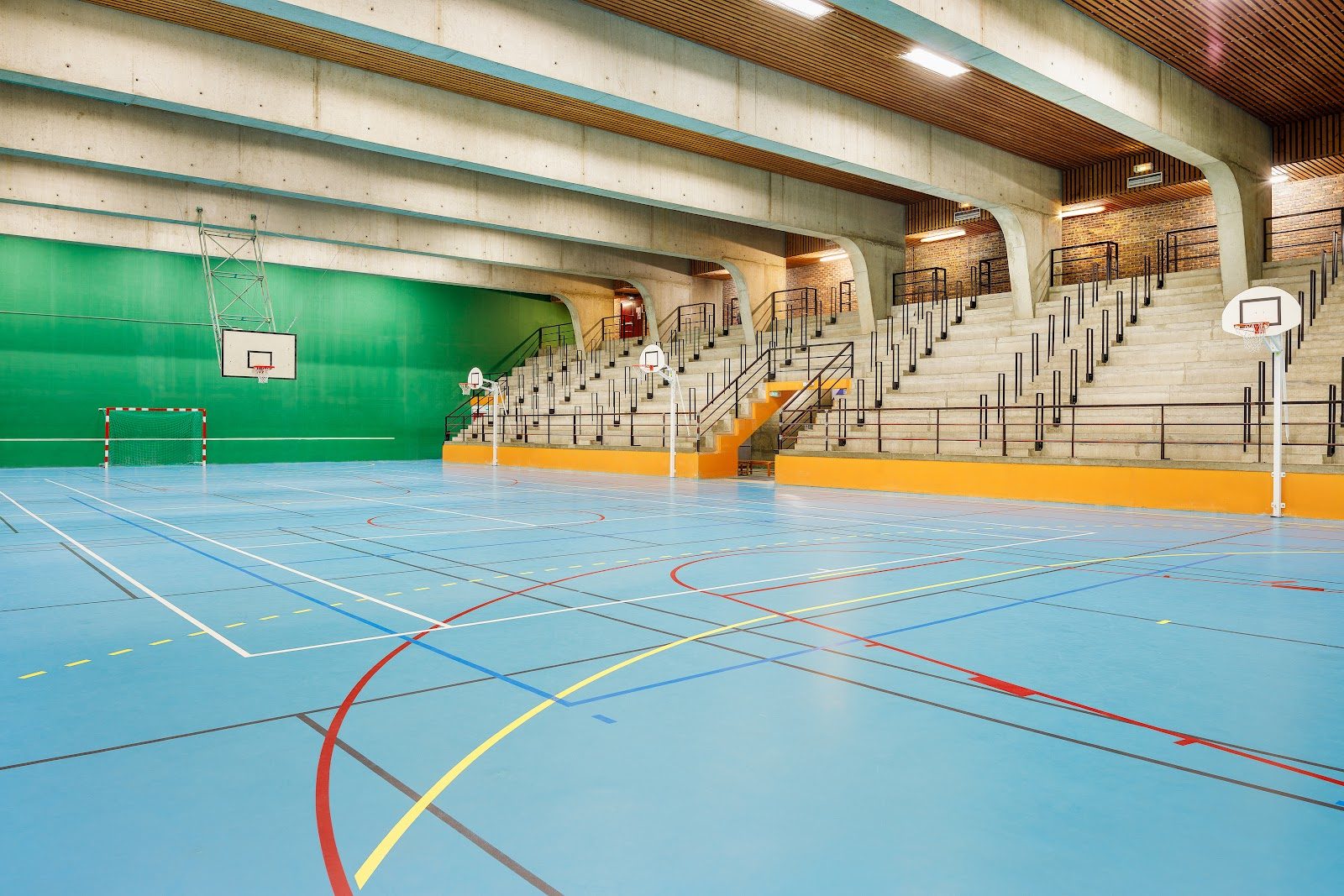
Collège Stanislas de Paris
Paris · France
In Montparnasse since 1804, this Catholic day school channels rigorous bac prep straight into France's grandes ecoles pipeline.
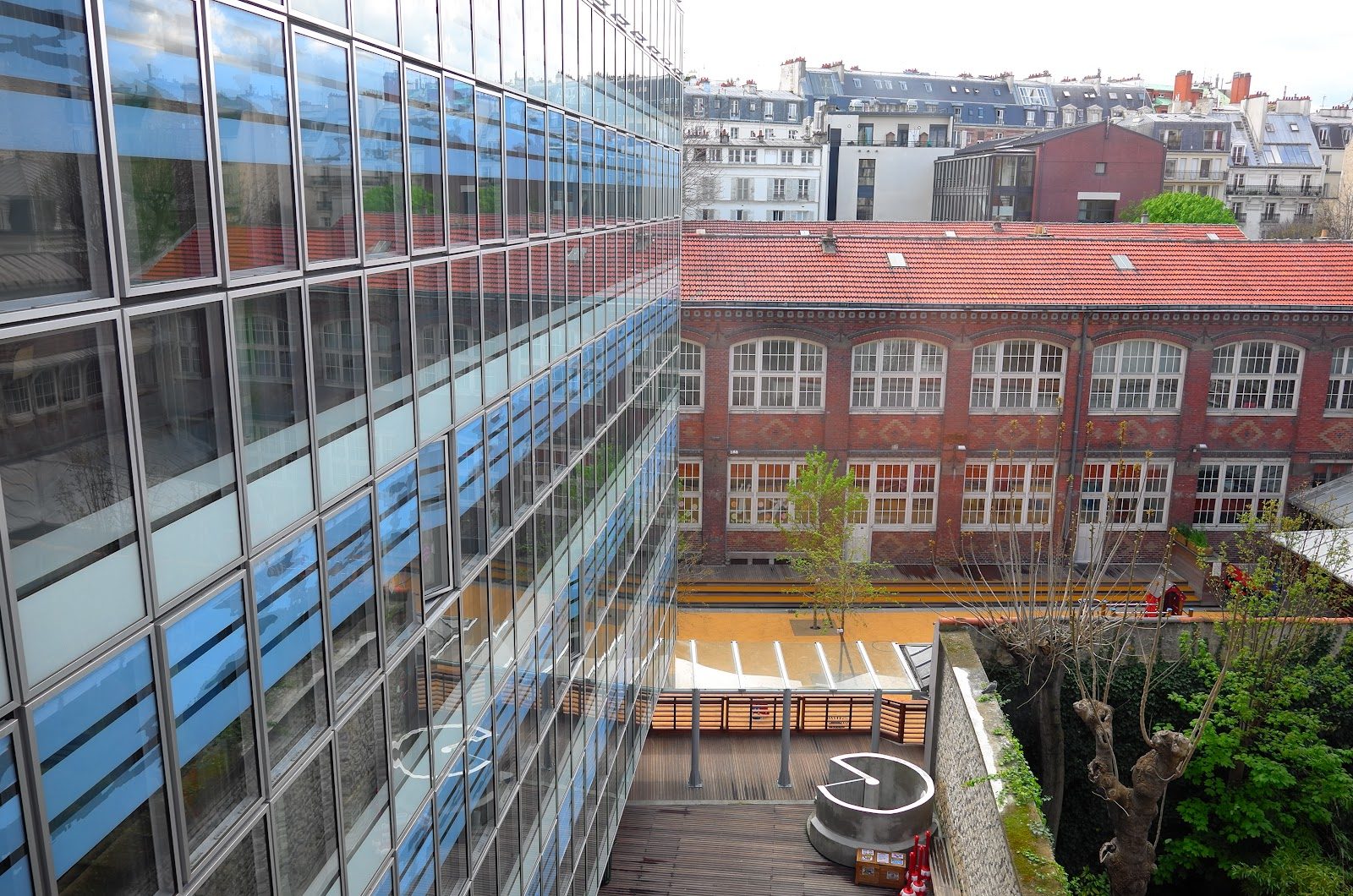
École Alsacienne
Paris · France
Founded by Alsatian refugees in 1874, a Left Bank laboratory for secular, progressive pedagogy that shaped France's republican school system.
Lycée Janson-de-Sailly
Paris · France
A jilted lawyer's bequest built a 16th-arrondissement giant whose prepa classes still funnel thousands into France's grandes ecoles.
Same country and curriculum — closest matches within ±10 points either way