
Dubai
Dubai Heights Academy
low confidence· 4/6 cats · 0 avg sourcesIn Al Barsha South, an MIT-built AI curriculum and a Tommy Fleetwood golf programme pair with top KHDA marks for pupil wellbeing.
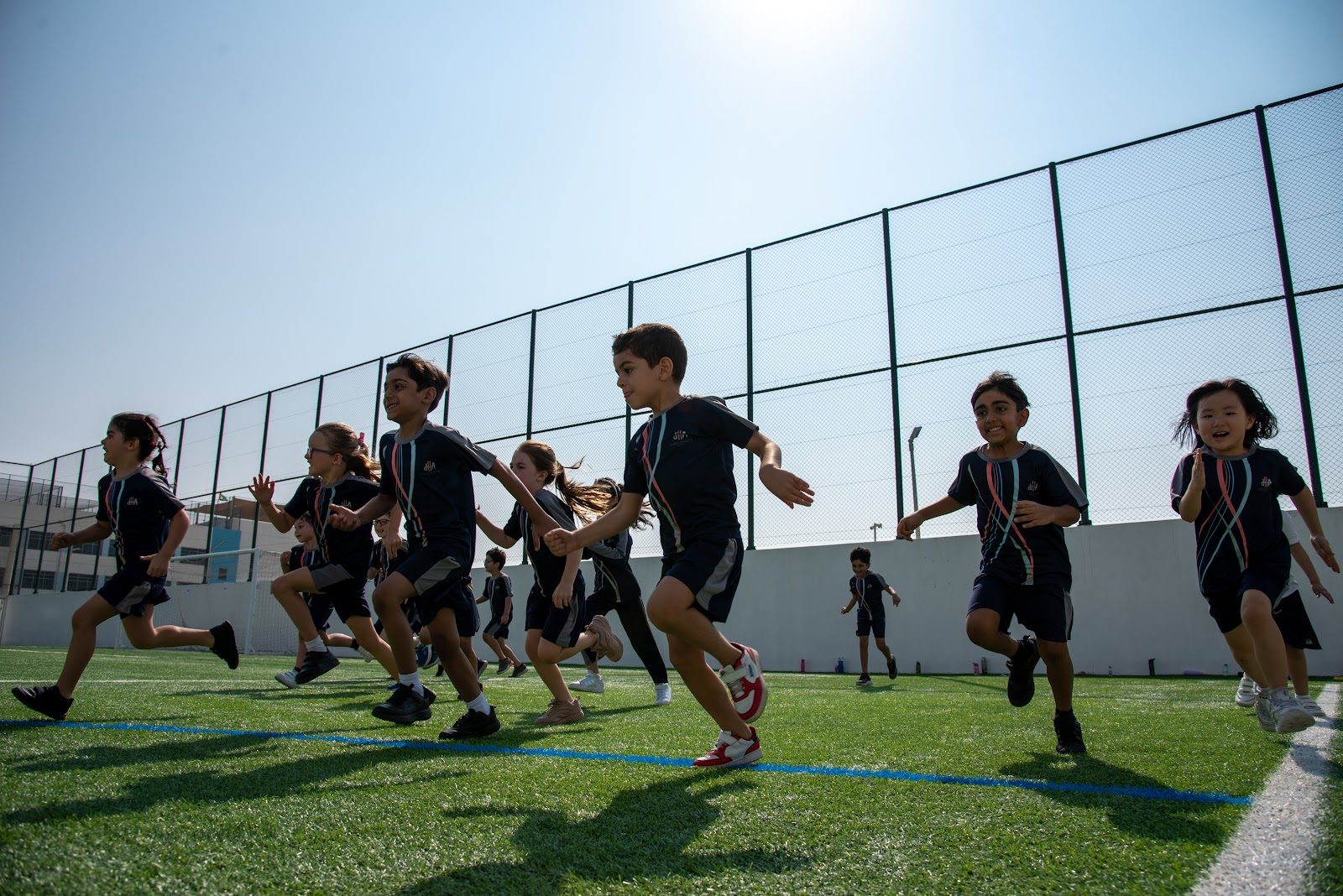
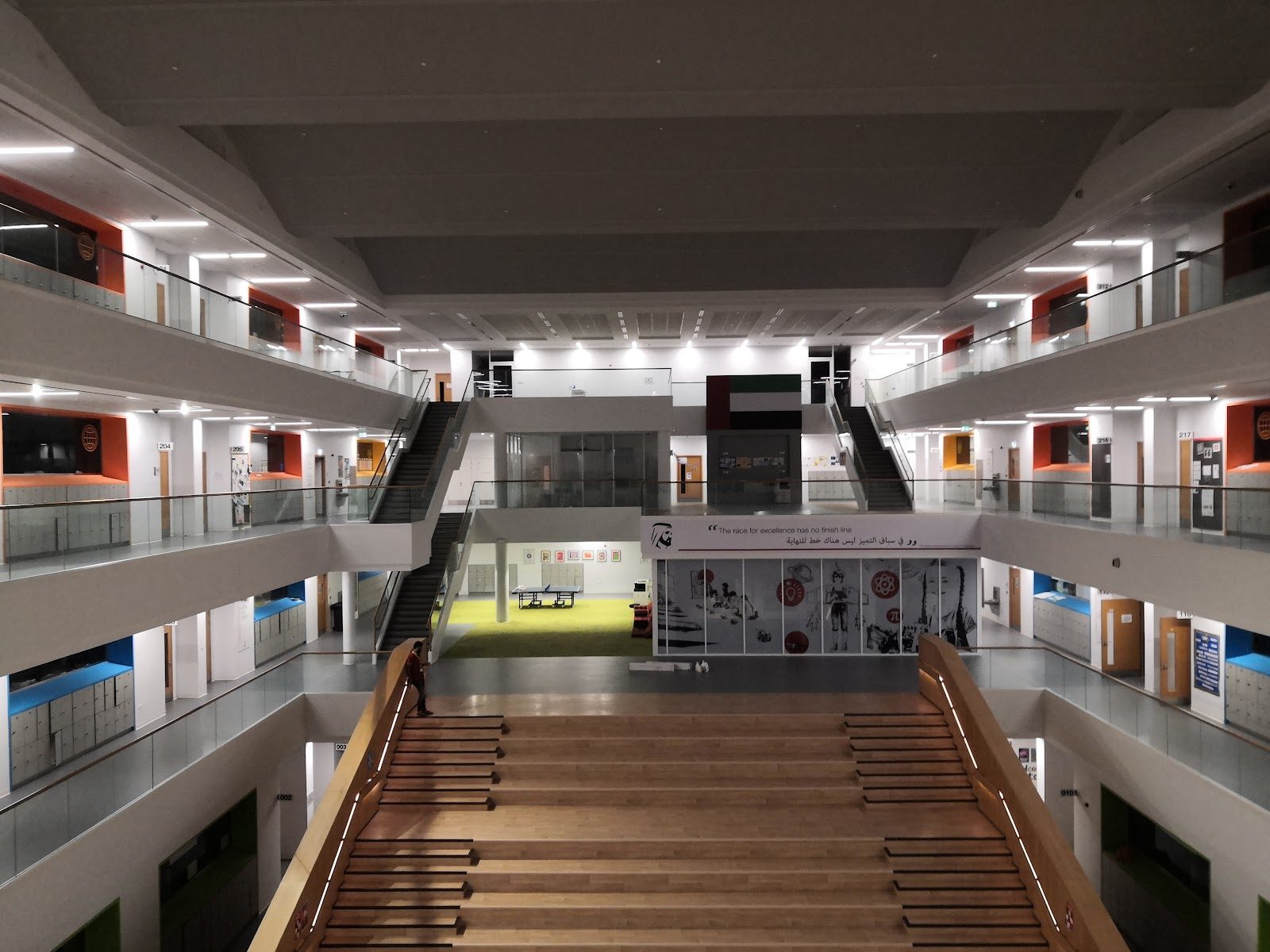
Photo © Dubai Heights Academy via Google Maps
Type
Day
Ages
3–18
Curriculum
British
Qualifications
A-Level · BTEC
Ratio
—
The Verdict
Editor's commitment
Right for
Families in Al Barsha South who want a British school, KHDA Very Good, with BSO accreditation and a distinctive MIT-built AI strand.
Wrong for
Parents seeking a cheap option or a stripped-back traditional model: the average annual fee is AED 70,330 and the school trades on innovation.
Watch out for
Founded in 2017, Dubai Heights Academy is still a young 3-18 school; test the depth behind the MIT and Tommy Fleetwood partnerships.
Peer & Industry Review
How Dubai Heights Academy is regarded in the sector
66
Respected · high confidence
Dubai Heights Academy has emerged as one of the more distinctive Al Barsha propositions, rated Very Good with Outstanding Features by the KHDA, the Government of Dubai's official school regulator, which SchoolsCompared frames as an exceptional achievement given the age of the school. Its MIT-backed STEM curriculum, described by SchoolsCompared as running its STEM programmes in conjunction with the Massachusetts Institute of Technology, a UAE first, and its Tommy Fleetwood Academy golf partnership give it genuine peer differentiation rather than marketing gloss. WhichSchoolAdvisor's parent survey work, drawing on over 120 responses, found families very satisfied with their choice, and the school's rapid growth from roughly 340 pupils in 2024 to over 1,000 by 2026 signals strong local demand. The caveat is trajectory rather than reputation: the school is still in phased launch, with its first I/GCSE cohort only graduating in 2024/25, so a fuller sixth-form and exam-outcomes track record is yet to be tested against Dubai's established British-curriculum leaders.
Editors' overview
Dubai Heights Academy has built a clear market position in Al Barsha South: a British school, open from ages 3 to 18, that tries to do two things at once — stay small-scale and personal while attaching distinctive programmes that most mid-market competitors do not have. The sharpest differentiators are its AI curriculum, developed with MIT, and its Tommy Fleetwood golf partnership. Those are not cosmetic add-ons; they give the school a concrete identity beyond the standard National Curriculum for England. The school also has a strong regulatory footing for a young institution: founded in 2017, it holds a KHDA rating of Very Good for 2023/24 and BSO accreditation. That combination matters. In Dubai’s crowded British-school market, a school with a recognisable specialism and credible inspection backing has a stronger case for a parent’s shortlist than another generic “all-rounder”. The average annual day fee across the full age range is AED 70,330, which puts it in the expensive bracket, but not at the very top of Dubai’s premium tier.
What is special here is not raw scale or inherited prestige; it is deliberate differentiation. The school says it serves 90 nationalities, and it leans hard into wellbeing, inclusivity and a community model rather than a corporate one. That fits the KHDA verdict in the tagline, which highlights top marks for pupil wellbeing. Parents who want a school where children risk disappearing into a very large student body should look elsewhere. Parents who want a British curriculum school with a more intimate feel, visible pastoral intent and a few properly distinctive programmes will find Dubai Heights Academy compelling. The “small class sizes” claim is part of the school’s pitch, though it does not publish the figures publicly; that missing number matters, because parents should ask how small “small” really is in each phase.
The pupils who will get the most from Dubai Heights Academy are children who benefit from high-touch pastoral care and who like the idea of learning in a school with a modern, applied edge rather than a strictly traditional one. The AI strand will appeal to intellectually curious pupils and families who want technology treated as part of the curriculum rather than an after-school extra. The golf partnership gives sporty children a serious niche option that few schools can match. This is not the obvious choice for families chasing old-school British formality, vast campus scale or long-published examination prestige; the school does not publish aggregate exam outcomes in the public domain. It is, instead, a confidently contemporary British school with a strong wellbeing reputation, a young profile, and enough substance in its special programmes to justify a place on a serious Dubai shortlist.
Academic Performance
Dubai Heights Academy does not publish aggregate external examination results in the public domain. That is the central academic-performance fact, and it matters. For a school that runs through to sixth form and offers both academic and vocational post-16 routes, parents need more than promotional language about pathways and personalised support; they need hard outcomes. Without published GCSE, A-level or BTEC summaries, there is no credible way to place the school among Dubai’s results-driven British competitors on attainment alone. Any family for whom league-table strength, grade distribution and university destinations sit at the top of the brief will find that opacity a real weakness.
That does not mean weak results; it means unproven public performance. The school’s inspection standing and strong reputation for wellbeing give it a sturdier academic backdrop than a start-up with no regulatory traction, but inspection quality is not the same thing as examination transparency. In market terms, Dubai Heights sits outside the group of schools that trade on openly published headline outcomes and inside the group that asks parents to trust the broader educational proposition. That proposition has substance, but the lack of disclosed exam data keeps the school out of the top-results conversation. Parents considering sixth form entry should ask for the latest GCSE, A-level and BTEC results by subject, plus university offers and destinations, before treating the senior school as academically proven.
Facilities
The facilities story here is tied less to grandeur than to fit. Dubai Heights offers virtual tours for its secondary building and for its EYFS and primary buildings, which signals a campus arranged by phase rather than one monolithic block. That matters for day-to-day school life: younger children benefit from protected space, and older pupils need specialist rooms that do not feel borrowed from a junior setting. The school also makes its golf partnership a visible part of the offer, which sets it apart from the standard Dubai pattern of generic multipurpose sport. For families who value niche provision, that is a genuine differentiator. The campus does not trade on the language of vast acreage, landmark theatres or resort-style spectacle. Against Dubai’s biggest premium schools, this is a more contained physical proposition.
Where the school has an edge is in how facilities support its identity. An AI programme built with MIT carries little weight unless pupils have consistent access to the spaces and technology to use it properly; that places pressure on computing provision and specialist teaching environments. The school’s public case rests on innovation, pastoral life and a smaller-community feel, not on architectural theatre. For some parents that will read as refreshingly functional; for others, especially those benchmarking against campuses with Olympic-scale sport or extensive performing arts infrastructure, it will feel lighter. The school also cites 90 nationalities on roll, and that international mix tends to work best in communal spaces that are busy, visible and deliberately social. What is missing is detail: the school does not publish a clear public inventory of labs, studios, sports facilities or auditorium provision.
Dubai Heights Academy sits in the second tier of Dubai school prestige: credible, current and distinctive, but not elite in the old-market sense
Prestige
Dubai Heights Academy sits in the second tier of Dubai school prestige: credible, current and distinctive, but not elite in the old-market sense. Its strongest prestige signals are institutional rather than inherited. A top KHDA judgement on wellbeing carries weight with families who care about daily school quality, and the school has done something sharper than many mid-market rivals by attaching itself to programmes that parents will actually remember. The MIT-linked AI curriculum gives it a modern point of difference; the Tommy Fleetwood golf partnership adds a second strand that is unusual enough to cut through. The breadth of the pupil body — 90 nationalities — also matters. That gives the school social range and international pull, even if it does not confer the cachet of a long-established name.
What it does not have is the prestige that flows from age, entrenched alumni networks, published headline exam dominance or a long queue of inherited reputation. This is not one of Dubai’s automatic-status schools, and it does not trade on old institutional mythology. Its fees, at an average of AED 70,330, place it in a market where parents expect substance, and the school has supplied some. But prestige here rests on earned confidence, not grandeur. Families who want a school that feels progressive, personal and recognisable for specific strengths will rate that highly. Families chasing the highest-status badge in the emirate will place it below the city’s most established names.
Dubai Heights Academy does not publish aggregate external examination results in the public domain
Communications
Dubai Heights Academy communicates like a school that wants parent contact to feel easy and continuous. The public-facing basics are in good order: clear admissions routes, direct prompts to apply or enquire, online payment, and weekday tour booking with a fixed morning slot. The virtual tours for different parts of the campus also do useful work. They answer practical questions before a family sets foot on site and cut through the vague visual language many schools hide behind. The messaging itself is highly managed and message-disciplined: community, wellbeing, innovation, accessibility. That gives parents a coherent picture of what the school wants to stand for. It also means the communication has a strong promotional glaze. There is a lot of invitation and reassurance, but less hard operational detail than exacting parents will want.
That gap matters. The school talks up small classes, discounts, payment flexibility and distinctive programmes, yet it does not publish enough supporting detail to make those claims fully testable from the outside. There is no public class-size breakdown, no deep dive into parent-facing reporting, and no serious bank of disclosed outcomes to anchor the wider narrative. So the communications are efficient, parent-friendly and easy to navigate, but not fully transparent. For many families, especially those choosing in the lower and middle years, that will be enough to get them through the door. For families making a high-stakes senior-school decision, it is not enough. With 90 nationalities in the community and fees averaging AED 70,330, parents deserve communication that goes beyond polished access points and into hard evidence.
Uniqueness
Dubai Heights Academy has done something rare in a crowded market: it has built a school identity that parents can describe in one sentence and children can actually feel in daily school life. The standout is the AI programme created with MIT. That matters because it shifts technology from a decorative enrichment label into a structured part of the school’s intellectual offer. Add the Tommy Fleetwood Academy link and the picture sharpens further: this is a school trying to give pupils a more future-facing and less generic education than the standard British formula. The claim to serve 90 nationalities adds another dimension. In the strongest version of that model, children grow up in a genuinely mixed community rather than a narrow social bubble.
What students gain depends on what they need. For academically curious pupils, the AI strand gives early exposure to the language and habits of contemporary problem-solving. For sporty children, the golf partnership offers a genuinely unusual route that very few schools can match with the same visibility. For families tired of giant, impersonal campuses, the school’s insistence on a smaller-community ethos is part of the distinctiveness too: children are harder to lose in the system, and pastoral care has more chance of being real rather than rhetorical. The risk is plain enough. Distinctive programmes draw attention, but they do not replace published academic outcomes. Even so, as a piece of school design, Dubai Heights has a clearer character than many rivals charging in the same bracket.
Dubai Heights Academy communicates like a school that wants parent contact to feel easy and continuous
Student Profile
Dubai Heights attracts families who want a school with a close-quarters social feel rather than the anonymity of a giant campus. The school’s own language points to a community that values inclusion, visibility and pastoral attention, and the mix of 90 nationalities gives that claim real texture. Children who settle best in environments where adults know them, notice them and intervene early will fit well here. So will pupils whose strengths do not sit in one narrow lane. This is a school for children who like variety: academic study, applied learning, technology, sport and a social atmosphere that is deliberately mixed rather than selective in tone. It will suit families who want warmth and access, not stiff formality.
The strongest fit is with pupils who are curious, outward-facing and happy in a school that gives equal status to wellbeing and ambition. The AI strand will draw children who enjoy contemporary subjects and want school to feel connected to the world outside it. The golf link opens the door for young players who want that sport taken seriously, not treated as a novelty. This is less convincing for families chasing a hard-edged, exam-obsessed peer culture or the social cachet of a more established hierarchy. It suits children who flourish when school feels human-scale, pastorally alert and willing to back individual interests with real programmes, not just club-hour window dressing.
The average annual day fee across the full age range is AED 70,330, which puts it in the expensive bracket, but not at the very top of Dubai’s premium tier
Co-curricular strengths
Arts & sport, on a separate axis
Overall 7.74/10
Scored 0-10 from the school's own published evidence. This axis is editorial-only — it does not feed the main WTS ranking.
Sports
8/10
Football, Basketball and Swimming as extracurriculars, showing a solid multi-sport offering, but provides no named sports facility, specialist staff, or competitive results.
Drama
8/10
Drama appears explicitly in the extracurricular list, but only as a bare listing with no further detail.
Dance
6.5/10
Dance appears explicitly in the extracurricular list, but only as a bare listing with no further detail.
Music
8/10
Choir is explicitly listed as an extracurricular, which is direct evidence of music provision, but there is.
Visual Arts
8.2/10
Art club is explicitly listed as an extracurricular, but only as a bare listing with no further detail.
Editor first-pass · editor-reviewable · 7/27/2026
Official inspection · Dubai
KHDA report · 2023/24
Official · KHDAInspectorate
Knowledge & Human Development Authority
Dubai's mandatory education regulator; annual DSIB inspections.
Curriculum
British
Improved vs previous cycle
Full report
KHDA report finderRating history
Strengths
- +KHDA rated Very good in 2023/24
- +British curriculum, regulator-attested, with BSO accreditation
- +English-medium co-ed day school, ages 3–18
- +Publishes verified 2025 GCSE results (35% graded 9–7)
- +Extensive purpose-built facilities across a 292,000 sq.ft campus, including new secondary building (2025)
Considerations
- −Senior phase still maturing, with the secondary building opened only in August 2025
- −Fees sit in the premium band (AED 48,688–96,880)
- −Public messaging is heavy on ethos and partnerships, lighter on classroom detail
Availability
Primary entry gate & tests
CAT4 / Assessment
Gallery
Photo © Dubai Heights Academy via Google Maps
Photo © Dubai Heights Academy via Google Maps
Recommended reading
Independent write-ups of this school from editorial outlets we trust.
- Dubai Heights Academy ReviewWhichSchoolAdvisor
- Dubai Heights Academy Review 2024SchoolsCompared
Parent reviews
Have you sent your child here?
Voice reviews carry the strongest trust badge — we transcribe them for you to tidy up before they go live. Prefer to type? A written review is fine too.
Add your voice
In 60 seconds, tell other parents: what's the best thing about Dubai Heights Academy, and what surprised you when your child joined?
We ask for a Google sign-in so every review has a real face behind it — no anonymous drive-by attacks on schools, and no faked positive reviews. Your email is never shown publicly.
Send this profile to a friend
International parents rely on word-of-mouth. Share this review with someone weighing the same decision.
Schools with places
Similar schools to Dubai Heights Academy with places available now.
GEMS Founders School Al Barsha
Dubai · United Arab Emirates
- 2026-27
- PLACES OPENApps open / space-dependent
- 2027-28
- WAITPOOL2027/28 timetable TBC
GEMS FirstPoint School
Dubai · United Arab Emirates
- 2026-27
- PLACES OPENApps open / space-dependent
- 2027-28
- WAITPOOL2027/28 timetable TBC
Sunmarke School
Dubai · United Arab Emirates
- 2026-27
- PLACES OPENApps open / space-dependent
- 2027-28
- WAITPOOL2027/28 timetable TBC
Swiss International Scientific School Dubai
Dubai · United Arab Emirates
- 2026-27
- PLACES OPENApps open / space-dependent
- 2027-28
- WAITPOOL2027/28 timetable TBC
Availability first, then country, area, curriculum, price, co-curricular
Consider also
Also worth looking at alongside Dubai Heights Academy.
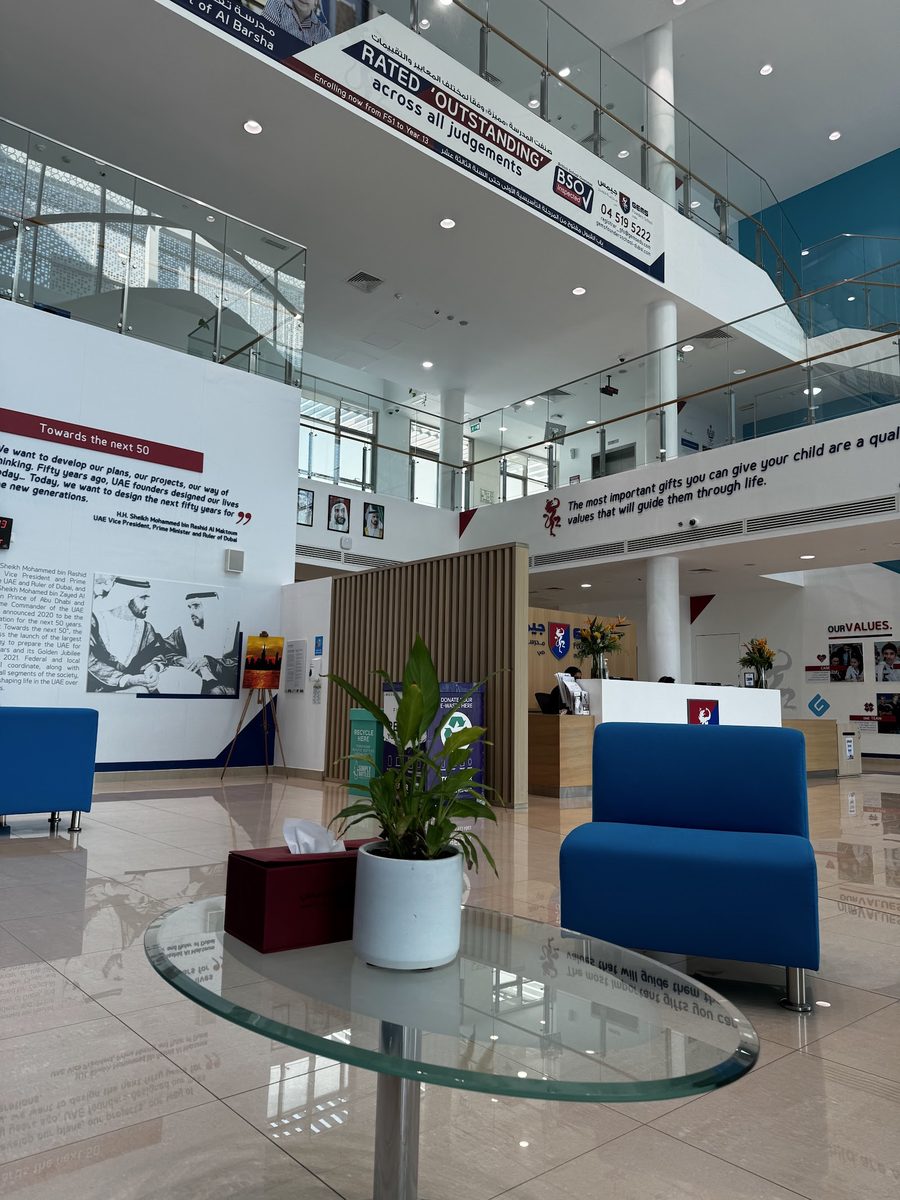
GEMS Founders School Al Barsha
Dubai · United Arab Emirates
Grown from a record-breaking 2016 launch into the UAE's largest National Curriculum for England school, now rated Very Good by the KHDA.
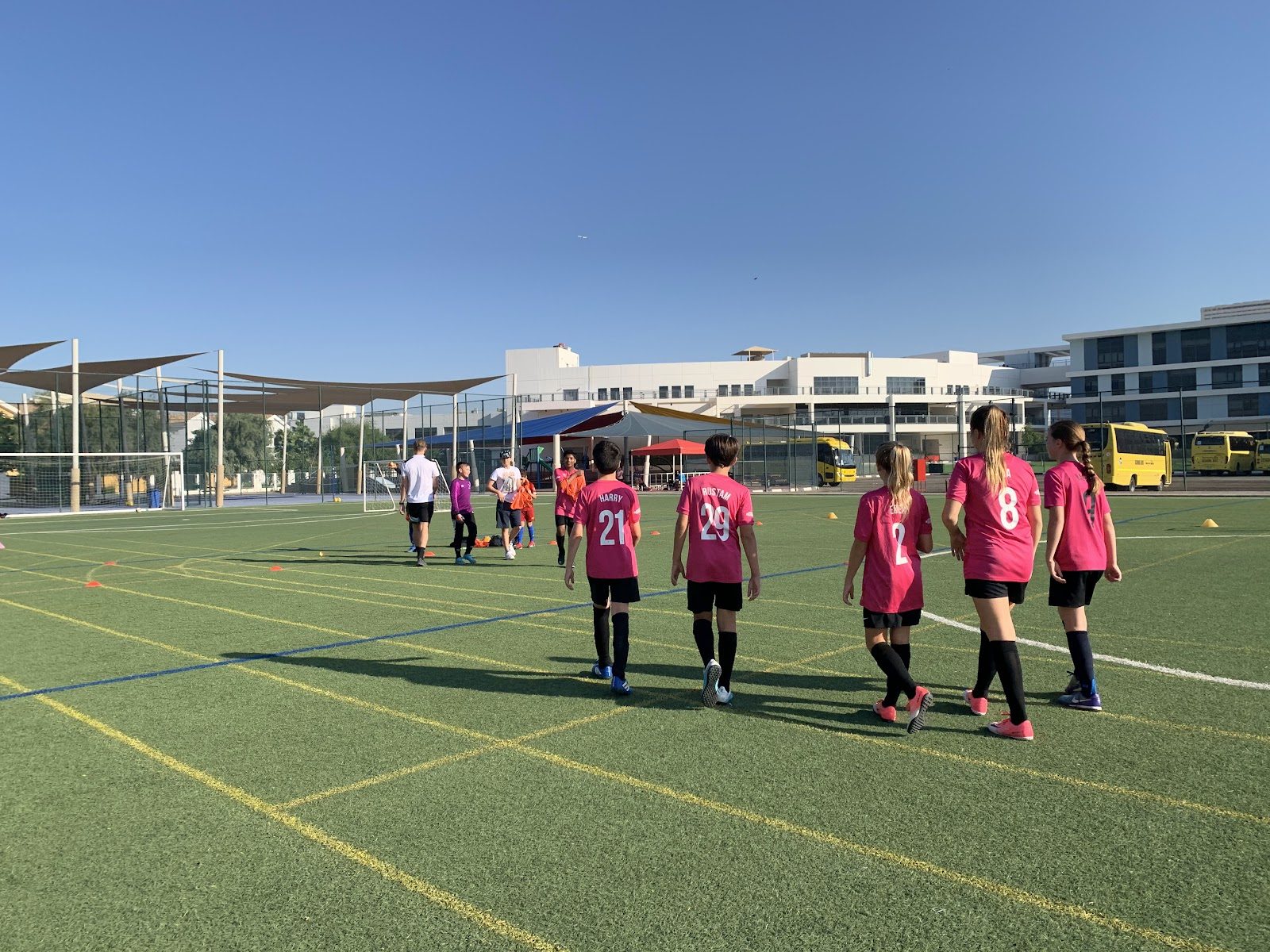
GEMS FirstPoint School
Dubai · United Arab Emirates
In Dubailand, a bespoke Golf Centre of Excellence lets elite junior players train while still sitting GCSEs and A-levels
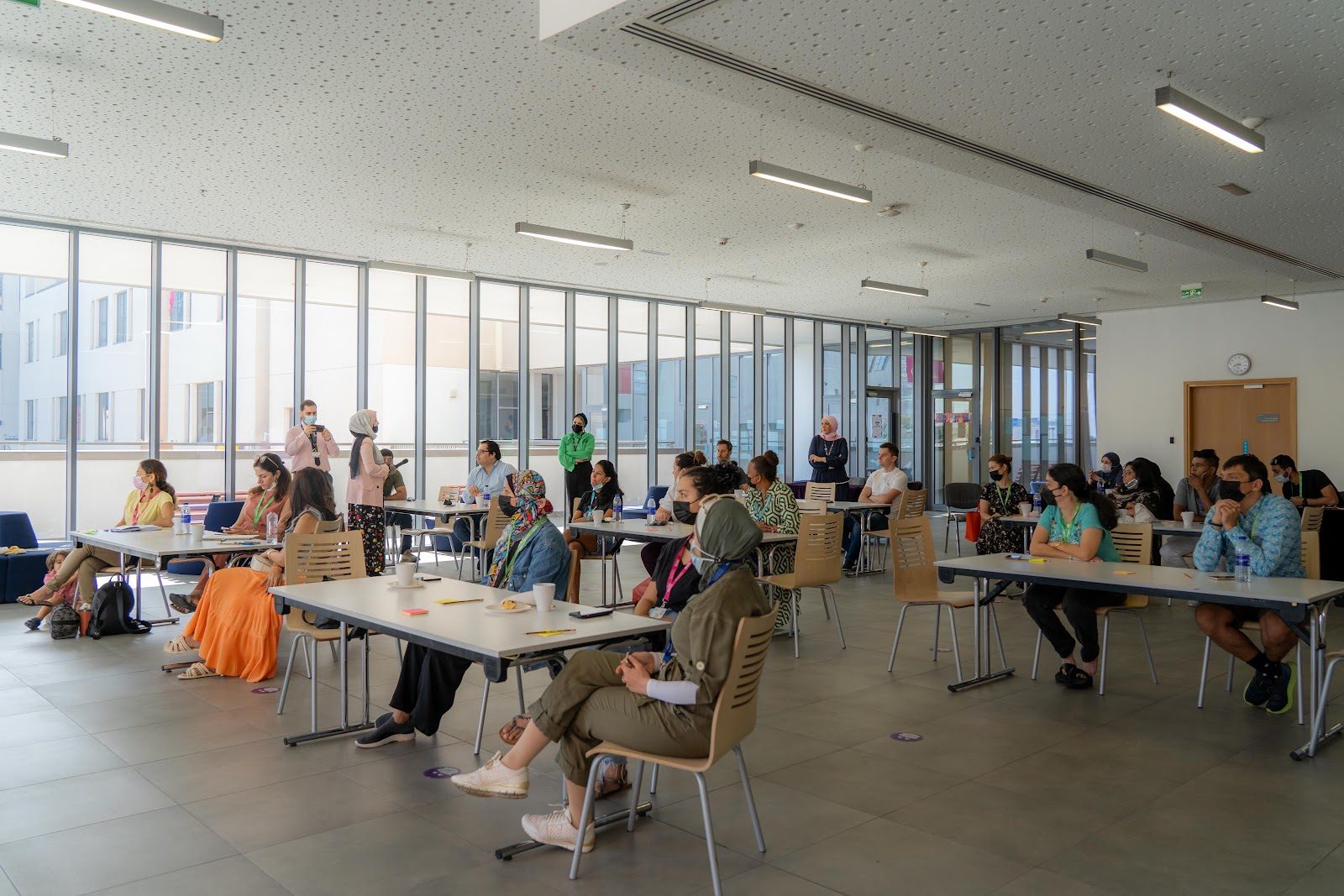
Sunmarke School
Dubai · United Arab Emirates
A rare dual-track sixth form pairs A-Levels with the IB Diploma, set within a Positive Education ethos in Jumeirah Village Triangle.
Swiss International Scientific School Dubai
Dubai · United Arab Emirates
The largest Swiss school outside Switzerland, running a bilingual IB continuum along Dubai Creek in French or German.
Same country and curriculum — closest matches within ±10 points either way