
Tokyo
Nishimachi International School
medium confidence· 4/6 cats · 2.3 avg sourcesOn a Meiji-era Moto-Azabu estate since 1949, an American K-9 curriculum paired with mandatory daily Japanese lessons
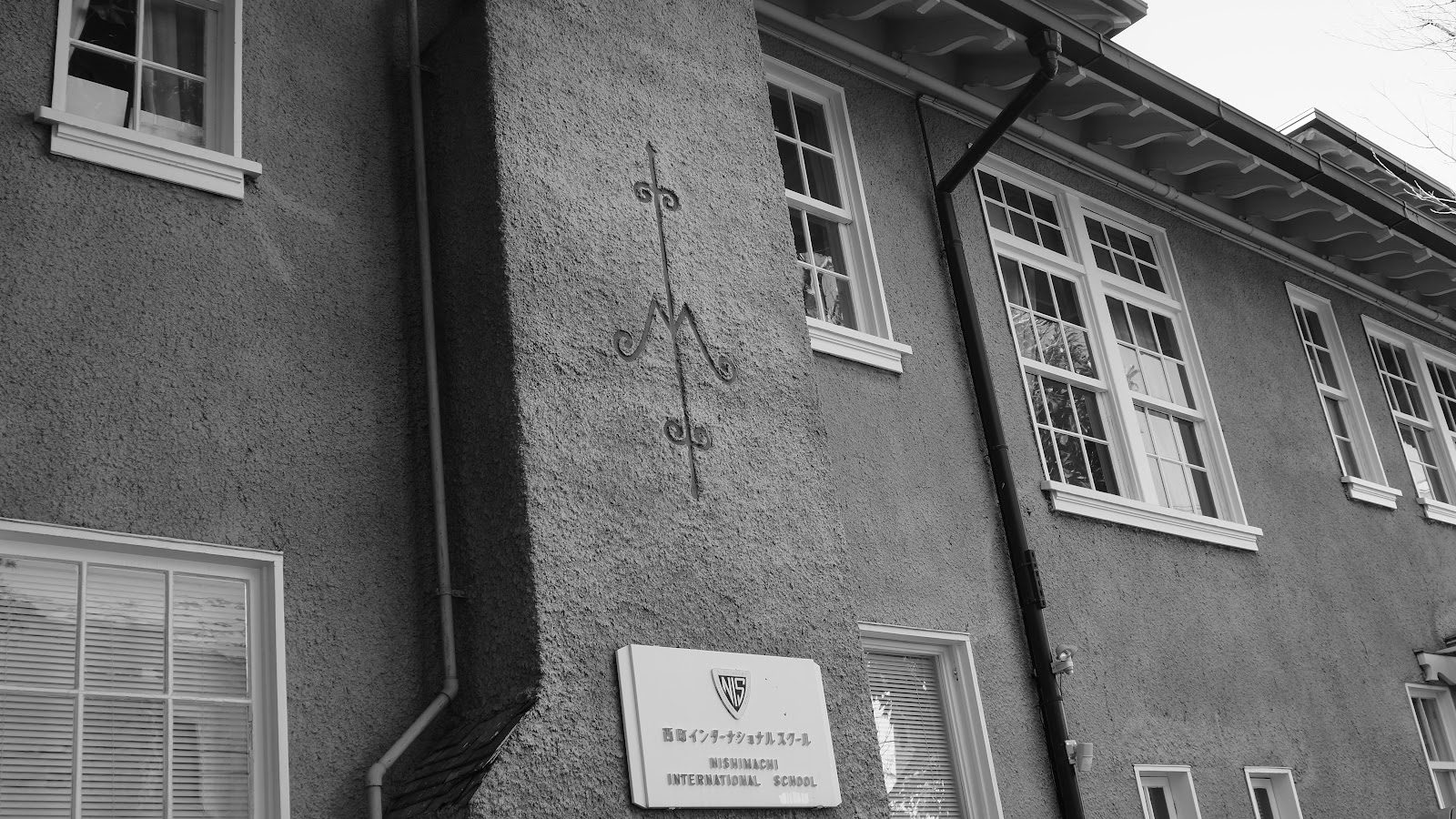
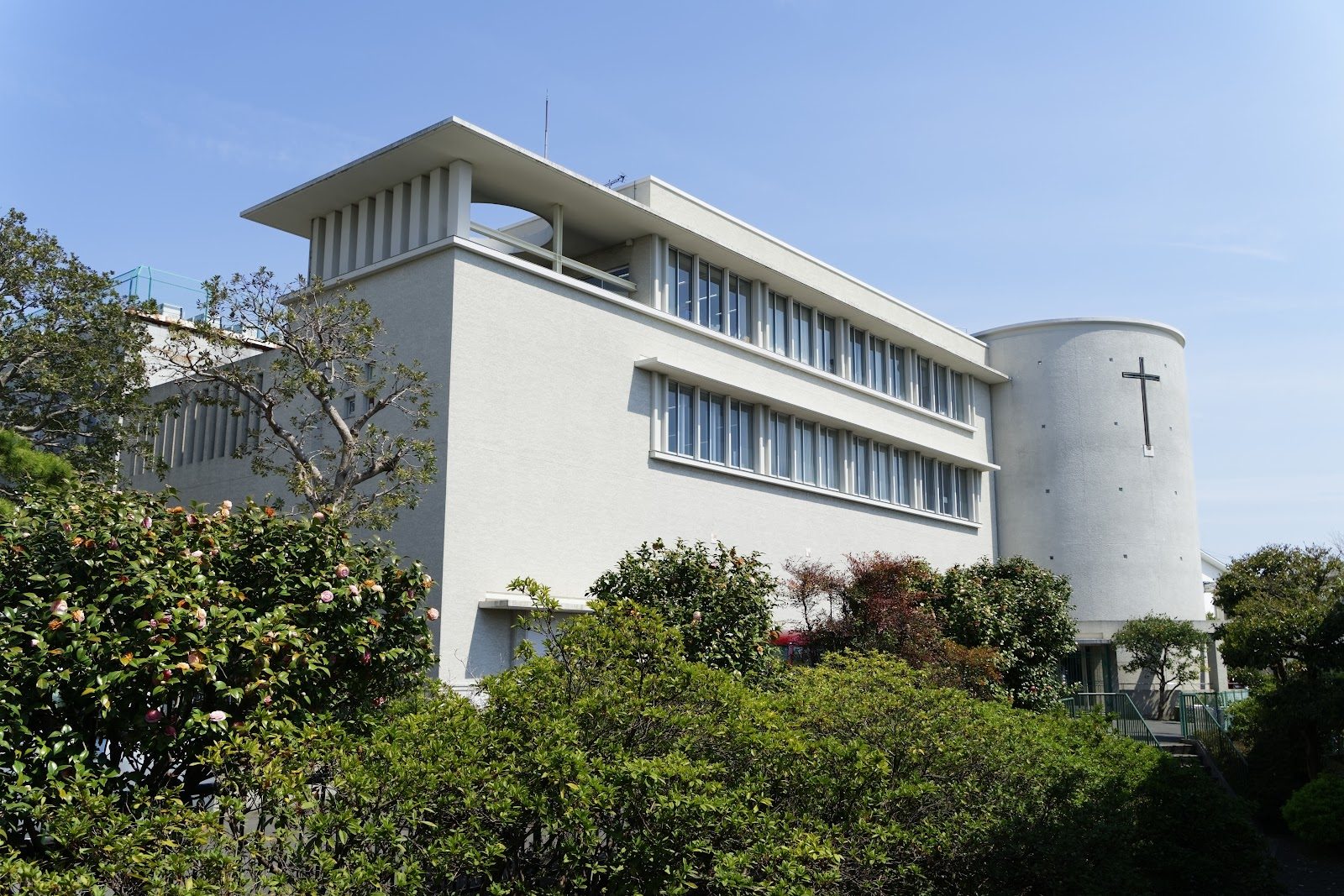
Photo © keisuke tate via Google Maps
Type
Day
Ages
3–18
Curriculum
American
Ratio
—
The Verdict
Editor's commitment
Right for
Tokyo families who want a 1949 K-9 day school with English teaching, daily Japanese, WASC and CIS accreditation.
Wrong for
Parents needing a full 3-18 school, boarding, or a non-American curriculum; Nishimachi stops at K-9 despite the age-band listed.
Watch out for
The average annual fee is JPY 3,129,000, class size averages 20, and the Moto-Azabu setting delivers intimacy, not big-school breadth.
Ranking breakdown
Nishimachi International School · #963 of 1591
Composite score 61.5. 8 weighted criteria.
By criterion
Academic Outcomes
Weight 20%
#745
of 1529 scored
University Placement
Weight 16%
#736
of 1529 scored
Prestige & Heritage
Weight 12%
#723
of 1571 scored
Alumni Network
Weight 12%
#1238
of 1530 scored
Facilities
Weight 12%
#848
of 1534 scored
Transparency & Communications
Weight 8%
#820
of 1532 scored
Peer & Industry Review
Weight 10%
#791
of 1548 scored
Admissions Selectivity & Demand
Weight 8%
#547
of 1529 scored
Score history
Nishimachi International School · 2026
Movement across 2024–2026. Peer average overlaid.
Overall — 2024–2026
61.5/ 100
▲ +32.5 vs 2025
year on year
Peer & Industry Review
How Nishimachi International School is regarded in the sector
70
Respected · medium confidence
Nishimachi International School is widely recognized within Tokyo's expat community as one of the oldest and most established international schools in Japan (founded 1949), frequently mentioned alongside ASIJ and St. Mary's in expat parent forums and relocation guides (e.g., InterNations, GaijinPot, Tokyo Families magazine) as a top choice for bilingual international education. It is accredited by WASC and CIS, which are independent third-party accreditation bodies signaling recognized educational quality, and alumni network references appear in some Japan-expat professional circles, though it lacks the global Tatler/Good Schools Guide-level coverage seen in UK/international boarding contexts.
Evidence sources
- William Saito — Entrepreneur/Cybersecurity Advisor, Business
Editors' overview
Set on a Meiji-era estate in Moto-Azabu, Nishimachi trades on something rarer than glossy facilities or sprawling scale: cultural fluency built into the school day. It runs an American curriculum, teaches in English, and requires Japanese language and culture lessons every day, from beginner to native-speaker level. That makes it a distinctive proposition in Tokyo. Many international schools offer Japanese as an option; Nishimachi makes it part of the core experience. For internationally mobile families who want children rooted in Japan rather than insulated from it, that is the school's clearest strength. It is also a long-established operation, founded in 1949, with WASC and CIS accreditation and an average class size of 20.
The other defining feature is scale. Nishimachi is a private K-9 day school, not an all-through international giant, and that shapes both atmosphere and ambition. Parents looking for sixth form breadth, extensive senior-school subject menus or an in-house route to graduation need to look elsewhere. Parents looking for a close-knit community with tighter adult oversight and a more contained childhood often put Nishimachi high on the list. The school's own emphasis on personal ownership, ethical conduct and perseverance fits that smaller-school model. So does its fee level: an average annual day fee of JPY 3,129,000 across the full ladder places it in the premium tier, but not in the territory where a school can rely on scale alone to impress.
Why shortlist it? Because Nishimachi offers a serious bilingual and bicultural education without turning itself into a niche language school. The school is secular, co-educational and international by design, and the daily Japanese requirement gives substance to that claim. It suits children who are academically secure in an English-medium setting, socially adaptable and happy in a school where community matters more than spectacle. It will also suit families who value Tokyo itself as part of the education. Children who want a big-campus experience, a broad 16–18 programme or the anonymity that comes with larger schools will outgrow it. Children who thrive in a structured, internationally minded environment with real local immersion will find Nishimachi hard to replicate.
Academic Performance
Nishimachi does not publish aggregate external-exam results, and that matters. Parents cannot inspect IB averages, AP score distributions, SAT profiles, or university destination tables because this school does not run the upper-secondary years on site. Judging academic performance here therefore means judging preparation at transition: how well pupils leave at the end of the school’s own programme and how competitive they are for the next school. On that narrower measure, Nishimachi’s long-standing reputation rests on a serious academic core, daily Japanese, and a school structure that leaves little room for passengers. A K–9 school with an average class size of 20 lives or dies by the quality of its onward placements and by whether pupils arrive at the next stage properly equipped rather than merely well cared for.
Against Tokyo peers, that puts Nishimachi in a distinctive category rather than the top tier of schools that can point to full diploma outcomes in-house. It is not the place for families who want published sixth-form metrics or a straight internal runway to graduation. It is a school for the earlier years, and its academic test is whether children transfer smoothly into demanding secondary environments. The absence of published aggregate results makes hard comparison frustratingly opaque. The counterweight is the school’s durability and its clear-eyed focus on literacy, numeracy and bilingual competence instead of headline-grabbing senior results it does not offer.
Facilities
Facilities are not the selling point here, and the school does not pretend otherwise. The key asset is the Moto-Azabu estate itself: a central, established setting that gives children a contained, ordered school day in one of Tokyo’s most expensive neighbourhoods. For a compact K–9 school, that matters. Younger pupils benefit from a campus that keeps movement simple and supervision tight, while older ones gain a sense of independence without the sprawl and logistical churn that larger international campuses bring. The school also states that Japanese language and culture sit inside daily life rather than on the edge of it, which gives the site more educational value than a prettier but more isolated suburban campus. Parents choosing Nishimachi are buying location with purpose, not architectural theatre.
Against Tokyo peers, that places Nishimachi below the big all-through schools on sheer plant. There is no claim here to stadium-scale sport, extensive specialist senior labs or the flashier arts infrastructure that larger operators use to justify higher fee bands. What it offers instead is a close-control environment sized for children rather than for institutional show. With average classes of 20, that scale works best when families want consistency, easy staff access and a campus that feels legible to a child from the first week. If your benchmark is a vast international-school complex with every facility under the sun, Nishimachi will feel deliberately modest. If your benchmark is a well-run city school where site and mission align, it holds up well.
Against Tokyo peers, that puts Nishimachi in a distinctive category rather than the top tier of schools that can point to full diploma outcomes in-house
Prestige
Nishimachi’s prestige rests on status within a very specific market: internationally minded families in Tokyo who want an English-medium education with real Japanese fluency built into daily school life. That is a narrower form of prestige than the global brand power of the city’s large all-through schools, but it is no less real. In expatriate and mixed-nationality circles, Nishimachi carries old-established name recognition and a reputation for producing children who can move between cultures without strain. The address helps, the history helps, and the school’s compact scale gives it a club-like social visibility that bigger institutions cannot manufacture. An average annual fee of JPY 3,129,000 reinforces that positioning: this is a premium school, bought as much for fit and network as for classroom provision.
The limit to that prestige is clear. Nishimachi does not command the same cachet as a school that carries pupils through the final university-entry years and publishes a stream of diploma outcomes and destinations. Its influence is strongest among parents who understand Tokyo and value bicultural competence over headline sixth-form metrics. That makes it discerning prestige, not mass-market prestige. Families who want broad international recognition from one school name to graduation will rank it below the city’s bigger operators. Families who want a serious, socially connected start in Japan will rank it very high.
For families who want Japan to shape a child rather than sit outside the school gates, that is a genuinely distinctive offer
Communications
Nishimachi’s parent communication runs through the logic of a small school: direct contact, short lines between home and staff, and little room for bureaucratic fog. That structure matters more here than polished corporate messaging. In a school that asks children to navigate daily Japanese study and a tightly held community culture, parents need clarity on routines, expectations and pastoral issues. Nishimachi gives that impression in the way it writes about student ownership, ethical conduct and community membership: the school wants families inside the same framework, not parked on the sidelines. The contact points are plain, the message architecture is clean, and the tone avoids the overblown language that often clouds weaker schools. With average classes of 20, communication also carries an obvious practical advantage: teachers and families can know each other well enough for messages to be specific rather than generic.
The limit is scale and style. Parents who want an app-heavy, dashboard-driven stream of data, extensive public reporting or a hyper-transparent results culture will not get much reassurance from Nishimachi’s public face. The school publishes no big bank of performance metrics, and that same restraint shapes how outsiders judge its communications. What it does better is human-scale communication: concise, purposeful and aligned with a school where relationships do real work. For families who value fast access, consistency and a close-control environment, that is effective. For families who equate good communication with constant quantification, it will feel spare.
Uniqueness
What sets Nishimachi apart is not internationalism as a slogan, but bilingual cultural immersion built into the timetable and the school’s identity. Every child studies Japanese language and culture every day, from beginner level through native-speaker proficiency. In Tokyo, that is unusually hard-edged. Many international schools offer host-country language as an accessory; Nishimachi treats it as part of an educated child’s core formation. That produces students who do more than function in an English-speaking enclave. They learn to read the country around them, handle difference without fuss, and develop a more exacting sense of where they are and how to move through it. For families who want Japan to shape a child rather than sit outside the school gates, that is a genuinely distinctive offer.
The other point of difference is the age range. Nishimachi stops before the final school-leaving years, and that sharpens its purpose. The school concentrates on the years when habits, confidence, literacy, numeracy and social conduct are formed, then hands pupils on. That model brings advantages: tighter oversight, fewer anonymous corners, and a school culture that can insist on participation rather than merely permit it. The trade-off is obvious. Students who want a single institution to carry them all the way through adolescence will outgrow it. Students who benefit from a contained, high-accountability environment in their first 10 years of schooling get something rarer: a strong educational base with daily bicultural discipline, not just international branding.
Nishimachi stops before the final school-leaving years, and that sharpens its purpose
Student Profile
The pupils who fit best here are children who can handle structure without constant novelty and who gain from being known well by adults and peers. This is not a school for the child who wants to vanish into a crowd, reinvent themselves every term, or pick from a vast menu of senior-school options on one campus. It suits internationally mobile families, bicultural households and parents who want school life tied to the country outside the gates rather than sealed off from it. Daily Japanese study is the dividing line. Children who enjoy language, tolerate routine and accept that effort in one area is non-negotiable will do well. Children who resist compulsory local-language learning, or who want an English-medium education with minimal cultural friction, will find the model too exacting. With average classes of 20, the social environment is close-grained and hard to game: strengths, weaknesses and conduct all get noticed.
The strongest fit is a student who is academically secure, socially adaptable and comfortable in a high-accountability setting where participation matters. Nishimachi will also suit families who value manners, steadiness and follow-through over teenage grandstanding or institutional spectacle. It is less well suited to pupils who need extensive sixth-form-style independence early, or to families who want public exam data as the main proof of quality. The age range matters here: by the end of K–9, students need to be ready to move on confidently. For the right child, that produces a grounded, bicultural start and a serious schooling habit.
It runs an American curriculum, teaches in English, and requires Japanese language and culture lessons every day, from beginner to native-speaker level
Co-curricular strengths
Arts & sport, on a separate axis
Overall 3.2/10
Scored 0-10 from the school's own published evidence. This axis is editorial-only — it does not feed the main WTS ranking.
Sports
4/10
Basketball, Soccer, Volleyball, and Track and Field, indicating a solid multi-sport extracurricular offering but no named facility, specialist staff, or competitive results.
Drama
3/10
Drama Club is explicitly named in the extracurricular list, but there is no further detail on productions, facilities, staff, or performance outcomes.
Dance
—
Music
3/10
Choir is explicitly named in the extracurricular list, but there is no further detail on ensembles, facilities, specialist staff, or recognition.
Visual Arts
3/10
Visual Arts is explicitly named in the extracurricular list, but there is.
Editor first-pass · editor-reviewable · 7/28/2026
Notable alumni · Wikidata
10notable alumni
1 historic (born pre-1930) · 3 modern (born post-1970)wikidata:2026-07-28 How we source this
Strengths
- +Founded in 1949; long-established in Tokyo.
- +English instruction with daily Japanese language lessons.
- +American curriculum with daily Japanese culture study.
- +Central Tokyo location enables regular local cultural exposure.
Considerations
- −No published accreditations in provided sources.
- −No published exam results or university destinations.
- −Daily Japanese study may not suit short-term families.
Availability
Primary entry gate & tests
Academic Record
Gallery
Photo © 池田忠 via Google Maps
Photo © Nathan Gildart via Google Maps
Photo © Lucy M via Google Maps
Photo © Lucy M via Google Maps
Photo © Nishimachi International School via Google Maps
Photo © Hiroshi Drone via Google Maps
Photo © 加藤裕介 via Google Maps
Photo © 粟原大軸 via Google Maps
Photo © Nishimachi International School via Google Maps
Parent reviews
Have you sent your child here?
Voice reviews carry the strongest trust badge — we transcribe them for you to tidy up before they go live. Prefer to type? A written review is fine too.
Add your voice
In 60 seconds, tell other parents: what's the best thing about Nishimachi International School, and what surprised you when your child joined?
We ask for a Google sign-in so every review has a real face behind it — no anonymous drive-by attacks on schools, and no faked positive reviews. Your email is never shown publicly.
Send this profile to a friend
International parents rely on word-of-mouth. Share this review with someone weighing the same decision.
Schools with places
Similar schools to Nishimachi International School with places available now.
Christian Academy in Japan
Tokyo · Japan
- 2026-27
- WAITPOOLSpace-dependent
- 2027-28
- PLACES OPENRolling
International School of the Sacred Heart
Tokyo · Japan
- 2026-27
- WAITPOOLSpace-dependent
- 2027-28
- PLACES OPENRolling
Kaisei Academy
Tokyo · Japan
- 2026-27
- CLOSEDStandard route
- 2027-28
- OPENS SOONOpens Late '26
The American School in Japan
Tokyo · Japan
- 2026-27
- WAITPOOLSpace-dependent
- 2027-28
- PLACES OPENRolling
Availability first, then country, area, curriculum, price, co-curricular
Consider also
Also worth looking at alongside Nishimachi International School.
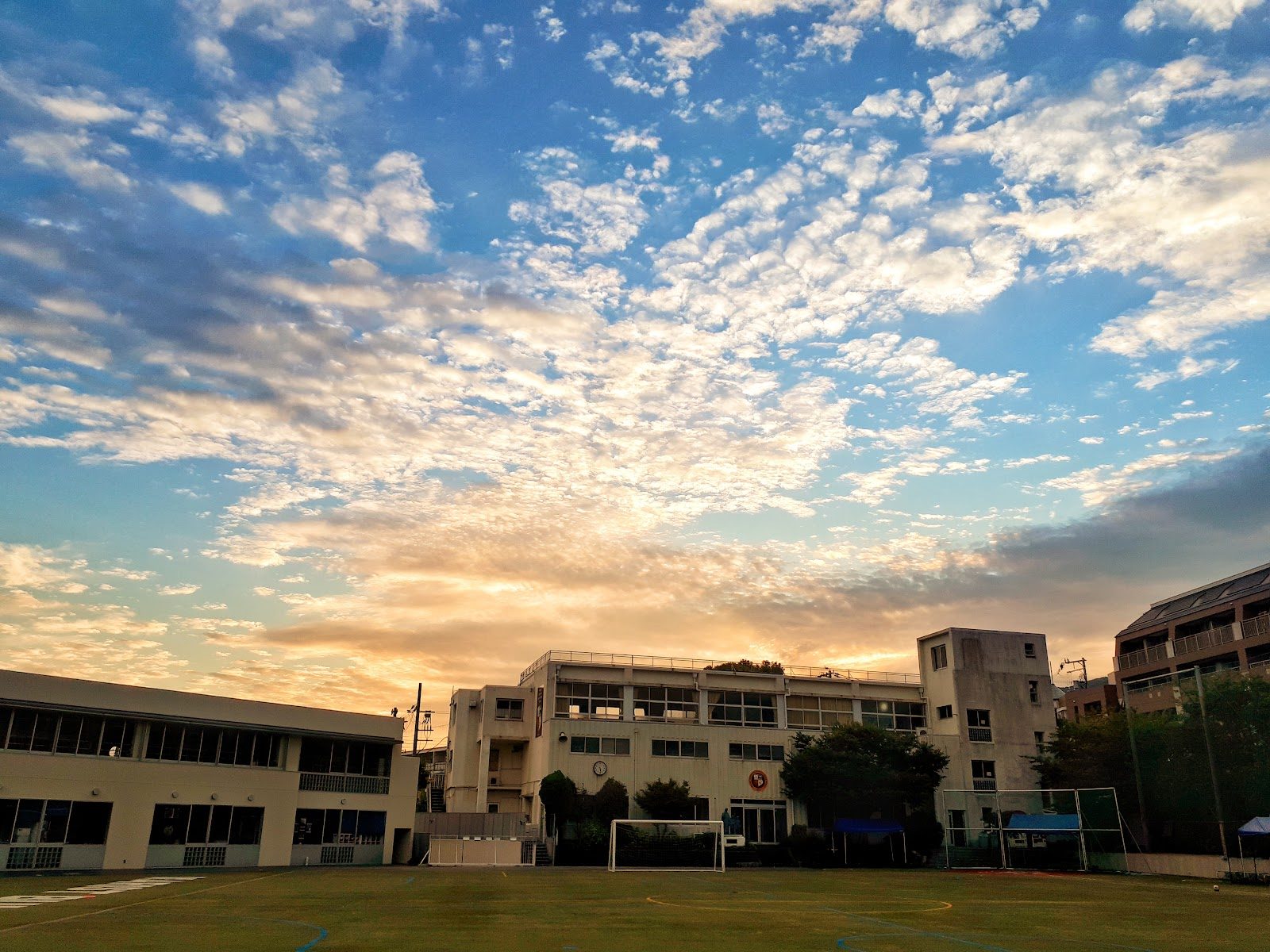
Marist Brothers International School
Kobe · Japan
The only international school run by the Marist Brothers, rebuilt from Kobe's 1995 quake into an American-IB dual pathway.
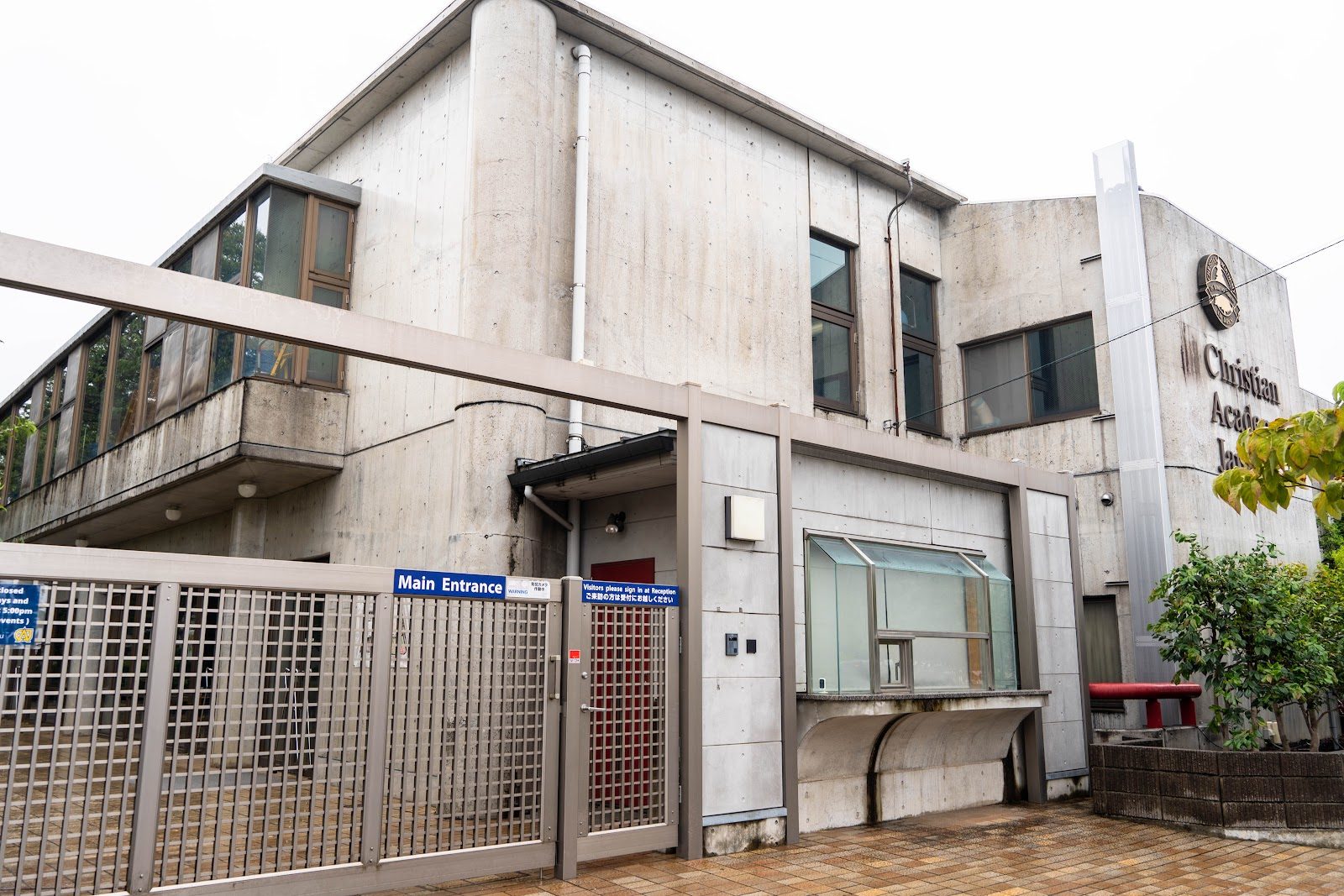
Christian Academy in Japan
Tokyo · Japan
Born from postwar missionary schooling on former imperial dairy land, now pairing AP rigor with a campus-wide week of off-site service leadership.
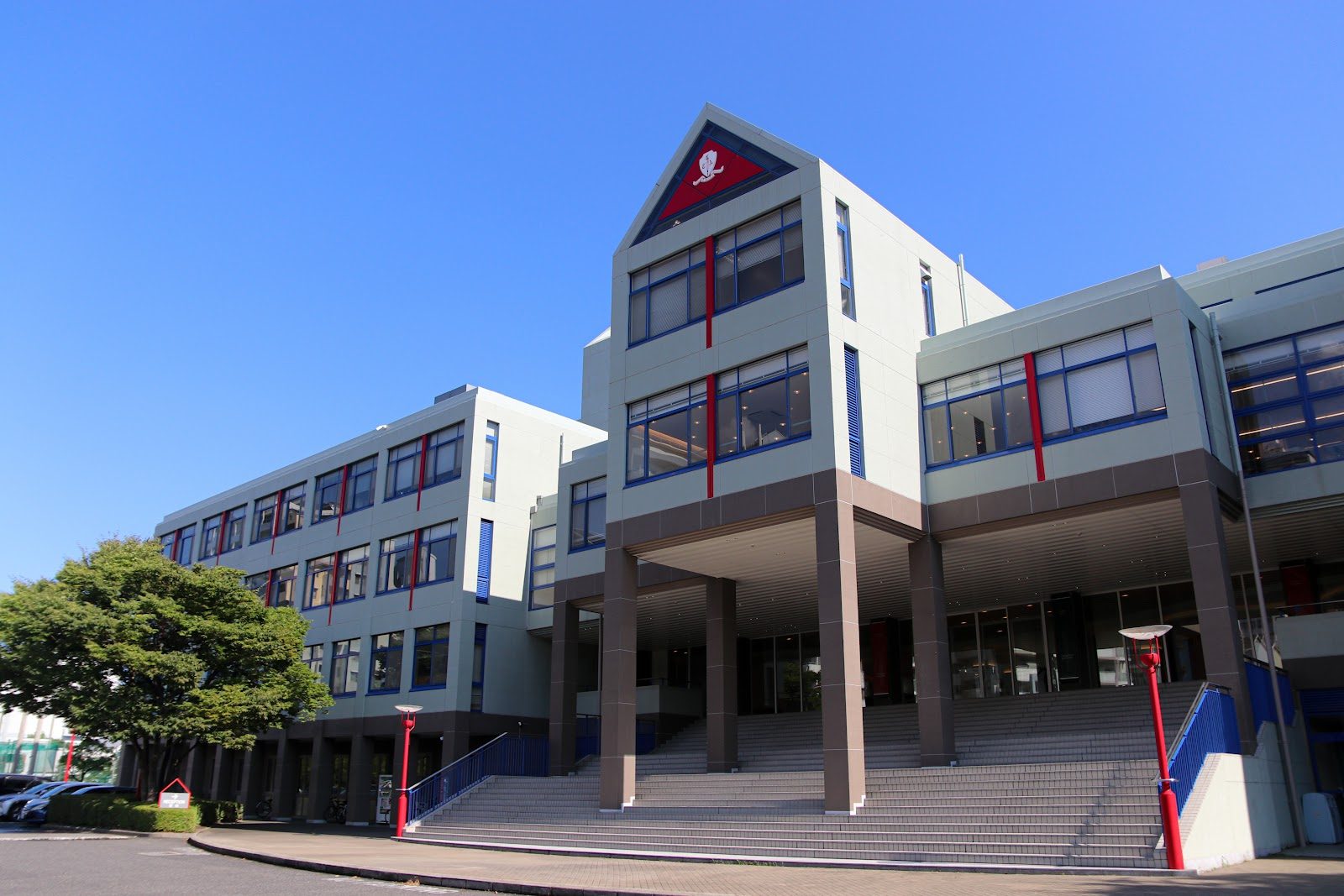
Canadian Academy
Kobe · Japan
On a man-made island in Kobe, a century-old boarding tradition dating to 1929 anchors a full IB continuum since 1980.
Saint Maur International School
Yokohama · Japan
Founded by missionary nuns in 1872, Yokohama's Yamate hillside campus still runs Asia's oldest international school, Montessori through IB
Same country and curriculum — closest matches within ±10 points either way