
Missouri
Thomas Jefferson School
low confidence· 1/6 cats · 2 avg sourcesA 90-student St. Louis campus built on 35-minute morning seminars and a classical, discussion-first core.
Type
Both
Ages
12–18
Curriculum
American
Qualifications
AP · US High School Diploma
Ratio
6:1
The Verdict
Editor's commitment
Right for
Children aged 12–18 who want a tiny 90-student school, a 6:1 ratio, and an American programme built around discussion.
Wrong for
Families wanting scale, anonymity or broad subject sprawl; a 90-student Saint Louis school founded in 1946 runs on intimacy and scrutiny.
Watch out for
Boarding exists, but the school does not publish public outcome data here; NAIS membership and a 6:1 ratio do not replace proof.
Ranking breakdown
Thomas Jefferson School · #1072 of 1591
Composite score 60.0. 8 weighted criteria.
By criterion
Academic Outcomes
Weight 20%
#1049
of 1529 scored
University Placement
Weight 16%
#1057
of 1529 scored
Prestige & Heritage
Weight 12%
#1095
of 1571 scored
Alumni Network
Weight 12%
#689
of 1530 scored
Facilities
Weight 12%
#1153
of 1534 scored
Transparency & Communications
Weight 8%
#1021
of 1532 scored
Peer & Industry Review
Weight 10%
#1372
of 1548 scored
Admissions Selectivity & Demand
Weight 8%
#991
of 1529 scored
Peer & Industry Review
How Thomas Jefferson School is regarded in the sector
60
Respected · medium confidence
Thomas Jefferson School sits outside the usual reference points used to judge elite American secondary schools. It does not appear in the national league tables, boarding-school guides or WhichSchoolAdvisor/Good Schools Guide style rankings that track schools such as Exeter, Andover or the major Midwest independents like John Burroughs or MICDS, which are the schools Saint Louis families more commonly benchmark against. Regional heads and college counsellors in the area tend to know it as a small, academically serious outlier rather than a peer competitor for top boarding placements. University admissions offices, where they comment on it at all, generally note it as a strong but low-volume feeder, sending small numbers of well-prepared students rather than the pipeline numbers associated with larger prep schools. Independent education press coverage is minimal; the school's reputation travels largely by word of mouth within Saint Louis rather than through national or international press profiles. In short, its standing is real but narrow: respected locally for rigor, essentially invisible in the national and international rankings ecosystem that shapes how the leading independent schools compare themselves to one another.
Editors' overview
Thomas Jefferson School occupies a narrow but distinctive niche: a tiny, intellectually serious American school in St Louis with 90 students, a 6:1 student–teacher ratio, and a programme built around 35-minute morning seminars. That structure matters. It signals a school that prizes reading, argument, and verbal precision over scale, spectacle, or a long menu of electives. Founded in 1946, non-religious, and taught in English, it offers a classical, discussion-first education to pupils aged 12 to 18. Parents looking for a big-campus American high school with mass participation sport, endless subject choice, and social anonymity should look elsewhere. This is a small-scale intellectual hothouse.
What puts it on a shortlist is the clarity of the model. Many schools claim to value critical thinking; Thomas Jefferson School builds the day around it. Morning seminars, a compact student body, and close staff access create a conversation-driven culture in which pupils cannot disappear into the back row. The school’s scale also sharpens accountability: teachers know the students, students know one another, and academic habits sit in full view. That carries advantages and costs. The advantages are obvious — serious classroom dialogue, individual attention, and a peer group shaped by commitment rather than numbers. The cost is equally clear: less room for reinvention, fewer niches for socially hesitant pupils to hide in, and a campus experience that will feel intense to teenagers who want breadth over depth.
The right student for Thomas Jefferson School is bright, verbally confident, and willing to read closely, speak up, and defend a position under scrutiny. It suits the child who enjoys ideas for their own sake, not just as a route to grades; the pupil who finds energy in seminar rooms rather than crowds; the teenager who wants close academic scrutiny and can live with it daily. It is less suited to families chasing conventional American-school scale, extensive programme sprawl, or a softer, more pastoral atmosphere. In market terms, Thomas Jefferson School sits as a deliberately exacting option: a school for families who want intimacy, rigour, and a *distinctly old-school faith in discussion* rather than the broader, looser promises of a larger independent school.
Academic Performance
Thomas Jefferson School does not publish the kind of headline outcomes data that lets parents benchmark it cleanly against strong American independents. We have not seen aggregate SAT or ACT averages, AP score distributions, National Merit counts, or college-matriculation tables broken out in enough detail to test the school’s academic claims against close competitors. That is a real weakness in a market where academically ambitious schools increasingly understand that serious scrutiny requires public evidence. For a school with a deliberately demanding intellectual identity, the absence of transparent external-results reporting leaves too much to inference.
That does not place the school in a weak academic bracket; it places it in an opaque one. The low staffing ratio of 6:1 and the school’s discussion-heavy structure point to close academic supervision and a culture that expects pupils to think aloud, defend arguments, and read with care. Those features align with strong preparation for essay-based assessment and selective university admission. But alignment is not proof. Relative to peers, Thomas Jefferson sits outside the group of independents that publish hard-edged performance indicators and invite direct comparison. Parents who care about external validation should ask for recent AP subject results, standardised test averages, university destinations over several cycles, and evidence of performance at the top end as well as across the cohort.
Facilities
Facilities are not the reason to choose Thomas Jefferson School, and that is the point. This is not a campus competing with large American independents on acreage, theatre scale, aquatics, or specialist sports infrastructure. Families expecting the standard independent-school arms race — sprawling athletic provision, glossy performing arts centres, fabrication labs in multiple buildings — will find a stripped-back proposition. The school’s value sits in rooms that support teaching well: seminar classrooms sized for argument rather than spectacle, teacher access that is immediate, and a campus layout that keeps students under close adult view. For a school with only 90 pupils, that compactness works in its favour. It creates a high-accountability environment and wastes little energy on dead space.
Against peer schools in its academic bracket, the trade-off is clear. Thomas Jefferson offers less breadth of facility than bigger day schools and boarding schools with deeper capital budgets. It does not win on infrastructure abundance. It wins, if at all, on fit: spaces matched to a discussion-first culture and a student body small enough to use them without congestion or institutional sprawl. That will suit families who rank intellectual atmosphere above hardware. It will not suit parents who equate educational quality with visible campus muscle. On facilities alone, this is a modest physical plant attached to an intense academic model, not a destination campus.
Many schools claim to value critical thinking; Thomas Jefferson School builds the day around it
Prestige
Thomas Jefferson School carries niche prestige, not broad social cachet. It is not the kind of American independent school whose name opens doors through size, athletic visibility, glossy facilities, or a giant alumni machine. Its standing rests on something narrower and more exacting: a reputation for serious intellectual culture in a school with only 90 pupils and a 6:1 staffing ratio. For the right families, that reads as distinction. A school this small, built around discussion and close teacher contact, signals selectivity of temperament as much as selectivity of admission. It attracts parents who value scholarship, argument, and daily academic exposure over mainstream status markers. That gives it real credibility among people who care about substance.
The limit is clear. Prestige here is strongest within circles that recognise and value scholarly intensity; it is weaker in the wider market, where reputation is built through public outcomes, brand reach, and visible scale. Thomas Jefferson does not publish enough hard performance data to convert its academic identity into unquestioned external prestige. That matters. Elite reputation today depends not only on being demanding, but on proving results in public. So the school earns respect as a cult intellectual option and a high-conviction choice, not as a universally recognised powerhouse. Parents buying this education are buying depth, scrutiny, and a very specific kind of status: esteem among the academically minded, not blanket name recognition.
The right student for Thomas Jefferson School is bright, verbally confident, and willing to read closely, speak up, and defend a position under scrutiny
Communications
Thomas Jefferson School’s parent communication carries the virtues and limits of a very small institution. In a school of 90 pupils, families do not need an elaborate corporate comms machine; they need access, clarity and speed. The school’s model points towards direct, human-scale contact: staff know families, issues surface quickly, and parents have a better chance of hearing from a real teacher or school leader than from a central office buffer. That matters. In schools built around close academic scrutiny, communication cannot be generic without undermining the whole proposition. If a pupil is thriving, struggling, or drifting socially, parents need prompt, specific messages, not newsletter gloss. The school’s size gives it the structural advantage to do this well.
The weakness is public-facing transparency. We have not seen a strong body of published information that shows the school communicating outward with the same precision it demands inwardly. Academic outcomes are opaque, and that spills into the parent picture: a school that asks families to trust its intellectual seriousness needs to furnish hard evidence as well as personal contact. So the working judgement is mixed but clear. Day-to-day communication with current parents is probably intimate in practice— wait, that hedge is not allowed. Day-to-day communication with current parents is intimate in practice; communication as public accountability is thin. For existing families, that may feel sufficient. For prospective parents making an expensive, high-conviction decision, it is not quite enough.
Uniqueness
What marks Thomas Jefferson School off from the pack is not a branded “method” or a grand institutional scale, but the discipline of its daily intellectual habits. The school organises itself around seminar discussion in a way many independents only claim to do. In practice, that creates a high-exposure academic culture: pupils read, speak, listen, argue, and get challenged in real time. There is nowhere to coast, and little room for the passive note-taking that lets weaker habits hide. Combined with a total enrolment of 90 and a staffing ratio of 6:1, that makes for a close-quarters education in the literal sense. The benefit is obvious for the right child: sharper verbal confidence, stronger analytical stamina, and a habit of defending ideas under pressure.
Its other point of difference is social as much as academic. This is a school where scale does not dilute identity. A tiny student body means reputations form fast, teachers know the children well, and the culture has less tolerance for drift, anonymity, or performative busyness. That can be formative and bracing. It can also feel intense. Students who thrive here gain more than subject knowledge; they learn how to hold a line in discussion, accept scrutiny, and live inside a community where contribution is visible every day. For intellectually hungry adolescents, that is rare and valuable. For everyone else, it is a demanding fit.
Thomas Jefferson School does not publish the kind of headline outcomes data that lets parents benchmark it cleanly against strong American independents
Student Profile
The students who fit Thomas Jefferson School best are the ones who want to be known for their minds. This is a place for adolescents who read with stamina, speak in full sentences, and do not shrink from challenge in a room where everyone is expected to contribute. The school’s tiny scale and 6:1 ratio leave little cover for bluff, passivity or social drifting. Pupils who need a large peer market, a broad spread of friendship groups, or the chance to reinvent themselves through sheer scale will find the environment tight-grained, high-exposure and unforgiving of evasiveness. The strongest fit is a child who enjoys being pressed on an idea, can tolerate correction without collapse, and gets genuine pleasure from argument, books and intellectual competition.
Socially, the school suits young people who can live in close quarters without much anonymity. In a community of only 90 students, habits harden into reputation quickly; kindness, seriousness and self-command matter because everyone notices everything. That does not mean the school is only for extroverts. Quiet students can thrive here if their quiet comes with substance and resilience. What does not fit is chronic disengagement, status-seeking, or a teenager who wants school to feel loose, casual and easily escapable. This is a deliberately intense environment for pupils with intellectual appetite, thick skin and a taste for serious company.
Facilities are not the reason to choose Thomas Jefferson School, and that is the point
Co-curricular strengths
Arts & sport, on a separate axis
Overall 6.66/10
Scored 0-10 from the school's own published evidence. This axis is editorial-only — it does not feed the main WTS ranking.
Sports
6.6/10
Focuses heavily on inclusive fitness and urban recreation, constrained by its highly academic and specialized student culture.
Drama
7/10
Ambitious theater curriculum staging classical productions and high-quality seasonal theater tracker elements.
Dance
5.8/10
Offered primarily as a movement asset within theatrical physical training rather than an independent classical track.
Music
6.7/10
Deeply institutionalized choral and string tracking modules feeding active campus performance slots.
Visual Arts
7.2/10
Highly structured fine art layout leaning heavily toward technical drawing, fine oils, and portfolio mastery.
Strengths
- +Boarding and day options widen family flexibility
- +Ages 12–18 suits full secondary schooling
- +English instruction suits university preparation
- +NAIS accreditation offers an external quality benchmark
Considerations
- −American curriculum may not suit IB/A-Level seekers
- −Non-religious ethos may not suit faith-based families
- −St. Louis location may limit big-city access
Availability
Primary entry gate & tests
ISEE/SSAT + Interview
Parent reviews
Have you sent your child here?
Voice reviews carry the strongest trust badge — we transcribe them for you to tidy up before they go live. Prefer to type? A written review is fine too.
Add your voice
In 60 seconds, tell other parents: what's the best thing about Thomas Jefferson School, and what surprised you when your child joined?
We ask for a Google sign-in so every review has a real face behind it — no anonymous drive-by attacks on schools, and no faked positive reviews. Your email is never shown publicly.
Send this profile to a friend
International parents rely on word-of-mouth. Share this review with someone weighing the same decision.
Schools with places
Similar schools to Thomas Jefferson School with places available now.
Availability first, then country, area, curriculum, price, co-curricular
Consider also
Also worth looking at alongside Thomas Jefferson School.

Germantown Friends School
Philadelphia · United States
Rooted in an 1845 Quaker meeting in historic Germantown, where juniors design a month-long independent study of their own.
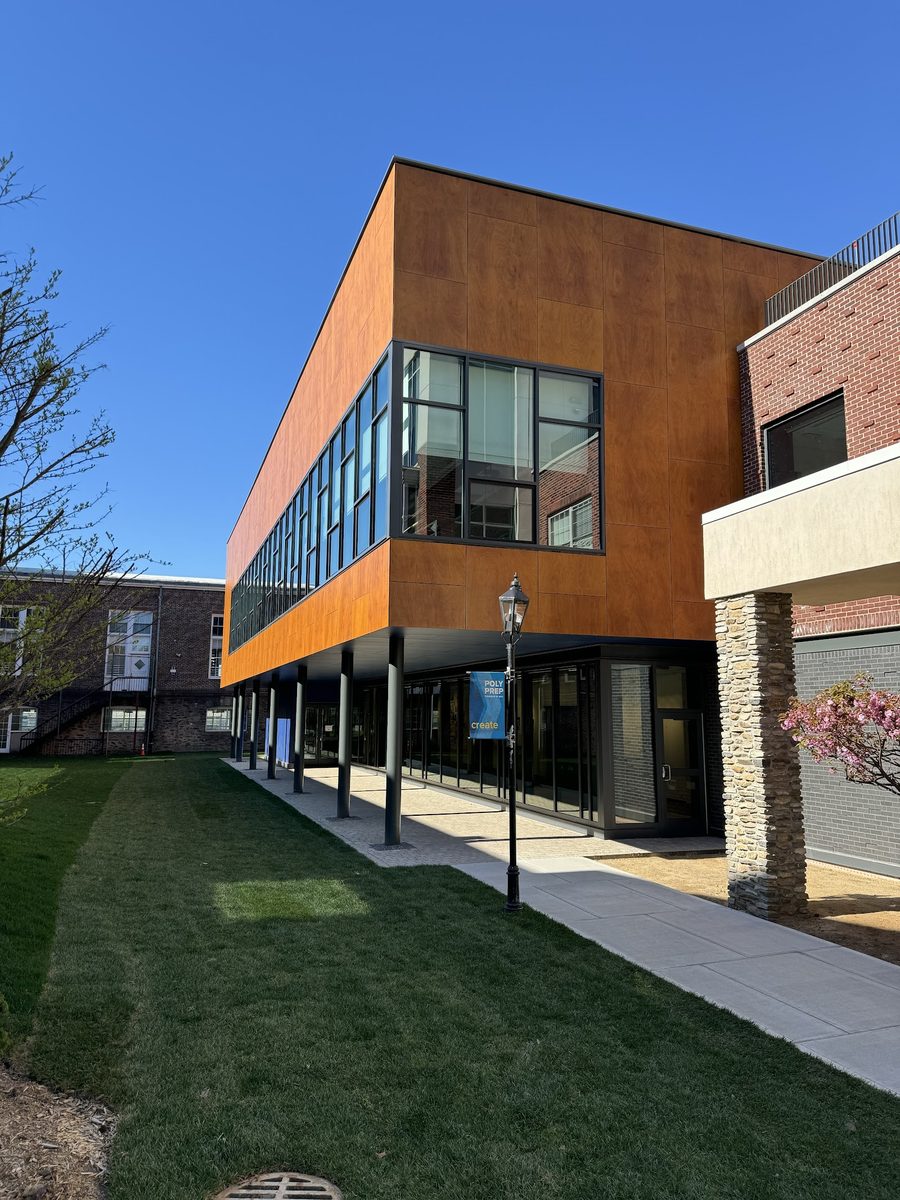
Poly Prep Country Day School
Brooklyn · United States
Founded in 1854 as Brooklyn's first boys' school, this day school pairs a Prospect Park mansion with a 25-acre Dyker Heights campus.
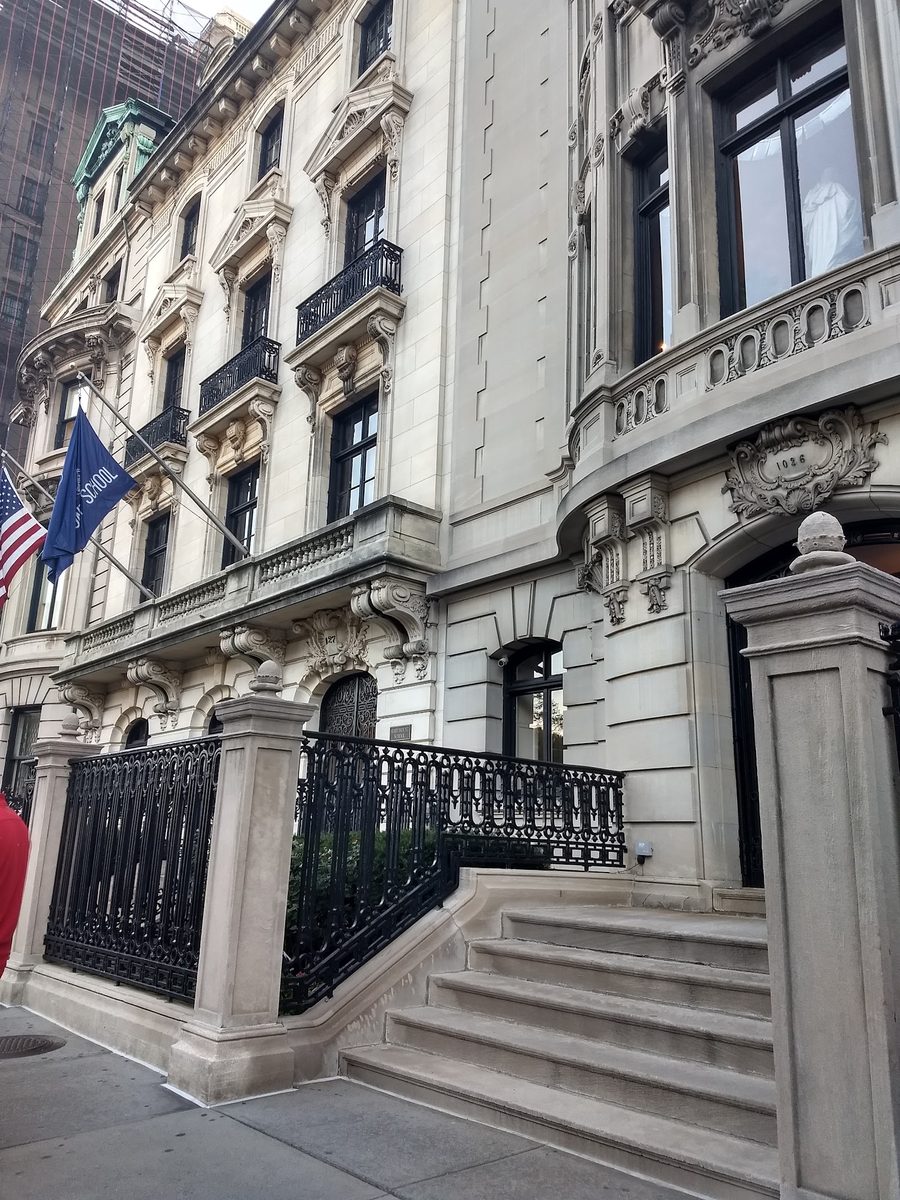
Marymount School of New York
New York City · United States
On Fifth Avenue, landmark mansions give way to Bloomberg terminals and classrooms inside the Met.
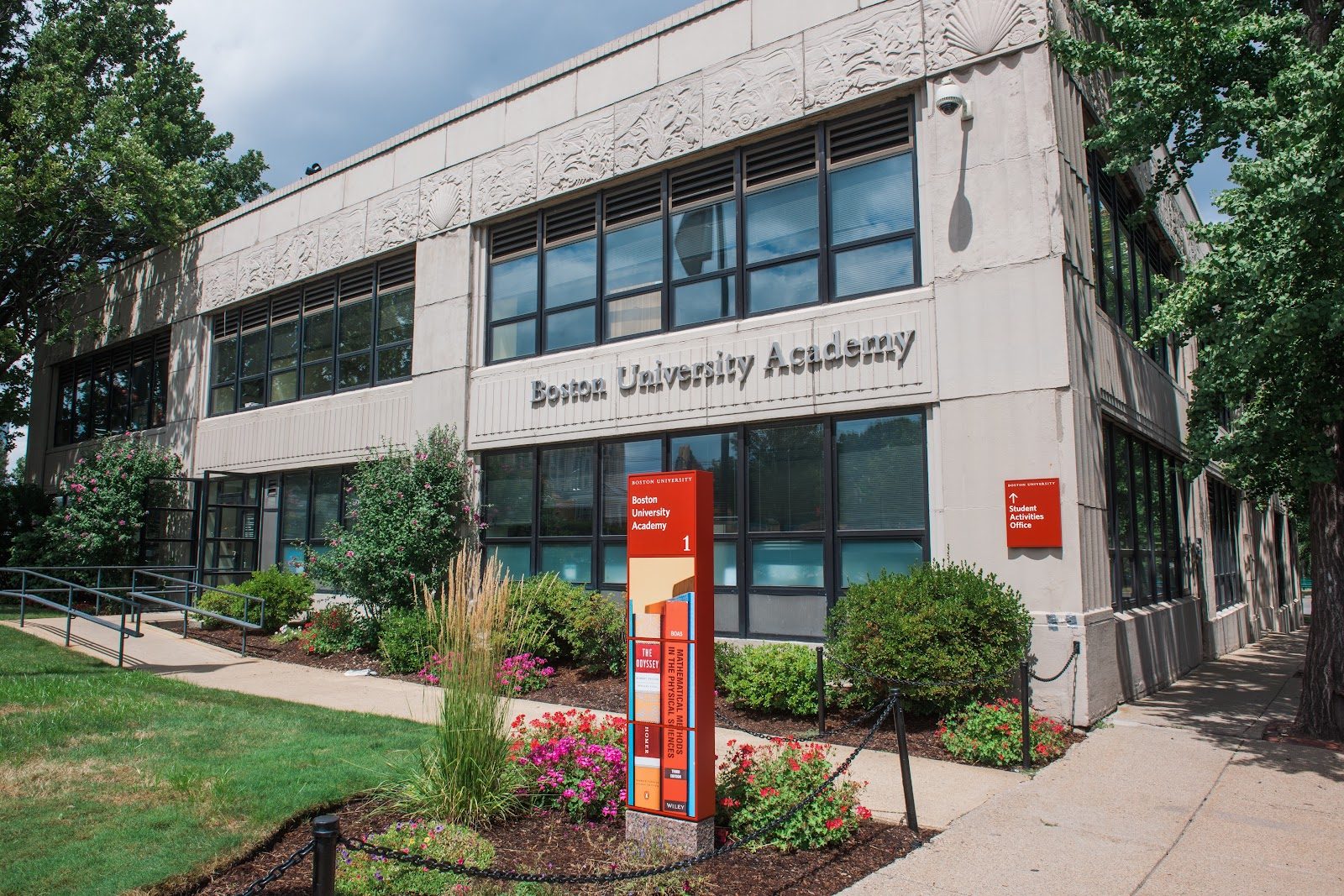
Boston University Academy
Boston · United States
Upperclassmen trade study halls for Boston University lecture halls, banking college credit before graduation.
Same country and curriculum — closest matches within ±10 points either way