
Gauteng
A Johannesburg boarding campus where teens from 47 African nations run real ventures under a pan-African, entrepreneurship-driven curriculum.
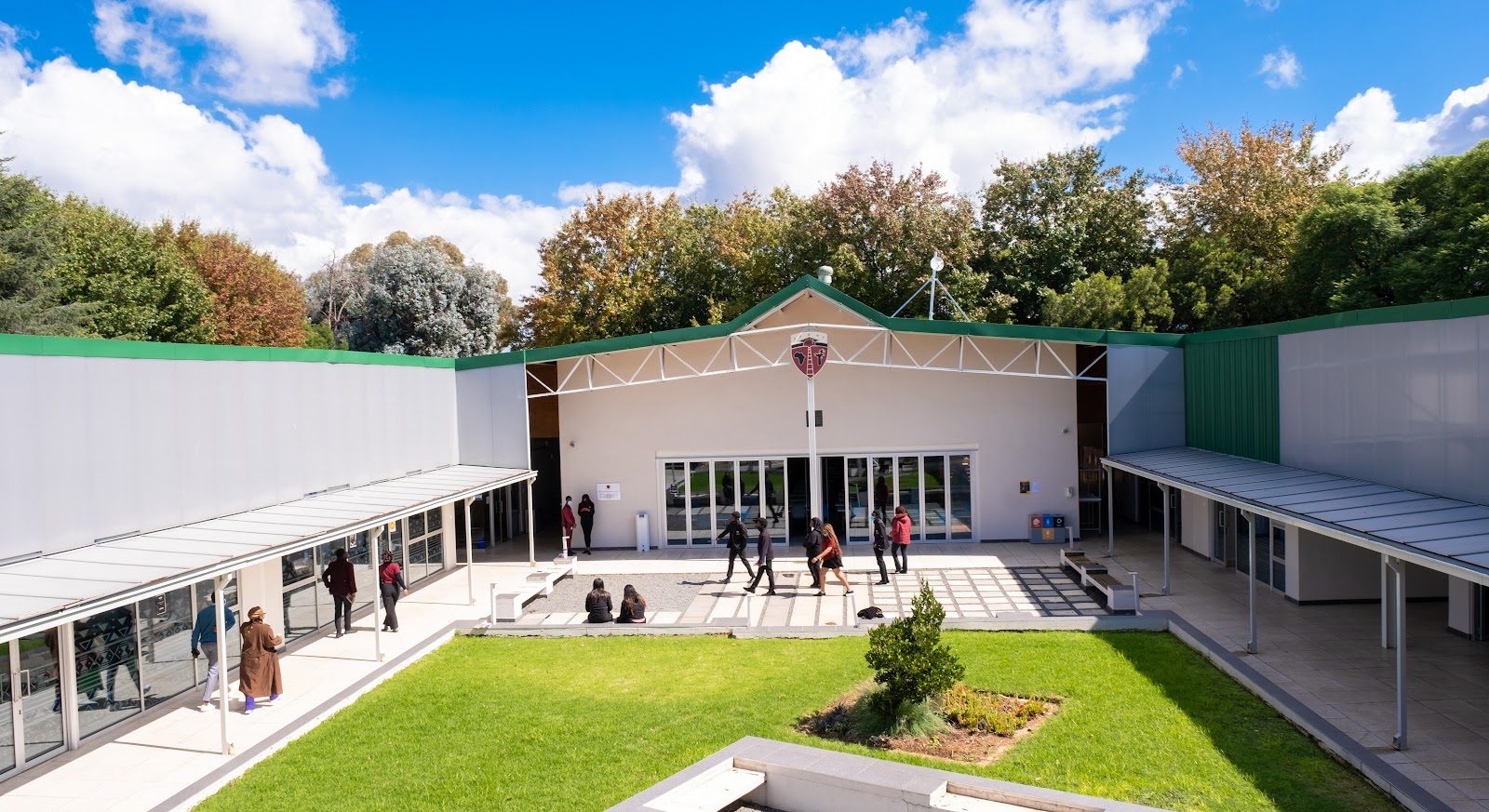
Photo © African Leadership Academy via Google Maps
Type
Boarding
Ages
16–19
Curriculum
IB
Ratio
—
The Verdict
Editor's commitment
Right for
Sixth-formers aged 16–19 who want boarding in Johannesburg, the IB, and a pan-African cohort spanning 47 countries.
Wrong for
Families wanting a conventional day school, younger entry than 16, or a broad university-destinations list beyond AFDA and Africa University.
Watch out for
The average boarding fee is $30,900, admission is 4%, and 95% receive aid — this is selective, mission-driven and financially dependent on support.
Ranking breakdown
African Leadership Academy · #242 of 1591
Composite score 73.4. 8 weighted criteria.
By criterion
Academic Outcomes
Weight 20%
#293
of 1529 scored
University Placement
Weight 16%
#187
of 1529 scored
Prestige & Heritage
Weight 12%
#597
of 1571 scored
Alumni Network
Weight 12%
#597
of 1530 scored
Facilities
Weight 12%
#559
of 1534 scored
Transparency & Communications
Weight 8%
#123
of 1532 scored
Peer & Industry Review
Weight 10%
#66
of 1548 scored
Admissions Selectivity & Demand
Weight 8%
#282
of 1529 scored
Score history
African Leadership Academy · 2026
Movement across 2024–2026. Peer average overlaid.
Overall — 2024–2026
73.4/ 100
▲ +31.7 vs 2025
year on year
Peer & Industry Review
How African Leadership Academy is regarded in the sector
82
Strong · medium confidence
African Leadership Academy is frequently covered in international press (The New York Times, Forbes, CNN) as a standout pan-African institution known for sending nearly all graduates to top global universities and producing notable young entrepreneurs and leaders, giving it strong reputational visibility among global education and philanthropy circles. It is less commonly referenced in South Africa-specific 'best schools' rankings (e.g., Sunday Times School of the Year) since it positions itself as pan-African rather than a domestic prep school, but its alumni network and specialist press coverage (e.g., Forbes 30 Under 30 Africa lists, Echoing Green/Ashoka features) indicate a robust, well-regarded reputation among peer institutions and education innovators.
Evidence sources
Editors' overview
African Leadership Academy is not a conventional international boarding school with an African setting bolted on. It is a two-year residential campus in Johannesburg for students aged 16 to 19, built around a pan-African intake and an explicit leadership and entrepreneurship mission. The school says it has enrolled 1,865 students since 2008 from more than 43,000 applicants, with a 4% acceptance rate and students drawn from 47 African countries. That breadth matters. Few schools can match the continental mix, and fewer still make it the organising principle of the experience. For the right student, that creates an education that is intense, political and outward-facing rather than sheltered or conventional.
The academic frame is IB, with IBO and Cambridge accreditation, and the school couples that with a large ecosystem of leadership programmes, university guidance and student life built for boarders. This is not a school for families who want a broad menu of pathways or a soft landing into sixth form. It is purpose-built and selective. The website foregrounds entrepreneurs, diplomats, scientists, artists and educators; that is not branding fluff so much as a statement of who the school is trying to recruit. The Anglican foundation is part of the identity, but the stronger defining feature is the expectation that students will build, lead and organise. Parents who want conventional prestige markers need to accept a limit here: the school does not publish a long destinations roster in the information we have seen, and the recent named destinations are modest in scale, including AFDA, Africa University and African Leadership College Mauritius.
At an average annual boarding fee of $30,900, African Leadership Academy sits in an unusual position. It is expensive in absolute terms, but for a fully boarding, high-selectivity international school with a continent-wide recruitment model and 95% of students receiving financial assistance, it operates with a social mission that most premium schools do not share. That financial-aid figure tells you as much about the school as the fee does: this is a place built to assemble talent, not just to serve affluent local or expatriate families. It belongs on a shortlist for academically strong, mission-driven teenagers who want peers from across Africa, can tolerate a demanding residential environment, and have a real appetite for enterprise, public leadership and debate. It is not for the faint-hearted, and that is exactly its point.
Academic Performance
African Leadership Academy does not publish aggregate IB results, average point scores, or subject-level outcomes. That is a real gap. In a market where strong sixth-form schools use exam data to prove academic strength, ALA asks families to infer quality from selectivity, alumni scholarship totals and university reach instead of from hard attainment figures. That weakens direct comparison with established IB peers in South Africa and with global boarding schools that release mean diploma scores, pass rates and top-score counts. For a school built for high-agency students and an intellectually demanding residential experience, the absence of transparent exam reporting stands out.
What the school does publish points in a different direction: a student body drawn from across the continent, a long list of leadership and venture outcomes, and alumni spread across 342 universities in 59 countries, with 390 progressing to postgraduate study. Those are serious downstream indicators, but they are not exam results. They tell parents that ALA is mission-led and outcomes-conscious; they do not tell them whether the classroom programme sits in the top academic tier of IB boarding schools. The editorial verdict is clear: this is a school with exceptional distinctiveness and credible long-term impact, but opaque short-term academic metrics. Families who rank published examination performance above leadership formation will find stronger transparency elsewhere.
Facilities
African Leadership Academy’s facilities are framed less around grand hardware than around residential intensity and programme infrastructure. The school has a dedicated Johannesburg campus for older teenagers, with academics, residential life and university guidance woven into one site. That matters. At this age, peer schools compete with polished theatres, aquatic centres and sprawling sports complexes; ALA’s public case rests elsewhere. The important assets are the boarding environment, the systems that support a tightly managed student community, and the machinery around leadership programmes, venture work and post-school placement. For families hunting for a conventional luxury-boarding estate, the published picture is thin. The school does not foreground specialist labs, performance venues, sports provision or estate scale, and that lack of detail leaves a real blind spot.
Against peers, that puts ALA in a distinctive category. Schools with a similar fee level and older-student boarding model often publish exhaustive campus inventories because facilities are part of the sell. ALA sells access to a pan-African student body and a high-pressure culture of initiative. That is a deliberate trade-off. The website points parents towards residential life, university guidance and an ecosystem of named programmes rather than toward bricks-and-mortar spectacle. If your child needs elite sports infrastructure or deep arts provision, ask hard questions. If they need a campus built for ambitious boarders from 47 countries to live, debate and build things together, ALA has the more mission-specific offer.
African Leadership Academy is not a conventional international boarding school with an African setting bolted on
Prestige
African Leadership Academy carries real prestige, but not the conventional kind parents buy for name recognition alone. Its status rests on scarcity, reach and mission. Admission is brutally selective, with a published acceptance rate of 4%, and the intake spans 47 countries across the continent. That gives ALA a rare standing: it is one of the few schools in Africa whose peer group is itself part of the value. Students are not entering a local senior school with international branding; they are entering a deliberately assembled network of ambitious African teenagers, and that network has weight. The school’s claims about alumni ventures, postgraduate progression and scholarships reinforce that picture of serious ambition and continental influence.
That said, prestige here is specialist rather than universal. ALA has strong recognition in philanthropy, social entrepreneurship, African leadership circles and among universities that value drive, initiative and public purpose. It has less of the old-world cachet attached to famous British boarding schools or the exam-driven reputations of top global IB operators. The school does not publish the academic score data that would settle its standing in purely scholastic terms, and that limits its authority with families who equate prestige with league-table clarity. Our rating stays high because the institution has built a distinctive elite around talent selection and network effects, not inherited brand glamour. That is hard-earned prestige, not decorative prestige.
At an average annual boarding fee of $30,900, African Leadership Academy sits in an unusual position
Communications
Parent communication is functional, mission-heavy and more outward-facing than family-facing. The website gives clear signposts to academics, residential life, university guidance, contact details and admissions, and it publishes an annual report for anyone who wants institutional detail rather than slogans. It also runs active public channels in three languages and uses them to project stories, programmes and alumni impact across the continent. That suits the school’s identity, but it does not amount to high-clarity parent communications. Families choosing a residential school for older teenagers need practical visibility on day-to-day life, academic tracking, pastoral systems, routines and escalation routes. That level of operational detail is not prominent. The communications style is cause-driven, public-facing and at times thin where parents need substance.
What the school does communicate, it communicates with confidence: selectivity, breadth of intake, financial aid reach and an alumni pipeline built around leadership and action. Those messages are consistent and memorable. The weakness is balance. There is a lot on institutional purpose and downstream impact, and less on the mechanics of living and studying on campus. For a family comfortable with an intense, self-propelling culture, that may not deter. For parents who want routine transparency from a boarding school, it will. The net result is mixed: strong storytelling, a coherent public narrative and visible contact points, but limited evidence of the granular reassurance many parents expect when their child will live away from home.
Uniqueness
What sets African Leadership Academy apart is not a slogan about “global citizens” but a hard admissions and community design built around one constituency: ambitious teenagers from across Africa. The student body is assembled continent-wide, financial aid is central rather than peripheral, and the institution treats leadership, venture-building and public purpose as daily work, not enrichment on the side. That creates a rare social mix: students live with peers shaped by different school systems, political conditions and economic realities, then test their ideas against one another in close quarters. The result is a sixth-form experience that is far more charged than the polished, insulated culture of many international boarders. ALA’s own figures underline the scale of that model: students have gone on to 342 universities in 59 countries, and alumni have started 852 ventures.
For students, that uniqueness brings two clear advantages. First, the peer group functions as an education in itself. A teenager with real drive gets a network that stretches across the continent and into universities, NGOs, start-ups and public institutions. Second, the school validates action. Teenagers who want to launch projects, organise campaigns, build products or pursue social impact find a culture that treats that impulse as normal. The trade-off is plain: this is not a soft, cosseting school, and it does not offer the broad, easy-going identity of a conventional premium campus. It offers a high-pressure, mission-driven environment where the right student can grow fast.
African Leadership Academy does not publish aggregate IB results, average point scores, or subject-level outcomes
Student Profile
The right student for African Leadership Academy is not a passive high-achiever collecting credentials. ALA suits teenagers with serious internal drive, sharp opinions and the stamina to live in a community built around ambition rather than comfort. The intake spans 47 African countries, so fit depends as much on temperament as on ability: students need curiosity about other people’s realities, tolerance for disagreement and enough maturity to handle constant comparison with equally driven peers. This is a school for pupils who start things, argue their case, recover from setbacks and keep moving. It will suit young people drawn to enterprise, civic questions, social impact and leadership with practical consequences. It will not suit students who want anonymity, heavy hand-holding or a quiet final stretch before university.
There is also a clear moral and social dimension to the student profile. With 95% receiving financial assistance, the school draws students through a talent-and-opportunity lens rather than as a simple enclave of wealth. That changes the culture. A teenager who fits here needs to be comfortable in a high-pressure, mission-first environment where peers have lived very different lives and bring that seriousness with them. The strongest match is a student who is academically capable, emotionally robust and outward-facing: someone who wants their education tied to action, not just grades. The wrong fit is easy to spot — anyone looking for a cosseted, conventional boarding experience with prestige as the main prize.
The editorial verdict is clear: this is a school with exceptional distinctiveness and credible long-term impact, but opaque short-term academic metrics
Co-curricular strengths
Arts & sport, on a separate axis
Overall 7.7/10
Scored 0-10 from the school's own published evidence. This axis is editorial-only — it does not feed the main WTS ranking.
Sports
7.5/10
The profile and basketball, football/soccer, athletics and volleyball, and Wikipedia also cites a dedicated sports field, which clears the notable-strength band via a named facility plus multiple competitive sports.
Drama
8/10
The extracurriculars explicitly include drama productions, and a 450-seat auditorium, so the school has both an active programme and a dedicated performance facility.
Dance
8/10
Music
8/10
Choir is offered, showing a defined music offering with visible participation, but no specialist music staff, department or dedicated music facility is evidenced.
Visual Arts
7/10
Editor first-pass · editor-reviewable · 7/28/2026
Outcomes & destinations
Where students go next
Top destinations
165 placements
- AFDA· 1
- Africa University· 1
- African Leadership College Mauritius· 1
- African Leadership University Rwanda· 1
- Alexandria University· 1
- Ashesi University· 1
- Kyambogo University· 1
- National University of Science and Technology (Zimbabwe)· 1
- Pan-Atlantic University· 1
- Stellenbosch University· 1
- The American University in Cairo· 1
- The German University in Cairo· 1
- Unicaf University Zambia· 1
- United States International University Africa· 1
- University of Cape Town· 1
- University of Kinshasa· 1
- University of Lusaka· 1
- University of Pretoria· 1
- University of South Africa· 1
- University of the Witwatersrand (Wits)· 1
- University of Zambia· 1
- Villiotti Fashion Institute· 1
- Albukhary International University· 1
- Ashoka University· 1
- Datta Meghe Institute for Higher Education and Research· 1
- Duke Kunshan University· 1
- ESSEC Business School Singapore· 1
- Gandhi Institute of Technology and Management· 1
- Hong Kong Baptist University· 1
- Plaksha University· 1
- Ritsumeikan Asia Pacific University· 1
- Yale-NUS· 1
- Yamanashi Gakuin University· 1
- Yonsei University· 1
- American College in Greece· 1
- American University of Paris· 1
- Bursa Uludağ University· 1
- CBS International Business School· 1
- Constructor University· 1
- De Montfort University· 1
- Instituto de Empresa· 1
- King’s College London· 1
- London School of Economics· 1
- Nova University of Applied Sciences· 1
- Schiller International University· 1
- Sciences Po Paris· 1
- Swansea University· 1
- Universita Bocconi· 1
- University College London· 1
- University of Buckingham· 1
- University of Essex· 1
- University of Manchester· 1
- University of Paris 1 Panthéon-Sorbonne· 1
- University of Westminster· 1
- Vistula University· 1
- Webster University Athens· 1
- American University of Beirut· 1
- Carnegie Mellon University Qatar· 1
- Georgetown University Qatar· 1
- New York University Abu Dhabi· 1
- Northwestern University Qatar· 1
- Agnes Scott College· 1
- American University· 1
- Augustana University· 1
- Babson College· 1
- Bard College· 1
- Barnard College· 1
- Bates College· 1
- Bennington College· 1
- Bentley University· 1
- Berea College· 1
- Boston University· 1
- Bowdoin College· 1
- Brandeis University· 1
- Brown University· 1
- Bucknell University· 1
- Caldwell University· 1
- California Institute of Technology· 1
- Carleton College· 1
- Case Western Reserve University· 1
- Centre College· 1
- Chapman University· 1
- Claremont McKenna College· 1
- Colgate University· 1
- College of Saint Rose· 1
- Columbia University· 1
- Connecticut College· 1
- Cornell College· 1
- Cornell University· 1
- Dartmouth College· 1
- Davidson College· 1
- DePaul University· 1
- DePauw University· 1
- Drexel University· 1
- Duke University· 1
- Earth University· 1
- Franklin & Marshall College· 1
- Grambling State University· 1
- Hamilton College· 1
- Haverford College· 1
- Hult International Business School· 1
- Johns Hopkins University· 1
- Kent State University· 1
- Kenyon College· 1
- Lake Forest College· 1
- Lehigh University· 1
- Lesley University· 1
- Macalester College· 1
- Memorial University of Newfoundland· 1
- Miami University of Ohio· 1
- Michigan State University· 1
- Middlebury College· 1
- Minerva University· 1
- Morehouse College· 1
- New York University· 1
- Northwestern University· 1
- Nova Southeastern University· 1
- Oberlin College· 1
- Pomona College· 1
- Pratt Institute· 1
- Princeton University· 1
- Purdue University· 1
- Rhodes College· 1
- Rice University· 1
- Robert Morris University· 1
- Saint Mary’s College· 1
- Skidmore College· 1
- Smith College· 1
- St. George’s University· 1
- St. Olaf College· 1
- Stevens Institute of Technology· 1
- SUNY Oswego· 1
- Swarthmore College· 1
- Texas Christian University· 1
- The College of Wooster· 1
- Trinity College· 1
- Tufts University· 1
- University of Arkansas Pine Bluff· 1
- University of British Columbia Okanagan· 1
- University of Calgary· 1
- University of Chicago· 1
- University of Delaware· 1
- University of Denver· 1
- University of Fraser Valley· 1
- University of Kansas· 1
- University of Michigan· 1
- University of North Carolina at Chapel Hill· 1
- University of Notre Dame· 1
- University of Pennsylvania· 1
- University of Richmond· 1
- University of Rochester· 1
- University of South Carolina· 1
- University of Toronto· 1
- University of Wisconsin - Green Bay· 1
- Vanderbilt University· 1
- Virginia Polytechnic Institute and State University· 1
- Washington and Lee University· 1
- Washington University in St. Louis· 1
- Wellesley College· 1
- Wesleyan University· 1
- Westminster College· 1
- Whitman College· 1
- Xavier University· 1
- Yale University· 1
- York University· 1
Reported by the school. Confirm with admissions.

WTS 300 badge
2025/26 editionAfrican Leadership Academy is one of the World's Top 300 Schools for 2025/26. Claim your listing to add it to your site →
Strengths
- +Highly selective network: Since 2008, ALA has enrolled 1,865 students from over 43,000 applicants; a 4% acceptance rate representing the widest range of African diversity.
- +Needs-based aid is extensive: 97% of ALA students receive financial assistance. Since welcoming the first class in 2008, ALA has always met 100% of demonstrated need for all admitted students.
- +Strong university placement record: Since 2010, alumni have enrolled at 342 universities in 59 countries around the world and have accepted $270 million in university scholarships.
- +Alumni have gone on to notable recognition, including ALA alumnus Eddie Ndopu '08 appointed to the United Nations Foundation's Board of Directors in December 2021 and alumnus Kudzai Mbinda '16 named a Rhodes Scholar-Elect to pursue a master's degree at Oxford.
- +Distinctive academic core: most students attend ALA for the two year pre-university course, based on the Cambridge A Levels and ALA's unique curricula in Entrepreneurial Leadership, African Studies and Writing and Rhetoric.
Considerations
- −The programme is Cambridge International-based rather than a full IB Diploma: in addition to the core curriculum, students also complete two or three Cambridge A-Level courses.
- −Admission is narrow by design: only 120 students are admitted each year (out of thousands of applicants) so the impact is somewhat limited.
- −Location is remote from the city centre: the campus is located in Honeydew, on the outskirts of Johannesburg, and as a large city, Johannesburg suffers from increasing crime and congestion.
- −ALA is not a conventional K-12 school: African Leadership Academy offers a two-year residential program for teenagers: the ALA Diploma Program.
Availability
Primary entry gate & tests
Leadership Essay + Interview
Gallery
Photo © African Leadership Academy via Google Maps
Photo © Marwan Elsayed via Google Maps
Photo © Marwan Elsayed via Google Maps
Photo © Marwan Elsayed via Google Maps
Photo © Marwan Elsayed via Google Maps
Photo © Marwan Elsayed via Google Maps
Photo © Marwan Elsayed via Google Maps
Photo © Marwan Elsayed via Google Maps
Photo © Marwan Elsayed via Google Maps
Parent reviews
Have you sent your child here?
Voice reviews carry the strongest trust badge — we transcribe them for you to tidy up before they go live. Prefer to type? A written review is fine too.
Add your voice
In 60 seconds, tell other parents: what's the best thing about African Leadership Academy, and what surprised you when your child joined?
We ask for a Google sign-in so every review has a real face behind it — no anonymous drive-by attacks on schools, and no faked positive reviews. Your email is never shown publicly.
Send this profile to a friend
International parents rely on word-of-mouth. Share this review with someone weighing the same decision.
Schools with places
Similar schools to African Leadership Academy with places available now.
Dhirubhai Ambani International School
Mumbai · India
- 2026-27
- WAITPOOLVacancy-dependent
- 2027-28
- WAITPOOLEnquiry/app live (Dates TBC)
Shrewsbury International School Bangkok
Bangkok · Thailand
- 2026-27
- WAITPOOLSpace-dependent
- 2027-28
- PLACES OPENRolling
Dubai English Speaking College
Dubai · United Arab Emirates
- 2026-27
- CLOSEDStandard route
- 2027-28
- OPENS SOONOpens Sept '26
Marlborough College Malaysia
Johor · Malaysia
- 2026-27
- WAITPOOLVacancy-dependent
- 2027-28
- PLACES OPENRolling
Availability first, then country, area, curriculum, price, co-curricular
Consider also
Also worth looking at alongside African Leadership Academy.

Hilton College
Hilton · South Africa
On a 1,700-hectare Midlands estate with its own game reserve, seven boarding houses have shaped South African boys since 1872.

St Andrew's College
Makhanda · South Africa
On the Eastern Cape frontier since 1855, house tradition and shared classes with a sister school shape a distinct boarding life.
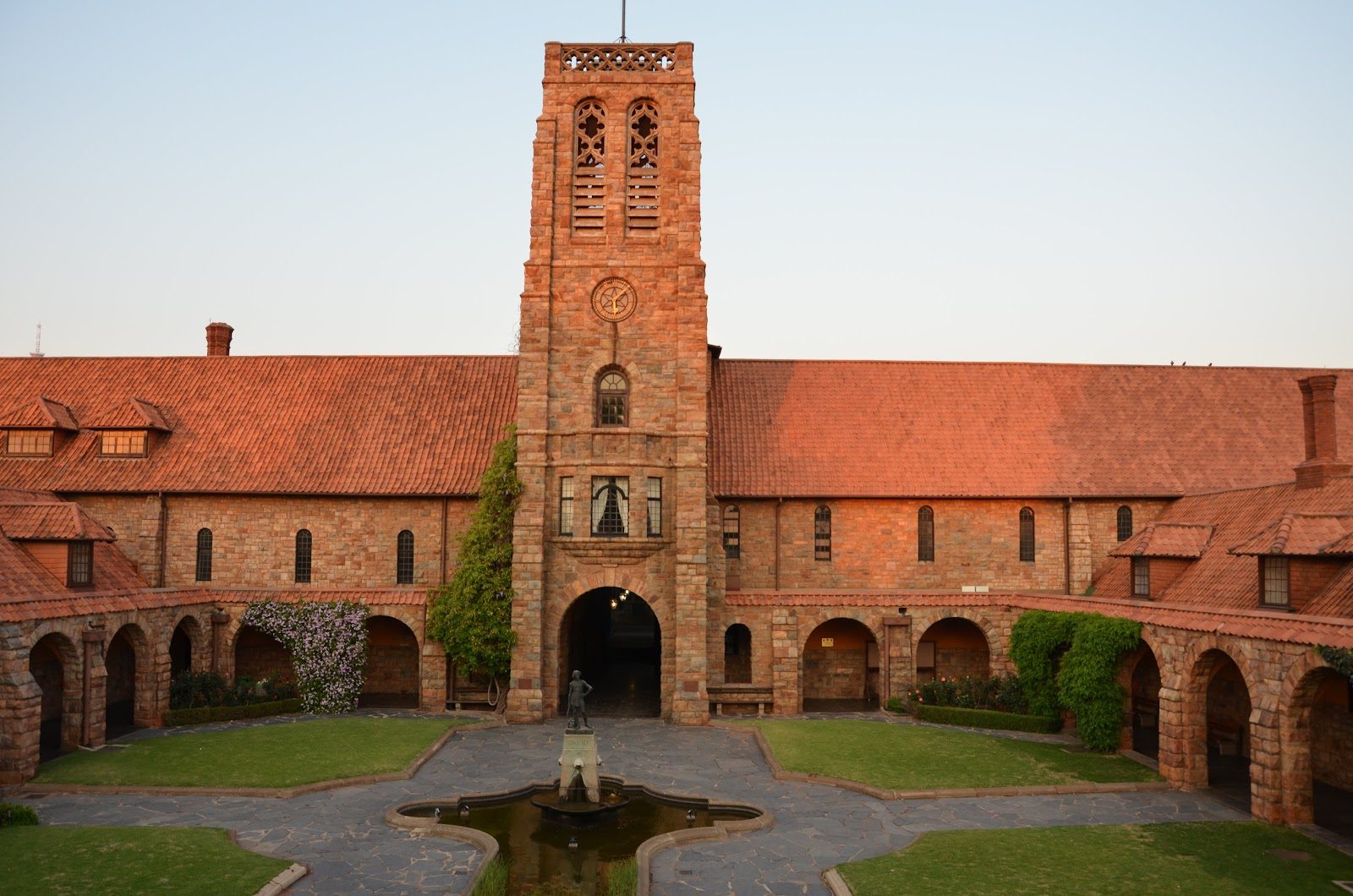
St John's College
Johannesburg · South Africa
Founded twelve years after the Witwatersrand gold rush, this Anglican boarding college blends Herbert Baker quadrangles with a four-house pastoral tradition
Roedean School South Africa
Johannesburg · South Africa
Founded in 1903 by two Cambridge-educated pioneers, this all-girls boarding school still occupies its original Herbert Baker campus in Parktown.
Same country and curriculum — closest matches within ±10 points either way