
Colorado
Colorado Academy
low confidence· 1/6 cats · 2.5 avg sourcesA 94-acre wooded campus below the Rockies where week-long Interim trips turn the outdoors into a classroom.

Photo © Colorado Academy via Google Maps
Type
Day
Ages
3–18
Curriculum
American
Qualifications
US High School Diploma
Ratio
8:1
The Verdict
Editor's commitment
Right for
Families who want a 3–18 American day school on a 94-acre Denver campus, with an 8:1 ratio and outdoors woven in.
Wrong for
Parents seeking boarding, religious formation or a British or IB pathway; Colorado Academy is a non-religious American day school founded in 1906.
Watch out for
The average annual fee is $42,057, and the school sells a future-focused liberal-arts education more clearly than it publishes hard outcome data.
Ranking breakdown
Colorado Academy · #334 of 1591
Composite score 71.6. 8 weighted criteria.
By criterion
Academic Outcomes
Weight 20%
#451
of 1533 scored
University Placement
Weight 16%
#459
of 1529 scored
Prestige & Heritage
Weight 12%
#442
of 1580 scored
Alumni Network
Weight 12%
#288
of 1530 scored
Facilities
Weight 12%
#324
of 1540 scored
Transparency & Communications
Weight 8%
#392
of 1547 scored
Peer & Industry Review
Weight 10%
#401
of 1564 scored
Admissions Selectivity & Demand
Weight 8%
#489
of 1529 scored
Peer & Industry Review
How Colorado Academy is regarded in the sector
72
Respected · medium confidence
Within Colorado, Colorado Academy is consistently mentioned alongside Kent Denver School as one of the two leading independent day schools in the Denver metro, with Kent Denver generally regarded as the closer academic and athletic rival. It holds standard NAIS and ISACS accreditation and participates in the normal circuit of independent-school conferences, but it does not feature prominently in national or international press coverage, WhichSchoolAdvisor, or the Good Schools Guide, which focus overwhelmingly on UK and boarding-heavy US institutions. University admissions offices treat it as a solid, unremarkable regional feeder rather than a marquee name; its graduates are well represented at strong flagship state universities and mid-tier selective colleges rather than concentrated at Ivy League institutions. Local press, notably Denver-area lifestyle and education rankings, regularly places it among the city's top private schools, but this recognition is civic rather than national. In short, its reputation is real but geographically bounded: respected by Denver peers, functionally invisible on the wider independent-school and elite-university radar.
Editors' overview
A 94-acre wooded campus in Denver gives Colorado Academy room to do something many urban American day schools cannot: treat the outdoors as part of the timetable rather than a weekend add-on. The school runs from age 3 to 18, remains resolutely day-only, and uses that land to support an American liberal-arts curriculum with a strong experiential streak. The headline feature is Interim, the week-long trip and project programme that pushes learning off campus and into the field. That matters because plenty of schools talk about interdisciplinary learning; Colorado Academy has built a structure for it. Founded in 1906, it has had time to refine the model without calcifying into ceremony-heavy tradition.
This is a school for families who want ambition without a hothouse boarding-school atmosphere. The 8:1 student-teacher ratio points to real adult attention, and the absence of a religious affiliation widens its appeal in a city where independent-school options can split sharply by ethos. NAIS accreditation gives it the expected independent-school stamp, but the more useful point is cultural: Colorado Academy puts a premium on self-direction, adventurous learning and the ability to move between classroom disciplines with ease. At an average annual day fee of $42,057, it sits in the expensive end of the Denver market, so parents are paying for breadth of experience as much as for small classes.
Why shortlist it? Because it offers a distinctive version of American independent education: academically serious, outward-looking, and less obsessed with polish than with engagement. The students who thrive here will not want a narrow exam factory or a socially grand institution built around old rituals. They will want a school with space, movement and intellectual range; children who enjoy arts, team life, outdoor education and cross-subject thinking will find more to work with here than at a tighter, more conventional campus. For highly status-conscious families who want published trophy metrics above all else, Colorado Academy gives less public ammunition: the school does not publish exam outcomes or university-placement data in the information we have seen. For the right student, though, that restraint is part of the appeal. This is a grounded, forward-facing school for engaged, energetic children who learn best by doing, not just by sitting still.
Academic Performance
Colorado Academy gives parents less hard proof than many schools competing at this fee level. The school states that 100 percent of graduates are accepted to four-year colleges. That confirms a consistent route into higher education, but it is a broad-brush outcome, not a serious academic metric on its own. There are no public aggregate figures for SAT or ACT performance, no AP score profile, no IB data, no subject-by-subject pass rates, and no university destination breakdown beyond the all-college claim. In a market where selective independents often use external results to signal academic firepower, that level of disclosure is thin.
That does not place Colorado Academy in a weak academic tier; it places it in an opaque one. The school’s structure points to solid classroom conditions, and families already drawn to its experiential model may accept fewer published scoreboards in exchange for a broader education. Still, relative to peers that publish detailed exam distributions and named matriculation lists, Colorado Academy gives parents less to interrogate. The message is clear: this is not a school selling itself on trophy statistics. For families who want externally benchmarked evidence of top-end academic stretch, that is a real limitation. For families who value college access, interdisciplinary teaching and a less numbers-driven culture, the omission will matter less.
Facilities
The campus is the headline facility here, and not in the token “playing fields plus a few trees” sense. Colorado Academy has a 94-acre wooded site with enough scale to give each division real room and to support outdoor learning as a built-in part of school life. That matters. Many urban day schools talk about experiential education while operating on cramped footprints that force sport, fieldwork and informal student life into hired venues or tight rotations. Here, the grounds themselves are an educational asset. The school also benefits from a full three-division structure on one site, which gives it the self-contained feel of a complete institution rather than a fragmented campus spread across separate blocks. Average class sizes are kept to 15, with a cap of 20, which points to teaching spaces designed for discussion and close supervision rather than lecture-style throughput.
Against peer independent day schools, the facilities package is strong where it counts but less showy than the grandest East Coast prep campuses. The school defines itself around academics, arts and athletics, and the physical setup supports that broad brief. Families choosing Colorado Academy are buying access to space, movement and a campus that can absorb trips, performances, games and daily school life without strain. The key distinction is not marble foyers or architectural theatre; it is usable breadth. For children who learn better in motion than in confinement, that gives Colorado Academy a meaningful edge over denser city-campus rivals.
What sets Colorado Academy apart is not a single flagship department but the way the school treats experience as method
Prestige
Colorado Academy carries solid regional prestige and a more limited national aura. In Denver, it sits in the top conversation: long-established, selective enough to matter, expensive enough to signal commitment, and broad enough in arts, sport and academics to function as a full independent-school ecosystem rather than a niche boutique. The college-preparatory identity helps, and the school’s claim that 100 percent of graduates gain admission to four-year colleges reinforces confidence among local families. So does the professional depth of the teaching body: faculty average 16 years of classroom experience, and advanced degrees are common. This is not a school trading on novelty or a flashy imported brand. It has earned standing in its own market.
The ceiling on prestige is clear. Colorado Academy does not project the nationally dominant profile of America’s most coveted independents, and it does not publish the kind of external performance data that turns reputation into hard status. Parents get no public SAT or ACT profile, no aggregate AP outcomes, and no detailed matriculation list to elite universities. That weakens its prestige with families who judge schools by bragging-rights metrics. What Colorado Academy offers instead is a confident local reputation: well-known, well-resourced, and respected for producing capable, active students rather than cultivating an aura of exclusivity for its own sake. That is real prestige, but it is grounded prestige, not glamour.
That matters because plenty of schools talk about interdisciplinary learning; Colorado Academy has built a structure for it
Communications
Colorado Academy communicates like a school that expects parents to stay closely engaged. The public-facing site does the practical work cleanly: a prominent news and calendar structure, quick links, search, and a steady stream of dated school updates rather than a dead admissions brochure frozen in time. That matters. Parents can see the cadence of school life, from assemblies to division-specific schedule changes and major events, without digging through clutter. The range of items on show also tells you something about tone: this is a community that foregrounds student experience, trips, commencements, faculty recognition and everyday operations, not just fundraising gloss. The result is competent, active and reassuringly unflashy.
The limitation is depth. Colorado Academy gives families a clear sense of what is happening, but less public evidence of how the school explains performance, strategy or outcomes. We have seen regular news flow and logistical visibility; we have not seen the same level of published detail on academic results or institutional self-scrutiny. For current parents, that gap may be filled through direct school channels, meetings and division-level contact, and the school’s small-class culture supports that expectation. For prospective parents assessing transparency from the outside, the communications are warm but controlled: strong on community rhythm, thinner on hard accountability. In practice, that makes communication effective operationally and less satisfying analytically. Families who want a vivid picture of daily life will get it. Families who want forensic data will need to ask.
Uniqueness
What sets Colorado Academy apart is not a single flagship department but the way the school treats experience as method. Interim is the clearest expression of that. A dedicated week of trips and projects gives learning a different tempo from the standard American college-prep routine and turns off-site work into a serious part of schooling rather than an enrichment extra. The school also runs on a trimester system and a six-day rotating timetable, which creates a more varied academic rhythm than the conventional weekly pattern. Add the broad institutional commitment to academics, arts and athletics, and students get a programme that resists early narrowing. That matters for children with wide interests, and for families who want a school that prizes range over tunnel vision.
The other point of difference is cultural. Colorado Academy serves families across 65 Denver-area ZIP codes, which gives it a broader catchment than many socially tight independent schools. Financial aid reaches 190 students, and that lends the community more economic variation than parents might expect at this price point. Combined with a mission built around curiosity, kindness, courage and adventure, the result is a school with a less mannered, less status-anxious tone than many expensive peers. Students gain room to test themselves across disciplines, outdoors and in groups, without the airless polish that can flatten school life elsewhere.
Colorado Academy gives parents less hard proof than many schools competing at this fee level
Student Profile
Colorado Academy suits children who want a full school life rather than a narrow academic lane. The school’s three-part identity in academics, arts and athletics is not decorative; it asks students to participate, try things and tolerate being stretched in public. The children who do best here are energetic, game for involvement and comfortable moving between classroom work, performances, teams and trips. Interim matters here because it rewards curiosity, independence and a willingness to leave routine behind for a week. So does the rotating timetable, which favours students who can manage variety without needing every day to run on rails. This is not the right environment for a child who wants to keep their head down, do the minimum and disappear into anonymity.
Socially, the fit is broader than at many expensive independents. The school draws from 65 ZIP codes and supports 190 pupils on financial aid, which gives the community more range than the polished enclave model. That does not make it casual or undemanding. It remains a college-prep school with high parental investment and children who are expected to contribute. But the strongest fit is with families who want engaged, outward-looking classmates rather than a brittle pecking order. Children with genuine interests across disciplines, a taste for the outdoors and enough self-possession to use adult attention well will have more room here than at a more buttoned-up school.
That does not place Colorado Academy in a weak academic tier; it places it in an opaque one
Co-curricular strengths
Arts & sport, on a separate axis
Overall 9.3/10
Scored 0-10 from the school's own published evidence. This axis is editorial-only — it does not feed the main WTS ranking.
Sports
9.2/10
Drama
9.5/10
Dance
9.3/10
Music
9/10
Visual Arts
9.5/10
Strengths
- +Small class sizes with an 8:1 student-teacher ratio and an average class size of 15 students across the school.
- +100 percent of graduates report acceptance to four-year colleges, per the school's published outcomes data.
- +Experienced faculty, averaging 16 years of classroom experience, with 92 percent of Upper School teachers holding advanced degrees.
- +Substantial financial aid program, with over $6.1 million distributed annually and about 18 percent of students receiving assistance.
- +Single, spacious 94-acre campus housing all divisions from Pre-K through Grade 12, simplifying logistics for families with multiple children.
Considerations
- −Tuition is a significant commitment, running to $43,420 for Grades 6-12 and rising each year, with no published sibling or multi-year discount.
- −Located in southwest Denver/Lakewood, which can mean a longer commute for families based in central Denver or other suburbs.
- −Admissions require standardized testing (ISEE, SSAT or equivalent) for Grades 6-12, adding a testing hurdle beyond the application itself.
- −As a single, mid-sized day school of just over 1,000 students, it lacks the scale, name recognition, or international boarding options of larger national or global prep schools.
Availability
Primary entry gate & tests
ISEE/SSAT + Interview
Gallery
Photo © Colorado Academy via Google Maps
Photo © Colorado Academy via Google Maps
Photo © anthony arguello via Google Maps
Photo © Colorado Academy via Google Maps
Photo © Colorado Academy via Google Maps
Parent reviews
Have you sent your child here?
Voice reviews carry the strongest trust badge — we transcribe them for you to tidy up before they go live. Prefer to type? A written review is fine too.
Add your voice
In 60 seconds, tell other parents: what's the best thing about Colorado Academy, and what surprised you when your child joined?
We ask for a Google sign-in so every review has a real face behind it — no anonymous drive-by attacks on schools, and no faked positive reviews. Your email is never shown publicly.
Send this profile to a friend
International parents rely on word-of-mouth. Share this review with someone weighing the same decision.
Schools with places
Similar schools to Colorado Academy with places available now.
Blair Academy
Blairstown · United States
- 2026-27
- CLOSEDRegular cycle closed
- 2027-28
- PLACES OPENActive now — opened 1 Aug
Newark Academy
Livingston · United States
- 2026-27
- CLOSEDRegular cycle closed
- 2027-28
- OPENS SOONOpens Sept '26
Delbarton School
Morristown · United States
- 2026-27
- CLOSEDRegular cycle closed
- 2027-28
- OPENS SOONOpens Sept '26
Trinity School
New York City · United States
- 2026-27
- CLOSEDRegular cycle
- 2027-28
- OPENS SOONOpens Sept '26
Availability first, then country, area, curriculum, price, co-curricular
Consider also
Also worth looking at alongside Colorado Academy.
Blair Academy
Blairstown · United States
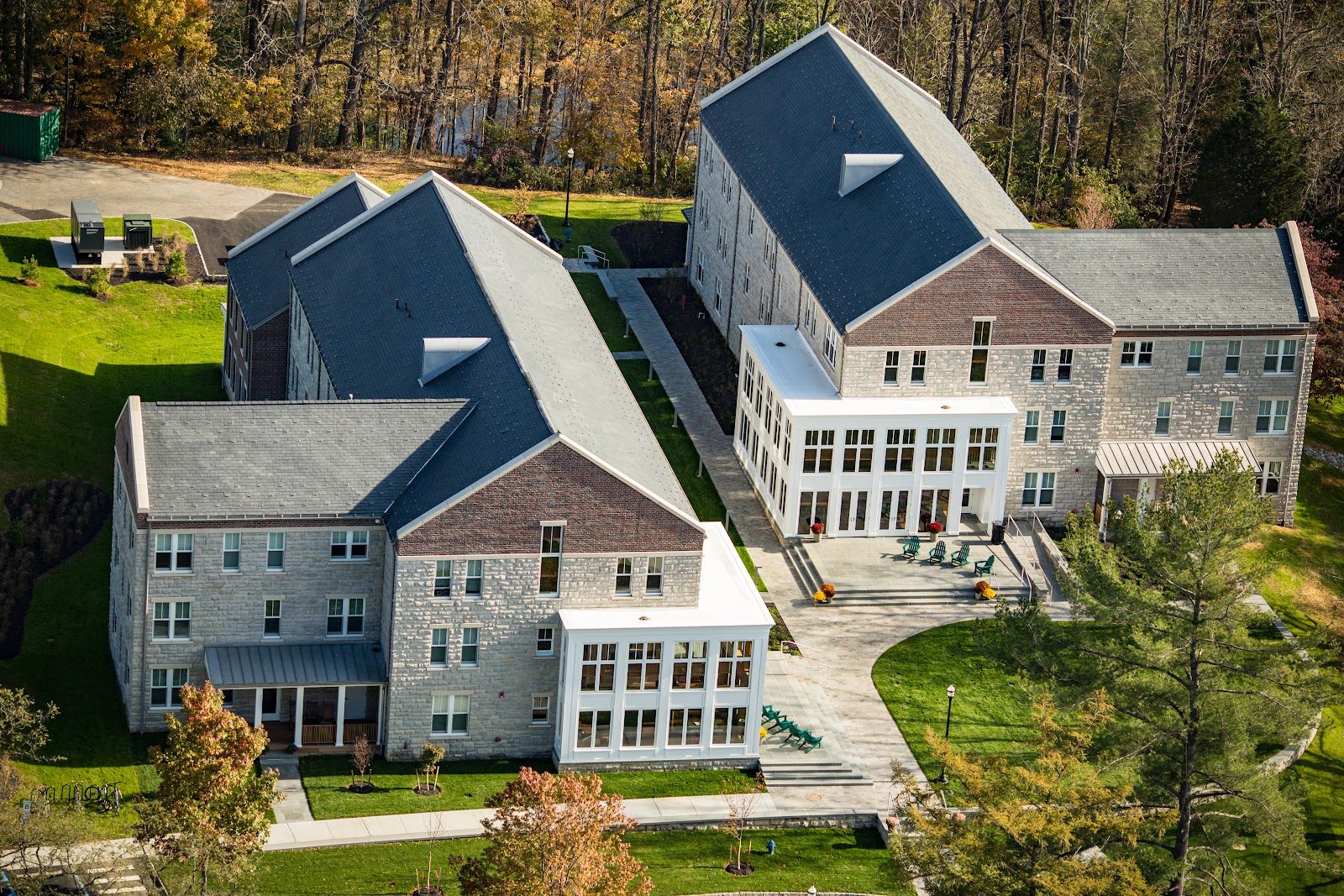
A hilltop New Jersey campus, founded 1848, where the weekly Society of Skeptics turns global debate into a signature course of study

Newark Academy
Livingston · United States
Founded in 1774, this Livingston day school remains New Jersey's only private IB Diploma provider
Delbarton School
Morristown · United States
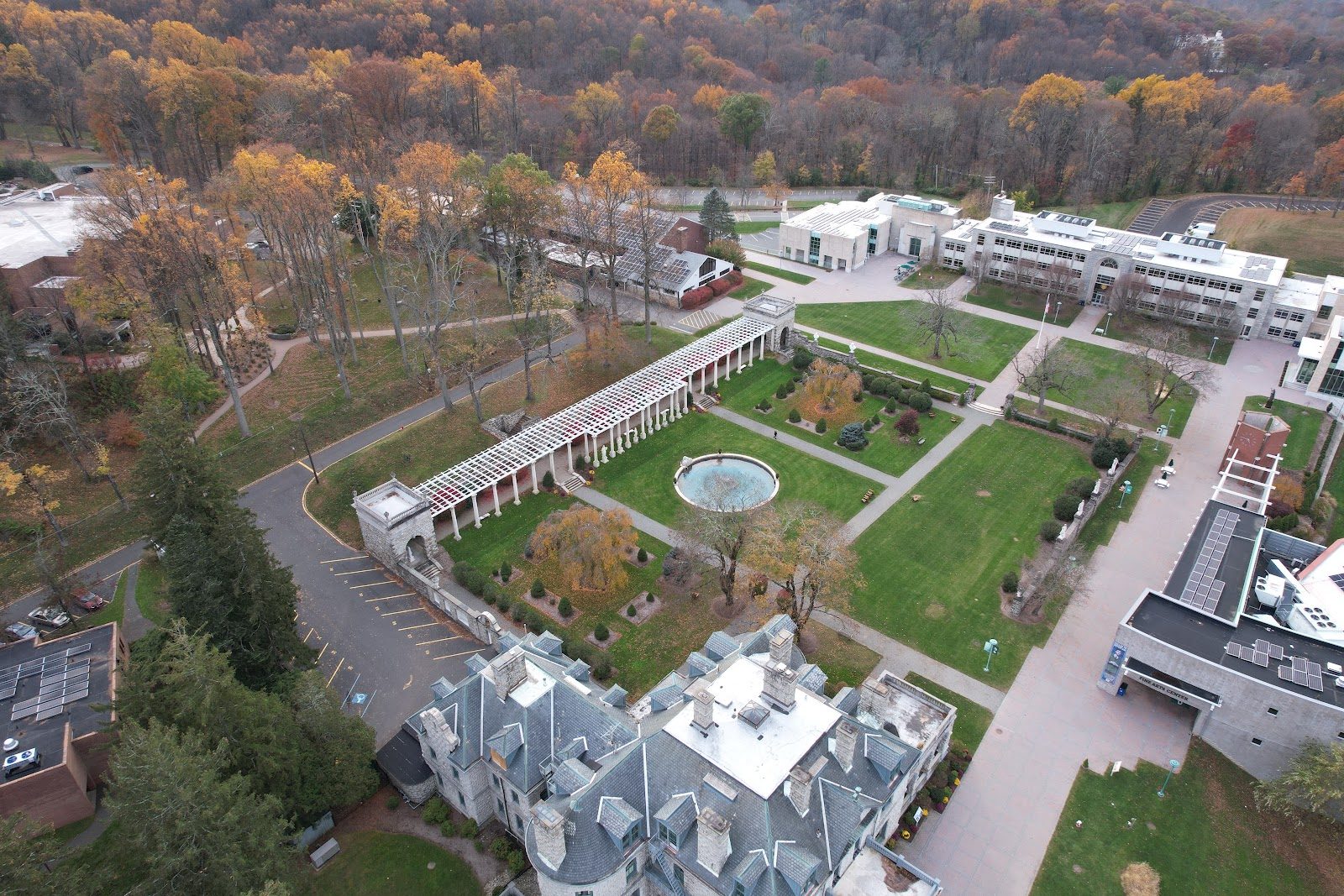
On a 187-acre abbey campus outside Morristown, Benedictine monks still guide a rigorous, near-1,500-year-old liberal arts tradition.
Trinity School
New York City · United States
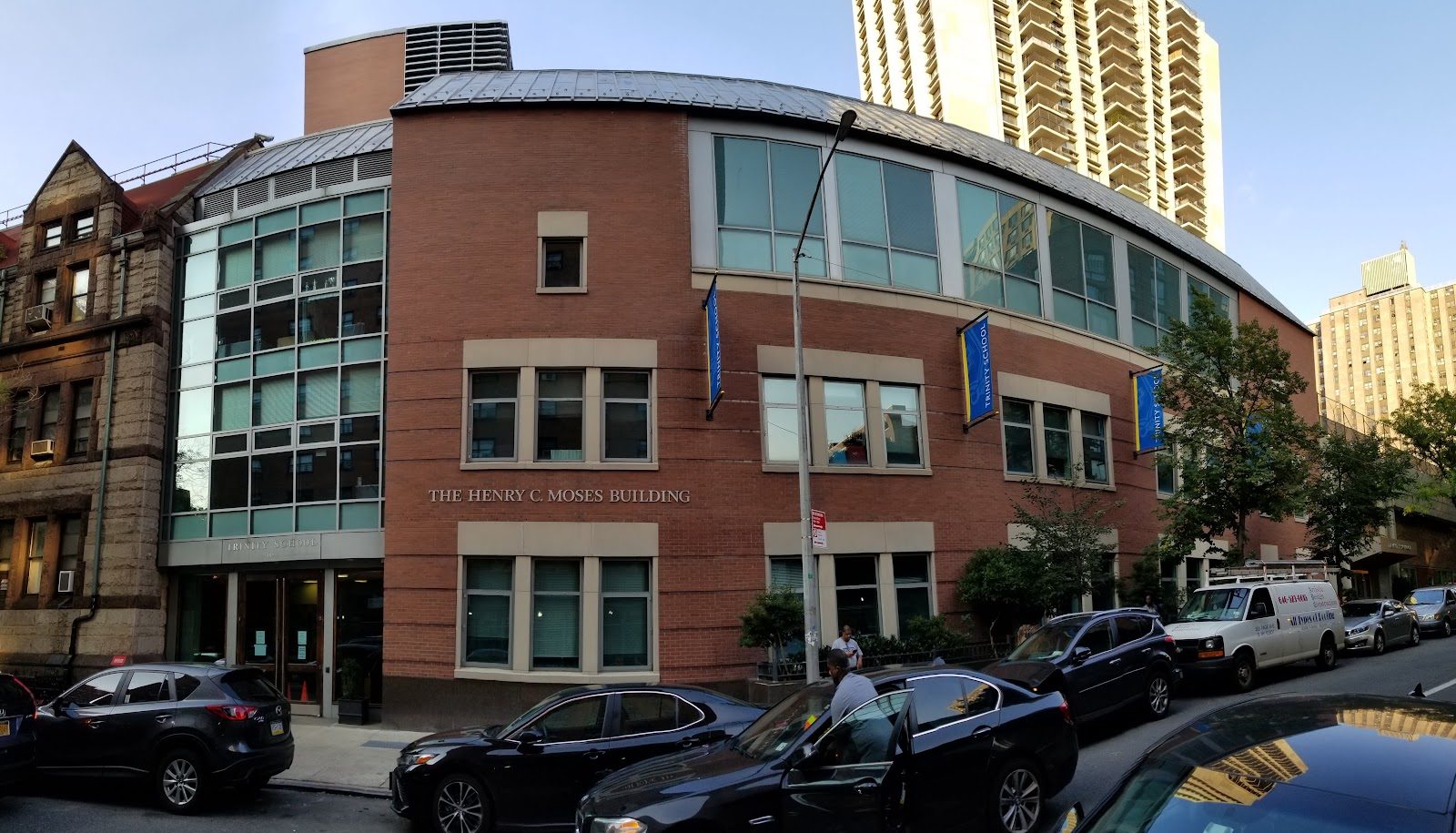
Founded in 1709 as a charity school, now the oldest continuously operating school in New York City, still built on a rare full Classics department
Same country and curriculum — closest matches within ±10 points either way