
Riau Islands
Sekolah Global Indo-Asia
low confidence· 4/6 cats · 1.2 avg sourcesOn Batam's free-trade island facing Singapore, a campus blending the IB Diploma with Cambridge IGCSE and A Levels since 1998.
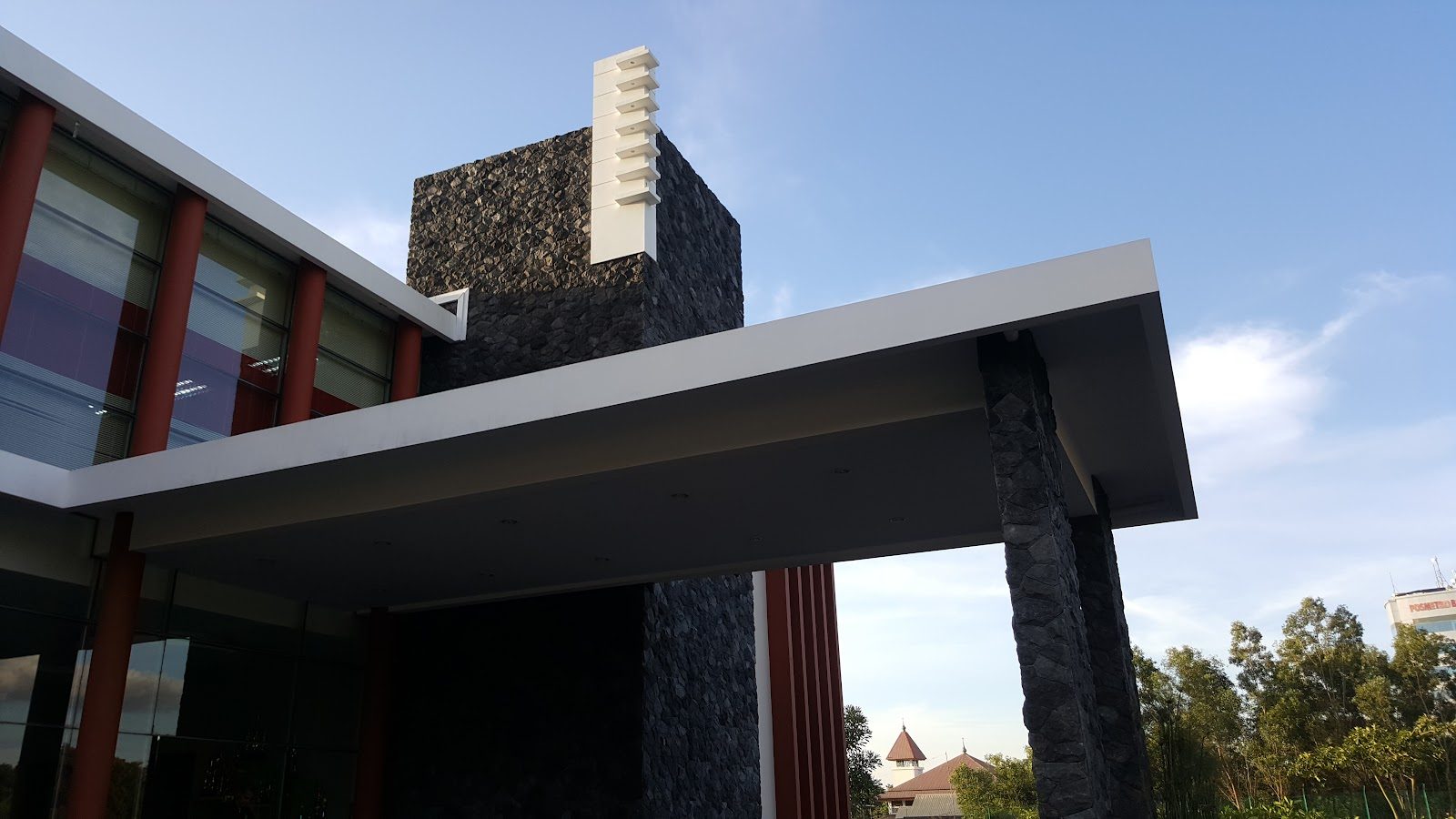
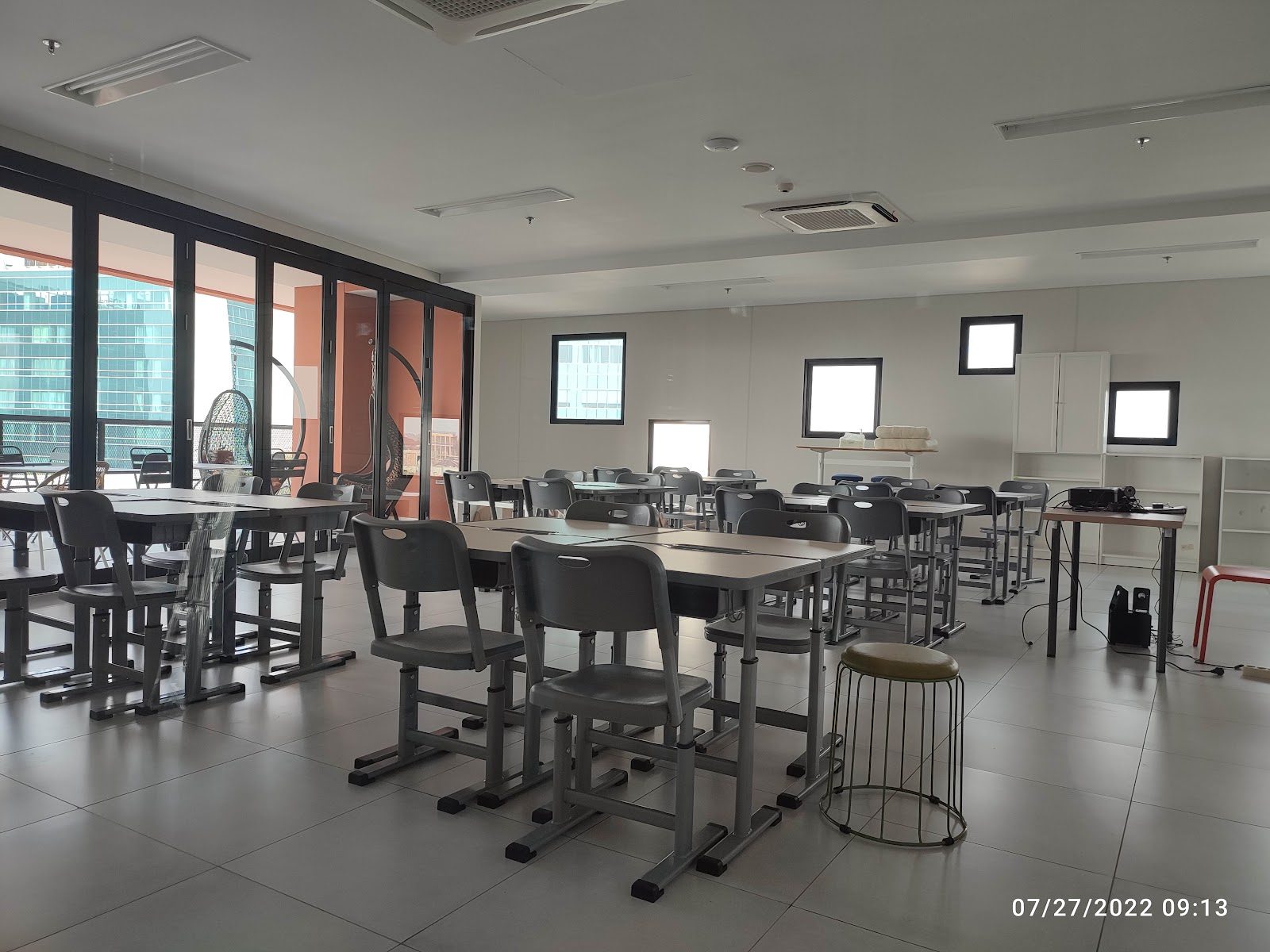
Photo © David Martius via Google Maps
Type
Day
Ages
3–18
Curriculum
Cambridge International · British
Qualifications
IGCSE
Ratio
—
The Verdict
Editor's commitment
Right for
Batam families wanting an English-medium day school from ages 3–18, with Cambridge International and British curriculum continuity since 2006.
Wrong for
Parents set on boarding, religious formation, or a pure IB pathway; this is a non-religious day school in Batam, not Singapore.
Watch out for
The school holds Cambridge International accreditation, but publishes no wider accreditation list; inspect sixth-form depth before betting on A Levels.
Ranking breakdown
Sekolah Global Indo-Asia · # of 1591
Composite score 55.2. 8 weighted criteria.
By criterion
Academic Outcomes
Weight 20%
#1273
of 1529 scored
University Placement
Weight 16%
#1259
of 1529 scored
Prestige & Heritage
Weight 12%
#1306
of 1571 scored
Alumni Network
Weight 12%
#920
of 1530 scored
Facilities
Weight 12%
#1289
of 1534 scored
Transparency & Communications
Weight 8%
#1289
of 1532 scored
Peer & Industry Review
Weight 10%
#1319
of 1548 scored
Admissions Selectivity & Demand
Weight 8%
#1123
of 1529 scored
Peer & Industry Review
How Sekolah Global Indo-Asia is regarded in the sector
62
Respected · medium confidence
I could not identify at least two independent third-party sources (e.g., Tatler, Good Schools Guide, expat forums, specialist education press) that discuss Sekolah Global Indo-Asia's reputation. Any information available appears limited to the school's own promotional materials or is not verifiable through independent channels.
Editors' overview
Sekolah Global Indo-Asia occupies a specific niche in Batam: an English-medium, non-religious day school for families who want an international pathway without sending children across the water to Singapore. Founded in 2006, it covers ages 3–18 and runs Cambridge International within a British frame. That matters in Batam, where parents often face a blunt choice between local provision and a daily or weekly cross-border routine. SGIA gives them a third option: a single campus with continuity from early years to sixth form, and a curriculum structure that carries weight with internationally mobile families. For the right household, that is *a practical answer to a real geographic problem*.
What marks the school out is not mystique but fit. Batam is a free-trade island with an expatriate workforce, Indonesian business families and students whose horizons extend beyond the city. A school like this works when it can hold those constituencies together in one English-speaking academic culture. Cambridge International accreditation gives SGIA a recognisable external anchor; the age span from 3–18 gives it scale and retention potential; and its status as a day school keeps the proposition grounded for families who want *serious schooling without the machinery of boarding*. The special point is proximity: for many parents in Batam, this is *the closest thing to an international-school continuum on the island itself*.
Why shortlist it? Because it solves for convenience, language and transferability in one go. Parents seeking a clean English-medium education, international classmates and a curriculum that travels well will find SGIA relevant at once. Parents who want a heavily local, Indonesian-language environment should look elsewhere. Parents who demand famous-brand prestige or a deep bench of published outcome data will also want to press harder: Cambridge accreditation is clear, but broader public disclosure on results and destinations needs scrutiny. Still, for a school founded in 2006 on an island market that does not have endless premium options, SGIA offers *a credible cross-border alternative without the border crossing*.
The students who will thrive here are adaptable, outward-facing and comfortable in a school with international ambitions rather than inherited grandeur. This suits children of expatriate professionals, returnee Indonesians, and families planning overseas university routes or regional mobility. It also suits students who need educational continuity from nursery to sixth form in one place. It does not suit families chasing old-school prestige theatre or a sprawling mega-campus experience. In market terms, SGIA sits as *Batam’s functional international-school choice*: not a fantasy purchase, but a school that answers the needs of a mobile, English-speaking family with clarity.
Academic Performance
SGIA does not publish the kind of exam dashboard that lets parents benchmark it cleanly against stronger regional competitors. We have not seen aggregate IGCSE grade distributions, no school-wide A Level profile is in the public domain, and there is no sustained run of disclosed outcomes that would let a reader judge trend, consistency or top-end stretch. That matters. In the international-schools market, serious operators publish at least headline attainment and university destinations. When a school does not, parents are left with an opaque academic picture and must do the legwork themselves. The key question is not whether students sit recognised external exams; they do. The question is how well the cohort performs across them, and SGIA does not answer that in public.
That places the school in a middle tier of visibility rather than the front rank of academically transparent schools in the region. It may still deliver solid individual outcomes, but public proof is thin. For families comparing Batam options, SGIA’s case rests more on continuity and access than on a hard-edged results narrative. For families comparing against established Singapore schools or larger Indonesian international schools, that lack of disclosure is a clear competitive weakness. Any parent serious about sixth-form outcomes should ask for the last 3 years of IGCSE and A Level results, subject-by-subject breakdowns, and named university destinations before treating the school as an academically high-confidence choice.
Facilities
SGIA’s public-facing facilities case rests on breadth rather than spectacle. The school highlights specialist teaching spaces across science, computing, art and music, alongside a library and indoor sports provision. For a school serving children from nursery through sixth form, that mix matters more than architectural showmanship: parents need usable rooms, enough subject-specific space, and a campus that can support practical science, creative work and routine physical education without constant compromise. The presence of 3 science laboratories gives the secondary phase real functional capacity, and the inclusion of dedicated rooms for visual art and music lifts the offer above the bare-minimum standard still found in some smaller island schools. This is a workmanlike campus with the right core pieces in place, not a flashy premium build.
Against peers, that places SGIA in a credible middle band. It outstrips budget private schools that rely on generic classrooms and thin specialist provision, but it does not match the arms-race facilities of top-tier Singapore campuses or the larger Jakarta schools with theatres, competition aquatics and extensive outdoor sports complexes. The key question is whether the school publishes enough about scale, condition and access. It does not. We have not seen clear detail on library stock, lab fit-out, sports capacity or performing-arts infrastructure. That leaves parents with a practical but incomplete picture. For Batam, the facilities sound fit for purpose; for families paying international-school fees, a campus visit is non-negotiable.
If prestige is your first filter, SGIA will not sit at the top of the list
Prestige
SGIA’s prestige sits in the practical tier, not the status tier. It carries enough recognition to satisfy families who want an international school pathway on the island, but it does not command the instant cachet of a famous global brand, a long-established embassy-school name, or a school with a deep public record of elite university placements. That distinction matters. Prestige in this market comes from three things: scarcity, visible academic outcomes and social signalling. SGIA benefits from the first because there are not endless direct substitutes nearby. It is weaker on the second because public results disclosure is thin, and weaker again on the third because the school lacks the brand theatre and inherited aura that drive parent chatter in more crowded premium markets.
That does not make it low-grade; it makes it *locally credible rather than regionally magnetic*. For many families, that is enough. A child can get a serious education here without the school carrying heavyweight prestige beyond its immediate catchment. The value lies in function, continuity and access, not in old-name glamour or a badge-value premium. We rate its prestige as solid but bounded: respected by parents who know the Batam market, less persuasive to families benchmarking schools across Singapore and the wider region. If prestige is your first filter, SGIA will not sit at the top of the list. If usefulness, stability and a coherent international route matter more, it earns a place in the conversation.
SGIA’s distinctiveness lies in geography and market function
Communications
SGIA’s parent communication looks functional, not polished. The website covers the basics — contact routes, admissions prompts, campus news, a school calendar and enough photographs to give parents a sense of daily life — but it does not operate as a high-trust information hub. The weakness is depth. Parents choosing an international school need clear, current answers on academic outcomes, staff stability, safeguarding, university guidance and the rhythm of school life. SGIA gives fragments rather than a full account. That creates a follow-up burden for families: too many important questions still need an email, call or visit. On a practical school, that is not fatal. On a fee-paying school competing for internationally minded parents, it is a clear communications shortfall.
What works in its favour is accessibility. The school does not hide behind corporate varnish; it looks reachable, local and human-scaled. For many Batam families, that matters more than glossy messaging. Parents who want quick contact with admissions or straightforward operational updates will get enough to move forward. Parents who want a forensic level of disclosure will not. We have not seen the kind of public-facing transparency that marks out the strongest schools in this market: no robust results archive, no detailed leadership communication, no deep parent-information architecture. The result is a communications style that is serviceable rather than rigorous: good enough to start a conversation, not strong enough to close one without further probing.
Uniqueness
SGIA’s distinctiveness lies in geography and market function. On an island where many internationally minded families must weigh local schooling against the pull of Singapore, it offers a single-site solution with more range than the average provincial private school. The unusual point is the combination: early years through sixth form, a recognised overseas-facing academic route, and a student body shaped by Batam’s business traffic rather than by one narrow local catchment. That gives the school a cross-border mindset without demanding a cross-border commute. For students, the benefit is concrete: educational continuity, classmates with mixed national and professional backgrounds, and preparation for life in settings where mobility and adaptation matter as much as raw grades.
That niche brings strengths and limits. The strength is that children grow up in a school built for families who need transferability and routine in the same package; the social environment is *practical, outward-facing and adult-world aware*. Students do not get the insulated grandeur of a famous metropolitan campus. They get something more useful for this context: a school calibrated to movement between systems, countries and expectations. The age span from 3–18 also gives pupils a long runway to build confidence, friendships and leadership on familiar ground instead of resetting at each phase. In a market crowded neither by elite brands nor by deep local alternatives, that makes SGIA distinctly serviceable, quietly strategic and well suited to families who value access over theatre.
Founded in 2006, it covers ages 3–18 and runs Cambridge International within a British frame
Student Profile
The pupils who fit best here are children from mobile, English-speaking households who need stability without retreating into a narrow local bubble. That includes expatriate families on Batam contracts, Indonesian families with regional business ties, and returnee parents who want their children in classrooms where overseas university plans and cross-border moves are normal conversation rather than distant ambition. A child who thrives on variety, adjusts quickly to mixed social groups and does not need status-heavy school culture will settle well. The social fit is less about polish than disposition: students who are *adaptable, outward-looking and self-starting* stand to gain most from a school built around practical international access.
This is a weaker fit for families chasing a sharply selective peer group, intense academic competition as a daily norm, or the high-gloss social pecking order that attaches to more famous regional schools. Children who need a vast campus, deep specialist teams in every niche, or a big-cohort buzz at every age may find the environment more contained than expansive. By contrast, pupils who value being known, staying in one community across phases and building confidence in a school with a clear real-world purpose are the right match. For the right student, the attraction is plain: an all-through setting from age 3 to 18 that serves families living between local life and international plans.
That matters in Batam, where parents often face a blunt choice between local provision and a daily or weekly cross-border routine
Co-curricular strengths
Arts & sport, on a separate axis
Overall 6.1/10
Scored 0-10 from the school's own published evidence. This axis is editorial-only — it does not feed the main WTS ranking.
Sports
8/10
Drama
4.5/10
Dance
6.5/10
Music
5/10
Visual Arts
6.5/10
Editor first-pass · editor-reviewable · 7/30/2026
Strengths
- +Offers Cambridge International curriculum, giving students access to internationally recognised IGCSE and A-Level qualifications.
- +Located in Batam, a Special Economic Zone with strong transport links to Singapore, useful for expatriate families working across the strait.
- +Day-school format keeps fees lower than boarding alternatives in the region, relevant for cost-conscious relocating families.
- +British curriculum framework provides a familiar academic structure for UK and Commonwealth-linked expatriate households.
Considerations
- −Very limited independent verification is publicly available regarding academic results, staff qualifications, or Cambridge exam outcomes.
- −Batam is a secondary expatriate hub compared to Jakarta or Singapore, meaning fewer established international-school support networks and alumni pathways.
- −No verifiable accreditation body reports, inspection ratings, or published league-table positions could be found to substantiate quality claims.
- −As a low-profile, candidate-tier institution, transfer credibility to other Cambridge-curriculum schools abroad has not been independently confirmed.
Availability
Primary entry gate & tests
Academic Record
Gallery
Photo © Matthew Yip via Google Maps
Photo © Luca Huang via Google Maps
Photo © Chyntia Anastasia via Google Maps
Photo © Chyntia Anastasia via Google Maps
Photo © wahyudi prasatia via Google Maps
Parent reviews
Have you sent your child here?
Voice reviews carry the strongest trust badge — we transcribe them for you to tidy up before they go live. Prefer to type? A written review is fine too.
Add your voice
In 60 seconds, tell other parents: what's the best thing about Sekolah Global Indo-Asia, and what surprised you when your child joined?
We ask for a Google sign-in so every review has a real face behind it — no anonymous drive-by attacks on schools, and no faked positive reviews. Your email is never shown publicly.
Send this profile to a friend
International parents rely on word-of-mouth. Share this review with someone weighing the same decision.
Schools with places
Similar schools to Sekolah Global Indo-Asia with places available now.
Green School Bali
Abiansemal · Indonesia
- 2026-27
- WAITPOOLSpace-dependent
- 2027-28
- PLACES OPENRolling
Jakarta Intercultural School
Jakarta · Indonesia
- 2026-27
- WAITPOOLSpace-dependent
- 2027-28
- PLACES OPENRolling
Availability first, then country, area, curriculum, price, co-curricular
Consider also
Also worth looking at alongside Sekolah Global Indo-Asia.
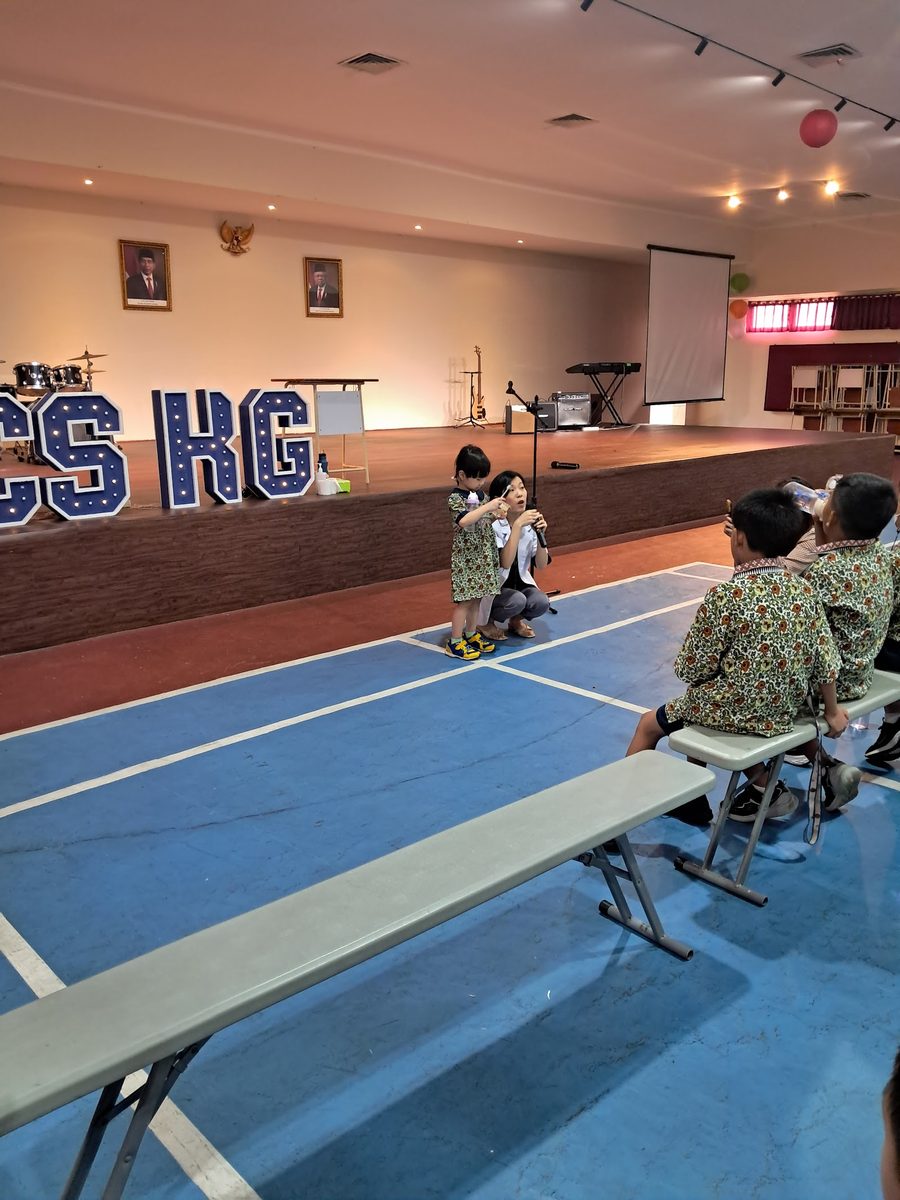
Raffles Christian School Kelapa Gading
Jakarta · Indonesia
A Kelapa Gading day school blending Singapore rigor with Cambridge assessment, its IGCSE and A Level scholars earning Top in the World distinctions.
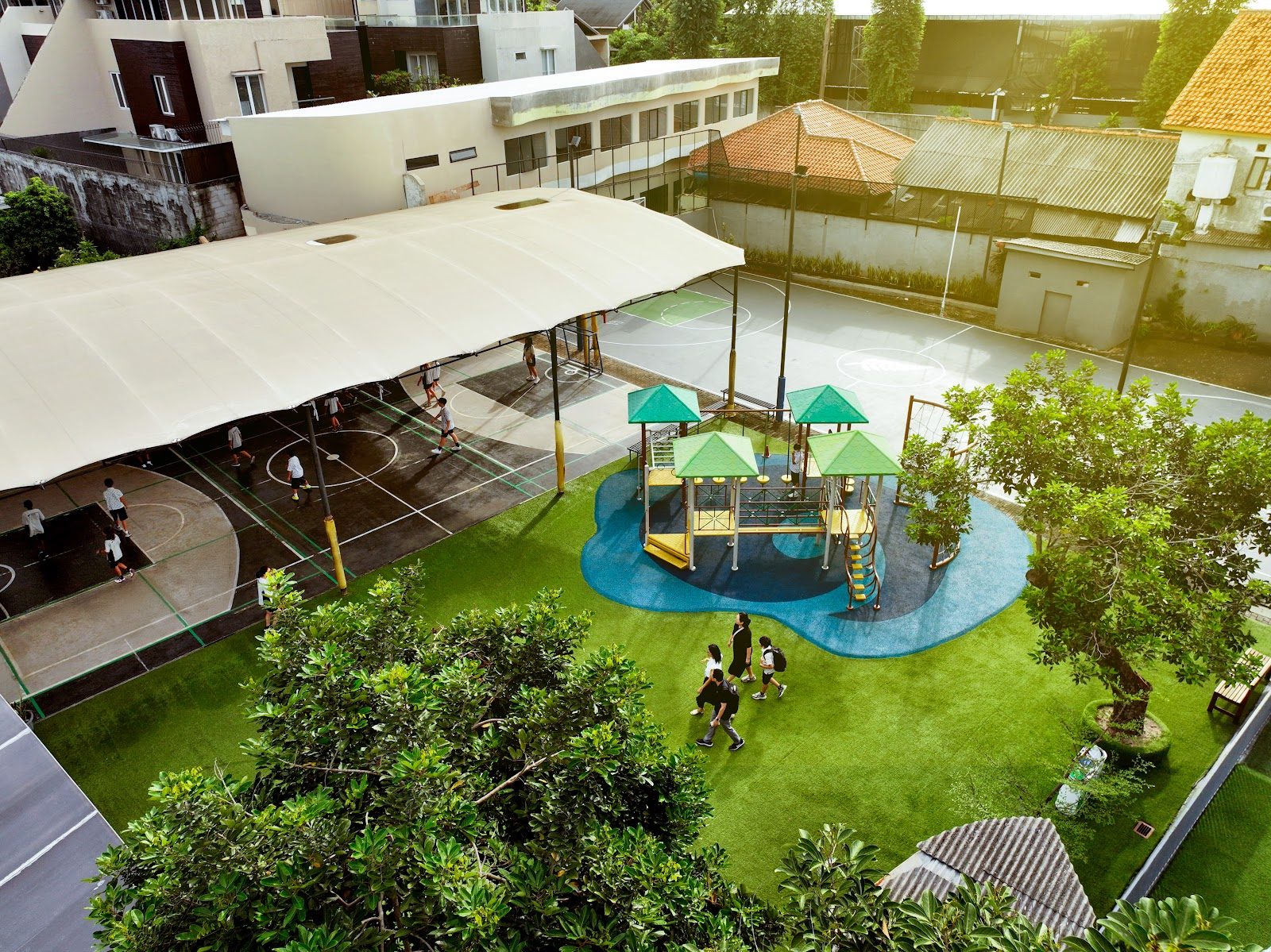
New Zealand School Jakarta
Jakarta · Indonesia
In Kemang, one of the few schools worldwide delivering New Zealand's own curriculum, pairing Maori-inspired houses with Cambridge rigour for secondary years.
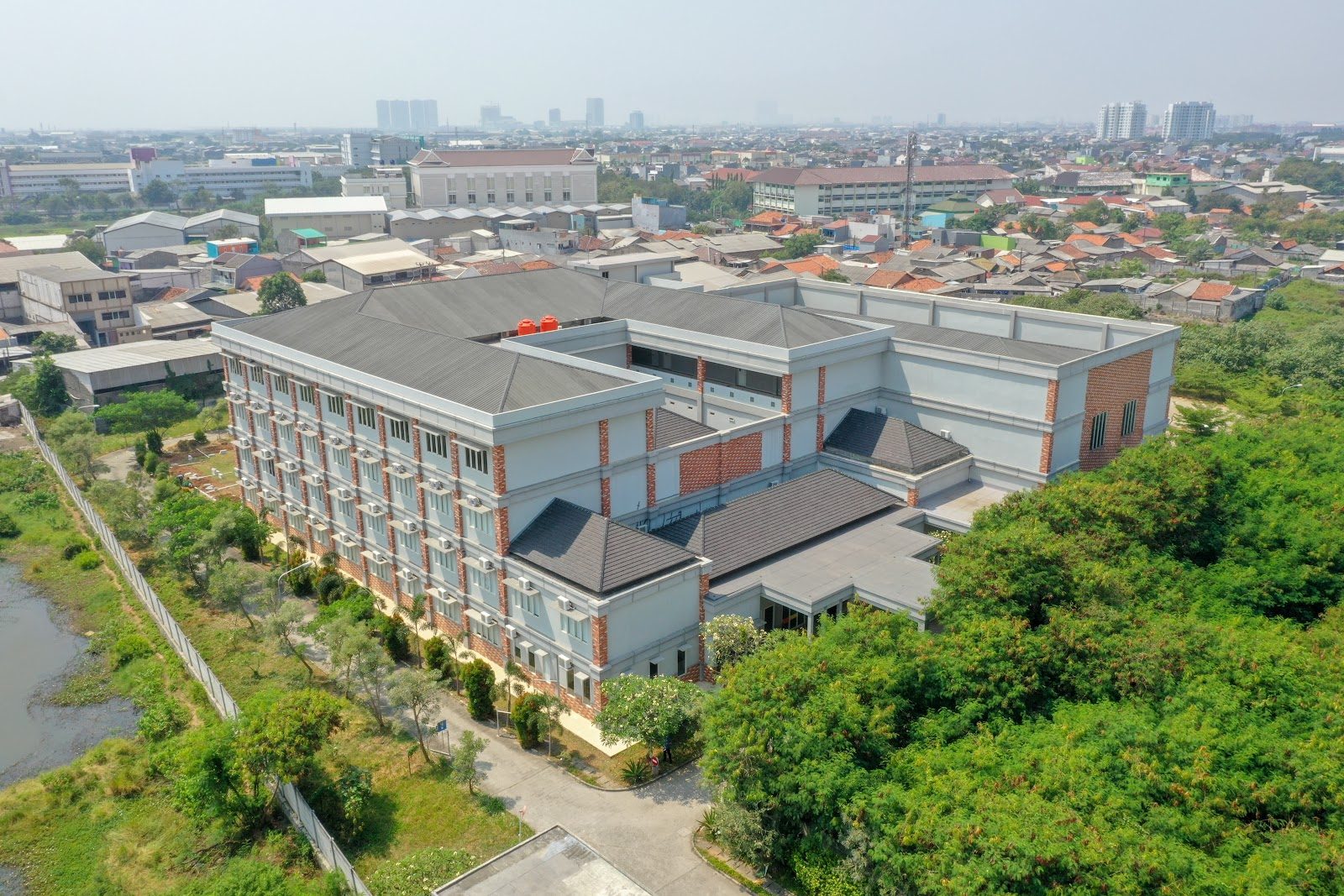
Mentari Intercultural School Jakarta
Jakarta · Indonesia
Born from a 1994 mothers' initiative, this Kebayoran Baru school runs full IB programmes, PYP to DP, alongside Indonesia's national curriculum.
Sekolah Cikal Cilandak
Jakarta · Indonesia
South Jakarta's first competency-based school layers the IB onto an inclusion ethos built for children of all needs.
Same country and curriculum — closest matches within ±10 points either way