
Guangdong
Shekou International School
medium confidence· 4/6 cats · 2.8 avg sourcesShenzhen's oldest international school, pairing IB inquiry and American rigor with a French Ministry-accredited pathway.
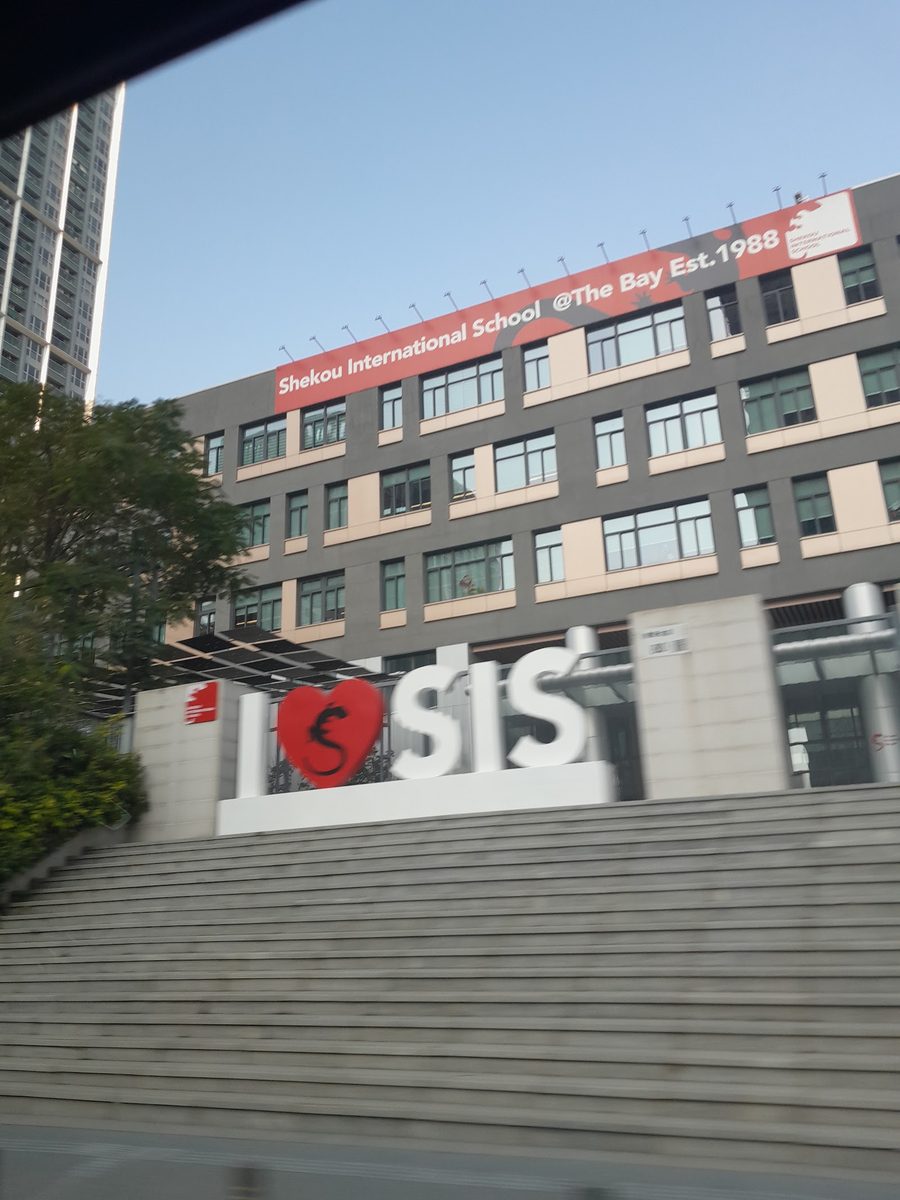
Photo © GH Kim via Google Maps
Type
Day
Ages
3–18
Curriculum
American · IB
Ratio
—
The Verdict
Editor's commitment
Right for
Families wanting Shenzhen’s oldest international school, founded in 1988, with American and IB pathways from age 3 to 18.
Wrong for
Parents wanting boarding, a religious ethos, or a single-campus school; SIS is secular, day-only, and runs across three campuses.
Watch out for
WASC and IB World School status give credibility, but the school does not publish aggregate outcomes or any university-placement data.
Ranking breakdown
Shekou International School · # of 1591
Composite score 67.1. 8 weighted criteria.
By criterion
Academic Outcomes
Weight 20%
#667
of 1529 scored
University Placement
Weight 16%
#584
of 1529 scored
Prestige & Heritage
Weight 12%
#995
of 1571 scored
Alumni Network
Weight 12%
#623
of 1530 scored
Facilities
Weight 12%
#559
of 1534 scored
Transparency & Communications
Weight 8%
#650
of 1532 scored
Peer & Industry Review
Weight 10%
#640
of 1548 scored
Admissions Selectivity & Demand
Weight 8%
#547
of 1529 scored
Score history
Shekou International School · 2026
Movement across 2024–2026. Peer average overlaid.
Overall — 2024–2026
67.1/ 100
▲ +19.4 vs 2025
year on year
Peer & Industry Review
How Shekou International School is regarded in the sector
60
Respected · low confidence
Shekou International School (SIS) is one of the older established international schools in Shenzhen, part of the COBIS/CIS-accredited network, and is regularly mentioned in expat parent forums (e.g., InterNations, Shenzhen expat guides, AsiaXpat) as a solid, long-standing choice for families in the Shekou/Nanshan area. However, it lacks the level of specialist press coverage (Tatler, Good Schools Guide) or distinctive alumni-network visibility seen in top-tier Shenzhen/Beijing/Shanghai international schools, suggesting a respected but regionally-bound reputation rather than a nationally benchmarked one.
Evidence sources
Editors' overview
Shekou International School holds a rare position in Shenzhen: the city’s oldest international school, founded in 1988, with the institutional memory that newer entrants cannot manufacture. For parents, that matters. Older schools have had time to refine governance, staffing, transitions and parent communication; they also carry the burden of proving they have not become complacent. SIS stays competitive because its offer is broader than the standard “international school in Shenzhen” template. It combines an American curriculum with IB, runs as a not-for-profit, and serves ages 3–18 across 3 campuses. That mix gives it real range: serious academic breadth, a settled operating model, and a long-established place in the expatriate market.
What sets SIS apart is the combination of continuity and plurality. Many schools in Shenzhen do one thing: American-style college preparation, full IB, bilingual delivery, or a national stream adapted for international families. SIS does more than that. The school’s own positioning rests on an American and IB foundation, while your brief also notes a French Ministry-accredited pathway. That is an unusual configuration in one institution and a strong reason for shortlist status. For internationally mobile families, or for households split between different higher-education destinations, that flexibility carries weight. It gives the school *more than one academic route to the finish line and creates a stronger hedge against family uncertainty* in a city where assignment lengths and relocation plans can shift fast.
The school’s market position is clear: this is a mature, full-range, English-medium day school for internationally minded families who want substance over novelty. It suits students who thrive in *structured inquiry rather than rote schooling*, who want the scale and social mix of a well-established international community, and who benefit from a school that covers the full age range instead of forcing a campus change mid-journey. It also suits parents who value the discipline of established accreditations — WASC and IB World School status — and who want a secular environment without a confessional overlay. The trade-off is plain. A school with this history and breadth attracts families looking for proven systems, not experimental schooling or boutique intimacy. For the right child, that translates into *stability, range and academic seriousness*.
Academic Performance
Shekou International School does not publish the hard outcome data that serious comparison requires. We have not seen aggregate IB Diploma averages, score distributions, pass rates, subject-level breakdowns, SAT or AP profiles, or university destination lists with enough detail to test academic strength against direct competitors. That matters. In a market where ambitious international schools use external results to prove substance, this level of opacity leaves parents to infer quality from programme breadth, longevity and reputation rather than from verifiable academic evidence. For a school with a long-established position, that is a weak spot. Parents who care about selective university trajectories should ask for 3 years of headline exam data, plus the spread between top performers and the cohort median.
Relative to peers, SIS sits in an awkward middle ground: too established to get a free pass on missing results, yet not transparent enough to claim a results-driven edge. Schools with strong IB outcomes publish them. Schools with mixed outcomes also publish them if they want trust. SIS has not done that in public. That does not prove weak performance; it proves limited disclosure. The practical conclusion is straightforward. Treat SIS as a school with a serious academic structure but an unproven public results case until the school releases clearer figures. For families comfortable judging fit through campus visits and direct questioning, that is manageable. For data-led parents, it is a material handicap.
Facilities
Publicly available detail on SIS’s facilities is thin, and that matters because campus quality shapes daily school life more than mission statements do. What we can say with confidence is structural: the school operates across 3 campuses and serves children from early years through the end of secondary. That gives it a broader physical footprint than many single-site competitors and allows age groups to avoid the cramped, compromise-heavy layouts common in all-through urban schools. For families, that usually translates into more age-appropriate specialist space and less of the awkward sharing that leaves science, arts or sports squeezed into multipurpose rooms. The advantage is practical rather than glamorous: room to organise the school sensibly, a more coherent daily experience for pupils, and less pressure on one central site.
Against Shenzhen peers, that places SIS in the solid middle-to-upper band for infrastructure planning, but not in the flashiest tier. Some newer rivals sell themselves on showpiece architecture, resort-style sports provision or vast purpose-built performing arts centres. SIS’s edge lies elsewhere. Its multi-campus setup points to mature operational logic, not spectacle. The missing piece is specificity: the school does not publish enough detail on laboratories, libraries, theatres, maker spaces or high-level athletic provision to make a sharper comparison. Until it does, parents should treat the facilities as *functionally strong but not fully evidenced* and ask direct questions on specialist teaching spaces, indoor sports capacity, and how resources differ between campuses.
Shekou International School does not publish the hard outcome data that serious comparison requires
Prestige
SIS carries real prestige within Shenzhen’s international-school market, but it is earned prestige, not glamour prestige. Its standing rests on longevity, not-for-profit status, and the fact that it serves families across 3 campuses with a full age-range offer. That combination gives the school institutional weight. Parents read it as a place with established systems, durable demand and a community that did not need a flash rebrand to stay relevant. The French pathway noted in your brief adds another layer of distinction because few schools can credibly support more than one serious academic route. In local terms, SIS sits in the top tier of recognition and benefits from the quiet authority that older schools accumulate.
That said, prestige here has limits. SIS does not project the ultra-elite aura of a school whose cachet rests on published headline results, extreme selectivity or a luxury brand environment. Its prestige is substantial rather than dazzling. The school’s strongest asset is trust built over time; its weakest point is the lack of public outcome data, which caps how far that prestige travels beyond families who already know the market. In plain terms: SIS has serious local credibility and a strong reputation among internationally mobile parents in Shenzhen, but it does not hold the same hard-edged academic prestige as schools that back their name with transparent exam performance.
In local terms, SIS sits in the top tier of recognition and benefits from the quiet authority that older schools accumulate
Communications
Parent communication at SIS carries the advantages and liabilities of an established institution. A school spread across 3 campuses needs disciplined systems: clear calendars, campus-specific notices, transport and logistics updates, and fast correction when information changes. That structure matters more here than at a compact single-site school. The baseline case is strong. The school has had enough time to build routines, and parents choosing a long-established not-for-profit expect orderly communication, not improvisation. Where SIS loses ground is public visibility. The school does not put much communications substance into the public domain, so outsiders cannot easily judge tone, frequency or candour before enquiring. That leaves a trust gap at the point when parents are comparing schools.
Effectiveness, then, rests less on glossy messaging and more on operational follow-through. If notices are prompt, division-specific and consistent across campuses, the model works well; if not, complexity turns into avoidable friction very fast. The school’s broad age range raises the bar further, because early-years parents and senior-school parents need different information at different tempos. We have not seen enough public-facing evidence to call SIS exceptionally transparent or best-in-class on communication. The safer judgment is narrower: the school has every structural reason to communicate well, and every operational reason to do it with precision. Parents should test that directly by asking to see recent newsletters, parent handbooks, crisis protocols and examples of how the school handles whole-school versus campus-level updates.
Uniqueness
What makes SIS distinctive is not novelty but range with coherence. Many international schools force families into a single academic philosophy and a single institutional mood. SIS offers more than one route without fragmenting into a loose federation of mini-schools. The unusual element is the coexistence of an American and IB foundation with a French Ministry-accredited pathway inside one not-for-profit institution. That gives students real optionality as they grow older. A child does not need to fit one narrow definition of success from the start. Families with mixed educational loyalties, uncertain posting lengths or different university destinations get practical flexibility, not just a marketing line about personalised learning.
Its other point of difference lies in age span and structure. Covering nursery to the end of secondary across 3 campuses allows the school to build continuity over a long period while still separating younger children from the pressures and culture of older year groups. For students, that brings institutional steadiness: smoother transitions, a community that does not need rebuilding at every stage, and a stronger chance that teachers understand the whole arc of a child’s development rather than only one slice of it. The benefit is concrete. Students get breadth, continuity and a school with deep operational memory. The cost is that SIS is not a boutique environment; it is a fully built system, and children who need something tiny or highly idiosyncratic may find it less natural.
We have not seen enough public-facing evidence to call SIS exceptionally transparent or best-in-class on communication
Student Profile
SIS suits children who do well in a school with clear internal structure and a broad social mix rather than a boutique atmosphere. Because the school runs from nursery to the end of secondary across 3 sites, it works best for families who value continuity and who want their child to grow inside one institutional culture instead of restarting at each phase. The strongest fit is the internationally mobile family that wants stability without narrowness: students who can handle different peer groups, adapt to a sizeable community and make use of more than one academic route as their interests sharpen. This is also a good match for children who are curious, organised and comfortable with teachers expecting independence rather than constant hand-holding.
The less natural fit is just as clear. A child who needs a tiny setting, highly personalised pastoral containment or an intentionally alternative school culture may find SIS too system-led and less intimate than smaller rivals. Equally, families who choose schools by published headline outcomes rather than by institutional depth will not get easy reassurance here. Socially, the school fits pupils who are comfortable in an international, transient community, where friendships form quickly and departures are part of the rhythm of school life. Students who enjoy range, routine and a grown-up level of expectation will settle well; those who need intense coddling or a highly rarefied, ultra-selective environment will not.
What makes SIS distinctive is not novelty but range with coherence
Co-curricular strengths
Arts & sport, on a separate axis
Overall 7.78/10
Scored 0-10 from the school's own published evidence. This axis is editorial-only — it does not feed the main WTS ranking.
Sports
8.5/10
Basketball, Volleyball, and Swimming as extracurriculars, showing multiple sports offerings.
Drama
8/10
Drama Productions, which goes beyond a bare mention of drama by indicating recurring staged activity, but no theatre, department, or specialist staff is cited.
Dance
5.8/10
Music
8.3/10
Choir and String Ensemble, indicating structured music participation through named ensembles, but provides no dedicated facilities, music department, or competition evidence.
Visual Arts
8.3/10
Editor first-pass · editor-reviewable · 7/27/2026
Strengths
- +Founded in 1988; long-established Shenzhen option.
- +Not-for-profit structure may prioritise school over shareholders.
- +Co-educational from Nursery through Grade 12.
- +American and IB curricula widen pathway options.
Considerations
- −Three campuses may complicate family logistics.
- −Shekou location may not suit non-Nanshan commuters.
- −No published accreditations in provided sources.
Availability
Primary entry gate & tests
Academic Record
Gallery
Photo © GH Kim via Google Maps
Photo © Effi Ovadia via Google Maps
Photo © Daniel Chesneau via Google Maps
Photo © Ted Miller via Google Maps
Photo © Ted Miller via Google Maps
Photo © Ted Miller via Google Maps
Photo © Ted Miller via Google Maps
Photo © Ted Miller via Google Maps
Photo © Ted Miller via Google Maps
Parent reviews
Have you sent your child here?
Voice reviews carry the strongest trust badge — we transcribe them for you to tidy up before they go live. Prefer to type? A written review is fine too.
Add your voice
In 60 seconds, tell other parents: what's the best thing about Shekou International School, and what surprised you when your child joined?
We ask for a Google sign-in so every review has a real face behind it — no anonymous drive-by attacks on schools, and no faked positive reviews. Your email is never shown publicly.
Send this profile to a friend
International parents rely on word-of-mouth. Share this review with someone weighing the same decision.
Schools with places
Similar schools to Shekou International School with places available now.
Utahloy International School Guangzhou
Guangzhou · China
- 2026-27
- WAITPOOLSpace-dependent
- 2027-28
- PLACES OPENRolling
American International School of Guangzhou
Guangzhou · China
- 2026-27
- WAITPOOLSpace-dependent
- 2027-28
- PLACES OPENRolling
Availability first, then country, area, curriculum, price, co-curricular
Consider also
Also worth looking at alongside Shekou International School.
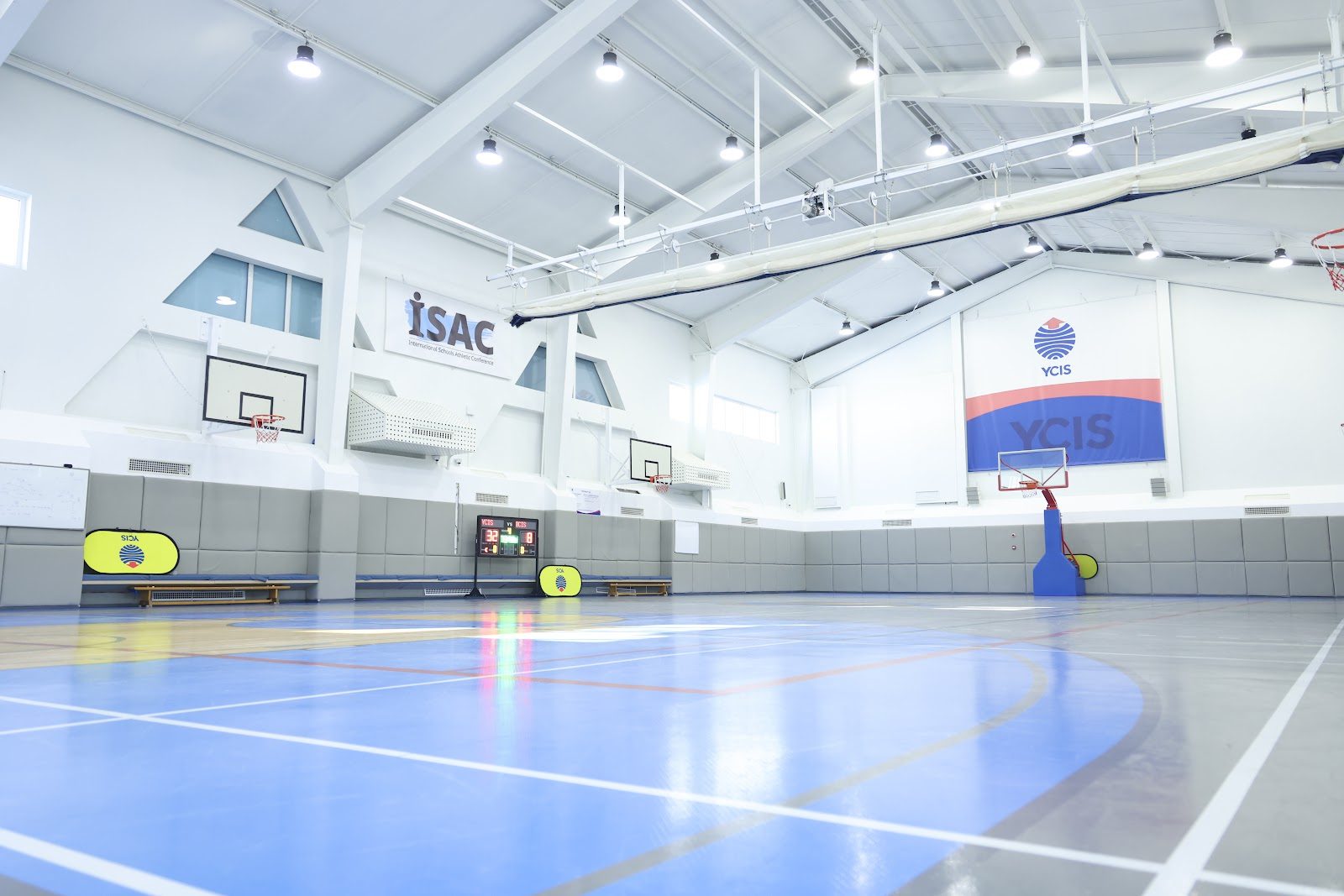
Yew Chung International School of Beijing
Beijing · China
Every classroom pairs a Western and a Chinese teacher, threading bilingual learning through a parkland Chaoyang campus.
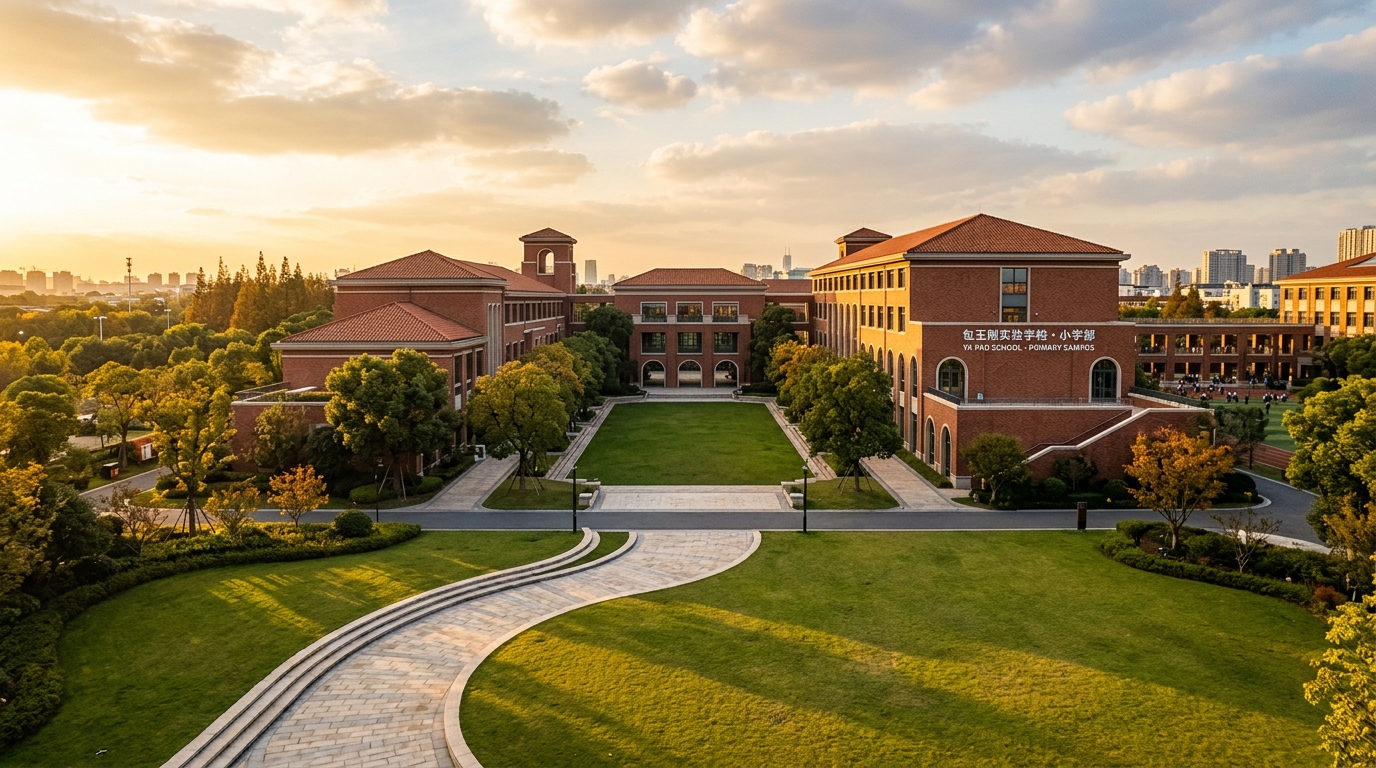
YK Pao School
Shanghai · China
Mandarin-English immersion anchors an IB and IGCSE track, with senior boarders housed in a Tudor-style village in Songjiang.
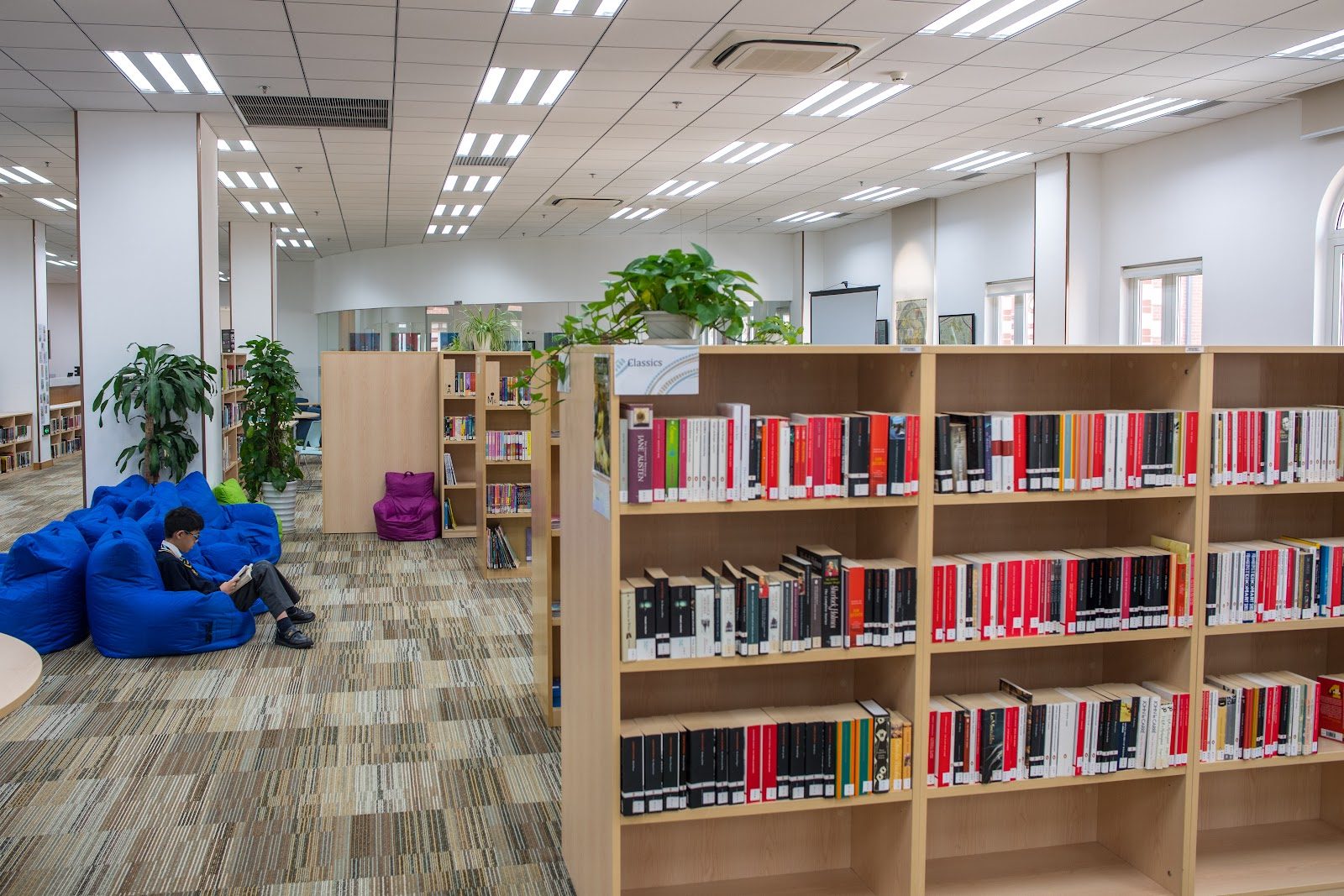
Wellington College International Shanghai
Shanghai · China
Rooted in an 1859 British foundation, this Pudong riverside campus channels house spirit into IB scores averaging 37 points.
UWC Changshu China
Changshu · China
On an island in Kuncheng Lake, mainland China's first UWC pairs the IB diploma with mandatory Mandarin study and a student-run Zhixing service programme.
Same country and curriculum — closest matches within ±10 points either way